Quick guide: You’ll get renter-friendly, no-drill fixes for kitchens, bathrooms, closets, and entryways. I compare low-cost options that tidy messes fast with sturdier picks that hold up to daily use and weight without wobble.
What I cover: the full lineup of „5 cheap 5 premium storage“ choices, how I judge each item — footprint, vertical lift, everyday access, safety, and cleanup time — plus realistic pricing guardrails so you stop scrolling and start shopping.
Expect budgets under $25 and under $50 for most basics and clear notes on what moves into higher pricing. I’ll also show quick setup times (minutes, not hours), simple maintenance tips, and a no-floor-space option: digital data and files when paperwork and photos cause the real clutter.
Be warned: if an adhesive or flimsy hook is a short-term fix, I’ll say so and point you to safer, longer-lasting alternatives. The goal is less visual clutter and fewer daily friction points, not a showroom apartment. 🙂
For a deeper comparison and tiered facility notes, see this helpful roundup.
Key Takeaways
- Choose renter-friendly fixtures that require no drilling for easy setup and removal.
- Budget tiers: many useful items fit under $25 or $50; heavier-duty options cost more.
- Evaluate footprint, vertical lift, access, safety, and cleanup time before buying.
- Use sealed bins or digital data and files as no-floor-space alternatives for paperwork.
- Quick maintenance and a five-minute weekly reset keep systems useful, not extra work.
What “Cheap vs Premium” Storage Really Means for Small Apartments
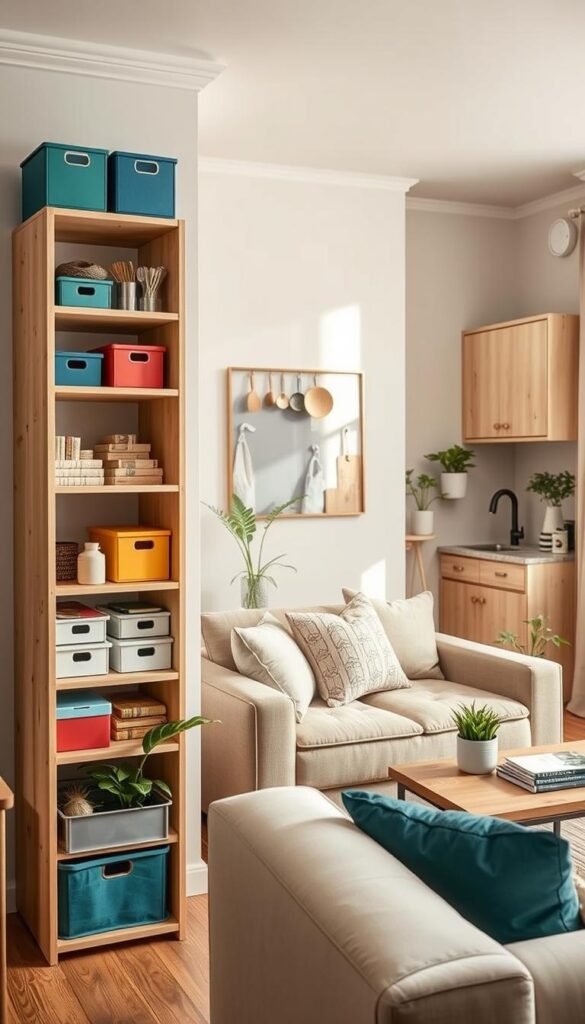
In small apartments, the real choice is between quick fixes that free up surface clutter and sturdier solutions built to last. This matters for renters because repairs or holes in walls can cost you your deposit. Pick things you can remove without damage.
Renter-friendly rules
No drilling, no anchors, no permanent changes. Look for mounts and organizers that peel off cleanly. Test adhesives on hidden paint first to avoid peeling or adhesive fatigue.
How to choose in tight spaces
Measure the footprint, then look up to use vertical space. Check weight limits and think about everyday access. If you can’t reach a thing in 10 seconds, it won’t stay organized.
Budget guardrails and safety notes
- Under $25 typically covers quick organizers, bins, and simple caddies for lightweight items.
- Under $50 usually gets you more reliable solutions: under-bed systems, risers, or a slim rolling cart.
- Keep heavy items low. Use anti-slip pads or straps to prevent tipping. Avoid overloading doors or hooks.
Not all clutter is physical. Scanning papers, saving key files, and using cloud data can cut what you need to store at home. For practical comparisons, see this renter setup comparison.
5 Cheap 5 Premium Storage Ideas: Quick Comparison of Pricing, Features, and Setup
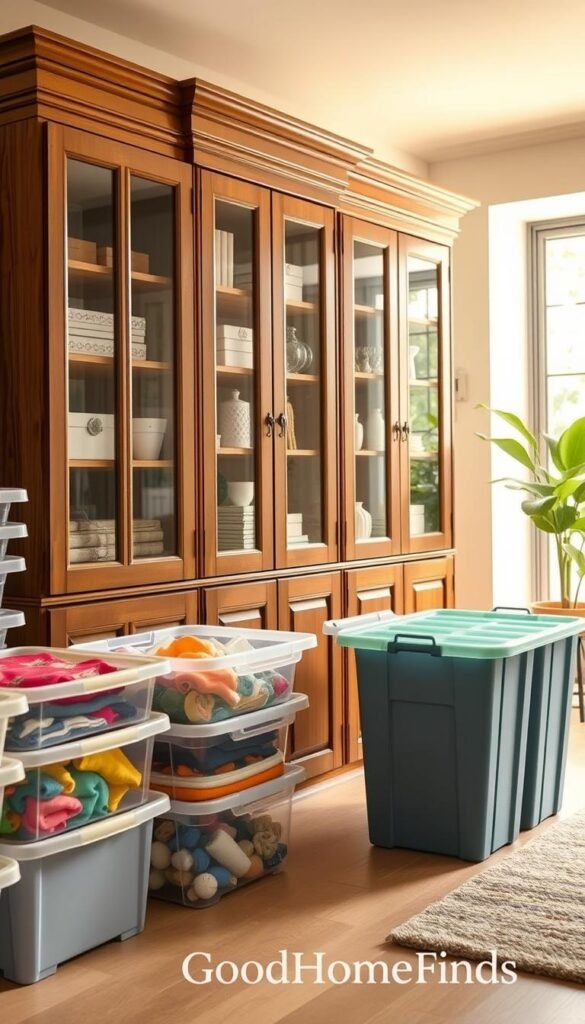
Compare pricing, setup, and real-use durability at a glance so you spend wisely on solutions that actually hold up.
At-a-glance comparison
| Item | Price range | Space saved | Tool-free? | Move-out friendly? | Install time | Durability / safety |
|---|---|---|---|---|---|---|
| Over-door pocket | $ | Vertical | Yes | Yes | 5–10 min | Light use; hinge clearance needed |
| Clear stackable bins | $ | Horizontal | Yes | Yes | 2–5 min | Good for groceries; wipeable |
| Tension rod dividers | $ | Vertical | Yes | Yes | 5 min | Low profile; avoid heavy loads |
| Adhesive hooks & caddies | $ | Vertical | Yes | Sometimes | 2–10 min | Surface dependent; test adhesive |
| Foldable fabric cubes | $ | Horizontal | Yes | Yes | 2–5 min | Light-medium; good for linens |
Match features to clutter
Groceries need clear bins that wipe clean and show contents fast. Toiletries work best in vertical caddies or tiered racks for daily access.
Coats and bags need stronger racks with safe hanger clearance. Cleaning tools fit tall, narrow zones that secure handles and keep tips off the floor.
Best-for guide
- Studios: favor vertical and under-bed fixes to free floors.
- One-bed: mix open access for daily items with bins for seasonal gear.
- Roommates: label zones and use clear bins so shared data and items stay separate.
- Families: invest in higher-capacity, sturdier solutions for heavy use.
Daily access score: put everyday items in open or quick-access spots. Move seasonal or rare items to under-bed or sealed systems.
Cheap Storage Ideas Under $25 That Punch Above Their Price
Smart, renter-friendly pieces make big gains in small apartments for very little cost. These picks work for daily use, are easy to set up, and help you stop buying things you already have.
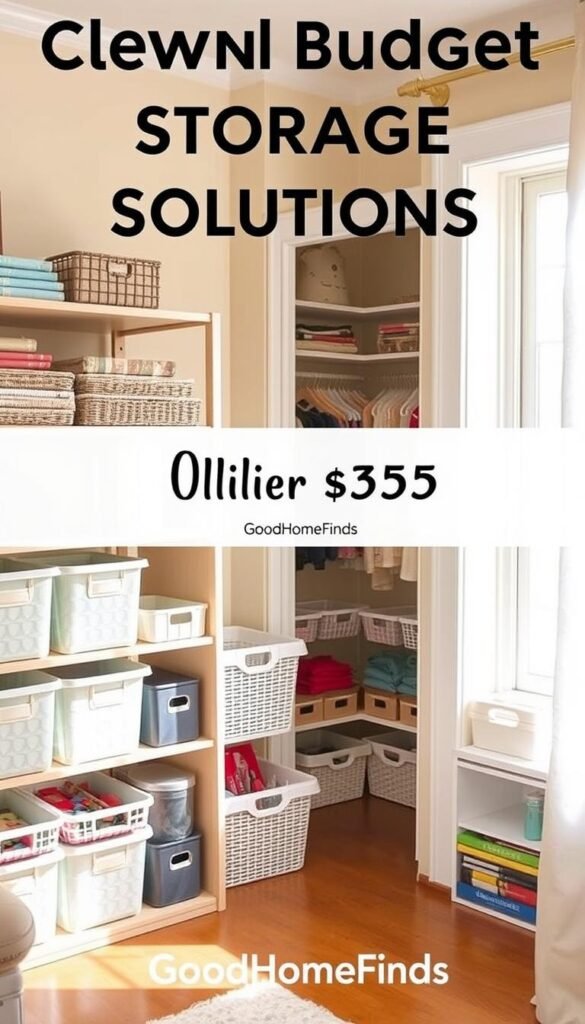
Over-the-door pocket organizer
Use it for pantry overflow, cleaning supplies, or toiletries. Check hinge clearance before you hang it. Add felt pads to protect the door and cut noise. Best for snack stash and small bottles.
Stackable clear bins
Create zones in the fridge, cabinets, or under the sink. Label each bin with dates so groceries don’t get lost. Clear bins speed up daily decisions and reduce duplicate buys.
Tension-rod dividers
Split awkward gaps under sinks, in shower corners, or at a laundry nook without tools. Keep rods below max tension and avoid heavy loads. They’re ideal for bottles and tall items.
Adhesive hooks and caddies
Hang keys, brushes, and lightweight tools. Prep the surface: clean, dry, and wait the adhesive cure time. Use backup hooks for heavier spots and swap adhesives if humidity is an issue.
Foldable fabric cubes
Flexible on shelves and in closets. Assign one cube as an incoming clutter bin and reset it weekly. They collapse for off-season storage or moves.
Pros, cons, and quick routines
- Pros: fast setup, renter-friendly, under-$25 options that work daily.
- Cons: thinner plastic can crack, cheap fittings may wobble, adhesives can fatigue in humidity.
- Daily habit: 60-second nightly reset for entry drop zones. Weekly wipe-down for bins. Monthly donate-one-bag rule to prevent overflow.
Apartment-size alternatives: In micro-studios favor vertical and door-backed solutions. In larger rentals scale with more clear bins or add a slim rolling cart before buying bigger furniture. For closet ideas, see best closet space solutions.
Cheap Storage Upgrades Under $50 for Noticeable Space Optimization
Small investments under fifty dollars unlock obvious room without drilling or heavy work. These picks fit renters, move easily, and show clear gains in closets, kitchens, and under beds.
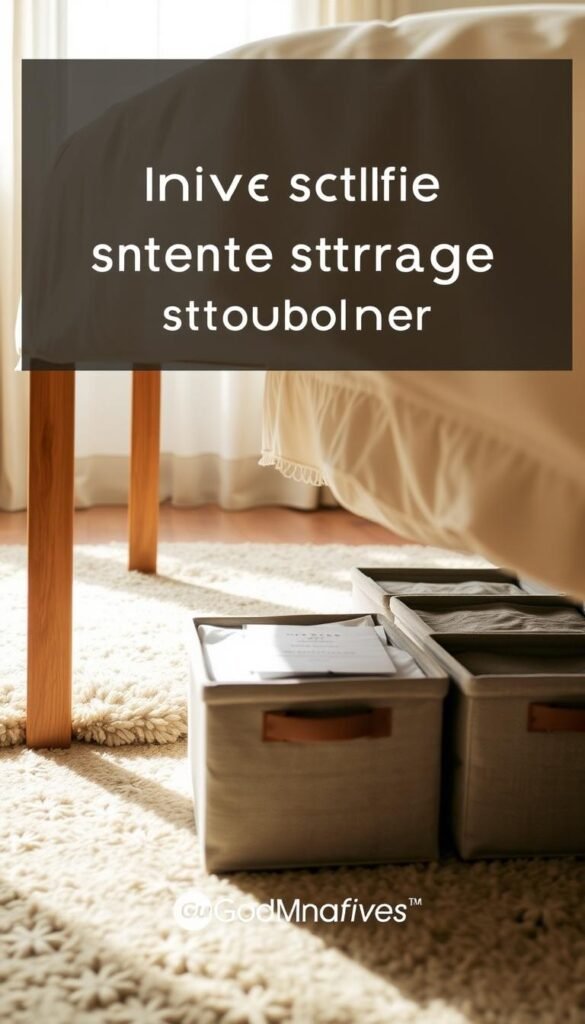
Under-bed zip bags & low-profile bins
Who it’s for: seasonal clothes, spare linens, or bulky blankets.
Measure your bed clearance first. Pick bins with pull handles for quick access. Keep “next season” in front and “deep storage” in back so you don’t empty everything each time.
Non-slip shelf risers
Use risers to double cabinet or vanity space. They work great for plates, mugs, skincare, or meds. Match heights so items don’t feel cramped.
Rolling slim cart
Slide a narrow cart into kitchen or bathroom gaps for oils, spices, hair tools, or towels. Add sticky labels per shelf so roommates follow the system.
| Item | Best use | Key safety note |
|---|---|---|
| Under-bed bins | Seasonal clothes, linens | Measure clearance; label to avoid black holes |
| Shelf risers | Cabinets, vanity | Match height; avoid overstacking |
| Slim rolling cart | Gap storage, mobile restock | Keep heavy items on bottom; stable base only |
Pros: tool-free, renter-friendly, clear pricing and quick gains. Cons: under-bed bins can hide items, risers reduce vertical room, carts may tip on uneven floors.
Routine tip: Spend two minutes weekly to restock and wipe surfaces. That small habit keeps these upgrades useful and clean.
For a related laundry room solution that fits these principles, see best laundry room solutions.
Premium Physical Storage Ideas Worth Paying For (When Durability and Safety Matter)
Spend a bit more where safety and lasting use matter most — it saves time and replacement costs. Here are robust, renter-friendly picks that perform in real life. Each choice focuses on durability, daily usability, and lower risk of damage or tip hazard.
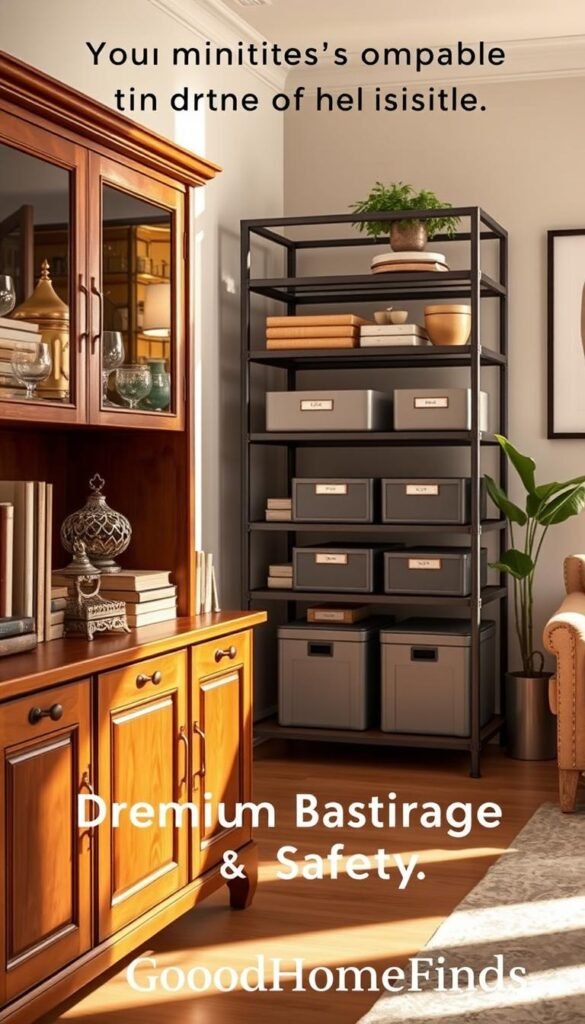
Freestanding adjustable shelving
What it does: multiplies closet and pantry room without drilling. Use leveling feet and anti-slip pads. Keep heavy items low and anchor tall units to the wall with tension straps if allowed.
Modular drawers with higher weight ratings
Choose metal runners and solid drawers for bathrooms and closets. Premium rails resist bending and reduce stuck drawers from daily use.
Vacuum-seal systems with thicker bags
Higher-quality bags cut leaks and protect long-term items. Store one open bag for seasonal rotation so you don’t reseal often.
Heavy-duty over-the-door racks
Pick hinge-safe designs and check clearance before fitting. Avoid overloading hollow-core doors and distribute weight across multiple hooks.
Entryway “drop zone” bench with closed storage
This gives contained shoe room and a nightly reset surface for keys and bags. Closeable compartments hide clutter and reduce trip hazards.
- Pros: stronger materials, higher load capacity, fewer failures.
- Cons: more assembly time and less portability than lightweight options.
- Best for: high-traffic homes, families with kids or pets, and anyone tired of replacing flimsy gear.
| Item | Key feature | Who it’s for |
|---|---|---|
| Adjustable shelving | Modular, levelable | Studios & families |
| Modular drawers | High weight rating | Bathrooms, shared closets |
| Vacuum-seal bags | Thicker, leak-resistant | Seasonal textiles |
Tip: balance durability with renter rules. If you need a no-drill approach that still performs, see this small-space fix mix for complementary ideas on safe setup and practical features.
Premium Digital Storage for Files and Data: Pricing and When It Beats More Bins
A well-chosen cloud plan removes boxes of receipts and manuals from your apartment for a small monthly fee. It costs money, but it costs zero square feet. That is a big win in a small home.
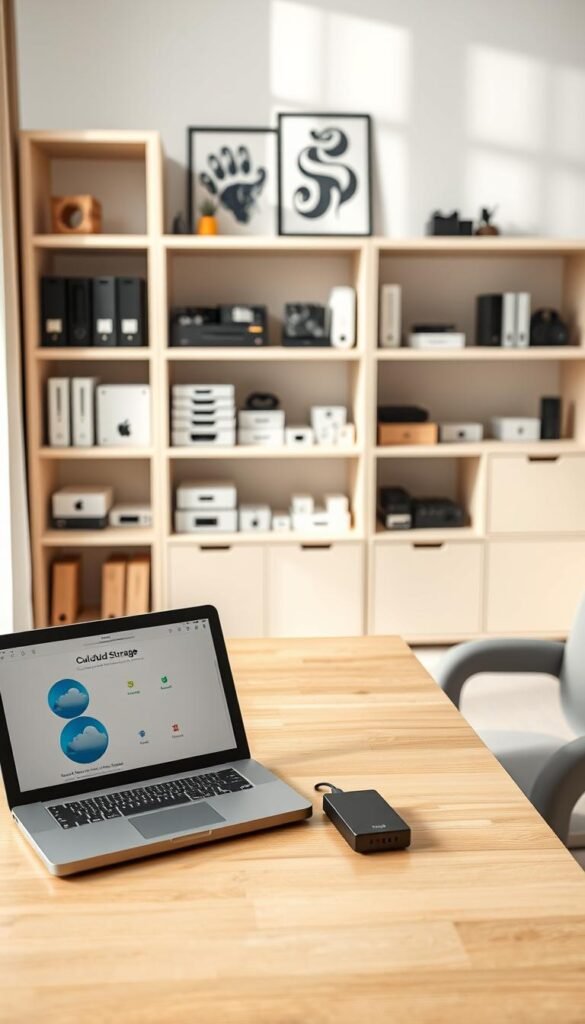
Google One basics and simple pricing
Start simple: every Google account includes 15 GB free. Google One adds 100 GB for $1.99/month or 2 TB for $9.99/month. You can share a plan with up to five others and manage it from the Google One app.
What to scan and how to keep it usable
Scan mail you must keep, appliance manuals, receipts for warranties, and kids’ artwork you want to save without piles. Use a small “scan tray” and a weekly 10-minute session.
Naming rule: YYYY-MM + category. Keep a “To Sort” folder and empty it monthly so digital clutter does not replace physical clutter.
When cloud for power users can surprise you
Cloud provider pricing includes storage class, retrieval fees, operation charges, and network usage. Nearline, Coldline, and Archive have minimum hold times: 30, 90, and 365 days respectively. That matters if you add and delete data often.
| Plan / Concept | Good for | Key cost note |
|---|---|---|
| Google One 100 GB | Light photo backups, docs | $1.99/mo; easy household sharing |
| Google One 2 TB | Active shooters, family archives | $9.99/mo; shared across up to 6 people |
| Cloud classes (Nearline/Coldline) | Infrequent access, large archives | Lower storage price but add retrieval and operation fees |
Decision checklist: estimate monthly photo/video size, how often you access files, who needs access, and whether a Google One bundle already covers your household. If you want step-by-step scanning and a clear plan, this is often the smarter buy than another bin.
Conclusion
Make decisions that solve daily friction, not decorate it. Go low-cost for light-duty clutter and spend more where durability and safety matter. Pick one problem zone and finish it before buying more.
Follow the budget ladder: quick wins under $25 and visible gains under $50. For heavy-use items choose higher-quality options and check pricing and weight limits first.
Keep safety simple: heavy items low, doors unloaded, and freestanding units stabilized. If paper or photos clog your home, move some items to digital data to cut box count.
Daily habit: a 60-second nightly reset, weekly wipe-downs, and a monthly clearout. For more picks and practical buys see the best organization finds.
FAQ
What counts as "cheap" versus "premium" storage for a small apartment?
Can renters install premium shelving without drilling holes?
Which cheap items give the best space-per-dollar result?
Are adhesive hooks reliable for heavier items like coats or bags?
How do I decide between under- and under- upgrades?
What should I check when buying modular drawers or premium units?
When does digital storage beat buying more physical bins?
How much does cloud storage actually cost for regular users?
FAQ
What counts as "cheap" versus "premium" storage for a small apartment?
Cheap options prioritize low cost and easy setup. Think adhesive hooks, fabric cubes, and clear stackable bins that you can buy and install quickly. Premium choices focus on durability, higher weight limits, and safer mounting—freestanding adjustable shelving, modular drawers, and heavy-duty racks that last longer and carry more. Match the choice to your needs: short-term renters often benefit from budget fixes; long-term renters or families may justify spending more.
Can renters install premium shelving without drilling holes?
Yes. Look for freestanding or tension-based units and models with no-drill stabilization kits. Many premium shelves include wall straps that use removable adhesive or pressure-fit anchors designed for rental rules. Always follow the manufacturer’s renter-friendly installation tips and check weight limits before loading.
Which cheap items give the best space-per-dollar result?
Over-the-door pocket organizers, stackable clear bins, tension rods, and adhesive hooks offer high impact for low cost. They create zones for pantry items, toiletries, and small tools with minimal footprint. Use clear bins so you can see contents and avoid buying duplicates. These items are practical for daily use and easy to move when you change apartments.
Are adhesive hooks reliable for heavier items like coats or bags?
Adhesive hooks work well for lightweight items and occasional use. For coats or heavy bags, choose commercial-grade adhesive hooks rated for higher weight and follow surface prep instructions. For consistent heavy loads, install a dedicated over-the-door heavy-duty rack or freestanding coat tree to avoid adhesive fatigue and wall damage.
How do I decide between under- and under- upgrades?
Use the lower tier for immediate clutter fixes: organizers, simple bins, and hooks. Spend up to for items that add flexibility and durability like non-slip shelf risers, under-bed zip bags, or a rolling slim cart. The higher budget gets better materials and longer service life, making it worth it if you need daily access or plan to keep the unit a while.
What should I check when buying modular drawers or premium units?
Check load capacity per shelf or drawer, materials (metal frames or thick ABS plastic), and stability options for renters. Measure your space carefully and consider adjustable shelves for changing needs. Also verify assembly complexity and whether the unit needs wall anchoring—look for anchors that are renter-safe or removable without damage.
When does digital storage beat buying more physical bins?
Choose digital backup if most of your clutter is paperwork, manuals, receipts, photos, or kids’ art. Scanning and storing files in Google One, iCloud, or Dropbox frees shelf and drawer space and simplifies sharing. Digital plans can be less expensive over time than bulky filing solutions, especially when you need frequent access or remote sharing.
How much does cloud storage actually cost for regular users?
Entry tiers are inexpensive. For example, Google One starts with 15 GB free, 100 GB at
FAQ
What counts as "cheap" versus "premium" storage for a small apartment?
Cheap options prioritize low cost and easy setup. Think adhesive hooks, fabric cubes, and clear stackable bins that you can buy and install quickly. Premium choices focus on durability, higher weight limits, and safer mounting—freestanding adjustable shelving, modular drawers, and heavy-duty racks that last longer and carry more. Match the choice to your needs: short-term renters often benefit from budget fixes; long-term renters or families may justify spending more.
Can renters install premium shelving without drilling holes?
Yes. Look for freestanding or tension-based units and models with no-drill stabilization kits. Many premium shelves include wall straps that use removable adhesive or pressure-fit anchors designed for rental rules. Always follow the manufacturer’s renter-friendly installation tips and check weight limits before loading.
Which cheap items give the best space-per-dollar result?
Over-the-door pocket organizers, stackable clear bins, tension rods, and adhesive hooks offer high impact for low cost. They create zones for pantry items, toiletries, and small tools with minimal footprint. Use clear bins so you can see contents and avoid buying duplicates. These items are practical for daily use and easy to move when you change apartments.
Are adhesive hooks reliable for heavier items like coats or bags?
Adhesive hooks work well for lightweight items and occasional use. For coats or heavy bags, choose commercial-grade adhesive hooks rated for higher weight and follow surface prep instructions. For consistent heavy loads, install a dedicated over-the-door heavy-duty rack or freestanding coat tree to avoid adhesive fatigue and wall damage.
How do I decide between under-$25 and under-$50 upgrades?
Use the lower tier for immediate clutter fixes: organizers, simple bins, and hooks. Spend up to $50 for items that add flexibility and durability like non-slip shelf risers, under-bed zip bags, or a rolling slim cart. The higher budget gets better materials and longer service life, making it worth it if you need daily access or plan to keep the unit a while.
What should I check when buying modular drawers or premium units?
Check load capacity per shelf or drawer, materials (metal frames or thick ABS plastic), and stability options for renters. Measure your space carefully and consider adjustable shelves for changing needs. Also verify assembly complexity and whether the unit needs wall anchoring—look for anchors that are renter-safe or removable without damage.
When does digital storage beat buying more physical bins?
Choose digital backup if most of your clutter is paperwork, manuals, receipts, photos, or kids’ art. Scanning and storing files in Google One, iCloud, or Dropbox frees shelf and drawer space and simplifies sharing. Digital plans can be less expensive over time than bulky filing solutions, especially when you need frequent access or remote sharing.
How much does cloud storage actually cost for regular users?
Entry tiers are inexpensive. For example, Google One starts with 15 GB free, 100 GB at $1.99/month, and 2 TB at $9.99/month. Costs rise for enterprise-style tiers and archived storage due to retrieval fees and operation charges. Estimate current data size and access frequency to choose the most economical tier for your habits.
What are practical ways to match storage types to specific clutter?
Match features to item habits: clear stackables for pantry and fridge items; fabric cubes for seasonal clothes; tension rods for bottles under sinks; rolling carts for narrow kitchen gaps. For paperwork, scan and organize digitally. For heavy tools, pick metal shelving with high load ratings. Think about daily access and rotate items seasonally to keep surfaces clear.
Are vacuum-seal systems worth the investment for renters?
Vacuum-seal bags save a lot of space for seasonal clothes and linens and can be budget-friendly if you need long-term compression. Premium systems with thicker bags reduce leaks and last longer. They’re worth it if you store bulky textiles often and want a compact under-bed or closet solution.
How do I ensure safety and longevity for over-the-door racks and heavy items?
Check hinge clearance, door thickness, and the rack’s weight rating. Choose models with padded hooks to protect doors. For heavy items, prefer freestanding benches or wall-anchored solutions that use renter-friendly anchors. Distribute weight evenly and retighten fittings periodically to prevent sagging or door damage.
What are renter-friendly alternatives if drilling is absolutely forbidden?
Use freestanding units, tension rods, adhesive systems rated for your wall type, and furniture that doubles as storage like benches with compartments. Rolling carts and under-bed bins are also excellent. These options maximize space without permanent changes and are easy to take with you at move-out.
.99/month, and 2 TB at .99/month. Costs rise for enterprise-style tiers and archived storage due to retrieval fees and operation charges. Estimate current data size and access frequency to choose the most economical tier for your habits.
What are practical ways to match storage types to specific clutter?
Match features to item habits: clear stackables for pantry and fridge items; fabric cubes for seasonal clothes; tension rods for bottles under sinks; rolling carts for narrow kitchen gaps. For paperwork, scan and organize digitally. For heavy tools, pick metal shelving with high load ratings. Think about daily access and rotate items seasonally to keep surfaces clear.
Are vacuum-seal systems worth the investment for renters?
Vacuum-seal bags save a lot of space for seasonal clothes and linens and can be budget-friendly if you need long-term compression. Premium systems with thicker bags reduce leaks and last longer. They’re worth it if you store bulky textiles often and want a compact under-bed or closet solution.
How do I ensure safety and longevity for over-the-door racks and heavy items?
Check hinge clearance, door thickness, and the rack’s weight rating. Choose models with padded hooks to protect doors. For heavy items, prefer freestanding benches or wall-anchored solutions that use renter-friendly anchors. Distribute weight evenly and retighten fittings periodically to prevent sagging or door damage.
What are renter-friendly alternatives if drilling is absolutely forbidden?
Use freestanding units, tension rods, adhesive systems rated for your wall type, and furniture that doubles as storage like benches with compartments. Rolling carts and under-bed bins are also excellent. These options maximize space without permanent changes and are easy to take with you at move-out.