
Quick, renter-friendly product picks aimed at people in apartments and rentals set the tone here. This roundup focuses on fast setup, easy storage, and fewer bottles to carry in small spaces.
The guide lays out two clear budget tracks: an under-$25 minimum effective kit and an under-$50 faster deep-clean upgrade. Each track lists compact, refillable items and tools that avoid drills or permanent fixtures.
Readers will see practical product picks, quick pros and cons, and „best-for“ notes for kitchens, bathrooms, closets, and entryways. Expect tips on safe use, leak-proof packaging, and kid-/pet-aware handling.
No brand hype: selections prioritize usefulness, value, and proven performance. The article also covers space-smart routines and storage ideas like one-caddy setups and minimal duplicates to prevent weekend marathons.
Key Takeaways
- Two budget tiers: under $25 starter kit and under $50 upgrade kit.
- Renter-friendly means no drilling and no permanent hooks.
- Core categories include all-purpose spray, dish soap, laundry detergent, stain remover, dishwasher or sink aid, bathroom foam, and a mineral-deposit tool.
- Focus on refillables, leak-proof bottles, and clear labels for daily use.
- Quick routines and one-caddy storage keep small houses tidy without weekend overwork.
What Busy Homes Need Most From Cleaning Products
Small living spaces need cleaners that set up fast and tuck away neatly. The right picks cut steps and save time while staying safe for apartments and rental rules.

Fast setup, minimal steps, and easy storage
Choose items that work in one pass. A multi-surface spray and a versatile dish soap reduce bottles and passes. Keep items in a single caddy so grab-and-go routines are simple.
Safety first
Ventilate when using stronger formulas: open a window or run a bathroom fan. Wear gloves for harsh chemicals. Store products up high or locked if kids or pets are present.
Durability and packaging
Packaging matters in daily use. Look for triggers that resist clogging, caps that seal, and bottles that survive humid under-sink spots.
- Setup time: how long until a product is ready to use?
- Steps: number of actions to clean a surface.
- Storage footprint: upright, stackable, or slim bottle design.
- Forgiveness: performance if wiped quickly or left to sit briefly.
| Feature | Why it matters | What to look for |
|---|---|---|
| One-pass effectiveness | Saves time and reduces product count | Multi-surface label; quick-dry formulas |
| Storage size | Limited closets and under-sink space | Slim bottles, refill pouches, or decanting plans |
| Packaging durability | Prevents leaks and waste in daily use | Sturdy plastic, sealed caps, non-clog triggers |
| Safety cues | Protects kids, pets, and ventilation-limited units | Clear labels, child-resistant caps, visible warnings |
Quick shopper checklist: Will this clean in one pass, store upright, and work on multiple sealed surfaces?
Avoid regret: Skip jumbo jugs unless decanting into a smaller labeled bottle is realistic for your space.
Cleaning vs Sanitizing vs Disinfecting: What to Use and When
Knowing when to wipe, sanitize, or disinfect helps renters pick the lightest effective step. Cleaning uses soap or detergents plus water to lift dirt and organic matter. That removes grime but does not reliably kill microbes.

When soap and detergent are enough
Soap and water remove visible messes and most soils on sealed surfaces. This is the right move after everyday spills and routine tidying.
Where sanitizing matters
Sanitizing reduces bacteria in kitchens and shared bathrooms. Key apartment hot zones include counters after raw meat, sinks, and shared bath touch points.
When to disinfect
Disinfecting is worth it after illness or for high-touch items: doorknobs, faucet handles, light switches, and fridge handles. Use a ready-to-use spray and follow the label.
Contact time and DIY bleach basics
Keep the surface visibly wet for the stated contact time—no shortcuts. CDC DIY guidance: mix 4 teaspoons of household bleach per quart of room-temperature water, make fresh, and discard after 24 hours because the solution loses strength.
- Tip: Ready-to-use disinfectants are convenient; DIY bleach mixes are reliable if measured and remade often.
- Safety: More chemicals isn’t better—ventilate, follow directions, and wash hands after use.
Best cleaning solutions for busy homes: The Short List That Covers Almost Everything
Choose a handful of versatile products that handle most spills, stains, and daily messes. This short list replaces niche bottles and saves shelf space in rentals.
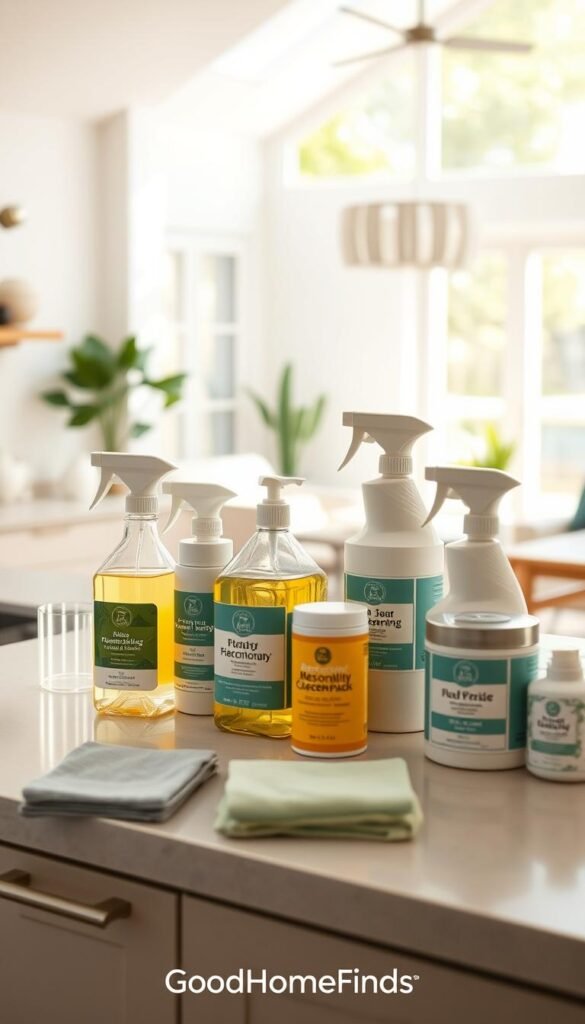
Daily driver: all-purpose multi-surface spray
Clorox Free & Clear Multi-Surface Spray Cleaner is the recommended all-purpose cleaner. It sprays evenly, leaves no residue, and is fragrance-free, which matters in small units where smells linger.
Versatile degreaser: dish soap
Palmolive Ultra Pure + Clear works on dishes, greasy stovetops, and quick pretreats. Dawn Platinum is stronger on heavy grease but is scented and dyed.
Laundry and stain basics
Tide Ultra Oxi Powder handles odors and tough stains. For sensitive skin, Tide Free & Gentle Liquid removes soils without dyes or fragrance.
Emergency stain remover
Amodex Ink & Stain Remover treats ink, makeup, wine, and turmeric. It’s nontoxic and safe on many delicate fabrics—handy for renters protecting deposits.
Dishwashing that saves time
Cascade Free & Clear ActionPacs cut pre-rinsing and tackle baked-on egg or peanut butter, which speeds up post-dinner cleanups.
| Category | Best for | Biggest pro | Watch-out |
|---|---|---|---|
| All-purpose spray | Counters, appliances, high-touch areas | Residue-free, fragrance-free | May not replace specialty grout cleaners |
| Dish soap | Dishes, degreasing, pretreats | Very versatile, low cost | Some formulas are scented/dyed |
| Laundry detergent | Odors, heavy stains | Fewer repeat washes | Powder may be scented |
| Stain remover | Ink, makeup, wine | Emergency spot treatment | Not a full-wash substitute |
| Dishwasher pods | Baked-on food, busy kitchens | Less pre-rinse, time saved | Cost per use higher than bulk soap |
Budget-Friendly Starter Kit Under $25 (No-Drill, Renter-Friendly)
A compact starter kit can cover daily tasks and tuck neatly under a sink without extra hardware. This short list focuses on multi-use items that fit in a single small caddy and keep move-out tasks simple.

Apartment essentials that fit in one caddy
- Multi-surface spray (fragrance-free, travel size)
- Dish soap — one small bottle that doubles as degreaser
- Small pack of microfiber cloths or a roll of paper towels
- Lightweight gloves and a spare trigger sprayer
How to stay under $25: choose multi-use items first and skip specialty bottles until a real need appears. Refill small containers from bulk at home or buy travel-size versions to save shelf space.
Best value add-ons
Include a reusable spray bottle and waterproof labels. Labeling prevents mystery liquids and keeps routines safe. A marked bottle can hold a glass-cleaner mix or diluted all-purpose mix.
| Item | Typical cost | Why it helps |
|---|---|---|
| Multi-surface spray (small) | $4–$7 | One-pass cleaning across sealed surfaces |
| Dish soap (small) | $2–$4 | Degreaser and spot pretreat |
| Microfiber pack + gloves | $5–$8 | Reusable cloths and protection |
Caddy layout: place upright bottles at the back, cloths in front, gloves in a zip pouch, and a spare trigger sprayer at one side. For very small studios, choose a slim caddy or a handled bin that fits on a shelf instead of under-sink storage.
Durability tips: avoid flimsy caps and soft packaging that can leak when carried. Pick bottles with sealed triggers and wipeable surfaces so spills don’t ruin the caddy.
Move-out checklist: keep labels on every container, avoid harsh abrasives on unknown finishes, and pack the small set with the caddy when leaving to protect deposit conditions.
Upgrade Kit Under $50 for Faster Deep-Clean Wins
Upgrade picks add a few targeted products that cut scrub time and keep small spaces ready faster.

What to add when short on time
Keep the under-$50 kit to three items that do heavy lifting. A foaming bathroom spray and a dedicated stain remover are the priorities.
Foam bathroom cleaner (examples: Scrubbing Bubbles Bathroom Grime Fighter or Tilex Mold & Mildew) clings to tile and tub surfaces. The cling breaks down grime and soap scum so fewer passes and less elbow grease are needed.
Stain remover (Amodex Ink & Stain Remover) prevents set-in spots when laundry waits. Treat stains quickly to avoid repeat washes and fabric damage.
When it’s worth paying a bit more
Pay up when a product consistently lowers repeat work. If one bottle saves multiple scrubs each month, it reduces overall effort and protects finishes by avoiding aggressive tools.
„A targeted upgrade reduces total time and wear on surfaces—good for renters who need quick, safe fixes.“
- Logic: add 1–3 targeted items that cut scrubbing and rescue emergencies.
- Bath-first path: foam cleaner + gloves + grout tool.
- Laundry-first path: detergent upgrade + stain remover.
| Upgrade item | Typical use | Time saved | Best for | Potential downside |
|---|---|---|---|---|
| Foaming bathroom cleaner | Tile, tub, soap scum | 10–20 minutes/week | Weekly resets, shared baths | Scent; needs ventilation |
| Stain remover | Ink, makeup, food spots | Prevents repeat washes | Laundry delays, spot treatment | Surface-test fabric first |
| Grout tool or gentle scrub | Grout lines, textured tile | Reduces long scrubs later | Older showers with buildup | May abrade soft grout if overused |
Renter-friendly note: choose products with clear directions. Avoid anything that risks etching, scratching, or discoloring rental surfaces.
All-Purpose Cleaner Picks for Counters, Appliances, and High-Touch Surfaces
A fragrance-free multi-surface option makes quick work of high-touch areas without layering scents. The Clorox Free & Clear Multi-Surface Spray Cleaner fits this role: it sprays evenly, leaves no residue, and carries EPA Safer Choice certification.

What Safer Choice means in practice
EPA Safer Choice signals that ingredients passed extra screening for certain hazards. It does not remove the need to follow label directions or to ventilate when required.
Pros and cons of „free & clear“ formulas
Pros: gentler on sensitive household members, low irritation, minimal scent buildup.
Cons: will not mask odors; some people miss scented feedback when a space smells „clean.“
Renter-friendly use and simple routines
Use one bottle across sealed countertops, appliance exteriors, and finished cabinet fronts. Spot-test unknown finishes before regular use.
- Studio option: one multi-surface spray + dish soap covers most tasks.
- Larger apartment option: keep the daily spray plus a targeted bathroom foam to avoid crossroom transfer of stronger chemicals.
„A quick 2-minute high-touch reset—handles, switches, remotes—keeps shared areas safer and errands minimal.“
Glass and Mirror Cleaning That Actually Stays Streak-Free
Clear glass and streak-free mirrors make small spaces feel larger and more cared-for. A compact, renter-friendly mix beats many specialty sprays in tests. Store it in a labeled reusable spray bottle and shake before each use.

DIY vinegar-and-water mix
Mix 1 part distilled white vinegar with 1 part cold water. Pour into the labeled bottle and give it a quick shake before spritzing.
How to avoid streaks
Use less liquid in small, poorly ventilated bathroom spaces. Wipe top-to-bottom. Finish with the dry side of a cloth to lift any remaining film.
Paper towels are handy for quick mirror touch-ups. Microfiber leaves less lint and creates less waste if laundry is easy to manage.
Best-use scenarios and storage
This mix works well on toothpaste-speckled mirrors, mirrored closet doors, window smudges, and glass cooktops (test first and avoid hot surfaces). Keep the bottle in the vanity or linen closet to encourage fast touch-ups.
| Tip | Why it helps | When to use |
|---|---|---|
| 1:1 vinegar + water | Proven clearer than many glass sprays | Mirrors, windows, cool glass cooktops |
| Shake before use | Re-mixes any settled particles | Every application |
| Top-to-bottom wipe, dry finish | Reduces streaks in low-vent rooms | Small bathrooms and mirrored doors |
Disinfectants and Bleach: Smart Use Without Overdoing Chemicals
Targeted disinfection keeps illness risks low without adding extra work to a short routine.

When to disinfect: focus on high-touch surfaces during illness, after raw meat handling, or after guests. Most daily messes are handled by regular cleaning and a mild cleaner.
Ready-to-use option that fits tight routines
A ready-to-use spray like Clorox Clean-Up Cleaner + Bleach offers a short contact time (about 30 seconds on the label) and consistent results. It saves measuring and fits quick resets in small spaces.
DIY bleach basics (CDC guidance)
Mix 4 teaspoons of household bleach per quart of room-temperature water. Make this fresh each time: the solution loses strength and is less effective after 24 hours. Do not store the mix in a bottle for long periods.
Pros and cons at a glance
| Option | Pros | Cons |
|---|---|---|
| Ready-made spray | Consistent contact time, easy | Cost and scent |
| DIY bleach mix | Low cost, reliable active ingredient | Must measure, expires fast |
| Daily clean-only products | Gentler, safe for frequent use | Not reliable against pathogens |
Safety checklist
- Ventilate the area and follow label directions.
- Wear gloves and keep products away from kids and pets.
- Never mix bleach with other cleaners or ammonia — harmful gases can form.
- Spot-test fabrics, colored grout, and caulk to avoid discoloration.
Small-space tip: store disinfectants separately from daily sprays and cloths to avoid accidental mixing and overuse. That keeps routines fast and safe.
Kitchen Cleaning Products That Save Time After Cooking
A quick kitchen reset after dinner keeps small spaces livable and reduces weekend work.

Dish soap is a true MVP in small kitchens. A dye- and fragrance-free option like Palmolive Ultra Pure + Clear works gently on hands and handles grease on plates and pans. Dawn Platinum is stronger on baked-on grease but is scented and dyed, so it may irritate sensitive skin.
Dish soap that doubles as a stain pre-treater and surface degreaser
Use a few drops to pre-treat fresh stains on fabric or to cut greasy spots on stovetops. It also works on greasy fingerprints on stainless and can even help clean makeup brushes in a pinch.
Paper towels vs microfiber: when each makes sense in small kitchens
Paper towels are ideal for raw-meat spills and quick disposal. They reduce cross-contamination risk.
Microfiber excels at daily crumbs and repeated wipe-downs. It saves waste and wipes streaks without lint.
Low-effort stovetop and counter routine for weeknights
Try this 3-step reset:
- Rinse dishes in hot water and load or stack.
- Apply a few drops of dish soap to a damp cloth and wipe stovetop and counters to remove grease.
- Wipe again with clean water to remove residue and dry with a microfiber or paper towel.
Minimize clutter: keep one small pump bottle at the sink and store refills elsewhere to free counter space.
„Choose a fragrance- and dye-free dish soap when hands are washed often; it lowers irritation without sacrificing grease-fighting power.“
| Task | Recommended product | Why it helps | Notes |
|---|---|---|---|
| Greasy pans and dishes | Palmolive Ultra Pure + Clear or Dawn Platinum | Concentrated grease-cutting; doubles as pre-treater | Palmolive for sensitivity; Dawn for heavy grease |
| Counter wipe-down | Few drops dish soap + water | Quick degreasing without many bottles | Rinse to avoid residue on sealed surfaces |
| Quick disposal/contamination | Paper towels | Fast, sanitary, no laundry | Use for raw meat and heavy drips |
Dishwasher Pods and Dishwashing Helpers for Less Scrubbing
Dishwasher pods can turn an underperforming machine into a reliable time-saver when loaded and used correctly.

Free & clear pods that handle baked-on food
Cascade Free & Clear ActionPacs removed baked-on egg and peanut butter in testing, making mediocre dishwashers seem higher-performing. Pods combine enzymes and surfactants to break down stuck food when used on the right cycle.
Who benefits most
Good fit: large households, frequent cooks, and renters with older units that show inconsistent performance. Pods reduce pre-rinsing steps and lower the chance of repeat loads.
Troubleshooting checklist
- Scrape, don’t rinse: remove big bits and let pods work.
- Clear spray arms and filter so water reaches dishes.
- Use the recommended cycle and hotter wash temperatures.
- Run hot water at the sink before starting to ensure a hot fill.
No-dishwasher alternative
For units without a dishwasher, keep a compact sink setup: one small wash basin, one drying mat, and a single soap bottle that stores upright. This saves space and cuts hand-scrub time.
| Point | Why it helps | Notes |
|---|---|---|
| Pods | Fewer pre-rinses, consistent dosing | Higher cost per load but saves time |
| Sink kit | Compact, low-storage footprint | Good for studios and strict rental rules |
| Machine care | Improves overall performance | Clean spray arms and filters monthly |
„Pods won’t fix a mechanically failing dishwasher, but they can mask poor performance and cut scrubbing when used correctly.“
Bathroom Grime, Soap Scum, and Mold: A Small-Space Shower Plan
Targeted foam products and a 60‑second habit make shower maintenance manageable in small spaces.

Foam cleaners that cling and cut scrub time
Foaming bathroom sprays like Scrubbing Bubbles Bathroom Grime Fighter and Tilex Mold & Mildew cling to tubs and tile. The cling helps penetrate gunk so one application reduces elbow grease.
Stone-safe mold removers
Natural stone—granite, marble, soapstone—needs a specific approach. Use Stonetech Mold & Mildew Stain Remover to treat mold without etching porous surfaces.
Quick daily routine (shared baths)
Do a 60‑second reset: quick rinse, squeegee or towel-dry high-splash areas, and run the fan. This prevents soap scum and slows mold growth between deeper cleans.
Foam sprays vs DIY mixes
Foam is convenient and targeted; it often needs less scrub. DIY vinegar mixes are cheaper but may require extra rubbing on heavy soap scum and stubborn grime.
| Task | Recommended option | Why choose it |
|---|---|---|
| Weekly soak | Scrubbing Bubbles / Tilex (foam) | Cling formula breaks down soap scum |
| Porous stone | Stonetech Mold & Mildew | Safe on granite, marble, soapstone |
| Daily habit | Squeegee + fan | Prevents buildup and mold growth |
Renter-friendly tip: store products in a small handled bin in the vanity or closet to keep the tub ledge clear and supplies accessible without clutter.
Toilet, Grout, and Mineral Deposits: When You Need a Stronger Tool
Some toilet stains and mineral rings resist regular wipes and call for a heavier-duty approach. Targeted polish can restore grout, tile, and fixtures without hauling out a dozen bottles.

All-purpose polish and where to use it
Bar Keepers Friend All-Purpose Cleaner and Polish is recommended for restoring grout, brightening tile, shining fixtures, and removing stubborn mineral deposits on porcelain toilets. It works on metal and ceramic finishes when used as directed.
Step-by-step: toilet mineral deposit refresh
- Apply the polish to the affected area per label instructions.
- Let sit briefly to loosen scale, then use gentle agitation with a soft sponge.
- Rinse thoroughly and wipe dry to reveal shine and reduce water spots.
Surface warnings and damage prevention
Abrasives can harm delicate finishes. Avoid using abrasive polish on marble, wood, cast iron, nonstick cookware, or painted surfaces.
Always spot-test in an inconspicuous area before broad use. Start with the least abrasive tool—a soft cloth or sponge—before escalating to more aggressive pads.
| Issue | Recommended action | Why |
|---|---|---|
| Mineral deposits on porcelain toilet | Bar Keepers Friend; short dwell time; soft agitation | Removes scale without harsh acids when used correctly |
| Dull fixtures or grout haze | Light polish and rinse; repeat if needed | Restores shine without replacing hardware |
| Delicate finishes | Skip abrasive products; spot-test | Prevents etching or loss of protective coatings |
Storage and renter-friendly tips
- Keep stronger products in a separate labeled bin to avoid accidental misuse.
- Store away from everyday sprays and cloths.
- Follow label safety notes and wear gloves when needed.
Laundry Detergents for Busy Households: Odor, Sweat, and Everyday Stains
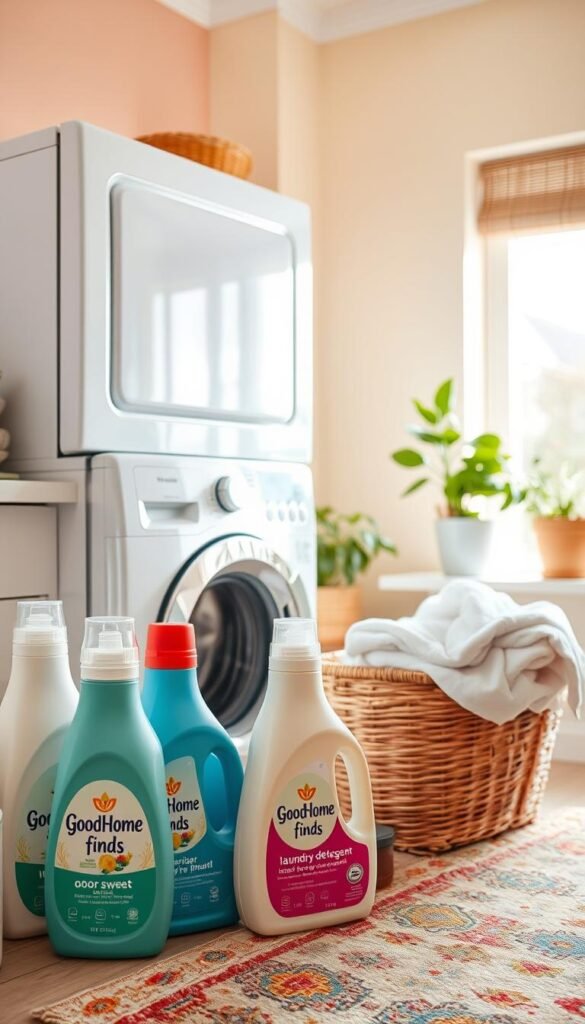
What „works“ means: remove odor and soils in a single cycle to cut rewashes and save time on shared or small machines. That reduces wear on fabrics and fewer dryer runs.
Heavy-duty powder vs. free & gentle liquid
Tide Ultra Oxi Powder showed strong removal of blood, grass, dirt, sebum, and lingering bacon-grease smell in tests. Powder excels at lift and odor control on towels and work clothes.
Tide Free & Gentle Liquid is EPA Safer Choice-certified and avoids dyes and fragrances. It works well on many stains and is kinder to sensitive skin.
Best-for guidance by load
- Towels: powder for odor control; use extra rinse if needed.
- Work clothes: powder handles sweat and soil.
- Kids’ clothes: liquid for frequent food stains and skin sensitivity.
- Small in-unit machines: measure carefully to avoid overdosing.
Apartment-friendly routine and maintenance
Run smaller, more frequent loads and keep a simple hamper system to prevent pileups. Start a load while cooking to fit washing into daily flow.
Don’t leave wet items in the machine; clean spills and keep hampers ventilated to prevent musty smells. Consider cardboard-box packaging when shelf space fits, or transfer to a sealed container if humidity is high.
| Need | Recommended product | Why it helps |
|---|---|---|
| Odor control | Tide Ultra Oxi Powder | Strong enzyme action and oxygen boost remove smells |
| Sensitive skin | Tide Free & Gentle Liquid | Dye- and fragrance-free; third-party seals |
| Small machines | Measure dose carefully | Avoid buildup and extra rinses |
Stain Removers That Handle Ink, Makeup, and “Oh No” Spills
A small spill can become a long-term stain unless it’s treated right away.

Amodex Ink & Stain Remover tested exceptionally on ink and makeup and also lifted red wine, turmeric, and tea. It’s nontoxic and safe on wool and some silks, making it a solid damage-control pick for renters.
Nontoxic performance on common apartment stains
Keep a dedicated stain remover near the hamper or sink. Quick pretreating boosts the chance of full removal and protects deposit-sensitive textiles like white bedding and work shirts.
Pretreat-only vs detergent-only approaches
Pretreating adds a step but improves odds on pigments and ink. Detergent-only is simpler but less reliable on deep-set or colored stains. Use pretreat first on ink, makeup, turmeric, and red wine; launder after the spot relaxes.
| Approach | When to use | Pros | Cons |
|---|---|---|---|
| Pretreat + launder | Ink, turmeric, red wine | Higher success rate on pigments | Requires extra step |
| Detergent-only | Fresh food spills, light soils | Quick and simple | May not remove ink or dye stains |
| Dedicated remover (Amodex) | Makeup, ink, tea, wine | Nontoxic; safe on wool/some silks | Keep away from heat until clear |
Fabric-safety tips: always read care labels, test the remover on a hidden seam, and avoid heat until the stain is gone. If any color shifts appear, stop and consult a pro cleaner.
Small-space workflow: store one bottle by the sink or hamper, blot excess, apply remover, wait the label’s dwell time, then launder. Fast access prevents permanent marks and reduces the risk of losing a deposit.
Sticky Residue, Labels, and Adhesive Messes in Rentals
Sticky residue and old labels can make rented spaces look worn, even after a quick tidy. Small bits of gummy glue catch dirt and draw attention at move-out. A targeted approach saves time and reduces the risk of surface damage.

Adhesive remover for sticker residue, glue, caulk, and gummy buildup
Goo Gone tackles sticker residue, glue, caulk, sealant, marker, tar, wax, oil, and other gummy messes. It often removes buildup faster than scraping and cuts the chance of scratching delicate finishes. Expect a mild orange scent; ventilate small apartments when using.
Where it helps most
Keep a small bottle handy for quick touchups. Top use areas include:
- Kitchen jars and containers with price tags or glue left on the package.
- Entryways with old command-hook gunk and sticky tape marks.
- Label residue on organizers, bins, and clear plastic bins.
- Final move-out tidy on sealed surfaces to restore a uniform look.
Surface-test tips to avoid damage
Always test a hidden spot first, especially on plastic, painted walls, or unknown finishes. Apply a small dab, wait a minute, then blot. If color or sheen changes, stop and choose a gentler method.
Least aggressive first: warm soapy water, blotting, and gentle rubbing. If that fails, use the remover, then finish with careful scraping using a plastic card—never a metal blade—only as a last resort.
| Issue | Recommended step | Why it helps |
|---|---|---|
| Price sticker on jar | Soak with warm soapy water → Goo Gone → wipe | Softens adhesive, removes residue without scratching |
| Command-hook residue at entryways | Test paint → apply remover briefly → wipe clean | Clears gummy buildup and preserves paint |
| Label on plastic organizer | Heat with hairdryer → Goo Gone → rinse | Heat loosens glue; remover lifts residue safely |
Storage note: keep adhesive remover in a separate bin with a clear label. Use it occasionally, ventilate while applying, and air the room after use to reduce lingering scent.
Choosing Safer, Low-Fuss Products Without Falling for Hype
Focus on what a label actually promises, how a bottle performs in daily use, and whether a product truly saves steps.

What independent seals and databases can tell you
Look for EPA Safer Choice when possible. It flags ingredients that meet extra screening. Use EWG and similar databases to compare categories and narrow options.
Those sources help screen tradeoffs. They do not guarantee zero risk in every situation. Always read directions, ventilate, and use common sense.
Stock fewer items by category
One all-purpose spray, one dish soap, one laundry detergent, and one bathroom product covers most needs. Add specialty bottles only for recurring problems.
Simple storage and durable packaging
Keep an under-sink caddy, a small backup bin on a high shelf, and refillables when they actually reduce clutter.
Pick leak-resistant bottles, stable caps, and label refill containers clearly to avoid misuse.
Tool and brushES guidance
One dish brush, one grout/detail brush, and one toilet brush usually suffice. Store brushes to dry between uses to extend life and cut odors.
| Area | Practical pick | Why |
|---|---|---|
| All-purpose | Single spray | Saves space, multi-surface use |
| Storage | Caddy + backup bin | Accessible and tidy |
| Packaging | Sealed caps | Prevents leaks and waste |
Conclusion
One well-packed caddy and a few smart habits prevent weekend overwork. Keep a small set of multi-use items so a single all-purpose cleaner, one dish soap, and one laundry detergent cover most needs.
Begin with the under-$25 starter kit. Add one or two targeted upgrades under $50 only when they save real scrub time. Use quick daily anchors: a kitchen reset after cooking, a short bathroom wipe-down, and a steady weekly laundry rhythm.
Safety matters: ventilate, wear gloves with strong products, protect skin, and never mix bleach with other chemicals. Spot-test new products on surfaces and use the least aggressive method first to protect finishes and deposits.
Store labeled bottles where they are used, avoid duplicate packs, and keep one caddy ready to grab. Start by choosing a single all-purpose cleaner, dish soap, and detergent, then add stain remover, dishwasher aid, or an adhesive remover only if those issues recur.
5 Comments