
This guide helps renters and small-space dwellers set up a functional front door zone fast. It focuses on no-drill, renter-friendly options that cut daily friction and keep the path clear.
The page outlines clear product categories: trays and bowls for keys, wicker or lidded baskets for hidden clutter, console tables paired with baskets, wall hooks and freestanding coat racks, umbrella stands, and over-the-door organizers. It also covers vertical fixes like pegboards and shelves above doors.
Practical picks include quick under-$25 clutter fixes and under-$50 upgrades that change hallway function. Advice explains how to size pieces, build a daily routine for shoes, coats, bags, keys, and dog gear, and choose durable, tip-resistant items with rounded corners and non-slip mats.
Readers will find clear information about who each option suits, plus notes on maintenance and safety. Price information can change by retailer and time, so check current listings before buying.
Key Takeaways
- Focus on a small front door zone: clear walkway, drop spot, and shoe plan.
- Use no-drill and freestanding items for renter-friendly flexibility.
- Combine trays, baskets, hooks, and vertical shelves for compact homes.
- Pick durable, tip-resistant pieces and add non-slip mats for safety.
- Start with low-cost fixes, then upgrade under-$50 for big daily gains.
- Check current price information before purchase.
How to Choose Entryway Storage That Works in Real Life
A simple flow measurement — not just fitting pieces to a wall — makes a hallway work in daily life.
Measure for flow: keep a clear walking path from the door at all times. In narrow hallways, choose pieces that don’t force sidesteps or block sight lines. A large mirror can visually expand a tight space.
Quick measuring checklist:
- Door swing clearance and how far drawers open.
- Thermostat and light switch access.
- Walkway width so two people can pass if needed.
No-drill first rules for renters: prefer freestanding coat rails, over-the-door racks, and adhesive hooks rated for weight. Pegboards and shelves above the door give flexible, non-permanent options.
Tie choices to routine: assign a single “home” for keys, mail, shoes, coats, bags, and pet leashes. Use the decision rule: if shoes cause the most hassle, start with shoe storage; if coats pile up, add hooks or a rack; if small items vanish, add a tray.
„Small, stable pieces and a nightly two-minute reset keep the front door zone useful all week.“
Safety and durability checks: pick wide bases, rounded corners, wipeable materials that handle wet shoes, and avoid tall narrow furniture that wobbles in high traffic.
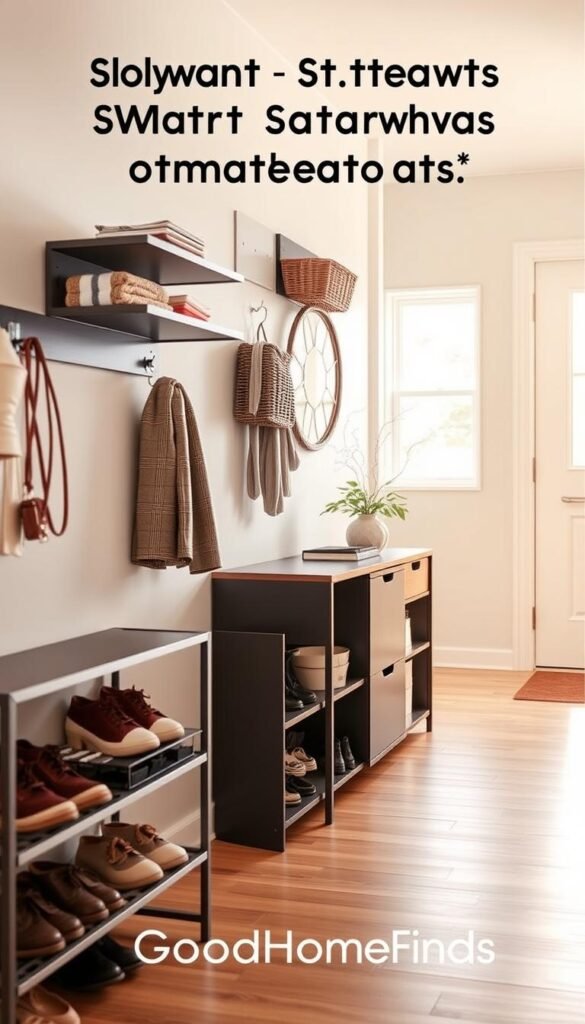
Best entryway storage solutions for small apartments and narrow hallways
In tight layouts, choose pieces that stay shallow and stable so the hallway keeps moving. Narrow cabinets and slim racks fit slim footprints without turning the path into an obstacle.
Narrow shoe cabinets vs. slim shoe racks: closed cabinets hide clutter and suit a tidy visual. Open racks give airflow and faster access for wet shoes. Pick cabinets when calm matters; pick racks where drying and speed matter.
Storage bench and bench picks: a shallow storage bench adds seating and hides daily items. Make sure the depth won’t block a narrow hallway and choose wipeable materials for easy cleaning.
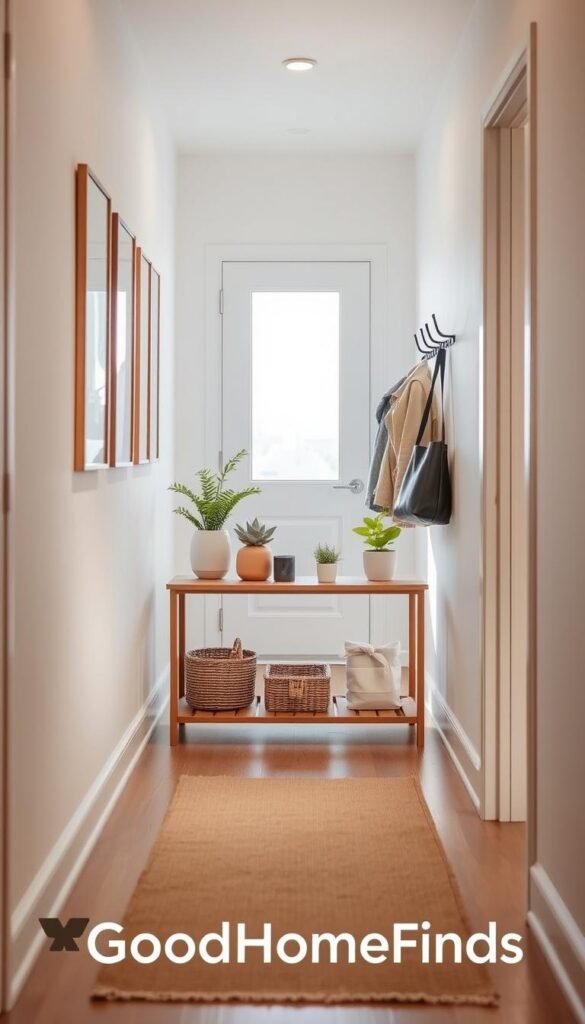
Console plus baskets
A slim console makes a landing surface. Baskets underneath keep hats, gloves, and pet gear out of sight and easy to grab.
Corner-friendly setups and mirror placement
Use corner benches, a small corner shelf, or a compact rack where it won’t hit the door swing. Corners often become the best dead space for extra function.
Tip: hang a large mirror opposite light or near the door to visually expand the room and speed last-minute checks.
„Pick stable pieces and keep the floor dry with a mat to avoid trips in a narrow hallway.“
Budget-Friendly Finds Under $25 That Reduce Clutter Fast
Quick, under-$25 buys deliver fast wins for renters who need function without tools. These small pieces are portable, renter-safe, and easy to place where they help most.
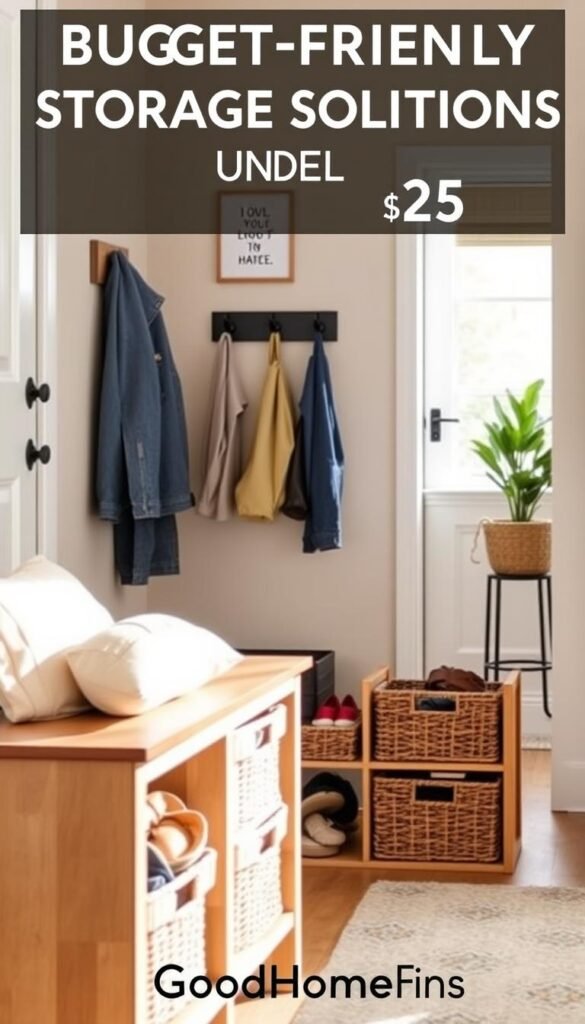
Decorative tray or trinket bowl for keys and small essentials
Why it works: a tray or bowl keeps keys, sunglasses, and loose things in one spot. That habit prevents lost items and „countertop creep.“
Product idea: a simple metal or ceramic trinket dish from a national retailer for under $20. Place it on a console or shelf near the door to build a reliable drop spot today.
Wicker or lidded baskets for seasonal accessories
Lidded baskets hide gloves, hats, and seasonal footwear so the area stays tidy between swaps.
Practical pick: a small woven basket set—under $25—works for rotating winter gloves and summer sandals in one closet or under a bench.
Over-the-door rack to add closet tiers without drilling
An over-the-door rack adds vertical shelves for a coat closet and keeps coats, bags, and hats off the floor. Label each tier to avoid creating a hidden junk pile.
Tip: choose an over-the-door unit with shallow tiers so the door still closes cleanly.
Umbrella stand to stop puddles and trip hazards
An umbrella stand contains drips and keeps collapsible umbrellas from lying on the floor. This reduces slip risk and wet mess near the door.
Look for a compact, weighted base or drip tray under $25 to keep the stand stable.
- Fast wins for renters: portable products that require zero tools.
- Selection criteria: wipeable materials, stable bases, and sizes that fit the closet door and clear the swing.
- Price information: prices vary by retailer; price valid timing can change—confirm listings before purchase (e.g., valid Jan).
„Small, targeted pieces make the biggest daily difference.“
Best Value Upgrades Under $50 for a More Functional Hallway
Small, targeted purchases under $50 often return the most function per square foot in a tight hallway. These upgrades are renter-friendly and focus on footprint, durability, and quick wins that change daily flow.
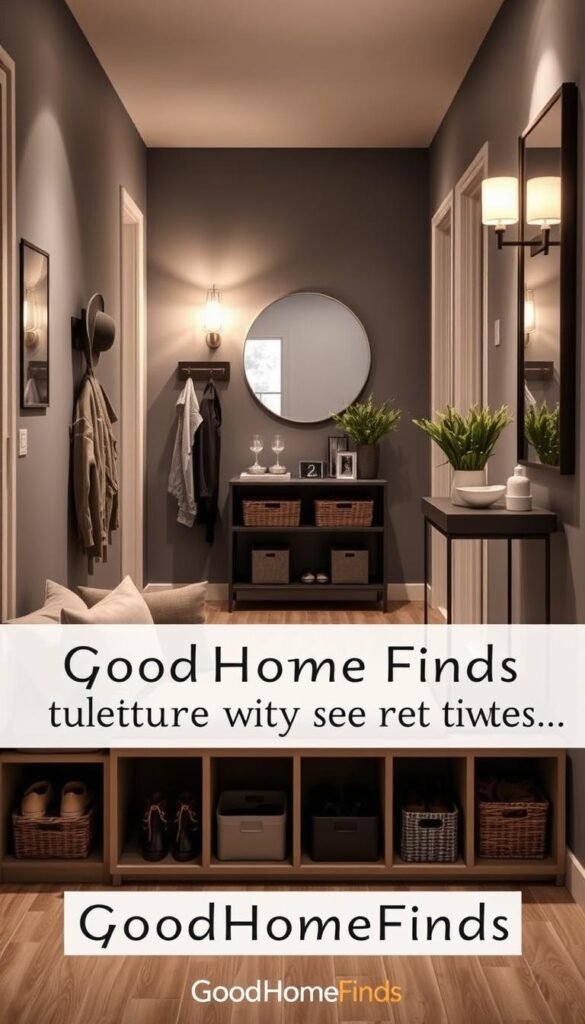
Freestanding coat rack
Why choose it: no drilling, flexible placement, and a slim profile that prevents coat piles.
Pros: easy setup, movable for seasonal shifts.
Cons: can tip if overloaded; choose a model with a weighted base and plenty of hooks.
Open shelving with labeled bins
Why choose it: bins create quick categories like dog gear, hats, and grab-and-go items.
Pros: fast access and visible organization.
Cons: needs regular tidying to avoid visual clutter; pick wipeable finishes and sturdy baskets.
Small drawer cabinet
Why choose it: assign each drawer a single category to avoid the junk-drawer effect.
Pros: hides clutter and keeps dust out of items like gloves and leashes.
Cons: slower access if drawers become overfilled; verify weight ratings and anti-tip features.
Durability and safety checks: always confirm weight limits, anti-tip hardware, and finishes that clean easily—especially where kids or pets pass through.
„Prioritize dimensions, stability, and return policy over promotional copy like ’save 40.00′ or ‚last chance‘ when judging price and value.“
Mini decision rule: if coats dominate choose a coat rack; if small items scatter choose drawers; if the household needs a universal launchpad choose shelving with labeled bins.
No-Drill Wall Solutions: Hooks, Pegboards, and Vertical Smart Storage
Tapping vertical space turns a narrow hall into a tidy launch zone with minimal effort. This approach protects the floor and keeps the walkway clear.
Wall hooks for coats and bags
Wall hooks are inexpensive and quick to set up. Use adhesive hooks for light items after cleaning the surface. For heavier coats and bags, prefer a freestanding rail or an over-the-door option that avoids wall damage.
Pegboard for adaptable gear
Pegboard lets hooks and bins move as needs change. It works well for keys, dog leashes, and seasonal swaps. Choose metal pegboard or backed panels for higher weight limits.
Above-the-door shelf strategy
An above-the-door shelf holds backstock like extra totes or seasonal hats. Store items in labeled boxes so nothing gets lost in the rafters.
Coat hanger rails in tiny entries
A simple rail keeps coats off the floor and pairs well with a slim shoe caddy below. That combo frees the path and speeds departures.
„Mount vertical solutions that match weight limits and keep hooks out of child head height.“
| Option | Typical Load | Damage Risk |
|---|---|---|
| Adhesive hooks | Light (keys, hats) | Low on painted drywall |
| Pegboard panel | Medium (leashes, small bags) | Low if mounted with hardware |
| Over-the-door shelf | Light-medium (boxes) | No-drill for door frame |
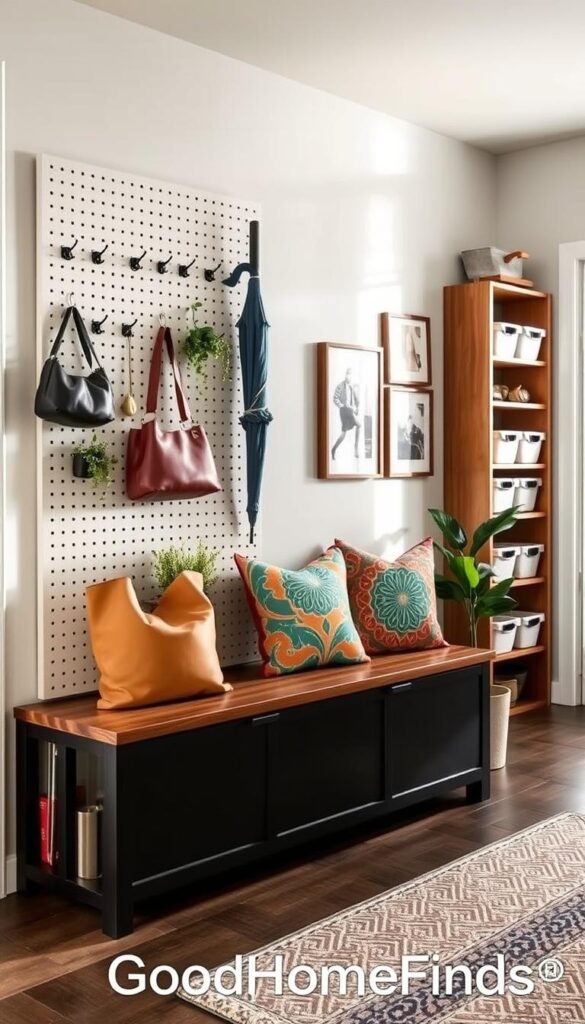
Note: availability can shift with 2026 supply cycles and promotions; confirm stock and specs (price valid Jan) before buying.
Entryway Furniture That Multitasks: Benches, Consoles, and Cabinets
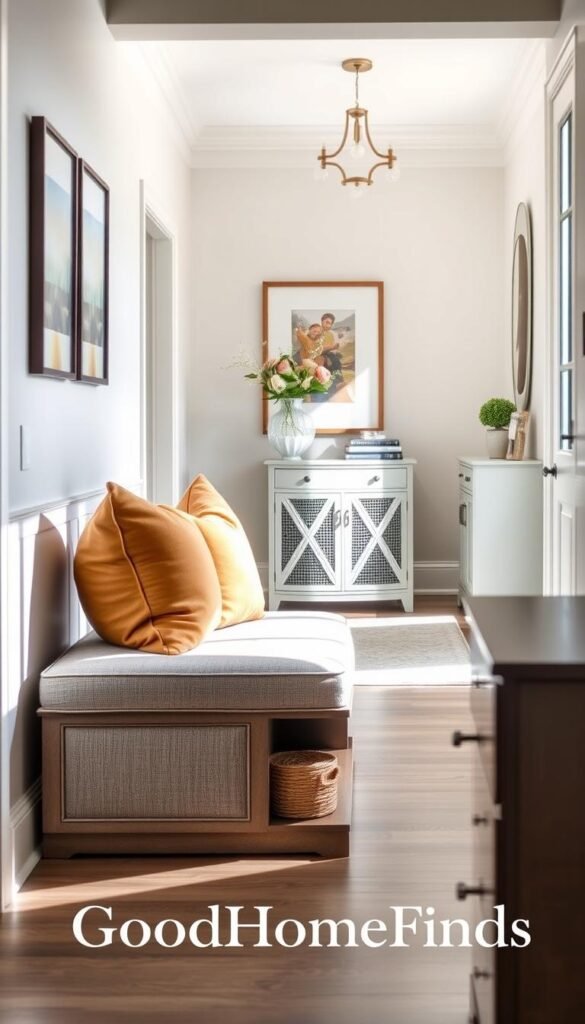
Multifunctional furniture turns tight entries into calm, practical spaces for leaving and returning.
| Piece | Footprint | Capacity | Access Speed | Cleanability |
|---|---|---|---|---|
| Storage bench | Medium | High | Fast | Wipeable surfaces preferred |
| Console table | Narrow | Low–Medium | Fast (with trays) | Open surfaces need tidying |
| Closed cabinet | Variable | Medium–High | Medium | Easy—keeps dust out |
Storage bench
Pros: seat for shoe changes and large hidden capacity.
Cons: can show dirt; choose wipe-clean fabric or faux leather for easy care.
Console table
Pros: a clear landing spot for keys and mail; pairs well with baskets under the shelf.
Cons: open tops accumulate piles without a tray system.
Closed cabinets and drawers
Pros: visual calm and dust control; good for categorizing items.
Cons: doors need clearance and may slow quick exits if not labeled.
- Best for roommates: labeled lidded baskets per person to avoid mix-ups.
- Best for families: durable bench or cabinet with sections for each family member.
- Best for homes with pets: low cabinets for leashes, towels, and wipeable mats.
„Choose stable pieces with rounded edges and anti-tip plans for high traffic areas.“
Shoe Storage That Doesn’t Smell or Spill Into the Living Room
A tidy shoe plan prevents outdoor mess from spreading into the rest of the home. This short guide compares open racks and closed shoe cabinets, then gives simple daily habits and maintenance tips to protect the floor and living room feel.
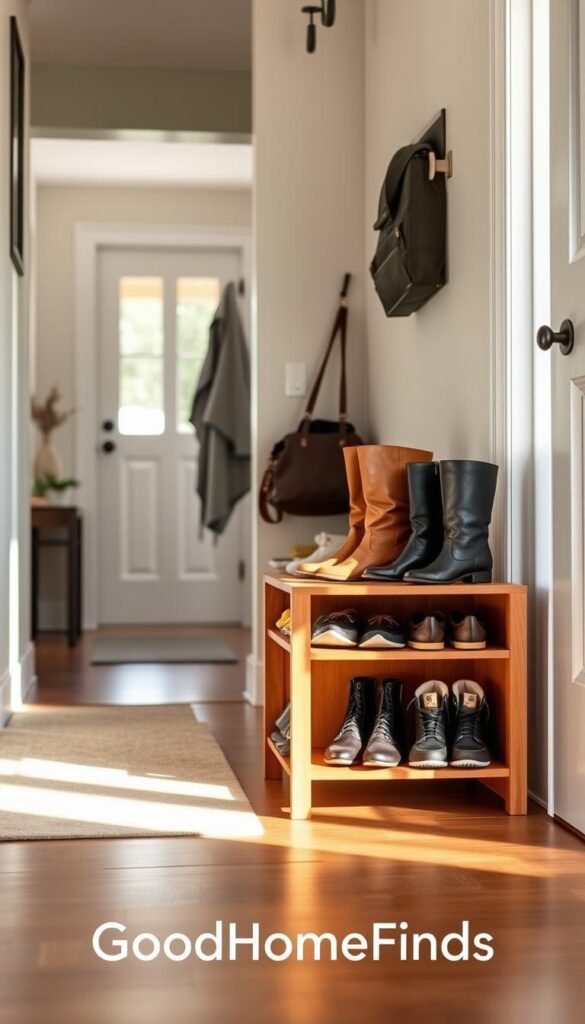
Open racks vs. closed shoe cabinets
| Feature | Open rack | Closed shoe cabinets |
|---|---|---|
| Airflow (odor control) | High | Low |
| Visual mess | Visible | Hidden |
| Capacity | Variable, easy to add | Compact, organized |
| Cleaning effort | Simple wipe and sweep | Occasional airing and wipe |
| Protects floor from wet shoes | Depends on mat | Better if shoes dry first |
Daily habits and quick reset
Today’s pair: pick a single mat or tray by the door for the current pair to stop piles. Put other shoes back in the rack or cabinet each night.
Weekly reset: wipe surfaces, rotate seasonal shoes, and retrieve any pairs that migrated to the living room.
Maintenance & odor prevention
Use a washable door mat and a small towel or hook for wiping mud. Never store soaking-wet shoes inside a closed cabinet; let them dry with airflow first.
„Contain shoes, dry before storing, and pick a slim vertical unit for very tight entries.“
Create a Drop Zone System for Keys, Mail, and Daily Essentials
Create a compact drop zone that gives keys, mail, and daily items one clear home by the door.
Drop zone goal: ensure keys, wallet, sunglasses, and mail have one consistent set spot so mornings run smoother and items stop migrating across counters.
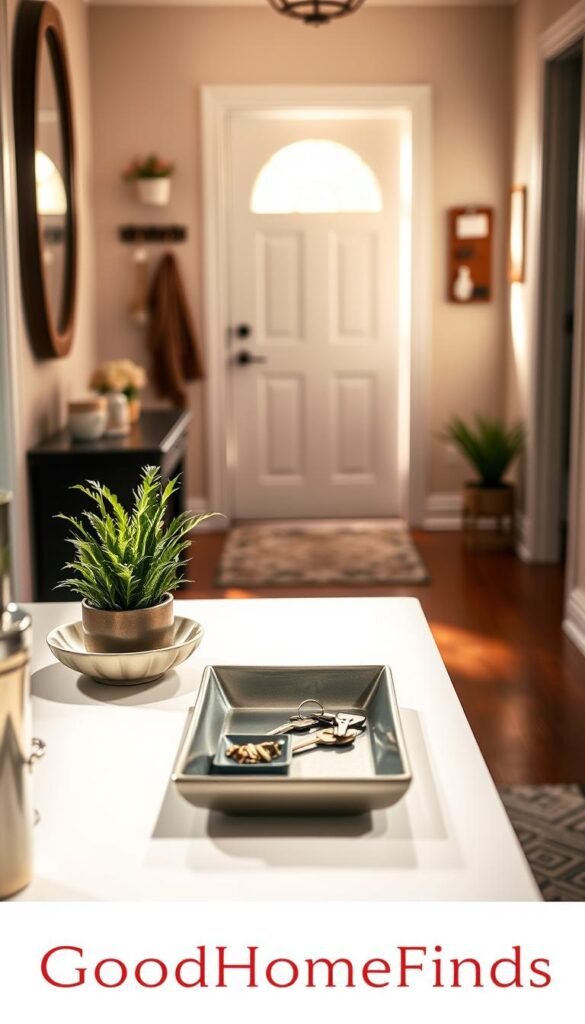
Tray-on-console method to prevent countertop creep
Place a decorative tray at the natural hand-drop point on a console or shelf. The tray creates a visible edge so piles stay contained.
Tip: choose a tray with a small lip and a washable finish for easy daily cleaning.
Lidded baskets for each family member
Assign a lidded basket to each person for personal items and loose change. Lids hide visual clutter and keep routines calm on busy mornings.
Labeling and category rules that keep drawers tidy
Use simple categories: mail, returns, dog walks, chargers. Anything without a category goes into a weekly review box.
„A 60-second daily clear and a 10-minute weekly reset keep the system working long term.“
| Top Offender | Defined Container | Action Rule |
|---|---|---|
| Unopened mail | Mail tray | Sort daily, act within 48 hours |
| Spare keys | Key bowl | Label and keep one spare per person |
| Dog accessories | Lidded basket | Return items after each walk |
| Receipts | Receipt folder | Review weekly; discard or file |
Maintenance: a quick 60-second clear at night prevents pile-up. Weekly, empty baskets and scan mail to keep information current.
Keep the setup renter-friendly by using portable organizers and over-the-door hooks so the system can move with the household today.
Whole-Home Spillover Storage: Keep the Entryway Clear by Organizing Nearby
When the front zone runs out of surface, nearby rooms can hold overflow without adding clutter to the door.
Spillover principle: store related items a short walk away so the front space stays clear and usable. This keeps daily launches fast and floors free of trips.
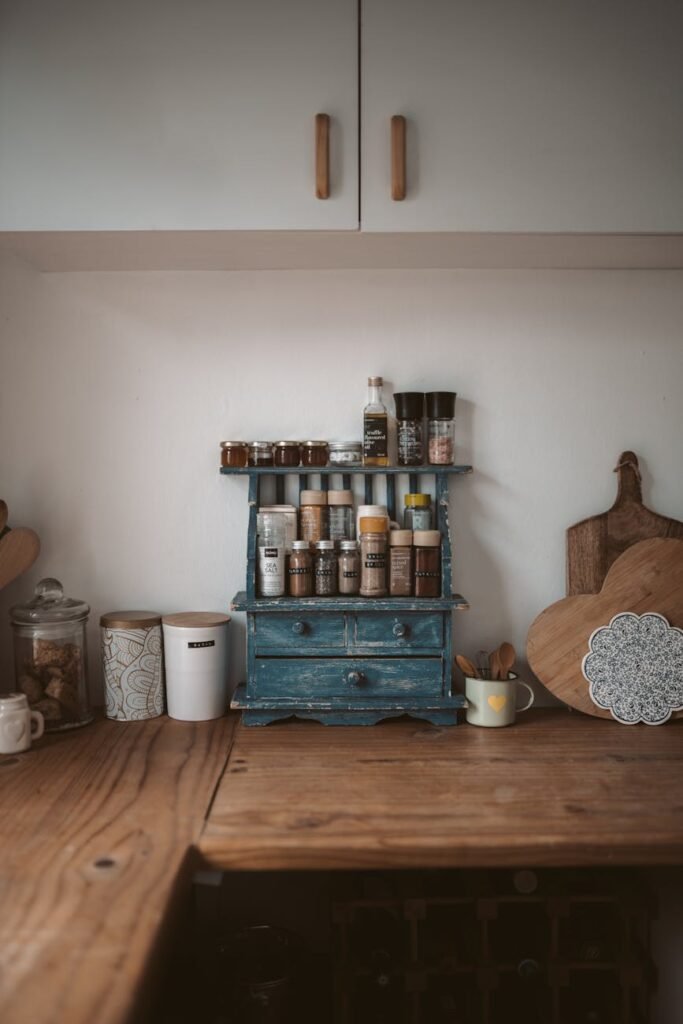
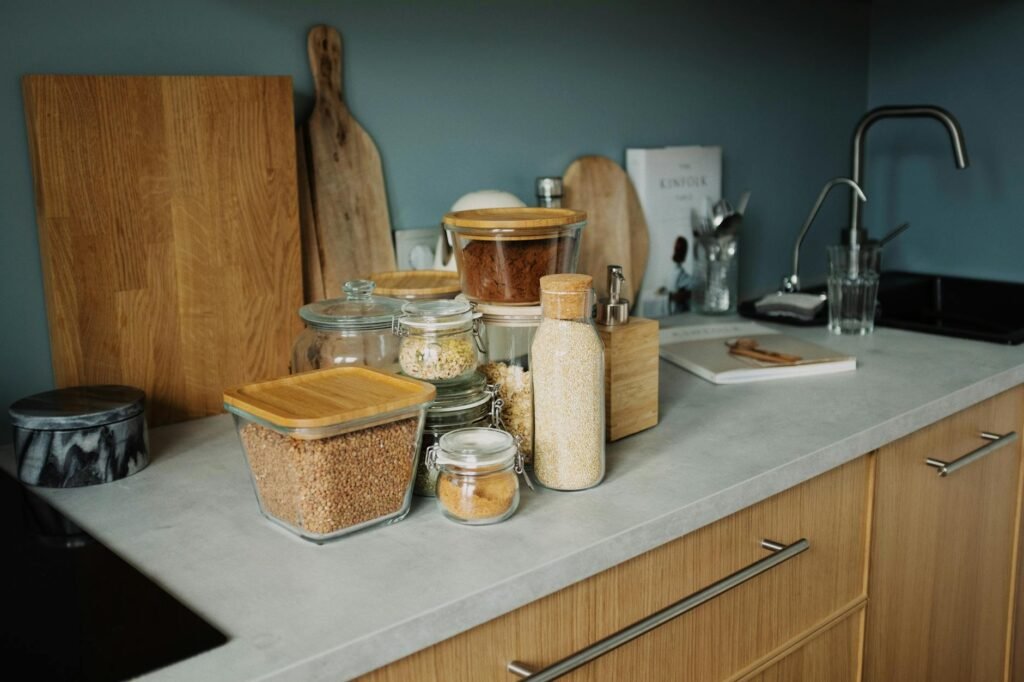
Kitchen: container station for reusable bags and bottles
Create a dedicated bin near the pantry or counter for reusable bags, lunch kits, and water bottles. Tie it to a routine like packing lunches so items stop accumulating by the door.
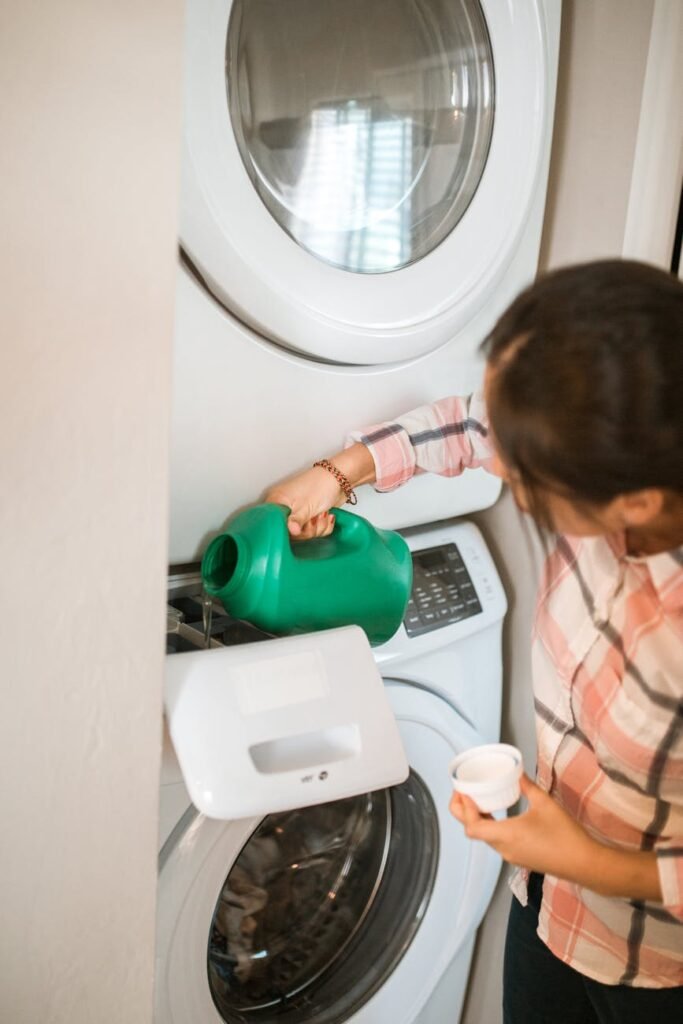
Bathroom: quick-grab shelf for travel items
Use a small shelf or caddy for hand sanitizer, wipes, and travel minis. Keep it wipeable and within one step of the door to avoid migration to the console.
Closets: over-the-door organizer for accessories
Over-the-door organizers maximize closet space without adding furniture. Label tiers for gloves, scarves, and small items so nothing gets stuffed and forgotten.
Renter-friendly mounts: prefer over-the-door options, freestanding shelves, and adhesive hooks rated for the load. Avoid drilling unless the lease allows and permission is given.
- Keep nearby bins within a short walk from the door.
- Keep categories simple: bags, travel gear, seasonal wear.
- Limit each holding spot to two minutes of daily upkeep.
| Room | Quick Use | Recommended Mount |
|---|---|---|
| Kitchen | Reusable bags, bottles | Freestanding bin or shelf |
| Bathroom | Sanitizer, wipes, minis | Small wall shelf or caddy |
| Closet | Gloves, scarves, hats | Over-the-door organizer with labeled tiers |
„Keep floors clear and zones simple to reduce trips and speed daily routines.“
Conclusion
Finish with one focused change: add a compact, no-drill piece that stops the most frequent morning snag.
Measure for flow, pick freestanding or over-the-door items, and build a simple routine for shoes, coats, keys, and mail. Start with under-$25 fixes like a tray, lidded basket, over-the-door rack, or an umbrella stand. Step up to under-$50 upgrades such as a coat rack, shelving with bins, or a small drawer cabinet.
Quick checklist: footprint, stability, wipeable material, weight limits, and whether the setup keeps the hallway and front door clear.
Maintain the system with a 60-second nightly reset and a weekly refresh. Check current price and product information—promotions and 2026 Jan listings change, so confirm stock before a last chance purchase. If nipåsen bags appear, use nipåsen for labeled seasonal bins, not as catch-all bags that recreate clutter.
Pick one problem area—shoes, coats, or keys—and buy the smallest effective item first. If it improves daily function, expand from there.
2 Comments