
You want your apartment to feel like a real place to live without risking deposits or doing permanent work. This guide points to practical, renter-friendly items and decor ideas you can order on Amazon. Most picks are under $25; I’ll call out any higher-cost items that truly add value.
Start with damage-free tools. Then work through walls, lighting, windows, storage, and comfort. Each recommendation shows why it’s useful, who it’s for, what to avoid, and cheaper alternatives.
Think real life: if your place is dark, noisy, and short on storage, you can fix a lot in one weekend without drilling. I prioritize certified electrical products, strong but removable adhesives, and renter-safe materials.
Practical tip: expect fast delivery and easy returns on most items. I’ll note price-value, quick examples, and simple safety checks so you can shop with confidence.
Key Takeaways
- Focus on damage-free upgrades first, then lighting, windows, storage, and comfort.
- Most recommended items cost under $25; costly exceptions are clearly labeled.
- Each entry includes why it helps, who benefits, and what to avoid.
- Prioritize certified electrical goods and adhesives that remove cleanly.
- Quick fixes can transform an apartment in a weekend without tools or drilling.
What Makes a Home Find Truly Renter-Friendly
Start by checking your lease — it’s the quickest way to avoid costly mistakes. Many agreements ban drilling, permanent paint, and structural changes. If a rule is unclear, default to removable solutions and keep original parts to reinstall later.
Renter-safe test: installs fast, removes cleanly, and leaves no holes, residue, or permanent paint changes. That simple rule helps you choose items that save time and work while protecting your deposit.
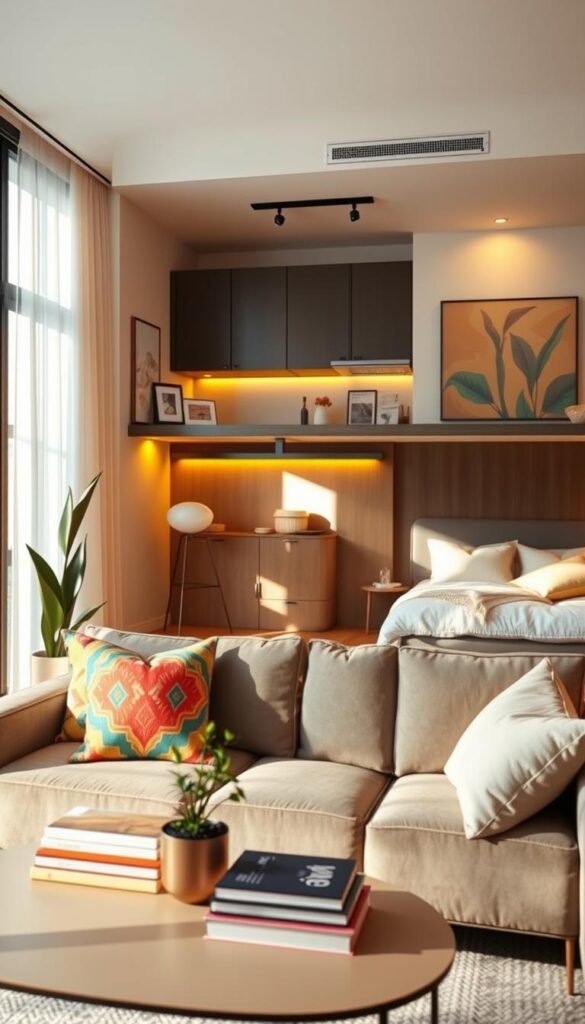
Amazon filters that matter: delivery speed, easy returns, verified measurements, and recent reviews mentioning „rental“ or „removes cleanly.“ These details cut wasted time and returns.
- Quality checks: thick adhesive tabs, stitched seams on fabric organizers, and metal over brittle plastic when possible.
- Electrical safety: prefer surge protection, certified chargers, and never overload outlets.
- What to avoid: adhesives that pull paint, bargain electronics without certifications, and projects that are too permanent for short leases.
„If you move every 12–18 months, choose upgrades you can take with you or remove in under an hour.“
Before You Buy: Damage-Free Tools That Replace Drilling
Small, damage-free tools change how you use blank walls without a drill. Start with a compact kit you’ll actually use and skip the extras that collect dust.
Starter kit to keep on hand:
- Command picture hanging strips and hooks
- Mounting squares for odd frames
- Removable poster putty for unframed prints
- One adjustable tension rod (for curtains or quick dividers)
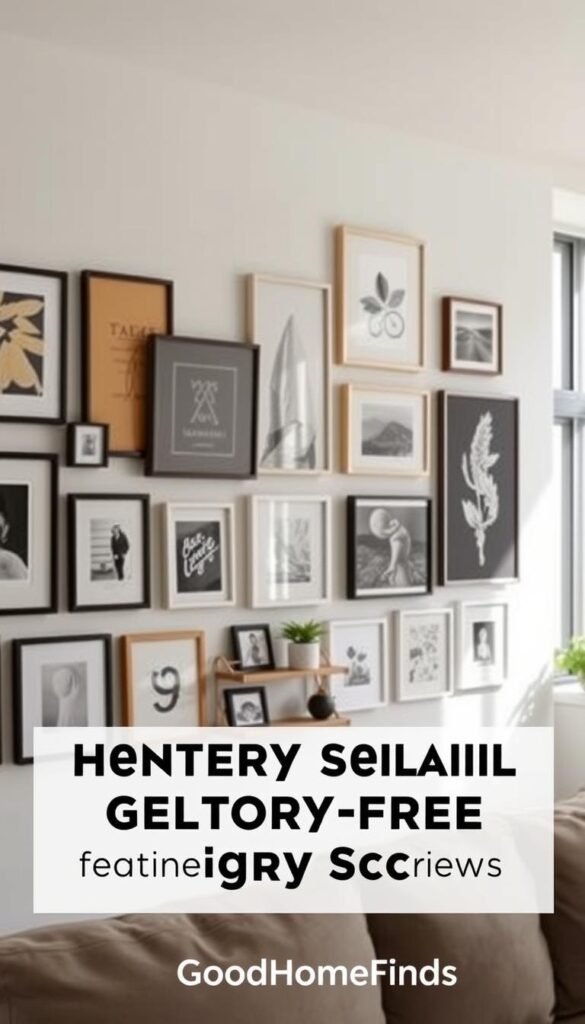
Why it helps
Damage-free hanging lets you build a mini gallery without patching holes later. You can hang art, add small shelves, or boost storage on thin drywall. Tension rods give privacy at a door or between rooms and work inside window frames.
Pros / Cons
- Pros: clean removal, fast install, renter-friendly.
- Cons: strips fail on dusty or textured paint; putty holds light prints only.
Who should buy and what to avoid
This kit suits anyone in a strict lease, a dorm-style apartment, or with thin walls you don’t want to touch. Avoid off-brand adhesives that leave residue and using strips above their weight rating.
„I made a small gallery on my living room wall in an afternoon, then removed it before a move without filling holes.“
Alternatives: lean frames on a bookshelf, use furniture as display surfaces, or place tension rods inside windows to hang lightweight curtains.
best home finds for renters that Upgrade Your Walls Without Paint
Quick, removable wall upgrades give the biggest visual return for little effort. Use small zones to test color and pattern before committing. Accent walls, closet nooks, and behind-desk corners are ideal spots.
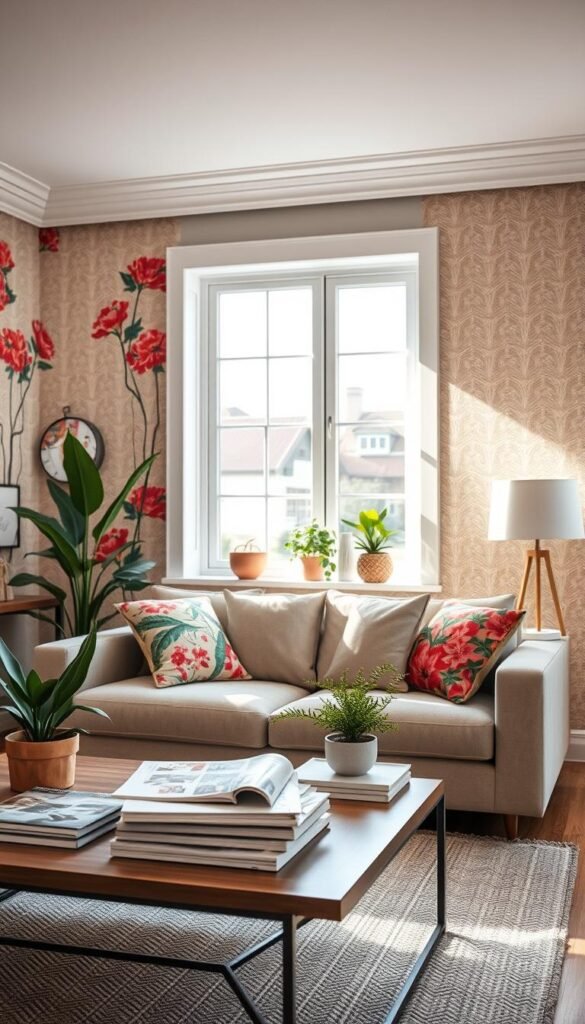
Peel-and-stick wallpaper for accent walls and small nooks
Peel-and-stick wallpaper is renter-friendly when used in a single zone. It hides boring paint and adds instant color or pattern. Choose quality brands with clear removal instructions to avoid residue.
DIY „book page“ or postcard wall with double-sided tape
For a low-cost, creative option, make a collage from vintage book pages or postcards. Use removable double-sided tape or poster putty. The result is unique, easy to patch, and simple to remove before a move.
Why it’s useful
Style without permanence. These options let you update a room fast. You get visual impact without sanding, priming, or a roll of paint.
Who it’s for
This approach fits anyone who moves often, can’t paint, or wants color now in a bedroom or living area. It suits small budgets and short leases.
What to avoid
Avoid very cheap adhesive and applying to freshly painted walls. Always test a small patch first. Cheap rolls can shrink, show seams, or pull paint when removed.
- Worth it: one accent wall, a closet nook, or behind a bed.
- Price-value tip: use on small zones, not an entire apartment.
- Cheaper alternatives: large removable decals, fabric hangings, or leaning art.
| Option | Cost range | Best use | Removal risk |
|---|---|---|---|
| High-quality peel-and-stick wallpaper | $20–$60 per roll | Accent wall, closet nook, behind desk | Low if brand-rated and wall prep done |
| DIY book page/postcard collage | $0–$20 (tape/putty cost) | Feature collage, headboard wall, small alcoves | Very low; easy to patch |
| Fabric wall hanging or large decal | $15–$40 | Textured walls or rental with rough paint | Low; removes cleanly when mounted correctly |
„Start small: one wall can show whether a pattern or color feels right in real life.“
Apartment Lighting Fixes That Don’t Require Renovation
Simple plug-in fixtures can give your room instant task light without drills. Start with a plug-in wall sconce near the bed or sofa to reduce harsh overhead bulbs. Use a warm LED bulb to keep the living space cozy and usable at night.

Plug-in sconces and cord-concealer tricks
Why it helps: better light improves task use and makes small spaces feel larger. Plug-in sconces are portable and Amazon carries many highly rated options.
Real-life example: mount a sconce beside the couch to read without the ceiling light. Hide the cord with a paintable cord concealer that runs down the wall neatly.
When swapping a ceiling fixture is worth it (and when it’s not)
Swapping a fixture changes the room’s design more than a lamp. It’s worth the time if you’ll stay long term and the current fixture is poor.
If your lease is short, skip it. Don’t attempt complex rewiring if you’re unsure.
Safety note: when to call an electrician
Call an electrician if you see aluminum wiring, persistent flicker, or if you cannot safely turn off the breaker and test circuits. When in doubt, hire a pro to avoid damage and hazards.
- Pros: plug-in lights are quick to install and portable.
- Cons: visible cords can make the space look temporary without concealment.
- What to avoid: cheap, uncertified fixtures and overloading adapters.
| Upgrade | Cost range | Best use | Amazon tip |
|---|---|---|---|
| Plug-in wall sconce | $20–$60 | Bedside or sofa reading light | Choose UL-listed models with good reviews |
| Cord concealer channel | $8–$25 | Hide cords along walls or baseboards | Paintable options match wall color |
| Ceiling fixture swap | $40–$150+ | Long-term stays with poor existing fixture | Hire an electrician if wiring is uncertain |
„A single plug-in sconce by the couch changed my evening routine—no more harsh overhead glare.“
Window and Privacy Finds for Better Sleep and Less Street Noise
A few quick privacy fixes can change how your bedroom sleeps and how your apartment feels at night. Start with easy, removable options that install fast and leave no marks.
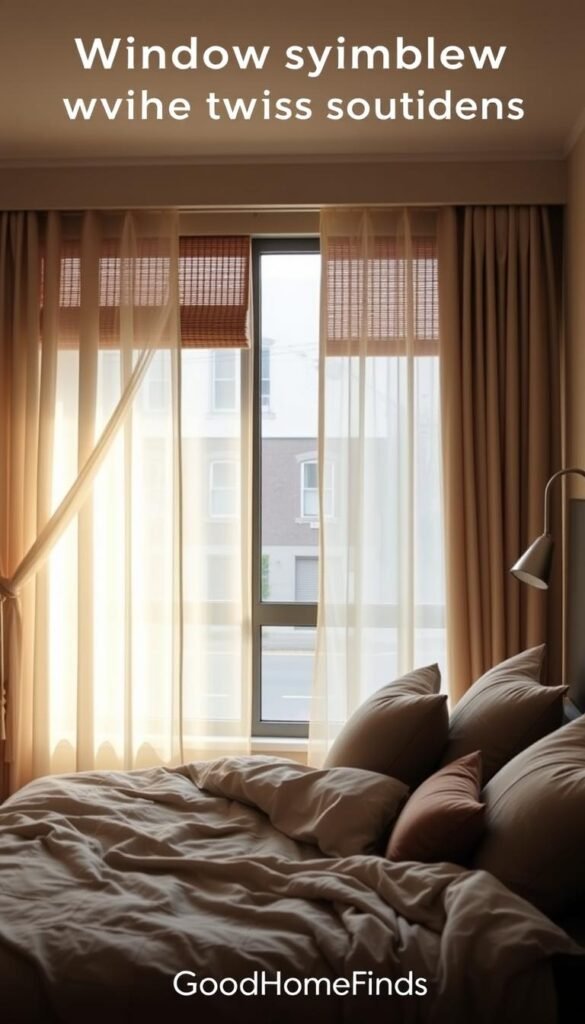
Adhesive door-window privacy curtain
Why it’s useful: an adhesive privacy curtain covers a door window in under a minute. It blocks silhouettes and glare without drilling.
Quick fact: many cost about $14.99 and use peel-off adhesive strips for fast install.
Removable window film
Frosted, static-cling film gives daytime light while keeping privacy in a bathroom or street-facing room. It sticks cleanly and peels away when you move.
Affordable blackout options that don’t need new rods
Tension-rod blackout curtains and temporary blackout liners clip or slide onto existing hardware. They improve sleep by cutting light without changing mounts.
- Pros: fast install, renter-friendly, budget-friendly.
- Cons: adhesive can fail in humidity; heavy blackout layers may trap heat.
- Who it’s for: light sleepers, ground-floor tenants, anyone with a front door window or exposed bathroom window.
- What to avoid: low-quality glue that leaves residue and blackout liners with chemical smells or poor seams.
„I taped an adhesive curtain over the door window and the bright parking-lot light was gone—my bedroom finally felt like night.“
| Solution | Approx cost | Install time | Best use |
|---|---|---|---|
| Adhesive privacy curtain (door window) | $14.99 | Under 1 minute | Stop silhouettes and glare on entry doors |
| Removable frosted window film | $10–$25 | 10–30 minutes | Bathroom windows, street-facing windows |
| Tension-rod blackout curtains / liners | $15–$40 | 5–15 minutes | Bedroom windows, small rooms needing dark |
Alternatives: layer a removable film with a curtain, add a second tension rod for a liner, or use a heavy throw as a temporary cover.
Small Kitchen Storage That Creates Counter Space
When every inch counts, simple storage swaps can clear your prep area fast. The goal is one: make space on your counters without remodeling. These picks stay under $25 when possible and save time in real life.
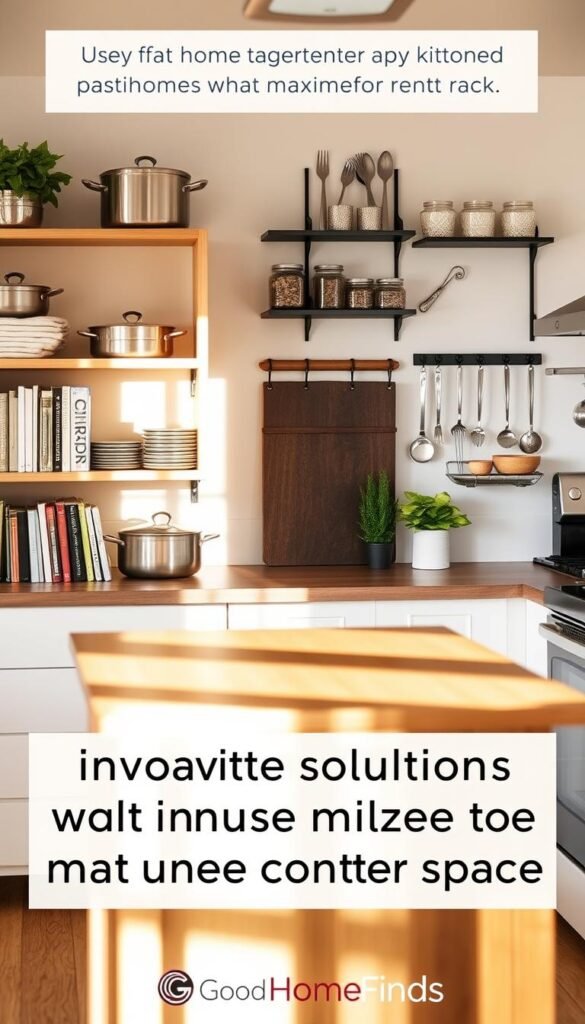
Magnetic spice racks and vertical solutions
Why it helps: stick spice jars to the fridge side or a metal backsplash to free a cabinet shelf. That keeps frequently used items at arm’s reach and speeds up busy weeknight cooking.
Over-the-door pocket organizers
Hang a clear-pocket organizer on a pantry door or cleaning closet door. It holds wraps, snacks, and sprays and uses vertical space that often sits empty.
Grocery bag dispenser
A simple dispenser (~$12.99) tucks under the sink and ends the bag pile. It holds many bags in a tiny footprint and keeps the cabinet tidy.
- Pros: saves counter space, quick access, low cost.
- Cons: fabric organizers can sag; clear pockets look busy if overfilled.
- Who it’s for: anyone in a small apartment or rental with limited cabinets and tight prep zones.
- What to avoid: weak seams, tiny pockets that don’t fit real packaging, and adhesive mounts in humid areas.
- Cheaper alternatives: binder clips to hold bags, repurposed boxes, or a tension rod inside a cabinet to hang spray bottles.
„Sticking a magnetic rack to my fridge cleared one spice shelf and made dinner prep much faster.“
| Item | Approx cost | Best use |
|---|---|---|
| Magnetic spice rack | $10–$20 | Free up cabinet shelf; quick access while cooking |
| Over-the-door clear-pocket organizer | $19.87 | Snacks, wraps, small cleaning items on pantry/closet door |
| Grocery bag dispenser | $12.99 | Neat storage under sink; stops bag pile |
Kitchen Surface Upgrades That Peel Off Later
A quick peel-off upgrade can hide stains and lift the look of a tired countertop.
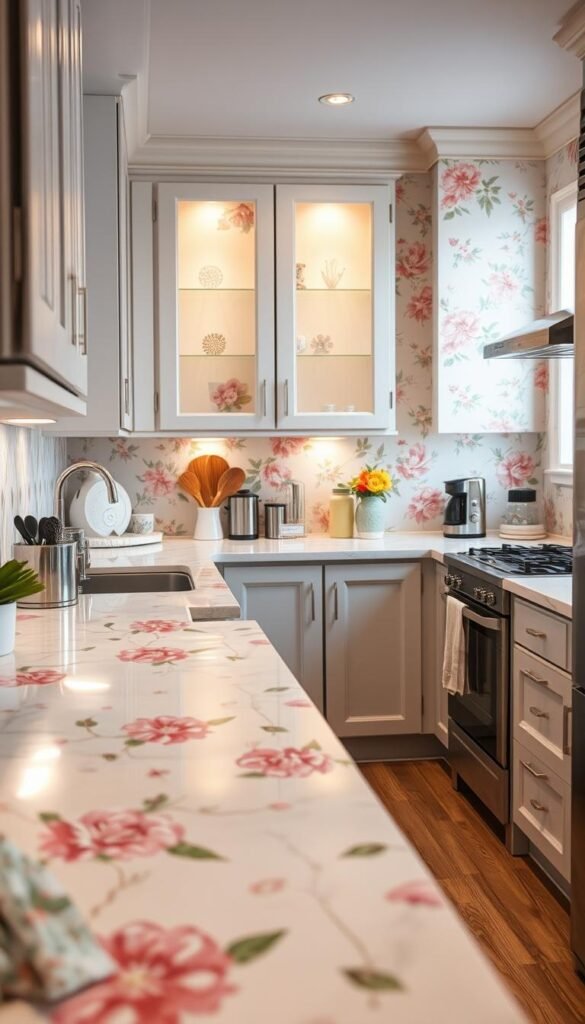
Contact paper works well on low-heat, low-water zones. Use it around a coffee station, on peninsula edges, or on a pantry counter. Clean the surface first. Smooth application and careful trimming keep seams from lifting.
Common mistakes: applying near a stove, skipping degreasing, or using thin, cheap vinyl. Those errors make edges peel early and leave residue when removed.
Wallpaper as a temporary backsplash
Wallpaper can work behind a stove only in low-splash setups. It shines in dry zones and behind countertops away from direct water or steam.
If you want wallpaper behind a sink, add a clear, washable protective layer. That helps resist splashes and keeps the paper from warping.
Peel-and-stick tiles vs. a full backsplash
Peel-and-stick tiles give the tiled look at a fraction of the cost and time. They are lighter than real tile and remove cleanly when you use a quality product. They are a practical rental-friendly way to upgrade a space without grout or heavy tools.
- Why it’s useful: quick visual upgrade and removable before a move.
- What to avoid: heat, heavy grease, cheap plastics that yellow or shrink.
- Alternatives: stainless peel sheets, washable panels, or improving lighting and fresh caulk to renew the look without covering surfaces.
| Option | Cost range | Best use |
|---|---|---|
| Contact paper (high-quality vinyl) | $20–$50 | Low-heat counters, coffee station, laminate refresh |
| Wallpaper as backsplash (with protector) | $15–$40 | Dry wall zones, behind stove in low-splash kitchens |
| Peel-and-stick tile sheets | $25–$70 | Instant tile look; backsplashes and small accent walls |
| Stainless peel sheets / washable panels | $30–$100 | Greasy zones or near sinks; long-lasting rental-safe option |
„I covered the stained laminate near my espresso maker with contact paper. It looked clean in minutes and peeled away without damage when I moved.“
Cabinet and Drawer Fixes That Make a Rental Feel New
You can update cabinet style in under an hour with just a screwdriver and a small budget.
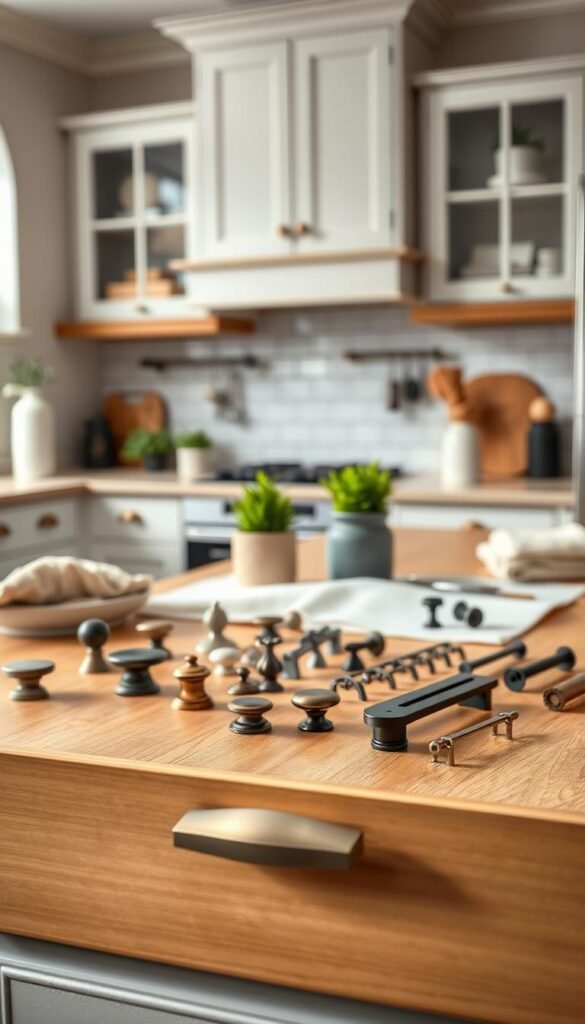
Why it works: swapping pulls and knobs changes how cabinets look and feel without permanent work. Keep the original hardware in a labeled bag so you can restore the pieces when you move.
Swapping pulls and knobs with one tool
Pick pulls that match the existing hole spacing to avoid new drilling. Most installs use a single screwdriver and take 20–45 minutes for an average set.
Magnetic catches for cabinets that won’t stay closed
Magnetic catch sets (about $8.99 for four) stop doors that pop open and drawers that drift. Adhesive-only mounts can fail; screws hold better. If screws worry you, align with existing holes or use short screws that won’t penetrate thin particleboard.
- Pros: high visual impact, low cost, renter-safe when you save originals.
- Cons: wrong hole spacing, over-tightening into thin paneling, and weak adhesive on some catches.
- Alternatives: stick-on bumpers, hinge adjustments, or an organizer tray to reduce drawer drift.
„I replaced plain knobs on an entry cabinet and the whole piece felt modern—no repaint, no fuss.“
| Upgrade | Approx cost | Why to choose |
|---|---|---|
| Knob/pull swap | $8–$30 per set | Instant style change; reversible |
| Magnetic catch set (4) | $8.99 | Keeps doors closed; small and cheap |
| Stick-on bumpers / organizers | $5–$15 | Non-drill option to stop slamming and organize drawers |
Bathroom Wins Under $25 That Feel Like Self-Care
A quick swap in the toilet area can make the entire space feel cleaner and calmer. These are small-money, big-daily-comfort items that install fast and improve hygiene in an apartment or rental.
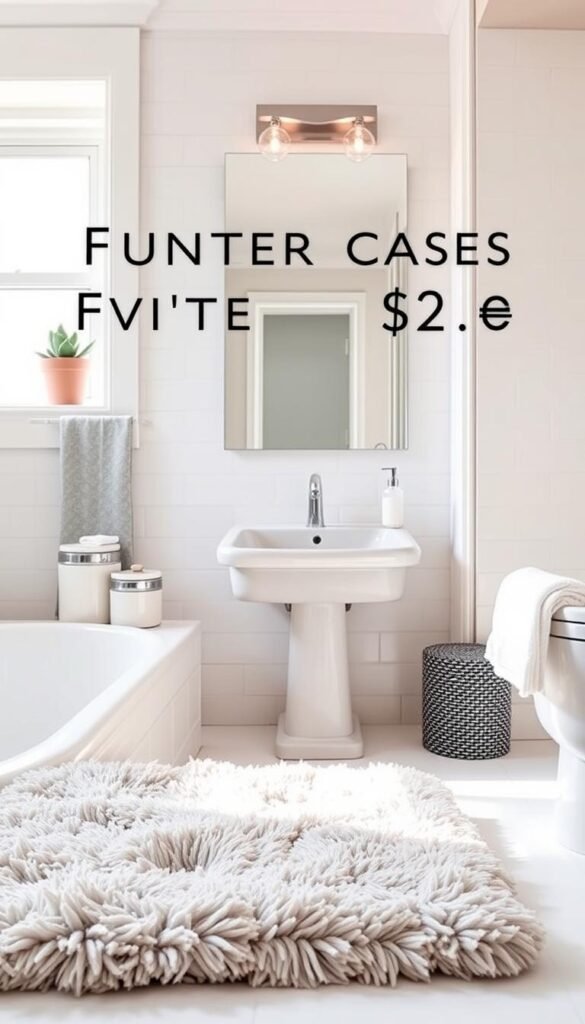
New toilet seat: the fastest cleanliness upgrade
Replacing a toilet seat is simple and worth the time. Check shape (round vs. elongated), slow-close hinges, and easy-clean materials. Most installs take 10–15 minutes with a wrench or screwdriver.
Budget bidet attachments: comfort, hygiene, and install basics
Bidet attachments add comfort and reduce toilet paper use. Install basics: shut off the water, remove the old seat, attach the T-valve to the fill line, mount the bracket, and test for leaks. Confirm the connection fits your bowl size and that water pressure is steady.
What to avoid and alternatives
Avoid flimsy plastics, products with hard-to-clean crevices, and any model with repeated leak complaints in reviews. Watch review photos and look for metal or reinforced fittings.
Who this is for: people who share a bathroom, anyone sensitive to old fixtures, or anyone who wants the bathroom to feel like a cleaner space without renovating.
„Swapping a $20 seat made my bath feel new every morning.“
- Pros: low cost, fast install, hygiene boost.
- Cons: some bidets need minor plumbing caution and steady pressure.
- Alternatives: handheld sprayers (if allowed), better liners, and upgraded towels and mats to create a refreshed design with little expense.
Smart Bedroom Storage for Apartments With No Closets
If you lack a closet, the space under your bed becomes the most useful storage real estate in your room. Under-bed bins reclaim that empty area without adding bulky furniture.
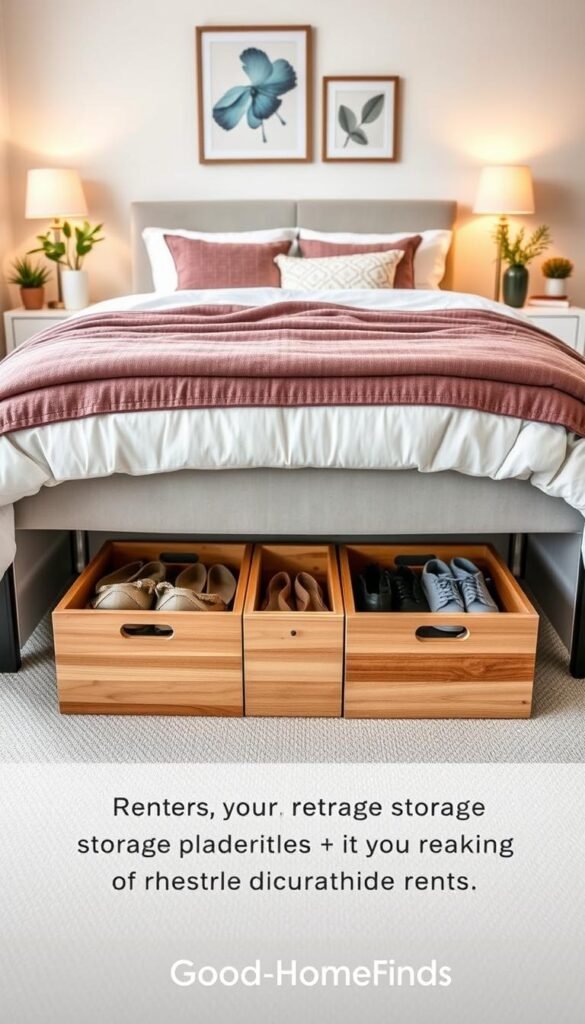
Under-bed containers that slide and show what’s inside
What to look for: low profile depth, sturdy zipper, handles, and a clear front so you can see items at a glance. A set of three fabric bins can cost about $16.99 and gives organized, visible storage.
Real-life example
Keep extra sheets and blankets in labeled fabric boxes instead of a cardboard pile. They slide out fast when guests arrive and tuck away neatly when not needed.
Price-value: fabric vs. plastic
Fabric bins flex and slide under low beds. They compress when space is tight. Plastic totes protect from spills but can crack and won’t tuck into tight spots. Choose fabric if you need easier access; pick plastic if moisture is a concern.
- Pros: saves floor space, tidy look, low cost.
- Cons: soft bins can collapse; some zippers fail.
- Who it’s for: studio and shared apartment dwellers and anyone with limited closet space.
- What to avoid: bins too tall for your frame, flimsy zippers, or no structure when half-full.
- Alternatives: vacuum bags, approved risers to raise the bed, or a storage ottoman that doubles as seating and storage furniture.
Power and Charging Solutions for Nightstands and WFH Corners
When outlets are scarce, a messy tangle of cords can eat your table and your patience. A small, square compact power strip with USB and USB-C (about $17.99) saves nightstand space and blends into decor. It keeps a lamp, phone, and laptop charger in one tidy spot.

Compact strip with USB-C to reduce cord clutter
Why it’s useful: you stop crawling behind furniture each week. A USB-C port charges newer devices faster and cuts the number of bulky adapters on a small table.
Safety note: surge protection, heat, and overloaded outlets
Safety first. Choose a model with surge protection and a credible safety mark. Do not daisy-chain strips. Keep chargers in open air, not under pillows or rugs.
- Pros: saves space, cleaner look, faster USB-C charging.
- Cons: cheap strips can run hot or fail if overloaded.
- Who it’s for: WFH corners, bedside setups, and anyone in an older apartment with limited outlets.
- What to avoid: no-name products without safety marks or reviews mentioning heat, sparking, or loose sockets.
- Amazon checks: look for UL/ETL marks, recent reviews mentioning surge protection, and pictured serials or specs.
| Item | Approx cost | Best use | Safety tip |
|---|---|---|---|
| Square compact power strip (USB + USB-C) | $17.99 | Nightstand or small desk | Choose surge protection and open-vent design |
| Multi-port USB-C wall charger | $20–$35 | Less cord clutter; plugs straight into outlet | Check PD charging specs and UL/ETL |
| Cable clips & longer cord | $5–$15 | Route cords along wall; free table space | Secure rather than tuck under fabrics |
Noise, Sleep, and “Thin Wall” Apartment Helpers
Thin walls and unpredictable neighbors can turn late nights into low-quality sleep. You don’t need renovations to improve rest. Small, portable items can make a big difference in how a bedroom or living room feels at night.
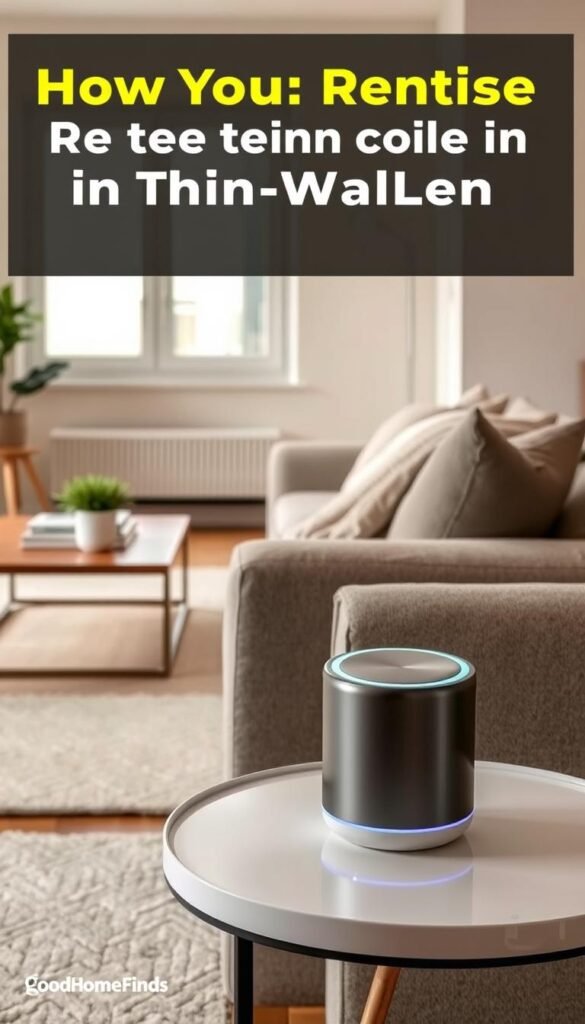
Portable sound machine: a simple, travel-ready fix
Why it’s useful: a compact sound machine (about $21.99) adds steady white noise that masks hallway chatter and thin-wall thumps. It sits on a nightstand and moves with you when you travel.
Real-life use case: run it on low at night to cover footsteps in a studio or on a different schedule than a roommate. It helps you fall asleep faster and stay asleep through unpredictable noise.
Pros / Cons
- Pros: affordable, portable, easy controls, no installation.
- Cons: sound quality varies; some models have harsh startup tones or bright LEDs.
Who it’s for
This fits light sleepers, shift workers, and anyone in a small apartment who wants a non-permanent, low-cost way to improve sleep and focus.
What to avoid and alternatives
Avoid devices with confusing controls, loud startup sounds, bright indicator lights, or reviews that mention speaker distortion. If noise comes mostly from door gaps, try better door seals first.
„A little white-noise unit on my nightstand made my small room feel calmer almost immediately.“
| Item | Approx cost | Best use |
|---|---|---|
| Compact sound machine | $21.99 | Mask hallway noise; travel sleep aid |
| Fan (alternative) | $15–$40 | Continuous airflow and gentle white noise |
| Phone white-noise app | Free–$5 | Quick test before buying a device |
Living Room Finds That Save Money Every Month
A single low-cost antenna can cut a streaming bill and keep your living area ready when guests arrive.
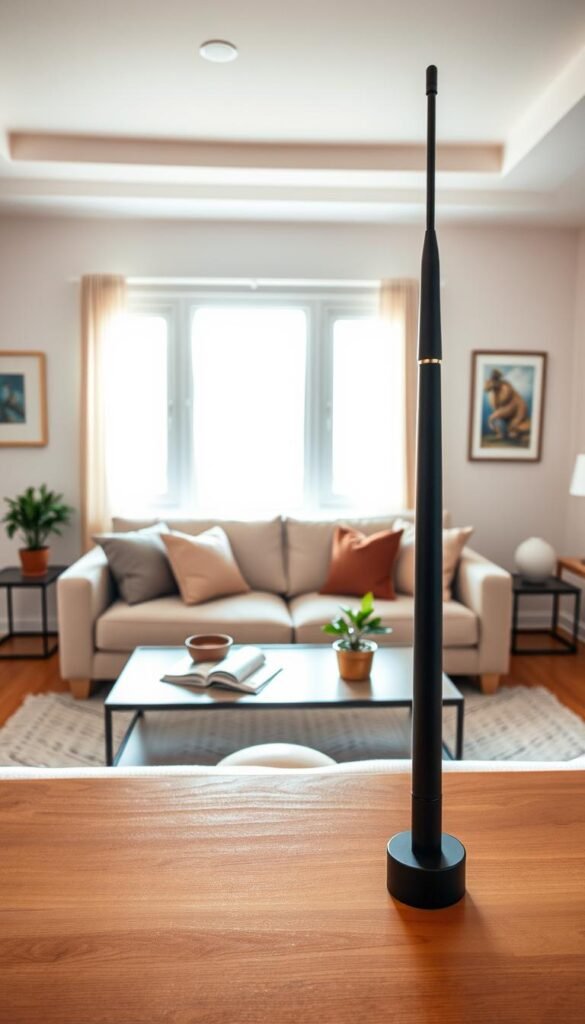
Why it’s useful: a TV antenna with a small amplifier (about $32.90) can deliver local news, basic channels, and sports without another monthly plan. It plugs into your TV and sits near a window or high shelf.
Real-life example
You host visiting parents and want the nightly news and weekend games. An antenna gives you those channels while you keep your streaming lineup intact. No extra subscriptions needed, and setup takes little time.
Pros / Cons
- Pros: saves subscription costs, easy install, portable between apartments.
- Cons: signal depends on placement, building materials, and local towers.
What to avoid and who it suits
Avoid models that claim unrealistic range, and don’t hide the antenna behind thick furniture. This is a good buy if you rotate services to save cash or want a reliable local signal in a rental place.
| Item | Approx cost | Best use |
|---|---|---|
| Amplified indoor antenna | $32.90 | Apartment living room; capture local news and sports |
| Basic indoor antenna (no amp) | $15–$25 | Close to broadcast towers; simple, lower cost option |
| Streaming local news apps | Free–$5 | Alternative when antenna reception is poor |
„An antenna gave me local channels during visits without adding another bill.“
Entryway and “Random Door” Fixes for Rentals
Missing closet doors leave exposed hinges and a rough look; inexpensive covers tidy the space.
Hinge blanks (3-pack ≈ $15.25) slip over hinge hardware after a door is removed. They come in multiple finishes so you can match existing hardware and keep the place tidy without buying a new door.
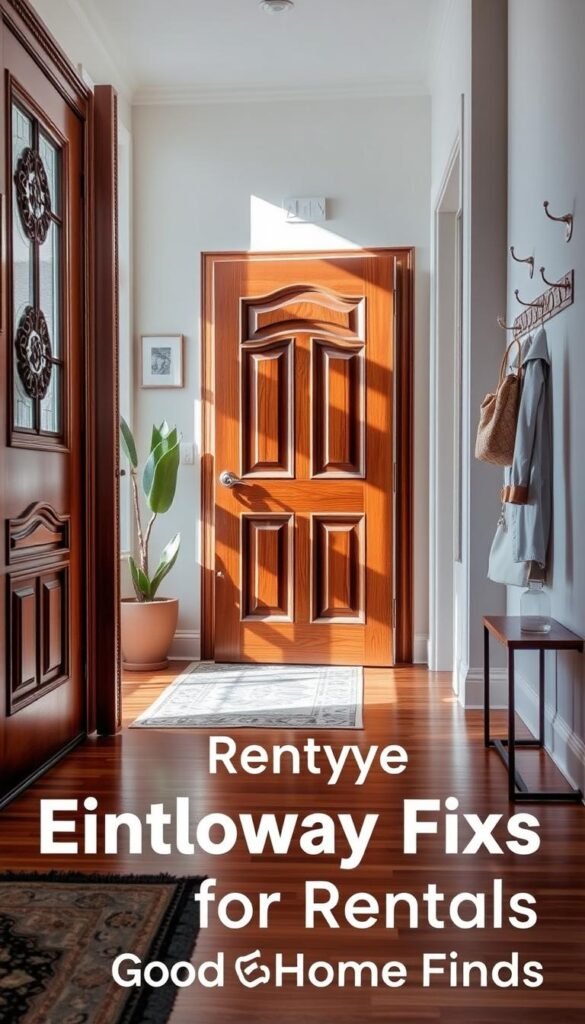
Why it’s useful
It makes the space look finished without permanent work. Hinge blanks protect screw holes and give a neat, cohesive look while still being reversible.
Over-the-door organization
Hang a compact organizer to hold keys, pet gear, hats, and gloves. It uses vertical space and keeps daily items visible near the entry.
- Pros: fast install, portable, clears floor space.
- Cons: can rattle or scratch doors; add felt pads and avoid overloading.
- Who it’s for: small apartments and anyone who loses keys or needs quick entry storage.
- What to avoid: bulky units that stop the door from closing and metal hooks that chip paint.
- Alternatives: a small tray on a slim console, removable hooks, or a narrow shoe rack if you have a little floor space.
„Covering exposed hinges made the closet look intentional and kept my moving deposit intact.“
Easy Organization That Doubles as Decor
Keep things tidy without making the place look sterile. Choose pieces that solve clutter while adding to your room’s design. A few well-chosen items can make open shelving and a bathroom counter feel styled and useful at once.
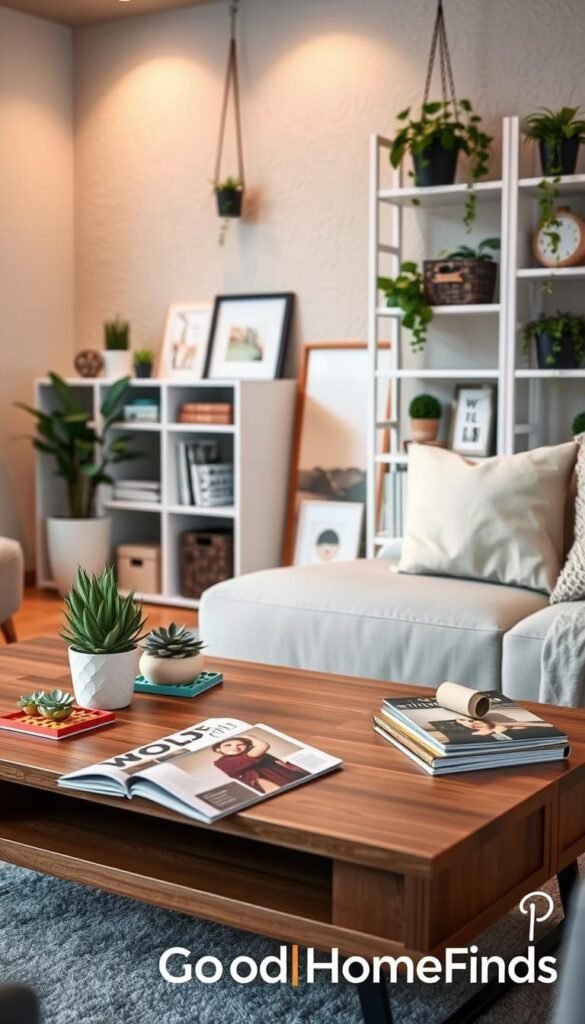
Simple metal bookends for shelves with no side supports
Why they work: white metal bookends (a 7-pair set ≈ $19.99) hold books on glass or floating shelves where there’s no sidewall. Sturdy metal beats flimsy plastic because it resists tipping and looks minimal with modern furniture.
Real-life example: use them on a media shelf so titles don’t slide onto the floor during a video call. The result reads calm and purposeful on camera.
Necklace organizer to stop tangled jewelry on the bathroom counter
Why it helps: a small stand or wall-mounted organizer (≈ $20.99) saves minutes each morning by keeping chains separate and visible. An adjustable top tier works when your collection grows.
What to avoid: sharp metal hooks that snag delicate chains, unstable bases that tip, and cheap finishes that flake. Measure counter space and hook spacing before you buy.
Cheaper options: DIY hooks, trays, and repurposed containers
Not ready to buy? Use removable adhesive hooks, a shallow tray, or a repurposed jar to corral jewelry and small items. A tension rod inside a closet also makes an easy jewelry rail.
- Pros: simple, durable items that act as decor and keep things tidy.
- Cons: measure depth and clearance; some stands can look bulky if mismatched with your design.
- Who it’s for: anyone in a small space who wants visible organization that still looks styled.
„A couple of bookends and a neat jewelry stand made my shelf and sink counter feel intentional, not cluttered.“
What to Avoid When Shopping for Cheap Rental Upgrades
Protect your deposit and your budget. Quick upgrades can lift a room, but some purchases cost time and money without giving lasting value. Below are clear red flags and safer options so you don’t waste cash or damage paint and walls.
Adhesives that fail, stain, or pull paint
Cheap adhesive hooks and strips can stain paint or pull it off when removed. Always patch-test on a hidden patch of wall for 24–48 hours before committing.
Look for reviews that mention clean removal and avoid products that leave sticky residue or discoloration.
Electrical products without basic safety certifications
Avoid chargers, strips, or lamps with no UL/ETL mark. Watch reviews for heat, buzzing, or a chemical smell. Those are warning signs of poor wiring or cheap components.
If you plan a fixture swap, call an electrician unless you are fully confident in the wiring and local code.
“Too permanent” projects that don’t pay off
Heavy tile or floor installs, multiple drilled shelves, and built-in fixtures create real removal work later. These projects only make sense if you plan to stay for years.
Safer alternatives include tension rods, plug-in lighting, removable film, peel-and-stick tile, and hardware you can swap back.
Quick red-flag checklist
- Weight rating and surface compatibility listed? If not, skip it.
- Return policy under 30 days? Don’t risk it without testing.
- Reviews mention smell, heat, or paint pull? Avoid.
- Keep original parts in a labeled bag for swap-back.
„Choose upgrades that save time and daily work, and that come off cleanly when your lease ends.“

Conclusion
One clear problem fixed this week can make your whole room feel fresher and more useful.
Start damage-free: treat walls, lighting, windows, then storage. That order saves the most daily time and keeps your apartment deposit safe.
Pick one area—sleep, clutter, dark light, or a messy kitchen—and buy only what solves that issue. Use three filters on every purchase: Why it’s useful, Who it’s for, and What to avoid.
Cheap, reliable alternatives exist. Try textiles, plug-in lights, peel-and-stick, and smart storage before tile or permanent installs. Keep originals labeled with screws and small furniture parts when you move.
Takeaway: a few renter-friendly upgrades can change how your apartment and room feel now, and they can move with you later.


10 Comments