This is a practical roundup aimed at real kitchens and small apartments. You will find tested, renter-friendly tools that earn their counter space. No hype. No one-hit wonders.
We focus on devices that save you time, cut mess, and get weekly use. Think Thermapen ONE, Instant Vortex, Instant Pot Pro, Breville and Vitamix 5200. Each pick is judged on footprint, noise, power use, safety, and whether it replaces other tools.
You’ll get straight talk on tradeoffs. Expect notes on setup difficulty, cleaning, and realistic maintenance. We compare budget vs premium so you spend where it changes daily use.
Scope: this list covers prep, cooking, storage, and coffee. It’s tailored to U.S. outlets, dishwasher habits, and tight counter space. Read this if you want smart buys that actually help in real life.
Key Takeaways
- Only include gadgets that save time and reduce mess.
- We rate items by space, noise, power, and safety.
- Expect honest pros and cons, and maintenance notes.
- Compare budget and premium to prioritize purchases.
- Coverage spans prep, cooking, storage, and coffee.
Real benefits you’ll notice in a small kitchen
A few focused upgrades can cut prep time and keep your small space usable every day.
Save time on weeknight cooking. A fast thermometer and a compact multicooker remove guesswork. You waste less food and spend less time staring at the stove. That makes quick meals realistic and repeatable.
Save space with multi-use, collapsible tools. Collapsible bowls, a mini food processor, and stackable containers shrink storage needs. Pick items that do more than one job so you don’t build a junk drawer of single-use tools.
Save money and reduce waste. Better storage and portion tools keep food fresher. Fewer spoiled items means fewer repeat grocery trips and fewer takeout nights.
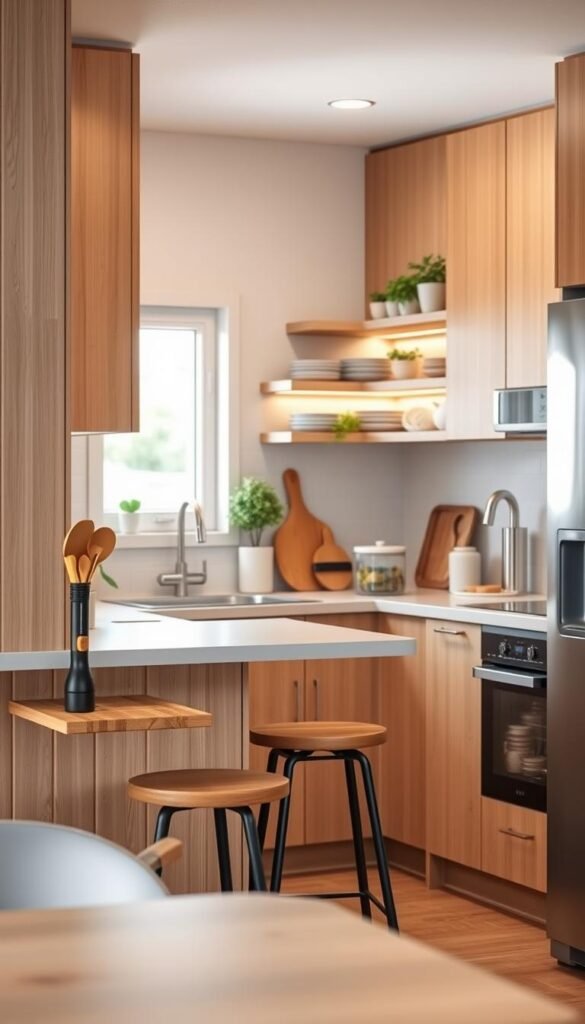
Safer, more consistent cooking. Reliable thermometers, splash guards, and stable cutting tools cut burns and blade slips. Smaller appliances heat fast, using less power than a full oven for small portions.
- Practical wins: less cleanup, fewer gadgets to store, and clearer counters.
- Expectation: you don’t need everything—pick the few items that match your way of cooking.
Who needs this and who should skip it
Not every tool belongs in every small apartment; match purchases to real habits. Be honest about how often you cook and whether you have one shared cabinet or one main counter.

Apartment cooks with limited counter space and shared storage
If you share cabinets or have one counter, pick multi-use items that stow easily. Choose quiet, low-power tools that won’t trip circuits or annoy neighbors.
Busy families and meal-prep households
People who batch cook benefit from gear that speeds reheats and shrinks cleanup. Think devices that cut dish count and speed prep so you use them weekly.
Home cooks who bake, cook meat, or make soups often
Bakers and meat-focused cooks gain most from accuracy tools: a fast thermometer and a scale make consistent results. Soup lovers will use an immersion blender and a multicooker to reduce pot juggling and splatter.
Who should skip
If you won’t use an item weekly, it probably isn’t worth the space or cleaning. Minimalists, light eaters, or people who eat out often should pass.
- Decision triggers: small kids, noise sensitivity, and limited electrical capacity.
- Rule of thumb: buy to solve a job you do often, not to chase trends.
How we picked: what matters more than brand names
Choices came down to daily usefulness: can the item save time, space, and cleanup in a real flat?
We prioritized energy, safety, and long-term value. That means a smart design that fits your counter or cabinet, modest power draw, and parts that survive years of use.
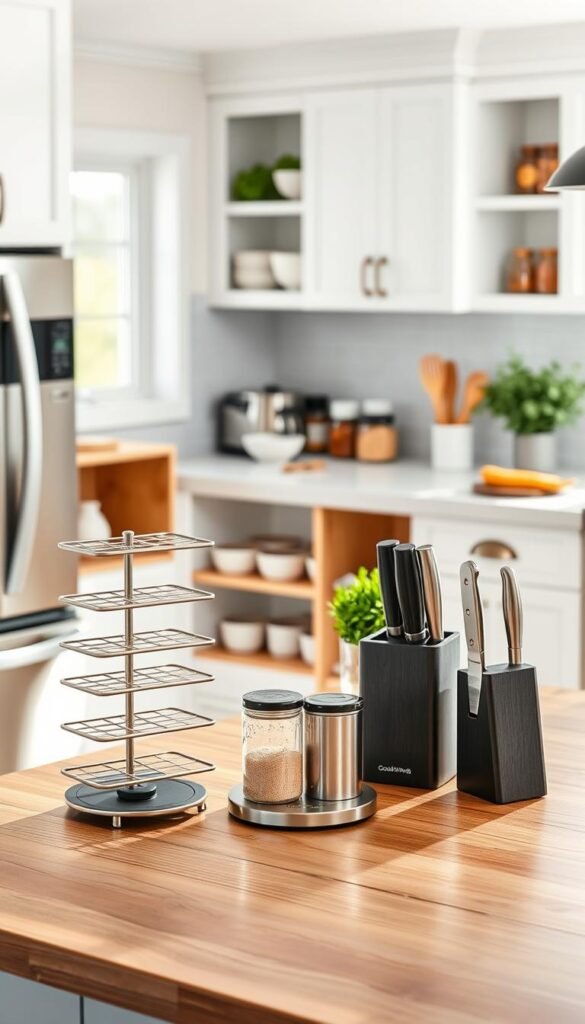
Space requirements and storage footprint
Measure before you buy. Check both counter size and shelf storage. Ask if the item replaces another tool or just adds clutter.
Power consumption and everyday electricity costs
Smaller appliances often use less energy for small batches, but wattage still matters in older apartments. Consider run time, not just peak watts.
Noise levels in small apartments and open layouts
Blenders and air fryers can be loud. If you live in a thin-walled building, pick quieter models or choose times to run noisy tools.
Ease of cleaning and maintenance over years of use
Look for dishwasher-safe parts, few seals, and smooth surfaces. Stainless steel parts last longer and resist stains better than fragile coatings.
Safety basics: heat, blades, pressure, and kid-friendly storage
Prioritize stable bases, cool-touch handles, secure blade storage, and safer steam releases like the Instant Pot Pro uses. Safety matters more than looks.
„Durability, noise, and cleaning beat brand hype when you use a device weekly.“
Quick checklist before buying:
- Footprint: will it fit where you plan to use it?
- Storage plan: where will it live when not in use?
- Replacement check: does it replace a pot, an oven task, or another tool?
- Price vs years of use: pay more if it saves time every day.
| Factor | Why it matters | What to check |
|---|---|---|
| Size & design | Determines fit and daily use | Counter depth, cabinet height, folded footprint |
| Power | Impacts bills and circuit limits | Wattage, runtime, surge draw |
| Noise | Affects neighbors and living space | Decibel ratings, user reviews in apartments |
| Cleaning | Determines daily use likelihood | Dishwasher-safe parts, few crevices, stainless steel components |
| Safety | Prevents accidents and long-term wear | Stable base, cool-touch, safe pressure release |
Setup time: what you’re really signing up for
Some devices are ready the moment you plug them in; others reward a few trial runs. Know your tolerance for setup and upkeep before you buy. That saves time and avoids clutter you stop using.
Plug-and-play options you can use right away
Scales, oil sprayers, and an instant-read thermometer usually work out of the box. Serious Eats notes one-button models like the OXO grinder are designed for easy use. These items need almost no learning and fit renter life.
Tools that need a little learning but pay off fast
Items like a sous vide or a programmable espresso maker take setup time. Expect first-run test batches, app pairing (Joule’s app guides you step-by-step), and oven adjustments. That time pays off once you dial in settings.
What needs ongoing upkeep: filters, descaling, and deep-cleaning
Don’t skip maintenance. Coffee makers need regular descaling. Grinders require burr area cleaning. Wipe seals and remove trapped food so smells don’t linger.
- Time vs money: some cheap tools demand constant scrubbing; that hidden time cost makes them fade from use.
- Renter-friendly tip: pick items with fast teardown and dishwasher-safe parts so you can stash them after each use.
- Before you buy: check outlets, whether parts are dishwasher-safe, and if you have a dry spot to air parts.
Common mistakes that waste time, money, and space
Measure twice, buy once: a simple habit saves cabinets, cash, and patience.
Buying an oversized item that can’t fit your counter or shelf is the most common trap. Measure counter depth and cabinet height before you click. If it doesn’t fit folded or upright, skip it.
Cheap options that crack, rust, or trap food bits end up unused. Read cleaning notes. Prioritize models with few parts and dishwasher-safe pieces. That keeps daily use realistic.
Noise, power, and compatibility you can’t ignore
Blenders and grinders can be loud in thin-walled units. Consider manual or smaller-motor options when noise matters.
Check pot diameter, outlet placement, and whether parts fit your dishwasher. Cords need a planned storage spot to avoid tangled clutter and wasted space.
„Buy to solve a job you do weekly, not to chase the lowest price.“
| Common mistake | Why it wastes time or money | Quick fix |
|---|---|---|
| Oversized purchases | Won’t fit counters or cabinets; forces storage elsewhere | Measure counter and cabinet; check folded footprint |
| Bargain models with many parts | Crack, trap food, or need long cleaning cycles | Pick fewer parts, stainless or dishwasher-safe pieces |
| Ignoring noise & power | Loud motors disrupt lives; high wattage can trip circuits | Read decibel notes; choose lower-watt or manual options |
| Too much plastic | Stains, warps, and lingering smells with oily food | Prefer glass or stainless where possible; rotate use |
Final rule: choose the option that you will use weekly. That saves time, money, and space in real life.
The best kitchen gadgets for home: our practical roundup for real kitchens
Start your core kit with the item that fixes your biggest daily cooking pain. Below are compact, renter-friendly picks you can add over time. Each note shows real use, setup time, and what it replaces in a small apartment.
Instant-read thermometer: fast, reliable doneness
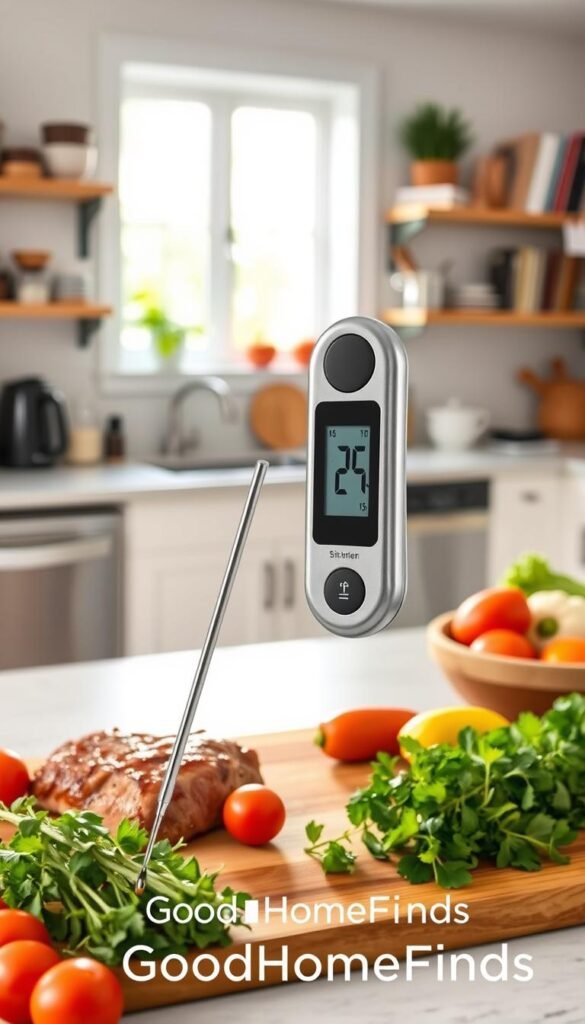
The Thermapen ONE reads in 1–2 seconds and is accurate to about ±2°F. That speed matters when you cook meat, test bread, or check frying oil temperature.
Pros: instant reads, prevents overcooking. Cons: higher price than basic probes; battery to replace.
Air fryer with a square basket
Choose a model like Instant Vortex with a square basket for more flat cooking area and even browning. It often replaces small-oven jobs and crisps faster with less energy.
Setup & maintenance: quick out-of-box use and easy cleanup. Noise is low to moderate. Footprint is countertop-friendly.
Rice cooker: small, hands-off grains
Hamilton Beach gives value; Zojirushi’s 3-cup model is ideal for tiny households. Use it for rice, quinoa, and warm-holding without babysitting a pot.
Multicooker: soups, beans, and safer steaming
Instant Pot Pro stands out with a safer steam release switch and solid searing. It saves time on soups and beans and reduces pot juggling.
Immersion blender: soups and sauces without a big blender
All-Clad reaches tall pots and blends mayo, soups, and sauces with minimal transfer and fewer dishes. It’s a true small-space solution.
Mini food processor: quick chops and small sauces
A 4-cup processor handles onions, herbs, and dressings. It replaces repeated knife work and avoids pulling out a full-size machine.
Vacuum sealer: freezer life and faster marinades
Anova Precision Pro seals well and stores cutter and bags. It prevents freezer burn and speeds marinating. Watch out: liquids need care and bag storage adds work.
Coffee essentials: grinder, drip maker, frother
OXO’s burr grinder is simple; Breville adds control. Pair a compact drip maker like Ratio Six and an Instant Magic frother to replace daily café runs with predictable cleanup.
„Build a core kit that solves your most frequent kitchen task and expand only when an item clearly replaces another tool.“
Cooking consistency upgrades that aren’t flashy (but work)
Small, reliable upgrades cut guesswork and stop more meals from going wrong than flashy buys. These tools make routine cooking repeatable. That saves you time and money and reduces food waste.
Instant-read thermometer
Why it helps: a fast meat thermometer like the Thermapen ONE reads in 1–2 seconds. It gives a clear stop point so chicken stays juicy and steak hits your target doneness.
Pros: instant reads, accurate. Cons: occasional battery swaps.
Digital scale
Why it helps: baking depends on weight. Food & Wine notes cups vary widely; a scale cuts ingredient waste and keeps recipes consistent.
Pros: precise baking, less wasted food. Cons: needs wiping and flat storage.
Oil sprayer bottle
Why it helps: a sprayer controls oil use and keeps sheet pans tidy. Spotless Kitchen recommends them to replace aerosol cans and cut mess.
Pros: less oil waste, easier cleanup. Cons: periodic cleaning to avoid clogs.
„Consistency tools save more meals than novelty gadgets ever will.“
| Tool | Real use | Quick care |
|---|---|---|
| Instant-read thermometer | Prevents overcooked meat; quick checks | Wipe probe; replace battery yearly |
| Digital scale | Accurate baking and portion control | Wipe surface; store flat in drawer |
| Oil sprayer bottle | Even oil spray for roasting and pans | Rinse and pump through; air dry |
Compatibility tip: check whether parts are dishwasher-safe and pick a storage spot you will actually use. These small habits keep tools in regular use and cut wasted food.
Small-apartment heroes for faster meals: air fryer, rice cooker, multicooker
Pick three space-saving tools that actually speed weeknight meals without stealing your counter. They cut oven preheat time, reduce pans, and trim cleanup so you cook more often.

Air fryer: space, noise, and when it replaces the oven
Space & size: square-basket models like the Instant Vortex give more usable area in the same footprint. That matters when counter space is tight.
Noise: expect moderate hum. In thin-walled units, run it when you’re not on video calls.
When it replaces an oven: small-batch roasting, crisping, and reheats. It won’t substitute for large roasts, but it saves energy and time for daily food prep.
Rice cooker: set-it-and-forget-it value vs storage
Models like Hamilton Beach earn their place if you cook grains weekly. Use them for rice, quinoa, and warm-holding with near-zero babysitting.
Storage trade-off: if you rarely cook grains, store it. If you use it weekly, the size pays for itself in time saved and fewer pots to wash.
Instant Pot-style multicooker: safety and soups that actually behave
Safety wins: newer multicookers (Instant Pot Pro) add safer steam release and solid searing so you get better browning without risky maneuvers.
Real use: hands-off soups, beans, and one-pot meals. They limit boil-overs and cut stove time in small apartments.
Budget vs premium: what you gain
Pay more when: you want sturdier baskets, better venting, and cleaner seals that last. These matter in tight spaces and for safety.
Save when: you only need simple functions. Extra presets and fancy displays are nice but often redundant.
„Choose the unit you will actually use weekly. Footprint, easy cleaning, and safety beat flashy features.“
| Appliance | Small-space win | Quick care note |
|---|---|---|
| Air fryer | Fast crisping, low energy, square basket maximizes food area | Removable nonstick basket; wipe and deep-clean to avoid smells |
| Rice cooker | Hands-off grains, keep-warm fits meal timing | Inner pot cleans easily; watch for lingering steam smells |
| Multicooker | Safe steaming, one-pot soups, fewer pans | Removable lid and gasket; clean seals to prevent odors |
Blending and chopping without clutter: immersion options vs countertop appliances
If you mostly make soups and sauces, start by matching the tool to your weekly cooking habits. That simple rule cuts clutter and keeps counters usable.
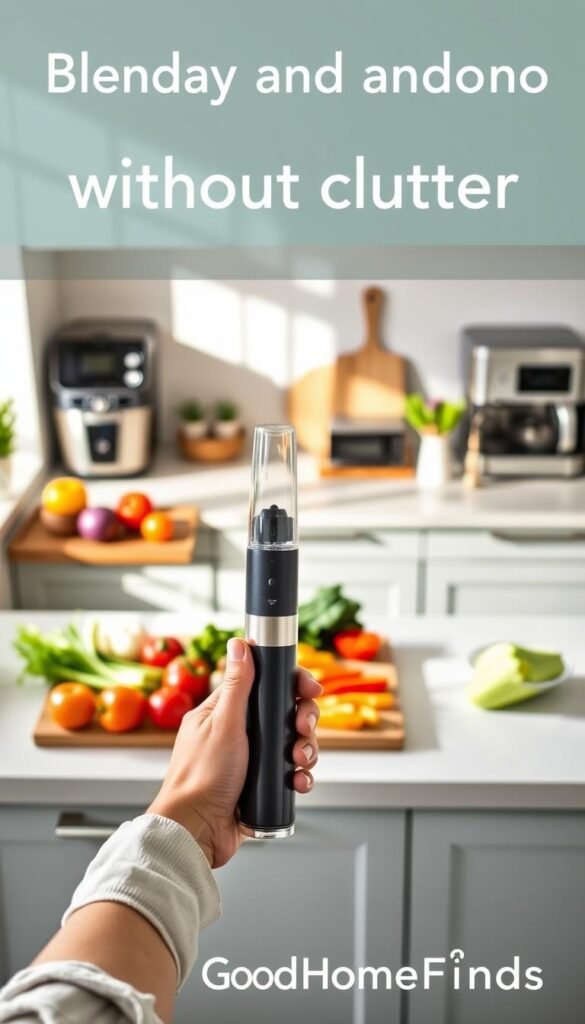
Immersion blender: practical wins for soups and small batches
When to pick it: you blend directly in pots, reduce dishes, and store a slim shaft easily in a drawer.
All-Clad’s immersion models reach tall pots and use stainless steel shafts that last. They are quieter than many countertop motors and excel at pureeing hot soups and sauces.
High-speed blender: when premium earns the storage trade
Choose a Vitamix 5200 if you make smoothies daily, grind nuts into butter, or need silky texture consistently over years.
Budget options like the Oster Extreme Mix can handle basic blends and save space and cash if you don’t need nonstop high-speed use.
Mini chopper vs full-size food processor
Pick a mini chopper if you chop vegetables sometimes and want minimal footprint. It replaces repeated knife work.
Get a full-size processor only if you prep large batches or need multiple cutting discs. It costs more storage but speeds big jobs.
Maintenance reality
Blades are sharp and seals trap smells. “Dishwasher-safe” often applies to some parts only. Wipe motor bases and rinse seals after oily food.
Material tip: stainless steel shafts and blades clean easier and resist staining with regular use.
„Start with the tool that solves your most frequent prep task — you’ll avoid clutter and use devices longer.“
| Option | Small-space win | Care note |
|---|---|---|
| Immersion blender | Low storage, blends in pot | Rinse shaft; dry seals |
| High-speed blender | Power for smoothies, nut butters | Deep clean pitcher; avoid dishwasher unless rated |
| Mini chopper | Quick chops, tiny footprint | Clean blade base; store lid separately |
Food storage and cleanup gadgets that pay you back
Smart storage pays back in saved groceries and fewer mystery leftovers. Small upgrades make food visible, cut waste, and speed meals. That’s real ROI in a renter-friendly space.
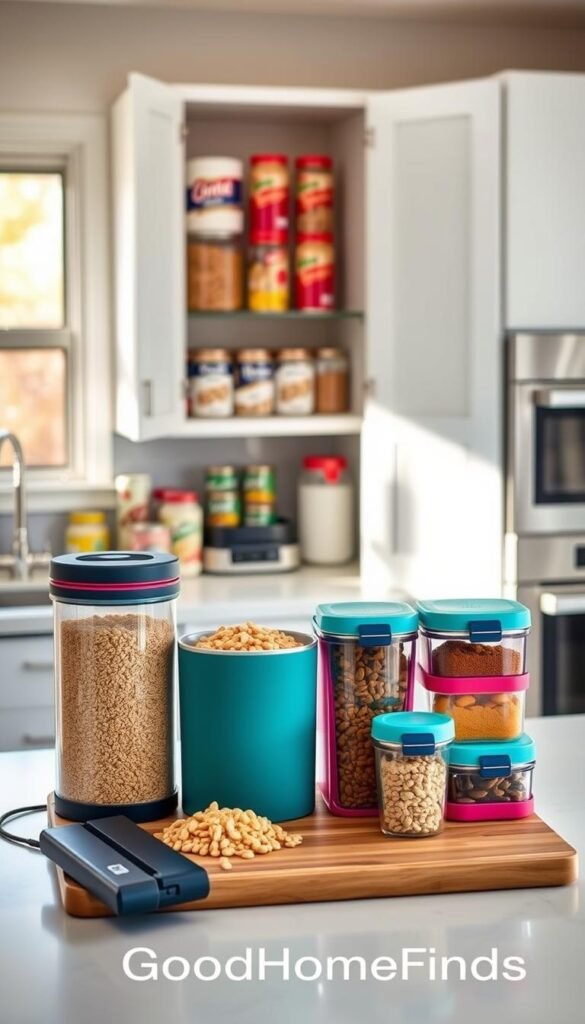
Reusable silicone storage bags
Why they matter: reusable bags work for snacks, marinating meat, and storing washed vegetables. They reduce single-use plastic and tidy the fridge.
Pros: freezer-safe, seal well, and stack upright. Cons: they need full drying and occasional deep-cleaning; cleanup can take longer than disposables.
Vacuum sealers
Use a vacuum sealer when you buy in bulk or want to prevent freezer burn. It speeds marinades and stretches expensive purchases.
Where they’re fussy: wet items and sauces need pre-freezing or special bags. Bag management adds steps and storage work.
Space-saving add-ons
Clip-on strainers replace a bulky colander. Collapsible bowls and over-the-sink cutting boards free counter space and fold flat when not in use.
They are renter-friendly and easy to move when you relocate.
Organizers that reduce waste
Fridge bins keep items visible so carrots and herbs don’t rot in the back. Lid racks and under-shelf organizers cut clutter and save space in small cabinets.
„Visible storage is the simplest way to stop food from getting forgotten.“
| Item | Real win | Quick tip |
|---|---|---|
| Reusable silicone bags | Less plastic waste; good for marinating and snacks | Wash, air-dry fully; store open to avoid smells |
| Vacuum sealer | Prevents freezer burn; faster marinade penetration | Pre-freeze liquids; label dates; store bags flat |
| Clip-on strainer / collapsible bowls | Save counter and cabinet space; easy to stash | Rinse after use; collapse dry before storing |
| Fridge bins & lid racks | Reduce waste; easier meal planning | Group like items; place frequent items front |
Hygiene & safety notes: dry bags to prevent mold, separate raw meat bags from ready-to-eat food, and store cutting boards and sharp tools safely. Choose items that clean easily and move with you when you rent.
Daily electronics you’ll use constantly: coffee gear that’s worth it
Every morning habit adds or subtracts minutes from your day—pick coffee gear that pays back time. In small spaces, these tools live on the counter, so measure first and plan where the cord will rest.
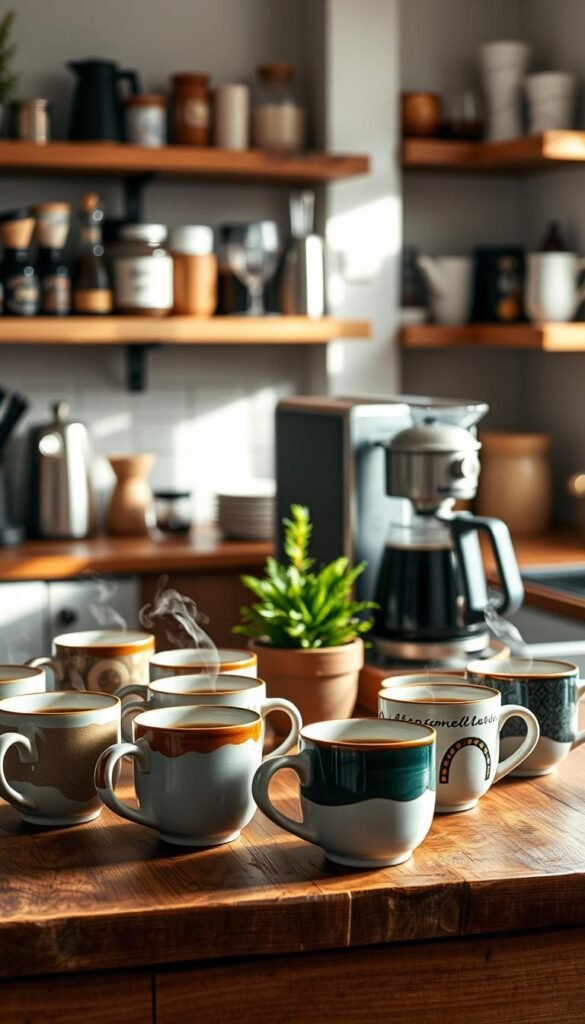
Burr grinder: one-button OXO vs Breville control
OXO: simple, one-button grind. Fast mornings, minimal fuss. Good if you want consistent grinds without tuning settings.
Breville Smart Grinder Pro: dial-in grind sizes and timed dosing. Choose this if you switch beans or brew methods often.
Drip coffee maker: one-button convenience
Ratio Six and similar one-button machines use a thermal carafe and steady pour. They take permanent counter space and need periodic descaling. Removable water tanks make cleaning easier.
Milk frother and noise trade-offs
Instant Magic Milk frother offers multiple temp and foam settings and works with plant milks. It can be loud. If you make lattes daily, it often replaces café runs; otherwise a handheld whisk suffices.
Temperature-control mugs: practical luxury
Ember Mug models keep drinks hot longer. They add charging and hand-wash habits but cut wasted coffee. Consider them if you sip slowly or work from a single small table.
„Choose gear that earns its counter spot by saving time, cutting cleanup, or replacing a weekly expense.“
Conclusion
, Start small: buy one accurate item and one appliance that replaces an oven or pot task. This saves time and money and keeps counters usable in a tight kitchen.
Follow the rule: pick items you will use weekly. Begin with accuracy tools like a thermometer or scale, then add a meal-maker such as a square-basket air fryer or a safer multicooker. Add storage and coffee gear next.
Measure space and outlets before you buy. Think about noise, energy use, and easy cleaning. Favor clear steam-release vents, washable parts, secure blade storage, and spills that don’t trap oil on boards.
One simple step: name your top weekly problem—weeknight speed, better leftovers, or steadier cups—and buy the single tool that solves it well.