
You want small buys that make routines smoother. This roundup digs to find affordable, quality items on Amazon that save you time and reduce daily friction. Most picks cost under $25 and arrive fast.
Practical means things you reach for weekly, not gadgets that sit in a drawer. Think laundry spray that removes stains before they set, dusters that hit tight gaps, or a night light that prevents a midnight trip.
Each entry shows why it helps, who should buy it, what to avoid, plus cheaper alternatives when they matter. I focus on renter-friendly fixes, kitchen cleanup, pet messes, charging clutter, and small organization.
Safety notes: choose food-safe materials, avoid sketchy chargers, and skip flimsy parts. Start by picking 2–3 pain points—stain removal, pet odor, charging mess—and you’ll see the best time-to-money payoff.
Key Takeaways
- Look for affordable items under $25 with fast Amazon delivery.
- Choose tools you’ll use weekly to save real time.
- Each pick lists pros, cons, who it fits, and cheaper alternatives.
- Prioritize food-safe and well-made materials to avoid hazards.
- Start with 2–3 pain points for the best payoff.
How we picked these affordable home and kitchen products for 2026
Our process favored simple designs that work reliably and ship fast from Amazon. You get choices that solve daily friction without gimmicks. Each pick had to meet measurable criteria before it made the cut.
Selection rules
- Items must fix a common problem quickly and need little to no learning curve.
- We look for clear repeat-purchase signals and steady, recent reviews rather than viral spikes.
- Fast US Amazon availability is a must so replacements are easy when you need them.
Price-value evaluation
“Worth it under $25” means the item saves you time, cuts waste, or avoids repeat buys. If it saves even a few minutes per day or prevents ruined laundry, it counts.
Safety and quality checks
- Food-contact basics: BPA-free silicone and easy-to-clean surfaces.
- Electrical basics: UL-listed adapters and no signs of overheating in reviews.
- Kid and pet safety: simple storage and no hazardous small parts.

What we skip
We avoid flashy multi-tools, heavily scented cleaners, and viral items with poor build notes. If reviews show frequent failures, it’s out.
| Filter | What we check | Why it matters | Quick signal |
|---|---|---|---|
| Usefulness | Solves daily task | Saves time or reduces waste | Clear repeat buys |
| Design | Simple, proven design | Less to go wrong | Low return rate |
| Safety | Material & electrical checks | Prevents hazards | Certs and safe reviews |
Alternatives: When a top pick skirts the budget or isn’t renter-friendly, you’ll see cheaper options that still work.
Best practical home products for common daily problems
Pick the biggest tiny bother in your routine and let a single, small item do the heavy lifting. Start by naming the one task that costs minutes every day. Then choose one compact fix and stick with it.
Map problems to four real routines: laundry stains after workouts, pet fur under appliances, weeknight cooking mess, and sleep comfort in a warm room. This makes shopping easy and focused.
Small tools buy back time. A targeted stain spray saves a wash cycle. An extendable duster clears under the fridge in one swipe. A sharp pair of kitchen shears trims prep time. A satin pillowcase reduces morning frizz.

Quick tips for small spaces: pick foldable, stackable, or breaking-down items that live in a drawer or behind a cabinet. Avoid oversized gadgets and cheap knockoffs that fail fast.
- How this guide is arranged: each item that follows lists why it helps, who should buy it, what to avoid, and lower-cost alternatives.
- When to splurge: some comfort upgrades exceed $25. Save up for the ones that improve sleep or reduce recurring waste; budget choices work for one-off needs.
Laundry lifesavers that cut wash time and reduce ruined clothes
Fixing one laundry pain point stops repeat washes and saves you water and time. Below are three low-cost fixes you can use this week. All are widely available on Amazon and renter-friendly.
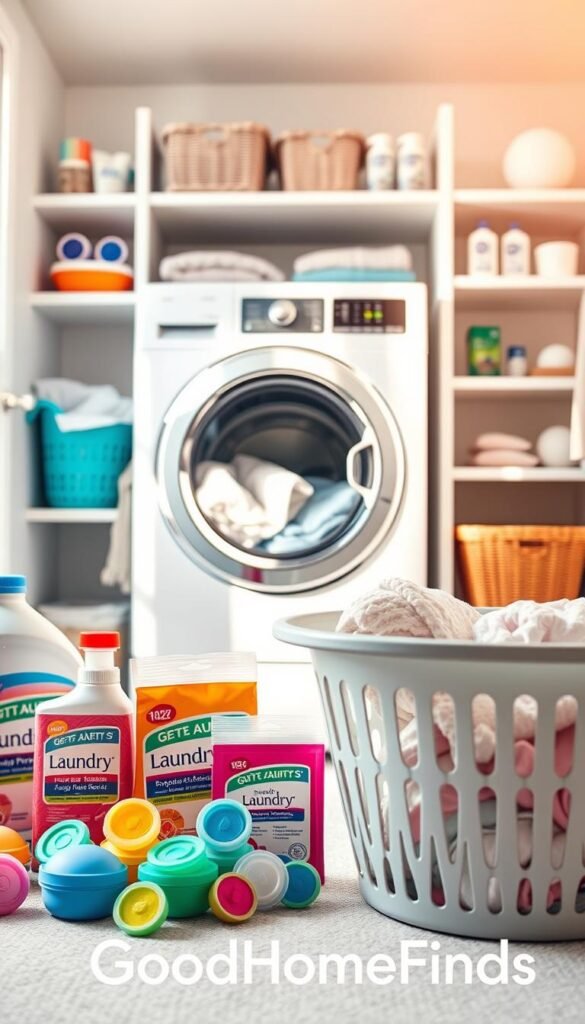
Puracy Natural Stain Remover Spray
Why it helps: Puracy is a Texas-based, family-owned brand. The plant-based spray is chemical-free and hypoallergenic. It works on wine, coffee, makeup, and period blood.
Real-life review: Missed a period stain, washed once, still visible. I sprayed Puracy, rewashed, and the mark vanished.
- Who it’s for: families, coffee drinkers, and those with sensitive skin.
- Pros: broad stain coverage, easy spray use.
- Cons: treat soon and follow label directions for best results.
Mesh laundry bags
Stop losing socks and protect delicates. Toss bras, tiny socks, and hang-dry items into one bag and pull it out to air dry. This speeds sorting and prevents lost pieces.
Wool dryer balls
Real-wool balls (look for reputable brands like Smart Sheep) reduce drying time and lift pet hair from fabrics. Avoid blended fakes that shed or arrive perfumed.
- What to avoid: heavily fragranced sprays, flimsy zippers, and faux-wool balls that leave lint.
- Alternatives: an oxygen-bleach soak for stains, one large mesh bag for sorting, and regular lint-trap cleaning to cut dry cycles.
Cleaning tools for tight spaces you never reach (but should)
When you can clean under and above without moving furniture, chores shrink. These three tools target narrow gaps, high corners, and quick wipe-downs so you skip heavy lifting.
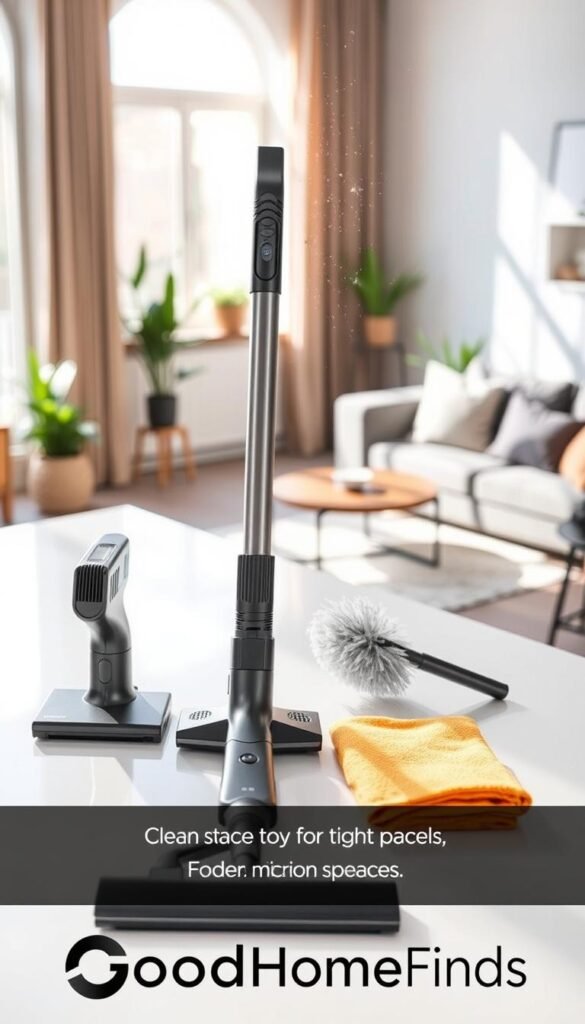
Flexible gap duster with extendable pole
Why it helps: a slim, bendable head plus an extendable pole pulls pet fur and dust from under the fridge in one swipe.
- Who it’s for: renters, pet owners, and small-space dwellers.
- Pros: grabs fur, fits low clearances, no appliance moving.
- Cons: choose a model with a washable head or it becomes disposable.
Extendable microfiber fan duster
Why it helps: reach blinds, door frames, and ceiling corners up to 83 inches without a ladder.
Real life: clean ceiling corners before guests arrive without balancing on a chair.
- Safety/quality: look for a washable microfiber head and a sturdy iron pole that breaks down for storage.
Continuous fine-mist spray bottle
Why it helps: an ultra-fine, leak-proof mist covers surfaces without soaking wood or electronics-adjacent areas.
- What to avoid: misters that leak when tilted or spray a harsh stream that wastes cleaner.
Cheaper options and what to avoid
Microfiber cloth packs are a budget-friendly swap if you can reach the spot. A DIY yardstick + cloth hack works well for under-appliance passes.
Do not buy flimsy poles, non-washable heads, or misters that crack easily. Choose washable heads, solid poles that don’t wobble, and durable plastic bottles that resist drops.
- Quick tip: a light touch and regular passes keep tight spaces clean without heavy effort.
Pet mess detection and odor prevention for busy households
Spotting hidden pet stains ends endless re-cleaning and pins down where to treat odors fast.
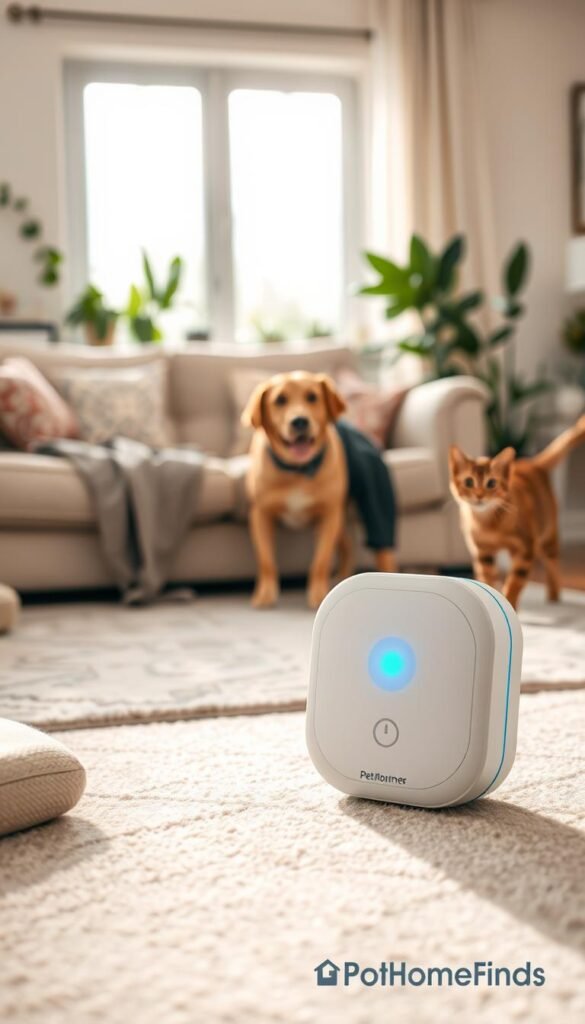
Why a UV flashlight helps: it highlights urine and organic spots that look clean in daylight. You treat only the problem areas instead of saturating an entire rug.
UV flashlight finds what you missed
Real-life: you swore the rug was clean, but the blacklight shows a faint ring near the baseboard. That ring is the source of recurring odor.
Who this fits and quick pros/cons
- Who: anyone with cats or dogs in apartments or small spaces.
- Pros: fast detection and easy use; pinpoints treatment zones.
- Cons: it won’t remove odor; you still need an enzyme cleaner for full removal.
Safety note and storage
Do not shine UV into eyes. Store the device in a child-safe spot. Pick a unit from a reputable listing and avoid vague „super-powerful“ claims. Proper strength is enough to reveal stains without unnecessary exposure.
When a blacklight won’t help and alternatives
Certain old stains, dense fabrics, or busy patterns can mask a glow. In those cases, focus on enzyme cleaners, dwell time, and blotting. Enzyme formulas break down residues and stop the smell at the source.
| Tool | Primary use | When to pick | Limitations |
|---|---|---|---|
| UV flashlight | Locate hidden urine spots | Routine checks and targeted treatment | Does not remove odor; safety needed |
| Enzyme cleaner | Break down organic stains and odors | Active cleaning after detection | Requires dwell time and blotting |
| Steam cleaner | Deep cleaning of fabrics and rugs | Stubborn, old stains or large areas | May not reach embedded residues alone |
Kitchen prep tools that save minutes every meal
Small, reliable tools shave minutes off meal prep and keep your counter clutter low.

Sharp kitchen shears
Why it helps: you can cut chicken, herbs, and toddler grapes directly into the pan and skip a board. That saves minutes and one more dirty dish.
- Who it’s for: busy households, meal preppers, and parents.
- Pros: speed, control, and less cleanup.
- Cons: keep blades sharp and clean the pivot for food safety.
Marble board wire cheese cutter
Why it helps: clean, even slices for a quick snack board without wrestling a block with a dull knife.
„It made a weeknight snack look intentional.“
- Pros: neat slices and easy entertaining.
- Cons: soft cheese can stick in the crack; a small brush helps clean the wire.
Mini coffee spoons
Why it helps: they live on your coffee bar so you stop hunting for teaspoons when measuring grounds, sugar, or spices.
- Alternatives: a small measuring scoop is cheaper and precise.
- What to avoid: dull blades, loose pivots, and boards that slide—look for non-slip feet or use a damp towel underneath for safety.
Easy cooking and cleanup upgrades for air fryer and oven routines
You can cut post-cook scrubbing to minutes with a couple of low-effort swaps for air fryers and ovens. These tweaks save time and keep your basket cleaner between uses.

Reusable air fryer liners: quick cleanup, fewer stuck-on drips
Why it helps: reusable liners catch grease and crumbs so you rinse instead of soak. That shortens cleanup and keeps weeknight cooking pleasant.
„I roast wings, lift the liner, and the basket needs only a quick rinse.“
- Who it’s for: you, if you use an air fryer several times a week or have a small kitchen where scrubbing is a hassle.
- Pros: faster cleanup, less stuck-on mess, reusable value at ~ $15 per set.
- Cons: pick the right size so it lies flat and does not curl near the heating element.
Quality and safety notes
Check heat resistance and choose thicker silicone that won’t warp. Avoid liners that block airflow—air circulation matters for even cooking.
Safety tip: never preheat with an empty liner that could lift into the heating area. Place food on the liner before you start.
| Feature | Why it matters | What to check | Alternative |
|---|---|---|---|
| Heat resistance | Prevents warping and fumes | Rated to typical air fryer temps (≥430°F) | Disposable parchment liners |
| Size & fit | Keeps liner flat and safe | Match liner size to basket diameter | Soak basket with dish soap |
| Airflow | Ensures even cooking | Perforated liners or raised designs | Trimtable parchment with holes |
Small “home comfort” buys that improve sleep, calm, and nightly routines
Nighttime comfort starts with sensible choices, not flashy claims. Start by testing one change. Comfort is personal, so try one small swap and give it a week or two.
Cooling gusseted pillows — when to spend more than $25
Why it helps: a gusseted model holds loft and supports your neck through the night. Cooling fills and breathable covers can help if you wake hot.
- Who it’s for: combo sleepers, people with neck stiffness, and anyone wanting a quality pillow model.
- Pros: steady support, better alignment, and improved temperature feel.
- Cons: often costs over $25. Only upgrade if your current pillow is flat or painful.
- Budget alternative: fold a towel to boost loft, or replace an old flattened pillow before buying a premium model.
Satin pillowcases — low-cost upgrade for easier mornings
Why it helps: satin reduces friction, so hair breaks and morning frizz drop quickly. At about $11, it’s an affordable change you notice fast.
- Who it’s for: curly or long hair and anyone who wants a small nightly win.
- What to avoid: cheap satin that traps heat, rough seams, or fits that slide off your bed pillow all night.

Lighting and night-friendly products that add safety without rewiring
A low, touch-controlled lamp makes midnight moves safer and calmer. Use it where you need soft guidance not a bright overhead switch.
Tap-to-dim hummingbird night light — this Amazon-available unit runs about $16. It offers three brightness levels and a rechargeable battery with an included charger. Tap once to wake a soft glow, tap again to dim or sleep. It gives enough light for a hallway or bedside without fully waking you.
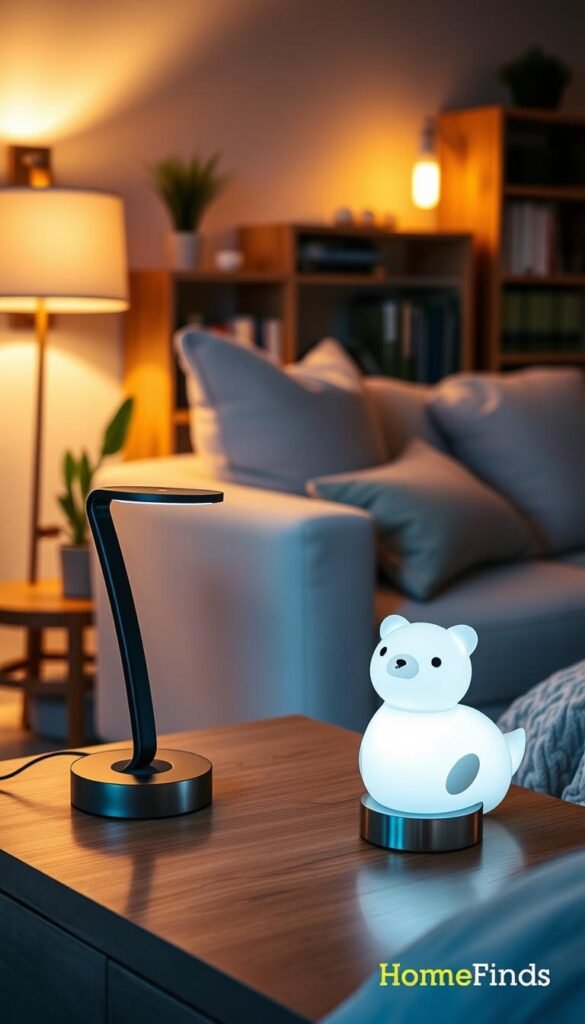
Who it suits and a real-life note
Who it’s for: kids‘ rooms, nurseries, hallways, or anyone in a rental who wants renter-friendly safety lighting.
„I do a late-night water run and avoid stubbing my toe, yet the glow is soft enough to fall back asleep fast.“
Pros, cons, and what to avoid
- Pros: easy touch control, three brightness levels, rechargeable and portable.
- Cons: battery longevity varies and the unit depends on charger quality for safe charging.
- What to avoid: no-name chargers, lights that heat up when charging, and „night“ lights so bright they defeat the purpose.
Safety checklist and alternatives
Safety checklist: charge on a hard surface, do not cover while charging, and unplug or remove suspect chargers. Avoid leaving unverified devices plugged in overnight.
- Alternatives: plug-in dusk-to-dawn lights for fixed spots, or motion-sensor stick-on lights for closets and stairs.
- Note: plug options can be cheaper but less portable than a rechargeable tap light.
Privacy and sunlight control that works for renters
A simple film on your glass can turn glare into soft color and add privacy fast.

Decorative rainbow window film — what it does and who should try it
Why it helps: this thin film gives daytime privacy and cuts glare without drilling or rods. It casts subtle rainbow colors across a room and still peels off cleanly when you move.
Real-life use case
Example: if you live on the ground floor, street-facing lights can leave you feeling exposed when your interior is lit. A $6 rainbow film hides interiors during daylight and adds friendly light effects when the sun hits the pane.
Pros, cons, and what to avoid
- Who it fits: renters, small apartment dwellers, and anyone with exposed windows who wants quick change without commitment.
- Pros: low cost, renter-friendly install, glare reduction, and decorative colors by day.
- Cons: nighttime privacy depends on interior lighting; if it’s brighter inside you may still be visible from outside.
- Avoid: films that wrinkle easily, leave residue, or lack clear bubble-free instructions.
Cheaper alternatives and install tip
Lower-cost options include plain frosted film for a neutral look or a removable curtain liner for full coverage when lights are on.
„Clean the glass, apply with a soapy water spray, and smooth from center to edges for a neat, bubble-free finish.“
| Item | Primary benefit | When to choose | Limitations |
|---|---|---|---|
| Rainbow window film (~$6) | Daytime privacy + decorative light | Street-facing windows, small space, renters | Less privacy at night if interior is brighter |
| Frosted film | Neutral privacy, simple look | Bathrooms, bedrooms, minimal design needs | No decorative light effects |
| Removable curtain liner | Full coverage and night privacy | When you need solid block of light and sightline control | Requires a tension rod or adhesive hooks |
Power and charging helpers that prevent clutter and reduce hassle
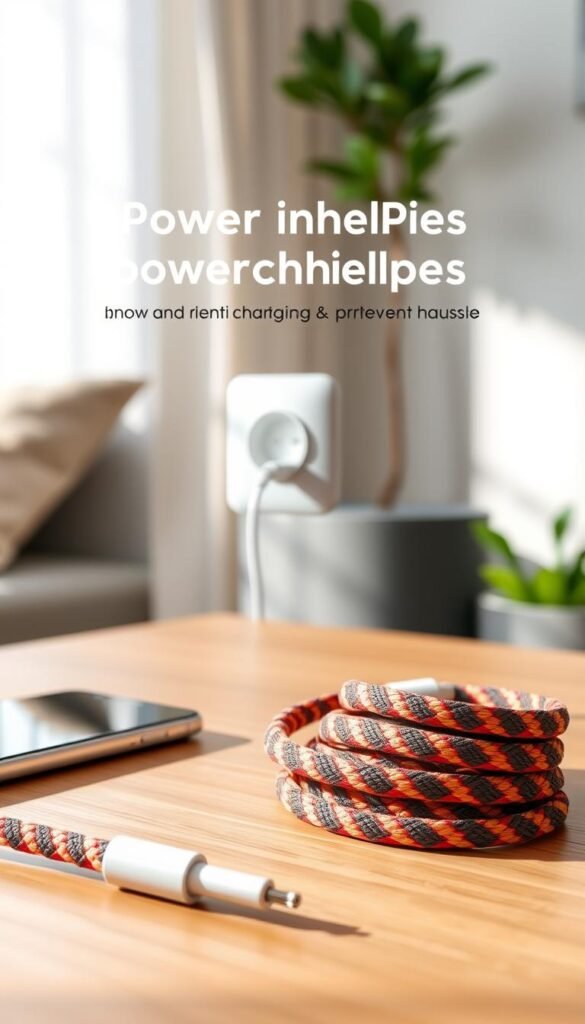
Braided flat-plug extension cord
Why it helps: a braided extension with a flat plug tucks behind couches and beds. You push furniture closer to the wall and your space looks cleaner.
Real life: plug a lamp, laptop charger, or a small appliance without an ugly orange cord running across your floor.
Who it’s for: renters, small spaces, and home offices with outlets hidden behind furniture.
- Pros: low profile, neutral colors, neater setup.
- Cons: pick the right length and amp rating or you risk overloading.
Safety checklist
Follow three quick checks before you buy or plug in.
| Check | Why it matters | Tip |
|---|---|---|
| Cord gauge | Thicker wire handles higher draw | Look for 14 AWG for heavier loads |
| Surge protection | Protects sensitive devices from spikes | Choose a model with joule rating listed |
| No daisy-chaining | Avoids overheating and tripped breakers | Use one strip per outlet; don’t stack cords |
What to avoid: unknown brands with vague specs, cords that feel hot during use, and routing cords under rugs where they can fray or trap heat.
„A flat-plug braided cord made it possible to push my sofa closer and still use the bedside lamp without a tangle.“
For multiple outlets in one spot, consider a power strip with a flat plug as an all-in-one piece. Most braided cords and strips ship fast on Amazon, so you can clean up your setup this week.
Energy awareness tools that help lower your electric bill
A quick outlet audit can reveal the devices that use power even when they look off.

What a plug-in electricity monitor does: it measures how much power a device draws in real time and over days. You stop guessing and get numbers you can act on.
Plug-in electricity monitor: find standby draw
Why it matters: some gadgets sip energy all year. A monitor shows which one is costly so you can switch it to a timed or switched strip.
- Real-life: you find an old console and printer drawing watts while idle. Move them to a switched strip and cut waste.
- Who it’s for: renters who can’t replace appliances, solar-curious households sizing a system, and anyone aiming to lower a bill without big changes.
- Pros/cons: pro — clear data that changes behavior; con — you must test devices one at a time and act on the results.
Safety and practical use
Use the monitor for standard household plug loads. Follow the device’s rated limits and don’t test high-draw appliances if it’s not rated for them.
„A single audit showed me the living room entertainment center was costing more than I expected. Switched strip solved it.“
What to avoid and alternatives
Avoid treating the monitor like a set-and-forget gadget. Repeat audits a couple times per year and after adding new devices.
Alternative: utility smart meters and apps can offer big-picture trends, but a plug-in monitor gives outlet-by-outlet clarity you can act on immediately.
| Tool | Primary use | When to pick | Limitations |
|---|---|---|---|
| Plug-in electricity monitor | Measure outlet-by-outlet power draw | Quick audits, sizing panels, spotting standby use | Must test devices individually; limited to monitor rating |
| Switched power strip | Cut standby draw for multiple devices | After audit reveals multiple idle gadgets on one strip | Strip must handle combined load safely |
| Utility app / smart meter | Household-level consumption trends | Track monthly use and solar planning | Less granular; won’t show one-outlet draws |
Low-cost organization that actually gets used (not just stored)
A single sheet that shows Monday to Sunday can change how you use your time.
The weekly tear-off task planner is letter/A4 size with thick pages. It has 50 tear-away sheets, which covers most of a year. The layout shows the full week so you can add meals, quick cleaning tasks, and goals at a glance.

Why it helps
See the week in one place. That reduces decision fatigue and stops last-minute scrambling. Use it for meal planning, one small cleaning task per day, and a short weekly reset.
Real-life example
„I wrote three simple dinners, two quick cleaning steps, and one errand. By Wednesday I felt handled instead of chaotic.“
Who it’s for, pros and cons
- Who: visual planners, busy families, and anyone who wants a low-tech system that stays on the kitchen counter or desk.
- Pros: quick visibility, durable pages, and easy tear-off completion.
- Cons: it needs a consistent spot or it disappears into drawers.
What to avoid and alternatives
Avoid thin paper that bleeds, tiny boxes that don’t fit real tasks, and oversized planners that dominate limited counter space.
| Feature | Why it matters | Tip |
|---|---|---|
| Paper weight | Prevents marker bleed and frequent tearing | Choose thick, durable sheets |
| Layout | Full-week view reduces planning friction | Pick large daily boxes for meals and cleaning notes |
| Sheet count | Determines how long it lasts | 50 sheets ≈ most of a year |
Practical tip: pair the planner with a five-minute Sunday reset. Update menus, assign one cleaning focus, and the system becomes a habit, not an unused purchase.
Personal fix-it items that prevent small daily annoyances
A tiny adjustment can keep a ring centered and your attention on the task at hand.

Ring size adjusters hide under a band and stop spinning without needing a jeweler. They are inexpensive, discreet, and you feel the quality-of-life difference immediately.
Real life: your wedding ring stays centered during typing and handwashing. You no longer fidget with it between tasks.
Who should try them
- People between sizes or with seasonal swelling.
- Owners of heirloom rings you don’t want altered.
- Anyone wanting one small, renter-friendly fix before resizing.
Pros, cons, and what to avoid
- Pros: low cost, easy use at home, usually invisible once fitted.
- Cons: band width matters; one or two tries may be needed to find the right fit.
- Avoid: „one size fits all“ packs without measurements, materials that irritate skin, and adjusters that trap moisture under the band.
Safety and comfort: keep the area clean and dry. Stop using any piece that causes redness or pinching.
„Temporary jewelry tape works in a pinch, but a proper adjuster is usually more comfortable for daily life.“
| Feature | Why it matters | Tip |
|---|---|---|
| Width fit | Ensures adjuster stays put | Try models matched to band thickness |
| Material | Prevents irritation | Choose hypoallergenic options |
| Design | Invisible and comfortable | Pick low-profile styles for daily wear |
Kitchen and bathroom basics that reduce waste and add convenience
One low-cost tweak in the kitchen or bath can lower waste and make daily cleaning simpler.
Bar soap bag: better grip, more lather, and less plastic bottle clutter
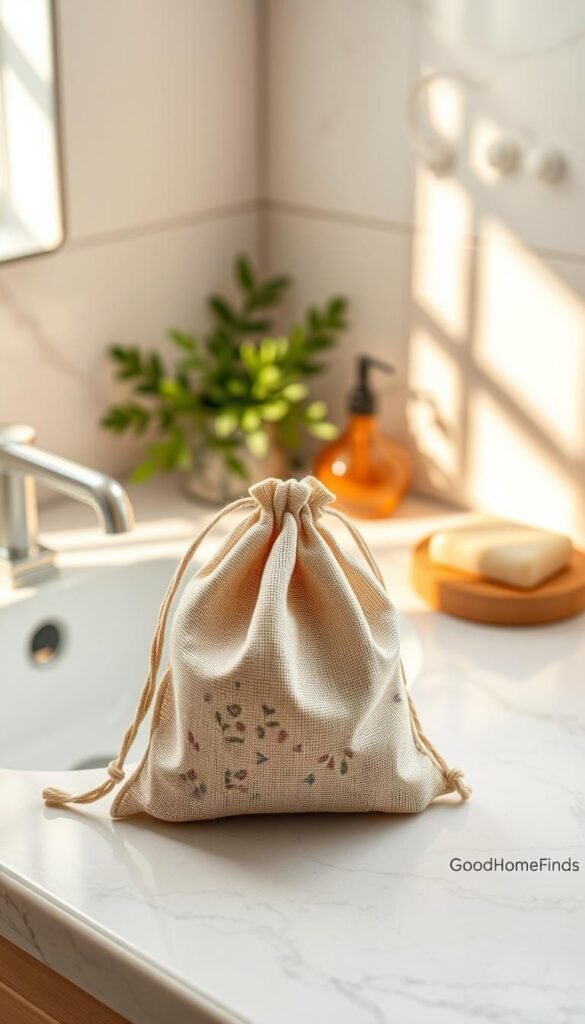
Why it helps: a bar soap bag (~$10) gives you a firmer hold and richer lather from a small bar. You use the final soap scraps by stuffing them into the mesh, so less plastic bottles end up in recycling.
Real life: you stop dropping slippery soap. You squeeze last bits together in the bag and get another week or two of use.
- Who it’s for: anyone trying to reduce waste, simplify routines, or pack light for travel.
- Pros: improved lather, less mess, and easier use with wet hands.
- Cons: hygiene depends on drying and regular washing.
Quality and hygiene notes: drying time, mold prevention, and washing the bag
Care tips: pick a bag that drains and dries quickly. Rinse after use, hang it where air circulates, and wash it weekly to avoid mold or odor.
Avoid dense or rough fibers that irritate skin, and skip bags that remain damp in a closed soap dish. If yours stays wet, swap it for a fast-dry mesh version.
| Option | Primary benefit | When to pick |
|---|---|---|
| Bar soap bag | Use up scraps; better grip | Travel, showers, zero-waste shift |
| Soap dish | Keeps bar elevated | Low cost; if you prefer solid storage |
| Liquid refill station | Convenience | When you need pump-style use; higher plastic use |
Quick safety note: keep the bag dry between uses and launder it if it smells. Proper care keeps this small product hygienic and long-lasting.
Budget-friendly gifts people will actually use (and reorder)
A useful gift removes one tiny annoyance from daily life. Pick items that fit a desk, a small kitchen area, or a renter-friendly space. Keep the focus on usefulness, neutral style, and safety.

Portable mug warmer (~$16)
Why it helps: it keeps coffee hot through meetings so you skip microwave trips and stay focused.
Who it’s for: remote workers, students, and anyone who forgets their coffee until it’s cold.
- Pros: steady temperature settings, simple desk use, and saves time.
- Cons: requires a flat, stable mug; not for glassware that’s thin or unstable.
- Safety note: follow charging and placement instructions, use on a hard surface, and unplug when not in use.
- What to avoid: no-name units with vague wattage or unclear temperature controls.
Rechargeable tap-to-dim night light (~$16)
Why it helps: it gives soft guidance at night for hallways, kids’ rooms, or guest spaces without rewiring.
What to avoid: chargers that get hot, models with poor ratings, or lights too bright for sleeping areas.
Safety note: pick a unit with clear charging instructions and UL-listed charger when possible.
„A small tap light made late-night kitchen runs safe and saved me from fully waking up.“
Under-$10 add-ons that finish a gift
Mini coffee spoons (~$5): make a coffee station feel complete and are inexpensive to reorder.
Bar soap bag (~$10): a low-waste bathroom upgrade that adds grip and uses soap scraps.
Rainbow window film (~$6): renter-friendly privacy that also adds daytime color.
Gifting tip: bundle one main item (mug warmer or night light) with one small add-on (spoons or soap bag). It looks thoughtful and stays useful.
| Gift | Primary benefit | Who it fits | Key caution |
|---|---|---|---|
| Portable mug warmer | Keeps coffee warm; fewer microwave trips | Remote workers, students | Use with stable, heat-safe mugs; follow safety guidelines |
| Rechargeable night light | Soft illumination for safety and comfort | Hallways, kids, guests | Avoid units with hot chargers or poor reviews |
| Under-$10 add-ons | Completes a gift set; low-cost reorder | Anyone; great stocking stuffers | Choose neutral styles; avoid flimsy materials |
Conclusion
Conclusion
Wrap up by choosing a few small fixes that remove the daily snags you actually face. Pick items you will use weekly so they save time and reduce mess.
Use the buying filter: everyday usefulness, steady reviews, simple design, and safe materials or certified chargers. For a quick start, consider Puracy for stains, a gap duster and extendable fan duster, a continuous mist bottle, a UV flashlight plus enzyme cleaner, a flat-plug braided cord, and a tap-to-dim night light.
Buy one item per room, check size and fit, and read recent reviews. Prioritize food-safe kitchen pieces and UL-listed chargers. For renters, stick to removable window film, portable lights, and non-drill fixes that still make your space work better.



5 Comments