
Want practical, no-drill fixes that protect your deposit? This short guide shows renter-friendly ways to free up space in an apartment or home. You’ll see quick, real-life methods that work without tools.
No-drill storage means using tension poles, over-the-door organizers, adhesive hooks, and freestanding units so you avoid holes. Go vertical, use doors, and pick freestanding pieces instead of permanent installs.
Safety matters here. Check weight limits, secure tall units to walls where allowed, and prefer tip-over prevention over aesthetics. Small purchases under $25 (hooks, dividers, baskets) and upgrades under $50 (sturdy carts, cube shelves) give big returns.
This article is organized by room. You can jump to kitchen, bathroom, closet, or entryway for targeted solutions. Expect quick setup, easy removal, and simple upkeep like wipe-downs and routine decluttering to keep systems working.
Key Takeaways
- Use tension, over-the-door, adhesive, and freestanding options to avoid drilling.
- Focus on vertical space to expand usable area in small rooms.
- Prioritize safety: verify weight limits and prevent tipping.
- Budget roadmap: under $25 for small fix-ups; under $50 for stronger units.
- Room-based tips help you apply solutions to kitchen, bath, closet, and entryway.
- Maintain systems with simple daily routines to keep organizers clean and useful.
No-Drill Storage Rules for Renters: Safety, Setup, and Damage-Free Removal
Begin by choosing methods that protect walls, tile, and floors. That way you avoid repairs and keep deposits intact. Use tension, over-the-door, adhesive, and freestanding options based on the task at hand.
How to pick the right option
Decision tree: use tension in tight gaps, over-the-door when you have a door, adhesive for lightweight micro-zones, and freestanding for heavier items.
Weight limits and stability
Check the label for weight capacity. Static weight (shelved items left in place) is different from dynamic use (pulling towels, grabbing hair tools). If a shelf says 10 lbs, assume less for daily use.
Anti-tip basics: keep heavy items low, distribute weight evenly, and avoid filling the top shelf. Use furniture straps if allowed or anchor a tall unit where permitted.
Budget checkpoints
Under $25: expect adhesive hooks, small caddies, slim bins, drawer dividers, and simple over-the-door hooks. These work well for light items and micro organization.
Under $50: you can get sturdier shelving, better cube systems, and wobble-free rolling carts that handle daily use.
Surface care and removal
Use felt pads on feet and soft bumpers on doors. Avoid adhesives on dusty, damp, or textured walls. For clean removal, follow adhesive directions, warm the strip if needed, and peel slowly while testing a hidden spot first.
What to avoid
Avoid large adhesive shelving and oversized stick-on racks. They can fail, crash, and damage drywall or tile. When in doubt, pick a tension or freestanding option instead.
For a simple comparison of spending vs long-term value, see this short guide on cheap vs premium solutions.
Best renter storage ideas that use vertical space without drilling
Small vertical fixes often give the biggest gains in tight apartments. They keep counters clear and make daily routines easier.

Tension rods and racks
Tension rods add a hanging bar or shelf inside closets, between cabinets, or in narrow nooks. Use extendable racks for towels, scarves, or lightweight boxes.
Tension shower caddies
Pick a tension-based shower caddy to protect tile and hold daily toiletries. They install fast and remove cleanly when you move.
Over-the-door organizers
Use over-the-door pockets for accessories, hair tools, or pantry snacks. Keep heavy items off these racks to avoid door damage.
Adhesive hooks and small organizers
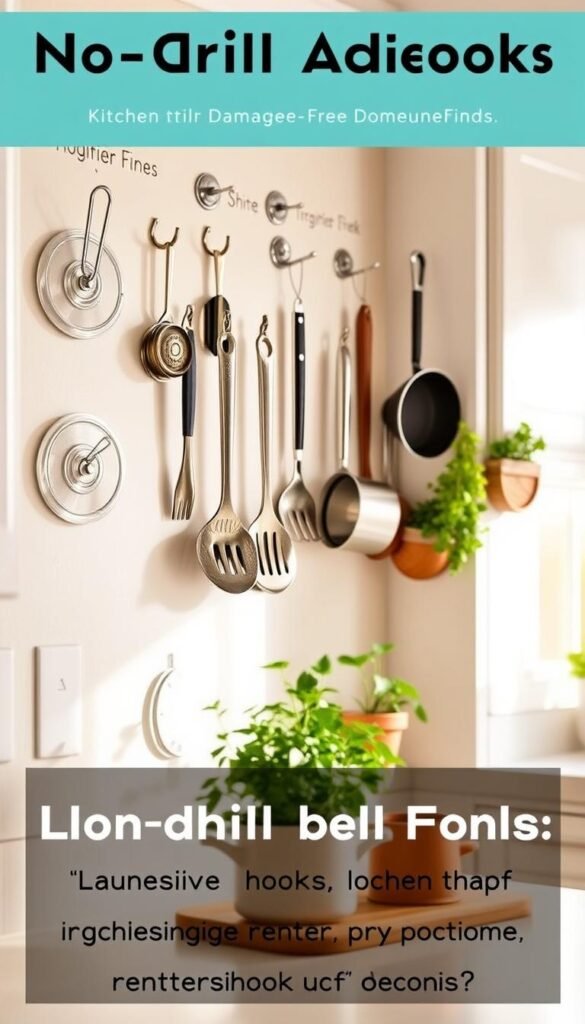
Adhesive hooks work for keys, oven mitts, measuring spoons, or a hand towel by the sink. Limit them to lightweight items and follow removal directions.
Grid walls and pegboards without screws
Screw-free grid panels clip or lean against a wall and hold utensils, bags, or craft supplies. They adapt when your needs change.
„Go vertical: place daily-use items at eye level and store rare items up high.“
| Option | Where it works | Load |
|---|---|---|
| Tension rods/racks | Closets, between cabinets, nooks | Medium |
| Over-the-door organizers | Closet, bathroom, pantry doors | Light |
| Adhesive hooks | Near sinks, entry, oven | Very light |
For quick bathroom picks and placement tips, check this short guide on bathroom space solutions.
Freestanding shelves, cube storage, and portable units that won’t need wall anchors
A solid floor-based unit can add lots of usable space without touching drywall. Pick pieces with a wide base and solid shelf boards so they do not wobble when you press the top corner.
How to spot stable shelving:
- Wide base and low center of gravity.
- Thick shelf boards or screw-together shelves, not flimsy connector cubes.
- No visible wiggle when you push a top corner.

Cube systems and balance
Even weight distribution keeps cube frames safe in small apartments. Use heavier items low and group categories by bin or basket to reduce tip risk.
Rolling carts and portable units
Keep a rolling cart for kitchen tools, bathroom supplies, or laundry odds and ends. These units move with you and make cleaning around the floor line easy.
„Spend under $50 on your main workhorse shelf or cart; use under $25 bins and baskets for sorting.“
Studio vs larger apartment options: choose a slim footprint shelf and one cart for studios. In bigger apartments, add taller units and zoned cubes.
Safety routine: keep heavy items low, avoid overloading top tiers, and leave enough floor clearance to walk without bumping corners.
Kitchen storage solutions for renters: cabinets, counters, and pantry space
Smart add-ons inside cabinets often double usable space without tools. Use under-shelf baskets to tuck spices, lids, or cutting boards under an existing shelf. They slide in fast and free up counter space for prep.

Under-shelf baskets and cabinet add-ons
Under-shelf baskets create a second level for light items. Cabinet risers and small pull-out trays make access easier and keep fragile mugs safe.
Adhesive utensil and towel organizers
Place adhesive hooks and utensil holders near the sink for hand towels and near the stove for spatulas. Keep loads light and follow adhesive weight limits.
Over-the-door racks and drawer dividers
Use over-the-door racks on pantry doors for snacks and a separate pocket for cleaning supplies. Install expandable drawer dividers so drawers open to a tidy set of tools and save you time while cooking.
Easy-clean routine
Wipe sticky zones weekly. Remove baskets to shake crumbs and wash bins. Avoid adhesives where steam and grease collect to prolong life.
| Option | Pros | Cons |
|---|---|---|
| Drawer dividers | Fast, cheap, keeps drawers tidy | Needs correct sizing |
| Cabinet add-ons | Adds vertical storage, uses dead space | Takes some shelf height |
| Rolling cart pantry | Portable, flexible, good for overflow | Under $50 for a stable unit |
Quick tip: keep heavy cans low, avoid overloading door racks, and don’t block hinges with thick organizers.
For compact cabinet layouts and simple product picks, see this short guide on small kitchen solutions.
Bathroom and laundry area organization without drilling into tile or drywall
Wet rooms demand organizers that resist rust and come down cleanly when you move. Pick mounts and units built for moisture so tile and drywall stay intact.
Tension shower caddies are the safest default for tile or ceramic. They hold daily toiletries without adhesive on wet grout and remove cleanly. Use adhesive baskets only on smooth, non-porous walls and for very light loads.

Tidy counters with over-the-door pockets
Over-the-door pocket organizers keep toiletries, skincare, and hair tools off the sink. They free counter space and speed morning routines. Choose pockets with water-resistant linings for long life.
Small-space vertical hacks
Stack towels in a slim shelf or cube. Store toilet paper up high and keep daily items at eye level for fast access. A narrow rolling cart works well in laundry corners for pods and stain remover.
Cleaning supplies and chemical safety
Separate cleaners into labeled bins or a handled caddy. Keep lids tight and store harsh chemicals below eye level or in lidded bins if you have kids or pets. Air out organizers and wipe surfaces weekly to prevent mildew.
Quick tip: avoid trapping water behind adhesive pieces on walls; peel and replace when seal fails.
For compact closet and shelving solutions that pair well with bathroom setups, see closet space solutions.
Closet, bedroom, and entryway storage ideas for renters with limited closets
Make your closet and entryway work harder by using the low, out-of-sight spots most people ignore.

Under-bed bins, rolling drawers, and vacuum bags
Use low-profile bins and rolling drawers under the bed for off-season clothes, linens, and backup shoes. Vacuum-sealed bags compress bulky items and save space for current clothes.
Hanging organizers, stackable bins, and labels
Hang a multi-shelf organizer to separate shirts, workout gear, and accessories. Stack clear bins for quick visibility and add labels so you can grab outfits fast on busy mornings.
Expandable dividers for drawers
Expandable drawer dividers keep socks, jewelry, and small things from migrating. They make drawer life simple and cut down time getting dressed.
No-drill entryway setup
Set a slim shoe rack and a small storage bench if you have floor space. Use removable hooks for jackets and bags so there’s one place for drop-off each day.
„A 2-minute nightly reset and one donation bag keep closets useful season after season.“
| Zone | Suggested item | Use | Who it helps |
|---|---|---|---|
| Under bed | Low-profile rolling bins | Off-season clothes, linens | Frequent movers, families |
| Closet | Hanging organizer + stackable bins | Everyday outfits, neat categories | Roommates, busy professionals |
| Drawer | Expandable dividers | Socks, accessories, “misc” items | Anyone who needs quick mornings |
| Entryway | Slim rack, bench, removable hooks | Shoes, bags, coats | Studio dwellers to hallway homes |
Quick upkeep: nightly 2-minute reset, seasonal swap-outs, and one donation bag to avoid clutter piling up. For a related tip on laundry organization, see laundry room solutions.
Conclusion
Focus on a single sturdy shelf, a slim cart, and labeled bins to win back usable space. That trio gives you vertical gains, a mobile work surface, and tidy zones for daily items without drilling into walls.
Mix tension rods, over-the-door organizers, small adhesive hooks, and freestanding shelves for flexible solutions that protect walls and floors. Respect weight limits, keep heavy things low, and skip oversized adhesive racks that can fail.
Start where clutter hurts most — kitchen, bathroom, closet, or entryway — and pick one item under $50 to carry the load. Use under-$25 bins and dividers for sorting and label them so things stay where they belong.
Create simple routines: a nightly counter reset, a drop zone by the door, weekly wipe-downs, monthly declutters, and seasonal swaps. For a quick mix of portable fixes and placement tips, see this short guide on small-space fixes.