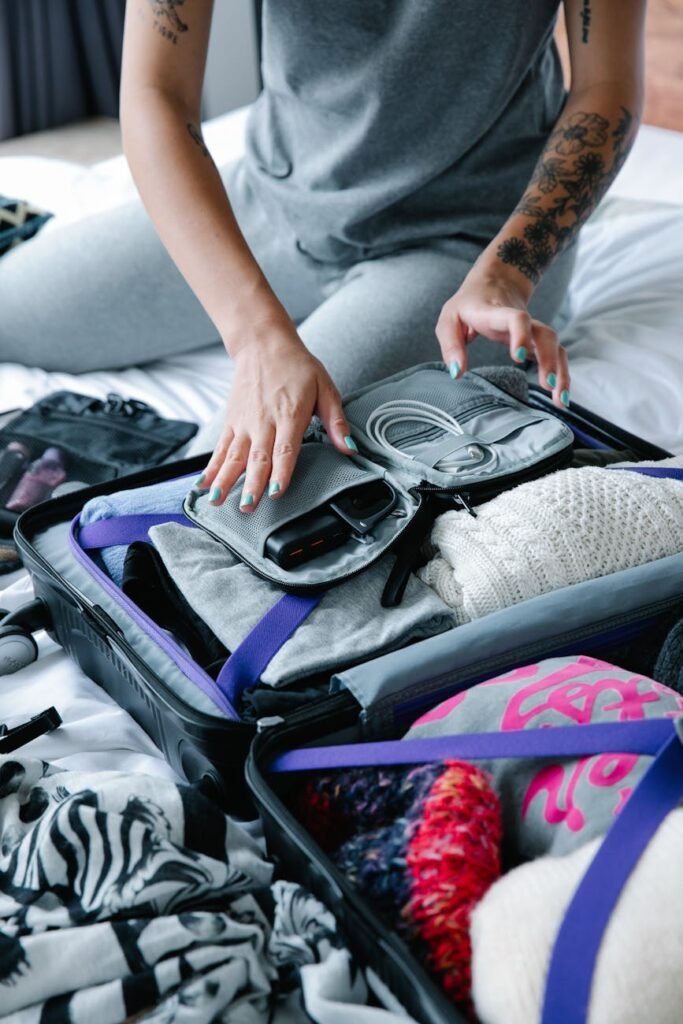
Practical renter-friendly organizing starts with one rule: declutter first. You can’t organize clutter. Begin by removing items you don’t use weekly. This makes any system work.
Think of budget tidy tools as simple products that cut daily friction in small spaces. They should install without drilling. They should protect walls and doors. They should earn their keep by making routines faster.
You’ll see two price lanes in this roundup: under $25 essentials and under $50 upgrades. Measure before you buy to avoid mismatched containers and wasted money. Look for sturdy, safe pieces that still work when you’re tired.
Room-by-room wins follow so you can jump to the kitchen, bathroom, closet, or entryway. I highlight renter-friendly picks like removable hooks, over-the-door options, and non-adhesive liners. The goal is simple: fewer piles, faster mornings, and a home that stays functional with light maintenance.
Key Takeaways
- Start by decluttering: remove unused items before buying anything new.
- Choose renter-friendly solutions that protect walls and doors.
- Follow two tiers: under $25 essentials and under $50 upgrades.
- Measure spaces first to avoid wasted purchases.
- Pick sturdy, easy-to-use products that reduce daily friction.
- Jump to room-specific sections or see curated finds at renter finds mix.
How to Choose Tidy Tools That Actually Work in Small Apartments
A fast, practical purge sets up every storage win in a small space. You can’t organize clutter. Start each zone with a 15–30 minute purge: trash/recycling, a donate bag, then only keep what you use.

Declutter first
Ask one blunt question for each item: “Where will this live?” If you can’t name a home, it’s likely creating the mess. This cuts indecision and prevents buying more organizers you don’t need.
Measure before you buy
Take a quick sizes checklist: interior drawer width and height, shelf depth, door thickness, and clearance for hinges. A bin 1″ too tall can waste a whole shelf. Measure twice, buy once.
Durability and safety checklist
Skip flimsy plastic. Look for thicker walls, reinforced corners, smooth edges, and clear weight limits. Avoid stacking heavy items overhead and watch tipping risks on narrow shelves.
Renter-friendly rules
Favor no-drill setups like over-the-door racks, tension rods, and non-adhesive liners. For light hanging, use poster putty or monkey hooks that are drywall-friendly and easy to remove. That protects paint and your deposit.
Daily routine fit
Every purchase must earn its place in your routine. Pick a system you’ll use when you’re tired: a one-step drawer organizer, a drop zone by the door, or slide-out bins that make access instant.
- Decision framework: Declutter first, measure carefully, choose durable pieces, follow renter rules, and match the item to your daily way of living.
- For more small-space fixes and curated ideas, see small-space fixes.
Best budget tidy tools under $25 and under $50
A handful of smart purchases can free cupboard space and speed up your morning runs.

Under $25 essentials: Go for plastic baskets for quick drop zones, clear storage bins (Sterilite/IRIS-style) to see what you own, modular drawer organizers to stop junk-drawer chaos, and non-adhesive drawer liners to prevent sliding and protect surfaces.
What each item fixes: Baskets make a daily dump spot for keys and mail. Clear bins create category storage for snacks or cleaning supplies. Drawer organizers separate utensils and small items. Liners make drawers wipeable and neat.
Under $50 upgrades that save time
For a bit more, buy renter-friendly pieces that add vertical capacity and speed access.
- Over-the-door organizers: Add hanging storage instantly for shoes, toiletries, or cleaning supplies.
- Cookie sheet / cutting board dividers: End cabinet Jenga and keep boards upright and reachable.
- Spice rack organizers: Keep labels visible and make cooking faster.
Setup reality check: Most installs take minutes. Still, measure door thickness, shelf depth, and drawer height before you buy. Avoid flimsy plastic that warps under weight.
| Tool type | Typical cost | Space saved | Setup time | Best location |
|---|---|---|---|---|
| Drawer organizer | $10–$20 | Medium | 5 min | Drawers |
| Clear bin / box | $8–$25 | Medium | 5 min | Shelves / pantry |
| Over-the-door rack | $20–$45 | High | 10–15 min | Doors |
| Cutting-board divider | $15–$40 | High | 5–10 min | Cabinets / shelves |
Pros / cons and best-for notes: Under $25 picks are low-risk and flexible but can look mismatched. Under $50 upgrades usually free more space but need accurate sizing to avoid clearance problems. Studios get the most from door and vertical racks. One-bedrooms can use clear bins to create pantry zones. Shared apartments benefit from labeled baskets to prevent mix-ups.
Quick alternatives: choose slimmer racks, smaller bins instead of one large box, or a shelf insert when cabinet height is tight. For curated finds and specific product picks, see best organization finds.
Kitchen and pantry storage wins for tight cabinets and limited counter space
Arrange your pantry and cabinets so grabbing ingredients is a single reach, not a scavenger hunt. Small, renter-friendly fixes speed cooking and keep counters clear.

Spice rack organizers
Visibility first: place labels facing up or forward so you find spices at a glance. Choose pull-down or tiered organizers for shallow shelves. Wipe the rack monthly to avoid the expired-spice graveyard.
Cookie sheet and cutting board dividers
Stop cabinet Jenga with a vertical divider. Measure cabinet height and the divider gap so pans slide in without tipping. Keep heavy pans lower and smooth-edged dividers to avoid snagging hands or towels.
Clear bins for pantry zones
Create zones—snacks, baking, breakfast, and backstock—using clear bins. Labels and uniform containers cut visual clutter and prevent rebuying items you already own.
Drawers, liners, and small organizers
Use non-adhesive liners to keep drawers clean and make removal easy. Add small organizers for utensils and gadgets so items don’t drift. This is a low-cost set that improves daily flow.
Wall and vertical ideas without permanent changes
Try over-cabinet racks, removable hooks, and shelf-stacking inserts to double usable space safely. Use poster putty or monkey hooks for light hanging. Always measure before buying and avoid overloading hanging racks.
Alternatives by kitchen size
- Galley kitchens: prioritize vertical racks and slim bins to free counter room.
- Shared kitchens: use labeled bins per person to avoid mix-ups.
- Micro-kitchens: keep one “cooking set” drawer and one backstock bin for staples.
Daily routine win: arrange so you can grab and return in one move. Fewer steps save time and keep the kitchen usable for real cooking.
Bathroom and utility areas: organize toiletries, cleaning supplies, and cords without clutter
Small bathrooms win when each item has a fixed home you can reach in under a minute.
Break items into four categories: daily toiletries, backstock, first aid, and hair tools. Assign a basket or bin to each category so nothing free-floats.

Plastic baskets and stackable bins
Choose wipeable, water-resistant plastic baskets and stackable bins for under-sink areas. They resist humidity and won’t warp over time. Stack to save floor space and label fronts for quick restock.
Over-the-door organizers
An over-the-door rack adds vertical storage without a drill. Use it on linen closet doors or the bathroom door if clearance allows. Pad spots that rub to keep paint safe.
Mop, broom, and cable solutions
Use a wall-mounted holder to keep mops and brooms off the floor. This reduces trips and keeps corners tidy. For cords, set one charging zone. Limit one cord per device and add a sleeve or clip to cut nightly tangles.
Easy maintenance routine
Wipe bins weekly. Wash baskets as needed. Refresh labels when categories shift. If a bin turns into a misc drawer, split it into two smaller bins as an option.
| Problem | Quick fix | Best location |
|---|---|---|
| Toiletries mix-up | Labeled baskets | Counter or shelf |
| Under-sink moisture | Stackable plastic bins | Under sink |
| Floor clutter (mops/brooms) | Wall-mounted holder | Utility closet |
| Cord pileup | Single charging zone + sleeve | Counter or small tray |
For a quick comparison of low- and higher-end storage options, see this storage comparison. Aim for renter-friendly, easy-setup organizers that match your daily routine and save you time.
Closets and entryways: shoes, clothing, and grab-and-go systems that don’t need a remodel
Start the closet refresh by removing anything you haven’t worn in a year—then plan storage around what remains. This purge makes every organizer actually useful. If you don’t clear space first, shelves and boxes only hide the problem.

Shoe storage that saves floor space
Try shoe slots to stack pairs vertically. They’re compact and work well for flats and sneakers.
Consider an entry bench with hidden shelving for daily shoes. It adds seating and a neat stash spot.
A door rack is the best choice when floor space is precious. Check door clearance before you buy.
- Slots: cheap, compact; not ideal for bulky boots.
- Bench: hides clutter and gives seating; costs more.
- Door rack: saves floor area; needs clearance.
Clothing basics you’ll keep up
Swap in matching hangers to reduce visual noise and save rod space. Group clothing by category—work, casual, gym—and then by color. This setup speeds dressing on busy mornings.
Small-item control
Use clear stackable boxes and labeled bins for scarves, socks, and other small items. Drawer-style organizers work well for accessories and keep things visible.
Ties, belts, and scarves
A dedicated organizer stops tangles and saves time. Wall-mounted or over-rod hangers keep these items accessible and separate from folded clothing.
Mail and key drop zone
Create a small grab-and-go spot by the door: a shallow box for mail, a hook for keys, and a daily-sort habit. Spend 60 seconds each evening clearing the drop zone so paper doesn’t become permanent clutter.
Renter-friendly wall solutions
Use poster putty, monkey hooks, or easy-in hooks for lightweight hanging. They protect paint and hold small bags, hats, or reminders. Always follow weight limits and test before full use.
„An organized closet should cut your morning routine down to a single, predictable flow.“
For more entryway and small-space ideas that fit renter life, see curated picks like this small-kitchen solutions page for parallel strategies you can borrow.
Conclusion
Wrap up with a simple plan: clear the clutter, measure, and solve one problem at a time.
Start by decluttering. You can’t organize clutter. Measure the gap, shelf, or door before you buy. That saves money and prevents awkward returns.
Pick renter-friendly, no-drill options first. Choose durable pieces over flimsy plastic. Use the two price lanes: under $25 for flexible basics and under $50 for targeted upgrades that save real time.
Worth it test: if a product makes mornings faster, cooking easier, or cleanup simpler, keep it. If it adds steps, skip it.
Next steps: pick one trouble spot, measure, buy one smart item, and set a 5-minute weekly reset. For curated picks, see best small-space finds.