
This practical guide helps you pick the right setup for everyday power needs. You’ll compare five solid picks and five alternatives so you match gear to your space, battery type, and routine — not just chase specs.
You’ll get clear expectations on energy savings, safety, noise, and small-space use. I name real products: Guest ChargePro 28210 at $189.95 (in stock with free ground shipping to the Lower 48) and the ODYSSEY OBC-5-A to show premium sealed vs budget portable approaches.
What we compare: wall power draw, noise, cable reach, safety protections, battery compatibility (flooded, AGM, lithium), and how long a full charge takes.
What you’ll decide by the end: whether you need a single or multi-bank setup, what’s safe to run indoors, and which upgrades are worth the price.
For budget home tech tips and compact options, see a short list of reliable buys at best budget home gadgets.
Key Takeaways
- You’ll learn a renter-friendly plan to keep batteries healthy and save energy.
- Expect practical pros and cons for premium sealed vs portable units.
- We test real use items for noise, cable reach, and safety features.
- Decide between single-bank simplicity or multi-bank convenience.
- Focus on value: safer charging, fewer dead batteries, less wasted power.
How to choose a 12V battery charger for daily electronics, garages, and small spaces
Choosing the right 12V setup makes daily battery care easy and safe in tight spaces. Start with what you store and how often you use it. That decides size, noise, and power needs.
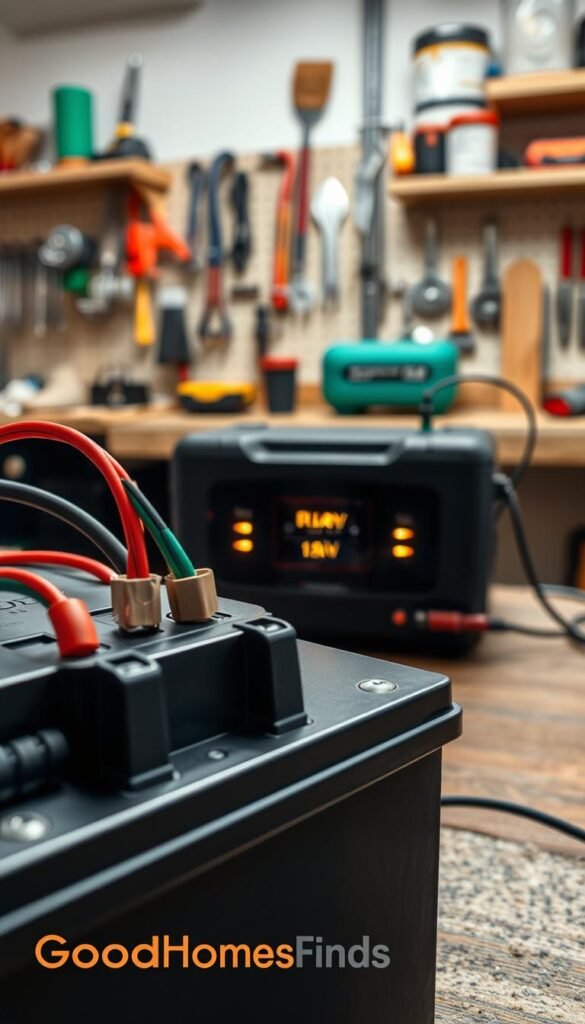
Real benefits
Reliable starts and fewer surprises. A smart 12V battery charger keeps seasonal gear and backup power ready. You get consistent voltage control, automatic float modes, and less long-term wear.
Why it matters: correct charging protects cells in lawn tools, jump starters, and small mobility devices. You don’t have to babysit batteries between uses.
Who needs this
Renters and apartment owners with limited space benefit most. A small garage or storage closet is ideal. If you only use disposable packs or never store batteries, a full-feature unit may be overkill.
Space requirements, noise levels, and where it fits in a small apartment
Mount on a utility shelf, a garage wall, or inside a ventilated plastic bin. Avoid heat, damp floors, and tangled cords. Sealed units are quieter and good for indoor installs. Compact portables may run a small fan that is audible at night.
Power consumption basics using real input numbers
Read the label: VAC and input amps tell you outlet draw. Example: ODYSSEY lists 110–120 VAC, 50–60Hz, 1.1A. That is a light draw on a household circuit.
Guest lists 100–240 VAC and up to 2.5A input. Its charging voltage is 14.3V with a float at 13.3V. Higher input amps can cut charge time, but battery capacity and chemistry, like lithium batteries, determine actual hours to full.
- Tip: plug bigger units alone on an outlet to avoid tripping breakers.
- Tip: charge overnight for convenience and lower daytime load.
Charger 5+5 options compared: five chargers and five alternatives that make sense in the US
Compare rugged install-ready units and grab-and-go portables so you match power to space and routine. Below are quick picks, honest pros and cons, and the features that matter for daily battery care.
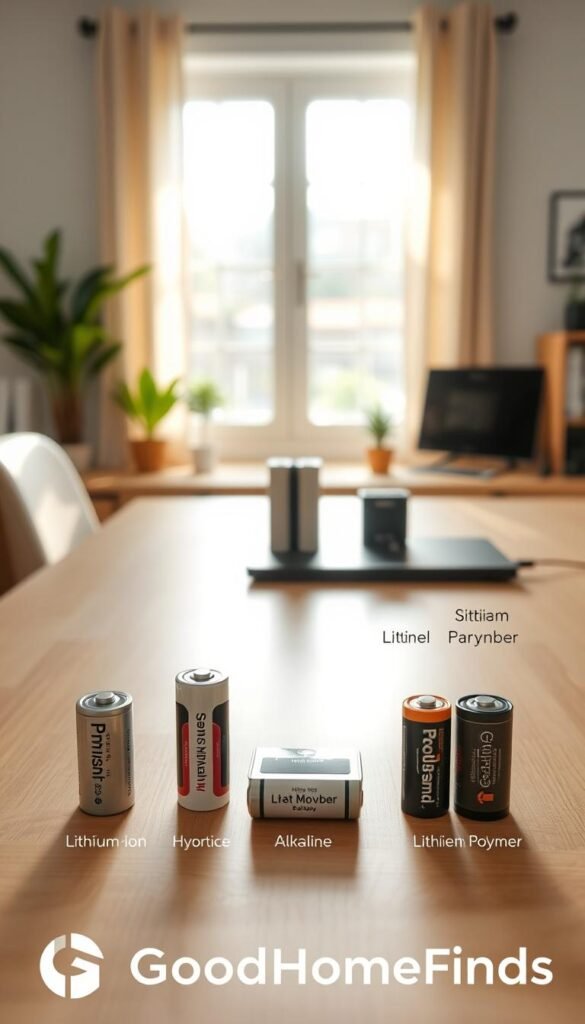
Premium pick for harsh conditions: Guest ChargePro 28210
Why it works: sealed, epoxy-filled, IP68 rated and built for vibration and moisture. Two-bank outputs let you maintain two batteries or pair outputs to push 10A into one bank for faster charging.
Quick specs: 12V, 10A, 100–240 VAC input, 6 ft AC and 4 ft DC leads, 7.75 x 5.50 x 2.50 in, 6 lb, 2-year warranty, $189.95, in stock with free ground shipping to Lower 48.
„Sealed design means you can mount it near damp gear without worry.“
Budget-friendly portable pick: ODYSSEY OBC-5-A
Why it works: light, portable, supports LiFePO4 plus flooded and AGM. IP65 splash protection and a status indicator make it renter-friendly.
Note: lower output (~4.3A) means longer charge hours on bigger batteries and there is measurable back current drain during long storage.
| Feature | Guest 28210 | ODYSSEY OBC-5-A | Practical impact |
|---|---|---|---|
| Output | 12V, 10A (2-bank) | 12V, 4.3A | Faster charge vs portable |
| Protection & IP | Polarity, ignition, IP68 | Polarity, temp control, IP65 | Better for damp or outdoor use |
| Warranty & weight | 2-year, 6 lb | 3-year, lightweight | Durability vs portability |
| Cable length | AC 6 ft / DC 4 ft | Shorter, portable leads | Affects mounting and reach |
Compatibility checklist: confirm battery chemistry (flooded, AGM, gel, lithium) and the right charging mode before you buy. If you keep two batteries or run a marine battery setup, choose a multi-bank unit.
For small buys and useful extras under $25, check this short list of reliable finds best Amazon finds under $25.
Setup time and everyday use: what it’s like to live with these chargers
Everyday use is about quick setup, low noise, and a routine you can trust.
Setup time
Portable units are mostly plug-in-and-go. You clip the leads, set the mode, and plug the AC lead last. That gets you charging fast.
Sealed multi-bank systems take longer. You pick a mounting spot, route the AC and DC runs, and secure the unit. Plan fifteen to thirty minutes for neat wiring.
- Quick checklist: confirm battery type, select the right mode, connect clamps correctly, then plug in the outlet last.
- Status lights: a clear status indicator lets you glance at progress without hovering.
Mounting and placement
The Guest unit is compact at 7.75 x 5.50 x 2.50 in and 6 lb. That size suits a utility board or a stud-mounted hook in a tight garage.
Note cable reality: 6 ft AC and 4 ft DC leads mean you may need to mount close to the battery or use a safe extension for the AC run.
Renter-friendly placements avoid damp floors, high traffic paths, and piles that trap heat.
Use cases that justify the cost
Pay more when you need multi-bank support or year-round battery care. Two-battery systems, seasonal gear, and emergency backups gain the most value.
Practical payback: if you’ve replaced several batteries early, a smarter unit with a solid warranty can save money long term.
| Use case | Why it helps | Key feature |
|---|---|---|
| Seasonal gear | Keeps batteries ready for summer or winter | Multi-mode charging, float maintenance |
| Two-battery system | Maintain both without swapping | Multi-bank outputs, secure mounts |
| Renter-friendly | Low noise and neat wiring | Compact size, status light |
For tips on portable options and safe routines, see our portable charging guide.
Maintenance, safety, and common mistakes that shorten battery life
A little care goes a long way—smart maintenance prevents most battery failures and safety hazards.

Common mistakes
Using the wrong setting is a top error. Picking the wrong mode for the cell type shortens life and can produce heat.
Poor placement matters too. Leaving gear in hot, cramped, or damp spots speeds corrosion and failures.
Assuming all 12V units are the same leads to avoidable damage.
Battery type mismatch
Match the mode to the label: flooded (lead) vs AGM vs lithium. Each needs different voltage and end‑of‑charge behavior.
If you run mixed chemistries at home, pick a system with clear mode selection to avoid mistakes.
Space, heat, and ventilation
Charging creates heat and sometimes fan noise. Don’t seal a battery and its gear in a tiny cabinet.
Keep airflow, avoid cleaning chemicals nearby, and move noisy units away from sleeping areas.
Ignoring long‑term drain
Back current drain is tiny draw when a device is connected but idle. For example, the ODYSSEY spec shows >1.5Ah/month.
If you store batteries for months, disconnect or use a maintenance mode designed for long storage to save power.
Water and dust protection
IP65 handles splashes and dust—good for a general garage. IP68 is sealed for harsher wet spots like boat areas.
The Guest unit’s sealed epoxy design and ignition and polarity protection add safety in damp or fuel‑nearby zones.
- Quick maintenance rhythm: monthly visual check for cable wear and corrosion; keep terminals clean and dry.
- For common blunders and deeper tips, see a short guide to common mistakes and practical ways to extend battery life.
Conclusion
Decide by use: a mounted, rugged unit for steady duty or a compact, portable option for flexible needs.
If you want a set‑and‑forget install, pick a sealed, durable model that handles two banks and rough environments. That choice pays off when you store gear near damp or vibration-prone areas.
If you need flexibility, choose a light, portable unit that supports multiple chemistries. It’s easier to stow in a small apartment and to move between projects.
Be safe: match chemistry, confirm protections, and plan cord routing and ventilation before you buy.
Value note: premium units can save replacement costs long term. For US buyers, check shipping timelines (Guest offers free ground shipping to Lower 48) and expect some retailers to show exact price only in cart.