You want practical home gear that saves time, not dust on a shelf. This roundup focuses on tools and gadgets that work in real life. I compare budget picks with premium options and set honest expectations.
Expect clear pros and cons, setup difficulty, and routine maintenance notes. I highlight energy savings, renter-friendly size, and noise levels so you can pick what fits your apartment and schedule.
Some high-value items cost more up front—think self-empty docks for vacuums. But many daily helpers cost under $25 and beat pricey devices for quick, weekly results.
Throughout, you’ll see who needs each product, how long setup takes, and common mistakes to avoid. For a deeper list of tested, budget-friendly finds, check this curated roundup.
Key Takeaways
- Focus on tools that reduce chores each week and save you time.
- Budget picks often outperform smart gadgets for daily upkeep.
- Premium buys help when hands-free features or long life matter.
- Mind storage, noise, and maintenance for small apartments.
- Look for energy-saving, renter-friendly designs and clear setup steps.
- Use the curated list for tested, cost-aware product choices: best cleaning finds.
What “Worth Buying” Means for Cleaning Tech in Real Homes

Deciding if a gadget is actually useful comes down to how it changes your weekly routine. Worth it means you spend less time on chores and use less effort for the same result.
Real benefits you can feel week to week
A clear sign is consistency. If a unit shrinks task time and keeps your place company-ready, it counts.
For air quality, a HEPA purifier that runs quietly in the background reduces dust and pet dander with near-zero fuss.
Trade-offs to expect: noise, upkeep, and limits
Motors add noise levels that can interrupt naps or calls. Check decibel notes if silence matters.
Maintenance is the hidden cost. Filters, brush rolls, and tanks need regular care or they become problems.
Quick reality check on space requirements for small apartments
Measure before you buy. Big docks and tanks can steal closet space and make a small living area feel cluttered.
Also consider power draw for daily use—if you dread running it, you won’t use it enough to notice the benefit.
Practical tip: Look for renter-friendly, budget options that deliver real weekly wins. For a quick set of tested small-space fixes, see this home problem solver mix.
Apartment-Friendly Buying Checklist: Power, Noise, and Storage
Pick gear that fits your apartment layout before you buy — not after. Start with the basics: how much power it draws, how loud it runs, and where it will live when not in use.

Power consumption basics
Devices that run constantly or heat water push your bill up. Air purifiers and steam units are typical bill drivers. Quick-use hand tools use almost no power.
Tip: Look for energy-saving modes and run schedules to limit daily draw.
Noise and neighbor-friendly run times
Choose low decibel models or predictable run lengths. Quiet modes make you more likely to use a device daily without bothering roommates or neighbors.
Storage, footprint, and space requirements
Decide where a dock, charging stand, or tanks will sit. Self-cleaning bases save time but need closet or floor room.
Measure thresholds — many robots handle up to ~10 mm (0.39 in) — and confirm attachments fit your shelves.
Surfaces, rugs, water, and safety
For floors and rugs, use dry methods on high-pile rugs. Wet/dry combos can leave rugs damp if used incorrectly.
Soft wheels and gentle brush rolls prevent scratches on sealed wood or vinyl. Cheap stiff brushes risk grinding grit into surfaces.
Manage cords and place docks against walls to avoid tripping hazards in small walkways.
- Power: Favor set-and-forget units with low draw.
- Noise levels: Pick silent or low modes for daily runs.
- Storage: Confirm dock and tank spots before buying.
- Care: Replace filters and clean brushes on schedule.
| Need | What to check | Renter tip |
|---|---|---|
| Low power use | Energy modes, run time | Schedule nightly off-peak runs |
| Quiet operation | Decibel rating, eco mode | Test near walls to judge neighbor impact |
| Small footprint | Dock size, tank removal path | Store vertical or in a utility closet |
| Surface safe | Brush material, wheel softness | Pick soft-roll models for sealed floors |
Use this checklist to narrow choices fast. If you want tested, renter-friendly fixes for one area, see this kitchen problem mix.
Robot Vacuums and Robot Vacuum Mop Combos That Save the Most Time
A regularly scheduled robot can stop dust and pet hair from building into a weekend job.

Daily dust and pet hair on floors and rugs
Robot vacuums are the biggest time-saver for daily upkeep. They catch surface dust and pet hair before it mats into rugs or carpets.
Good suction near edges matters most. Strong suction helps on carpets, while steady navigation cleans baseboards and entryways.
When a vacuum-and-mop combo is a win
Combos work well if you have mostly hard floors and want light mopping often. They cut a two-step task to one pass.
Not a fit: homes with many rugs or high-pile carpets. Wet pads can smear onto fabric and create extra work.
Self-empty and self-wash docks: convenience vs space
Self-empty and self-wash docks reduce how often you touch the bin or mop pads. That saves time but needs closet or floor room in small apartments.
Consider noise during auto-empty cycles and the extra footprint before buying.
Mixed flooring, thresholds, and compatibility
Check if a model crosses thresholds near 10 mm and whether it lifts a mop pad for carpets. That avoids wet rugs and stuck robots.
Maintenance reality
Brush tangles and hair wrap are real. You’ll still trim rollers, clean sensors, and empty bins (less often with auto-empty).
Keep a simple routine: quick brush check weekly and a deeper clean monthly. That keeps the robot running and saves you time overall.
- Pros: daily upkeep, less full-size vacuuming, pet hair control.
- Cons: space for docks, mop maintenance, and occasional hair tangles.
- Who it’s for: renters with hard floors or low-pile rugs, pet owners, and busy people who value daily results.
Wet/Dry Floor Cleaners for Kitchens: Fast Wins on Spills and Grime
For quick kitchen spills, a wet/dry floor cleaner turns a two-step chore into one fast pass.

Why it helps: These cleaners vacuum and wash sealed hard floors in a single run. That saves minutes and reduces overall effort compared with sweeping then mopping.
Example to know
The Tineco iFloor-style machines vacuum and wash simultaneously. They work well on laminate, vinyl, tile, marble, and sealed wood. Expect a streak-free finish on compatible surfaces when you follow the manufacturer directions.
Apartment pros and cons
- Pros: Fast daily resets, less bending, and consistent floor care for busy kitchens.
- Cons: Dirty water tanks and pads need regular rinsing. If you skip tank care, parts can develop odors and streaks.
Setup and maintenance: Unbox, charge, and run on a small area to test squeegee and pad alignment. Empty the dirty water after each use and let components dry. Deep-clean the tank weekly if you use the unit often.
| Consideration | What to check | Action |
|---|---|---|
| Surface compatibility | Sealed floors only | Use on laminate, vinyl, tile, marble, sealed wood |
| Smell risk | Dirty water retention | Empty tank, rinse parts, air dry after use |
| Storage | Tanks and accessories size | Measure closet or utility space before buying |
| Rug safety | Water at thresholds | Avoid rugs and lift mop at carpet edges |
Final tip: Use a wet/dry cleaner as your fast reset tool for kitchen grime. Keep to sealed floors, maintain the tank, and store parts dry to avoid odors and extend life.
Cordless and Upright Vacuums That Are Still Cleaning Tech Worth
When you need a fast, full-room reset, a full-size upright still earns its place.
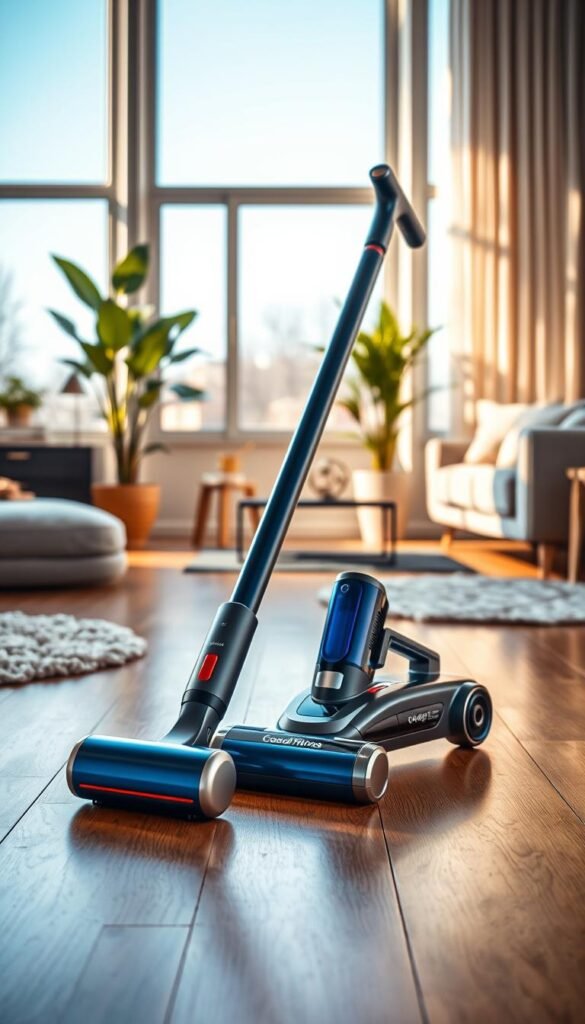
Value pick: A Shark Rotator–style upright gives wide versatility at a friendly price. It includes useful attachments you will actually use. The unit handles edge pickup and whole-room passes faster than most robots.
What strong suction means in real life
Strong suction pulls grit from carpet fibers and lifts trapped debris in one pass. It reduces repeat strokes and tames pet hair without extra effort. Look for models where suction and brush design work together.
Cordless vs upright for small spaces
Cordless wins if you want grab-and-go ease and quick touchups. Plan for battery time and a tidy charging spot. Uprights deliver more power and longer run time for big carpeted areas.
Tools that actually matter
- Brush head for hair and carpets
- Crevice tool for baseboards and tight spots
- Upholstery nozzle for sofas and car seats
| Feature | Why it matters | Renter tip |
|---|---|---|
| Battery / power | Limits run time and reach | Keep charger near closet or outlet |
| Suction | Removes debris and embedded hair | Test on rug edges before buying |
| Attachments | Make weekly deep cleans faster | Choose models with tool docks |
Pet Hair Cleaning Tech That Works on Couches, Cars, and Rugs
Pet hair shows up fast on sofas, car seats, and entry rugs, so you need a simple routine to stop it from building up.
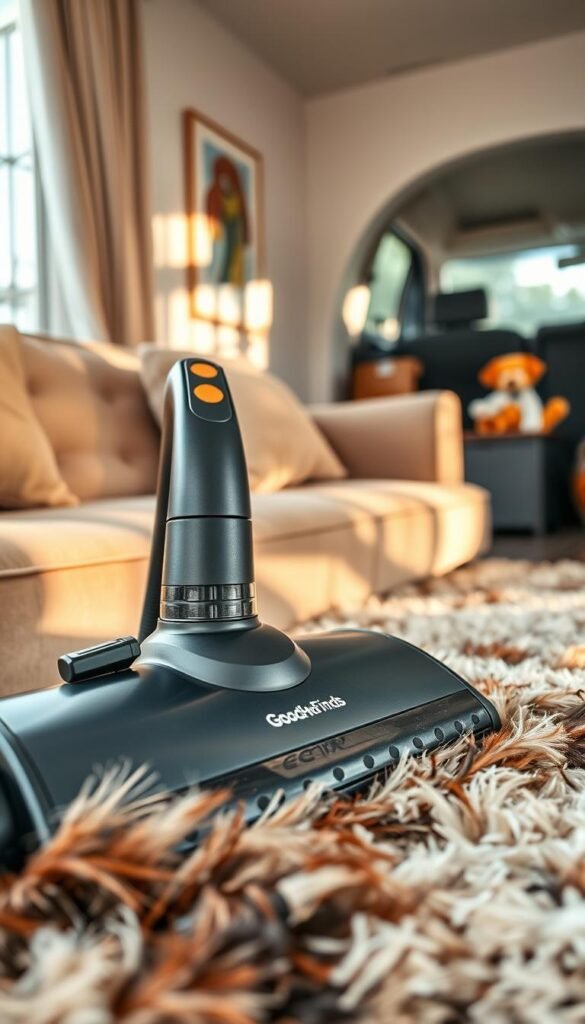
Quick-grab tool: A ChomChom-style roller is a top pick for upholstery and fabric. It needs no power, works on couches and car seats, and tucks in a drawer for daily use. Keep one near the sofa and another in the car for fast touch-ups.
Robot brush headaches and fixes
Robot brushes get hair wrap. That reduces suction, raises noise, and shortens run time.
Pick models with tangle-free brush designs and check the brush weekly. Empty the bin more often during heavy shed seasons to avoid clogs.
Best use cases by mess type
- Fur on upholstery: roller + upholstery nozzle for quick removal.
- Litter tracking: a strong vacuum and good floor tool for edges.
- Dander and dust: frequent surface runs and HEPA support help reduce allergens.
Practical tip: Build a small pet-zone routine. One drawer tool for daily grabs, a weekly robot check, and targeted vacuuming keep rugs and carpet from becoming permanent lint traps.
Steam Cleaners and Steamers: Chemical-Free Deep Cleaning That’s Worth It
For small spaces, a multi-surface steam cleaner can replace several single-use tools. Steam uses only hot water to loosen grime and kill many surface germs, so you avoid extra sprays and bottles.

Where steam shines
Best uses: grout lines, shower corners, greasy appliance fronts, oven edges, and upholstery spot refreshes. Steam reaches crevices that cloths miss and reduces elbow effort when scrubbing stuck-on build-up.
Examples and real apartment cases
A Dupray-style cleaner is a good multi-surface option for floors, mattresses, ovens, and car seats. It lets you do varied work with one unit instead of buying many single-use items.
For quick fabric refreshes, a Conair-style handheld steamer heats in under a minute and runs on plain water. Keep it for curtains, couch cushions, and light wrinkle removal.
Safety and upkeep
Safety first: steam can burn instantly. Keep children and pets away, use steady two-handed grips, and plan a cool-down spot in tight apartments.
Maintenance: follow the maker’s advice to use only water and descale regularly. Mineral buildup shortens lifespan and reduces steam output.
- Pros: chemical-free, multi-surface use, cuts manual effort.
- Cons: not a miracle—you still wipe residue; risk of burns; requires descaling.
- Who it’s for: renters who want deep, low-chemical care for bathrooms, kitchens, and fabrics.
Want tested steam mop and steamer picks? See this curated list for models and buying tips: best steam mops and steam cleaners.
Kitchen Cleaning Gadgets That Earn Their Counter Space
A few practical gadgets will earn a permanent spot on your counter by saving daily time. They should cut routine tasks to minutes and not sit unused.

Sink upgrades for bottles and stuck-on gunk
Glass rinsers use a high-pressure water jet to clear bottles and shaker cups in seconds. Many install in an unused sink hole or a soap-dispense cutout and avoid major plumbing changes.
Pros: fast rinse, renter-friendly fit. Cons: adds one more fixture and uses extra water if you leave it running.
Small tools with big payoff
Appliance-cleaning brush sets reach blender blades, coffee grinders, and crevices where dirt hides. Dish scrapers help you remove stuck food before you load the dishwasher — they scrape, not rinse.
Preventing smells and buildup
Dishwasher cleaner tablets and disposal foaming cleansers are inexpensive and effective. Use them monthly to stop grime and odor from spreading through the kitchen.
Trash upgrades that cut odor
Self-sealing cans auto-seal and reduce odor on change day. Models like Townew save hassle but require refill rings. Factor ongoing costs into the decision.
- Setup difficulty: low for brushes and tablets, medium for rinsers, low for trash cans.
- Maintenance: wipe surfaces, descale rinsers occasionally, and stock consumables.
- Renter tip: avoid permanent plumbing work and pick wipe-clean finishes that don’t trap grime.
Air and Bathroom “Cleaning Tech” That Improves Daily Life
Small upgrades in air and bath gear can make your home feel fresher every day with almost no effort.

HEPA air purifiers for dust and pet dander
Why it helps: A Levoit-style HEPA unit runs quietly in the background and reduces dust and pet dander in small rooms.
Plan for: filter replacements, where the unit sits so airflow isn’t blocked, and modest power use.
Bidet seats and cleaner bathrooms
Bidet seats like the Coway Bidetmega 400E improve hygiene and reduce toilet-paper use. Installation is usually simple.
Match the seat to your toilet shape (round vs elongated) and check water hookup fit before you buy.
Window-cleaning robots for tall glass
Robots such as the Hobot 298 are useful for high or hard-to-reach windows. They spray a fine mist and leave fewer streaks.
They add weight and need a safe mounting plan. Consider noise, space requirements, and suction design for secure use.
- Pros: better daily air, easier bathroom hygiene, safe window access.
- Cons: ongoing filters or cartridges, modest power draw, occasional maintenance.
- Who it fits: renters and owners with pets, tall windows, or tight bathrooms who want low-effort gains.
For wider smart home appliance options and tested models, see this smart home appliances roundup.
Budget vs Premium: What You Actually Get for the Higher Price
Spending more should cut hands-on work, not just add flashy modes.
Budget picks under $20 often deliver the most consistent daily wins. Durable sponges, microfiber cloths, scrapers, and appliance brushes remove buildup before it needs a powered solution. These tools need no charging and rarely fail you.
Premium models shine when they eliminate chores. A robot with a self-empty dock or a vacuum with better navigation cuts repeat passes and lowers weekly maintenance. Better suction and mapping matter because they finish a room faster and with fewer misses.
Where extra price doesn’t help
Some features add complexity without improving results. Oversized docks that won’t fit your closet, gimmicky modes you never use, or subscription cartridges are examples to skip.
Best value by room
- Kitchen: small gadgets and maintenance tablets beat large upgrades.
- Floors: either a strong vacuum or a reliable robot is a clear win.
- Pet zones: rollers and detangling brush designs give the biggest payoff.
- Bathroom: steam or powered scrub tools save time and reduce chemicals.

| Buy level | Main benefit | Best fit |
|---|---|---|
| Budget (under $20) | Low cost, reliable daily use | Small-space renters, spot fixes, kitchen upkeep |
| Mid-range | Better durability and function (strong suction, build) | Homes with mixed floors, regular pet hair |
| Premium | Hands-free features, superior navigation, less repeat work | Busy households, large rooms, people who value time savings |
Practical rule:splurge where it removes routine tasks; stay budget where simple tools already solve the problem.
Setup time: What to Expect Before Your First Clean
Getting a new unit ready matters almost as much as the first run. A smooth setup keeps you using the tool and lets it pay back in saved minutes and less hassle.

Unbox-to-clean timelines: handhelds, robots, and wet/dry machines
Handhelds are fastest. Many steamers heat in under a minute, so you can go from box to spot-clean in minutes.
Robots take more time. Plan for charging, app pairing, mapping, and a quick floor prep to secure loose cords. Mapping helps the unit learn no-go zones and room edges.
Wet/dry machines sit between the two. You’ll assemble parts, fill a clean tank, and test on a small area to confirm surface compatibility before a full pass.
Apartment setup tips: charging spots, no-go zones, and cord management
Choose a charging spot out of main walkways but easy to reach. That reduces tripping and keeps the unit charged for daily runs.
Set practical no-go zones for pet bowls, lamps, and clutter. Organized cords and taped-down cables stop a robot from getting stuck and save you repair time.
First-week maintenance routine to prevent smells and clogs
Daily: empty bins or tanks after runs so they don’t overfill.
After use: rinse and air-dry mop pads and tanks to avoid streaks and odors.
Weekly: check brushes for hair wrap and inspect filters. A quick look prevents power loss and keeps the unit working as designed.
„A ten-minute setup and a five-minute weekly check keeps gadgets low-drama and dependable.“
| Device | Setup time | First-week checks | Renter tip |
|---|---|---|---|
| Handheld steamer | Under 10 minutes | Fill tank, test on fabric, empty after use | Store near outlet for quick use |
| Robot vacuum | 30–90 minutes (mapping + app) | Map rooms, tape cords, clear thresholds | Choose a compact dock spot out of walkways |
| Wet/dry floor cleaner | 15–30 minutes | Rinse dirty tank, check squeegee, dry parts | Measure space requirements for storage |
For a quick guide on organizing daily supplies and a simple caddy setup, see this setting up your cleaning caddy.
Common mistakes That Make New Cleaning Gadgets Feel “Not Worth It”
Neglecting routine care and matching tools to surfaces is the surest path to disappointment. Small lapses turn helpful units into noisy, smelly, or ineffective items you stop using.

Skimping on filters, brush rolls, and water tanks
If you skip filter and brush care, suction drops and noise goes up. Dirty water tanks breed odor fast in warm closets. Rinse mop pads after each use and air-dry tanks to avoid smells.
Using the wrong tool on the wrong surface
Wet pads on rugs, stiff brushes on sealed wood, or gritty debris dragged across floors cause damage. Match the tool to the surface and test a small area first.
Overbuying attachments and ignoring space or noise
A giant accessory kit looks useful but you’ll use a few parts most of the time. Measure footprint and read decibel notes before you buy so the unit fits your daily life and space requirements.
- Quick fix: set a five-minute weekly care slot for filters and brushes.
- Do this: prioritize the tools you use daily and skip bulky extras.
- Read this: for safer product choices, check non-toxic cleaning supplies recommendation.
Conclusion
,Choose gear that shaves minutes off your week, not gadgets that sit unused.
Pick tools that match your daily use and the size of your home. For floors, decide between a robot for upkeep or a strong vacuum for deep work. Add a wet/dry option only if your kitchen mess demands it.
If you have pets, prioritize hair-handling tools and tangle-resistant brush heads. If dust is constant, a HEPA unit helps air quality while you keep up with simple care.
Keep price realistic. Spend more only when it saves you time weekly, fits your space, and avoids new chores. Plan setup, follow basic upkeep, and avoid common mistakes so the purchase is truly worth it.
Curious about robot benefits and limits? See are house cleaning robots worth it for a deeper look.