This guide shows practical, budget-friendly ways to make your home calmer and easier to use. You’ll get honest picks, real-life notes on price vs value, pros and cons, who should buy, and what to skip.
Start by decluttering first, then organize. Buying tools too soon can create more mess. Expect things to feel worse before they get better. That’s normal.
Most recommendations are under $25 on Amazon. A few under $50 appear when they truly earn the price. Each item includes quick guidance: why it’s useful, who it helps, what to avoid, and low-cost alternatives like shoeboxes or repurposed bins.
We focus on everyday wins: saving time, preventing repeats (lost keys, pantry doubles, cord sprawl), and renter-safe fixes. You’ll see categories for paper, kitchen, closet/bedroom, and shared spaces. For a helpful starter roadmap, check this mix of home problem solvers on Good Home Finds: home problem solver mix.
Key Takeaways
- Declutter first, then add organizers to avoid extra items.
- Most useful items cost $10–$25 and save real time daily.
- Look for weight limits, adhesive strength, and durable plastic.
- Each tool gets a short pros/cons note plus cheap alternatives.
- Focus on renter-friendly, no-drill solutions for quick wins.
Start Here: Simple decluttering tips that keep you from getting overwhelmed
Pick a simple plan so tackling one room feels doable, not draining. The right method depends on your energy and how you like to work. Choose a short, clear approach and stick to it for each session.
Pick a method that matches your energy level
If you feel low-energy, try the „ski slope“ zone pass: sweep side-to-side across the room so you don’t get stuck in one corner. If you like rules, use a category method such as Swedish Death Cleaning for big downsizes or the four-box method (keep, donate, trash, relocate) for beginners.
Use the “like items together” rule to see duplicates fast
Pull like items together to measure volume. For example, gather all travel mugs in one pile and you’ll spot the seven you never use. Seeing items together highlights duplicates—often the biggest hidden win.
Set a realistic time plan so your room gets worse before it gets better
Plan short sessions: 15 minutes for quick tasks, 60–90 minutes for a category, and one focused day per weekend for bigger resets. Expect things get worse mid-process with piles and open drawers. That’s normal—end each session by bagging trash and moving donation items to a staging spot so the space stays manageable overnight.
| Method | Best for | Session length | Quick win |
|---|---|---|---|
| Ski slope | Low focus, single room | 15–60 mins | Prevents getting stuck |
| Four-box | Beginners, small spaces | 30–90 mins | Clear decisions fast |
| Swedish Death Cleaning | Large downsizing | 60–180 mins or day | Long-term reduction |
Use this practical way to avoid common mistakes. If you need tools after decluttering, check these budget picks to organize what remains: best organization finds.
Prep kit before you take everything out
Before you take everything out, make a small staging plan you can follow. A little prep stops the task from turning into an all-day mess. It also helps you move faster and keep order in your home.
Small-space four-box setup
Four-box setup that actually works in small spaces
Use labeled containers: Keep, Trash, Donate, Sell. For tight areas, try laundry baskets, grocery bags, or collapsible boxes you can carry. Label each container clearly so items go to the right place at once.
Optional: add a mini-bin for things that must return to another room. Make sure you empty it the same day to avoid creating a new pile.

Cleaning basics to avoid putting items back onto grime
Have basic cleaners ready: all-purpose spray, microfiber cloths, a small vacuum, and trash bags. Wipe shelves and drawers after you empty them. That prevents dust and spills from coming back when you put back items.
„Wipe first, then replace. Clean surfaces keep organizers performing longer.“
Donation and trash staging that saves time later
Designate one spot by the door for donation bags and another for trash or recycling. Research local donation options before you start so you can drop things off quickly.
| Prep step | Why it helps | What to use |
|---|---|---|
| Label boxes | Keeps the process moving | Marker + tape or printable labels |
| Cleaning kit | Prevents putting items on grime | Spray, cloths, vacuum, gloves |
| Staging spots | Saves time on drop-offs | Bag by door for donate + trash bin |
Ready check
- Boxes labeled and within reach
- Bags for donate and trash set by the door
- Cleaning basics out and gloves on hand
- Timer set so you finish the task in one pass
clutter helper finds worth buying on Amazon (mostly under $25)
Pick practical organizers that match your shelves and routines so you spend time using items, not moving them around.
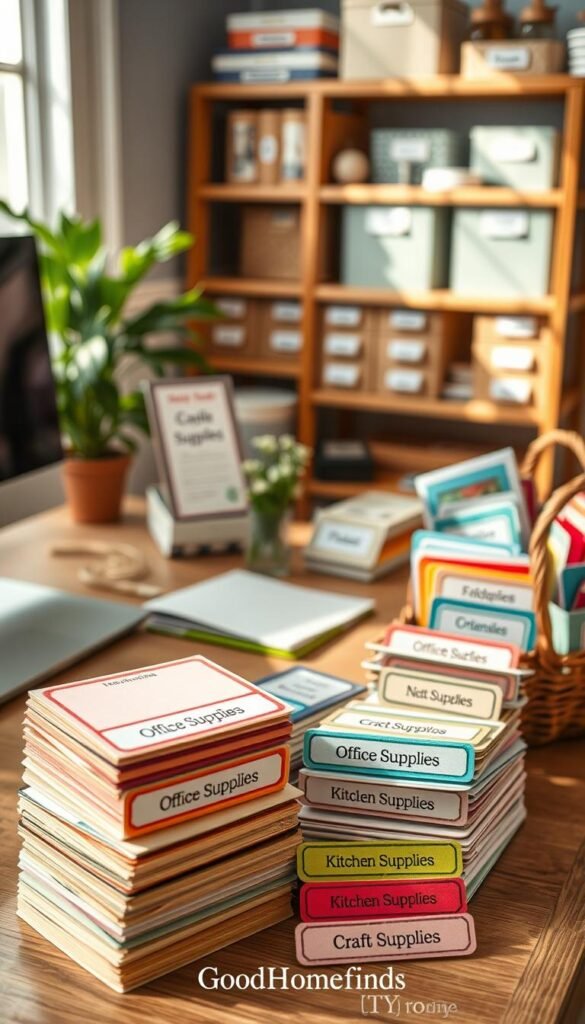
Blank labels + permanent marker
Why it works: Fast way to give everything a home. Cheap labels with a marker stop duplicate buys and confusion.
Who: Anyone starting from zero organization.
Pros/cons: Low cost ($5–$12), renter-friendly; handwriting may not look perfect. Avoid low-tack stickers in humid bathrooms. Alternative: masking tape + pen.
Clear bins & budget baskets
Why it works: Zones on shelves and pantry let you see items at a glance. Real-life: a single bin for „taco night“ speeds dinner prep.
Who: Pantry, closet, bedroom shelves. Price-value: sets $12–$25 or singles under $10. Avoid overly tall bins that block shelves; check thickness to prevent cracking.
Drawer dividers, hooks, cables, and file box
Drawer dividers tame junk drawers and utensil trays. Over-door and adhesive hooks create entryway drop zones without furniture.
Cord clips and Velcro ties stop living room and desk cable sprawl.
File folder boxes turn paper piles into a portable system you’ll actually use. Set a monthly purge reminder so it stays useful.
| Rule | Quick tip | Budget alt |
|---|---|---|
| Measure first | Wrong size bins create new mess | Shoebox or reusable bag |
| Check weight | Adhesive hooks have limits | Stand rack or small nail |
| Test adhesive | Residue or failure in humidity | Masking tape labels |
For a compact list of affordable organizer products, see this budget round-up: best budget organizer picks.
Paper clutter and sentimental items without the guilt spiral

A cheap filing box system: Action, To File, To Shred
Use a desktop file box and three labeled folders. Make Action for bills and urgent mail. Use To File for insurance, warranties, and records. Put junk in To Shred so paper stops living on counters.
Real life: when mail arrives, sort in 60 seconds. Bills go to Action. Statements go to To File. Junk offers go straight to To Shred.
Memory box boundaries that protect the meaningful stuff
Give each person one memory box. When it is full, edit before you add more. This keeps sentimental items from taking over your space.
What to avoid with documents, photos, and kids’ art
- Don’t keep every kids’ artwork—pick favorites and photograph the rest.
- Skip manuals you can download; only store what you need.
- Decide on items longer than a month; don’t let them sit in limbo.
„Keep what genuinely sparks joy, not what you feel obliged to keep.“
| Keep | Shred | Store safely |
|---|---|---|
| Tax returns (as needed) | Offers, old statements | Birth certificates in waterproof sleeve |
| Warranties in folder | Anything with your SSN | Photos backed up digitally |
| Active bills | Expired IDs | Important deeds in sealed folder |
Quick maintenance: a 10-minute weekly paper sweep keeps order and saves time.
Kitchen clutter control that saves real time during meal prep
Small, visible systems in the pantry and drawers save you minutes every day. The goal is to organize kitchen spaces so meal prep moves faster, not just to look tidy for photos.

Pantry bins and labels that cut down on overbuying
Take everything out, sort by category, check expiration dates, then label shelves and bins. Clear bins under $25 are ideal so you can see items at a glance.
Why it helps: You stop buying duplicate spices or snacks because you can see what you already own.
Real life: A labeled „snacks“ bin makes lunch packing fast and keeps half-open bags contained.
Who it’s for: Busy households, renters, and small pantries. Avoid deep bins that hide things. If budget is tight, use shoeboxes or repurposed shipping boxes lined with shelf paper.
For more pantry-proof approaches see creative ideas at pantry solutions.
Fridge “quick scan” routine after grocery runs
Make a 2-minute habit after shopping: toss expired or moldy items, wipe visible spills, and move older items to eye level so they get used first.
Real life: Put cooked chicken front and center so it gets eaten before it spoils. No new purchases required.
Drawer organizers for utensils and tools you actually use
Pick shallow, food-safe trays ($10–$25) and measure your drawer first. The right fit stops digging and keeps your go-to peeler reachable.
Pros: Fewer collisions and faster prep. Cons: Many inserts won’t fit—measure before you buy and avoid tiny corners that trap crumbs.
If you need compact solutions, check small-kitchen picks at small kitchen solutions.
What to avoid in the kitchen
Steer clear of mismatched containers that don’t nest, bulky lazy Susans that steal vertical space, and organizers that can’t be washed easily.
Also make sure materials are food-safe plastic or stainless steel and can be wiped or hand-washed to prevent sticky buildup.
| Area | Worth it | Avoid |
|---|---|---|
| Pantry bins | Clear, shallow bins with labels | Very deep or textured bins |
| Fridge routine | 2-minute post-shop scan | Letting old items hide at the back |
| Drawer organizers | Measured, food-safe trays | Ill-fitting, crumb-trapping inserts |
Closet and bedroom resets that stick
Small, deliberate moves in the bedroom deliver big wins for rest and decision-making. Start by removing things that don’t belong in the room. That clears visual noise and makes decisions easier.
Use a zone method: take everything out of one side of the closet or one dresser drawer at a time. This keeps the room usable and avoids a week-long mess.

The easiest process: take everything out without making a bigger mess
Work in short passes. Pull out a category — work shirts or sweaters — and try on uncertain items. Put back the items you wear first so daily routines stay smooth.
Real life: You remove only work shirts, keep eight you wear, and donate ten that never leave the hanger. That saves time each morning.
Affordable hangers and small bins for accessories
Slim hangers are often under $25 per pack. They free up hanging space and reduce mismatched rows.
| Item | Pros | Cons |
|---|---|---|
| Slim velvet hangers | More space; neat rows | Very cheap versions may snap |
| Small open bins | Easy access for belts & scarves | Avoid deep bins where things hide |
| Standardize old hangers | Free, renter-friendly | Only works if sturdy |
Who it’s for: small closets and apartments. What to avoid: mixed hanger types that make clothes slide or fall. Alternative: reuse sturdy hangers and group by category.
Under-bed bags for off-season clothing (and when not to use them)
Under-bed bags are cheap and free up closet space during the season you’re using current items. Use sealed bags and clear labels so you remember what’s stored.
Pros: budget-friendly extra storage. Cons: out of sight can become out of mind and gather dust or pet hair.
Don’t use under-bed storage if you already forget what you own. If that’s a risk, try clear rolling bins or keep a seasonal list on your phone.
For small-space closet solutions and affordable products, see these practical ideas: closet space solutions. If you want a simple method tested by others, read this short take on a focused approach: a tried method.
Living room and shared spaces that stay tidy with less daily effort
Make shared spaces easy to reset by giving every commonly used item one clear home. If everyone uses the space, the system must be effortless or it won’t last.

Catch-all baskets that look fine and actually get used
Why it helps: A single basket becomes the nightly drop spot for blankets, toys, and stray items. It saves time and makes the room look tidy fast.
Real life: Toss throws, dog leashes, or kids‘ toys into one basket before bed—five minutes and the living room is ready for the day.
- Pros: quick tidy, renter-friendly, budget ($10–$25).
- Cons: can hide items—plan a weekly empty-and-sort.
- Who it’s for: families, roommates, small living rooms.
- Avoid: baskets that snag fabrics or are too small to hold useful things.
- Alternative: a sturdy cardboard box with a lid or a reusable tote.
Remote, game, and cable control without bulky furniture
Use a small lidded box or shallow bin for remotes and controllers so items stop vanishing under cushions. Pair that with cord clips and Velcro ties to keep cables off walkways.
Label one cable “TV power” or “router” so you don’t unplug the wrong cord during cleaning. Keep cords away from walking paths and don’t overload strips.
| Problem | Simple fix | Safety note |
|---|---|---|
| Lost remotes | Shallow lidded bin on coffee table | Keep lid easy to open |
| Trip-prone cables | Cord clips + Velcro ties | Route along walls; test adhesive |
| Overflowing basket | Weekly empty-and-sort routine | Check for small choking hazards (kids/pets) |
Start by removing anything that doesn’t belong in the living room. Then group similar items and give them a place. For more room-by-room tips, see a simple approach to organize every space in your house: organize every space in your house.
What to avoid when buying organizing products (so you don’t create new clutter)
Avoid buying new organizers until you prove they will actually simplify daily routines. Start with a short trial so you don’t spend on things that sit unused. A cheap test shows whether a method will stick.

Common “organizer traps” that waste money and space
- Buying gadgets with one purpose that take up room unless you use them weekly.
- Ordering large bin sets that don’t fit shelves or block access.
- Adopting over-complicated systems that need constant upkeep.
- Shopping before you get rid of items—this often creates more mess.
Safety and quality checks for plastics, adhesives, and weight limits
Make sure adhesive hooks match your wall surface and the weight you’ll hang. Check product specs for weight limits before you trust them with heavy items.
Make sure plastics are thick enough not to crack. Avoid strong chemical smells for food areas. Confirm drawer dividers won’t jam or damage runners.
| Area | Check | Why it matters |
|---|---|---|
| Adhesive hooks | Surface type + weight rating | Prevents falls and wall damage |
| Plastic bins | Material thickness + odor | Durability and food safety |
| Drawer dividers | Fit and edge finish | Avoids drawer damage |
Cheaper alternatives to try before you buy anything
Use shoeboxes, mason jars, shipping boxes, or small trays you already own. Try a temporary system for one week. If it helps keep order, invest in nicer bins.
„The best organizer is the one you actually use daily, not the fanciest model.“
Use the “one in, one out” rule to keep progress. For a short list of items pro organizers avoid, see this useful take on common rejects: what pros won’t buy.
Conclusion
Treat organizing as a series of small wins: pick a method, prep a simple kit, and decluttering comes first. Buy only what solves a real problem in your home.
Work room by room. Start with the bedroom if you want a fast win. Finish one room so you see real order before moving on.
Keep maintenance simple: give every item a place, put back items right away, and do a 10-minute reset a few times each week.
Quick shopping checklist: labels + marker, a few bins that fit, drawer dividers, and one paper solution. Or reuse boxes you already have and upgrade only after the system proves useful.
Safety note: check weight limits for hooks, choose easy-to-clean organizers for kitchen use, and avoid flimsy plastics that crack.
Set a 20-minute timer now. Remove items that do not belong and stage donations by the door. For related guidance on sensitive sorting, see decluttering and bereavement guidance, and for compact product ideas try these small-space solutions.