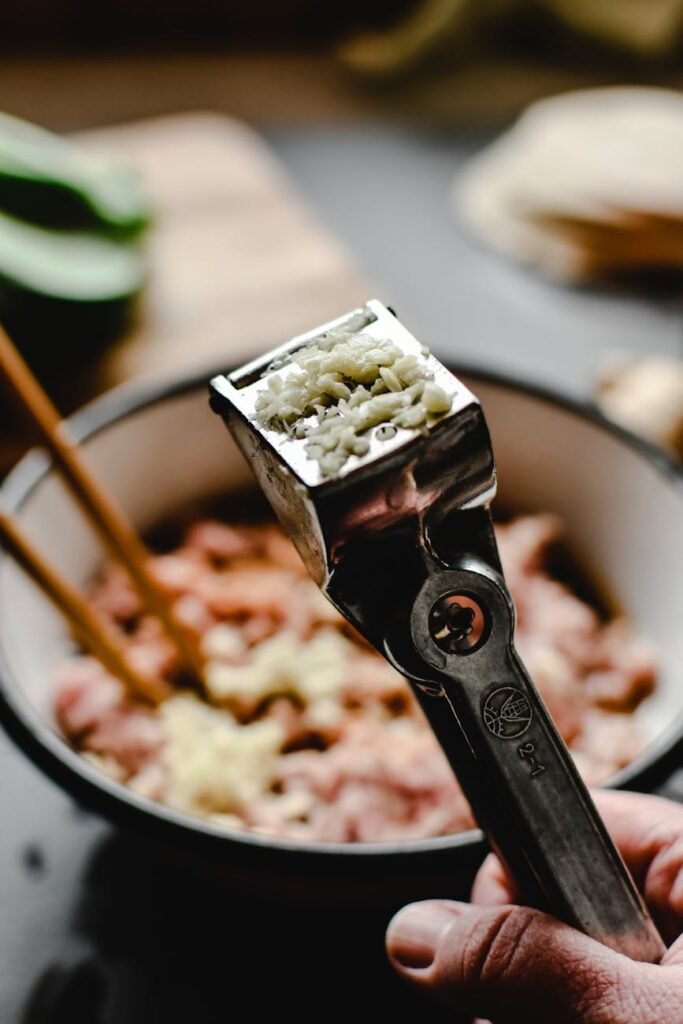
This is a practical, renter-friendly guide to small tools that make weeknight meals easier without wasting money or space.
You will get clear recommendations that usually land under $25 on Amazon US. Prices move, so I check value not just the lowest number.
Expect real-life examples, quick pros and cons, who the item suits, what to avoid in cheap listings, and simple alternatives if you want to spend less.
The goal is to save time, cut prep, reduce mess, and prevent common food mistakes. I favor tools that work, not gimmicks. Serious Eats notes the best gadgets often do one job well. That matters here.
This guide is for people in small spaces who want easy wins tonight. Safety and basic quality are baseline: trusted food-contact materials and realistic heat resistance.
Key Takeaways
- Focus on small, daily-use tools that remove friction in the kitchen.
- Most picks are practical and budget-friendly—value over lowest price.
- Each pick includes why it helps, pros/cons, and who it’s for.
- Prioritize items that ship fast on Amazon in the United States.
- Safety basics: reliable materials, heat resistance, consistent reviews.
How We Picked These Cooking Helper Finds for Fast, Affordable Wins
We tested common budget tools against simple criteria so you can buy less and use more.
Practicality was the first filter. If you won’t reach for a thing a few times a week, it fails the value test.
Price matters. Most picks target under $25. When a budget item looks overpriced, we call that out and suggest a better option.
Fast delivery in the United States is a must. We favor Prime-ready listings with many recent reviews and clear specs so you can reorder easily.

- Value check: Use it often or don’t add it to your kitchen.
- Quality baseline: food-safe labels, sturdy hinges, and honest heat ratings.
- Safety as a feature: cut protection, accurate thermometers, and steam-safe materials.
- Avoid feature-bloat: extra blades and multi-function gimmicks that break or slow you down.
Serious Eats notes that a good unitasker is worth it when it works reliably. That view guided our picks.
How to use this roundup: pick 2–3 tools that solve your most annoying prep problems, order from a Prime listing, and stop spending. For more starter essentials, see this kitchen essentials mix.
Small Prep Tools That Save the Most Time for the Least Money
A few smart gadgets make weekday prep faster without taking precious counter space. Pick two or three that fix your biggest annoyances and order from a Prime listing for fast delivery.
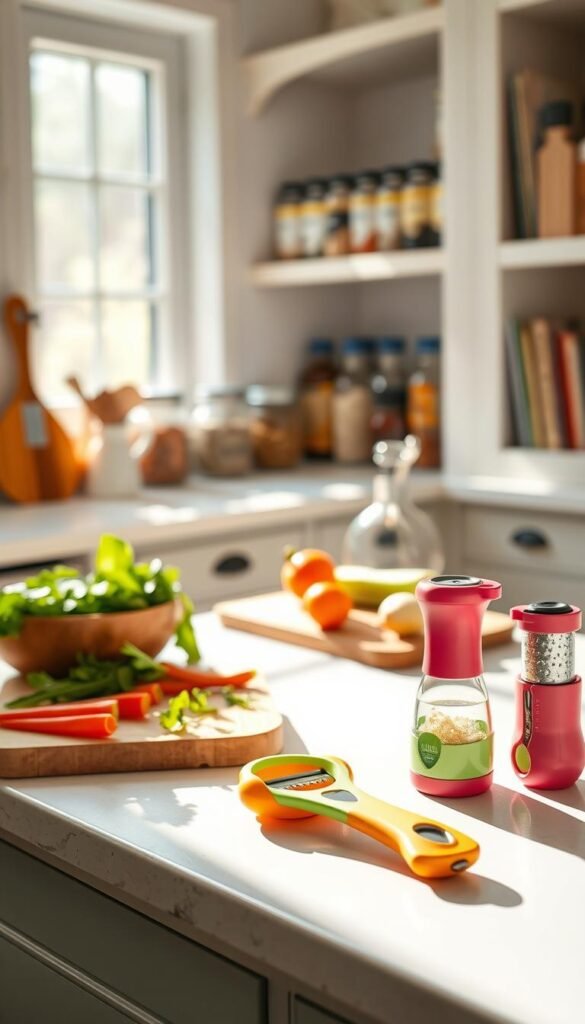
Easy-to-clean garlic press (OXO-style)
Why it helps: Garlic shows up in most weeknight meals. Pressing 2–3 cloves straight into a skillet beats mincing when you’re tired.
Real life: Press unpeeled cloves for pasta or stir-fry and skip the sticky fingers.
- Pros: fast, consistent paste, easier cleanup on „easy-clean“ models.
- Cons: needs hand strength; tiny holes can clog.
- Buy notes: choose sturdy metal, a cleaning lever or grid, and known brands like OXO. Avoid thin metal or vague “premium stainless.”
Mini food chopper
Why it helps: Quick onion, herb, and salsa prep without hauling a full processor.
Real life: Pulse onion + cilantro + jalapeño for salsa in under a minute, then rinse the small bowl.
- Pros: fast, fewer knife cuts, compact storage.
- Cons: limited capacity and extra parts to wash.
- Buy notes: most people prefer one-button operation over multi-attachment kits. Serious Eats recommends a mini chopper if you don’t want a full-size appliance.
Cut-resistant glove
Why it helps: Low-cost safety insurance when you slice quickly or use a mandoline.
Real life: Shave cucumbers for a salad without white-knuckling the knife.
- Pros: confidence, fewer accidents.
- Cons: not cut-proof in every direction; needs regular washing.
- Avoid: listings with no cut-rating and „one size“ gloves that bunch up.
Silicone jar spatula
Why it helps: Gets every last bit of peanut butter, sauce, or mayo so you waste less food and money.
Real life: Scrape two tablespoons into oatmeal or finish a tuna salad without fuss.
- Buy notes: prefer one-piece silicone, heat-safe and dishwasher-safe. Avoid weak seams where the head pops off.
- Cheaper alternative: a small silicone spoonula works if you already own one.
„Good tools do one thing well and save you time across many meals.“
Measuring and “No-Guess” Cooking Helpers for Better Results
Small, accurate tools stop dinner from being a roll of the dice and save you time. They make results repeatable when you tweak portions, change ingredients, or run multiple recipes at once. That matters for food safety and for meals you actually enjoy.
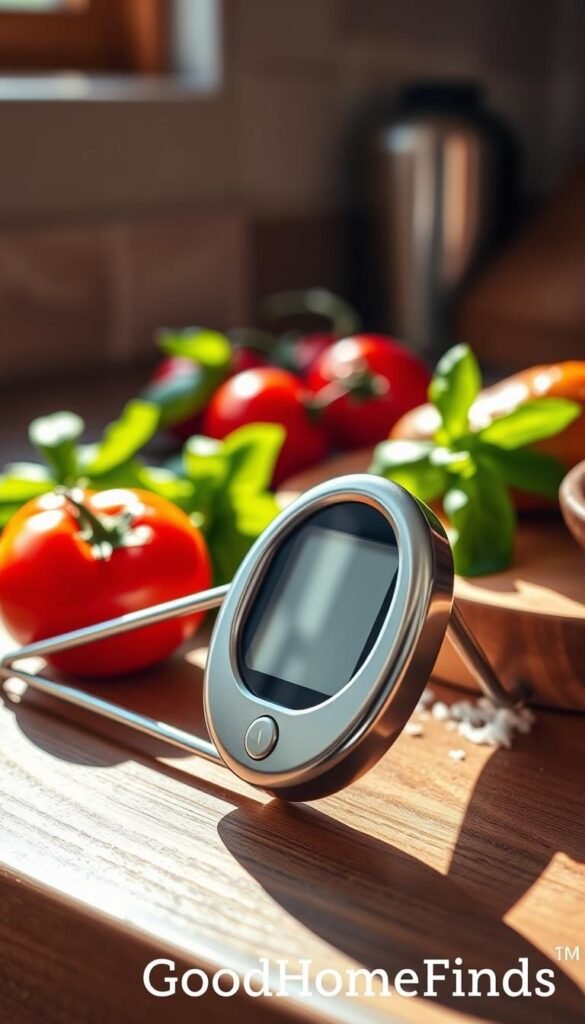
Budget instant-read thermometer alternatives
Why they matter: An instant-read removes guessing for meat, bread, and frying oil. Serious Eats uses Thermapen as the premium benchmark, but you can get reliable picks under $25 that work for home use.
Real life: You check a chicken breast and stop overcooking it “just to be safe.”
- Pros: fewer ruined dinners, better food safety, quick confidence while you cook.
- Cons: replace batteries, and very cheap models can be slow or inconsistent.
- Avoid: listings without an accuracy range, no response time, or reviews that report wildly different readings.
- Alternatives: an oven-safe probe for slow roasts, or timing + visual cues—cheaper but less reliable.
- Buy tip: pick a model with many recent Amazon US reviews and a clear return policy.
Oven mitts with real heat resistance
Why they matter: Real heat-resistant mitts let you handle 425°F sheet pans and Dutch ovens without fear. That confidence makes you faster and reduces burn risk.
Pros: insulated protection, better grip, and safer transfers. Cons: bulky mitts reduce dexterity.
Avoid: thin quilted or decorative gloves with no heat rating and slick exteriors that make pans slip.
„A reliable thermometer and good mitts are small investments that prevent big mistakes.“
Budget-Friendly Cooking Helpers That Replace Restaurant Shortcuts at Home
Bring restaurant-style results home with a few low-cost tools that cut mess and speed your prep.
Splatter screen to reduce mess when pan-searing
Why: It stops grease from spraying while you sear burgers or pork chops. Your stove and backsplash stay cleaner.
Pros: less wiping, fewer burns. Cons: must match pan size and the mesh needs scrubbing.
Avoid: flimsy mesh that warps or rusts and handles that get hot. Alternative: a lid slightly ajar for steam control.
Microwave steamer for vegetables when time is tight
Why: Vegetables go from fridge to plate fast, so you eat more greens.
Pros: fast, one-dish clean up. Cons: uneven steam if you overload it.
Avoid: low-quality plastic with odors or unclear food-safe labels. Cheaper option: a vented bowl with a splash of water and a microwave-safe plate as a lid.
Sheet pan accessories that make cleanup faster
Why: Parchment or silicone mats prevent sticking and cut scrub time after roasting.
Tradeoff: parchment is cheap and disposable; silicone mats are reusable but need washing and can hold odors.
Avoid: non-heat-rated mats or very thin parchment that scorches.
| Tool | Typical Price | Main Benefit | Who it’s for |
|---|---|---|---|
| Splatter screen | Under $20 | Less grease mess while searing | People who pan-sear proteins weekly |
| Microwave steamer | Under $15 | Fast steamed vegetables, fewer pots | Busy cooks who want a quick veg side |
| Parchment / Silicone mat | $5–$25 | Easier cleanup, nonstick roasting | Roasters and sheet-pan meal makers |
„Well-designed single-purpose tools can be worth it when they solve a real kitchen problem.“
Food Storage Finds That Help Reduce Food Waste (Without Buying Fancy Systems)
The cheapest dinner is the one built from ingredients you already own—storage makes that possible. Small, low-cost habits keep meals edible longer and help you reduce food waste without a big container collection.
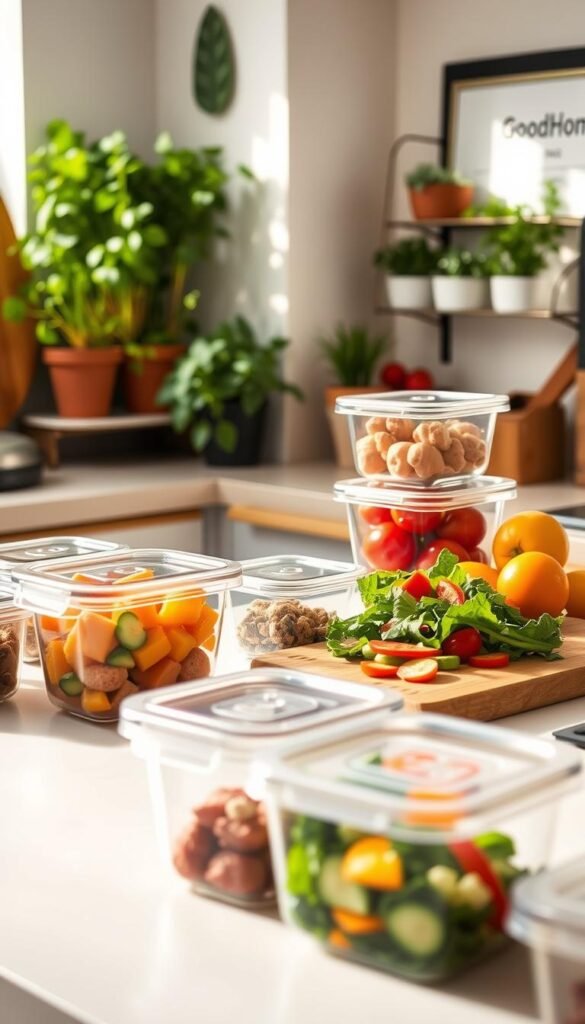
Reusable silicone bags vs. zipper bags
Why switch: Silicone bags give a tighter seal, cut leaks, and replace many disposables. In real life you can marinate chicken or store chopped peppers without fridge spills.
- Pros: reusable, durable, heat- and freezer-safe when labeled.
- Cons: higher upfront cost and they take time to dry inside.
- Avoid: unknown silicone with strong odor or unclear temperature limits and weak seals.
- Cheaper alternative: freezer-grade zipper bags—press out air and label dates so nothing gets forgotten.
Produce-saving basics
Breathable produce bags and the paper-towel method are simple and effective. Wrap greens in a dry paper towel and they stay crisp instead of slimy in two days.
- Pros: longer shelf life, fewer mystery bags in the crisper.
- Cons: takes 20–30 seconds to prep each bag.
- Avoid: fully sealed bags for lettuce or berries unless you swap towels regularly.
Freezer labels + a “use first” bin
Label items with date and portion size, and keep a front bin for soon-to-eat meals. You’ll grab the labeled soup for lunch instead of rediscovering it months later.
Small system, big effect: these habits make sure nothing goes waste and help you reduce food waste by turning leftovers into planned meals.
Want more practical, budget tips for daily life? See this daily life mix for related small-space solutions.
„The cheapest meal is the one made from what you already have.“
SuperCook App: An Easy Way to Find Recipes With Ingredients You Already Have
Start with what you already own and let the SuperCook app suggest recipes that match.
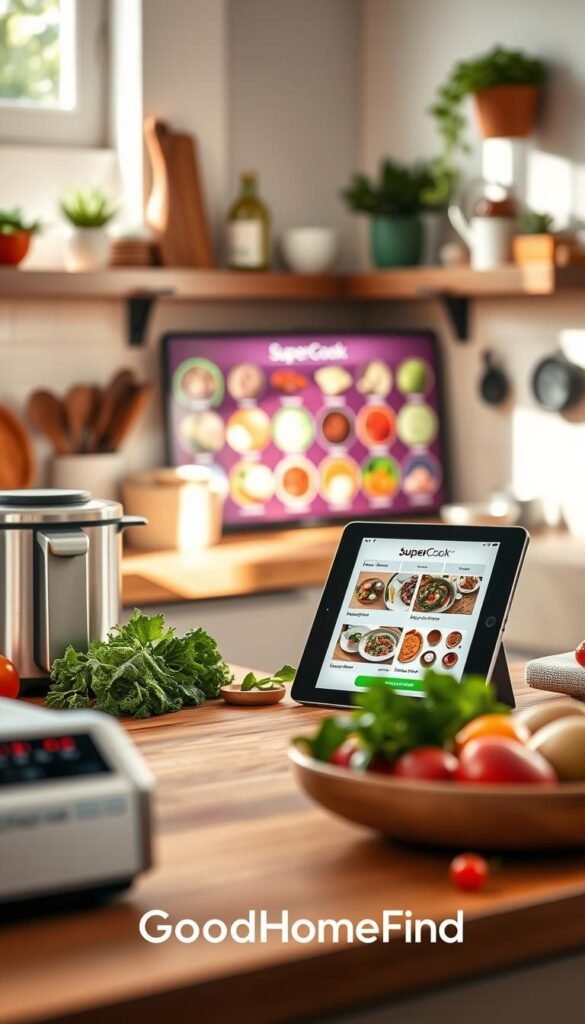
The pantry page lists 2,000+ items in categories like fruits, vegetables, meats, and spices. You tap categories and add ingredients you have at home. Voice dictation speeds this up so you can build an ingredients pantry in minutes.
Real-life missing-one fix
When you’re missing one ingredient, use the „missing one“ filter. It shows recipes that work with a quick swap or a small shopping trip. That prevents unnecessary runs for a single item.
The called menu page
The menu page shows recipe ideas based on what’s available now. It organizes options by meal type so you pick fast. The app automatically updates when you remove items.
- Pros: access to ~11 million recipes, fast idea generation, useful filters like exclude and instant pot.
- Cons: results depend on accurate pantry entries; recipe quality varies across sources.
„Use the pantry scan once a week and you’ll stop buying duplicates and reduce food waste.“
Try the SuperCook app as a free, low-cost way to find recipes and make sure nothing goes to waste.
Best Under-$25 “Upgrade” Finds for Convenience (That Aren’t Gimmicks)
Spend under $25 on a few quality items and you’ll save time every week. These are small, practical upgrades that earn a spot in a tight kitchen and get used often.
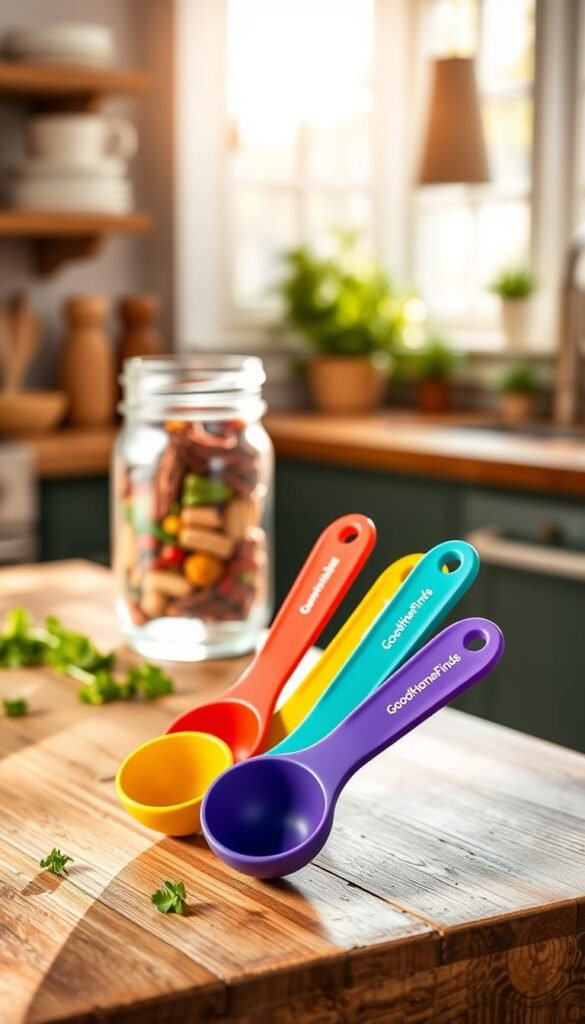
Magnetic measuring spoons
Why it helps: a magnetic set stacks and slips into tight spice jars so you measure spices cleanly without spilling.
Real life: measure chili powder into a bowl without dumping half the jar.
- Pros: organized, compact, quick to grab.
- Cons: cheap magnets can fail; markings may wear.
- Avoid: thin metal edges and unmarked sets. Alternative: nested plastic spoons, but they don’t fit narrow jars as well.
Deli containers for meal prep
Why it helps: cheap, stackable containers that replace mismatched lids and save money by keeping food usable longer.
Real life: portion soup and stack lunches for the week without hunting lids.
Buy tip: choose food-safe, dishwasher-safe sets and avoid ultra-thin plastic that warps with heat.
Bench scraper
Why it helps: it clears counters fast and moves chopped ingredients in one motion.
Real life: scrape chopped onions into a pan and wipe the board with one tool.
- Pros: speed, fewer paper towels.
- Cons: extra item to store; watch for unfinished metal edges that can nick surfaces.
- Alternative: a wide spatula works but is slower and messier.
| Item | Typical Price | Main Benefit | Who it’s for |
|---|---|---|---|
| Magnetic measuring spoons | Under $12 | Fits narrow spice jars, stays organized | People who use spices often |
| Deli containers (set) | $10–$20 | Stackable storage, matched lids | Meal preppers and small households |
| Bench scraper | $6–$15 | Fast cleanup and dough handling | Home bakers and multitaskers |
„Buy one good, simple thing that you will use weekly and it will pay off.“
For more practical, renter-friendly recommendations and the best kitchen picks under $25, see this best kitchen picks under $25.
Quick Price-to-Value Scorecard: What’s Actually Worth Your Money
A quick scorecard helps you decide which small buys actually save time and money.
How the score works: rate items by frequency of use, minutes saved per use, cleanup burden, and storage footprint. Add scores to see what gives the best return on a budget purchase.
Best value for busy people who cook a few times a week
Top picks: instant-read thermometer, garlic press, splatter screen, and deli containers. These remove steps and cut active prep time.
Pros: real minutes saved, fewer grocery runs, less wasted food. Cons: some items add one more thing to store.
Best value for new cooks building a starter kitchen
Top picks: reliable thermometer, heat-safe oven mitts, jar spatula. They build confidence and stop early mistakes.
Skip if you rarely cook; these are worth it when you use them several times a week.
Best value for small kitchens with limited storage
Top picks: stackable deli containers, magnetic spoons, bench scraper, labeled use-first bin. Compact, multi-day useful, renter-friendly.
Alternatives: parchment instead of silicone mats, freezer bags instead of reusable silicone, and a bowl-plus-plate steamer trick to save money.
„Buy one practical thing you’ll use often and it will pay off in saved time and less food waste.“
For a quick reference you can share, see the price-to-value scorecard that guided these recommendations.
What to Avoid When Shopping for Cheap Kitchen Gadgets on Amazon
A fast listing scan can stop a bad purchase before it costs you twice.
Start by checking the basics. If a listing has no clear brand, vague material info, or only stock photos, treat it as higher risk. Real photos from buyers and a detailed spec sheet are signs the seller is transparent.
Red flags in reviews and listings
Watch for repeated complaints about warping, rust, melting smells, or parts breaking within weeks.
Also flag patterns of short, identical five-star reviews. Those often indicate incentivized feedback rather than real use.
Materials to be cautious with for food safety
Avoid unknown silicone or plastics with no food-safe label. Mystery nonstick coatings and vague “BPA-free” claims without standards are risky when heat is involved.
Oven mitts and mats should list a temperature rating. The words heat resistant without numbers are meaningless for safety.
Overpriced “as seen on social” single-purpose tools
Viral gadgets can be tempting. But if the tool creates more cleanup than the task it replaces, skip it. Single-purpose items must do one thing very well to be worth the money.
„Buy tools that cut real time, not tools that add more work.“
Prioritize listings with easy returns and an established seller history. Cheap items that you replace twice are not a bargain.
| Red flag | Risk | Quick check |
|---|---|---|
| No brand or vague materials | Unknown durability, safety | Look for full specs and a brand page |
| Stock photos only; no real reviews | Product may differ from images | Scroll for verified-buyer photos |
| Heat claims without numbers | Burns, melting, toxic breakdown | Require a temperature rating |
| Many short, identical five-star reviews | Misleading praise, hidden flaws | Read detailed middling reviews |
For a deeper look at single-use tools and when they’re worth it, see this guide to single-use kitchen tools.
Simple rule: if a product creates more cleanup than it saves in time, skip it.
Conclusion
A small kit of reliable tools saves you time, space, and money every week.
Pick one prep tool, one no-guess item (like an instant-read thermometer), and one storage helper. These practical recommendations earn their spot in a tight kitchen.
They help busy home cooks, new cooks who want fewer mistakes, and anyone in a small space. Buy Prime-ready listings in the US when possible and check clear specs and heat ratings for safety.
Avoid vague materials, unrealistic claims, and items that add more cleanup than benefit.
Use SuperCook to turn pantry ingredients into workable recipes and waste less food. Tonight, do a quick fridge check, mark a “use first” bin, and choose one tool that removes your biggest bottleneck.
For an extra reference on role basics and workstation setup, see this cook job description.