
Practical, renter-friendly picks that solve small household problems without fuss. This roundup is a focused daily life finds mix of easy tools and affordable items you can actually use every day.
Most selections are under $25 and ship fast in the United States. I picked items that are simple to install, easy to reorder, and sensible for small spaces.
Each entry shows why the product helps, a real-use example, price versus value, pros and cons, who should buy it, what to avoid, and smart alternatives. I also note basic safety checks like food-contact materials, heat limits, and simple electrical common sense.
No hype. No miracle promises. Just honest, practical tools that cut down on mess, save time, and stop small annoyances from piling up.
Key Takeaways
- Focus on affordable, renter-friendly upgrades for your home and kitchen.
- Most picks cost under $25 and are Amazon-friendly in the U.S.
- Each item includes use case, pros/cons, and alternatives.
- Safety and basic material checks are included.
- No hype—just useful, real-world solutions that save time and reduce clutter.
What this daily life finds mix is meant to do for you
Think of these items as single, practical upgrades that change one routine for the better. Each pick is chosen to save you time and to make daily life easier in a clear, measurable way.
Practical, under-$25 “one thing” upgrades that save time and reduce friction
One-thing upgrades and what counts as a win
Buy one simple item and you immediately improve an annoying task. A win is when the product saves minutes, cuts mess, prevents clogs or leaks, or makes a routine feel lighter.
How we kept this list honest: no gimmicks, no costly add-ons
Most picks are under $25. We make exceptions only when durability clearly beats the cheaper option.
- Skip flashy features. We prefer tools that do one job well.
- Watch for poor materials, cleaning hassles, and weak returns. Those are deal-breakers.
- Focus on renter-friendly, small-space solutions that are easy to reorder.
| Criterion | What it means | Why it matters |
|---|---|---|
| Price | Under $25 (typical) | Budget buys show quick value |
| Simplicity | One clear function | Less to break or maintain |
| Durability | Materials and review-backed | Lasts beyond the first few uses |
| Real-world fit | Small kitchens and busy households | Works in real life, not just ads |

How we picked these affordable products for daily life in the United States
Every pick had to show quick payoff for a real person juggling small spaces. You should feel the benefit in a morning routine or a single cleanup, not after years of use.
Price-value rules
- Most items are under $25 so the product feels worth it within days.
- Easy to replace or reorder if something breaks or you want a different color.
Amazon-first practicality
We favor availability on Amazon for U.S. shoppers. Fast delivery, clear returns, and steady stock matter for products you use every week.
Everyday usefulness tests
- Does it speed up your morning routine?
- Does it make kitchen cleanup simpler?
- Does it fit small apartment space without extra clutter?
Quality filters and brand trust signals
We look for solid materials, reviews that mention long-term use, and clear care instructions. A trustworthy brand will list specs and warranty or return policy.

| Selection Factor | What we check | Why it matters |
|---|---|---|
| Price | Under $25 typical | Low risk, fast value |
| Usefulness | Morning, kitchen, small space | Practical everyday wins |
| Quality | Materials, long-term reviews | Lasts beyond trial period |
| Availability | Amazon stock & returns | Easy reorder and replacement |
Safety and quality considerations before you hit “Buy Now”
Before you buy, check a few simple safety and quality marks that matter most in small kitchens and homes. These checks take a minute and help the product work as promised.
Food-contact materials and heat safety
Look for BPA-free silicone, food-grade stainless steel, and clear temperature limits. If the product lists max heat or oven-safe temps, that is worth trusting.
Watch for melted plastics near stoves, flimsy seals that leak oil or water, and coatings that can degrade with heat. These issues shorten the product’s usefulness and can affect the body of food you serve.

Child safety and small parts
Check for removable bits and tiny pieces. Products that snap off are choking risks for young children. Secure cords and store small parts out of reach.
Basic electrical checklist
- Prefer auto shutoff for timers and diffusers.
- Choose stable plugs and grounded adapters.
- Never use near standing water.
„Simple defaults reduce mistakes: safer fabrics, clear labels, and auto-off features.“
Remember stress and low attention affect routine function and behavior. Safer defaults cut the chance of forgetting the stove or leaving a diffuser on. Buy smarter, not scarier.
Manual pump olive oil dispenser for faster, less-mess cooking
A compact pump dispenser saves you time and keeps oil off counters when you cook on the fly. It gives even coverage with one hand, so you use less and waste less.

Why it’s useful
One press coats a pan evenly. That beats pouring and avoids greasy bottle drips. The result is cleaner counters and steady portion control.
Real-life example
You’re making eggs and quick veggies after work. One pump slicks the pan without oil running down the bottle. The pan heats faster and your meal keeps more flavor.
Price, pros/cons, who it’s for
Most solid options land under $25 and are worth the product cost over a few weeks by cutting waste.
- Pros: one-hand use, cleaner counters, better portion control.
- Cons: pumps can clog if not cleaned, some lids don’t seal well.
- Who: busy cooks, small kitchen owners, and anyone who wants full flavor without excess oil.
What to avoid and alternatives
Avoid vague “plastic” listings, non-disassemblable pumps, and leaky seams. Cheaper options include a basic glass bottle with a spout, a refillable spray bottle, or a silicone basting brush for tight control.
Silicone sink strainer that stops clogs without slowing you down
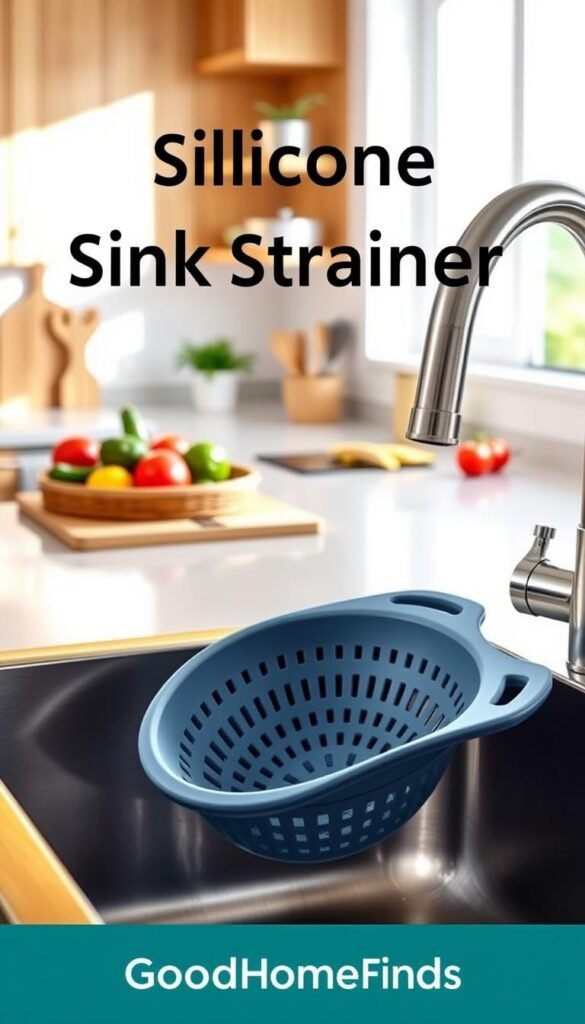
A small silicone strainer can stop food scraps from becoming a full-blown clog and keep your sink smelling fresh. It catches bits before they go down the drain so you deal with messes fast, not later.
Why it’s useful
This simple insert protects pipes from rice, grounds, and peelings. You spend less time on plungers and service calls. It also reduces standing water and bad odors in small kitchens.
Pros, cons, and how to clean it
- Pros: flexible, easy to dump, usually dishwasher-safe, and gentle on sink finishes.
- Cons: can stain from certain foods and needs a quick rinse to avoid buildup.
Cleaning is easy. Flip it inside out, rinse, scrub with dish soap, and soak weekly in hot water. For stubborn stains use a short soak in baking soda and vinegar, then rinse.
Who it’s for
This is perfect if you cook at home often, share a kitchen with roommates, or rent and want to avoid plumbing headaches. It’s a small, practical buy that pays off quickly.
What to avoid
Skip strainers that don’t match your drain size, ultra-thin silicone that warps, and designs with holes too large to catch rice or coffee grounds. Choose a model that fits snugly and is easy to remove.
„Catch the scraps now. Save the clogs for never.“
Reusable microfiber cleaning cloths that cut paper towel spending
Switching to microfiber is one of the easiest, cheapest ways to lower waste and clean faster at home.
Why it’s useful
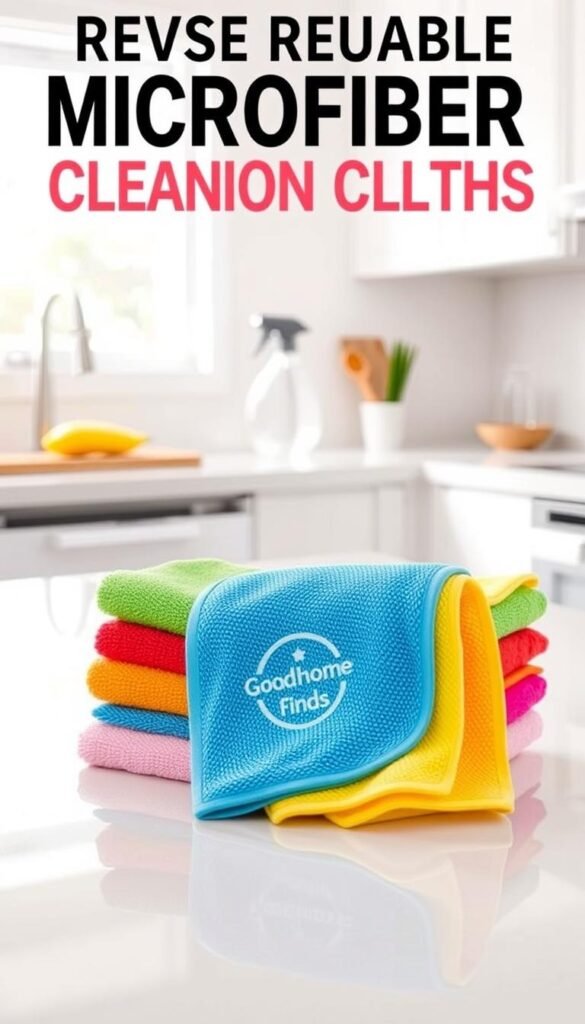
Microfiber grabs dirt and oil instead of smearing them. That means fewer passes and less elbow work. It also soaks spills more quickly, which saves you time.
Real-life example: spills, glass, and stainless
Wipe a coffee spill with a damp cloth, then polish glass or stainless with a second dry cloth for no streaks. One set handles counters, appliances, and mirrors without paper towels.
Price-value, pros and cons
Multipacks often cost under $25 and last many washes. They quickly prove worth it by cutting disposable use.
- Pros: reusable, absorbent, streak-free on glass and stainless.
- Cons: can trap odors if not washed, fabric softener ruins performance.
Who it’s for and alternatives
This is ideal if you want to make daily cleanup simpler, save money, or keep a small-space home tidy. For cheaper options, try cotton flour-sack towels, old T-shirts cut into rags, or Swedish dishcloths.
| Feature | Typical cost | Best use |
|---|---|---|
| Microfiber multipack | Under $25 | All-purpose wiping, polishing |
| Cotton flour-sack | $5–$15 | Absorbent, cheaper reuse |
| Old T-shirt rags | Free | Cheap, disposable-grade cleaning |
„A reusable cloth set pays back in fewer rolls of paper towels and less waste.“
Over-the-sink dish drying rack to reclaim counter space
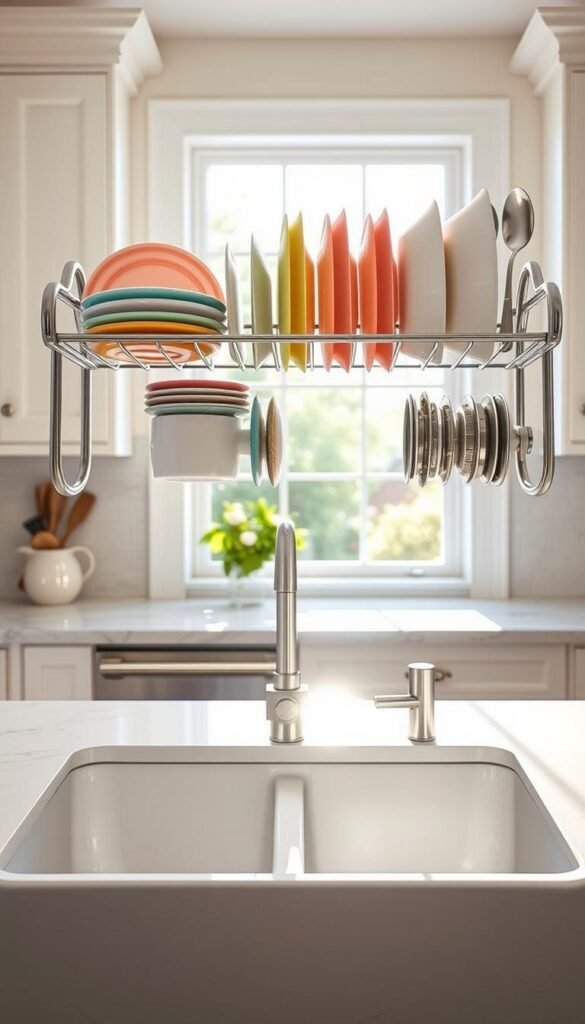
A slim drying rack that sits over the sink gives your counters back without a remodel. It moves wet things to a spot where water drains away, so countertops stay dry and usable.
Why it helps
Instant space win: dishes drip directly into the sink, which cuts puddles and keeps counters free for prep. It also speeds airflow so plates dry faster.
Space-fit check for small apartments
Measure your sink width and faucet height before buying. Check if the rack will block soap dispensers, handles, or the faucet swing.
If the rack sits on tension feet, ensure the feet clear the sink lip and don’t slip when loaded.
Pros and cons
- Pros: big space gain, better airflow, less counter puddling.
- Cons: can look bulky, may wobble if mismeasured, and needs regular cleaning.
What to avoid
Avoid racks with weak coatings that rust, cheap feet that slip, or designs that block faucet movement. Pick models labeled rust-resistant and renter-friendly.
Alternatives and cheaper options
If you want a lower-cost option try an in-sink rack, a roll-up silicone drying mat, or a microfiber drying mat. Those are budget-friendly and take less storage space.
This is best if you wash often. If dishes pile up, the rack can become visual clutter fast.
Magnetic fridge notepad for grocery lists and daily tasks
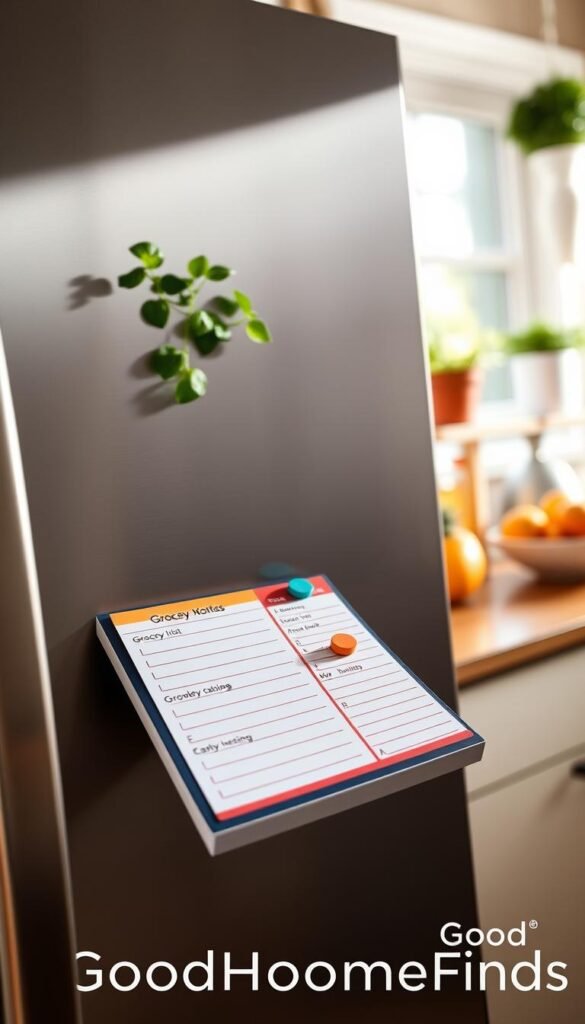
A magnetized notepad on your fridge turns random thoughts into actionable items you actually see. It keeps a running list of groceries and small chores in plain view so notes don’t hide inside your phone where you forget to check them.
Why it helps
It’s visible at eye level during kitchen routines. You notice a missing ingredient while cooking and add it immediately. That simple step prevents extra store trips and saves time later.
Real-life example
You run out of eggs and dish soap mid-recipe. You write both on the pad, clip it to the fridge, and pick them up on your next errand instead of making a second stop that same day.
Who it’s for
This is ideal for busy households, roommates coordinating groceries, and any person who wants a quick morning reset to plan the day.
What to avoid
- A weak magnet that slides and loses notes.
- Thin paper that bleeds through when you use a marker.
- Tiny pads that force multiple sticky notes instead of one useful list.
Cheaper options
Try a magnetic whiteboard, dollar-store notepads with magnet strips, or a clipboard by the door. All keep a visible list without a big spend.
„Reminder notes help, but changes in memory that disrupt daily routines are worth a doctor visit.“
Practical note: Reminder tools are helpful. If memory lapses begin to affect tasks you once handled easily—like repeating questions or trouble finishing familiar chores—don’t ignore it. Schedule an appointment with a doctor to rule out conditions like Alzheimer’s or other dementia.
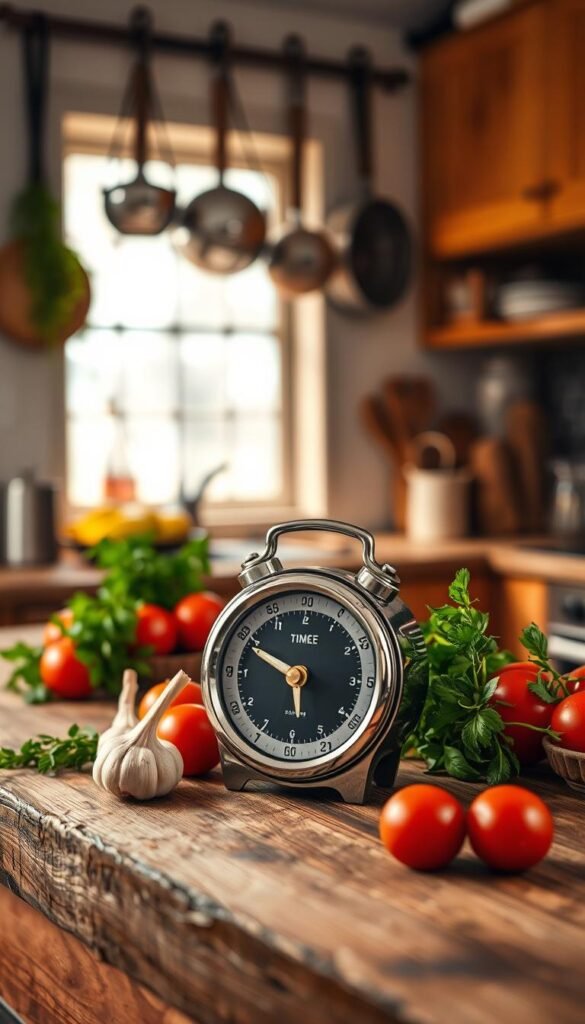
Kitchen timer with loud alarm for cooking, routines, and focus
A dedicated alarmed timer lets you step away and trust that the next task will start on cue.
Why it’s useful
A separate timer is distraction-free. Your phone can ring, buzz, or pull you into apps. A loud kitchen unit stays focused on one function and rings across the room.
Real-life example: staying on track with a familiar recipe
You set the timer for 8 minutes for pasta and 10 for garlic bread. While sauce simmers you prep a salad. The alarm brings you back at the exact second the oven needs checking. No overcooked pasta. No burnt bread.
Routine uses
Use it for short morning focus blocks, laundry reminders, quick cleaning sprints, or break timers to protect your attention. It works for cooking and for simple household rhythms.
Pros and cons
- Pros: loud alarm, simple controls, budget-friendly (often under $25).
- Cons: cheap buttons can fail, some models aren’t loud enough, and magnets or stands vary in strength.
„A single-purpose timer reduces multitask errors and keeps small routines on track.“
What to look for
Pick a model with a big display, clear buttons or an easy-turn dial, and a stable stand or strong magnet. Prioritize audible volume and battery access for long-term use.
| Feature | Why it matters | Good spec |
|---|---|---|
| Display | Quick read from across the room | Large digits, contrast face |
| Alarm volume | Hear it in another room | 75 dB or higher (loud) |
| Mounting | Keeps timer visible and secure | Strong magnet + fold-out stand |
| Controls | Easy to set under pressure | Dial or big tactile buttons |
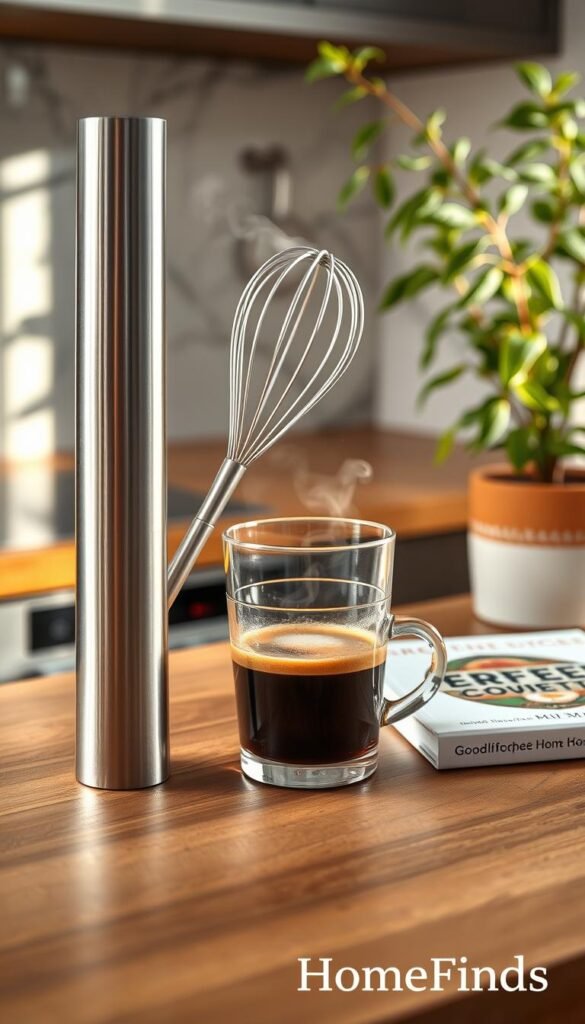
Handheld milk frother for faster coffee and better mood mornings
A simple handheld frother turns a rushed cup into a small, satisfying ritual in under 30 seconds. It makes lattes, matcha, and protein shakes foamy without an espresso machine. You get a café feel with almost no setup or sink clutter.
Why it’s useful
This tool whips milk fast. A 15–30 second spin gives you creamy foam that improves texture and taste. That tiny upgrade can lift your mood during a hectic morning.
Price-value evaluation, pros/cons
Many models cost under $25. Battery-powered units are common and work well if the whisk and motor feel sturdy.
- Pros: quick foam, small storage footprint, easy cleanup.
- Cons: batteries use up over time, cheap motors can burn out, and splatter happens if you start too high.
Who it’s for
This is ideal for coffee-at-home people, students, or anyone who wants a little daily treat without extra effort. It’s an easy way to improve beverages without changing your routine.
What to avoid
Skip listings with flimsy whisk attachments, awkward battery compartments, or no material specs. Avoid products that lack replacement parts or clear warranty info from the brand.
Alternatives and cheaper options
Consider a manual hand whisk (cheapest), a French press used as a frother (multi-use), or shaking warmed milk in a sealed jar then microwaving it (low cost, low tech).
| Option | Typical cost | Best for |
|---|---|---|
| Battery handheld frother | Under $25 | Quick foam, small kitchens |
| Manual whisk | $5–$15 | Cheap, no batteries |
| French press frothing | $20–$40 (multi-use) | Durable, multi-function |
„A 20-second froth can turn ordinary coffee into a brief, pleasant pause you actually notice.“
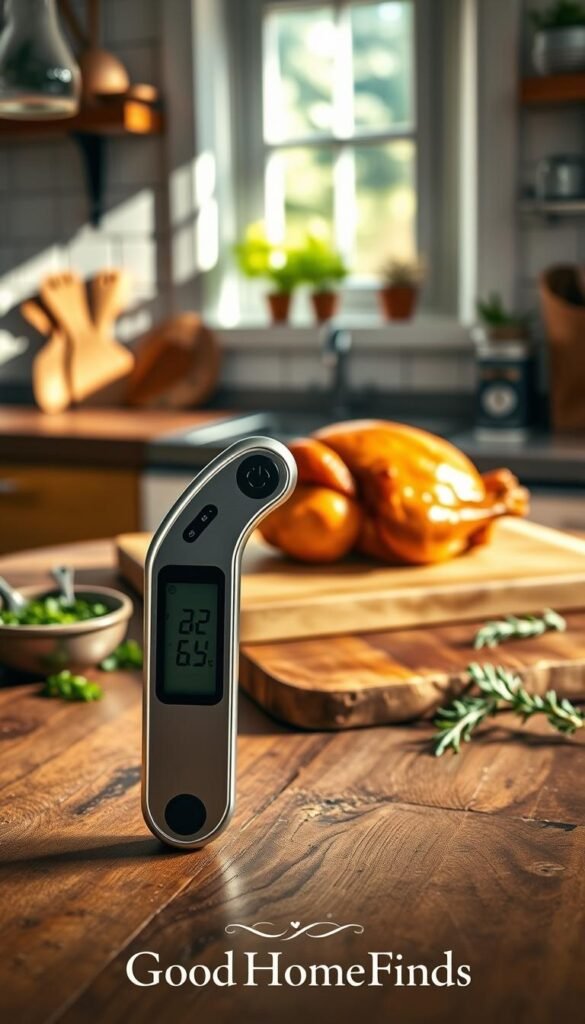
Digital meat thermometer to avoid dry chicken and food safety mistakes
One simple tool prevents dry meat and saves you the stress of second-guessing doneness. A digital meat thermometer gives a clear internal reading so you stop cutting into chicken or guessing by touch.
Why it’s useful
This is a top no-regrets kitchen tool. It prevents overcooking and reduces food-safety guesswork. A quick probe tells you when meat reaches a safe temperature without destroying presentation.
Real-life example: weeknight dinners without guesswork
You roast chicken thighs after work. Instead of slicing to check, you insert the probe into the thickest part once. When the display hits the target, you pull the pan and rest the meat for juicier results.
Price-value evaluation, pros/cons
Plenty of accurate models are under $25. The payoff is fewer ruined dinners and less worry when feeding others.
- Pros: fast readings, consistent results, and confidence for meal prep.
- Cons: cheap probes can be inaccurate, battery doors break, and some units aren’t water-resistant.
Who it’s for
This is ideal for new cooks, meal-preppers, and anyone cooking for a household. It’s practical for weekends and quick weeknight meals alike.
What to avoid
Avoid slow-read thermometers, models with vague calibration info, and probes that feel loose or flimsy. Skip units that lack clear temp targets for poultry and ground meat.
„Measure once, serve confidently.“
| Feature | Good sign | Why it matters |
|---|---|---|
| Response time | Under 5 seconds | Less heat loss and faster checks |
| Probe quality | Stainless steel, solid fit | Accurate readings and longer life |
| Water resistance | IPX4 or labeled splash-proof | Easier cleaning and more durable |
| Temperature range | Wide range with poultry presets | Clear safety targets for correct doneness |
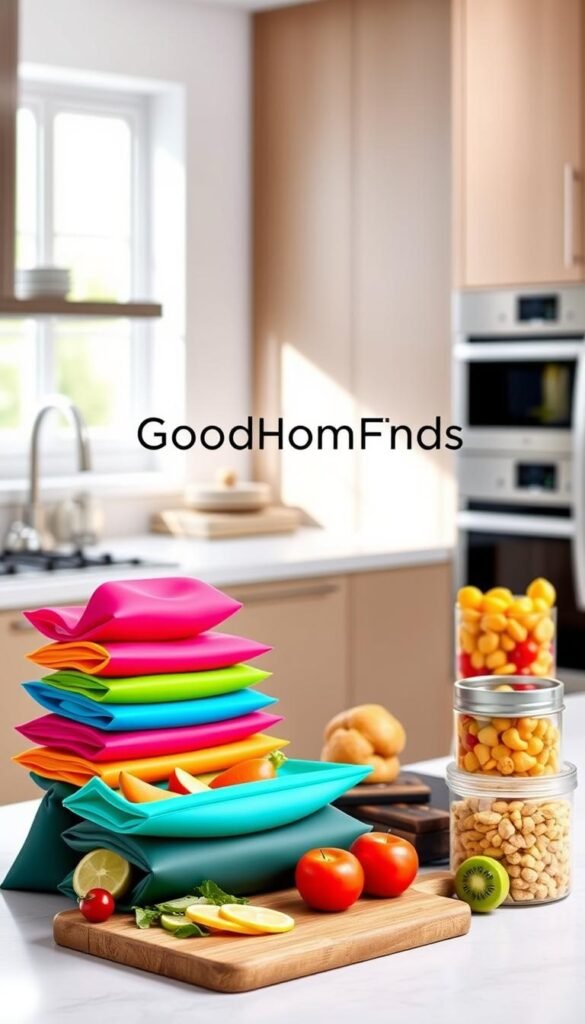
Silicone food storage bags to reduce clutter and leaks
Silicone storage bags shrink clutter in cabinets and stop leaky lunches from ruining backpacks. They fold flat when empty and stack neatly, so you reclaim shelf space without heavy boxes.
Why it’s useful
Use them for chopped vegetables, leftovers, freezer fruit, and quick marinades. They seal better than many disposables and keep sauces and water contained during transport.
Pros, cons, and what lasts longer
- Pros: reusable, often dishwasher-safe, and less flimsy than single-use bags.
- Cons: drying can take time, some seals vary, and strong odors may cling.
- Durability tips: thicker silicone, reinforced seams, and slider-free designs last longer. Avoid tiny plastic parts that fail.
Who it’s for
These are practical for meal-preppers, small home kitchens that need better organization, and anyone trying to cut disposable waste.
Alternatives and cheaper options
Cheaper choices include reusable zipper bags or stackable deli containers. Glass sets cost more but are heavier and very durable. For budget picks, a small set of plastic zipper bags still can be worth it for occasional use.
Microfiber hair towel wrap to save time and reduce heat styling
A microfiber hair towel wrap cuts drying time and keeps your shower routine tidy. It soaks up water faster than a standard bath towel and reduces dripping so you waste less time getting ready.

Why it’s useful
Fast absorption: microfiber pulls moisture from hair quickly so strands are damp, not dripping. That means less blow-drying and fewer heated styling sessions.
Morning example: wrap your hair, get dressed, and by the time you’re ready your hair is already partway dry. You save minutes and avoid overusing hot tools.
Who it’s for
- Long or thick hair that takes ages to dry.
- Swimmers or gym-goers who need a quick wrap after a shower.
- Anyone aiming for a practical way to cut blow-dry time and heat exposure.
What to avoid
- Scratchy or cheap microfiber that irritates the scalp or tangles hair.
- Weak button or loop closures that don’t hold the wrap in place.
- Too-small wraps that slip off during use.
Care note: avoid fabric softener and high-heat drying. Those reduce absorbency over time. Wash on gentle cycles and tumble low or air dry to keep the wrap working well for months.
„A simple wrap can shave minutes off your routine and protect hair from excess heat.“
Mini essential oil diffuser for relaxation without overcomplicating your space
A compact diffuser gives you gentle scent cues that support unwinding without cluttering small spaces.

Why it’s useful
Use a unit to add low-effort aroma while you tidy, read, or prep for bed. A short scent session can mark transition from busy to calm.
Real-life routine
After a stressful evening, run the diffuser for 30 minutes while you clear surfaces and lay out clothes. That consistent cue signals your brain to slow down.
Price-value, pros/cons
Many compact models are under $25. Look for simple controls, easy cleaning, and auto shutoff.
- Pros: quick scent payoff, small footprint, supports bedtime routines.
- Cons: needs cleaning, oils may irritate sensitive people, some cheap units fail early.
Who it’s for and what to avoid
This fits renters, small-apartment owners, and anyone who likes scent-based routines without fuss. Avoid units with loud claims, strong continuous output, no auto-shutoff, or hard-to-clean tanks.
Alternatives and safety notes
Try a reed diffuser, an oil on a cotton ball, or an unscented ritual of dim lighting and a timer. Keep diffusers away from children and use good ventilation. Be cautious with pets and stop use if you get headaches or irritation.
„Relaxation practices can ease stress and help attention; they are supportive, not medical treatment.“
| Feature | Good sign | Why it matters |
|---|---|---|
| Auto shutoff | Yes | Prevents overheating and saves oil |
| Tank access | Removable or wide opening | Easier cleaning and less mold risk |
| Output control | Low/medium settings | Prevents overpowering scent for sensitive people |
| Power | USB or plug | Portable and renter-friendly |
Practical kitchen inspiration on a budget: using a “real life” cookbook approach
Treat a cookbook like a playlist: pick a few reliable recipes you repeat, not a dozen complicated one-offs. This makes meal planning realistic and cuts decision time.

Why it’s useful for planning meals you’ll actually cook
Repeatable recipes reduce waste and save time. You learn which steps are worth the effort and which are not. Over the years this approach builds confidence and fewer ruined dinners.
Real-life example: a simple weekly “playlist”
Try a weekly set you can reuse: 2 breakfasts, 2 lunches, 3 dinners, and 2 flexible sides. Keep breakfasts fast and portable. Make lunches from dinner leftovers when possible.
Example playlist inspired by Martina’s Kitchen Mix: oatmeal with fruit, scrambled eggs; grain bowl, sandwich; roasted chicken, pasta with veggies, a hearty soup; roasted veggies and a simple salad as sides. That mix of comfort and lighter options keeps you consistent.
What to avoid
Avoid recipes with one-use ingredients, long prep that needs special tools, or steps that require multiple spoons and pans. These drain your budget and patience.
- Budget tip: Plan repeats so you buy in sensible quantities and waste less food.
- Practical tip: Choose recipes that work with the small, renter-friendly tools from this roundup.
„A playlist approach helps you cook more often and stress less when the week gets busy.“
What to avoid when shopping daily life finds on Amazon
Not every useful gadget is worth buying; spotting vague listings saves time and returns.

Red flags in listings
Watch for missing material specs, no warranty, or unclear return rules. These are common signs the seller cut corners.
Also scan reviews. If many read the same or lack real details, they may be copied or fake.
The “too many features” trap
Extra modes, multiple attachments, or flashy claims sound useful. In practice they add failure points and clutter.
Pick the simple version that does one job well. That is the easiest way to avoid drawer-dweller gadgets.
Fast delivery vs. smart buying
Fast shipping can be worth a bit more for a reliable brand or replacement speed. But don’t rush a bad spec sheet to save a few dollars.
Quick checklist before checkout:
- Confirm measurements and power needs.
- Check cleaning instructions and materials.
- Scan long-term reviews for durability notes.
„Buy fewer, buy smarter—fewer returns and fewer things you never use.“
Small, useful gift ideas that won’t become clutter
Give a present that earns counter time, not a corner in a closet. Pick simple, practical items that replace a disposable habit or solve a repeating problem. Gifts like these feel thoughtful and get used right away.

Who these make good gifts for
New apartment renters: compact tools that save space and don’t need installation.
New parents: quick-clean, low-fuss items that cut mess and speed routines.
Busy cooks: single-function helpers that stop small mistakes and save time.
Stressed friends: items that encourage calm rituals, like a timer or a frother.
How to choose a gift version
Focus on neutral colors and minimal branding. Pick a model with clear specs and easy returns so the recipient can swap it if needed.
Buy units with universal fit and common power needs. Examples: standard sink-friendly strainers, battery-powered frothers that use AA/AAA, and timers with common magnets or stands.
No-clutter rule: choose gifts that replace disposables or solve a repeating annoyance. A microfiber cloth set replaces paper towels. A magnetic notepad stops forgotten grocery runs. A compact frother upgrades coffee without extra machines.
| Gift | Why it works | Budget |
|---|---|---|
| Microfiber cloth set | Replaces paper towels; easy care; renter-friendly | Under $25 |
| Magnetic notepad | Visible list tool; simple and useful for any home | $5–$15 |
| Kitchen timer | Supports focus and cooking; loud alarm and magnet | Under $20 |
| Silicone sink strainer | Prevents clogs; fits standard drains; low maintenance | $5–$15 |
| Compact handheld frother | Small ritual upgrade; quick coffee boost; easy storage | Under $25 |
„A practical gift under $25 can feel more thoughtful than an expensive gadget that sits unused.“
Conclusion
Small, well-chosen tools can shave minutes off your routine and stop tiny annoyances from growing. This daily life finds mix focuses on renter-friendly, budget options that work in real homes.
Pick one or two items that match your biggest friction point. Test them for a week. Notice whether they save time, reduce mess, or just make a task easier to finish.
Avoid vague specs, feature overload, and models that are hard to clean or return. Choose safer materials, read long-term reviews, and keep your setup simple so it stays useful.
Practical tip: small upgrades beat a full overhaul. Spend on basics that actually solve a repeating problem and you’ll make daily life better, one useful thing at a time.

4 Comments