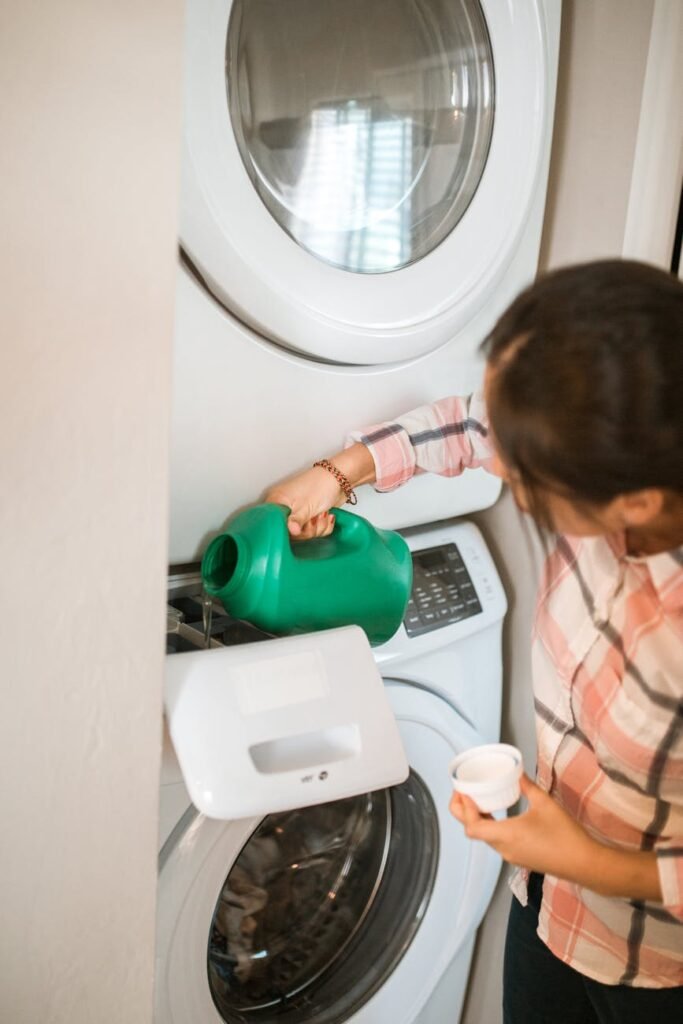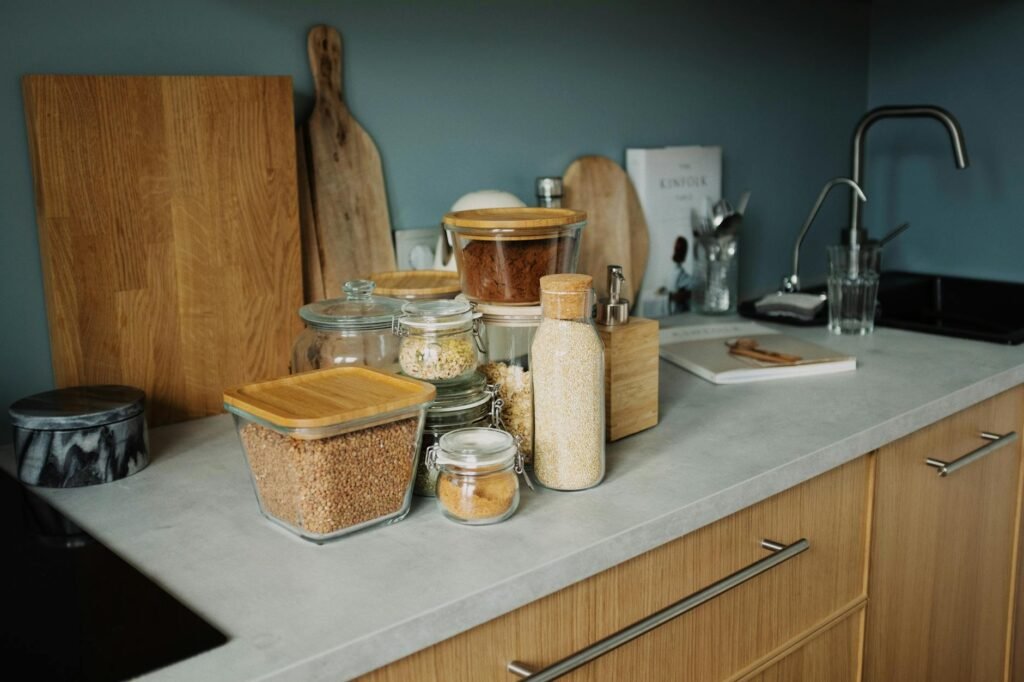
Practical, renter-friendly picks that cut clutter and shave minutes off morning tasks are the goal here. This list of 10 items focuses on small-space solutions that need no drilling, save time, and make common things simpler to repeat.
In an apartment context, „daily routine mix“ means a realistic blend of morning, workday, and evening habits supported by a home setup that reduces friction. The write-up uses Charles Duhigg’s habit loop (cue → routine → reward) to explain how repeated actions go on autopilot and free mental energy.
Expect clear product notes: what problem each item solves, how to set it up in rentals, key safety checks, pros/cons, and who it’s best for. Price guidance favors under-$25 and under-$50 options, with a few „spend more when it matters“ picks for durability and safety.
Sections cover kitchen, bathroom, closet/bedroom, and entryway. Comparison tables for kitchen and closet picks will help match products to apartment size and household type. The tone stays useful and maintenance-focused to keep things mold-free and working on busy mornings and tired nights.
Key Takeaways
- Ten renter-friendly products chosen to cut wasted minutes and reduce clutter.
- Recommendations show setup in rentals, safety tips, pros/cons, and best-for notes.
- Focus areas: kitchen, bathroom, closet/bedroom, and entryway for targeted fixes.
- Price lens: many under $25 or $50, plus a few durable splurges when needed.
- Advice aims to make mornings and nights easier even after a rough day.
Why a better daily routine starts at home (and not with more willpower)
The space around you shapes which actions happen automatically and which demand constant effort. Small, visible changes at home reduce the choices the mind must make each morning. That saves energy and makes habits easier to keep.

Routines, habits, and “autopilot”: using the habit loop to save time and energy
A habit is an automatic response; a routine is the sequence you repeat on purpose. Duhigg’s habit loop — cue → routine → reward — shows why visible cues matter. Hooks, bins, and clear organizers act as cues that reduce thinking and boost productivity.
Mixing up the order of tasks to reduce morning stress and decision fatigue
Changing the order of small tasks can ease bottlenecks. For example, wash a few dishes before breakfast prep or lay out clothes the night before. These tweaks lower decision fatigue tied to clutter and scattered essentials.
Realistic pacing and planned breaks to prevent burnout
Perfection is unnecessary. Pick one “stuck point” — keys, shower clutter, or laundry — and change the setup around it, not the person. Allow a 24-hour break (the “Sabit”) when needed. That rest helps the brain recover so habits return more easily on low-energy days.
- Find one pain point. Fix the environment, not willpower.
- Use visible cues. Make the next right action obvious.
- Permit breaks. A planned rest day prevents burnout.
How we chose these renter-friendly products for small spaces
Small-space solutions that avoid drilling and damage help renters get more done with less effort. The selection favors items that install without tools and undo cleanly when leases end.
No-drill setup and what to check before you buy
Selection criteria: no-drill hooks, removable adhesives designed for clean removal, tension poles, over-the-door systems, and freestanding slim storage. These things fit tight footprints and keep walls intact.
- Measure width, depth, and door clearance.
- Confirm surface type (tile, painted drywall, textured walls).
- Check for steam or moisture that can weaken adhesives.
- Plan a 10–20 minutes evening tidy to keep small messes from growing.
Safety, durability, and quick maintenance
Follow weight limits and avoid heavy glass above head height. Prioritize non-slip feet and grippy liners in wet zones. Choose rust-resistant materials and quick-dry textiles to protect health and finish.
| Issue | What to look for | Result |
|---|---|---|
| Moisture | Stainless steel, coated metal, washable liners | Less rust, easier cleaning |
| Stability | Non-slip feet, locking casters, reinforced seams | Safer use, fewer spills |
| Adhesive fit | Compatibility with painted drywall or tile | Damage-free removal |
| Durability | Thicker plastic, stainless over chrome | Longer service, fewer replacements |
Budget guide: under $25 covers hooks, small bins, and dividers; under $50 suits rolling carts and larger racks. Spend more when non-slip mats, rust-proof builds, or sturdier carts will save hours of repair and cleaning later.
These choices save time and reduce friction so work around the apartment takes fewer minutes and makes more sense for body and health needs.

Kitchen products that save minutes every day (breakfast, coffee, dishes)
D tiny kitchens amplify small annoyances; one smart product can turn stalled tasks into smooth steps.

The kitchen sees the most frequent actions: breakfast prep, coffee grabs, and quick cleanups. A few renter-friendly tools cut friction and keep water, crumbs, and used mugs from piling up.
Over-sink drying rack / roll-up mat
Why it helps: reclaims counter space and speeds dish flow. Fit matters—measure sink width before buying.
Care: rinse and air-dry the mat daily to prevent mildew.
Best for: tiny kitchens with limited counters. Pros: space-saving, quick setup. Cons: must match sink size; needs regular wipe-down.
Magnetic fridge side organizer
Holds oils, spices, foil, and grab-and-go breakfast tools vertically. Avoid overloading and keep sharp items away from kids.
Clear stackable pantry bins
Visibility reduces decision time and duplicate buys. Label bins (snack, breakfast, baking) to speed meal prep.
Drawer dividers
Group utensils and prep tools so cleanups and prep are faster. A simple layout cuts search time and keeps things done after work.
Countertop compost container
Choose a lidded container with a charcoal filter to control odors. Empty often to prevent fruit flies and rinse weekly.
Quick kitchen reset: clear the sink, load dishes, wipe counters—one short step that makes the next breakfast easier.
| Household | Top pick | Good alternative |
|---|---|---|
| Studio | Over-sink rack / roll-up mat | Small dish-drying tray |
| Shared apartment | Magnetic fridge organizer + clear bins | Wall spice rack (no-drill) |
| Families | Clear stackable pantry bins + compost container | Large freestanding pantry cart |
Bathroom upgrades for faster mornings and smoother nights
A small bathroom can create big delays; smart storage and a few habit nudges keep mornings calm and nights cleaner.

Tension shower caddy
Why it helps: installs without drilling and keeps shampoo, soap, and razors off tub edges. Choose rust-resistant steel and check ceiling height before buying.
Pros: no-drill, frees ledges. Cons: needs occasional retightening and height fit. Best for: shared baths and small showers.
Adhesive toothbrush and razor holders
Moving items off the sink speeds cleaning and lowers clutter. Clean and dry the surface, press firmly, and allow cure time per instructions for best hold.
Over-the-toilet shelf or slim rolling cart
Vertical storage gains space. Measure depth so the cart or shelf fits; store heavy items low for stability. Choose stainless finishes for humid baths.
Safety and linens
Use a non-slip bath mat with suction or grippy backing and quick-dry towels to reduce mildew and laundry load. Wash towels twice weekly to protect skin and sleep health.
Bedtime reset kit + quick checklist
Keep makeup remover and a small lidded trash can by the sink to cut sink clutter and prevent going to bed with makeup on. This simple step improved skin and lowered night anxiety in habit tests.
- Set phone away at night.
- Lay out toiletries for morning.
- Quick wipe of sink and replace towel.
- Restock essentials so mornings walk easier.
Closet and bedroom helpers for better sleep hygiene and easier starts
When the bedroom is organized, people find mornings simpler and night wind-downs more restful. Small, renter-friendly products can reclaim space and protect sleep quality without tools or wall damage.

Key picks that matter
Under-bed storage bins: use zip-top, clear-window bins that match bed clearance. Measure under the bed first. Pros: hides off-season clothes and spare linens. Cons: dust risk if unsealed; not ideal on thick carpet unless bins have smooth bottoms. Best for studios and no-closet rooms.
Non-slip velvet hangers: keep outfits visible and stop closet avalanches. Choose reinforced hooks for durability.
Bedside caddy / slim organizer: holds phone, water, a book, and vitamins so essentials stay within reach. Tip: allow only necessities to control clutter.
Motion-sensor night light: places at baseboards or hallway entries cut trip risk during dark hours. Best for homes with kids, a dog, or dim corridors.
Simple night setup
- Lay out clothes and pre-pack bags.
- Stage keys and wallet by the bed.
- Switch off the phone by 10pm to reduce late scrolling and aid wind-down.
| Closet type | Top pick | Small-space alternative |
|---|---|---|
| Walk-in | Non-slip velvet hangers + shelving | Clear bins for seasonal rotation |
| Reach-in | Under-bed bins + reinforced hangers | Slim nightstand organizer |
| No-closet bedroom | Garment rack + under-bed bins | Bedside caddy and motion light |
Entryway and on-the-go gear to support the daily routine mix
Entry zones set the tone for the whole day; when keys, shoes, and bags are scattered, mornings lose minutes and focus.

Over-the-door hooks and rack systems
Why they help: instant storage without drilling. Hang coats, bags, leashes, and keys on one surface to stop last-minute searches.
Best for: renters and shared households. Use thin door pads to avoid scuffs.
Pros: fast setup, flexible placement. Cons: watch door clearance and weight limits; overloaded hooks can be noisy.
Slim shoe rack or vertical tower
Vertical shoe storage reduces hallway clutter and trip hazards. Pick narrow towers for tight entries or shared hallways.
Best for: studios and shared buildings where floor space is limited.
Catch-all tray and labeled bins
Create a small drop zone for keys, wallet, badges, and mail. Label bins by person or purpose to cut decision time on busy work mornings.
Foldable step stool
Choose one with non-slip feet, a locking hinge, and a clear weight rating. This keeps reaching high shelves safe for petite renters and avoids unsafe climbing.
Evening reset in under ten minutes
Quick tasks: align shoes, hang bags, sort mail, pack lunch, and place keys in the tray. Ten minutes at night saves several minutes each morning and reduces rushed walking out the door.
| Product | Best for | Pros | Cons |
|---|---|---|---|
| Over-the-door hook rack | Renters / shared homes | No-drill install, multi-item hold | Door clearance, weight limits |
| Slim shoe tower | Tight entryways, studios | Vertical footprint, reduces trips | Limited capacity, taller profile |
| Catch-all tray + labeled bins | Singles & families | Fast drop zone, reduces search time | Needs nightly emptying |
| Foldable step stool | All renters, petite users | Safe reach, compact storage | Check stability and rating |
Conclusion
A few renter-friendly swaps can turn repeated frictions into automatic steps that the brain handles with less effort.
The core takeaway: shape the space so actions are easier to repeat. Small, no-drill products remove friction and help the mind focus on one task. That produces better productivity and more energy over the week.
Use the habit loop simply: visible cues plus reachable tools mean the brain needs less push to do the thing. Pick one zone first—kitchen, bathroom, closet, or entryway—based on the single pain point that steals time each day.
Simple selection: one under-$25 quick win (a hook, tray, or caddy) and one under-$50 structure builder (cart, shelf, or rack). Prioritize non-slip, rust-resistant, and easy-clean items to protect sleep, health, and long-term value.
Tomorrow: set coffee and water, stage essentials by the door, tidy for five minutes, and prep the bathroom or bedside area so the next start day feels lighter.
Adapt choices to apartment size and household needs, and treat planned breaks as part of steady habit building—not a failure.