This list is about small, practical buys that make daily life easier. Think useful kitchen and home products, mostly under $25 on Amazon, plus one honest stretch item near $29.99 if it truly pays off.
You’ll see simple pros and cons, who should buy each product, what to avoid, and cheaper alternatives. I lean on patterns in review behavior — durability, repeat use, and low return rates — not hype.
How to use this guide: skim by problem (messy counters, wasted food, overcooking, dark halls) and pick the idea that removes the most friction this week. Expect clear notes on time saved, money kept, and months-long value.
Promise: recommendations are renter-friendly, budget-minded, and focused on real life. I call out safety and quality, and point to fast delivery on Amazon when available.
Key Takeaways
- Most picks cost under $25 and solve a single daily problem.
- One stretch item near $29.99 appears when it truly earns its keep.
- Recommendations rely on repeated positive reviews and low returns.
- Each entry lists pros/cons, buyers, and cheaper alternatives.
- Focus is on saving time, cutting waste, and preventing small costs from growing.
What counts as an “upgrade” for everyday life
A true household win is a small buy that saves you time or produces noticeably better results each day. Think practical fixes, not shiny feature lists. If it removes a repeated step, it earns its place in your routine.
Better results or less time, not more features
Use the fewer steps test: if a tool removes a task you do daily — wiping counters, storing leftovers, or finding a utensil — it likely pays back its cost. A simple kitchen timer prevents overcooking, saving food and avoiding redo meals later in the week.
When paying a little more saves money month after month
Think month-to-month savings. Spending slightly more once can cut repeated buys of disposables like paper towels or flimsy containers that crack. Set a boundary: buy reliability, safety, and things you will use every day.
The best upgrade is the one you actually use, not the one with the longest feature list. For related buys that fix small home problems, see this helpful mix of picks on home problem solver picks.
How we picked these Amazon everyday upgrade finds for fast delivery
Focus stayed on simple products you’ll actually use, with quick Amazon delivery as a tie-breaker.
Price ceiling and value check: Most picks target under $25. If a product tops that, it needs a clear reason — you’ll reach for it daily enough to justify the cost.
Value test: We weigh price against what the item replaces. Think paper towels, wasted food, or repeat disposables. If the set saves time or cuts repeat buys, it earns a spot.
What we look for in reviews
- Consistent notes on durability and daily repeat use.
- Mentions of low return rates and what breaks first.
- Clear, real-world reviews that show how people use the product over months.
Quality basics that matter
Kitchen safety: food-grade silicone and BPA-free plastics with labeling.
Design priorities: grips that reduce slips, shapes that cut spills, and materials that resist heat.
Note: Amazon listings change. Confirm current price, shipping speed, and materials before you click. For a longer list of practical home picks, see this best practical home products.
Everyday upgrade staples that pay off in the kitchen
A few practical swaps in the kitchen can shave minutes off dinner and cut waste. Start with renter-friendly basics that need no drilling and clean up fast.

Tools that reduce prep time on busy weeknights
Small tools stop small mistakes. A $10 timer, a utensil rest, or a good peel saves you time and prevents ruined dishes when you juggle pots.
Storage that prevents waste over months
Better storage keeps food fresh and saves money across months. Clear containers, labeled bins, and stackable lids reduce duplicate buys and mystery leftovers.
„The fastest kitchen wins remove the repeated friction you notice every week.“
How these picks help many people: shared lists cut duplicates. Fewer missing items means less stress. These are practical products that people in a household will actually use.
| Category | Starter Pick | Why it pays off | Renter-friendly note |
|---|---|---|---|
| Prep & cleanup | Digital timer | Saves time and prevents overcooking | No install, pocketable |
| Storage & organization | Clear glass containers | Reduces food waste over months | Stackable, easy to move |
| Shared household gains | Magnetic notepad | Fewer forgotten groceries | Sticks to fridge, no tools |
What to expect next: each item below lists who it’s for, what to avoid, and cheaper alternatives when the premium version isn’t worth it.
Silicone utensil rest that catches drips and keeps counters clean
Set a spoon down without starting a cleanup—this simple rest stops drips in their tracks. It gives your spatula a dedicated place so sauce and oil don’t mark the counter during quick, stir-and-step-away moments.

Why it’s useful
You get a dedicated spot for spatulas and spoons. Drips land on the rest, not the countertop. That saves you a wipe every time you step away while cooking.
„While simmering pasta sauce, I set the spoon down, answered a text, and came back with no sticky trail.“
Who it’s for
This is for anyone who cooks daily in a small kitchen or is tired of using paper towels as a temporary landing pad.
Price-value evaluation
A good food-grade, heat-resistant silicone rest costs under $25. Compare that one-time buy to the ongoing cost of paper towels and the time you spend wiping counters over days and a week.
Pros and cons
- Pros: easy cleanup, dishwasher-safe, reduces waste and saves time.
- Cons: takes a small footprint at the stove; cheap versions feel floppy.
What to avoid
Avoid flimsy silicone that warps near heat. Check for clear food-grade labeling. Steer clear of tiny rests that won’t catch drips or pieces made from cheap plastics with strong odors.
Alternatives and cheaper options
If space is tight, try a spoon-on-pot clip or use a saucer you already own. Both are valid, low-cost options until you decide a purpose-built rest is worth it.
Quick pick: choose a heat-rated, food-grade silicone rest under $25. It’s a small product that saves real time and keeps your counters tidy.
Magnetic fridge notepad or whiteboard for grocery lists that actually get used
Put a visible shopping note on your fridge and stop the last-minute runs for missing staples. A small board or pad keeps needs in plain sight so you fix shortages before they cost time or extra trips.

Why it helps
Fewer trips: a fridge list reduces the „we’re out of onions“ surprises that waste time and money. Write items as you notice them, then add them to your Amazon account when you order.
Who benefits
This is ideal for many people sharing meals — roommates, partners, or families where multiple people add items over months. It keeps a shared set of needs in one place.
What to avoid
Skip pads with weak magnets that slide, tiny writing space, or glossy boards that smear. Look for strong magnets, an easy-to-erase surface, and a marker that lasts.
Real-life example: You finish the dish soap, jot it on the board, and it’s already in your cart by the next Amazon order — no extra stop on the way home.
- Buying tip: check delivery estimates on your account and avoid overpriced offer bundles with markers you won’t use.
- Options: choose different types that fit your door size and household habits.
Digital kitchen timer (or multi-timer) to stop overcooking and multitasking stress
A small digital timer can stop meals from going from „almost done“ to ruined. It gives you a clear, external reminder so you don’t rely on memory when you’re juggling pots and pans.

Why it helps
It saves food and time. A loud alert prevents burned edges and soggy veggies. It also reduces multitasking stress because the timer is a simple reminder you can’t ignore.
Real-life example: set one timer for rice and another for roasted vegetables, then take two minutes to clean the prep area without worrying you’ll forget the oven.
Who benefits
This is ideal for meal preppers, parents who manage distractions, and first-time cooks building confidence with consistent results.
Pros and cons
- Pros: loud alerts, quick resets, multi-set options, renter-friendly magnets or stands.
- Cons: needs a bit of counter space and occasional battery changes over the years; some cheap models have flimsy buttons.
What to look for in reviews
Check mentions of loudness, button durability, an easy-to-read screen, and whether the magnet or stand actually holds. Look for clear user review notes that mention years of regular use.
Alternatives
Your phone timer is a free option. But a dedicated unit is worth it if you leave your phone in another room or want fewer screen distractions. A small digital set under $25 is the sweet spot for most households.
| Feature | Dedicated timer | Phone timer | Value note |
|---|---|---|---|
| Cost | Under $25 | Free | Dedicated is low-cost and focused |
| Alert reliability | Designed for kitchen volume | Depends on phone settings | Dedicated wins if you need loud, persistent alerts |
| Multi-timer options | Often supports 2–4 simultaneous sets | Depends on app or multiple alarms | Dedicated models easier for multiple dishes |
| Placement | Magnet or stand for counter/fridge | Requires carrying phone | Dedicated stays visible in the kitchen |
Dish wand with refillable soap reservoir for quicker sink cleanup
A soap-dispensing dish wand turns the post-meal pile into a true 2-minute reset. You load soap, scrub, and rinse without juggling a bottle and a sponge. That small change keeps the sink clear and the kitchen ready for the next task.

Why it’s useful
A soap-dispensing dish wand makes cleanup feel immediate. Instead of “I’ll do it later,” you can rinse and scrub items right after use. That saves you time and prevents a sink that gets overwhelming over days and a busy week.
Real-life example: after breakfast you knock out two pans and a cutting board in two minutes, so the sink stays usable all day.
Who benefits
This product fits anyone who does dishes every day. It’s especially useful in small spaces where a messy sink blocks cooking and prep. If you hate letting dishes pile up, this wand helps you do the thing now, not later.
What to avoid
- Abrasive heads that scratch nonstick cookware.
- Wands that leak soap into the handle or drip in drawers.
- Cheap plastics that feel flimsy when wet or have weak refill threads.
Quality notes and alternatives
Look for a model with secure refill threads, easy-to-find replacement heads on Amazon, and a grippy handle that won’t slip. Replacement brushes that are nonstick-safe matter more than you think.
If you want cheaper options, a basic sponge plus a small soap pump works. But the wand often wins because it reduces the friction that causes you to postpone cleanup.
Quick pick: a durable, refillable dish wand under $25 that lists nonstick-safe heads is a practical product to save time and keep counters clear. For more practical kitchen finds, see this best kitchen finds on Amazon.
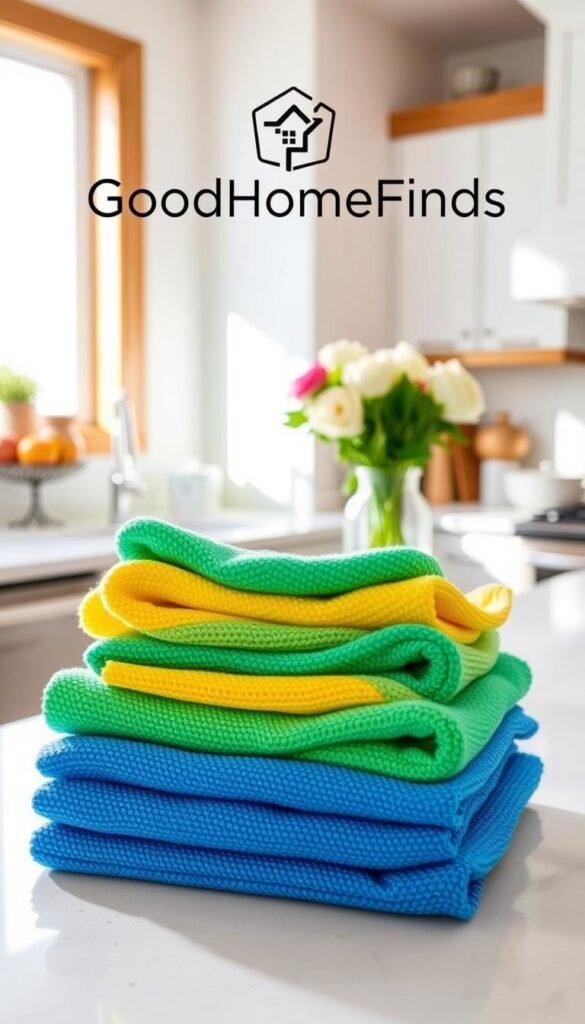
Microfiber cleaning cloths that replace paper towels without feeling gross
A good set of microfiber wipes turns quick spills into a two-step habit: wipe and hang to dry. They speed up wipe-downs and cut the weekly paper towel spend you might not notice until it adds up over months.
Why it’s useful
Faster wipe-downs. Microfiber grabs grease and dries surfaces with one pass. You get fewer streaks on appliances and less lint left behind.
Real-life example: spill coffee, grab a cloth, wipe once, rinse, and hang it to dry — no shredding paper towels and no sticky residue.
Who it’s for
This is practical for renters, dorm rooms, and families with frequent spills. It fits small spaces and habit-driven routines.
Safety and quality
- Wash hot regularly and skip fabric softener; softener reduces absorbency.
- Dry fully to prevent odors and bacteria after a few uses each week.
- Check review notes for lint, dye bleed, and durability.
What to avoid and alternatives
Avoid cloths that shed, bleed color, or feel thin after a couple washes. Cotton bar rags are cheaper and work, but microfiber usually grabs grease better for fast cleanup.
| Feature | Microfiber | Cotton bar rag | Value note |
|---|---|---|---|
| Absorbency | High | Moderate | Microfiber dries faster and needs less washing |
| Cost | Under $25 for a starter set | Lower upfront | Microfiber saves money over months on disposables |
| Care | Wash hot, no softener | Machine wash | Both easy; microfiber needs proper care for quality |
Value angle: the cash back is indirect — you keep money in your pocket by buying fewer disposables. For more cleaning picks and practical options, see best cleaning solutions for busy homes.
Under-sink leak detector alarms for early water damage prevention
A single, cheap alarm can stop a slow leak from becoming a months-long repair.
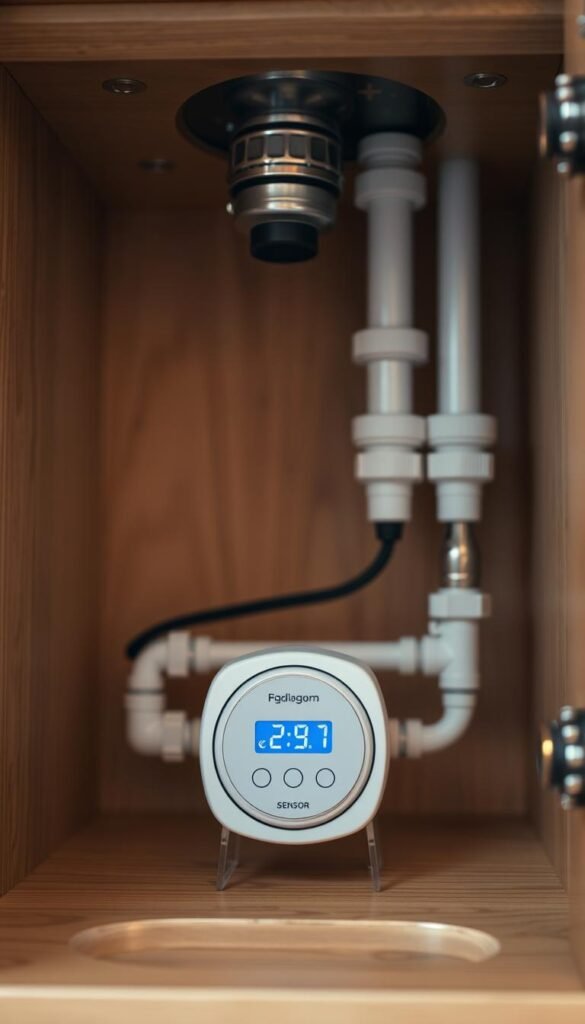
Why it’s useful: A small sensor detects tiny puddles before they spread. That early alert saves you money and prevents cabinet and floor repairs that compound over months.
Real-life example
A slow drip under the sink went unnoticed until the cabinet base swelled and smelled musty. The repair cost far more than the detector that would have warned the homeowner earlier.
Who benefits and where to place it
This is for homeowners, apartment dwellers, and people with pets or kids who cause splashes. Place the sensor under the sink, near the water heater, or behind the toilet and test it during installation to save time later.
What to avoid
- A model with a weak alarm that you can’t hear.
- Confusing battery compartments that block easy access and maintenance.
- Designs that won’t sit flat on the cabinet floor and miss small leaks.
What to look for in reviews
Check user review notes for loudness, battery life across years, and false alarm frequency. Pick a product with clear battery access so you actually keep it powered.
| Feature | Basic sensor | Smart sensor | Options |
|---|---|---|---|
| Alarm volume | Moderate | Loud + app alert | Choose loud alarms if you live in larger homes |
| Battery access | Easy replace | Easy replace | Quick access increases maintenance |
| Placement | Floor sensor | Floor sensor or wired probes | Pick what fits under your sink |
Quick tip: For a tested list of options and trusted picks, see the best leak detectors to compare models and features before you buy.
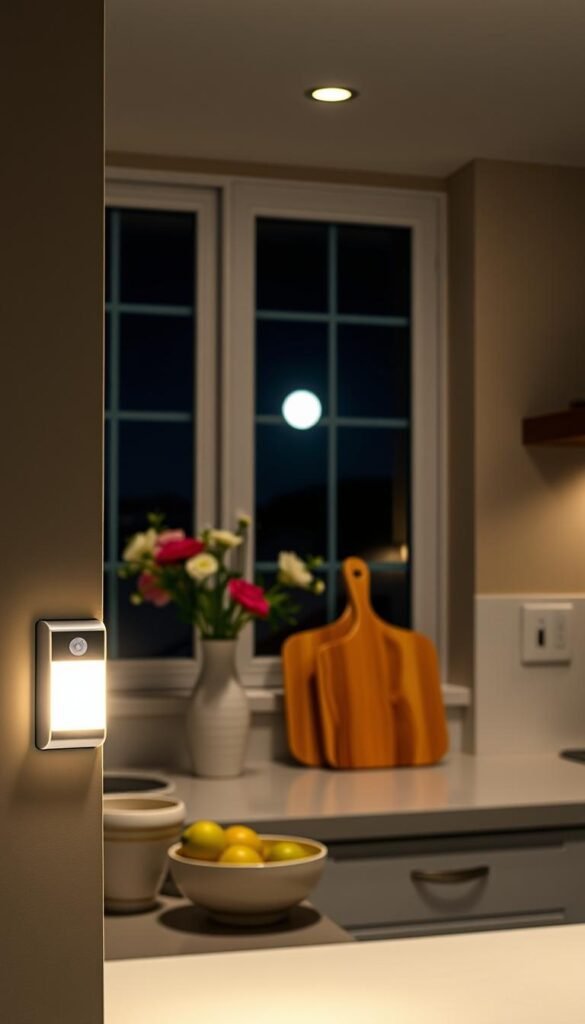
Motion-sensor night light for safer midnight kitchen trips
A small motion sensor light keeps your path visible without jolting you awake. It gives you low, hands-free light so you can move around at night without flipping bright overheads.
Why it’s useful
Less risk of trips and stubbed toes. The light comes on when you walk by and goes off after a set time. You can grab water or check the oven with minimal disruption to sleep.
Real-life example: at 2 a.m. you reach for a glass, the light activates, and you get back to bed without fully waking up.
Who benefits
This is ideal for people in homes with kids, seniors, or dark hallways. It also helps renters who can’t add hardwired fixtures.
Pros and cons
- Pros: hands-free convenience, safety at night, low cost under $25, easy install.
- Cons: some models trigger too often, others are too bright and can wake you. Battery models require occasional replacement.
Quality checks and what to look for
Read the review notes for consistent sensor reliability and sensor range. Check light tone — warm is easier on sleepy eyes than cool white. If plug-in, confirm it won’t block other outlets.
Alternatives and options
Plug-in LEDs are often cheaper and avoid batteries. Battery-powered lights work where outlets are limited but you will manage battery changes over days and months.
| Feature | Plug-in LED | Battery-powered | Value note |
|---|---|---|---|
| Cost | Typically lower | Under $25 common | Both fit the budget; pick by placement |
| Placement | Needs outlet | Flexible location | Battery wins for dark corners |
| Maintenance | None | Periodic battery changes | Plug-in better for long-term use |
| Brightness control | Often fixed | Some have adjustable levels | Choose adjustable for shared bedrooms |
Quick tip: for a tested list of practical picks and more motion-sensor night light options, see this motion-sensor night light options.
Heat-resistant silicone oven mitts or pinch grips that actually grip
Grabbing a heavy sheet pan should feel secure, not like a risky balancing act.

Why it helps
Better grip means fewer slips when you pull a hot pan from the oven. That lowers the chance of burns and dropped food. It saves you time and stress during a busy week.
Safety and quality considerations
Look for a clear heat rating and thick silicone walls. A soft inner lining improves comfort and control. Fit matters — a snug mitt lets you hold handles without twisting.
What to avoid
- Thin mitts that transfer heat quickly.
- Slick surfaces that don’t bite into metal handles.
- Products with unclear labeling or strong chemical smells.
Real-life example: You slide a casserole out and hold it steady without that split-second panic when fabric mitts twist or slip.
Maintenance and what reviews reveal
Silicone wipes clean in seconds and resists stains. Check user review notes for consistent heat protection and real grip feedback. Ignore fluff about color; prioritize reports about durability and safety.
| Feature | Good option | Notes |
|---|---|---|
| Grip | Textured silicone | Better hold on heavy pans |
| Heat rating | 250–500°F listed | Higher rating for baking and broiling |
| Care | Wipe or dishwasher-safe | Easy to keep hygienic across the week |
For tested picks and deeper quality comparisons, see the best oven mitts and pot holders review before you buy.
Glass food storage containers for leftovers that don’t stain or smell
Swap plastic for glass and you’ll notice meals reheat cleaner and your fridge stays fresher.

Why it helps
Glass won’t absorb stains or odors the way plastic does. That means your chili or tomato sauce can sit for weeks without the container smelling like last week’s onions.
Who it’s for
This is for meal prep fans, office lunches, and anyone tired of red-sauce stains in plastic. A sturdy glass set keeps you reusing containers instead of tossing them.
Price-value evaluation
Upfront cost is higher, but a well-made product lasts years. You save money over time by avoiding repeated replacements and wasted food.
Pros and cons
- Pros: easier cleaning, better odor resistance, microwave/oven-safe when labeled.
- Cons: heavier, can break if dropped, lids may wear out.
What to avoid
Avoid lids that don’t seal or brittle lids that crack. Skip sets where replacement lids are impossible to find.
Alternatives
Short-term options include freezer bags and deli containers. If you’re tight on cash this month, buy a small glass set and add more later. For tested picks and more best glass options, see this best glass options.
„I stored chili for months and the container never smelled — I happily reused it.“
Handheld milk frother for faster coffee upgrades at home
A compact frother turns plain coffee into a treat you make at home in under a minute. It gives café-style foam without a bulky machine or a long cleanup. That small change makes morning coffee feel special and keeps your routine simple.

Why it’s useful
Fast foam: You get café-style foam in under a minute, so your daily cup feels upgraded with little hassle.
Time savings add up when you skip a drive-thru. A frother also lets you try lattes, cappuccinos, and matcha with minimal effort.
Who it’s for
This is for coffee drinkers who want to save money month to month by cutting a few café runs. It’s renter-friendly, small, and fits a cramped counter or a single drawer.
What to avoid
- Weak motors that stall in warm or frothed milk.
- Whisk heads that trap residue and make cleaning a chore.
- Plastic parts with unclear materials or strong smells.
„I froth milk at home before work and skip a morning stop. The few minutes saved each day added up to real cash by month end.“
Value, safety, and buying tips
Don’t overpay for an elaborate offer bundle with a stand you won’t use. Look for stainless whisk heads, easy-snap attachments, and a battery life that lasts months of use. Read a clear review about motor longevity before you buy.
Alternatives
If you rarely froth, try shaking warmed milk in a sealed jar or using a French press to whip foam. Pre-frothed boxed milk or coffee-shop pickup are valid options if you need foam only now and then.
| Feature | Handheld frother | Alternative | Value note |
|---|---|---|---|
| Cost | Under $25 typical | French press / jar (low cost) | Frother is fast and focused |
| Cleaning | Rinse whisk, quick dry | French press needs washing | Choose simple parts that detach |
| Portability | Compact, battery powered | Jar is portable but messy | Frother fits travel mugs and drawers |
If you want a tested, fast option to start with, check this high-speed milk frother as a practical, budget-friendly product option.
Drawer organizer trays to stop the “junk drawer tax” on your time
A tidy drawer turns a morning scramble into a two-second grab. Small modular trays give each tool a home so you find scissors, batteries, and chargers in seconds instead of losing days to small frustrations.

Why it’s useful
Organizers remove the hidden time cost. You spend less time searching and more time on tasks that matter. Real life: when a delivery person needs a signature, you grab a pen immediately rather than dumping the whole drawer on the counter.
Who it’s for
This is ideal for small spaces, shared kitchens, and homes with many people where someone often moves things. It’s renter-friendly and budget-minded—good trays run under $25 and fit most drawers.
Pros and cons
- Pros: faster resets, less visual clutter, clear spots for common items.
- Cons: measure your drawer first; a set that doesn’t fit wastes money and time.
What to look for and alternatives
Choose modular trays, easy-to-wipe material, and sizes that match your most-used things—not random gadgets. If you want cheaper options first, repurpose takeout containers, sturdy packaging inserts, or small boxes until you buy a proper set.
„Once I added dividers, I stopped digging through junk and actually used the things I kept.“
| Feature | Tray organizers | Repurposed boxes | Value note |
|---|---|---|---|
| Cost | Under $25 for a starter set | Near free | Trays are tidy; boxes are budget-friendly |
| Durability | Designed for daily use | Varies by source | Trays last longer |
| Fit | Measure drawer, modular fit | Often awkward | Measure before buying for best results |
For more practical organization picks and tested options, see this best organization finds.
Insulated water tumbler as a hydration upgrade that supports daily routines

The right large insulated tumbler keeps cold water within arm’s reach so you drink more while you work. That simple change nudges consistent hydration into your day and removes the excuse of “I forgot.”
Why it’s useful
Kept nearby: a big, easy-to-drink bottle reduces trips to the kitchen and saves you time between tasks.
Appeal: cold water stays pleasant, so you actually sip instead of skipping refills.
Real-life example
One user reported that drinking two full fills per day helped reduce dry-eye moments after long computer sessions. They needed fewer eye drops when removing contacts after eight-hour days at a screen. Individual results vary; consult your doctor.
What to look for
- Gasket-sealed screw lid to prevent spills.
- Spring-shut trapdoor over the straw hole so it seals when closed.
- Silicone-topped stainless straw for safety and durability.
- Slip-resistant base so it won’t skid on a desk.
Cold-retention reality check
Insulation performs best with enough ice. In one user test, 12 ice cubes kept water ice cold for 12 hours even with two refills over the ice. Expect similar results when you top with ice and avoid constant warm refills.
Price-value evaluation
This kind of product can run about $29.99. It’s the one stretch pick on the list — worth it if it replaces frequent convenience drinks and becomes a daily habit for months and years.
Who it’s for
Desk workers, commuters, and anyone who forgets to hydrate unless water is large, cold, and handy.
What to avoid
- Leaky lids or lids hard to disassemble and clean.
- Items without clear material labeling or unknown plastics.
- Designs that trap residue in hidden crevices—cleanability matters.
Alternatives
If you don’t want to stretch to ~$29.99, consider smaller insulated bottles under $25 or a simple wide-mouth bottle. They keep water nearby and cost less while still supporting better daily drinking habits.
What to avoid when shopping for an everyday upgrade on Amazon
Before you click buy, learn the simple checks that stop a small purchase from becoming a repeated regret. Quick habits save money and time. Use reviews and labels to separate useful items from costly clutter.

Watch bundle offers and extra fees
Beware of bundles that add parts or accessories you won’t use. An attractive offer can inflate the price—think of it like an unnecessary annual fee. If the extras don’t help daily use, skip them.
Skip cheap plastics and unclear labeling
Strong odors or missing “food-safe” marks are red flags. Cheap materials can warp with heat and force frequent replacements. Look for clear access to parts and named materials in the listing.
Spot hidden costs and review red flags
- Recurring breakage or “worked one day” comments.
- Missing parts or inconsistent sizing notes.
- High replacement-cost patterns in user photos.
„A low price today can cost more in replacements and cleaning time over months.“
Quick money note: avoid charging trivial buys to a credit card if you plan to carry a balance. Interest (APR) can erase any small savings. This isn’t financial advice—just practical caution for U.S. residents.
For more smart, renter-friendly picks that actually save time, see best small-space finds.
Conclusion
Pick one simple product that removes a daily annoyance and you’ll notice immediate benefits.
If mess is your pain, start with the utensil rest and microfiber cloths. If food waste nags you, try glass storage. For safety or late-night trips, choose a motion night light and better mitts. These are practical, renter-friendly choices that pay back in days and keep paying over months and years.
Before you buy, scan recent reviews for repeat breakage, missing parts, or sizing notes. Verify materials, safety labeling, and replacement-part access. Don’t let a high star score hide common complaints.
Budget note: avoid putting small buys on a credit card if you plan to carry a balance. Fees and interest can erase any tiny savings.
Fast Amazon checklist: confirm delivery time, check materials and safety labels, review replacement options, and compare a cheaper alternative you’d actually use. For a broader view on turning routine moments into practical gains, see this everyday development piece.
Bottom line: one well-chosen purchase that removes friction beats a dozen unused items. Fewer repeats, fewer returns, and fewer replacements are what make these picks worth it for busy people.