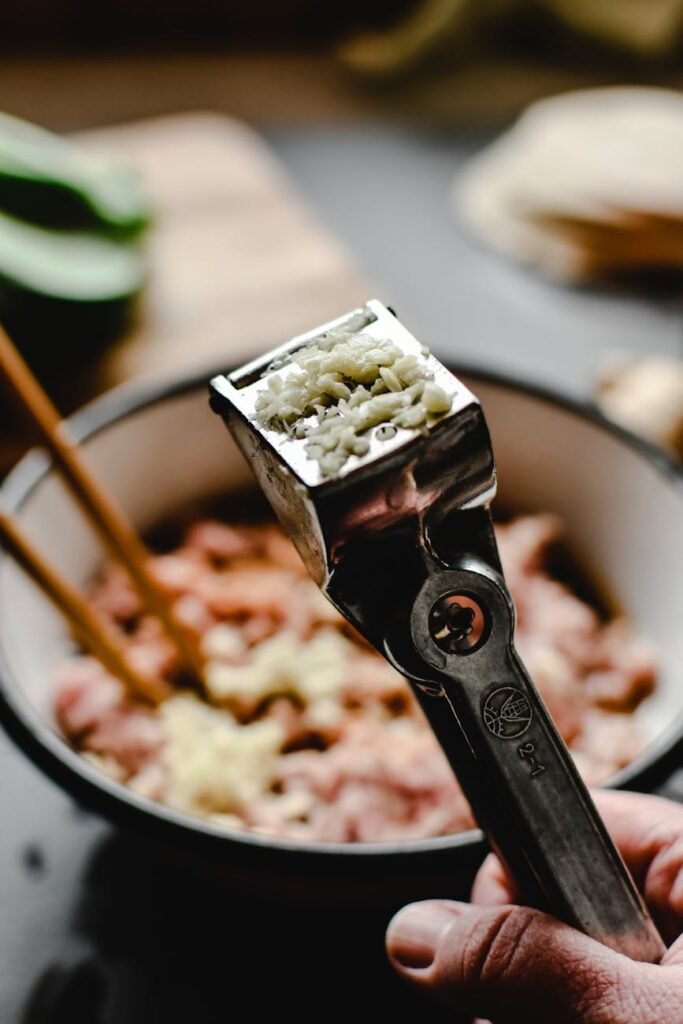
This short guide points you to practical, affordable picks for your home that save minutes every day.
By „hidden gem“ I mean small tools that quietly cut friction. Think items that help drain pasta, open jars, or speed cleanup.
What to expect: mostly items under $25 that are easy to use and store. Each entry shows why it’s useful, price-to-value, pros and cons, who should buy or skip, what to avoid, and alternatives.
I will favor Amazon options with fast delivery when practical. Prices and availability change, so I’ll note that up front.
Safety checks are included. Look for food-grade silicone, heat resistance, and good stainless steel. If something isn’t truly worth visiting in your cart, I’ll say so plainly.
Key Takeaways
- Focus on useful, budget-friendly tools that save you time daily.
- Most picks cost under $25 and fit small spaces and renters.
- Each item gets a clear decision guide: pros/cons and who it’s for.
- I favor Amazon fast-delivery options but note availability shifts.
- Basic safety and material checks are listed to avoid bad buys.
What “hidden gem” really means for everyday home buys
A practical „hidden gem“ saves minutes on repeat tasks and survives real, messy use. In buying terms that means usefulness first, low risk second, and no hype. You want things that earn a weekly reach, not an impulse that gathers dust.

Not viral, not gimmicky: the simple test for usefulness
Use this easy rule: if a tool removes a recurring annoyance or saves time at least once a week, it belongs on your list.
If it sits unused, it’s clutter. Look for plain designs, real user photos, and repeated praise from everyday users rather than staged demos.
When a “gem” is just a cheap product that fails early
Common failure modes include thin plastic hinges, weak adhesives, low-heat silicone, and poorly crimped metal edges. Those fail fast and cost more in returns and replacement time than they save in price.
„Choose proven materials and simple designs. The best buys are boring but solve real problems.“
Think like a local traveler: culture and locals know the durable picks. Apply that same mindset when you read a review on a site or in a forum. For more about the approach and our standards, see about this site.
How we chose these picks for fast delivery and real value
We picked items that pay back time and hassle quickly. Each candidate must be practical, renter-friendly, and easy to store. Most cost under $25 so a small deal feels low-risk.

Price cap and availability
We set a clear price rule: the under-$25 cap keeps buys low-regret. If an item slips above that, we note the sensible range so you know when it’s still worth buying.
Fast delivery matters. If you want get a time-saving tool, waiting weeks defeats the point. So we prefer Amazon listings that ship within hours or a few days from your location.
Quality signals we check
- Clear materials: listings that name food-grade silicone, stainless steel, or heat ratings.
- Real photos: consistent dimensions and user images on the website and reviews.
- Believable reviews: balanced feedback, not repeated copy-paste praise.
Safety and quick value rules
Safety basics come first. For kitchen items we require explicit food-contact or heat-resistance claims. Avoid vague coatings or eco-speak with no specs.
„Simple builds often last longer than over-engineered gadgets.“
Use our value-per-use rule: if you reach for it multiple times a week, spending a few extra dollars is usually worth visiting the store or site. This keeps choices practical in a busy world.
Where to find hidden gems online without wasting time
Quick, focused searches cut browse time and surface practical tools faster. Start with precise Google queries that match real use, not marketing language.

Smarter Google searches that surface lesser-known products
Copy-paste these as a first pass:
- best bench scraper stainless steel simple
- clip-on pot strainer real reviews
- adjustable measuring spoon sticky ingredients
Add modifiers to cut hype: durable, dishwasher safe, food grade, heat resistant, or commercial. These filter out flashy but fragile listings.
Reddit threads and “real user” photos for honest downsides
Use subreddits for product threads and search comments for long-term wear. Prioritize posts that include monthly or yearly photos.
Real user photos reveal warping, staining, broken hinges, and scale issues you won’t see in studio shots.
YouTube and TikTok: what to watch for in demos vs hype
Prefer uninterrupted demos with measurements and cleaning footage.
Skip videos that are only unboxing, overlays of affiliate links, or quick glamour shots with no testing.
Google Maps trick: finding local supply alternatives when Amazon is out
When delivery stalls, search for nearby restaurant supply, hardware, or home-goods stores in Maps. Zoom in, read a quick review, and call ahead for stock.
This local route gets you a usable product the same day and avoids waiting weeks for shipping.
„Smarter searching beats endless scrolling; arrive at your product page with enough evidence to buy once, not twice.“
Common “hidden gem” traps to avoid before you click Buy Now
Before you click a bargain, learn the common product traps that turn a good deal into wasted money. You want tools that cut steps, not add them.

Overdesigned features that break or don’t get used
Moving parts, batteries, and multi-tool gimmicks fail first. They add cleaning, extra parts, and failure points.
Examples to skip: tiny built-in containers that clog, fragile locking tabs, and “10-in-1” mechanisms you’ll never use. If a feature creates extra steps, it’s not time-saving.
Suspicious listings, review patterns, and missing certifications
Watch for new storefronts, repeated review phrasing, or photos that hide thickness and edges.
- Material claims: “BPA-free” without specifics, or “food safe” with no temp rating, is a red flag.
- Review checks: scan 3-star reviews to find honest pros and cons. Look for repeated failures like warping or rust.
- Decision path: if a tool reduces steps, buy it; if it adds steps, move on.
„Don’t take the scenic path through gimmicks—go straight to simple tools that work.“
Use these tips so your next deal is actually worth visiting your cart and not a trip to returns. Keep the path simple and pick things that earn weekly use.
hidden gem finds for faster meal prep on busy weeknights
C. When weeknights are short, the right low-cost tools make cooking faster and less messy.
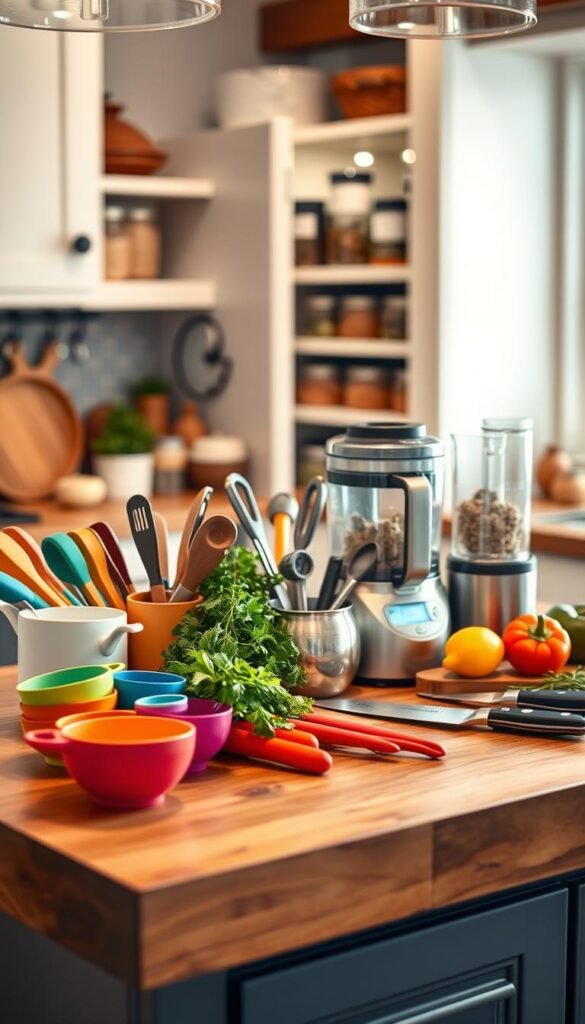
Quick intro: pick a compact set of practical items that cut steps, reduce dishes, and keep meals safe. Most of these are under $25 and ship from Amazon.
Stainless steel bench scraper
After dicing onions, sweep garlic and veg straight into the pan. It doubles as a board cleaner and saves rinsing a spatula.
Handheld milk frother
Emulsify vinaigrette in a mug or smooth a pan sauce in seconds. Skip the blender for single servings.
Clip-on pot strainer
Drain pasta one-handed while the pot stays on the burner. Ideal in small kitchens with little counter space.
Adjustable measuring spoon
Slide to the amount you need and push sticky honey or peanut butter cleanly into the bowl. Fewer spoons to wash.
- Jar opener pad: faster than hot water and easier on wrists.
- Microwave splatter cover: prevents baked-on mess and saves scrubbing time.
- Silicone baking mat: reusable, easy-release cookies, less parchment waste.
- Instant-read thermometer: safe chicken, better steak timing without cutting meat open.
- Herb scissors, mini spatulas, reusable produce bags, magnetic timers: small time-savers that streamline prep and storage.
„Choose simple, tested tools that you’ll reach for every week.“
For each product: quick decision guide you can scan
Here’s a scan-friendly product template that highlights real use, cost, and risks. Use it for every tool on this list so you can compare fast and decide if an item is worth visiting your cart.
Why it’s useful
One-line example: weekday dinner rush — use this tool to cut prep time and keep the sink manageable.
Price-to-value check (under $25)
Rule: if it replaces a daily annoyance or prevents a recurring mess, it’s usually a good deal.
Pros and cons you’ll actually notice
- Pros: comfort, quick clean, small footprint, durable in normal use.
- Cons: storage fit, occasional special cleaning step, limited warranty on cheap models.
Who it’s for / who should skip
For renters, small kitchens, and busy cooks who value time. Skip if you rarely cook or have ample counter space.
What to avoid in cheaper knockoffs
Avoid thin steel, weak magnets, low-temp silicone, rough edges, or vague „food safe“ claims without specs.
Alternatives and cheaper options
Offer a lower-cost fix or DIY when possible. For example, a rubber jar pad can replace a pricey opener.
Safety and quality notes
Quick checks: food-grade silicone label, stainless grade hints (18/8 or 304), heat rating, and dishwasher-safe marking.
„A short template prevents you from rereading long blurbs and helps you pick the tool that actually saves time.“
Hidden gems that make cleanup faster and less annoying
Small, practical tools can turn the worst cleanup tasks into tiny, solvable steps. These quiet wins save you time at the sink and keep your home feeling tidy.
Drain hair catcher for sinks and tubs
Why it helps: stops slow drains before they start. In real life, you pull the ring weekly in ten seconds and avoid standing water.
Pros: cheap, renter-friendly, easy to clean. Cons: some plastic rings snag hair and need replacing.
Who it’s for: renters, families, anyone with long-hair housemates. Avoid: flimsy catchers that tear or trap grime hard to rinse out.
Reusable microfiber cleaning cloths
Why it helps: more absorbent than paper towels and streak-free on counters and glass.
Pros: cuts paper waste, quick drying, durable. Cons: wash without fabric softener or they lose absorbency.
Alternatives: a rolled microfiber towel near the sink or classic cellulose sponges if you prefer disposable options.
Dish scrub brush with soap dispenser
Why it helps: mid-cook scrubs happen while water heats. One hand, one quick scrub, no hunting for soap.
Pros: faster rinsing, less mess. Cons: cheap pumps leak; choose leak-proof designs.
Who it’s for: small kitchens and cooks who wash as they go. Avoid: hard plastic bristles that scratch pans.
Stove gap covers to stop crumbs and spills
Why it helps: blocks crumbs falling between stove and counter. Fewer surprise spills to fish out later.
Pros: simple install, renter-friendly, cleans quickly. Cons: low-heat tolerance can warp near burners.
What to avoid: covers that don’t match your stove width or use brittle plastic. Alternative: a trimmed silicone mat tucked into the gap.
„Small, repeatable fixes save more time than one big gadget ever will.“
| Item | Typical cost | Real-life benefit | Key avoid note |
|---|---|---|---|
| Drain hair catcher | <$10 | Fixes slow drains in seconds | Thin, tearing plastic |
| Microfiber cloths (pack) | $8–$15 | Less paper, streak-free finish | Fabric softener buildup |
| Soap-dispensing scrub brush | $10–$20 | Quick mid-cook scrubs | Leaky pump models |
| Stove gap cover (silicone) | $8–$18 | Stops crumbs, easier clean | Poor heat tolerance |
If you try one deal, pick the item that solves your worst daily spot. These are practical, under-$25 helpers and worth visiting during your next online run.
Small storage upgrades that reduce clutter immediately
Small storage fixes cut the daily „where is it?“ pauses and get you back on your path. These are cheap, practical swaps that help you find tools fast and avoid delays while cooking or cleaning.

Clear drawer organizer bins for easy junk-drawer control
Use clear bins to separate batteries, scissors, tape, and chargers. Measure the drawer location first so bins fit without wasting space.
Pros: visible contents, quick grab. Cons: cheap trays can warp. Who it’s for: busy cooks and renters who need fast access.
Pan lid holders to stop the cabinet avalanche
Choose door-mount if you want no-drill install. Pick shelf-mount if you need heavier support.
Pros: protects lids, ends noisy avalanches. Cons: some racks require drilling — avoid those if you rent.
Under-sink adhesive hooks for gloves and small tools
Stick hooks to clean, dry surfaces for gloves, brushes, or small tools so they air-dry and stay off counters.
What to avoid: brittle plastic, drilling-required racks, and adhesives that fail in humidity.
- Alternatives: shoebox-style bins, tension rods, or a simple file organizer for lids.
„The best clutter fixes are boring, cheap, and used daily.“
Think of these as local, practical places in your home — like small spots in a city — that make your routine smoother. Treat storage as a path to faster prep and cleaner surfaces. These are true hidden gems for daily life.
Budget “fix-it” tools that save a trip to the hardware store
Keep a couple of repair basics on hand so small problems don’t force a last-minute run. These are cheap, compact, and useful for renters and small spaces. They save you time and prevent bigger headaches later.
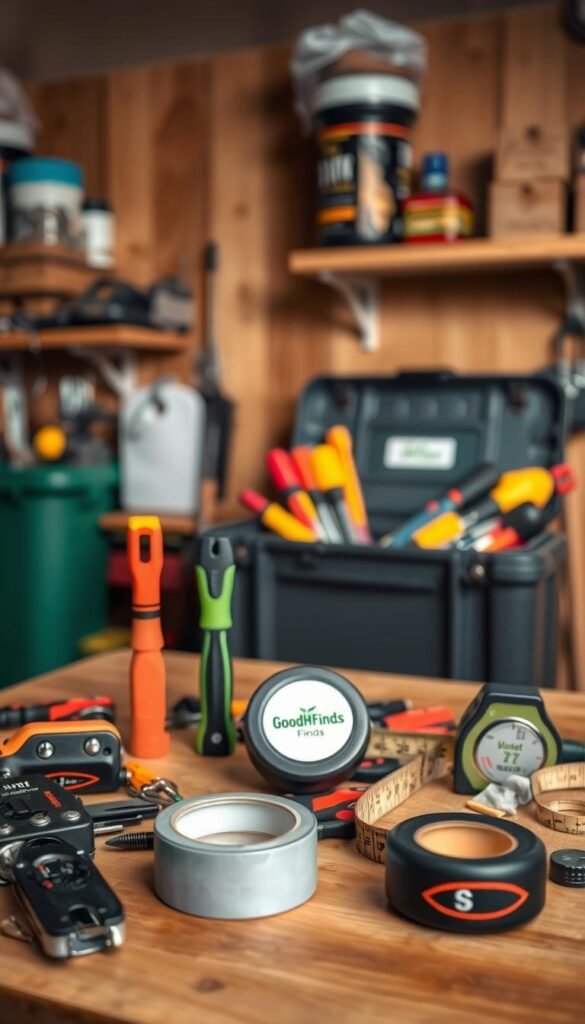
PTFE thread seal tape for quick plumbing fixes
PTFE tape is the classic fix for slow leaks at threaded fittings. Wrap the showerhead threads clockwise, tighten gently, and the drip often stops in minutes.
Why it’s worth it: tiny roll, low cost, and you’ll be glad it’s in a drawer when a leak starts. What to avoid: tape that is too thin and tears, or rolls with no clear thickness rating.
Furniture pads to stop scratches and reduce noise
Choose felt pads for hardwood and rubber pads for tile or vinyl. Stick them under chair legs to stop scraping and make chairs slide quietly.
Avoid: pads with weak glue that peel or inconsistent sizes in a multi-pack. Alternatives include rubber chair socks or cut-to-fit cork.
- Quick safety notes: turn off water for certain repairs and don’t overtighten fittings.
- Keep small items away from kids and pets.
- If tape fails, try a new washer or a plumber’s washer replacement.
„Small, cheap fixes prevent bigger trips and wasted time.“
These simple tools are a smart deal to keep near your main tool set. If you want a short shopping primer, see our small repair kit shopping guide for quick sourcing and tips.
Kitchen safety and quality checks that matter more than features
Start with materials, not features: the right label keeps you safe and saves replacements. This short guide gives practical tips so you buy tools that last and stay food-safe.

Heat resistance and food-grade silicone: what those labels should mean
Look for a clear temperature rating. A silicone spatula that touches a hot pan should list degrees (for example, 450°F). Vague terms like heatproof or high-heat are not enough.
Food-grade means non-porous, odor-resistant, and not tacky out of the box. If a tool smells or feels oily, return it.
When stainless steel beats plastic for longevity and smell control
Stainless resists staining, warping, and lingering odors. For bench scrapers, strainers, and tongs, pick thicker gauge metal and solid rivets over thin plated pieces.
- Check edges: smooth finish and no sharp burrs.
- Look for consistent polish and sturdy joins.
- Prefer proven materials with a durability history over novelty composites.
„Cheap features cost more in returns than a simple, well-made tool costs up front.“
Affordable “comfort” finds that remove daily friction
Small comfort upgrades make daily tasks less tiring and help you finish chores faster. When you feel less sore, you move through cooking and cleanup with fewer delays.
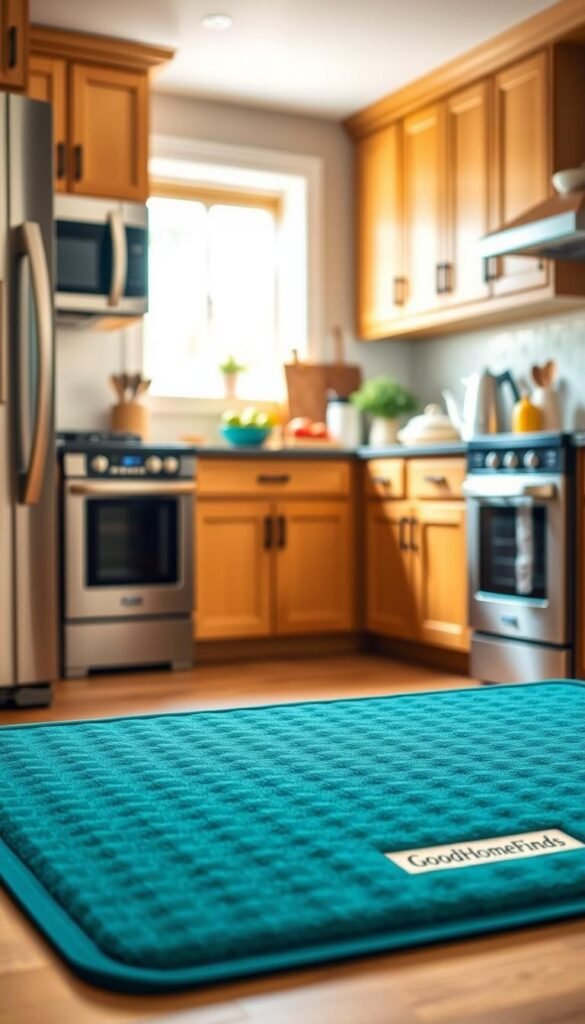
Anti-fatigue kitchen mat for long cooking sessions at the counter
Why it matters: standing on a cushioned mat reduces foot and back pain. In real life you prep longer without breaks, so meals get done faster.
Real example: an 11 mm dense foam mat eased soreness during a 30-minute prep session and cut the number of sit-down pauses.
Pros: less fatigue, clear time savings, renter-friendly. Cons: mats can trap crumbs at the edges and need periodic lifting to clean.
What to avoid: thin mats that curl, strong chemical smells, or poor non-slip backing. Alternatives: a washable rug runner for a budget option.
Simple cable clips to stop cords falling behind the desk
Why it helps: one-handed access to chargers saves seconds every day and prevents the wasted minutes of fishing cords from the floor side of furniture.
Real example: adhesive clips kept three chargers in place on a nightstand, avoiding daily trips under the table.
Pros: tidy setup, quick grab, cheap. Cons: clips need clean surfaces and strong adhesive; some brittle plastics snap.
Who it’s for: anyone cooking or working at home, small apartments, dorms. Skip if you move furniture constantly or hate cleaning under mats.
Alternatives: adhesive cord channels for a more permanent route or reusable zip ties if you prefer removable solutions.
„Comfort that reduces friction is often the best deal—less pain, more done.“
| Item | Typical cost | Primary benefit | Key avoid note |
|---|---|---|---|
| Anti-fatigue mat (11 mm) | $20–$35 | Reduces standing fatigue; speeds prep | Curling edges; weak backing |
| Cable clips (adhesive) | $5–$12 (pack) | Stops chargers falling; saves time daily | Weak adhesive; brittle plastic |
| Washable rug runner | $10–$25 | Budget cushion; easy clean | May shift without anti-slip pad |
| Adhesive cord channel | $8–$20 | Neater, more permanent cord route | More visible; needs stronger install |
These small comfort picks are practical little gems for your home. If you want a quick shopping round-up, check a curated list for similar budget deals on Amazon at affordable comforts and small luxuries.
Best picks for renters and dorms (no drilling, no damage)
Small, removable upgrades make life easier in tight, temporary spaces. In a city studio or a quiet town dorm, these simple swaps give you more function without permission or tools.

Command-style hooks used correctly so they don’t peel paint
Why they work: no screws, instant hanging, easy removal. Clean the surface with isopropyl alcohol, press firmly, and allow the adhesive to cure for one hour or follow the pack instructions for full strength.
Real use: hang oven mitts or a small pan near the stove to keep counters clear and tools within reach.
Pros: renter-friendly, quick setup, no visible holes. Cons: they can fail on textured walls or when overloaded.
Avoid: cheap knockoffs or methods that exceed the weight rating. Alternatives: over-the-cabinet hooks or a tension rod if adhesives aren’t trusted.
Non-slip shelf liner for cabinets and fridge bins
Why it helps: liners stop bottles from sliding, make spills easy to wipe, and keep shelves tidy. Measure once, cut to fit, and wipe periodically to prevent trapped moisture.
Pros: inexpensive, reusable, keeps items in place. Cons: some liners trap moisture if left dirty or bunched up.
What to avoid: liners with strong chemical odors or very thin adhesive layers that tear. Alternatives: clear drawer trays or small freestanding racks for heavier items.
- Who it’s for: renters, dorm students, and anyone in a small area who needs quick order.
- Practical tip: treat these fixes as the little places on your path to faster routines—easy to install, easy to remove when you move.
„Simple, removable fixes are often the most worth visiting in any tiny space.“
Fast ways to judge if an Amazon listing is worth it
Run a 60-second scan on any product page before you hit buy. This prevents wrong sizes and flimsy versions from stealing your time back in returns.

Photos, dimensions, and “what’s included” checks that prevent returns
Look for close-ups of edges, thickness shots, and in-use photos that show scale beside hands or common cookware. If photos are only staged studio shots, view with suspicion.
Sanity-check dimensions against your space. Measure stove gaps, mats, and drawer widths. Confirm if a photo shows one cloth or a set.
When Prime shipping is a good sign—and when it isn’t
Prime can mean faster logistics and easier returns. It does not guarantee quality. Still verify materials, review text, and the product description on the website.
- 60-second checklist: photos, exact measurements, parts list, recent reviews, and price history.
- Search reviews for words like “warp,” “rust,” “smell,” or “peel.” Check 3-star notes for balanced views.
„If the listing isn’t clear, it’s not worth visiting no matter how cheap the deal looks.“
| Check | What to look for | Quick action |
|---|---|---|
| Photos | Edge close-ups, hands for scale, in-use shots | Reject vague images |
| Dimensions | Exact mm/in numbers, compare to your space | Measure twice |
| What’s included | Count items, batteries, single vs. set | Confirm in description |
| Shipping & reviews | Prime days, recent complaints, 3-star balance | Prefer clear logistics; check dates |
For a deeper look at review strategies and competitive signals, see this useful analysis on using search query reports to outperform competitors: review and listing tips.
Cheaper options and smart alternatives when a “gem” is sold out
If your preferred product disappears, look for the core specs and match those nearby or cheaper. You rarely need the exact brand to fix a daily annoyance. Focus on material, size, and heat ratings instead.

Dollar-store wins and clear no-buy rules
When to buy dollar-store: microfiber cloths, simple gripper pads, and clear organizer bins. Inspect for thickness and cracking. These are low-risk, cheap swaps that work in real life.
When not to buy: anything that touches hot food, measures temperature, or needs durable metal. Thermometers, high-heat silicone, and fine strainers are not worth the bargain versions.
Buying local when delivery timing matters
Think of your city as a small set of destinations for essentials. Use Maps to find nearby restaurant-supply stores, hardware, or grocery outlets that carry better quality and same-day pickup.
- Restaurant supply for sturdy pans and utensils.
- Hardware for PTFE tape, pads, and fast fixes.
- Grocery or dollar stores for liners and basic consumables.
„Locals often stock simple, sturdier basics without the hype.“
| Need | Cheap substitute | When it’s OK | When to avoid |
|---|---|---|---|
| Cloths | Dollar microfiber | Dusting, counters | Polishing glass if low quality |
| Gripper pads | Rubber jar pad | Jar opening, non-slip | High-heat surface use |
| Bench scraper | Stainless dough cutter | Dough and transfer | Thin plated steel that bends |
| Produce bags | Labeled reusable totes | Short shopping trips | Long-term food storage |
Compare total cost including shipping delay, returns, and replacement risk. If speed matters, treat nearby places as a quick travel destination and pick the best practical deal. For curated online options under $25, see best Amazon picks under $25.
How to build your own hidden-gem list over time
Start a simple, personal system so you stop re-researching the same problem. Treat it like a short travel plan: note the destination (the problem), map two or three routes (options), and pick the quickest safe route that fits your space and budget.

Save-and-sort method: keep a running guide
Keep one running list divided by problem type: meal prep, cleanup, storage, and renter-friendly.
For each item add two short notes: why I saved this and one required spec (for example, “must be stainless”).
Use events and challenges to test what you actually need
Run quick home “tours.” Walk your kitchen and bathroom and jot friction points: slow drain, messy microwave, drawer chaos. Treat holidays, hosting, and move-in week as festival-style tests.
Create a 7-day challenge: if the same annoyance shows up three times, shortlist 2–3 tools and pick the simplest that meets safety specs.
- Document: one photo + a 10-word note saves hours later.
- Shortlist: use Reddit, YouTube, or quick searches for real reviews and scale photos.
- Decide: pick the option that is durable, renter-friendly, and under your price limit.
„If you didn’t use it in a week of real life, note why so you don’t repeat the buy.“
Over time you’ll have a compact list that acts like a travel guide for your home. When you need a quick trip to buy a tool, visit your notes first. For more practical shopping tips, check this short guide on savvy bargain hunting: savvy bargain hunter guide.
Conclusion
, Think small: one careful buy can cut daily friction for months. Pick tools that solve a real pain, not a product photo. Choose simple designs, clear materials, and under-$25 pricing so the risk stays low.
Quick recap: focus on usefulness, safety, and few moving parts. Start with one or two items that fix your worst daily hold-up — cleanup, meal prep, or storage.
Avoid overdesigned features and vague listings. Check dimensions, look for food-grade or stainless specs, and scan reviews for repeat failures. Treat shopping like scouting the best places in a city: use better filters and real-user proof.
Your home’s culture matters. Your routines decide what is worth it. Build a short list, keep notes, and buy less but better. If a product does not save time, reduce mess, or prevent pain, skip it.
For more on discovering local picks, see discovering hidden gems in your local.