
Small actions done in minutes can make a big difference in how your space feels. This piece shows renter-friendly fixes that need no drilling and no permanent changes. You can see visible results fast.

Start with a 15-minute timer. Use a one-surface sweep and the simple keep / toss / relocate process. These tiny steps cut decision fatigue and make decluttering feel manageable.

✨ Smart Finds Picks
Shopping List
Quick picks that solve the problem fast — renter-friendly, budget-aware, and trend-led.
As an Amazon Associate I earn from qualifying purchases.

Expect two budget lanes: picks under $25 and under $50. I’ll call out safety and durability up front—stable bins, non-slip liners, and child-safe options that won’t damage rental surfaces.

This method covers every room: kitchen, bathroom, closets, entry, living areas, kids’ zones, and even digital clutter. You’ll get renter-friendly product ideas and short daily habits that take five minutes to keep order.

Key Takeaways

  • Use a 15-minute reset to build momentum and see fast wins.
  • Follow the keep / toss / relocate flow for quick decisions.
  • Choose no-drill, rental-safe gear under $25 or under $50.
  • Prioritize safe, durable items like stable bins and non-slip liners.
  • Apply fixes across rooms and add a five-minute daily reset to maintain gains.
  • For small-kitchen ideas and space-saving tools, see this short guide: best small kitchen solutions.

Set a Timer and Start Small: The Quick-Win Method That Makes Clutter Manageable

Pick one surface, set a short countdown, and clear it quickly. This is about one small project that finishes in five to fifteen minutes. You are not organizing an entire room. You are creating momentum.
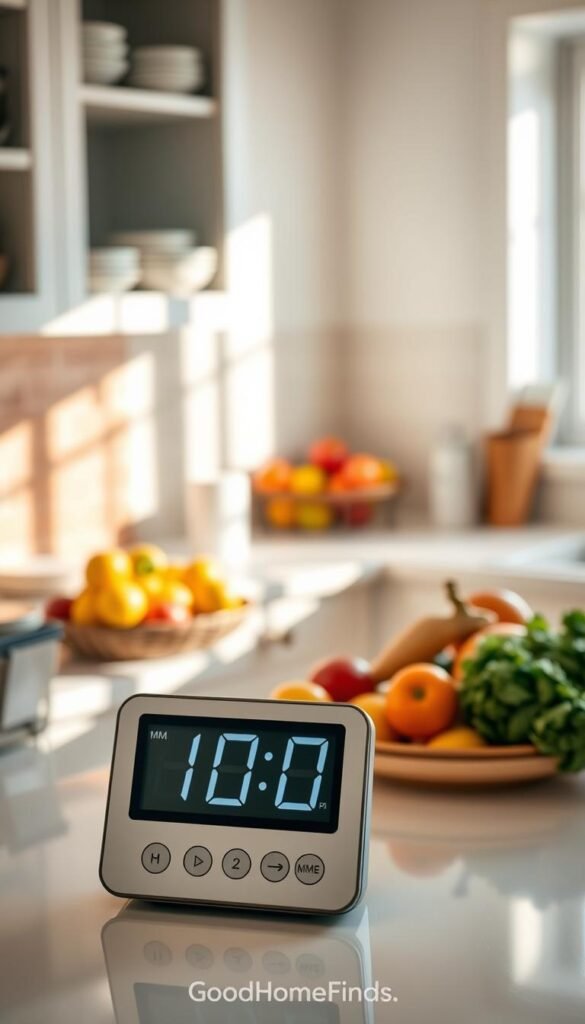
A cozy, sunlit kitchen setting with a modern digital timer prominently displayed on a pristine countertop. In the foreground, the timer shows 10 minutes, with sleek buttons illuminated. The middle ground features a tidy arrangement of colorful fruits and vegetables, suggesting a clean and organized workspace, emphasizing a quick win. The background includes softly blurred shelves filled with neatly stacked bowls and containers, contributing to a gentle, inviting atmosphere. The soft natural light streaming through a window casts warm tones, creating a sense of calm and focus. The image should evoke motivation and clarity, ideal for illustrating the concept of setting timers to manage clutter efficiently. This lifestyle photo captures the essence of achieving small victories at home. GoodHomeFinds.

How the 5–15 minute reset builds momentum

Use this repeatable script each time you set a timer.

  1. Set timer minutes → choose 5, 10, or 15.
  2. Clear the surface or drawer.
  3. Quick wipe.
  4. Keep / toss / relocate.
  5. Contain items and label if needed.

Starter targets and mini-plans

  • Junk drawer: Pull everything, wipe, return only what you use, add dividers.
  • Daily bag: Toss receipts and duplicates, pouch essentials so they don’t scatter.
  • Nightstand: Recycle old papers, keep one current book, leave a small landing zone.

One-surface sweep and temporary holding zone

Only clear one table or counter at a time. Put back only what earns the space. Finish with a wipe-down.

Use a bin as a temporary holding zone for uncertain items. Set a later time to sort it so it never becomes permanent clutter.

Tool Use Setup time
Small bins Contain items and create zones Under 5 minutes
Non-slip drawer liner Stabilize small items in drawers Under 5 minutes
Removable labels Identify contents without damage 1–3 minutes
Temporary holding bin Keep sorting moving; avoid stalls Instant

Maintenance: Do a five minutes sweep daily or every other day so clutter never gets a full week to pile up. For small-kitchen ideas and space-saving tools, see kitchen problem mix.

Home quick wins for every room: renter-friendly tools under $25 and $50

Pick one room that will give you the biggest visual payoff today. Below are fast, renter-friendly solutions you can set up in minutes. Each entry lists budget picks, setup time, safety notes, and who benefits most.
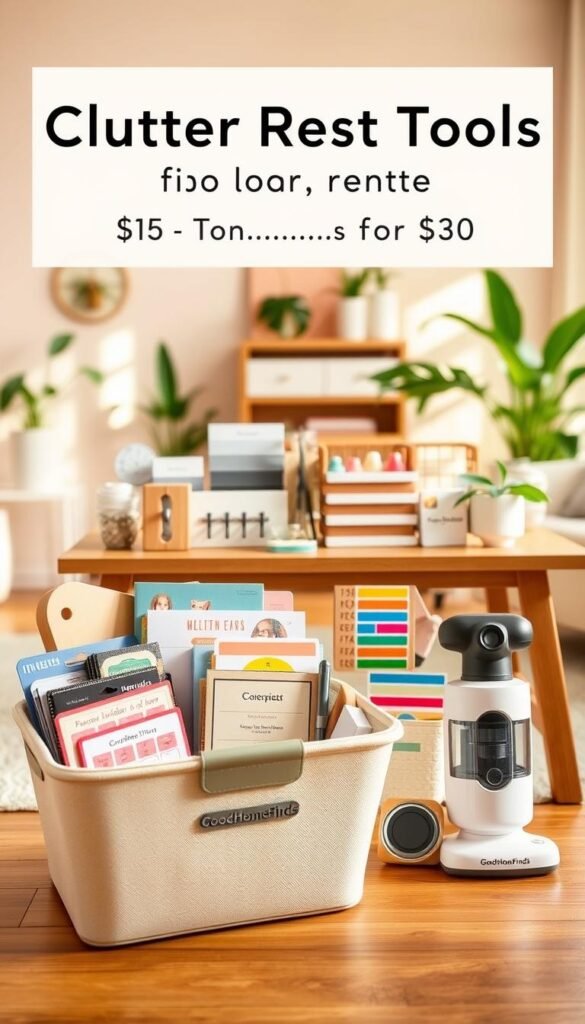
A beautifully arranged collection of clutter reset tools designed for renters, showcasing a variety of items under $25 and $50. In the foreground, a sleek storage basket filled with stylish organizational tools like decorative bins, wall hooks, and drawer dividers. In the middle, a wooden table displaying minimalistic shelf organizers, colorful adhesive labels, and a compact vacuum cleaner, all branded "GoodHomeFinds." In the background, a softly lit living space with pastel walls and houseplants, contributing to a cozy atmosphere. Capture this scene with natural, warm lighting to highlight the tools, using a shallow depth of field to create a focus on the items while the background remains softly blurred, evoking a sense of inviting, organized home life.

Kitchen countertop reset

Under $25: slim tray, non-slip liner, small lidded snack bin — setup 2–5 minutes. Smooth surfaces rinse clean and trap fewer crumbs.

Under $50: tiered counter shelf or over-sink roll-up rack — 5–10 minutes. Tip-resistant and easy to wipe.

Junk drawer to utility drawer

Sort keep / toss / relocate, then add dividers or mini bins. Use removable plastic-safe labels after cleaning the surface. Best for busy kitchens and apartments.

Area Under $25 Under $50 Setup / Notes
Fridge door Magnetic pocket, washable sheet Magnetic slim whiteboard 2–5 min; limit magnets, wipe clean, keeps papers visible
Spice rack Uniform small jars, labels Step shelf for cabinet 5–8 min; alphabetize, check expiry, saves time cooking
Bathroom cabinet AM/PM caddy, small bins Stacking organizer, lockable box for meds 5 min; toss expired items, kid-safe placement

Extras: For compact organizer ideas and more budget products see organizer picks under budget. These small steps cut clutter and make daily maintenance realistic.

Choose the right products fast: comparisons, pros/cons, and size-based alternatives

Measure the problem area before you buy and pick the simplest fix that matches the exact gap. Note width, depth, and height. Match the product to the issue: spillover, visibility, access, or safety.
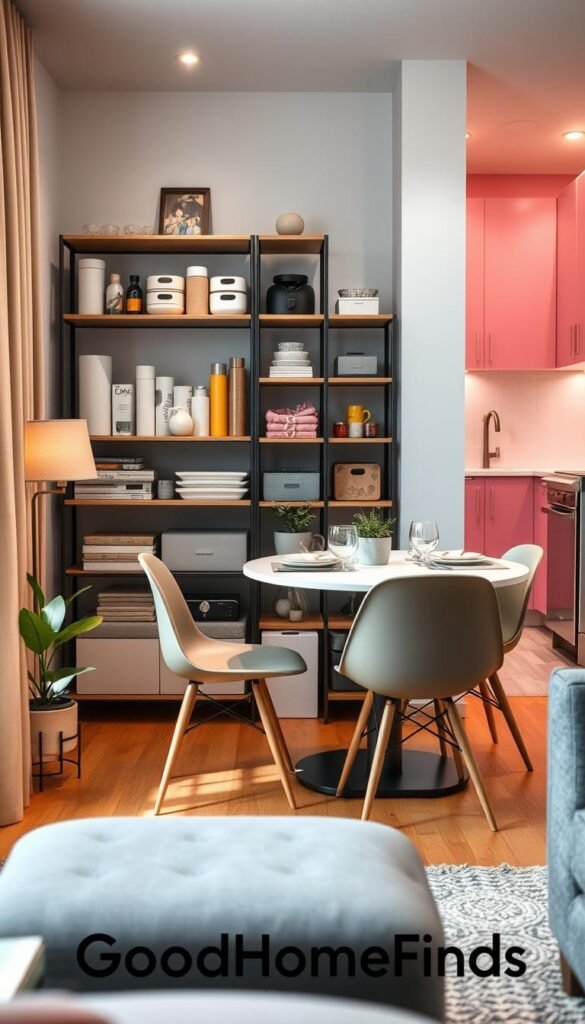
A cozy and organized small living space, featuring a stylish minimalistic design that exemplifies smart product choices. In the foreground, there’s a compact dining table set with elegant tableware, surrounded by two chic chairs. The middle ground showcases an efficient shelving unit filled with various home products, highlighting comparisons between sizes, colors, and styles. A small potted plant adds a touch of greenery. The background features a well-lit kitchen area with modern appliances and color-coordinated storage solutions, emphasizing functionality and aesthetics. The lighting is warm and inviting, creating a serene atmosphere. Captured from a slightly elevated angle, reminiscent of trendy Pinterest lifestyle photos. Showcase the brand "GoodHomeFinds" subtly integrated into the space.

Fast decision framework

Measure first. Solve one pain point. If items overflow a shelf, choose a tiered or vertical solution. If papers pile, use a fridge-door pocket or lidded bin.

At-a-glance comparisons

Option Setup time Durability Safety notes
Dividers vs mini bins 2–5 min vs 1–3 min Long-lasting wood/plastic dividers; plastic bins vary Dividers keep items upright; bins can tip if overfilled
Open basket vs lidded bin Instant vs 1 min Fabric baskets wear; rigid lids last longer Open collects dust; lids hide but protect from pests
Over-door hook vs adhesive hook Instant vs 1–2 min Metal hooks durable; adhesive weak on textured walls Over-door is tip-resistant; adhesive can fail in humidity
Tiered shelf vs lazy Susan 5–10 min vs 1–2 min Metal/plastic tiered shelves durable; lazy Susans wear at bearing Tiered gives visibility; lazy Susans can overload and tip

Best-for guidance by apartment size

Studio: Prioritize vertical solutions: tall narrow shelves, under-bed bins, and behind-door racks. These save floor area and keep sightlines clear.

One-bedroom: Zone by room. Use medium bins for living areas and under-shelf dividers in kitchens. Labeling keeps categories obvious.

Shared spaces (roommates/kids): Pick neutral bins, clear labels, and one agreed drop zone. Use tip-resistant racks and non-slip feet to avoid accidents.

Durability and maintenance checklist

  • Durable picks: thicker plastic, rust-resistant metal, reinforced fabric seams.
  • Safety: rounded edges, non-slip feet, avoid heavy items up high.
  • If you hate maintenance: choose fewer, larger bins and one weekly reset.
  • If you love detail: pick small bins, clear labels, and tighter categories—without a full system.
Need Best pick Why it’s renter-friendly
Toy control for kids Categorized toy bin with lid No drilling; easy to move; rounded edges
Fridge paper control Magnetic pocket Instant setup; keeps papers visible; removable
Shoe overflow in studio Under-bed shoe container Space-saving; hidden; no wall damage

For more targeted picks and compact solutions, see small-space fixes. These selections favor renter-friendly setup, clear safety notes, and practical durability so small steps make a visible difference.

Conclusion

Small, timed tasks stack into real change—start with one simple surface.

Momentum matters more than perfection. Do one short session, finish it, and notice how your space and life feel clearer.

Today plan: pick a surface, set a short timer, use a temporary holding bin, and stop when the buzzer rings. Return or donate uncertain items later.

Maintenance that works: 5 minutes daily for a surface sweep and mail sort. One 15-minute weekly edit for a drawer, bin, or shelf keeps things steady.

Stay renter-friendly and budget-first: buy only what supports your routine. Learn more about our about our approach and use this short checklist: your next three quick picks, a donation cue, and a calendar reset time to keep the process moving.
FAQ

What is the "set a timer and start small" method and why does it work?

The method asks you to set a timer for 5–15 minutes and focus on one small area, like a junk drawer, nightstand, or bag. Short, focused bursts reduce decision fatigue and build momentum. You make visible progress fast, which motivates you to repeat the habit daily or weekly.

How do I run an effective 5–15 minute reset for a junk drawer or nightstand?

Clear everything out, sort items into keep, relocate, and toss piles, and return only essentials. Use small dividers or mini bins to keep like items together. Set the timer and commit to finishing when it rings. Repeat monthly to prevent backslide.

What are simple one-surface sweep rules for counters, tables, and vanities?

Decide what belongs there and what doesn’t. Remove anything that doesn’t serve daily use. Keep a small tray or dish for frequently misplaced items like keys or rings. Wipe the surface after the sweep to signal completion.

How do I create a “temporary holding zone” without letting clutter pile up?

Use a labeled bin or basket for items you’ll sort later. Limit it to one small container and set a weekly time to process its contents. If it overflows, prioritize clearing it before new items go in.

What renter-friendly products under and help most rooms?

Under : adhesive hooks, drawer dividers, small bins, and magnetic notepads. Under : stackable shoe bins, clear under-bed boxes, and quality shelf risers. Choose items that need no drilling and fit your space.

How can I reset a cluttered kitchen countertop with inexpensive organizers?

Group daily-use items into a single tray, move rarely used appliances to cabinets, and use wipe-down-friendly containers for utensils. A utensil crock and a small knife block are low-cost, high-impact picks.

What’s the easiest way to convert a junk drawer into a utility drawer?

Empty the drawer, declutter, and sort tools, office supplies, and cables. Add adjustable dividers or mini bins and label sections. Keep like items together and remove duplicates.

How do I manage fridge door clutter without losing important papers?

Pick a single magnetic strip or pocket for essentials: one calendar, one grocery list, and one important contact. Photograph receipts or papers you need long-term and recycle the rest regularly.

How should I handle spice organization in a small kitchen?

Toss expired spices, group by use, and consider uniform containers for a tidy look. Alphabetize or keep frequently used spices within arm’s reach. Use a small tiered rack if space is tight.

What’s the best approach for a quick bathroom sink and medicine cabinet edit?

Remove expired toiletries, consolidate duplicates, and create zones for daily-use items. Store seldom-used products on a higher shelf. Keep a small tray for everyday items to speed cleaning.

How do I streamline a linen closet fast?

Stack towels uniformly and store sheet sets inside one pillowcase. Label shelves for quick grabs and add a donation bin to remove extras. Keep a simple rule: one extra set per bed.

What’s a compact entryway reset for tiny spaces?

Use a slim landing strip or wall hooks for keys and a small basket for mail and shoes. Limit shoes to daily pairs and store seasonal pairs elsewhere. A bench with storage can double as seating and shoe corral.

How do I revamp shoe storage without drilling or major hardware?

Use stackable bins, over-the-door organizers, or under-bed boxes. Pair shoes immediately when removing them and keep a seasonal swap routine to reduce clutter and trip hazards.

What are quick tips to clear closet floors and maximize shelf space?

Use shelf risers, fabric bins, and hanging organizers to lift items off the floor. Corral bags and accessories in a single bin. Donate clothes you haven’t worn in a year.

How can under-bed storage be both accessible and dust-aware?

Choose low-profile clear bins with lids. Label each bin and limit categories to one or two per box. Rotate contents seasonally and vacuum under-bed area when you swap bins.

What does a living room one-room refresh look like in minutes?

Do a coffee table sweep, return stray items to their rooms or a “return” basket, fluff cushions, and remove visible trash. A 10-minute habit keeps the room guest-ready without major effort.

How do I make toy cleanup a game using a timer?

Set a short timer and challenge kids to put away as many toys as possible. Use labeled bins and clear categories. Reward quick wins with praise or a small sticker to build the routine.

What process should I use for daily mail and bill control?

Sort mail immediately into action, file, and recycle piles. Scan important documents to go paperless. Set a weekly 10-minute session to pay bills and file receipts.

How do I declutter digital downloads and photos in about five minutes?

Delete obvious duplicates and outtakes, move important files into clearly named folders, and uninstall apps you don’t use. Repeat a short session weekly to prevent buildup.

How should I choose between budget and premium organizing products?

Match choice to frequency of use and space needs. Budget picks work for low-use items and renters. Spend more on durable pieces for daily-use zones like shoe storage or kitchen systems.

What organizing advice fits different apartment sizes and living situations?

For studios, prioritize vertical storage and multipurpose furniture. One-bedrooms benefit from defined zones and under-bed solutions. Shared spaces need labeled zones and agreed drop-off rules for roommates or kids.

Schreibe einen Kommentar

Deine E-Mail-Adresse wird nicht veröffentlicht. Erforderliche Felder sind mit * markiert