Practical picks that save time and avoid buyer regret. You want tools and items that improve daily routines, not gadgets that clutter drawers.
This roundup focuses on affordable gear, mostly under $25, with a few thrift-or-save recommendations for bigger upgrades. Each pick earns its spot because it saves hands-on time, cuts waste, or speeds cleanup.
You’ll get Amazon-first options, budget knife basics, durable cast or stainless choices, storage and cleaning helpers, plus thrift-store strategies. I state pros and cons, who should buy, and what to avoid so you skip twice-bought junk.
Simple buying filter: if an item does not solve a real weekly problem, skip that purchase and save the price for something more useful. Real-life use cases are included — like slicing an onion in one swipe or baking, storing, and reheating without extra dishes — so you can picture the value. 🙂
Key Takeaways
- Focus on practical, renter-friendly tools that save time.
- Most recommendations stay under a budget price point of $25.
- Each pick reduces waste, speeds cleanup, or improves results.
- Pros, cons, and alternatives help you avoid poor buys.
- Prioritize fast Amazon delivery when you need quick replacements.
- Use the weekly-use filter: if it won’t help weekly, skip it.
What “Worth Buying” Means for Kitchen Finds Under $25
Focus on items that you’ll reach for every few days; small, steady wins beat flashy one-offs. A true buy under $25 should make cooking at home easier, faster, or less messy. If you don’t use it most days, skip it.
Everyday usefulness over trendy features
Practical beats novelty. Prioritize tools that do common tasks well: prep, storage, and cleanup. Single-use gadgets often sit unused and waste your money.
Time-savers that pay off in a week
If an item saves you 5–10 minutes a night or prevents one takeout order, it pays for itself fast. Think small wins that add up by the end of the week.
Quality checks to avoid “cheap but twice” purchases
- Solid handle and no wobble.
- No sharp seams or loose rivets.
- Materials that resist rust and cracking.
Safety basics: avoid scratched nonstick coatings, chipped glass, and loose lids or handles. These lead to food safety risks and extra replacements.
Who should focus on budget basics: renters, small-space cooks, busy families, new cooks, and meal preppers. Pick durable essentials over trendy sets.
What to avoid: kitschy gadgets, questionable electrics, and multi-piece sets that look like a deal but fail fast and waste money. Choose a bit of restraint and buy fewer, better pieces.
Quick Picks: The Most Reliable Kitchen Finds Worth It on Amazon Right Now
Here are three no-nonsense buys that cover prep, cooking, and storage without clutter. Each item is Amazon-friendly and ships fast for quick replacement or trial.
Best under-$10 buy for daily prep
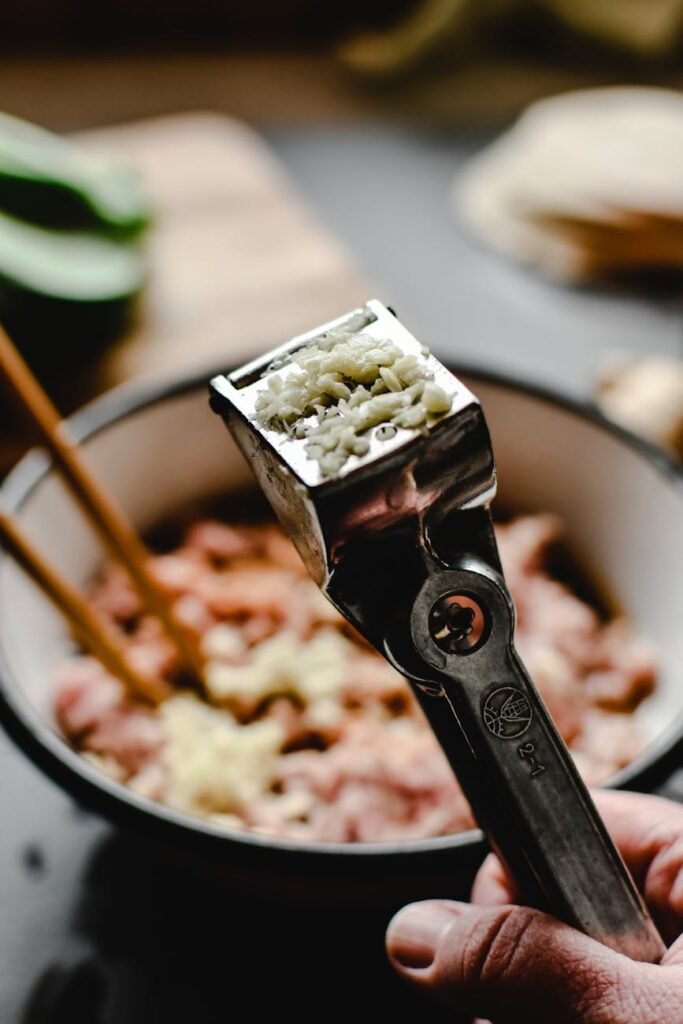
Microplane-style grater — zest citrus, grate garlic, or shave hard cheese in seconds. Real life: add fresh zest or garlic to a weeknight sauce in under a minute.
- Pros: razor sharp, easy to clean.
- Cons: metal can rust if left wet.
- What to avoid: flimsy frames and no rust-resistant finish.
- Cheaper option: a simple box grater with a fine side.
Best under-$15 buy for cooking
Heavy stainless baking sheet — not trendy gear, just reliable performance for roasting and broiling. Real life: crisp veggies and toast sandwiches without warped pans.
- Pros: durable, multiuse for pans and trays.
- Cons: storage space needed.
- What to avoid: thin, easily warped trays.
Best under-$25 buy for storage and leftovers
Leak-resistant stackable containers set — keeps lunches tidy and stops spills in the fridge. Real life: pack salads without soggy lids and stack neatly on narrow shelves.
- Pros: reduces waste, dishwasher safe.
- Cons: takes cabinet space.
- What to avoid: lids that don’t snap or unclear material listings in reviews.
How to choose on Amazon: prioritize reputable brands, check recent reviews, and confirm fast delivery. Avoid off-brand listings that omit materials or have poor photo details.
Prep Tools That Save the Most Time on Weeknights
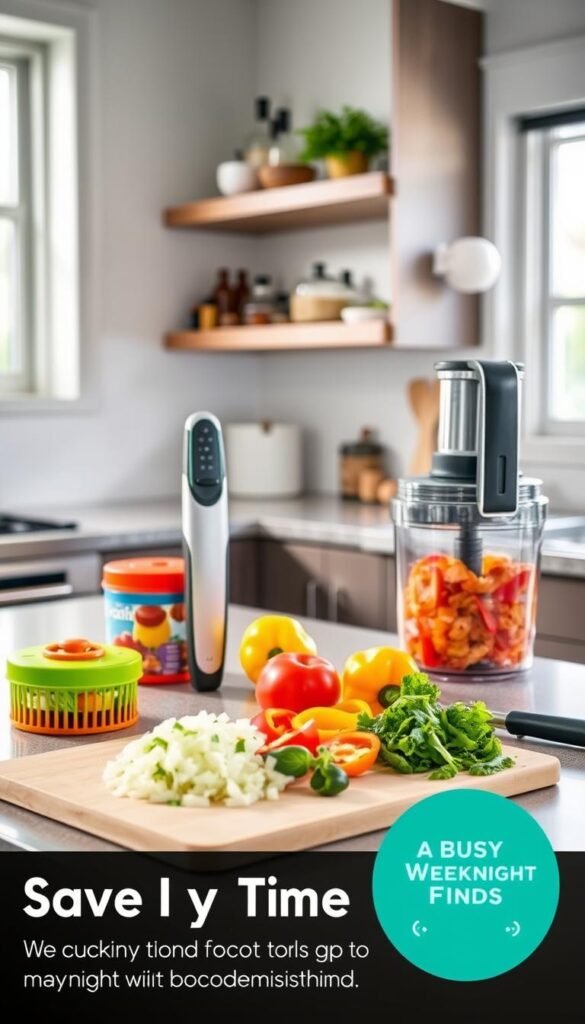
When you need dinner on the table fast, a few smart tools pay for themselves. These are small, budget-friendly pieces that cut steps and keep messes down. Below are practical picks you’ll use most nights.
Microplane-style grater
Why: Brightens sauces and salads in seconds with citrus zest, garlic, or hard cheese.
Who: Weeknight cooks and small-space renters.
Avoid: dull blades or hard-to-clean handles.
Real life: Fresh zest on pasta in 10 seconds.
Bench scraper
Why: Moves chopped food fast and cleans the board in one swipe.
Who: Anyone who chops onions or peppers often.
Avoid: thin metal that bends; prefer a solid steel blade.
Real life: Onions to the pan in one motion, then scraps to the trash.
Kitchen shears
Why: Snip herbs, cut pizza, and open packaging without extra tools.
Who: Busy families and meal preppers.
Avoid: non-separable blades that trap gunk.
Real life: Cut chicken packaging safely without dragging juices across the counter.
Cutting board upgrade
Why: A stable board prevents slips and makes faster, safer cuts.
Who: New cooks and renters.
Avoid: boards that slide or warp. Cheaper option: use a damp towel underneath until you replace it.
Small digital timer
Why: Stops overcooking when you’re juggling sides.
Who: Anyone who multitasks while cooking.
Avoid: tiny buttons or dim screens that are hard to read.
Real life: Set the timer and stop burning rice while you plate.
„Good tools save minutes every night and make the routine feel easier.“
| Tool | Key benefit | Who | Price note |
|---|---|---|---|
| Microplane | Fast flavor boost | Weeknight cooks | Under $15 |
| Bench scraper | Quick scoop & clean | Choppers | Under $12 |
| Kitchen shears | Versatile snips | Families | Under $20 |
| Timer / Board | Prevents burns / Safer prep | Multitaskers / Renters | Under $10 each |
Bottom line: These low-cost, Amazon-friendly tools save minutes every day and cut cleanup. Buy one and feel the difference on busy weeknights.
Affordable Knives and Cutting Essentials That Actually Hold Up
A reliable blade is the single tool that fixes most prep frustrations and speeds every meal.
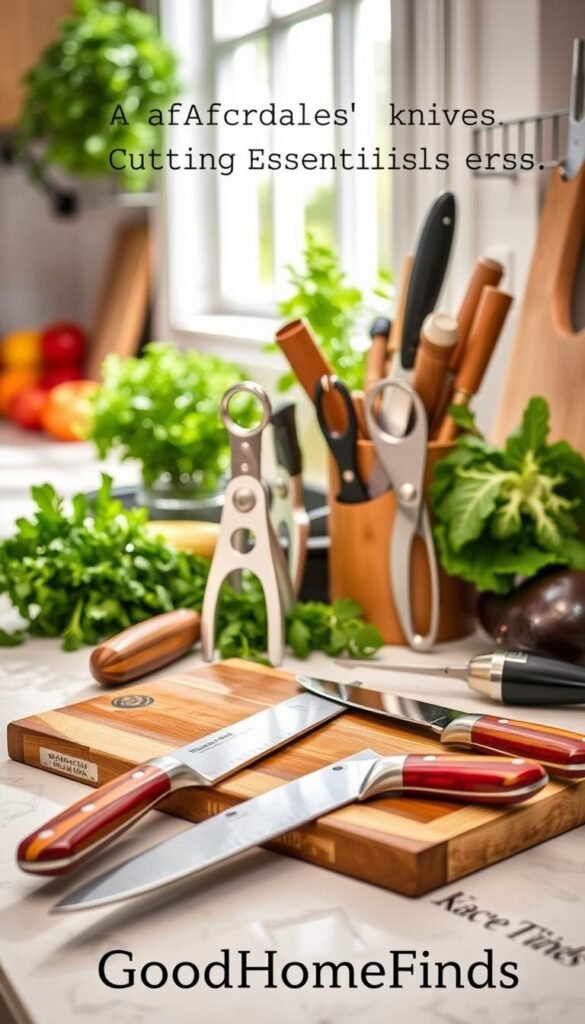
Buy-first decision: if you cook most nights, choose a budget chef’s knife. It handles about 80% of tasks. If you mostly do light prep, start with a paring knife and add a chef’s later.
Why one decent knife matters
One sharp knife reduces sawing, speeds prep, and lowers accidents. Dull tools force extra force and poor cuts.
Knife safety basics
- Use a stable cutting board.
- Curl fingertips and cut away from your hand.
- Never leave knives in a sink.
Maintenance and cheaper options
A simple honing rod keeps a $15 blade working well. A few swipes before chopping onions makes the edge feel nearly new. For more tips, see this concise buying guide.
„A sharp, well-cared-for blade is safer and more useful than an expensive one you never learn to use.“
| Item | Pros | Cons | Who |
|---|---|---|---|
| Budget chef’s knife | Handles most prep, good value | Needs frequent honing | Frequent cooks, renters |
| Paring knife | Precision work, small storage | Not for big jobs | Light preppers, students |
| Honing rod | Maintains edge cheaply | Not a full sharpening tool | Anyone with a budget blade |
Pros/cons summary: Budget blades offer strong value but need care. Higher quality and better metallurgy like stamped or forged steel can hold an edge longer, which affects long-term price vs. performance. Choose a trusted brand sold on Amazon for fast replacement and solid reviews.
Stainless Steel Basics That Cook Better Than Cheap Nonstick
A couple of steel workhorses will change how you cook daily and last far longer than flimsy nonstick. Pick two pieces and you cover most meals: a small skillet and a sheet pan with a rack.
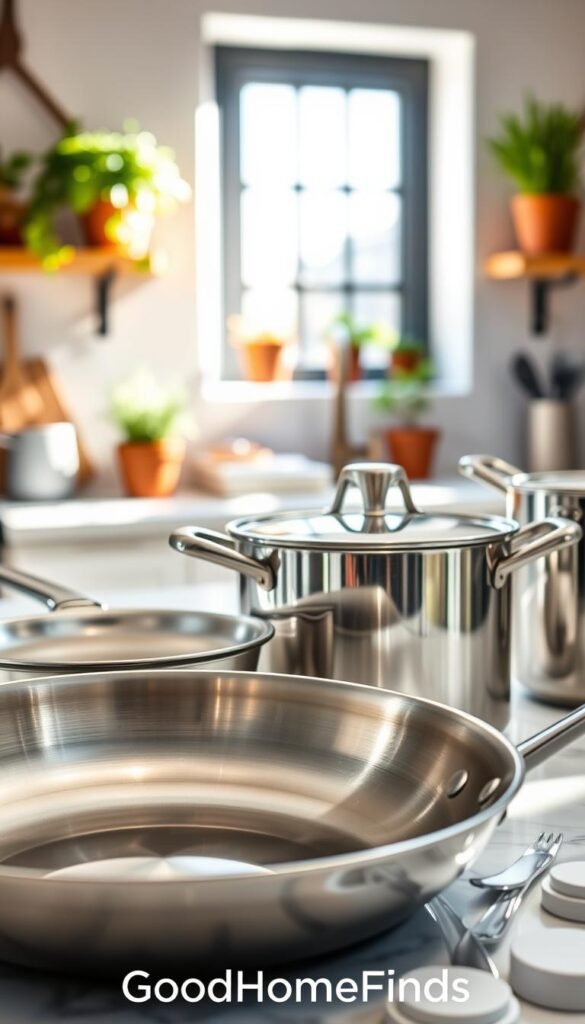
Small stainless skillet
Why: Better browning and no coating to flake. Eggs can work if you preheat the pan and use enough fat.
Who: Anyone replacing scratched nonstick or buying secondhand.
Avoid: paper-thin skillets that warp under heat or loose rivets on the handle.
Sheet pan + rack combo
Why: The rack lets fat drip away and keeps food crisp. Use it for bacon, roast veggies, or pan-roasted chicken without soggy bottoms.
Who: Meal preppers and busy families who want quick cleanup.
Avoid: warped pans and racks with flaking coatings that can chip.
Pros, cons, and the learning curve
Pros: stainless steel is durable, non-reactive, and long-lasting. A few good pans outlast several cheap nonstick ones.
Cons: there is a small sticking learning curve. Simple fix: preheat, add oil, and don’t rush the flip.
„A little technique goes a long way—heat, fat, and patience make stainless perform like a pro tool.“
- Price-value: modest upfront cost, higher long-term value.
- Amazon tip: check photos of rivets and handles, and avoid vague “stainless-like” listings.
- Safety: skip pieces with wobble, loose handles, or sharp edges—especially for thrift buys.
| Item | Benefit | Avoid |
|---|---|---|
| Small skillet | Better browning; no coating to flake | Thin, warping pans |
| Sheet pan + rack | Crispy results; easier cleanup | Chipping rack coatings |
| General | Durable, long-lasting | Loose handles or unclear alloy listings |
Cast Iron on a Budget: Skillets, Care, and When It’s Worth It
A single heavy pan can replace several flimsy pieces and handle searing, baking, and oven finishes without fuss.
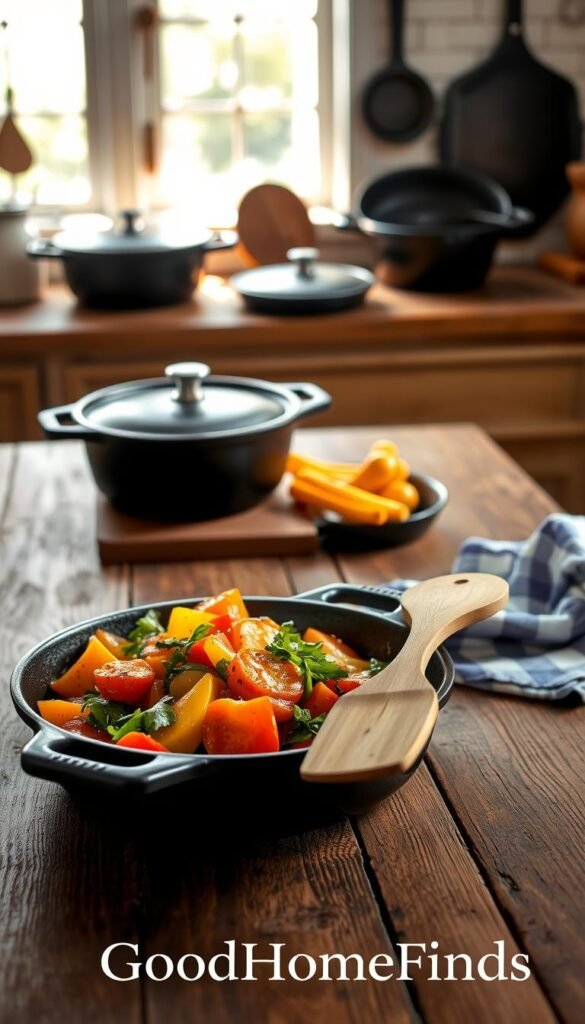
Best affordable brand to look for
Lodge is the reliable, budget option you can buy new with predictable sizes and fast delivery. A new Lodge skillet arrives ready to season and works well for daily use.
Real-life uses and daily value
One cast skillet sears chicken thighs, bakes cornbread, and finishes frittatas under the broiler.
That single pan reduces dishes and covers most stovetop-to-oven meals.
What to avoid and thrift tips
Avoid rust-through, cracked handles, warped bottoms that wobble on the burner, or deep pitting that hides corrosion.
Cheaper option: thrifted cast pieces are often excellent. Vintage brands like Griswold can beat new value if the bottom is flat and the structure is sound.
- Why useful: holds heat and is nearly indestructible.
- Cons: heavy and needs drying plus light oil after use.
- Who: renters, small-space cooks, and anyone who wants one workhorse pan.
| Feature | Benefit | Watch for |
|---|---|---|
| Heat retention | Better sear and even oven finishes | Warped bottoms or uneven surface |
| Durability | Lasts decades with care | Rust-through or repaired cracks |
| Thrift option | High value from vintage brands | Check flatness and handle integrity |
„One well-cared-for cast pan replaces many single-use tools and pays back in flavor and simplicity.“
The One “Big Ticket” Item That’s Truly an Investment (and the Budget Workarounds)
A well-made enameled Dutch oven can replace half your pot collection and earn its price in daily use.
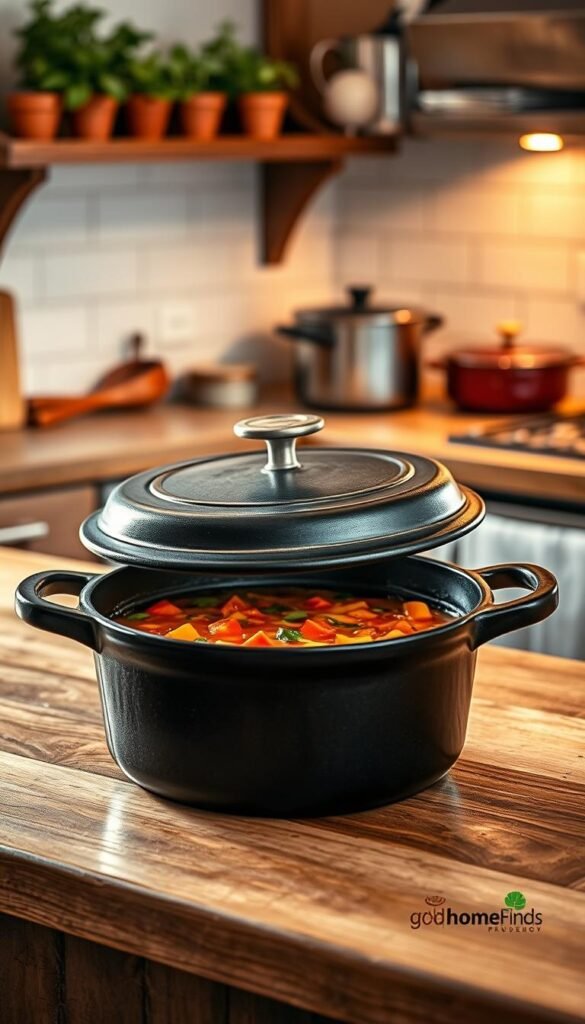
Why it pays off
Practical value: a single pot handles bread, soup, stew, stock, braising, searing, and oven baking. That means fewer pans to wash and one reliable serving piece for guests.
Quality matters
Brands like Le Creuset and Staub control quality and back products with strong warranties. For example, the Le Creuset 5.5-qt weighs 11.4 lb, is induction compatible, and has roomy handles plus an unlimited warranty for structural damage.
Reality check and who should buy
These pieces often cost in the hundreds. Buy new only if you cook often, batch-cook, or host. Skip this purchase if you mostly reheat ready meals.
Budget workarounds
- Choose a smaller size or watch seasonal sales.
- Thrift carefully; inspect enamel for chips and confirm the lid fits.
- Avoid unknown brands with inconsistent coatings and no warranty.
| Factor | Why it matters | Tip |
|---|---|---|
| Versatility | Replaces multiple pots and pans | Good for batch cooking and serving |
| Brand & Warranty | Quality control reduces risk of failures | Prefer Le Creuset or Staub for lifetime support |
| Budget Options | Smaller sizes or thrift saves money | Inspect enamel for chips and fit |
„A reliable enameled Dutch oven rewards daily use and lasts decades if you buy quality and care for the surface.“
Glass and Bakeware Finds That Do Triple Duty
Choose pieces that move from oven to fridge to table so you skip transfers and extra washing. This is the biggest daily convenience you can buy for a small budget.
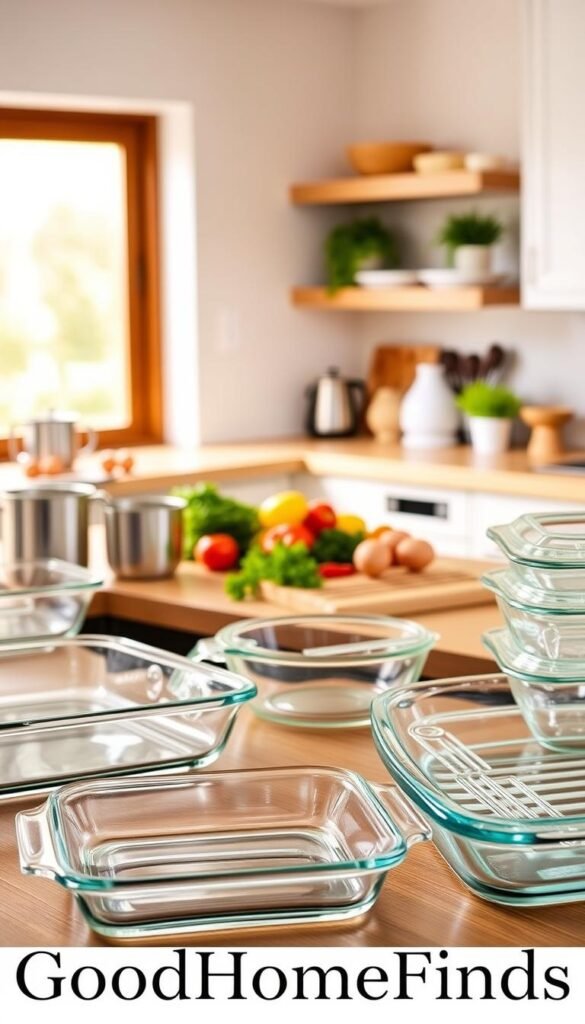
Practical picks: Pyrex and CorningWare-style dishes
Why: a single glass pan lets you bake lasagna, cool it, cover it, and refrigerate without swapping containers. That reduces dishes and saves time.
Who should buy these
Meal preppers, busy families, and anyone working in a small space. These pieces replace multiple single-use containers and speed cleanup.
Pros, cons, and what to avoid
- Pros: stain resistance, dishwasher safe, clear view for reheating.
- Cons: breaks if dropped; thermal shock if moved from hot oven to cold surface.
- Avoid: hairline cracks, chips, mismatched lids, or cloudy glass that signals damage.
Thrift strategy and vintage notes
Thrift stores often hold quality Pyrex and CorningWare-style pieces. Look for good edge condition and fitted lids. Vintage patterns can be collectible, but buy based on daily use, not just design.
| Use | Benefit | Watch for |
|---|---|---|
| Bake & serve | Fewer dishes, easy reheating | Chips on rim |
| Store leftovers | Seal with lid, stack neatly | Mismatched lids |
| Thrift buy | Budget-friendly, often under $25 | Cloudy or cracked bases |
„A single glass dish that does three jobs makes weeknight meals simpler and keeps your cabinets from overflowing.“
Smart Storage That Keeps Leftovers From Getting Tossed
Good storage turns leftovers into lunches, not trash. Small changes to how you store food stop spills, shrink fridge chaos, and extend meals for the week.
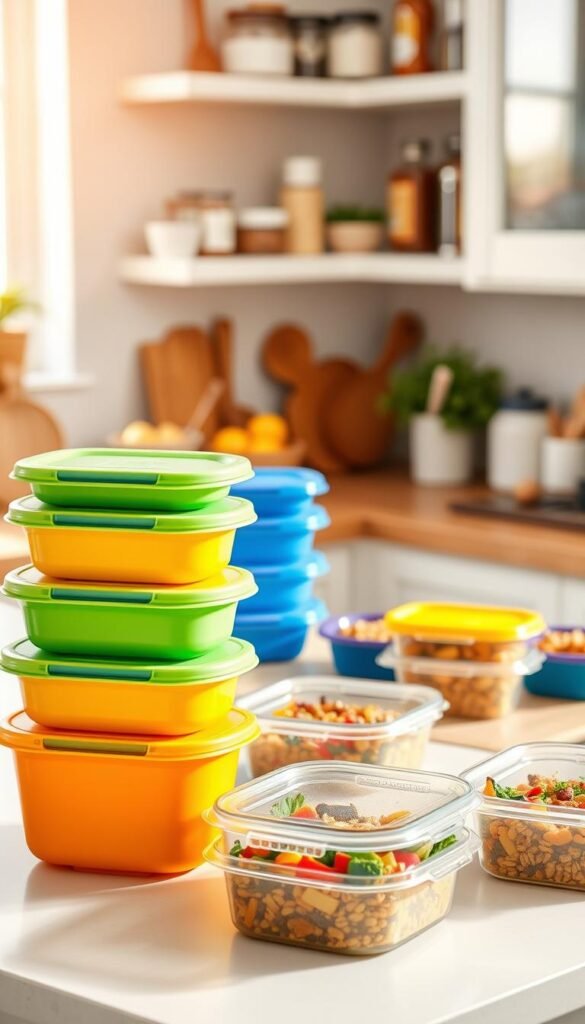
Leak-resistant containers that stack in tight cabinets
Look for tight seals, square or rectangular shapes, and lids that click. These features stop leaks and let you stack a few pieces without wasted shelf space.
Real life: pack a dressed salad into a lunch bag without worrying about oil or dressing leaking through.
Glass vs. plastic: simple rule for routine use
Glass wins for reheating and resisting stains. Plastic is lighter and lower in cost. Choose glass for batch meals you reheat, plastic for portable lunches you carry daily.
Cheaper option: mix-and-match with standardized lids
Buy a few versatile containers and pick matching lids by diameter. This reduces orphan lids and keeps replacements affordable. Prioritize Amazon-friendly brands with clear material listings.
- Who: meal preppers, busy families, renters with small cabinets.
- Avoid: odd shapes that don’t nest, lids that pop off, and flimsy seals.
| Feature | Benefit | Watch for |
|---|---|---|
| Stackable shape | Saves shelf space | Non-nesting odd shapes |
| Leak-resistant lids | No spills in bags or fridge | Loose snaps or weak seals |
| Material choice | Glass for heat; plastic for weight | Warping or staining |
„Good storage prevents the mystery container and keeps more meals on your plate.“
For a quick comparison of reliable container options, see this storage container guide.
Small Cleaning Tools That Make the Kitchen Easier to Keep Up With
Small, practical cleaning tools keep daily messes tiny and your routine painless. These budget-friendly items save you real time and reduce deep-clean sessions.
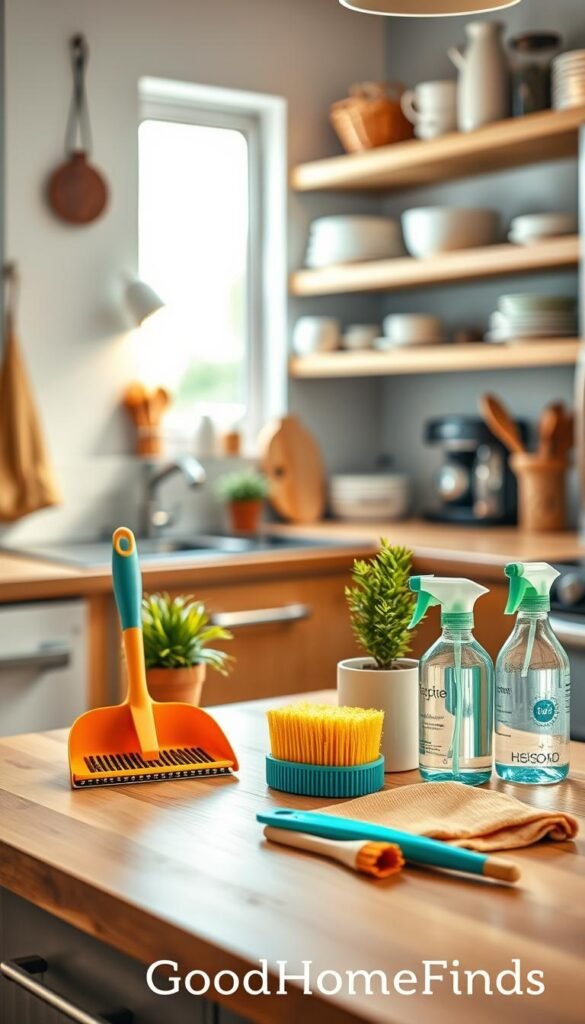
Chainmail scrubber
Why: Removes stuck-on food from a cast iron pan without stripping seasoning.
Who: Anyone who cooks with cast pans and prefers quick cleanup.
Avoid: cheap links with sharp burrs or poor rivets that snag or break.
Real life: after searing, a few swipes and the skillet is ready for oil and saving the next meal.
Bottle brush
Why: Reaches narrow bottles and vases where odors form.
Who: People using reusable bottles or glassware with tight necks.
Avoid: brushes that shed plastic bristles or traps that hold gunk.
Real life: a 30-second scrub stops stale smells and keeps water bottles usable for days.
Sink caddy and drain tools
Why: Keeps sponges dry, reduces sink funk, and catches hair before it clogs the drain.
Who: Small-space renters and busy households that need tidy sinks fast.
Avoid: caddies with no drainage or designs that trap moisture and mold.
| Tool | Key benefit | Price note |
|---|---|---|
| Chainmail scrubber | Clean cast surface; preserves seasoning | Under $25 |
| Bottle brush | Clears narrow necks; removes odors | Under $15 |
| Sink caddy & drain tool | Reduces clogs; keeps sink dry | Under $20 |
„Small tools prevent big cleaning days and keep everyday use pleasant.“
Amazon-first tip: check materials and measurements, and prefer items with steady reviews for durability. Keep tools that dry quickly and avoid products that stay damp and smell. These simple pieces make your home routine faster and less annoying.
Serving and Table Pieces That Look Good Without Costing a Lot
Good table pieces save space and look intentional, even when they’re thrifted. Pick a few versatile platters and bowls that you can use for weeknights and small gatherings.
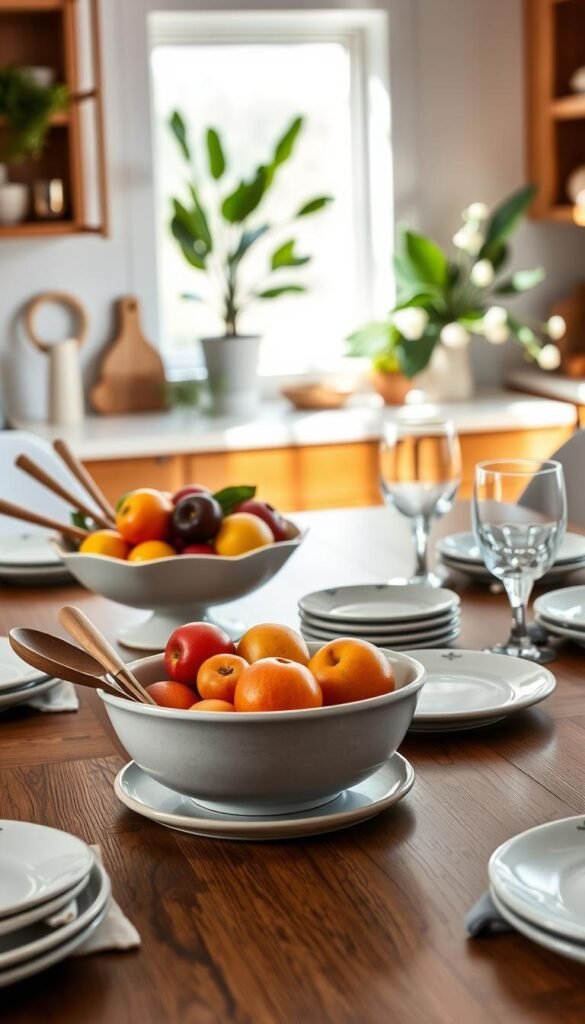
Thriftable serving dishes that handle parties
Why: One large platter can serve tacos, grilled veggies, or a potluck spread. You skip specialty dishes and clear less at the end.
Who should buy these
Entertainers on a budget, small apartments, and anyone who prefers practical looks over fragile showpieces.
- Thrift priorities: platters, serving bowls, simple trays that survive dishwasher cycles.
- Brands to watch: Fiestaware and Dansk-style items, known for color and reliable build.
- Value tip: buy a few workhorse pieces instead of full sets to save space and money.
- Avoid: chips, cracks, and anything with unstable feet or wobble when full.
| Item | Benefit | Watch for |
|---|---|---|
| Large platter | Serves many; fewer dishes | Edge chips |
| Serving bowl | Holds salads or sides | Cracked glaze |
| Tray | Easy transport | Unstable handles |
Real life: One sturdy platter replaces three specialty bowls at a casual gathering.
For styling tips on casual layouts, see this informal table setting guide.
Barware and Drink Tools That Save the Most Money Secondhand
Well-chosen barware can turn thrift shelves into a guest-ready bar without a big budget. You can build a practical, stylish setup by hunting for a few core pieces rather than buying full new sets.

What to look for
Focus on cocktail shakers, rocks glasses, coupes, and copper mule cups. Look for comfortable shapes you’ll use often. Bigger items like a crystal punch bowl are great secondhand finds if the rim is clean.
Crystal vs. glass: quick checks
Do the ring test: tap a piece gently. Crystal rings; glass gives a dull thud. Hold the piece and feel weight. Crystal feels denser and heavier. In bright light, crystal can break light into tiny prisms.
Real-life hosting setup
With four rocks glasses, a shaker, a small coupe, and a copper mule cup you can host a game night without spending hundreds on new items. Thrifted pieces often match in style and add character.
Pros, cons, and what to avoid
- Pros: big savings, unique looks, and fast cabinet upgrades.
- Cons: must inspect for hairline cracks, chips, or cloudy damage.
- Avoid: chipped rims, cloudy glass that hides flaws, and mismatched sizes that don’t stack or store well.
| Item | Why look | Watch for |
|---|---|---|
| Shaker | Essential for cocktails | Seals well; no dents |
| Rocks glass | Everyday use | Chips on rim |
| Coupes / punch | Formal feel for parties | Hairline cracks |
„Thrifting barware builds a hosting-ready cabinet fast and keeps your budget intact.“
For more thrift tips and what to check before you buy, see this short guide on smart secondhand buys: thrifted kitchen items worth money.
Copper Finds: When They’re Worth It and When They’re a Hassle
Copper heats quickly and gives very even results, which helps with precise cooking and delicate temperature control. The metal also signals quality and craftsmanship on sight.

Reality check: new copper pans often carry a high price. They make sense as a single daily-use pan or as thrifted bargains. Otherwise, upkeep and cost become a drag.
Safety and buying checks
Always confirm the lining. Most copper pans are lined with tin or stainless steel. A worn lining makes a pan unsafe or impractical.
- Avoid unlined copper for direct food contact.
- Skip pieces with worn-through lining or big dents on the base.
Who should buy
If you cook often and enjoy maintenance, a copper pan rewards you with responsiveness. If you prefer low-maintenance gear, skip pans and choose copper tools instead.
Start with a mug or measuring cups for the look. Buy pans only if you will care for and reline when needed.
| Why | Pros | Cons |
|---|---|---|
| Precision heat | Fast, even response | High cost and upkeep |
| Thrift option | Big savings on used pieces | Must check lining and dents |
„Thrifted copper can be a steal, but inspect the lining and flatness before you buy.“
For cleaning tips and lining care, see this short guide on how to clean copper pans: caring for copper cookware.
Thrift Store Kitchen Finds Worth It If You Know What to Check
Thrift shelves hide real, usable tools if you scan for durable metals and solid construction.
Why this pays off: you can score higher quality for less by prioritizing stainless steel, cast iron, ceramic, and glass. These materials age well and do not rely on fragile coatings.
Quick thrift checklist
- Test handles and lids for wobble and tight fit. A wobbly handle is a burn risk when draining hot food.
- Skip scratched nonstick and cracked glass.
- Look for All‑Clad–style handle shapes to spot solid builds fast.
- Check brand marks: Le Creuset, Pyrex, CorningWare, Lodge, Griswold are good bets.
Sentimental but useful: a sturdy vintage mixer or rolling pin can be both charming and practical. A loved rolling pin makes you bake more often.
| What to test | Why | Cheaper alternative |
|---|---|---|
| Handle rivets | Safety and long term use | Replaceable wooden handles |
| Lid fit | Prevents spills and steam loss | Universal silicone lids |
| Flat bottoms | Even heat on stovetop | Use a heat diffuser |
For deeper thrift shopping tips, read this thrift shopping tips and see compact solutions at small kitchen solutions.
What to Avoid Buying (Even If It’s Cheap)
A low sticker price can hide a future headache—buy smart, not impulsive. Cheap purchases often cost you more in time, mess, or replacement. Below are clear, practical items to skip and simple alternatives that last.
Scratched nonstick pans and flaking coatings
Why avoid: a scratched coating can flake into food and loses nonstick performance.
Instead: choose a small stainless or cast iron basic. Used steel or a thrifted cast pan is fine if the surface is intact.
Chipped dishware or cracked glass containers
Why avoid: chips and cracks trap bacteria and risk sudden breakage.
Instead: buy intact glass bakeware or reliable storage with tight lids for safe reheating and stacking.
Kitschy single-use gadgets
Why avoid: they clutter drawers and rarely earn their space.
Instead: pick multi-use prep tools like a bench scraper or sturdy shears that replace many niche items.
Electrics with missing parts or poor safety history
Why avoid: repaired or incomplete electrics bring safety and replacement issues.
Instead: use manual tools or buy a new unit from a trusted seller with warranty and clear reviews.
- Real cost: cheap buys can waste your money and time long-term.
- Quick check: inspect for chips, wobble, and missing parts before you buy used.
| Problem | Consequence | Simple alternative |
|---|---|---|
| Scratched pans | Flaking; poor cooking | Stainless or cast iron |
| Chipped glass | Safety risk; breaks | Intact glass bakeware |
| Questionable electrics | Safety/repair costs | Manual tools or new, warranted models |
Amazon note: don’t buy from every flashy advertisement. Check materials, warranty, and recent real reviews before you spend money. For renter-friendly picks and thrift tips, see these renter-friendly tips.
How to Choose the Right Item for Your Kitchen and Budget
Start with a problem — not a product — and buy the smallest item that fixes it reliably. That makes the decision simple and keeps purchases practical.
Price-value evaluation
$10: pick one time-saving tool. A grater, bench scraper, or timer saves minutes nightly and proves its value fast.
$15: upgrade safety or speed. A honing rod or stable board keeps cuts safer and prep quicker.
$25: choose items that cut waste. Leak-proof containers or a sheet pan + rack stop ruined meals and save money.
Who should buy what
- Small spaces: multi-use, flat-storing tools.
- Busy families: spill-proof and fast-clean pieces.
- New cooks: safety-first basics and clear instructions.
- Meal preppers: durable storage and baking sheets.
Amazon-first strategy
Favor reputable brands, recent user reviews mentioning long-term use, and fast delivery. Skip listings with vague specs or too-good bundles.
Quality & safety checklist
- Material listed and heat ratings.
- Solid handles and no wobble.
- Clear lid seals and return policy.
„Buy one thing that genuinely saves you time each week — and you’ll see the value.“
Next step: continue reading for a short shopping list and final recap.
Conclusion
Practical pieces beat flashy gadgets. Pick tools you touch most days. That saves time, reduces waste, and makes cooking less frustrating.
Buy-first shortlist (mostly under $25): one prep tool (microplane or bench scraper), one cooking essential (small stainless or cast skillet), and one storage solution (leak-resistant containers). These three cover prep, cooking, and storage without clutter.
Safety first: avoid scratched nonstick, chipped dishes, and cracked glass. Prioritize stable handles and tight lids to prevent accidents and food spoilage.
Thrift durable metals when you can, and buy new from trusted Amazon listings when you need fast delivery and easy returns. For vintage thrift tips, see this guide on vintage thrift finds.
Next steps: continue reading your biggest daily pain point—prep, cooking, storage, or cleanup—and start by buying the one tool that fixes that annoyance. Also continue reading reviews carefully and continue reading the “what to avoid” rules before checkout to prevent waste and regret.