
This practical guide helps renters and small-space residents first, then homeowners deciding between cabinet refacing and full replacement. It shows simple, no-drill upgrades under $25 and $50 plus longer-term choices that affect daily use and resale value.
The article splits into two tracks: fast, renter-friendly ideas for immediate uplift, and deeper options focused on cabinet boxes, layout, safety, and disruption. Readers get clear numbers: refacing commonly runs about $4,000–$10,000 and finishes in roughly 3–5 days, while replacement often costs $8,000–$30,000+ and takes around 2–8 weeks.
Each option lists pros, cons, durability, and ease of setup. The guide highlights value and maintenance over trends and flags hidden damage — like water or sagging — that can change the best choice. Expect straightforward “best for” callouts so readers can match a solution to their space, budget, and routine.
Key Takeaways
- Two clear paths: renter-friendly quick wins and longer-term cabinet decisions.
- Refacing: faster, less disruptive, typically 3–5 days and ~70–80% ROI.
- Replacement: more costly and time-consuming but may be needed for major damage.
- Quick options cost under $25 or $50 and require no drilling.
- Match the choice to layout, safety, and how much disruption is acceptable.
What “quick fixes” and “long-term solutions” really mean in a kitchen update
Deciding between fast upgrades and full remodels means weighing daily needs against future returns. Quick options are reversible, low-cost moves that lower friction in daily life. They avoid drilling and permanent changes. Renters and shared-home residents keep routines intact while improving usability.

When a fast solution is the smarter move for renters, roommates, and small spaces
Quick fixes are small, reversible upgrades that reduce clutter, boost visibility, and make cleanup easier. Examples include peel-and-stick liners, under-shelf organizers, and nonpermanent hooks. They respect lease rules and short timelines.
When a long-term solution pays off for function, safety, and home value
Long-term solutions improve durability, storage, moisture resistance, and safety. Refacing preserves cabinet boxes while updating doors, drawer fronts, and hardware—good when the layout and box condition are sound. Replacement removes old cabinets to change layout or to access plumbing and electrical for safety.
- Key factors: cabinet box condition, layout needs, time tolerance, and budget reality.
- Think about daily routines: cooking frequency, kids or pets, and how many days of disruption are acceptable.
- Value lens: many projects balance ROI with daily comfort and safer storage.
Quick kitchen fixes that require no drilling and work in small kitchens
Simple, removable changes often solve the most common clutter and lighting problems in tight spaces. These renter-friendly options improve cabinet function, add usable storage, and brighten work areas without tools or permanent alteration.

Under-$25 clutter control for counters and drawers
- Non-slip utensil tray to keep utensils organized in a drawer.
- Expandable drawer dividers for silverware and small gadgets.
- Slim countertop caddy to hold daily tools and reduce surface clutter.
Under-$50 cabinet and pantry upgrades that add space
- Stackable pantry bins with front handles and a small turntable for oils and spices.
- Pull-out shelf insert or an over-shelf basket to double usable shelf area.
- Freestanding narrow cart that fits beside the fridge for instant extra storage.
Renter-friendly lighting and visibility
Rechargeable motion-sensor puck lights and battery LED strips brighten dark counters and deep cabinets. Add reflective shelf liner to bounce light inside tall cabinets for better visibility.
Temporary surface refresh and sink-area upgrades
Use removable vinyl backsplash tiles or wallpaper panels and peel-and-stick edge trim to hide wear on doors and drawer fronts. For the sink, add a silicone splash guard, a draining sink caddy, and a small under-sink moisture absorber to reduce mold risk.
Pros, cons, and best-for guidance
- Pros: quick setup, low cost, reversible, and easy maintenance.
- Cons: cheap adhesives may fail, peel-and-stick can degrade near heat or moisture.
- Best for: studios (countertop zoning), galley layouts (vertical storage), and shared apartments (labeled bins and clear zones).
Kitchen fix comparison: cabinet refacing vs. cabinet replacement at a glance
A concise table helps readers weigh cost, time, and daily disruption for a small remodel or a full upgrade. Below is a practical, side-by-side view to guide decisions and next steps.

Side-by-side summary
| Feature | Cabinet Refacing | Cabinet Replacement |
|---|---|---|
| Typical cost (U.S.) | $4,000–$10,000 | $8,000–$30,000+ |
| Time | About 3–5 days | About 2–8 weeks |
| Daily disruption | Kitchen mostly usable; less dust and noise | Often non-functional for days; more dust and demolition |
| Layout flexibility | Keeps existing footprint and cabinet boxes | Full layout change possible; new cabinet placement |
Costs, time, and real-life impact
Costs depend on size, materials, and local labor. Refacing usually saves money when boxes are sound. Replacement raises material and disposal costs but offers design freedom.
Time matters: refacing often finishes in about a work week. Replacement can stretch for several weeks and may need a temporary meal setup.
Who this fits
Refacing fits homes with solid cabinet boxes and a stable routine. Replacement fits when boxes show water damage, warping, or mold, or when a new layout is needed. If hidden damage exists, the cheapest route can become costly later.
For a deeper pros and cons analysis, continue to the next sections.
Cabinet refacing for long-term improvement without changing your kitchen layout
When the cabinet frames are solid, refacing offers a sensible path to refresh the look without a full teardown. This approach keeps the existing layout and replaces only the visible parts so disruption is limited.

What refacing replaces
Refacing updates doors, drawer fronts, exposed surfaces, and hardware while the cabinet boxes remain. The cabinet boxes stay in place; new fronts and hardware create the new look.
Typical refacing process
- Remove doors and drawers and inspect the boxes for damage.
- Prep surfaces, repair minor wear, and apply veneer or laminate materials.
- Install new doors, drawer fronts, and hardware; adjust hinges and slides.
Best fit, pros and cons
Refacing is a good choice when boxes feel structurally sound, shelves do not sag, and the existing layout works. Pros: it often saves about 30–50% and can run 50–70% less than full replacement.
Cons: storage capacity and layout stay the same, and hidden issues inside boxes may remain. Door styles can change, but cabinet proportions do not.
Durability and maintenance
Durability typically ranges from about 10–15 years depending on materials and box condition. For upkeep, use a mild cleaner and a soft cloth, avoid soaking edges, and tighten hardware periodically.
Moisture control matters: wipe around sinks nightly, place a small under-sink tray, and fix leaks quickly to protect boxes and extend the life of the kitchen cabinet surfaces.
Cabinet replacement when you need a true kitchen remodel solution
When cabinets show water damage, warping, or mold, replacement often becomes the most reliable long-term solution.
Start by spotting clear „replace“ triggers: cabinet boxes that are swollen, sagging, or moldy—especially near sinks and dishwashers. These problems mean the boxes themselves are compromised and a superficial update won’t hold up.
Removing old cabinets lets a remodel change the entire layout and install modern storage solutions. New cabinets and replacement boxes enable deeper drawers, pull-out trash, tall pantry units, and better corner systems that old boxes often cannot support.

What to expect and plan for
- Daily life impact: projects commonly take about 2–8 weeks and may require temporary cooking and cleanup stations.
- Pros: full design freedom for layout, storage, and modern materials.
- Cons: higher cost ($8,000–$30,000+), more waste, and weeks of dust and noise.
Durability and safety opportunity
New cabinets typically last about 20–30 years with routine care: avoid standing water, clean gently, and tighten hardware periodically. A full replacement also exposes plumbing and electrical behind boxes, offering a key chance to repair leaks, update shut-offs, or address outdated wiring for improved safety.
| Feature | What replacement changes | Typical impact |
|---|---|---|
| Scope | Remove old boxes and install new cabinet boxes and fronts | Full layout redesign and updated storage |
| Time | Lead + install: 2–8 weeks | Temporary loss of normal kitchen access |
| Costs | $8,000–$30,000+ | Higher material and disposal costs |
| Durability | New materials and hardware | About 20–30 years with care |
Planning note: schedule contractor lead times and order materials early to keep the project moving and reduce downtime.
The hybrid approach: reface what’s solid, replace what’s failing
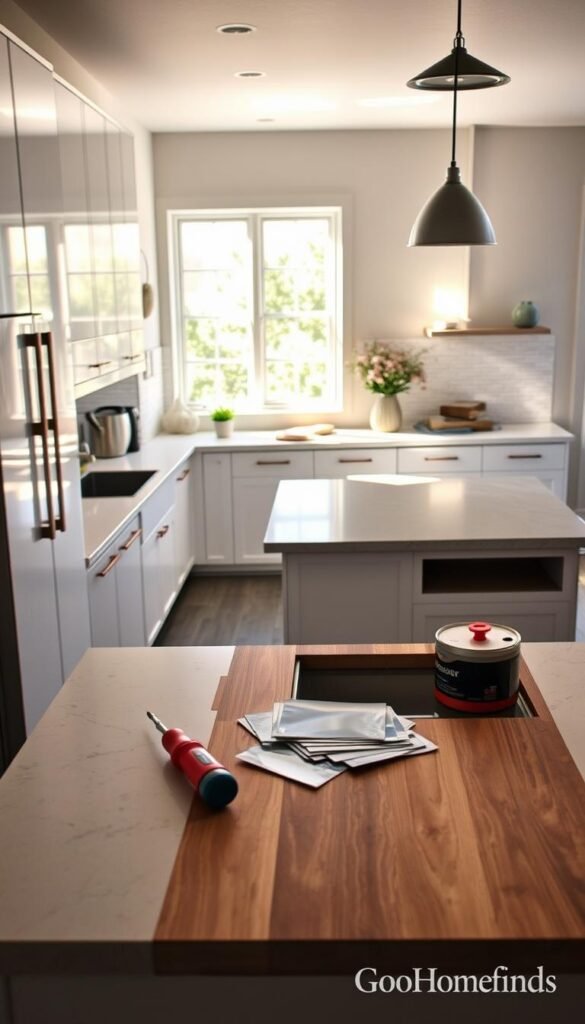
When some cabinet boxes are sound but others fail, a mixed approach often saves money and time. This hybrid path keeps solid cabinet boxes and refaces them, while replacing the sections that are damaged or unsafe.
How hybrid projects reduce cost and disruption
Advantages: hybrid projects cut cost and shorten time compared with full replacement. Occupied homes stay functional longer and need fewer days offline.
Common problem zones worth replacing include under-sink bases with chronic moisture, a sagging corner base, or a short run that blocks an appliance upgrade.
Tradeoffs and practical matching tips
Tradeoffs: the approach adds coordination and more decision points. There is a real risk of mismatched doors and drawer fronts if materials or finishes differ.
- Bring a door sample to the home and view it in natural and artificial light.
- Confirm sheen level and hardware so old and new sections read as one style.
- Plan for slight trim or filler pieces where boxes meet new units.
Small-space angle: for tight layouts, a hybrid plan avoids reworking footprints while improving the most-used storage and cleanup areas. It is a practical middle option among available materials and options.
How to choose the right option for your space, budget, and daily routine
Choose the path that fits daily routines, budget limits, and the real condition of existing cabinet boxes.

Decision checklist
- Cabinet condition: solid boxes = reface; swollen or moldy = replace.
- Layout needs: keep footprint for less disruption; change footprint for full replacement.
- Budget & time: under $50 or under $25 for quick upgrades; refacing ~$4,000–$10,000; replacement ~$8,000–$30,000+.
- Tolerance for disruption: refacing ~3–5 days; replacement ~2–8 weeks.
Budget planning
| Path | Typical cost | Typical time |
|---|---|---|
| Under-$25 quick upgrades | $0–$25 | Hours |
| Under-$50 upgrades | $25–$50 | Hours |
| Refacing | $4,000–$10,000 | 3–5 days |
| Full replacement | $8,000–$30,000+ | 2–8 weeks |
Apartment-size alternatives & daily survival
Studios: prioritize vertical storage and bright task lighting that needs no tools.
Galley runs: add narrow carts and clear traffic lanes.
One-bed: use pantry bins and a drop zone to limit spillover into living spaces.
„Plan a temporary food station with a kettle and microwave to keep daily life moving during a project.“
Maintenance and value lens
Wipe spills fast, avoid harsh cleaners, and tighten pulls quarterly. Refacing often returns about 70–80% ROI, while replacement commonly yields around 50%; safety and durability also affect long-term value.
Conclusion
Use this closing summary to match daily needs, budget, and cabinet condition before you commit.
Core takeaways: quick under-$25 and under-$50 no-drill upgrades restore daily function fast. For longer work, refacing generally costs about $4,000–$10,000 and finishes in 3–5 days with ~10–15 years of durability. Replacement runs higher ($8,000–$30,000+), takes 2–8 weeks, and can last 20–30 years.
Choose to reface when cabinet boxes are solid and the layout works. Choose full replacement when boxes fail or a new plan is needed. Do a final sanity check: confirm budget, time tolerance, and box condition, then pick the least disruptive option that solves the real problem.
Maintenance matters: moisture control, gentle cleaners, and tightened hardware extend life, protect home value, and make any choice look better longer.


One Comment