You want simple, practical picks that actually earn a spot in your laundry room. This roundup focuses on affordable tools—mostly under $25—that save you time and hassle. These are real, everyday problem-solvers chosen and editor-tested with pro organizer Janelle Lam’s input.
Pick one or two items that fix your biggest pain point: wrinkles, lint, odors, or clutter. Do not buy everything at once. Each suggestion includes price-value checks, pros and cons, and clear „who it’s for“ guidance so you avoid flimsy or wrong-size purchases.
Most picks ship fast on Amazon, which helps when you need a quick fix for mildew or constant lint. Safety notes matter: anything in a hot dryer needs heat-safe materials, and delicates require gentle, non-abrasive tools.
Later sections cover drying and wrinkle fixes, lint and sweater care, washer solutions, small-space sorting, and shoe/delicate washing. If you want a wider comparison, check this guide to the best laundry room solutions.
Key Takeaways
- Budget focus: Most picks are under $25 and renter-friendly.
- Shop smart: Choose 1–2 items that solve your top problem first.
- Amazon-ready: Fast delivery matters for urgent issues like smells or lint.
- Safety first: Use heat-safe materials for dryers and gentle tools for delicates.
- Practical use: Real editor-tested items, not trendy extras that collect dust.
- What’s ahead: Sections on drying, lint care, washer fixes, small-space sorting, and shoes.
What Makes a Laundry Product Worth Buying for a Real Laundry Room
Buy what earns its space by saving you a repeat wash or extra minutes each week.
Start with usefulness over gimmicks. A true win is an item that saves time, reduces mess, or stops re-washes without adding steps. If a tool only helps “once in a while” or creates more clutter in the room, skip it.
How we judged value
We used customer feedback, organizer Janelle Lam’s advice, and real-world testing. Fast Amazon shipping was a plus when quick fixes matter.
Quick under-$25 price-value test
- Cost per use: reusable beats disposable.
- Build quality: zippers, seams, handles must hold up.
- Solves a daily problem: tangling sheets, pill-prone knits, or dryer static.
Safety and quality basics
Check materials and heat resistance. Items that go in the dryer need heat-safe parts. Mesh should be washer-safe and snag-free. Avoid plastics that could melt near heating elements.
| Check | Why it matters | Red flags |
|---|---|---|
| Dimensions & fit | Prevents returns and wasted purchases | Vague sizes, no measurements |
| Material & build | Longevity and safety in use | Thin fabric, sharp plastic edges |
| Reviews & parts | Shows real-life durability; replacement parts exist | Too-good-to-be-true bundles, weak reviews |
Simple rule: if an item adds setup or clutter, it’s not worth it. When cheaper alternatives work, we’ll recommend them. For more small-space tips, see our small-space picks.
Best laundry finds under $25 for faster drying and fewer wrinkles
Choose a few compact tools that speed drying and cut wrinkles without adding clutter. Drying hangs up when loads are too big, sheets twist into tight ropes, or hot air can’t circulate. Small fixes make a big difference.
Wool dryer balls as a reusable alternative
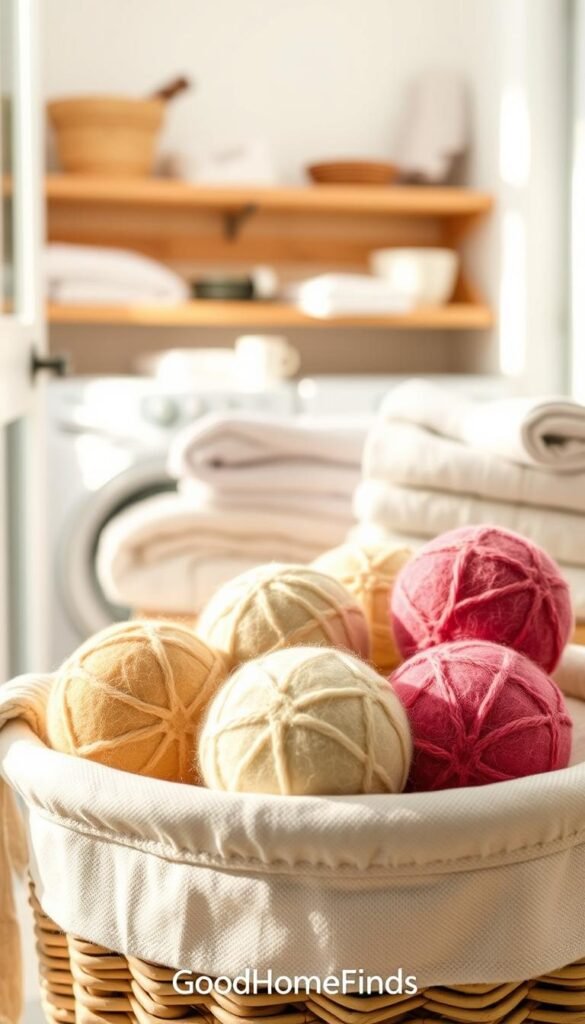
Why they work: Wool balls separate items so warm air moves freely, which trims dryer time and lowers static. Everspring-style wool balls also accept a drop of essential oil for light scent.
Pros: reusable, less residue than dryer sheets, waste-free. Cons: they don’t mimic every fabric softener’s feel.
Real life: Toss three balls in with towel loads and you may skip an extra 20-minute run.
Wad-Free sheet detangler
Why it helps: Clips on corners to stop sheets from wrapping into a single wad. That clears air pockets and reduces wrinkles.
Pros: faster, more even drying for king and queen sheets. Cons: you must fasten corners correctly for best results.
Real life: Sheets come out loose and fold-ready, instead of needing a repeat cycle.
Retractable stainless-steel line for small spaces
Why you want one: A wall-mounted line lets you air-dry delicates and leggings without a bulky rack. It’s renter-friendly and budget-wise.
Pros: saves floor space, gentle on delicate clothes. Cons: needs secure mounting and don’t overload it.
What to avoid in the dryer
- Don’t overload the drum — air needs room to move.
- Skip heavy fragrance if you’re scent-sensitive.
- Never put unknown plastics or heat-melting items in high heat.
Alternatives: On the tightest budget, use plain wool balls without oils or try an over-door rack for extra hanging space. For closet and small-room organization, see our best closet space solutions.
Lint, fuzz, and sweater care that actually works (without damaging clothes)
Pilling and fuzz age your best pieces fast; a small tool can bring them back to life. Dark tops and wool knits show wear quickly. Cheap gadgets can snag or thin fabric. Use simple, tested tools instead.
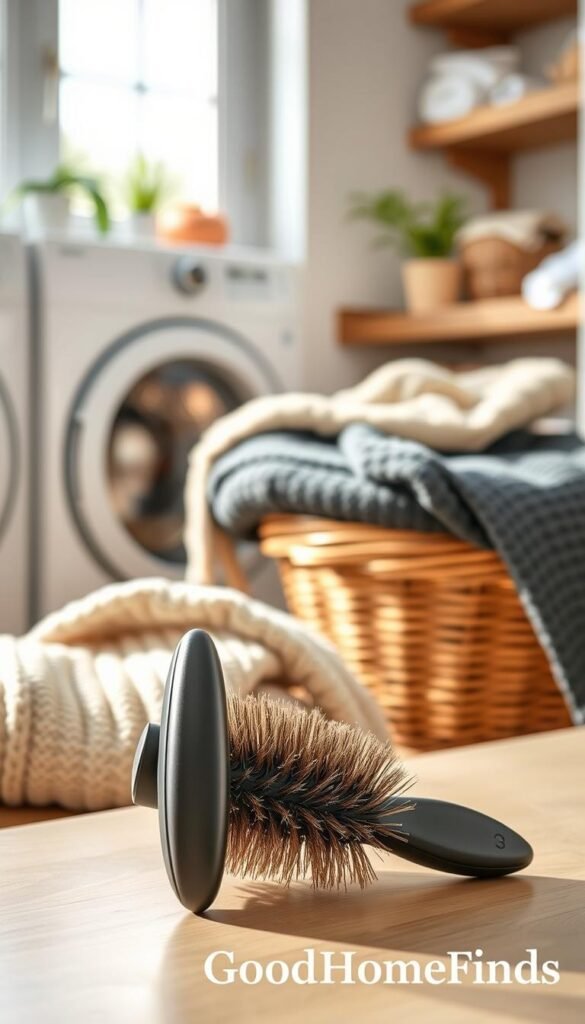
Gleener fabric shaver lint brush
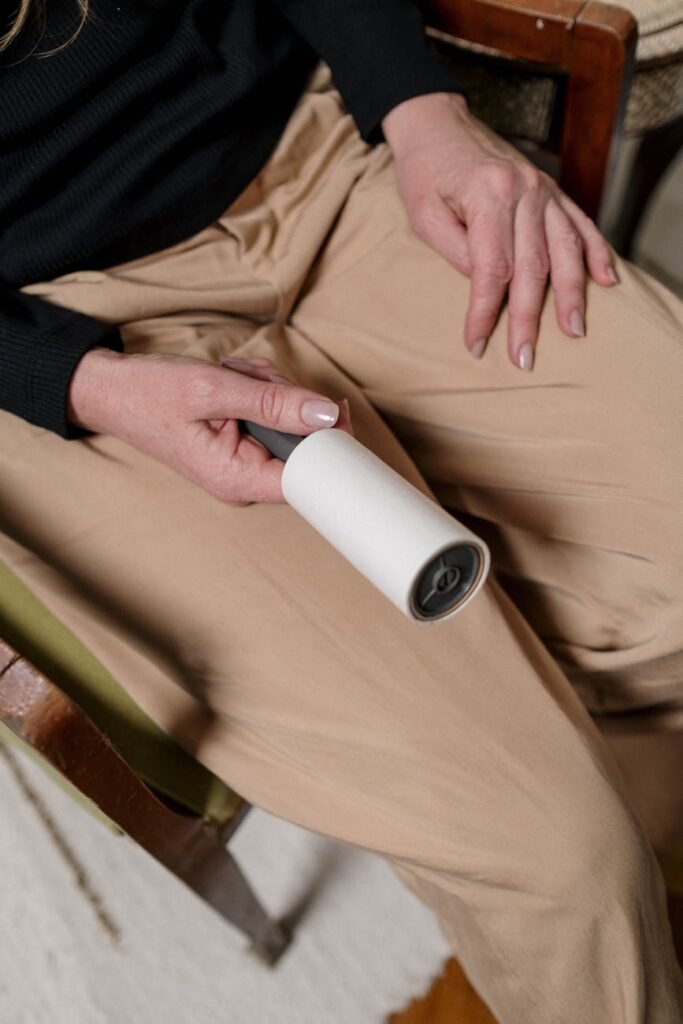
The Gleener is battery-free and uses replaceable razors for de-pilling and surface lint removal. It doubles as a brush and a shaver in one compact tool.
- Pros: no charging, portable, works on sweaters, leggings, and upholstery.
- Cons: needs a light hand; results vary by fabric.
- Real life: before a video call, swipe your black pants and they look fresh instead of dust-covered.
Sweater Stone — a simple, budget option
The Sweater Stone from The Container Store is a no-frills de-piller. It removes pills with short, gentle passes and has no moving parts.
- Pros: cheap, fast, low-tech.
- Cons: not for very delicate open knits; technique matters to avoid thinning.
- Real life: a few soft strokes on underarm pills makes a favorite sweater wearable again.
Who should choose which tool
- If pet hair and surface fuzz bother you most, prioritize a lint brush for quick touch-ups.
- If pilling is the issue, pick a shaver or sweater stone for targeted de-pilling.
„Test on an inside seam before full use. Gentle strokes keep knits intact.“
Quality and safety tips
- Always test on a hidden area first.
- Store blades covered and away from curious hands in your closet.
- Avoid pressing hard—pressure thins fibers faster than pills do.
What to avoid: aggressive electric shavers with poor guards, using de-pillers on loose weaves, and leaving tools uncovered where they can nick skin or snag clothes.
Washer and detergent fixes that cut odors, leaks, and mess
You can cut musty odors and sticky messes with a couple of cheap, practical tools. A clean-looking washer can still trap residue. Over time that residue causes sour smells, especially in front-load washing machines. A short monthly habit prevents re-washes and wasted detergent.
Affresh washing machine cleaning tablets
Why it helps: Drop a tablet into an empty cycle to break down buildup and odor. Do this monthly for best results.
- Pros: easy, no scrubbing, affordable monthly maintenance.
- Cons: not a substitute for wiping the gasket and detergent drawer.
- Who it’s for: anyone noticing musty smells or dull towels after washing.
„One cleaning cycle plus a quick gasket wipe made my towels smell normal again.“
Detergent drip catchers to stop sticky shelves
Why it helps: A small tray or catcher under the bottle stops drips and wasted liquid detergent. Cheap Amazon options work well for most bottles.
- Pros: immediate mess reduction, saves product from puddling.
- Cons: fit varies by bottle; still wipe occasional spills.
- Who it’s for: liquid detergent users and shared-room setups.
Price-value: Both items are budget-friendly and prevent re-washes and wasted detergent. They pay for themselves by reducing odor problems and spills.
What to avoid and a cheap alternative
- Do not over-suds — too much detergent makes residue worse.
- Never mix cleaners — this is a safety risk.
- Don’t ignore front-loader gasket grime; it will re-contaminate loads.
Cheaper start: Wipe the gasket and detergent drawer weekly and run the hottest appropriate cycle before buying products. If odors persist, add tablets.
For specific front-load care steps see front-load cleaning tips. To learn what causes smells after washing, read why clothes smell after washing.
Space-saving laundry basket and sorting helpers for apartments, dorms, and tight closets
Small rooms need compact, sturdy options that make chores faster. The wrong basket or cart takes more space and adds work. Pick items that fold, roll, or tuck to the side when not in use.
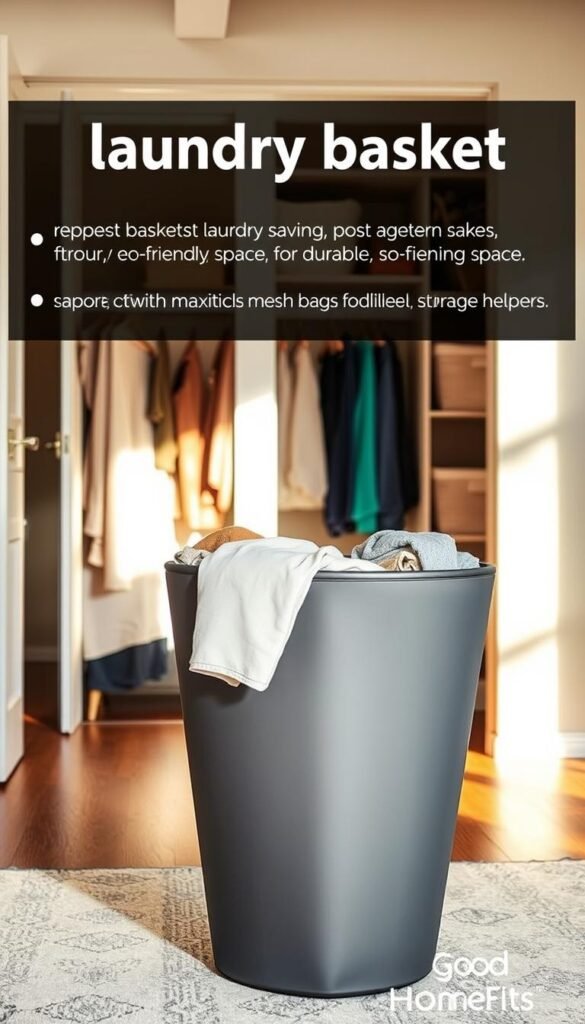
Laundry Turtle collapsible basket
Why it helps: Scoop clothes straight from the dryer instead of digging. The Turtle has handles and packs down for a closet or dorm.
Pros: fast transfers, easy storage. Cons: shape requires a quick habit change and size matters.
Real life: you stop losing socks at the drum back because you can scoop the whole load at once.
Flat-fold collapsible options and a Brookstone-style pick
Flat-fold baskets store slim in a closet. They are light and renter-friendly.
Pros: folding saves space. Cons: some have flimsy hinges or weak handles.
Rolling utility cart and sticker labels
A 3-tier metal cart holds detergent, pods, and a small „lost sock“ bin. Wheels pull it to the side when not in use.
Pros: vertical organization and mobility. Cons: cheap carts can wobble under weight.
Use sticker labels to mark bins and shelves for quick setup. They cut confusion in shared spaces.
| Item | Best for | Pros | Cons |
|---|---|---|---|
| Laundry Turtle collapsible | Apartments, dorms, deep dryers | Scoop transfers, stores small, sturdy handles | Size choice matters; shape learning curve |
| Flat-fold collapsible basket | Closet storage, stair-haulers | Folds flat, lightweight, space-saving | Some hinges/handles feel flimsy |
| 3-tier rolling cart | Families, shared rooms | Vertical storage, mobile, tucks to side | Wobbly when overloaded; watch wheel size |
| Sticker label pack | Roommates, multi-user set-ups | Fast setup, reduces mix-ups | Needs upkeep to stay accurate |
Who should buy what: families get cart + labels. Roommates get labeled baskets. Stair-haulers choose strong handles. Small-space renters favor collapsible everything.
What to avoid: sharp plastic edges that snag clothes, handles that flex under wet weight, and carts with tiny wheels that tip easily.
For deep comparisons and a few trusted picks, see a best-basket review at best laundry basket guide and another round-up at the Strategist’s picks.
Shoe and delicate-item washing tools that prevent damage in the machine
Small, purpose-built bags cut impact damage and make cleaning sneakers safer and quieter. They stop straps and laces from knotting and keep rough soles from scuffing your drum and other clothes.
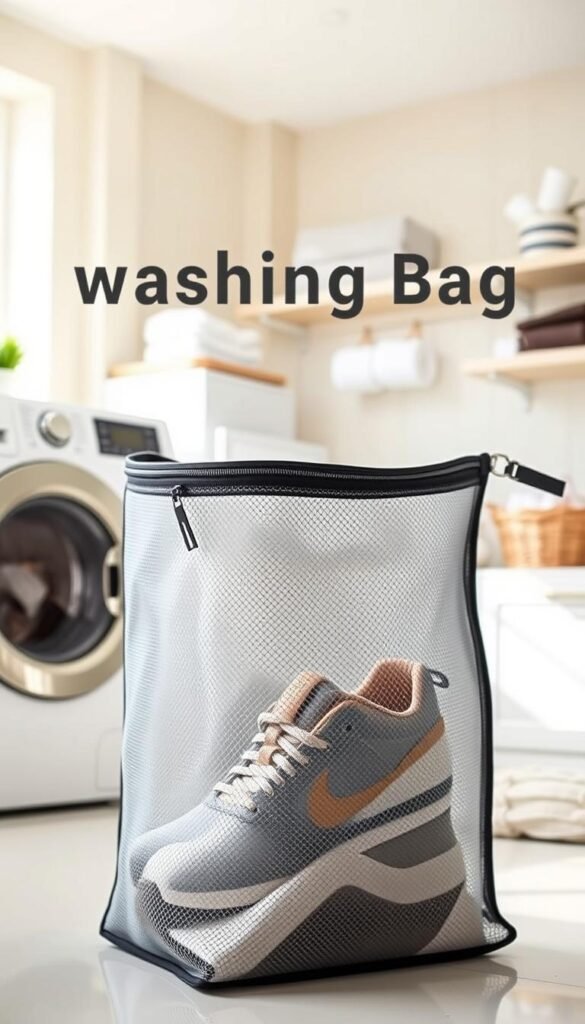
Why shoes and delicates get wrecked in a washer
Banging around in the drum can deform uppers and loosen glued soles. Laces twist into tight knots. Abrasion from rough bits leaves scuffs and debris on clothes.
Teletrogy-style shoe washing bag — practical pick under $25
Why it helps: Microfiber lining cushions shoes while the mesh exterior lets water flow and debris rinse out. Zippers and a secure pouch keep laces from tangling and reduce washer noise.
- Pros: cushions shoes, controls laces, quieter wash cycles, reviewers report strong cleaning results.
- Cons: won’t remove deep-set mud stains and takes space in the load.
- Who it’s for: gym-goers, parents, anyone who washes sneakers or delicate items regularly.
Alternatives: pillowcase hack vs purpose-built mesh
A pillowcase works in a pinch, but it can twist closed and offers less protection. A structured mesh bag holds shape, protects shoe eyelets, and stands up to repeated use.
„I washed muddy sneakers and the washer was noticeably quieter; the laces stayed tidy and the drum stayed scratch-free.“
Quality and safety notes
- Look for zipper guards so metal doesn’t scrape the drum or snag clothes.
- A microfiber lining cushions impact; avoid thin mesh that tears on eyelets or rough soles.
- Avoid high heat in the dryer if shoes use glued soles — air-dry or use low heat to prevent separation and warping.
What to avoid: tossing shoes loose, running heavy items together with shoes, and using high dryer heat. A small, affordable bag is a budget product that extends shoe life and prevents mystery scuffs on other clothes.
For a focused comparison of purpose-built options, see a practical shoe-bag guide at best shoe washing bag. For other useful, budget-minded home products, check best practical home products.
Conclusion
A single practical tool can cut repeat work and keep your room running smoothly. Pick one upgrade that targets the issue you face most. This keeps costs low and results fast.
If drying is slow, try wool balls or a sheet detangler. If smells bother you, clean the washer and use a tablet. If clutter trips you up, add a collapsible basket or a small cart for better organization.
Do a quick price-value check: reusable beats disposable, sturdy materials beat novelty. Always check heat safety for dryer items, never mix cleaners, and test de-pillers on a hidden seam.
Buy what you will use weekly. For transparency on links and reviews see our affiliate disclosure. Many picks ship fast on Amazon, which helps when you need a quick fix for your home or laundry room.