Practical, budget-friendly tools can cut your kitchen time and keep dinners varied all week.
This list shows small, affordable items (mostly under $25 on Amazon) that solve real problems. Think durable containers, a good sheet pan, and a sharp knife. You’ll see quick examples, price-value notes, pros and cons, and who should buy each item.
Two easy approaches guide these picks. One focuses on prepping components like grains, beans, and roasted veggies. The other covers full dishes — soups, casseroles, and one-pan dinners that freeze well.
Start here if you are new: one container set, one sheet pan, and one decent knife. Safety matters. Choose food-grade, BPA-free plastics and check heat ratings. I’ll be honest about what’s worth it and what to avoid so you don’t waste money.
Key Takeaways
- Most picks are practical, Amazon-available, and budget-minded.
- Focus on components vs. full meals to save time and reduce boredom.
- Look for food-grade, BPA-free, and clear heat ratings.
- Begin with a container set, sheet pan, and a solid knife.
- Each item includes pros/cons, who it’s for, and cheaper alternatives.
How We Picked These Meal Prep Finds for Real Life
We tested dozens of small kitchen tools to pick items that actually save you time and get used every week. The goal was simple: useful, renter-friendly gear that fits a small kitchen and won’t add chores.
„If it doesn’t save you time on a normal week, it didn’t make the cut.“
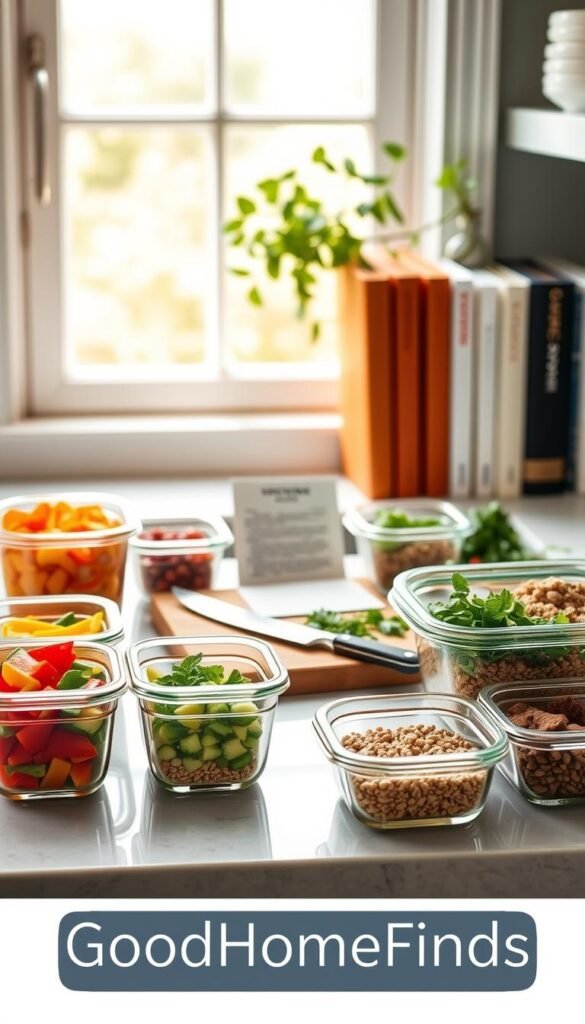
Price cap and value test
Most picks are under $25. A few are stretch buys only when they replace multiple tools or last much longer. We applied a clear value test:
- If it doesn’t save you time during a normal week, it failed.
- If it reduces store trips by using pantry staples, it scored higher.
- We checked stackability, fridge fit, and whether you’ll actually reach for it.
Amazon-first sourcing
We prioritized items you can get quickly with easy returns. That means common, reliably stocked brands. Fast delivery and return policies matter when something arrives damaged or doesn’t live up to its promise.
Safety and quality checks
Each item is evaluated for food safety and durability. We look for BPA-free plastics, borosilicate glass over generic glass, silicone heat ratings, and microwave-safe lids.
What to avoid: overly complex gadgets, unclear materials, and products with many recent leak or break reviews. For budget alternatives and smart buys, see the kitchen essentials mix.
Container Basics That Make Meal Prep Work All Week
The right storage cuts waste and turns leftovers into reliable lunches without fuss. Start with one glass set for soups and casseroles, plus a stack of deli tubs for freezer portions.
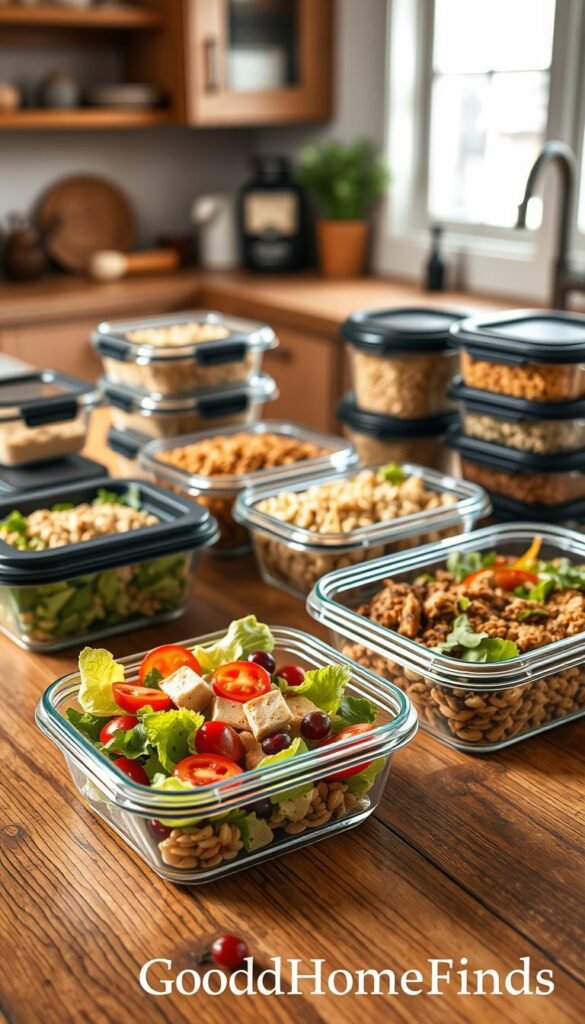
Leakproof glass containers for lunch meals, casseroles, and soups
Why glass: no staining or lingering smells, oven-safe options, and clear visibility in the fridge. Real con: glass is heavier for an office bag.
Soup test: fill with chili or curry lentil soup, tip it sideways in your bag, and see if it survives a commute.
Budget plastic sets that don’t stain easily (and when to replace them)
Choose BPA-free, microwave-safe plastics for lighter lunches and quick reheats. Cool acidic tomato sauces slightly and rinse fast to cut staining.
Replace when lids warp, plastic turns cloudy, or gaskets smell funky. Avoid snap lids that claim “leakproof” but lack a gasket.
Freezer-friendly deli containers for batch soups and stews
Quarts and pints are cheap, stackable, and freezer-friendly. Soups and stews often taste better after 1–3 days, so portion into deli tubs for easy thawing.
Price-value note: a solid $15–$25 glass set plus a deli pack covers most needs. If you’re starting from zero, buy one glass set for soups and one deli pack for freezer portions instead of a huge mixed bundle.
- Who it’s for: office lunch packers, students, and anyone doing 2–4 lunches per week.
- Avoid: lids without gaskets, unclear heat ratings, and flimsy “leakproof” claims.
For more affordable, tested picks that ship fast, see best kitchen finds.
Fridge Organization Finds That Prevent Food Waste
A smart fridge setup turns forgotten jars into usable flavor boosts and keeps produce fresh longer.
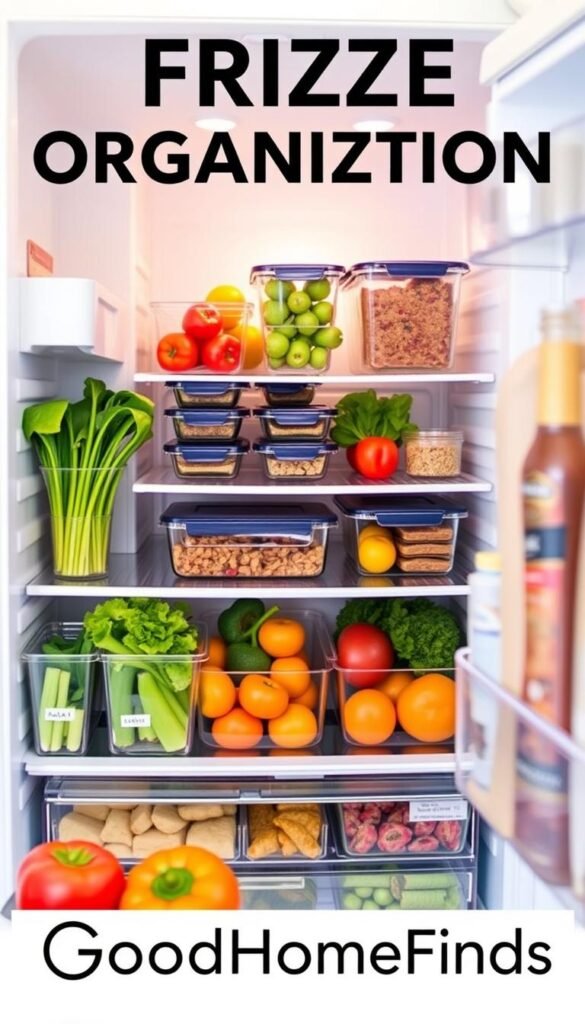
Simple goal: if you can’t see your veggies, you won’t use them. Visibility cuts wasted food and saves you time and money during the week.
Clear produce bins for veggies you actually see and use
Use one clear bin per category. Wash and bin bell peppers and carrots on Sunday so you snack on them by Wednesday.
Pros: easy grab-and-go, better rotation, less spoilage.
Cons: they take shelf space if oversized. Avoid deep tubs that block airflow.
Lazy Susan turntables for sauces, dressings, and small jars
Spin trays keep sauces visible so you stop buying duplicates. Keep sesame ginger dressing, honey mustard, and tahini sauce on one tray to rotate flavors and avoid boredom.
„If you can reach it, you will use it.“
Who it’s for: small kitchens, shared fridges, and anyone who loses jars in the back.
Avoid: organizers with fragile parts, bins that don’t fit your shelf depth, and bulky „modular“ sets that waste vertical space.
| Item | Benefit | Watch for |
|---|---|---|
| Clear produce bin | Visibility, grab-and-go snacks | Oversized tubs that block shelves |
| Lazy Susan turntable | Rotates sauces, reduces duplicates | Slippery base or thin plastic |
| One-bin + one-turntable | Affordable, renter-friendly setup | Not enough compartments for large families |
Rice, Quinoa, and Grain Prep Made Easy
A few inexpensive tools make cooking rice and quinoa almost effortless, even in a tiny kitchen. Grains are a go-to component for bowls, salads, curries, and quick fried rice nights. Buy in bulk and the right gear keeps ingredients fresh and ready.
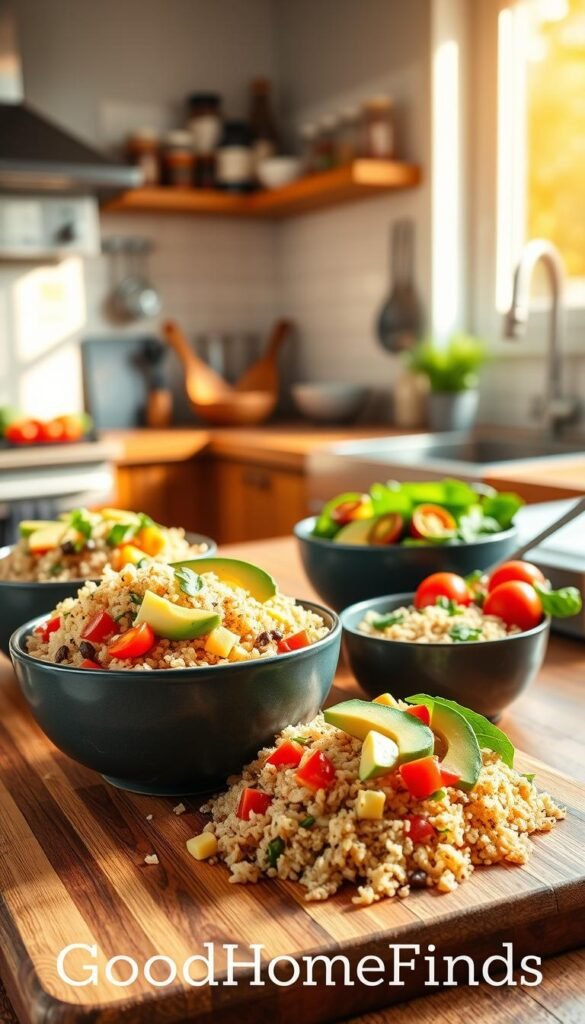
Compact rice cooker
Why it’s worth it: hands-off rice that frees up your time while you chop veggies or finish sauces. Brands like Aroma give reliable, set-and-forget results.
Pros: consistent rice, keep-warm mode, great for leftovers that make better fried rice.
Cons: watch for models with thin nonstick that scratches easily.
Microwave rice/quinoa cooker
Best for renters and dorms. Fast and renter-friendly.
Pros: quick, small, no extra appliance footprint.
Cons: smaller capacity and risk of boil-overs; check clear heat ratings before use.
Fine-mesh strainer
Rinsing quinoa removes its coating and bitterness. A tight mesh prevents grains from washing down the drain.
Large airtight pantry canister
Keeps rice fresh, pest-free, and easier to scoop when you buy big bags. True airtight seals matter—avoid snap lids that leak air.
- Biggest payoff per dollar: the strainer or canister if you don’t want an appliance.
- Who it’s for: bowl-focused cooks, people who eat rice 2–3 times per week, and busy households that want set-it-and-forget-it cooking.
- Alternative: a stovetop pot with a tight lid works, but a rice cooker saves active time while you finish other ingredients.
Beans, Lentils, and Protein Prep Without the Hassle
A few practical gadgets keep proteins safe, improve texture, and cut cleanup after cooking. These three small items solve common problems when you’re working with beans, lentils, and chicken.
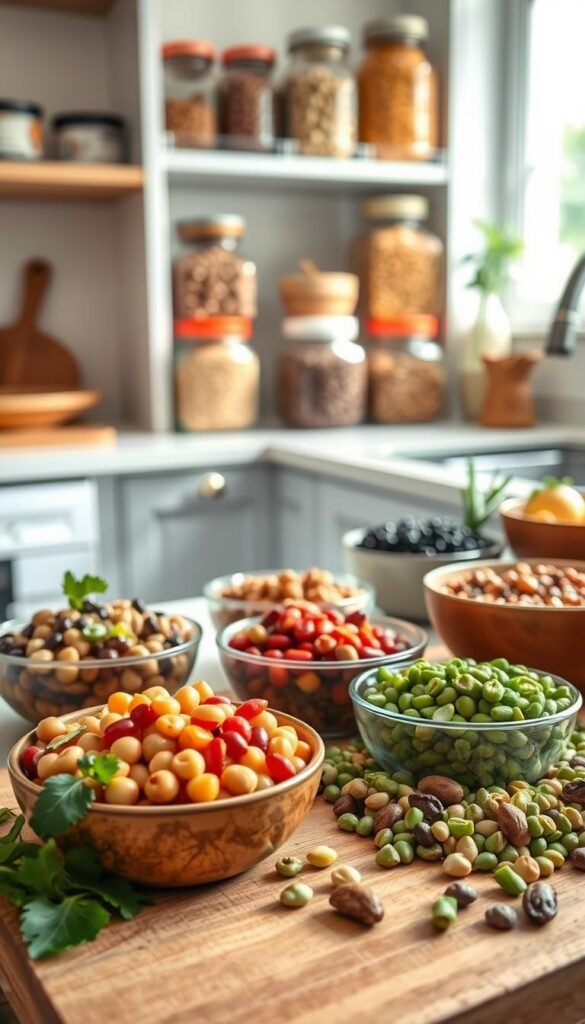
Manual can opener that won’t slip
Why buy: a sturdy, easy-grip opener gets canned beans open fast when dry beans didn’t soak. It saves you time and stress before assembling burrito bowls or salads.
Pros: reliable grip, metal cutting wheel, compact.
Cons: cheap models can leave sharp edges.
Instant-read thermometer
Why buy: prevents overcooked chicken and confirms safety. Pull chicken at 160–162°F and it rests to 165°F for juicier results and safer reheats.
Pros: fast checks, consistent protein texture, prevents waste.
Cons: low-cost probes can be slow or inaccurate; avoid non-waterproof units with no calibration.
Sheet pan rack insert
Why buy: raises chickpeas and veggies so air circulates. That gives crisp roasted chickpeas and even cooking when you roast chicken and veggies together in one oven run.
Pros: better texture, less flipping, one-pan cleanup.
Cons: watch for peeling coatings and thin wire that bends.
„Roast chickpeas and veggies while chicken rests, then portion into containers for 3–4 days.“
Who it’s for: anyone cooking chicken weekly, bowl fans who use beans and grains, and cooks who want predictable results without hovering over the stove.
What to avoid: can openers that leave jagged edges, thermometers without water resistance or calibration, and rack inserts with flaking coatings.
| Item | Benefit | Watch for |
|---|---|---|
| Manual can opener | Quick canned beans access; reliable backup | Sharp edges from low-quality cutters |
| Instant-read thermometer | Safer chicken, right texture, less waste | Slow response or no water resistance |
| Sheet pan rack insert | Crispier chickpeas and even oven cooking | Peeling coating or weak wire |
Quick workflow: toss chickpeas and veggies on the rack, roast in the oven, check chicken with the thermometer, rest the bird, then portion proteins and beans into containers for easy reheats.
Breakfast Meal Prep Finds for Busy Mornings
Start your mornings with a few reliable tools that turn rushed breakfasts into two-minute routines. Focus on leakproof, easy-clean gear so your commute or workday starts without spills or extra dishes.
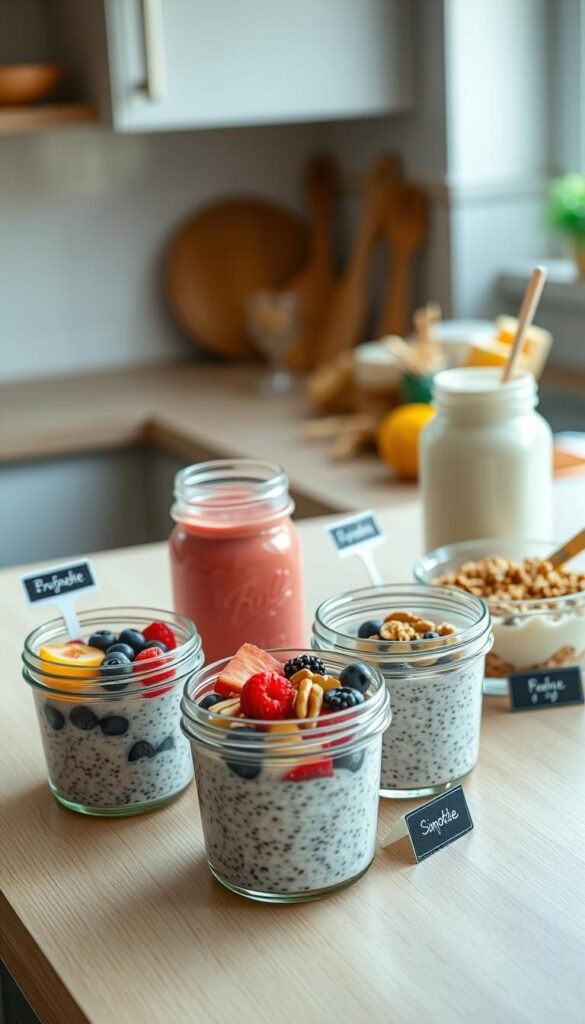
Mason jars with leakproof lids for overnight oats and chia pudding
Why: jars store overnight oats and chia pudding cleanly. Upgrade to lids with gaskets if you commute.
Example: overnight oats on Monday, chia pudding on Tuesday — same jar system all week.
Pros: durable, stackable, visible contents. Cons: heavier for bags; thin glass breaks easier.
Silicone egg bite molds for egg muffins without stuck-on mess
Why: easy-release molds make protein-rich egg muffins and egg bites with little cleanup.
Storage reality: egg muffins keep about 3 days in the fridge; hard-boiled eggs last up to 5 days.
Avoid: silicone sold with no heat rating or cheap odors that linger after washing.
Portion scoop set for oats, granola, and pancake mix consistency
Why: consistent scoops speed batching and keep your breakfast routine predictable.
Pros: faster mornings, less measuring fuss. Cons: scoops are easy to misplace.
- Who it’s for: busy parents, commuters, and anyone who wants breakfast handled in two minutes.
- Alternatives: reuse pasta sauce jars for $0, or a basic muffin tin with liners for egg muffins.
- What to avoid: jars with thin glass, lids labeled “leakproof” without gaskets, and silicone with no stated heat rating.
Cutting and Chopping Tools That Save the Most Time
Fast, reliable knives and simple gadgets turn a long chopping session into a quick, repeatable routine. These basics cut active time, reduce cleanup, and make component work feel doable for the whole week.
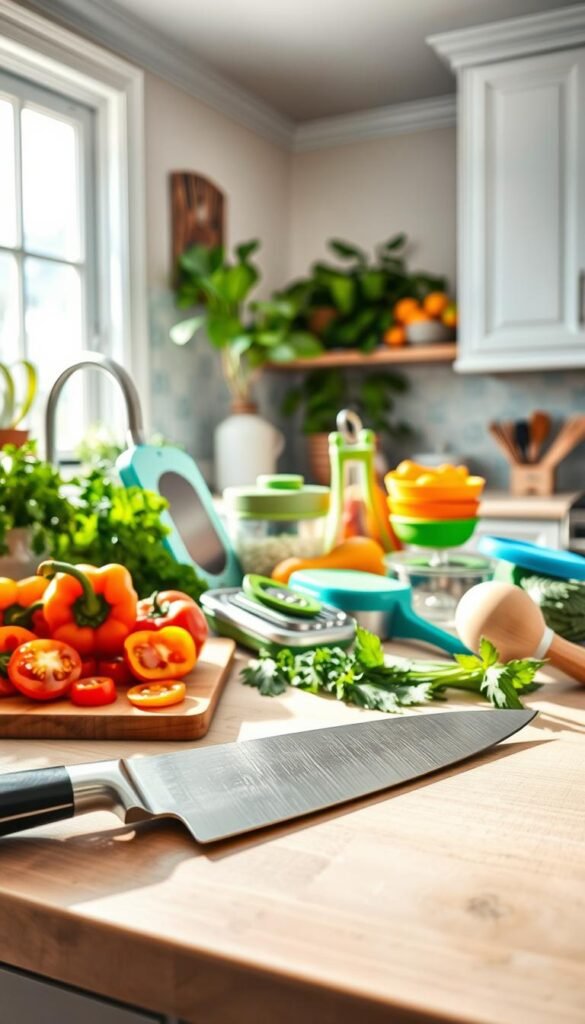
Sharp chef’s knife under $25
Why: a sharp blade speeds slicing onions, sweet potatoes, and chicken so you finish multiple recipes faster. Sharp beats fancy — maintenance matters.
Pros: faster cuts, cleaner edges. Cons: needs honing and safe storage. What to avoid: dull knives sold with gimmicks.
Non-slip cutting board
Why: stability protects your hand and boosts speed during long sessions. Use a damp towel under the board if it slides.
Vegetable chopper
When it’s worth it: if you batch dice veggies weekly. When not: skip it if you hate cleaning or lack storage.
Bench scraper
Why: scoops chopped ingredients into bowls and sheet pans without using your hand. Cheap, durable, and saves counter cleanup.
- Who it’s for: anyone doing a prep marathon, small-space cooks, and beginners learning safe habits.
- Alternative: one good knife + one stable board + a scraper often beats a drawer full of gadgets.
„Buy fewer, better basics and you’ll save more time than owning every gadget.“
One-Pan Dinner Gear for Low-Cleanup Meal Prep
One-pan gear turns a chaotic weeknight into one tidy oven run that feeds you for days. This approach cuts dishes and avoids takeout while keeping dinners varied and simple.
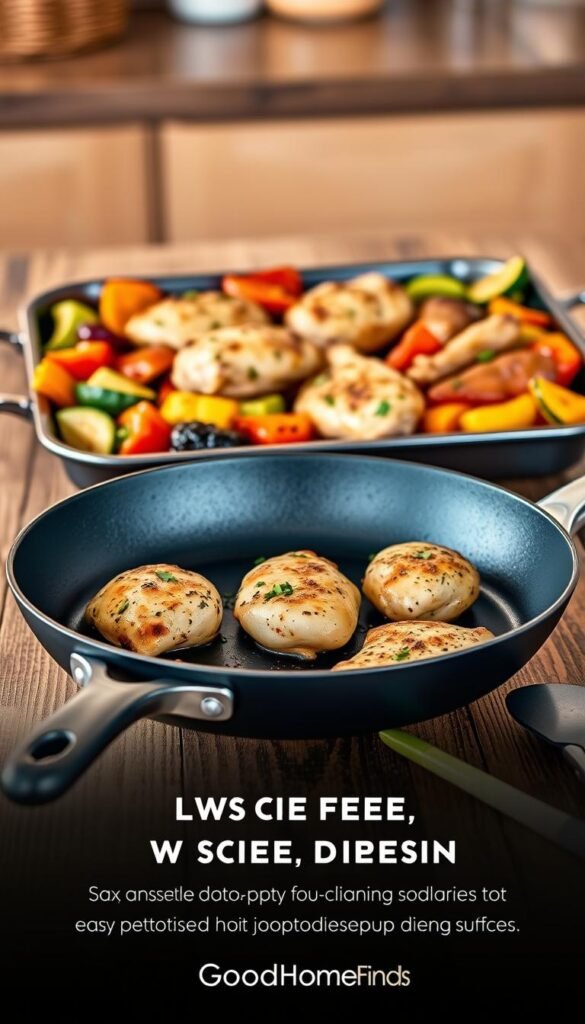
Heavy-duty sheet pan
Choose a thicker metal pan so it resists warping and gives even browning. A heavy sheet pan holds heat better and makes roasted potatoes and chicken crisp without hot spots.
Real use: roast sweet potatoes, chicken, and mixed veggies in one oven session. Let everything cool before packing so tomatoes and greens don’t steam into mush.
Oven-safe skillet basics
An oven-safe skillet lets you start on the stove and finish in the oven. Use it for shakshuka-style bakes, quick stir-fries that need a sear, or reheats that stay crisp.
- Pros: lower cleanup, versatile, renter-friendly and Amazon-available.
- Cons: pans can be heavy; cast iron needs care; thin pans warp easily.
- Avoid: ultra-thin sheet pans, mystery nonstick coatings, and handles that heat without notice.
Who this is for: busy weeknights, anyone who dislikes dishes, and cooks building a basic, budget setup. If you buy one item, start with a solid sheet pan — it’s the most flexible one favorite for many recipes.
Freezer-Friendly Prep Finds for Soups, Stews, and Casseroles
A few simple tools turn big pots of stew into tidy, ready-to-heat blocks for busy nights. Use portioning, labeling, and clean transfers to make frozen food reliable and easy to use.
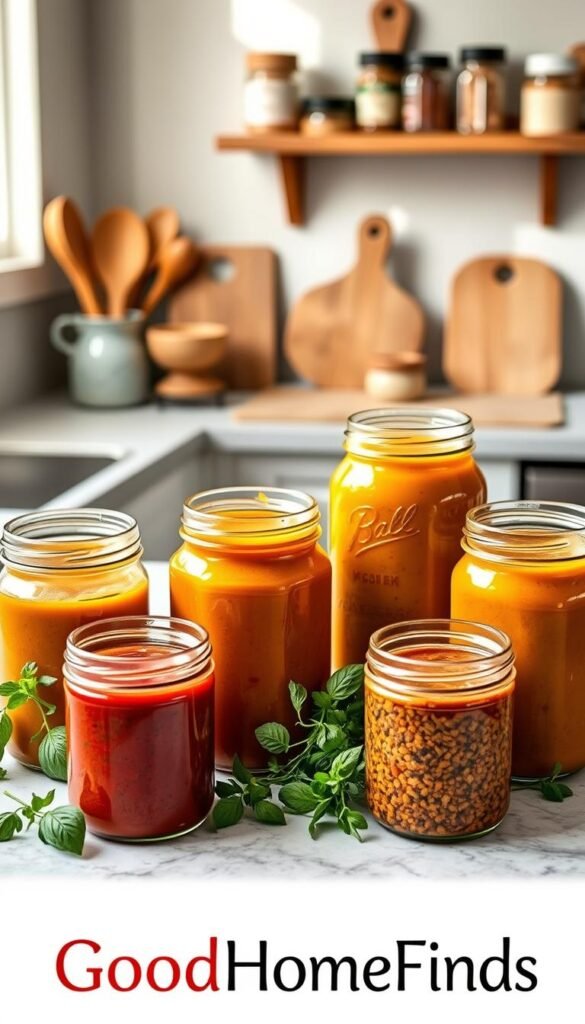
Souper-cube-style trays
Why: single-serving blocks thaw fast and stack neatly. They cut waste and let you reheat only what you need.
Pros: quick thaw, predictable portions, less long reheats. Cons: some trays take up freezer space and cheap molds can crack.
Freezer labels that actually stick
Write name + date + portion size. That simple rule stops mystery leftovers and helps plan lunches for days ahead.
What to avoid: paper stickers that peel with frost. Pick adhesive labels rated for low temperatures.
Wide-mouth funnel for mess-free transfers
A wide funnel saves cleanup when you pour broth, soup, or casserole sauce into containers. It prevents spills and keeps lids clean.
Real-life example: freeze curry lentil soup in 1-cup blocks, then pop two blocks into a pot for a fast dinner.
„Freeze in portions you will actually eat, then date them. You’ll save time and reduce waste.“
- Who it’s for: batch cooks and anyone who wants ready dinners in minutes.
- Alternative: lay flat zip-top freezer bags to save space — label well and stack.
- Safety: confirm trays are food-grade and freezer-safe. Avoid rapid temperature changes with glass to prevent cracking.
- Avoid: trays with weak seams, lids that don’t seal, and labels that fall off.
| Item | Benefit | Watch for |
|---|---|---|
| Silicone souper-cube tray | Single-serving blocks, fast thaw | Thin silicone that splits or cracks |
| Freezer adhesive labels | Clear date+name tracking | Paper labels that peel in frost |
| Wide-mouth funnel | Clean transfers, less mess | Small funnels that splash or clog |
Sauce and Flavor Boosters That Prevent Meal Prep Boredom
Simple sauce tools let you stretch the same ingredients into different recipes in minutes. Small gear speeds assembly and keeps bowls, salads, and wraps tasting fresh all week. Pick practical, affordable items that are easy to clean and built to last.
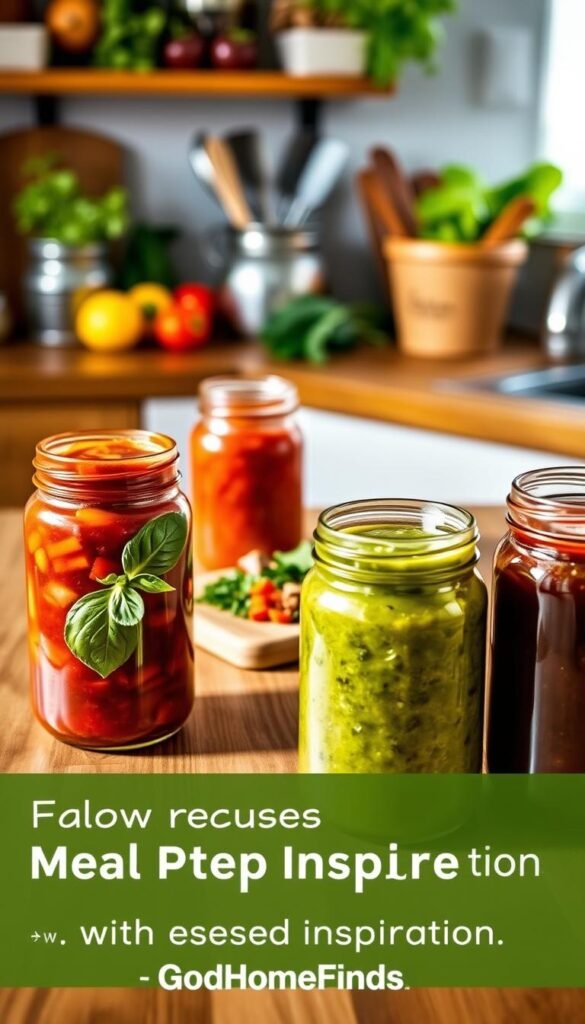
Mini whisk + mixing bowl set
A mini whisk and a small bowl make tahini sauce and honey mustard dressing fast. You can emulsify without dragging out a blender. Use your hand to whisk until smooth, then store in a jar.
Pros: quick, no electricity, easy control. Cons: cheap whisks bend and small bowls can spill if overfilled.
Squeeze bottles for dressings and sauces
Squeeze bottles give you precise drizzle for sesame ginger, peanut sauce, or chipotle. They cut mess and cut portion waste when you change recipes across the week.
Real use: drizzle sesame ginger on rice bowls today, then refill with peanut sauce for wraps tomorrow. Choose food-safe plastics and Amazon-available sets for fast delivery.
Pros: controlled pour, less mess. Cons: narrow-neck bottles can be hard to clean and some plastics lack BPA info.
Citrus juicer for quick vinaigrettes
A basic citrus juicer makes lemon vinaigrette in under a minute and keeps seeds out of dressings for avocado-topped bowls. It saves time when you want fresh acid without fuss.
Pros: fast, seed-free, consistent juice yield. Cons: pulp can dry and stick if you delay washing.
Who this is for: anyone bored with chicken + rice by day three and cooks who build dishes from components. Keep two sauces as your weekly rotation so base recipes feel different without extra cooking.
What to avoid: bottles with narrow necks you can’t clean, plastics with unclear BPA status, and tools that rust or bend after light use. If you don’t want extra gear, a mason jar „shake“ method works as an alternative, though you’ll have less pouring control.
| Tool | Benefit | Watch for |
|---|---|---|
| Mini whisk + bowl | Fast emulsions for tahini and honey mustard | Flimsy wires and tiny bowls that spill |
| Squeeze bottles | Controlled drizzles, less waste | Narrow mouths, non-food-grade plastic |
| Citrus juicer | Seed-free lemon vinaigrette fast | Pulp that dries and is hard to clean |
For quick guidance on flavor combinations that work with these tools, see basic flavor profiles to match sauces with your favorite ingredients and recipes.
Lunch Bowls, Salads, and Wraps Packing Finds
Small upgrades to how you pack lunch stop leaks and preserve textures. Use gear that separates wet ingredients from dry so quinoa bowls, wraps, and salads arrive crisp and ready to eat.
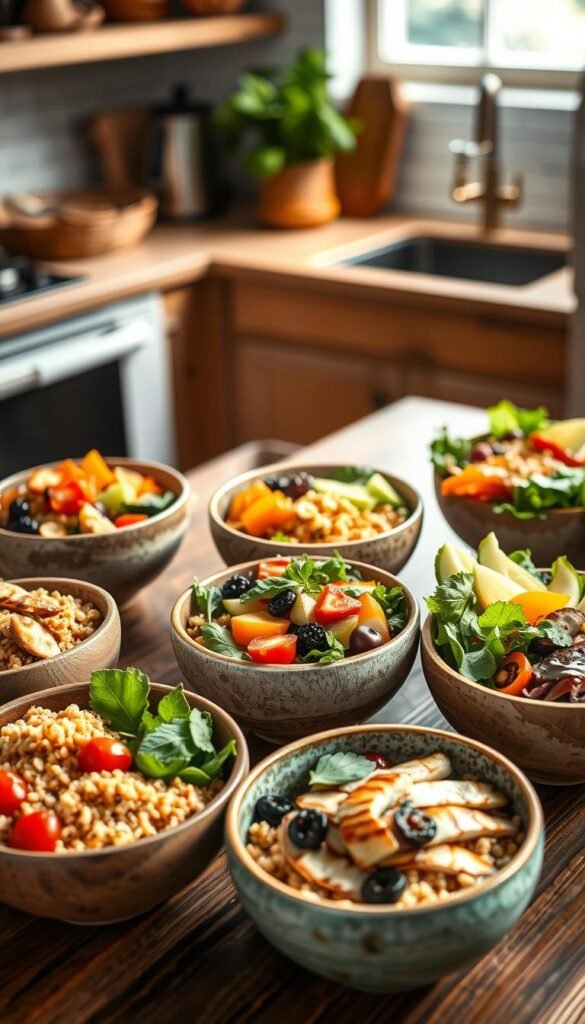
Bento-style lunch container for quinoa bowls
Why it works: compartments keep beans and roasted veggies away from fluffy quinoa. That prevents sogginess and makes assembly fast.
Pros: organized portions, less bag mess, easy stacking in the fridge. Cons: bulky if oversized and some lids have weak clasps.
Reusable sandwich wraps
Wraps hold fillings together better than loose foil. They cut single-use waste and are quick for grab-and-go bowls turned into wraps.
Pros: lightweight, washable, renter-friendly. Cons: you must wash and fully dry them or they can smell.
Small condiment cups
Keep dressing off kale and other greens until lunchtime. A 2–4 oz cup prevents soggy salads for several days and keeps crunch in the bag.
Who it’s for: commuters, office workers, students, and anyone packing lunch 3–5 days a week.
- What to avoid: boxes with flimsy clasps, silicone seals that pop out and mold, and wraps that don’t seal well.
- Alternatives: small jars for dressing or reuse takeout condiment cups short-term, but upgrade if leaks keep happening.
- Fridge-to-bag workflow: pack the night before, nest condiment cups inside the container, then grab it in the morning.
For more ideas on packed lunches and quick options, see healthy packed lunch ideas and tested organization finds to keep your system tidy.
Reheating Tools for Better Texture (Not Sad Leftovers)
Restore crunch and avoid soggy dinners with three simple reheating tools. How you reheat affects texture more than you think. A few renter-friendly items keep rice and roasted veggies tasting closer to day one.
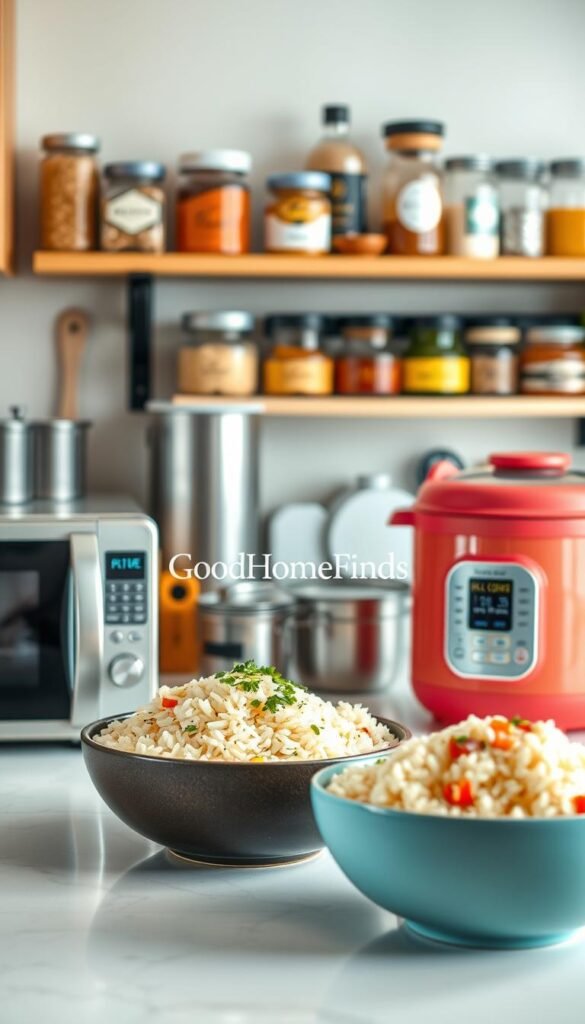
Microwave splatter cover
Why: prevents explosions and dried-on mess when you heat rice and soups. Look for microwave-safe silicone or plastic with clear heat ratings.
Pros: cheap, keeps your microwave clean, and speeds up cleanup. Cons: low-quality covers can warp or trap odors.
Toaster-oven pan set
Why: revives roasted veggies, taquitos, and dinners that need crisping. An oven or toaster-oven restores texture much better than a microwave.
Pros: brings back crunch and browning; many sets are Amazon-available. Cons: small pans limit batch size; avoid nonstick that scratches after light use.
Steamer basket
Why: fast, gentle steaming gives crisp-tender veggies and works great for cauliflower rice when you want a lighter bowl.
Pros: quick sides in minutes, low fuss. Cons: requires a pot and timing; cheap baskets can have sharp edges or unstable feet.
Who it’s for: anyone eating leftovers several days a week and anyone trying to keep dinners from feeling repetitive.
„A plate over a bowl works in a pinch, but a proper cover and a toaster-oven pan make reheats cleaner and better.“
For safe reheating tips and timings, see the best way to reheat leftover.
Practical Pantry Finds for Staple Meal Prep Foods
Smart storage prevents wasted cans, stale granola, and last-minute grocery runs. A few durable, budget items keep rice, quinoa, oats, and beans ready to use. They save you time and cut food waste in a small house or rental kitchen.
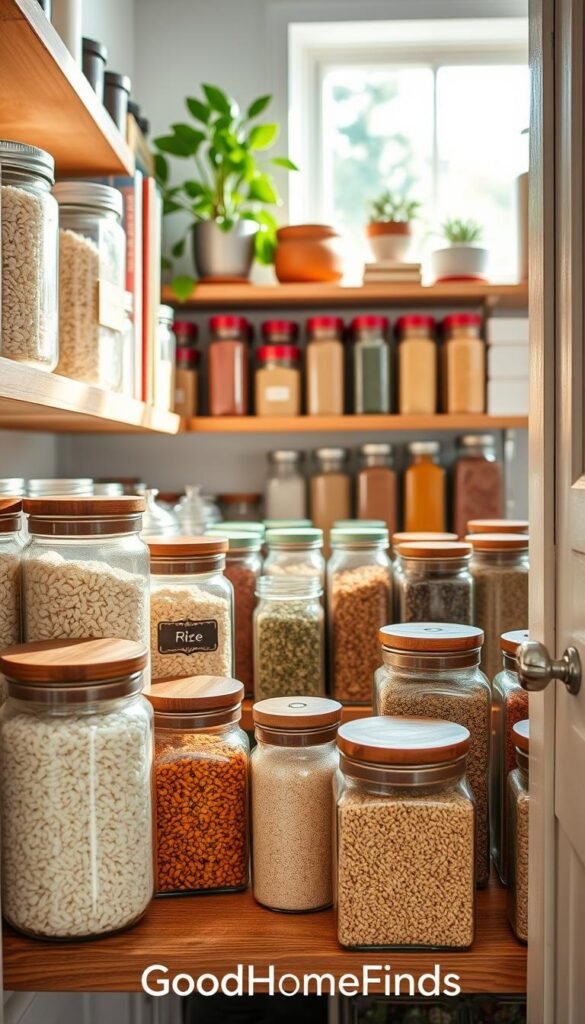
Airtight cereal / granola container
Why it helps: keeps granola crunchy for yogurt parfaits and stops half-open bags from spilling. Clear containers make it easy to see when to restock.
Pros: preserves crunch, reduces clutter, stackable.
Cons: cheap lids can warp; wide mouths may not seal well.
Stackable can rack
Why it helps: rotates cans so older broth, tomatoes, and beans get used first. You can find canned tomatoes for soup night without digging.
Pros: visible inventory, saves shelf space, fast rotation.
Cons: some racks don’t fit tall or odd-sized US cans.
Nesting measuring cup set
Why it helps: speeds batching for oats, rice, and quinoa. A single nested set keeps marks readable and reduces time hunting for mismatched cups.
Pros: compact, consistent portions, faster batch cooking.
Cons: thin metal can dent; unreadable markings are annoying.
- Who it’s for: anyone using pantry staples for meal prep, small-space cooks, and those cutting grocery trips.
- What to avoid: containers claiming “airtight” with weak seals, can racks that don’t fit standard cans, and measuring sets with tiny, unreadable marks.
- Alternative: binder clips for bags and a simple shoebox bin for cans if you’re on a tight budget, then upgrade the one item you touch daily.
- Safety note: pick food-grade plastics and avoid brittle or cracked containers that can shed flakes into food.
| Item | Top benefit | Watch for |
|---|---|---|
| Airtight granola container | Keeps granola crunchy for parfaits | Weak lid gaskets or unclear material |
| Stackable can rack | Easy rotation of beans, broth, tomatoes | Wrong fit for tall cans or flimsy plastic |
| Nesting measuring cup set | Fast, consistent batching for rice & oats | Unreadable markings or thin metal |
For tested pantry gear and budget organization tips, see a short guide to pantry essentials and smart organizer ideas to keep your system tidy.
What to Avoid When Buying Meal Prep Products
You can save time and dishes by skipping tools that promise more than they deliver.
Do not buy gear that sounds great in ads but fails in real life. A few clear rules prevent wasted cash and annoying cleanup.
Containers that claim “leakproof” but don’t pass the soup test
Spot weak lids by checking for a visible gasket, sturdy clasps, and clear material specs. If the product page lists no materials or heat rating, skip it.
- Why it matters: leaks ruin bags and stack poorly in the fridge.
- Do instead: buy BPA-free containers with silicone gaskets and test with a tipped bowl of soup before trusting them on the commute.
Ultra-cheap nonstick pans that scratch fast (and what to buy instead)
Thin nonstick coatings flake with metal utensils and high heat. Scratched pans are unsafe and cook unevenly.
- Skip: ultra-cheap mystery coatings with many peeling reviews.
- Buy: a heavier sheet pan or a well-reviewed budget skillet with clear coating specs.
Overly complicated gadgets that are hard to clean and store
Gadgets with many parts slow your routine. If you dread washing a tool, you won’t use it again.
- Examples: multi-piece choppers, single-use appliances, and niche appliances that need special parts.
- Rule of thumb: if you won’t want to wash it by hand after a long prep day, don’t buy it.
Who this is for: anyone burned by flashy buys and who wants fewer, better basics.
For a short list of items to avoid when buying prepared foods and ready-to-heat options, see a useful guide at Costco prepared foods: what to buy and.
Cheaper Options and Smart Alternatives If You’re on a Tight Budget
You don’t need a big spend to make a useful routine. Focus on repurposing, fewer core tools, and frozen produce to cut cost and save time during a busy prep week.
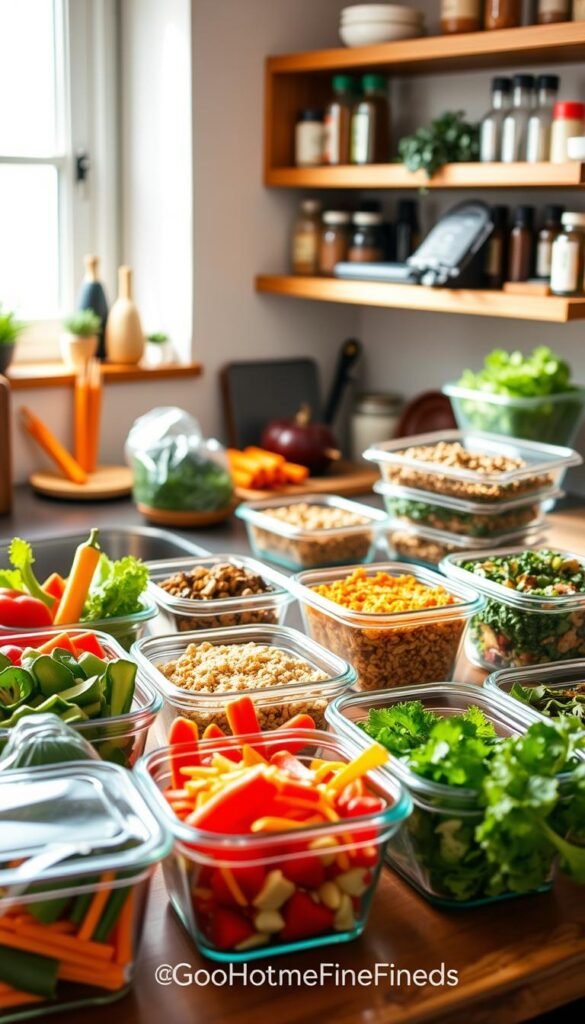
Repurposed jars and deli containers: the $0–$10 starter kit
Who it’s for: students, renters, and anyone starting out.
Pros: almost free, easy to label, great for overnight oats, sauces, and soups.
Cons: lids may leak; deli lids crack over time. Avoid: trusting a jar as a travel container without testing the seal first.
Buying fewer, better basics
Buy one sharp knife, one sturdy sheet pan, and one reliable container set. This covers most recipes and reduces clutter.
Pros: saves money long-term, reduces decision fatigue. Cons: initial quality matters—don’t buy the cheapest knife you can find.
When frozen produce beats fresh for prep week speed
Why it wins: frozen veggies save chopping time and stop spoilage. Use them in stir-fries, soups, fried rice-style dishes, and smoothies.
Tradeoff: texture is softer than fresh for raw salads. Keep a small fresh stash for crunch.
„Cook one grain, season a can of beans, roast one tray of veggies, and make one sauce—then mix and match all week.“
| Option | Benefit | Watch for |
|---|---|---|
| Repurposed jars | Free starter storage | Check seals before transport |
| Minimal basics | High use, low clutter | Buy decent quality knife |
| Frozen produce | Saves chopping time | Softer texture for salads |
For budget shopping ideas and pantry-first strategies, see a short guide to saving on groceries and healthy, budget-friendly options and quick kitchen fixes at kitchen problem mix.
Conclusion
Focus on a handful of versatile pieces and you’ll cook more at home with less fuss.
Start with the top three: reliable containers, a solid sheet pan, and a sharp knife. Add one item that fixes your biggest pain—stubborn leaks, slow chopping, or sad reheats.
Use base ingredients like rice, quinoa, beans, protein, and roasted vegetables. Rotate one sauce and one new recipe each week to keep flavor fresh without extra work.
Sample week: breakfast overnight oats, lunch quinoa bowls with beans, dinner one-pan chicken with potatoes, plus one freezer soup for busy days.
Stay practical: choose BPA-free plastics, clear heat ratings, and avoid scratched nonstick. If budgets matter, jars and deli tubs plus one good pan will carry many meals.
For a short note on why people do this and simple benefits, see why people meal prep.