
Small, useful buys can calm your evening and make the next morning easier. This guide focuses on practical, affordable picks—mostly under $25—that cut friction at home. You do not need a long list of gadgets. You need a short, repeatable flow you can keep on busy weeknights and weekends.
What this guide means: items that solve one problem. Think light control, noise masking, faster skincare, less phone temptation, or gentle sleep aids. Each pick shows pros, cons, price-value, safety notes, and Amazon-friendly availability.
The Sleep Foundation calls a bedtime routine a set of activities in the last 30–60 minutes before bed. Start with one or two changes to build consistency. That way the plan sticks and you avoid gimmicks.
Quick real-life snapshot: if you keep doing “one last scroll” and wake up groggy, this guide helps you build a flow that actually works. Expect clear safety checks on materials, return policy tips, and cheaper alternatives when possible.
Key Takeaways
- Focus on practical, renter-friendly items under $25 that save time.
- Pick one or two changes first. Small steps create lasting habits.
- Each item should solve one clear problem—no hype.
- Prioritize materials, return policy, and reputable brands.
- Amazon availability and fast delivery are preferred.
How a Simple Bedtime Routine Improves Sleep and Next-Day Mood
A short, predictable pre-bed flow helps your body and brain shift from work mode to rest mode. Repeating a few steps makes that shift automatic. You spend less time deciding and more time winding down.

Why repeating the same steps helps your brain wind down
When you do the same 3–5 steps most nights, those actions become cues for the brain. The cues tell your body it is time to sleep. Over weeks, this lowers the minutes you lie awake trying to fall asleep.
The sweet spot timing: the last 30–60 minutes
Focus on the last 30–60 minutes before bed, not the whole evening. That window gives you enough time to reduce stimulation and complete a short flow without overhauling your day.
What to avoid when you’re starting
Don’t change your bedtime, skincare, snacks, and phone rules all at once. Start with 1–2 small changes and forgive slip-ups. Aim for most nights, not perfection. Consistency like this often leads to better sleep and a calmer morning mood.
- Starter sequence: dim lights → brush teeth → quick face wash → write top 3 tasks → bed.
Set Your Schedule First: The Low-Cost Habit That Does the Heavy Lifting
Pick a steady wake-up time first; the rest of your evening falls into place after that. Choose a wake time you can keep on weekends. That prevents Monday from feeling like jet lag and protects your sleep rhythm every day.
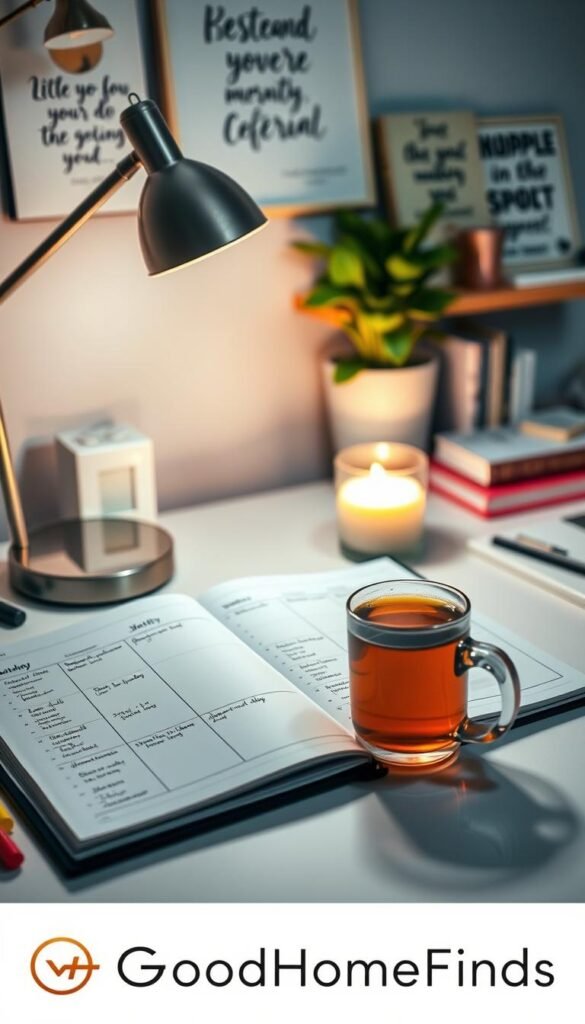
Choosing realistic bed and wake times
Start with the wake-up tied to work or family needs. Count back the hours you need for enough sleep. Then set a bedtime that fits that math. This keeps your schedule simple and practical for busy households.
Set a „start winding down“ reminder
Put a reminder 30–60 minutes before your bedtime. That alarm helps you begin calming tasks before you get exhausted and tempted to skip them. For example, a 9:30 p.m. reminder stops speed-brushing and doomscrolling that drifts into the next day.
- Good-enough anchor: Wake-up first, bedtime second.
- Weekend rule: Keep wake time within a small window to protect rhythm.
- Flexibility: If you miss a night, restart the next day—no all-or-nothing thinking.
| Action | Why it helps | Practical tip |
|---|---|---|
| Pick wake-up time | Creates a stable schedule | Set alarm tied to work/family time |
| Back into bedtime | Ensures enough sleep hours | Count sleep need, then set bedtime |
| Start-wind reminder | Reduces rush and decision fatigue | Use phone alarm 30–60 minutes prior |
Screen Shutdown That Actually Sticks (Without Buying Anything Fancy)
You don’t need a pricey gadget to stop screens from stealing your sleep—just a few honest habits.

Electronics emit strong blue light that can suppress melatonin and keep you alert. In plain terms: the light tells your brain it’s not time for sleep.
Simple rule that works
Put your phone on Do Not Disturb and charge it outside the bedroom. That stops late notifications and reduces the urge to scroll in bed.
Cheaper workaround if your phone must stay near
Enable night shift or a red-light filter earlier in the evening, not only at bedtime. Dim your main lights so the screen is less jarring.
Practical compromises for parents and caregivers
Keep the phone across the room and turn off non-emergency alerts. That way you can hear urgent calls but avoid constant checking.
What to avoid
Do not do “one last scroll” in bed. Five minutes becomes forty and trains your bed to be a place for content, not sleep.
| Action | Why it helps | Quick tip |
|---|---|---|
| Phone on DND | Stops notifications and wakes | Set DND around your bedtime start |
| Charge outside the bed | Reduces temptation to check | Charge in kitchen or hall for 8+ hours |
| Night filter earlier | Reduces blue light hours | Turn on 60–90 minutes before lights dim |
Quality-of-life tip: Use a basic alarm clock instead of a phone alarm. It keeps the bedroom free of screen light and makes it easier to fall asleep.
Night Routine Finds That Save Time in the Evening
When evenings are rushed, small buys that remove one decision can save real time.

Think of purchases as tools, not toys. Choose one or two items that cut friction for common tasks. The Sleep Foundation suggests starting with one change. That keeps the plan simple and repeatable.
Fast-delivery basics to reduce friction
- Sleep mask or blackout clip for light control.
- Simple white-noise option (budget speaker or app).
- Gentle body wash and micellar water for quick cleansing.
- Pimple patches, a small notebook, and a compact kettle.
How to choose the simplest product
Pick the product that solves one problem. Skip extras you won’t use every evening. If a $10 mask blocks streetlight reliably, it beats a $60 smart gadget that you won’t charge.
Safety and quality checks for Amazon buys
Look for clear materials: skin-safe fabrics, BPA-free plastics, and non-irritating ingredients. Read recent reviews and check the seller storefront. Confirm the return policy before you buy.
| Item | Price-value rule | Who should buy |
|---|---|---|
| Sleep mask | Under $25; saves 5–10 minutes fixing light | Streetlight or shift workers |
| White-noise option | App or basic speaker under $25; masks sudden noise | Apartment living, light sleepers |
| Micellar water | Under $15; removes makeup fast and prevents irritation | Makeup wearers who skip long cleansing |
| Notebook | $5–$15; five-minute list clears the mind | Overthinkers, busy parents |
What to avoid: impulse trend purchases and bulky bundle kits that add clutter. Buy one practical thing at a time and test if it saves you minutes each evening.
Lighting Fixes for Better Rest: Dark, Dim, and Consistent
If streetlights or harsh bulbs wake you, simple, cheap fixes can restore steady rest. Start by choosing the quick, renter-friendly option or a fuller-room solution depending on your space and lease rules.

Affordable blackout help: sleep mask vs. blackout curtains
Sleep mask: a contoured mask for $10–$15 blocks direct beams fast. It is portable, Amazon-friendly, and ideal if you rent or share a room. The downside: a poor fit can slip and wake you.
Blackout curtains: cost around $20–$25 for small windows. They darken the whole bedroom and cut early sunrise glare. Installation can be trickier in rentals and may require tension rods or removable hooks.
Real-life example and quick alternatives
If a streetlight hits your pillow and you wake at 3 a.m., try a $10 contoured mask first. It often fixes the problem the same night.
- Who it’s for: apartment dwellers, shift workers, light sleepers.
- Cheaper options: blackout cling film, a towel draft-stopper under doors, or a bedside low-warm lamp.
- What to avoid: flipping on bright overhead lights late in the evening. That breaks your wind-down and makes falling asleep harder.
| Solution | Price range | Pros | Cons |
|---|---|---|---|
| Contoured sleep mask | $10–$15 | Portable, instant cover, renter-friendly | Can slip if fit is wrong |
| Blackout curtains | $20–$25 (small) | Full-room darkening, durable | Install may be hard in rentals |
| Cling film / draft stopper | $5–$12 | Very cheap, non-permanent | Less polished look, partial coverage |
For more renter-friendly budget picks, see a short list of practical home options worth considering. Small changes to lights and light control often deliver the clearest path to better sleep.
Sound and Noise-Masking Finds for a Quieter Bedroom
A steady audio backdrop masks spikes like sirens or slamming doors and helps you rest.

White noise is steady static that hides sudden sounds. Pink noise blends lower and higher tones and often feels softer, like rain or waves. Both mask interruptions, but many people prefer pink because it sounds more natural.
Budget-first moves
Use a smart speaker or your phone first. Say, “Hey Google, play ocean sounds.” This is cheap and fast. If Wi‑Fi is unreliable, download an offline track or use a box fan you already own.
Pros, cons, who should buy
- Smart speaker / phone: free or low-cost; needs Wi‑Fi; easy control.
- Dedicated machine: stable output, no ads; costs more.
- Alternatives: air purifier, box fan, or downloaded ambient tracks.
„Consistent noise-masking can smooth spikes so you stay asleep through disturbances.“
| Option | Price / effort | Pros | Cons |
|---|---|---|---|
| Smart speaker / phone | Free–low | Easy setup, many sound choices | Depends on Wi‑Fi, ads if not offline |
| Dedicated noise machine | $20–$40 | Simple, steady, no Wi‑Fi | Extra purchase, more clutter |
| Box fan / air purifier | Owned or low | Dual use, masks steady sound | May be loud or energy-using |
What to avoid: sleeping with earbuds that hurt, fall out, or block safety sounds. Comfort and sleep quality beat “perfect audio.”
Shower and Body Reset: Clean, Warm, and Relaxing Without a Long Routine
A five- to ten-minute warm shower often signals your body that the workday is over. Do it about an hour before bedtime so your core can cool down afterward. That drop in temperature helps your body get sleepy, according to sleep guidance.

Practical timing and purpose
Keep this simple. The goal is a quick reset, not a spa session. A warm wash clears sweat and reduces stress. You step out calmer and ready for low-key evening tasks.
Affordable wash pick under $15
Olay Cleansing & Nourishing Body Wash (~$12) is gentle and non-drying. Pros: hydrating, barrier-friendly, Amazon-friendly. Cons: it won’t feel as “squeaky clean” as harsh soaps. Worth it for regular use to protect skin health.
Exfoliation and safety
Use an exfoliating glove or a mild scrub once or twice a week. Dermatologists warn against nightly scrubs to avoid irritation. If your skin is red or itchy, skip exfoliation.
- Who it’s for: anyone who feels wired after the day or needs a quick mental reset.
- Alternatives: fragrance-free store brands, baby wash, or skipping exfoliation entirely.
- What to avoid: harsh scrubs nightly and heavily fragranced formulas that trigger redness or itch.
For a short guided self-care shower plan, see this practical how-to: self-care shower routine.
| Action | Why it helps | Quick tip |
|---|---|---|
| Warm shower 60 min before bed | Promotes cooling and sleepiness | 5–10 minutes, not hot |
| Gentle body wash | Protects skin barrier | Under $15, fragrance-light |
| Exfoliate 1–2x/week | Removes dead skin without damage | Use mild product or glove |
Simple Skincare Finds Under $25 That Make Mornings Easier
Keep your evening skincare simple so your morning is calmer. Small, affordable tools can cut time and reduce irritation. Aim for products that remove makeup, treat spots fast, and lock in moisture without extra ingredients.

Micellar water: fast makeup removal in minutes
Why it helps: Micellar water lifts makeup and sunscreen without heavy scrubbing. It’s gentle on sensitive skin and speeds the clean-up so you can be done in two minutes.
Who should buy: Makeup wearers, sunscreen users, and anyone who skips cleansing when tired. A common pick is Bioderma Sensibio Micellar Water (~$19 on Amazon).
Pimple patches: a no-picking, less-red morning
Why it helps: Hydrocolloid patches protect a spot from picking and absorb fluid overnight. Many users wake up with less redness and a flatter bump.
Who should buy: Breakout-prone skin or habitual pickers. Example: Hero Cosmetics Mighty Patch (~$11 on Amazon).
Moisturizer under $25: basic is often best
Why it helps: A fragrance-free, simple moisturizer prevents tightness and supports your skin barrier while you sleep. Less irritation means fewer surprises in the morning.
Who should buy: Anyone with dry or reactive skin. Look for drugstore, fragrance-free options or a low-cost ceramide formula.
Price-value and safety notes
Value matters more than luxe packaging. Prioritize tolerance, repeat use, and clear ingredient lists. If you have allergies, patch-test new products and avoid layering strong actives before bed.
Alternatives and what to avoid
- Cheaper picks: store-brand micellar water, generic pimple patches, or plain petrolatum on dry spots.
- Avoid stacking too many actives or trying a new exfoliant right before bedtime. Irritation can disrupt sleep and skin recovery.
| Product | Typical price (US) | Pros | Cons |
|---|---|---|---|
| Bioderma Sensibio Micellar Water | $15–$20 | Gentle; removes makeup without rinsing | Some prefer a rinse afterward |
| Hero Mighty Patch (hydrocolloid) | $8–$12 | Reduces picking; flattens spots by morning | Works only on surface blemishes |
| Drugstore fragrance-free moisturizer | $6–$20 | Affordable, low-irritant, consistent use | May lack targeted actives for specific concerns |
Oral Care Finds That Cut Corners (Without Cutting Results)
Make oral care a five-minute shutdown ritual that signals your body the day is over. A quick brush and simple flossing cue your body to stop eating and start resting.
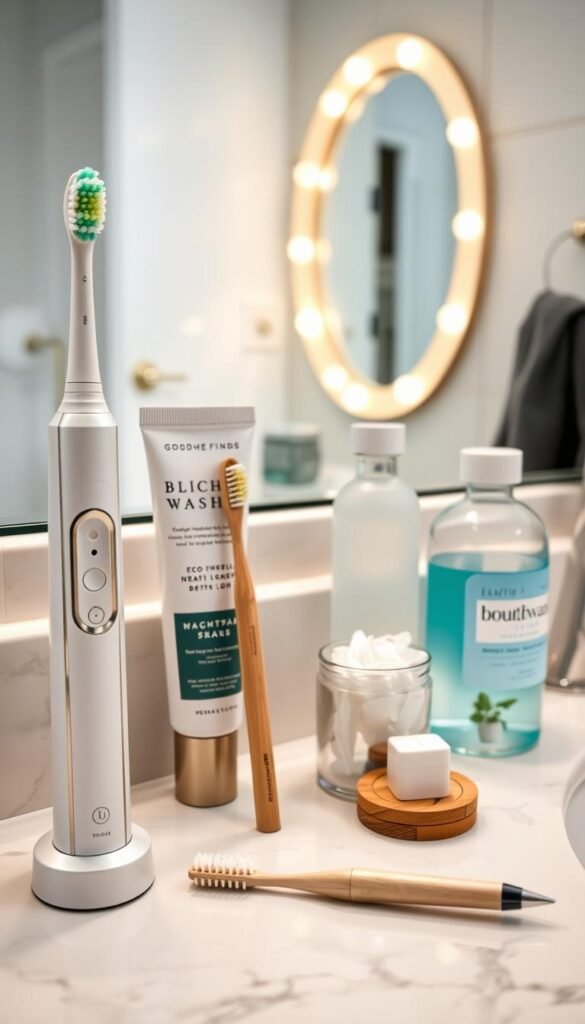
Budget upgrades worth buying: extra-soft manual toothbrush multipacks, travel brush kits, and fresh replacement brush heads for electric brushes. Replacement heads often improve cleaning more than trendy add-ons.
- Pros: floss picks and prepped brush kits remove friction and save minutes when you are tired.
- Cons: floss picks create more waste; string floss is cheaper and greener.
- Price-value: multipacks or refill heads under $15–$20 usually last months and keep bristles effective.
Real life tip: keep a small pack of floss picks in your nightstand. When you think, „I’m too tired,“ having them handy makes the habits stick and turns tasks into an easy yes.
| Item | Why it helps | Who it’s for |
|---|---|---|
| Extra-soft toothbrush multipack | Gentle on gums; cheap to replace | Late-night snackers, sensitive gums |
| Floss picks | Fast, low-effort | Those who skip flossing when tired |
| Travel brush kit | Keeps habits on the road | Frequent travelers |
What to avoid: gimmicky whitening shortcuts that increase sensitivity or tempt overuse. For basic oral hygiene guidance, see oral hygiene basics.
Journaling and To-Do List Finds for a Quieter Mind
Putting pen to paper for five focused minutes often clears the clutter in your head. This is not about perfect entries. It is a fast way to move thoughts and tasks out of your mind so you can rest.

Why it helps
Research suggests a brief to-do list before bed speeds sleep onset. Writing lets you release looping thoughts and stop rehearsing tomorrow’s tasks in your head.
Keep it simple
Buy a $5–$15 notebook and a pen that won’t bleed through. Leave them on your nightstand so using them is easy and automatic.
Five-minute method
- List tomorrow’s top 3 tasks.
- Write one worry you can’t solve tonight.
- Add one short gratitude line if that helps calm your mind.
Real life: writing „send invoice“ at 10 p.m. often stops the 1 a.m. replay of that task.
Who it’s for and what to avoid
This method fits overthinkers, busy parents, and anyone waking up worried. Avoid long prompts or pressure to create perfect entries; that can rev you up instead of calming you down.
| Tool | Price range | Why it works | Alternative |
|---|---|---|---|
| Simple notebook | $5–$15 | Easy, low-pressure place to offload thoughts | Index card or sticky note |
| Pen that doesn’t bleed | $1–$5 | Fast, neat writing reduces friction | Ballpoint from desk drawer |
| Notes app (earlier) | Free | Good if you prefer digital, but avoid writing in bed | Phone’s reminder app |
For a gentle how-to on using a simple journal before bed, see this short guide: using a night journal for quiet mind at.
Tea, Light Snacks, and Caffeine Cutoffs That Support Sleep
Making tea a short, deliberate habit gives your hands something low-stimulus to do. It replaces scrolling and creates a calm anchor in the evening.

Herbal tea picks that feel like a ritual
Chamomile and lavender blends are gentle, non-caffeinated choices. They make a small ritual that signals your body toward sleep. Choose labeled caffeine-free “sleepytime” blends and brew for 4–6 minutes.
Light snack and caffeine cutoff guidance
If you’re truly hungry, grab a small snack that won’t trigger reflux: yogurt, a piece of fruit, or a few nuts. Avoid heavy meals and alcohol within a couple of hours before bed.
Mind your caffeine cutoff. If you’re sensitive, move the cutoff earlier by a few hours. That includes hidden caffeine in some teas, chocolate, and pre-workout products.
Affordable tools: electric kettle vs. stovetop
Electric kettle: fast and consistent. A basic model under $25 is worth it if you make tea most evenings. It reduces friction and makes the habit automatic.
Stovetop kettle or saucepan: cheaper up front. It works fine if you brew tea occasionally. Skip app-connected kettles and extra features you won’t use.
Who this helps and what to avoid
This approach fits late‑evening snackers, people who want a cozy wind-down, and anyone swapping dessert or alcohol for something lighter. Avoid heavy meals, alcohol close to bed, and sneaky caffeine.
| Choice | Price-value | Practical tip |
|---|---|---|
| Chamomile/lavender tea | $5–$12 per box; widely available on Amazon | Brew 4–6 minutes; verify caffeine-free label |
| Electric kettle (basic) | $15–$25 | Good if you drink tea nightly; set on counter for ease |
| Stovetop kettle / saucepan | $10–$20 | Cheaper if occasional; boil water and steep in mug |
Aromatherapy and Sleep Sprays: Helpful When Used Safely
A small, consistent scent cue can tell your brain it’s time to power down. Use a gentle pillow spray or a pre-diluted lavender mist as a simple cue you do the same way each evening.

Why a signature scent helps
Consistent scents pair with your other shutdown actions and create a fast mental shift. One quick spray can mark the moment you stop work and start calm, the same way brushing signals sleep.
Safe, affordable picks under $25
Look for: pre-diluted pillow sprays or lavender mists under $25, clear ingredient lists, and brands with recent reviews. Prefer Amazon availability for fast delivery.
- Keep sprays light and repeatable; strong fragrances can irritate.
- Avoid direct skin use of essential oils; they should be diluted.
- Patch-test if you are sensitive to scents.
Pros, cons, who it helps
Pros: cheap, low-effort cue that supports bedroom calm and evening routines. Cons: scent sensitivity and allergic reactions for some people.
„One quick spray on bedding can replace a complicated shutdown when you’re exhausted.“
| Option | Price | Pros | Cons |
|---|---|---|---|
| Pre-diluted lavender pillow spray | $8–$20 | Ready to use; gentle scent | May not suit scent-sensitive users |
| Light mist with clear ingredients | $10–$25 | Ingredient transparency; brand trust | Some formulas are synthetic-smelling |
| Cloth sachet (lavender) | $5–$15 | No spray; long-lasting | Less immediate than a mist |
What to avoid: overpowering scents, cheap oils without ingredient lists, and open flames near bedding. For more vetted product picks and guidance, see this Sleep Foundation list of best sleep sprays: best sleep sprays.
Conclusion
Conclusion
Start small and be honest with what you will keep. Set a steady schedule, reduce screens, tune lights and sound, then add one affordable tool that fixes a real problem.
Try one change tonight—charge your phone outside the bed room—and one simple buy like a contoured mask or basic noise option. Follow a quick 30-minute flow: dim lights, brush, quick skincare, five-minute journal, tea, calming sound, then sleep.
Choose quiet wind-downs that don’t spike your mind: a short book, a brief meditation, or steady breathing. Keep it realistic on busy days; consistency beats intensity.
When you shop, favor reputable brands, clear materials, and easy returns—especially for items that touch skin or the face. For more practical pre-sleep ideas see this guide on practical pre-sleep ideas, and renter-friendly small-space picks at small-space picks.
Make sure you start with one tiny habit this week. Over time, these simple moves give you calmer evenings, less rushing, and easier mornings.