
This short guide shows a renter-friendly, no-drill way to tame clutter in a small home. You will use simple, repeatable steps that fit real life. Start with one space and work in short bursts. Ten-minute sessions add up.
Safety first: clear walkways and floors before sorting. Trip hazards matter in tight spaces.
Use three labeled containers (trash bag, laundry basket, and a keep bin) and move clockwise through the room. Empty containers right away. This method helps stop piles that keep “still sitting.”
We focus on practical, low-cost solutions under $25 and under $50 for kitchens, bathrooms, closets, and entryways. You’ll get pros, cons, and when to choose a 3-category, 5-category, or junk-bin system to avoid burnout.
Find curated small-space tools and apartment alternatives at best small-space finds. Expect durable, renter-safe picks and comparison tables so you don’t waste time or money.
Key Takeaways
- Pick one area and set a 10-minute timer to start.
- Use three quick containers and work clockwise to sort fast.
- Prioritize clear walkways and simple daily habits over perfection.
- Choose renter-safe, no-drill items under $25 or under $50 when needed.
- Use a lightweight system (3, 5, or junk) you can repeat.
Why “No Box” Organizing Works When You’re Busy, Overwhelmed, or Short on Space
Small changes prevent mess from taking over. When life gets busy, simple landing spots stop clutter from spreading across your home. This method is about making choices easier, not buying perfect matching containers.
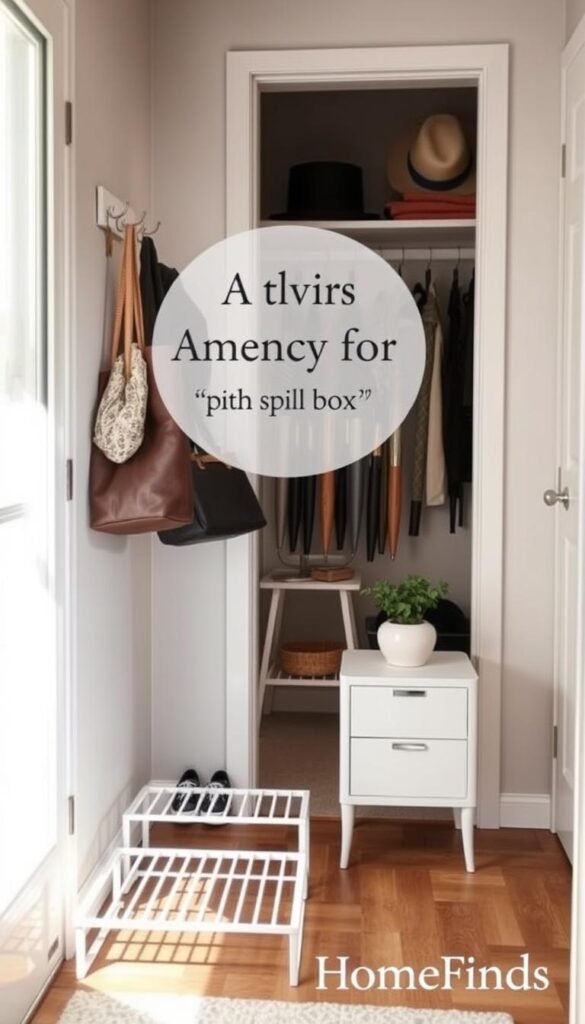
What this method means for renters and small apartments
Practical, renter-safe zones give items a clear next step. In tight spaces you can’t drill or add cabinets. So you create soft landing spots that store easily and tuck away when not in use.
Common clutter triggers: random places and flat surfaces
When you’re rushed or overwhelmed, you drop things on counters, nightstands, or the „chair.“ Those flat surfaces turn into piles and visual stress.
Mail, water bottles, socks, and toys often end up still sitting because there’s no obvious next move. A single junk bin can contain that spill and keep stairs safer.
Safety and sanity check: clear paths in two minutes
Before sorting, make sure walkways, stairs, and entry paths are clear. This quick step cuts trip hazards and reduces daily friction.
Keep it workable, not perfect. Decide where items belong before you move them. Use flexible tools like bags or baskets that store flat and don’t become more stuff. This keeps the system usable for real people in real homes.
For quick entryway fixes, see a fast vs full approach at entryway fast vs full.
Choose a Space and Start Small Without Burning Out
Start with one small, visible spot you can finish quickly. Pick a drawer, one shelf, a counter corner, or a tiny entryway. Think of this as a tiny project you can complete in minutes.
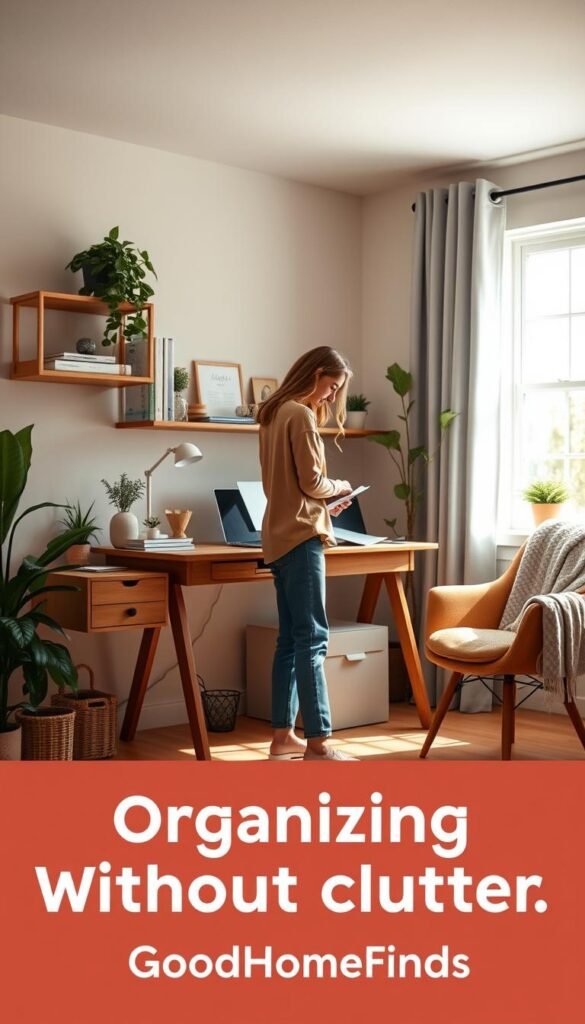
Pick one spot and gather simple supplies
Grab what you already have: one trash bag, one donation bag, and one relocate basket or laundry bin. Add a cleaning wipe for the cleared surface.
Work a clockwise reset to save time
Start at one corner and move clockwise around the area. Use that pattern as a step-by-step method so you don’t bounce between spots and lose momentum.
The 10-minute plan that actually works
Set a timer. Remove obvious trash first. Group duplicates. Return only what belongs. Wipe the surface and stop when the timer ends.
„Done is better than perfect — finish a small point and build trust with yourself.“
Rule to avoid sidetracks: don’t walk items to other rooms. Toss them into your relocate bin and deal with them after the session.
If you can see the surface again, you won. Repeat this method in another room tomorrow. For useful tools, check the best organization finds.
No Box Organizing Systems That Replace Cardboard and Still Create Order
A fast sorting routine uses common household items so you can clear a surface in minutes.
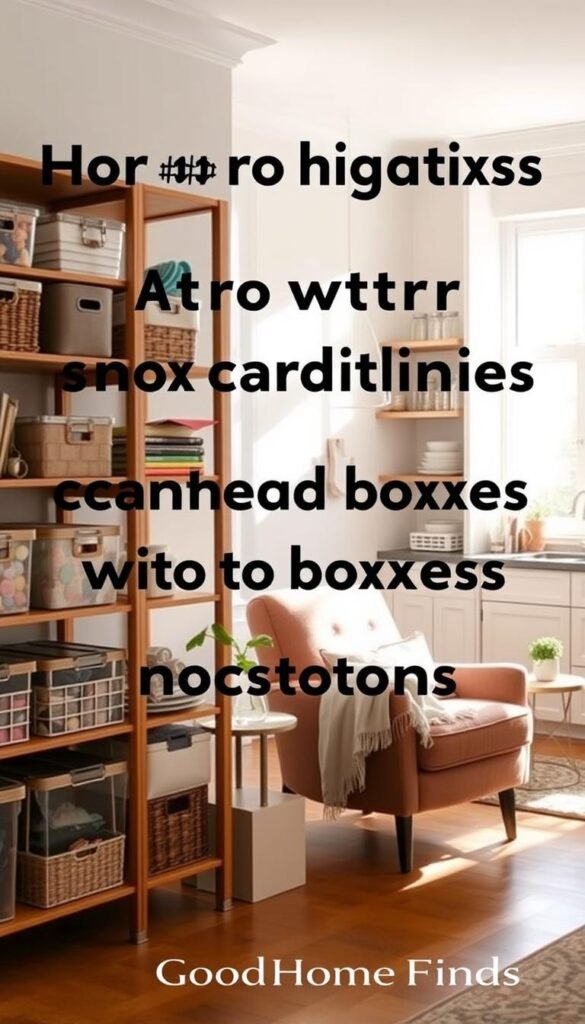
The three-category sort
Use three simple containers: a trash bag, a tote for donation, and a laundry bin to relocate items. Work clockwise through the space. Toss obvious trash first, then add donations and items that belong elsewhere.
Best for: quick relief on counters, drawers, or a single shelf when you don’t have time for deep work.
The five-category method
Add recycle and keep to the mix and consider a short-term pending spot for unsure choices. Use labeled bags or small totes and take out trash and recycling first.
Best for: large piles or seasonal clears when you want clarity without rushing decisions.
The junk bin and label-light zones
A plastic laundry bin works as a weekly junk bin. It keeps stairs and floors clear, holds toys and daily drop items, and reduces friction for ADHD households.
Use label-light zones instead of strict labels. Ask, „Where would I look for this?“ and place things there. This cuts decision fatigue.
Immediate follow-through: put donation in your car the same day, take trash out now, and schedule a weekly reset (Sunday works). If you let bags sit, you create prettier clutter.
| Method | Speed | Best for | Follow-up |
|---|---|---|---|
| Three-category | Fast (10 mins) | Single surface, rushed days | Empty trash & relocate bin same day |
| Five-category | Moderate | High-volume clears, seasonal sorts | Label bags; decide pending within 1–2 weeks |
| Junk bin | Ongoing | Families, ADHD, frequent drop zones | Weekly empty/reset |
For small solutions that free fridge and counter space, see a curated list at best fridge space solutions.
Renter-Friendly, No-Drill Products Under $25 and $50 That Solve Real Home Problems
Buy with a purpose: a product should remove one daily hassle, not start a new pile. Only get something that fixes a repeated pain point, like mail landing everywhere or cleaners tumbling under the sink.
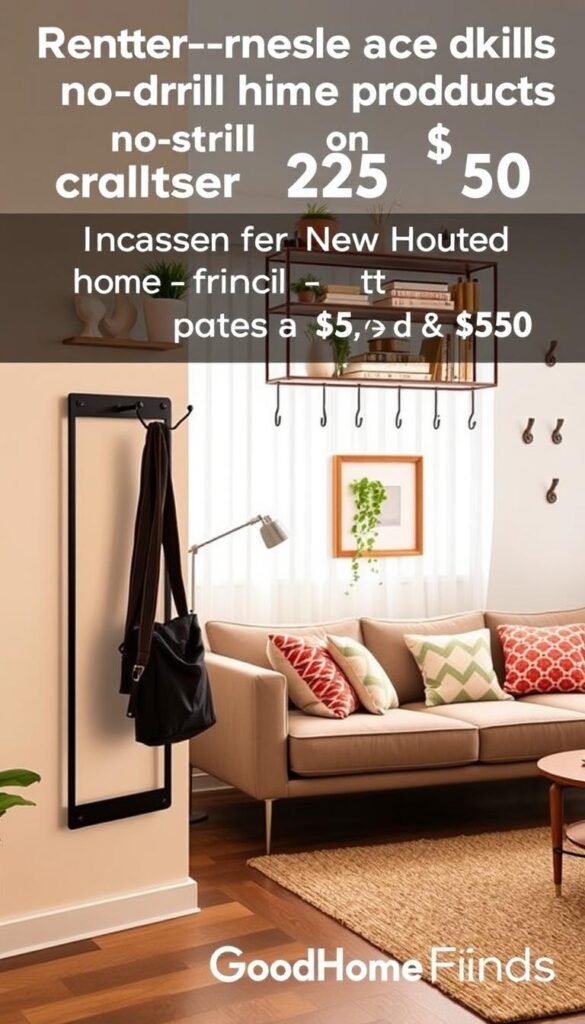
Kitchen picks under $25
Choose items that stop spills and slipping. No-slip drawer trays keep utensils stable. Simple shelf risers add vertical order in a pantry. Tension rods or a small tension shelf under the sink separate cleaners without drilling.
Kitchen upgrades up to $50
When you need durability, measure first and buy an expandable under-sink rack or a two-tier pull-style shelf. These make daily resets faster and are easy to wipe down after spills.
Countertop corrals
Use a single tray or shallow bin to contain mail, keys, and bottles. The point is one contained zone, not more surfaces to collect stuff. Empty it daily so it doesn’t become another pile.
Bathroom renter-safe fixes
Adhesive hooks and caddies: clean and dry the wall, follow cure time, and respect weight limits. Remove with heat or a pull tab to avoid paint damage.
Slim bins: pick narrow plastic organizers for vanities and medicine cabinets. Prioritize moisture resistance and easy wipe-clean surfaces.
Closet and laundry helpers
Under $25, try hanging shelves, cascading hangers, and shelf dividers to keep folded stacks tidy. Portable hampers or sort bags create a real laundry workflow and prevent clothes piles.
Entryway solutions
Over-the-door pockets or a slim rack clear floors and cut trip hazards. Add a small tray or bowl for keys and a wall-safe adhesive hook for leashes or hats.
Pros, cons, and maintenance
- Pros: renter-safe, low-cost, easy to install, and they speed daily resets.
- Cons: cheaper plastics wear faster, adhesives have weight limits, and some pieces trap moisture.
- Care: wipe plastic surfaces weekly, check adhesive bonds monthly, and keep the „empty the bin“ rule—donate or trash items promptly.
For a quick comparison of budget vs premium storage choices, see this helpful guide: storage cheap vs premium.
Room-by-Room Setup Plans and Comparison Tables for Different Apartment Sizes
Practical plans help you keep rooms functional without heavy upgrades. The goal is simple: clear walkways, visible drop zones, and a weekly reset that actually happens. Below are renter-friendly setups by apartment size and a compact comparison of budget picks.
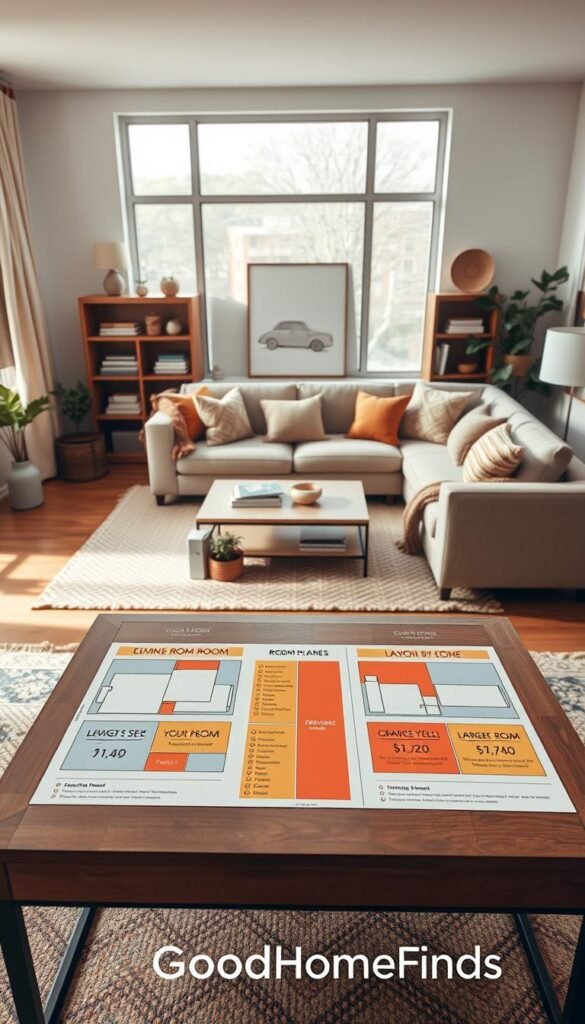
Studio and micro-apartment alternatives
Use vertical solutions and dual-purpose items to free floor space. Add over-door racks, command-style hooks, and an ottoman with storage or bed risers. Keep one clear surface for daily items and one relocate basket for things you plan to put away later.
One-bedroom alternatives
Create a daily-use zone and a backstock zone. Store extras on a high shelf or under-bed bins so prime cabinets don’t become overflow. Ask, „Where would I look for this?“ when placing items to reduce decision friction.
Two-bedroom and roommate setups
Agree on shared rules: one relocation bin per common room, a weekly 15-minute reset, and a label-light approach so everyone can participate. Decide what stays in common vs private spaces and keep rules visible on a small card.
Mini plan for paper and books
Limit stacks to one reading basket or one shelf. Anything beyond that goes to donate or relocate. This prevents piles from spreading to other rooms and keeps pathways clear.
Best-for guide
- Hate putting things away: open-top bins and visible zones so it’s easy to drop and grab.
- Lose items often: consistent drop zones near the door and a small tray for keys and phones.
- Have kids: a weekly junk bin, low hooks, and a clear rule for toy pickup each week.
| Room | Under $25 | Under $50 |
|---|---|---|
| Kitchen | Non-slip tray, tension rod for under-sink | Expandable under-sink rack, two-tier pull shelf |
| Bathroom | Adhesive hooks, slim plastic bins | Durable caddy, better water-resistant bins |
| Closet | Cascading hangers, shelf dividers | Hanging shelf organizer, sturdier shoe rack |
| Entryway | Small tray, wall hooks | Heavy-duty slim rack, bench with storage |
„Pick one room, work clockwise, sort fast, and empty trash/donation/relocate right away.“
If you want more small-space solutions, check a curated mix of quick fixes at small-space fix mix. Follow the method each week and your house will stay calmer with less effort.
Conclusion
Start with one small spot so the change feels doable and real. Set a 10-minute timer. Sort into toss, donate, and relocate. Wipe the surface and stop when the timer ends.
Maintenance: do a 2-minute daily reset of your main drop zone and one weekly empty of the junk bin or relocation basket. Always carry donation bags to your car the same day and decide pending items within 1–2 weeks.
Keep the focus practical: this method reduces decisions, contains clutter fast, and fits renter-friendly, small-space living. Put safety first—clear floors and walkways near entryways and stairs.
For budget-friendly finds to help the process, see these curated budget-friendly finds. (Jan written.)