This guide shows simple, renter-friendly ways to get your home sorted without drilling or big spending.
You’ll learn fast wins under $25 and smart upgrades under $50. Start by decluttering to cut the amount of storage you need. Selling extras can even put cash back in your pocket.
Focus on removable, low-risk tools: adhesive hooks used correctly, over-the-door racks, tension rods, and non-slip liners. Measure height, width, and depth before you buy to avoid returns.
This approach treats small-space needs realistically. Every item needs a place that matches your daily routine, not a staged photo. I’ll offer practical product suggestions, pros and cons, who each solution works best for, and safety tips like weight limits and moisture risks.
Follow the simple plan: declutter → assess habits → measure → try DIY/free options → shop smart → keep it with short daily routines. For more on choosing cheap vs. premium storage ideas, see storage cheap vs premium.
Key Takeaways
- Start with decluttering to reduce what you need to store.
- Use no-drill, renter-safe tools for easy setup and removal.
- Fast wins cost under $25; bigger small-space upgrades sit under $50.
- Measure before buying to save time and money.
- Prioritize safety and durability in rentals.
- Match storage to your routine, not social media trends.
Start With Less: Declutter Before You Buy Storage
Tackle a single trouble area first so you get fast wins and avoid unnecessary purchases. Clearing that one spot reduces the number of containers you actually need. It also makes later systems easier to test and maintain.
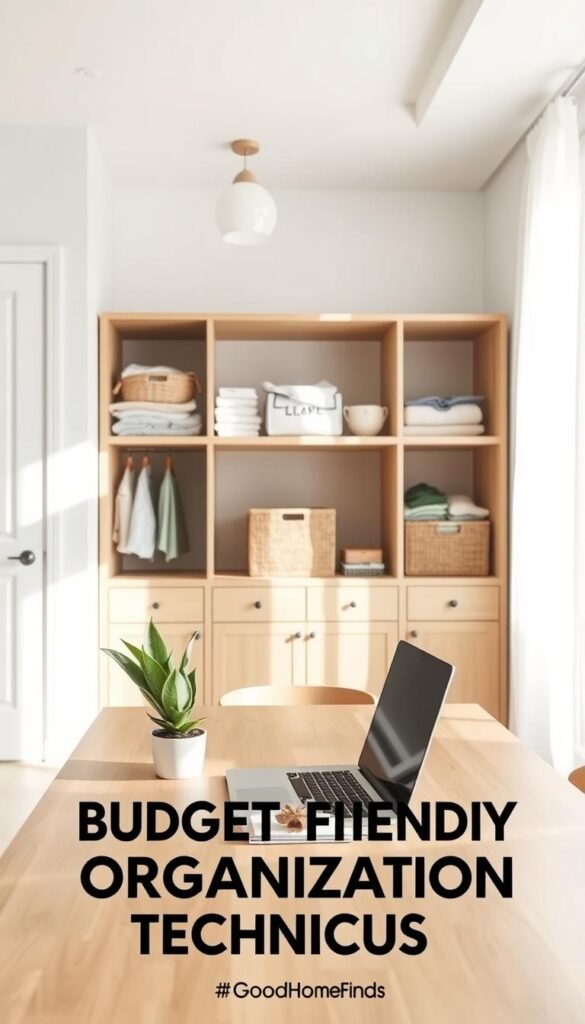
Pick one problem area and remove what’s broken, unused, or unloved
Work in short bursts. Set a timer for 20–30 minutes and focus on one shelf, drawer, or closet. If it’s broken, stained, expired, or you would not buy it again, it’s a strong “out.”
Sell or donate items to free up space and add money back
List a few higher-value items for a quick sale on Facebook Marketplace or Craigslist. Donate the rest to keep this project from dragging for weeks. That way you may get a bit of money toward needed supplies.
Set up a simple “keep / donate / trash / relocate” box system
Use four boxes: keep, donate, trash/recycle, and relocate (things that belong elsewhere). Handle the relocate box immediately so clutter doesn’t migrate.
„Less stuff means fewer containers and easier daily resets.“
- Start with one area so you finish faster and feel progress the same day.
- Fewer items cuts storage costs immediately because you stop paying to store clutter.
- Expect a messy middle — it can look worse before it looks better. That’s normal.
Keep categories small (bath supplies, cords, mail) so moving later is simple. Don’t buy containers yet. Measure and test first, then choose what really fits. For targeted solutions, see these best small kitchen solutions.
Assess Your Space and Habits So Your System Actually Sticks
Track natural habits for a week to design systems that you will use every day.
Watch where you drop keys, which cabinet you reach for spices from, and where cleaning supplies migrate. Keep a simple note or snap a few phone photos each day. This small study shows real behavior, not social media ideals.
The system that sticks is the one you follow when you’re tired. If a place requires extra steps, it won’t last. Choose a spot that matches how you move through the room.
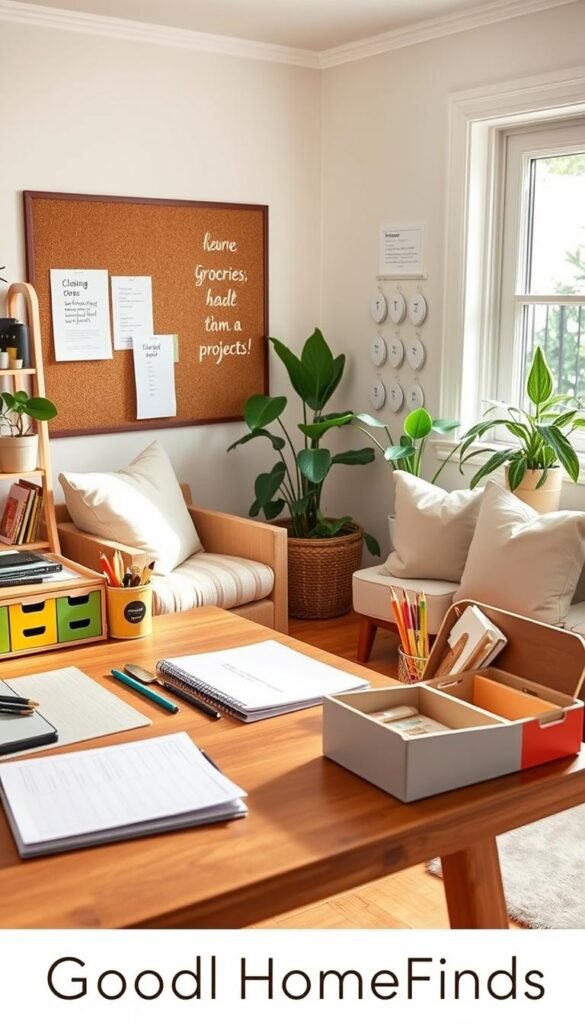
Make zones by frequency of use
- Daily: One-hand reach, front and center.
- Weekly: Slightly higher or deeper shelves.
- Backups: High shelves or less prime space.
Use movable bins and lightweight tools so you can test „just for now“ containers. If a setup feels off after two weeks, tweak it. Give yourself permission to change the place before buying nicer pieces.
„Design for real life: fast returns to a bin beat a perfect photo every time.“
| Room | Simple Category Map | Quick Tip |
|---|---|---|
| Kitchen | Cooking, snacks, cleaning | Keep daily cookware near stove for one-handed reach |
| Bathroom | Daily grooming, backups, first-aid | Place daily items at eye level; backups up top |
| Entry | Keys, mail, daily carry | Use a small tray or bin by the door for quick drop-off |
Maintenance matters. Make quick resets easier with labels, wipeable surfaces, and a simple rule: if you touch it daily, it should be reachable with one hand. These small choices help you get organized and keep clutter from coming back.
Measure First, Then Shop: Avoid Wasted Money and Returns
Measure before you buy to save time, avoid returns, and fit things that work in daily use.

- Cabinet interior: width, depth, and clear height between shelves.
- Drawer interior: usable width, depth, and depth to the back.
- Closet: rod height, depth from door to rod, and floor-to-shelf clearance.
- Doors: thickness and clearance for over-the-door hooks or racks.
Practical shopping tips
Save your measurements in your phone notes. Check them while you shop so you don’t guess and return later.
Why „almost fits“ costs more: forcing bins or baskets into tight spots wrecks daily use. Returns waste your time and make systems less likely to last.
Renter safety and durability notes
- Weight limits: respect adhesive hook ratings and avoid heavy loads on doors that can warp hinges.
- Non-slip liners: put liners under bins and in drawers to stop shifting and reduce noise.
- Ventilation: use breathable containers for damp bathroom supplies and paper items to avoid mildew.
- Durability: thin plastic cracks in cold or under heavy pantry loads; choose sturdier containers for high-use spots.
- Surface protection: place liners under under-sink bins to catch leaks and protect rental cabinets.
„Good measurements save money and make your solutions actually useful.“
| Space | Measure | Renter Caution | Suggested item |
|---|---|---|---|
| Kitchen cabinet | Interior W x D x H | Avoid overloading shelves; use shelf liners | Stackable bins or risers |
| Bathroom shelf | Shelf-to-shelf clearance & depth | Use breathable baskets for damp items | Wicker baskets or ventilated bins |
| Closet | Rod height & depth to door | Check door thickness for hangers | Hanging shoe pockets or slim bins |
| Drawer | Interior W x D x usable depth | Line bottom to protect finish | Modular drawer organizers |
Once you’ve measured, try free DIY organizers first. If you want recommended buys, check these best organization finds to store supplies and containers that fit your space.
How to organize on budget With Free and DIY Organizers You Already Have
Start with free materials you already have to make tidy, renter-friendly containers fast.
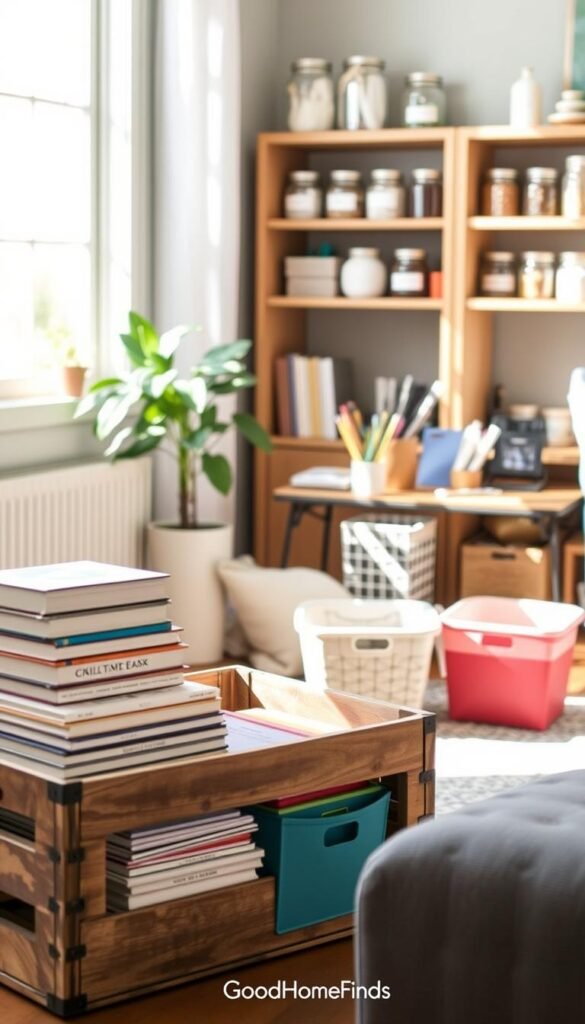
Turn shoeboxes and cut cereal boxes into custom drawer dividers that fit your exact space. Cut to height, tape corners, and stack them for adjustable lanes. These fit better than one-size store dividers for odd drawers.
Small jars, cans, and paper rolls that work
Use cleaned glass jars for cotton swabs, hair ties, and small bathroom items. Cleaned soup or veggie cans hold pens, markers, and scissors at your desk.
Wrap cords and slide them into toilet paper rolls. Label each roll so you grab the right cable fast. Use a tissue box to dispense rolled plastic bags one at a time.
Make it look deliberate
Cover boxes with wrapping paper, paint, or washi tape. Reinforce corners with tape and add simple labels from Word or Canva. Nice enough keeps everyone resetting quickly.
„If a DIY bin survives 2–4 weeks of daily use, consider upgrading to a durable version.“
- Pros: free, fast to test, customizable, renter-friendly.
- Cons: cardboard can attract pests near food, warps with moisture, and may not hold heavy daily loads.
| Material | Best Use | Renter Caution |
|---|---|---|
| Shoebox / Cereal box | Drawer dividers, shelf bins | Avoid under-sink or damp spots |
| Glass jars | Bathroom items, small desk supplies | Breakable; keep away from edges |
| Toilet paper roll / Tissue box | Cord wraps, bag dispenser | Label clearly to prevent mix-ups |
Budget Shopping Game Plan: Best Storage Under $25 and Under $50
Pick two high-impact fixes you can buy this week to clear daily clutter fast.
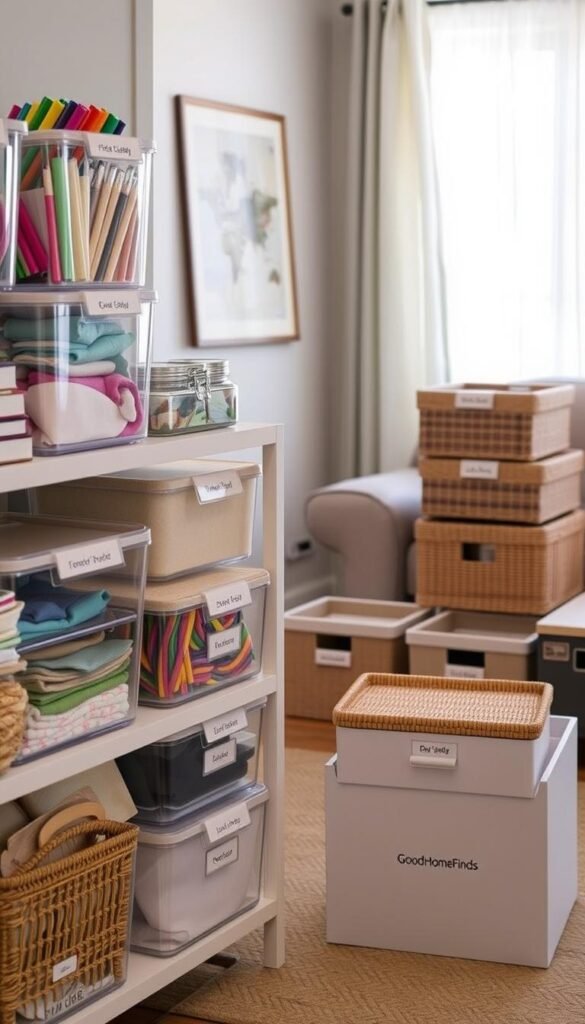
Start order: fix daily friction, add space-saving upgrades, then buy pretty matching containers last.
Under $25 essentials
Removable adhesive hooks within weight limits, non-slip liners, basic labeled bins, shelf risers, and a simple label kit fix the most common problems. These items cost little and return big value when placed where you drop things each day.
Under $50 upgrades worth it
Buy over-the-door organizers, sturdier drawer sets, or vertical shelving that adds usable height without drilling. These give more capacity and hold up to regular use in rentals.
Where to find deals (US)
- Dollar stores and Target Dollar Spot for small bins and liners.
- Thrift stores and yard sales for baskets and cheap drawer units.
- Facebook Marketplace, Craigslist, and Freecycle for larger pieces that save money.
„Test with temporary containers for a few weeks before spending money on matching sets.“
Return-proofing and renter safety
Bring measurements, check interior dimensions, and avoid odd shapes that waste space. Respect door weight limits, use liners to stop sliding, and choose ventilated containers for damp spots.
| Area | Problem | Item | Cost tier | Setup time | Renter-friendly score | Best for | Watch-outs |
|---|---|---|---|---|---|---|---|
| Kitchen | Cluttered shelf | Shelf riser + stackable bins | <$25 | 10–15 min | High | Small kitchens, renters | Measure shelf height |
| Bathroom | Crowded counter | Over-the-door caddy | <$50 | 5–10 min | Medium | Shared bathrooms | Avoid metal in damp spots |
| Closet | Wasted vertical space | Hanging shelf or drawer set | <$50 | 15–30 min | High | Seasonal clothes | Check door clearance |
| Entry | Keys and mail piles | Small tray + adhesive hook | <$25 | 5 min | High | Daily commuters | Use rated hooks |
For a ready list of closet options that fit small spaces, see best closet space solutions.
Kitchen and Pantry: Small-Space Storage That Saves Time Every Day
A few smart bins and risers make busy weeknights faster and cut down waste.
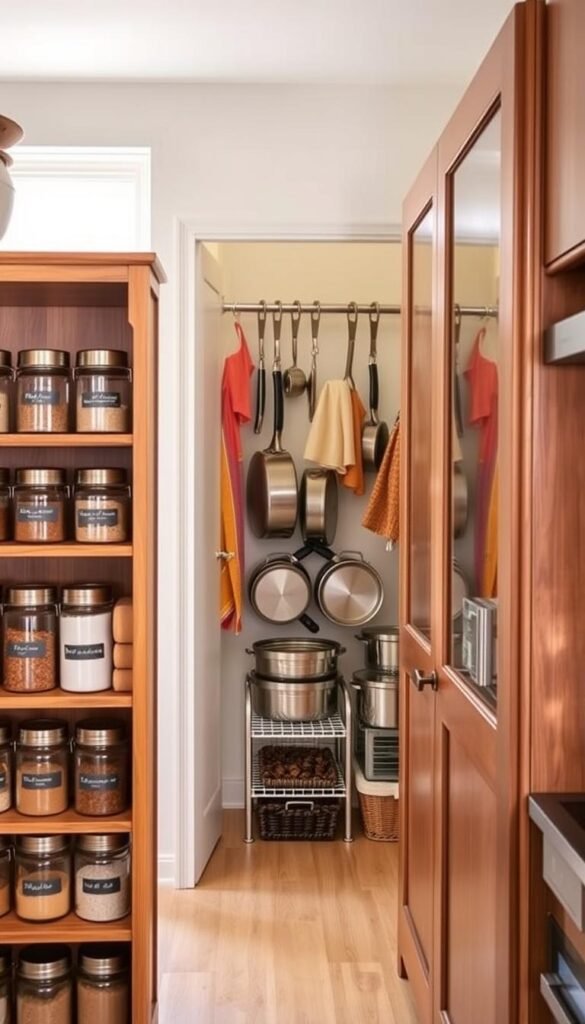
Start with daily pain points: expired produce, duplicates you can’t see, and cabinet black holes where small items disappear. Use clear fridge bins and labels to group snacks, meal-prep packs, and leftovers. This reduces waste and saves time when dinner is rushed.
Fridge bins and clear containers
Group items by use. Keep one bin for ready-to-eat, one for meal prep, one for sauces. Plastic bins under $25 work well; add labels for quick grabs.
Pantry containers and tiered visibility
Decant dry goods if you bake often or buy bulk. Clear containers help spot low supplies. Tiered organizers or simple DIY risers improve visibility for spices and cans.
Lazy Susans, magazine-holder hacks, and hooks
Lazy Susans help oils and sauces in deep cabinets; add a non-slip liner for stability. Use magazine holders or cut cereal boxes as a slim wrap station for foil and bags. Adhesive hooks inside doors hold measuring cups and small tools—prep the surface and respect weight limits.
„Weekly 2-minute resets—toss expired items and wipe bins—keep the system useful.“
| Best for | Top pick under $25 | Renter note |
|---|---|---|
| Meal preppers | Clear fridge bins + labels | Lightweight plastic; wipeable |
| Tiny kitchens | Tiered riser or DIY wood riser | Use non-slip liners to prevent sliding |
| Shared kitchens | Labeled personal bins | Color-code to avoid mix-ups |
Bathroom, Closet, Entryway, and Desk: No-Drill Fixes for Everyday Clutter
Small, no-drill fixes make daily clutter manageable in bathrooms, closets, entries, and desks. These solutions are renter-friendly and portable. They focus on visibility and easy resets so your spaces feel usable each day.
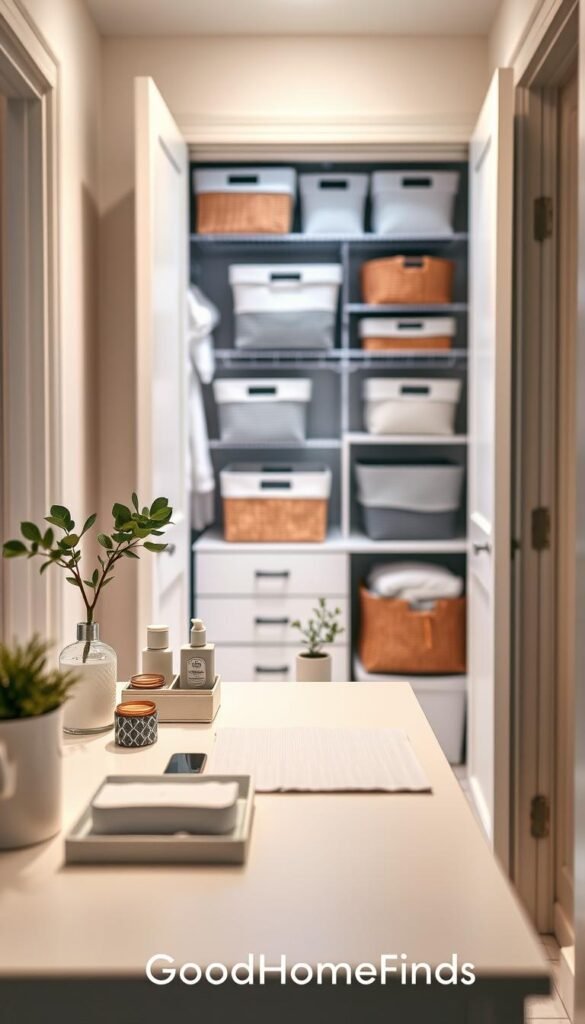
Bathroom hacks that cut counter clutter
Give each person a shower caddy. It keeps daily bottles corralled and clears the sink fast. Add a magnetic strip inside a cabinet door for bobby pins, tweezers, and small metal tools to stop lost pieces and empty drawer space.
Under-sink & closet solutions
Install a tension rod under the sink to hang spray bottles by their nozzles. That frees the cabinet floor for a single wipeable bin and makes leaks obvious.
In the closet, use transparent cubbies and labeled bins so you see items at a glance. An over-the-door shoe organizer works for toiletries, cleaning supplies, accessories, or small toys.
Bedroom, entry, and desk fixes
Store each sheet set inside its pillowcase so sets stay together and are easy to grab. Create a landing zone with a small tray or bin for keys, mail, and daily carry to keep counters clear.
For your desk, contain power bricks in a basket, label cords, and tie slack so you avoid a tangled drawer or a cord nest under the desk.
- Pros: portable, renter-safe, easy to swap.
- Cons: lighter load capacity; clear boxes may look utilitarian.
- Best for: kids and families (use low clear bins and labels), pet owners (contain grooming tools), frequent movers (portable boxes), and minimalists (fewer categories, simpler zones).
„Visible storage and a daily reset are the simplest way to keep small stuff from spreading.“
Maintenance tips: choose wipeable bins, add a moisture absorber in bathroom boxes, prep surfaces before adhesive use, and remove hooks carefully to protect paint. For quick buys and renter-friendly finds, see this kit of essentials.
Conclusion
Treat fixes as experiments: declutter first, watch daily habits, measure, test DIY or temporary bins, then buy only what removes real friction. This order saves money and time and helps you get organized without regret.
Pick renter-friendly pieces that are portable and removable. Start with small daily fixes under $25. Add one stronger upgrade under $50 only if you still need more space or durability.
Simple maintenance: spend 3–5 minutes each day resetting one hotspot. Follow weight limits, use liners to stop slipping, and keep ventilated boxes for damp supplies.
Different homes need different rules. Studios use fewer categories. Shared houses need clear labels and boundaries. Do this year, one high-value idea at a time, and your place will feel calmer and more useful.