You’re building a real-life food hub that saves weeknight time and cuts grocery runs. These picks focus on practical, mostly under-$25 items that you will actually use before they go stale.
It’s 6:30 pm, you’re tired, and you still need a meal. With the right staples—pasta, grains, canned tomatoes, beans—and a few smart storage tools, dinner decisions get faster and less stressful.
Each pick below follows the same simple format: why it helps, who it’s for, what to avoid, plus quick pros/cons and cheaper alternatives. I favor common brands and standard sizes that ship fast on Amazon for easy replacements and returns. See full picks and sourcing on this roundup from best kitchen finds on Amazon.
Preview categories you’ll see: storage, basics like pasta and rice, sauce builders, beans, oils, spices, condiments, thickeners, baking staples, sweet add-ons, freezer helpers, and safety checks. No hype. Just tools and staples that earn their spot by daily use.
Key Takeaways
- Focus on practical, under-$25 items that save cooking time on weeknights.
- Staples plus airtight containers extend shelf life and cut last-minute runs.
- Each pick lists why it helps, who should buy it, and what to avoid.
- Amazon-first picks favor common brands and fast shipping for convenience.
- Skip gimmicks; choose renter-friendly, budget, and small-space solutions.
How these pantry picks were chosen for real-life kitchens
Every choice started with one question: will this save you time and trips to the store?
Worth it under $25 means everyday sizes and multipurpose use. In 2026 that means avoiding tiny premium jars and choosing bottles or cans you will finish before quality drops.
Decision rules: good reviews, fair price per ounce, common availability, and no gimmicky features. I skip specialty items you’d use once a year.
What you’ll see for each item
Each recommendation follows a mini-template so you can scan fast: Why it’s useful / Who it’s for / What to avoid.
- Value cue: cost-per-meal math (a $3 can of tomatoes can make four servings of sauce).
- Waste reduction: tube tomato paste beats half-used cans.
Amazon-first availability without overpaying
Check „ships from/sold by“ and compare pack sizes. Avoid inflated third-party listings and tiny sizes with premium markup.
Rotation and storage rules you can use
Label opened dates and practice FIFO so you use the oldest jars and boxes first. Dried pasta is best within a year. Spices lose potency after a year and degrade with heat and light. Keep oils away from the stove and store grains in airtight containers when opened.

Quick tip: For small-space solutions and compact storage options, see this short roundup of best small-space picks.
Pantry basics that save time on busy weeknights
Start small: one set of airtight tubs will cut cupboard chaos and speed dinner prep.
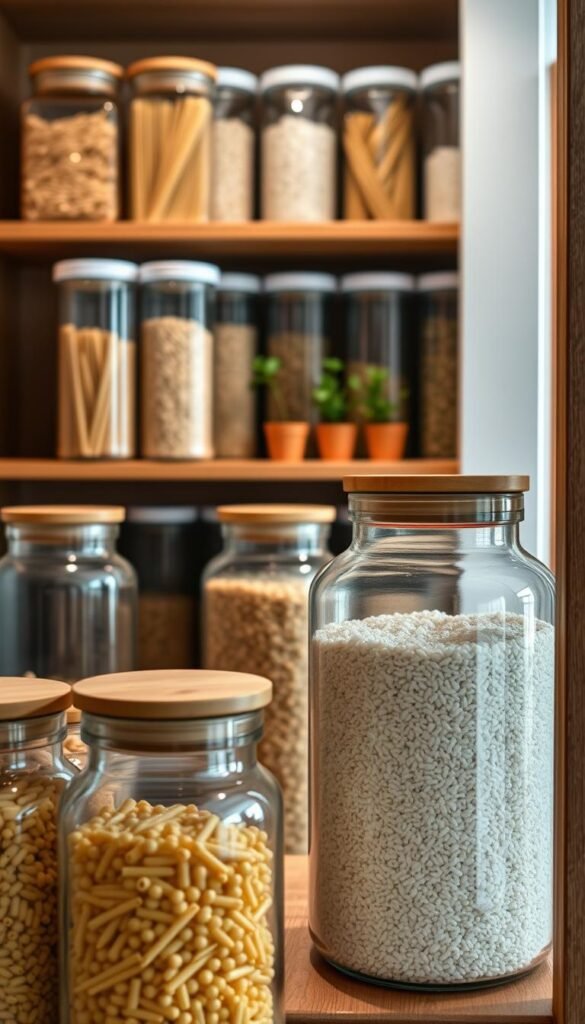
Airtight storage containers make ingredients last longer and keep pests out. Transfer opened boxes of pasta, rice, flour, and oats into clear, stackable containers sized for tall pasta and wider flour bins. Choose budget plastic or glass sets that stay under $25 for a renter-friendly upgrade.
Quick example: a “quick pasta” dinner becomes a 10-minute move when pasta and sauce ingredients are visible and ready.
A simple system that works
Labels + FIFO: use washable labels or masking tape and a marker. Add „date opened.“ Put new bags to the back and keep a one-shelf „use first“ zone for open packages.
- Pros: pest protection, stackable storage, faster measuring for any recipe.
- Cons: cheap lids can warp; tall containers may not fit short cabinets.
- Who it’s for: renters, small kitchens, anyone tired of mystery flour.
- What to avoid: fancy vacuum gadgets, flimsy seals, odd sizes that waste shelf space.
- Cheaper alternatives: reuse pasta sauce jars for small items or use zip bags inside a bin.
„You save minutes every night; those minutes add up into one less grocery trip per month.“
Pantry finds that fix “nothing to cook” nights fast
When the fridge is low, a few reliable staples turn panic into dinner fast. These items are practical, under $25, and work together so you can build a quick dish without trading quality for speed.
Low-sodium chicken broth cartons: an instant flavor base for soups, braises, and rice. Cook rice in the broth and stir in frozen peas for a 15-minute dinner. Pros: instant depth of flavor and low salt control. Cons: cartons take shelf space. Who it’s for: cooks who want fast, savory results. What to avoid: bulging cartons or an off smell.
Dried pasta variety pack
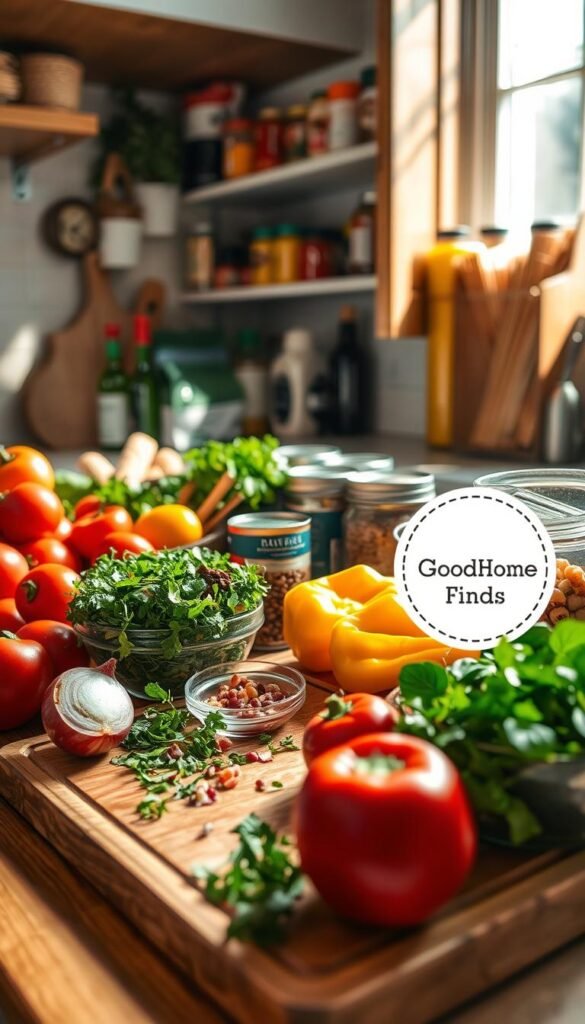
Why it helps: one buy covers baked casseroles, quick bowls, and cold pasta salads. Example: short pasta for a baked dish, long strands for a simple garlic-and-oil dinner. Pros: variety fights boredom. Cons: you may dislike a shape. What to avoid: stale or crumbly pasta and crushed boxes. Amazon availability is common—choose common brands and standard sizes.
White rice and quick oats
White rice: cheap calories and meal stretcher. Use for taco bowls or fried rice with frozen veggies. Pros: long shelf life when stored dry. Cons: lower fiber than brown. Avoid torn bags, bugs, or damp smells.
Quick oats: breakfast in minutes, a binder for meatballs, or a thickener for smoothies. Pros: versatile and fast. Cons: can stale if left open. Who it’s for: busy households and budget cooks.
| Staple | Fast example | Pros | What to check |
|---|---|---|---|
| Low-sodium chicken broth | Rice cooked in broth + peas | Instant flavor; low salt | Intact seal; no bulge |
| Dried pasta variety pack | Cold pasta salad or baked casserole | Shapes for many dishes | No stale smell; intact boxes |
| White rice | Fried rice with frozen veggies | Long storage; stretches meals | No bugs; dry, sealed bag |
| Quick oats | Oatmeal or oats in meatballs | Fast breakfasts; binder | Fresh smell; resealable container |
„Buy sizes you will finish. Subscribe & Save on Amazon when it truly fits your monthly use.“
Canned tomatoes and tomato paste that make sauce easy
A few smart tomato choices make sauce and chili come together fast. Keep a mix of diced or crushed cans and at least one can of Italian plum tomatoes for deeper flavor. These are the foundation for quick recipes like marinara, chili, and soup starters.
Diced vs crushed tomatoes
Why it helps: crushed tomatoes make an instant sauce base. Example: crushed tomatoes + garlic powder + oregano = a 15-minute marinara.
Italian plum tomatoes
Why it helps: richer flavor and body. Blend whole plums for a smooth, restaurant-like sauce.
Tomato paste in a tube
Why it helps: use a tablespoon at a time to avoid waste. Pros: less spoilage; cons: slightly higher unit price. Best for small households and occasional cooks.

Safety & storage
Never store opened tomatoes in the can. Transfer to an airtight glass or plastic container and refrigerate. Use within 3–4 days. Discard any can with dents, bulges, rust, or off smells.
- Cheaper options: store-brand canned tomatoes work fine for chili, soups, and casseroles.
- When to upgrade: choose higher-quality plum tomatoes for simple marinara where tomato flavor is front and center.
- Amazon tip: stick to 14–28 oz standard sizes to keep price reasonable.
„Buy sizes you will finish; tubes and jars reduce waste and save money over time.“
For a compact shopping list and budget mix, see smart budget mix.
Beans, peas, and lentils that stretch meals without tasting “sad”
A few well-chosen beans and lentils turn small ingredients into satisfying meals. Use them to add protein, bulk, and comfort without raising your grocery bill.

Dried lentils for fast soup without soaking
Why it helps: cook in 20–30 minutes with no soak. Example: lentil soup with canned tomatoes and low-sodium broth.
Pros: fast, cheap, high protein. Cons: can overcook into mush if left too long. Who it’s for: weeknight cooks.
Canned chickpeas for sheet-pan dinners and quick salads
Why it helps: instant protein and texture. Example: roasted chickpeas + frozen spinach tossed with pasta or rice.
Pros: convenient and ready. Cons: higher sodium in some brands. Rinse to cut salt.
Black beans for tacos, rice bowls, and pantry chili
Why it helps: versatile base for bowls and tacos. Example: black beans + rice + salsa and hot sauce makes a 10-minute meal.
What to avoid: dented cans or broken seals.
Split peas for thick, low-cost comfort soup
Why it helps: make a creamy soup without cream. Example: split pea soup with broth and leftover chicken or ham.
- What to avoid: very old dried beans and dried beans that never soften. Buy smaller bags if you cook them rarely and rotate stock.
- Cheaper options: store-brand canned beans and bulk dried lentils in standard bags.
- Amazon tip: buy multipacks only if you use them monthly; single cans or bags reduce waste.
| Item | Fast use | Pros | Who it’s for |
|---|---|---|---|
| Dried lentils | Lentil soup with tomatoes | Quick; no soak | Weeknight cooks |
| Canned chickpeas | Roasted sheet-pan + pasta | Ready protein | Busy households |
| Black beans | Rice bowls & tacos | Versatile; filling | Budget cooks |
| Split peas | Thick soup with chicken | Comforting; low cost | Families & meal preppers |
„Rotate your stock and buy sizes you will finish; old dried legumes can stay hard no matter how long you cook them.“
Oils and vinegars that actually get used
Good oils and vinegars do more cooking work than you expect. Keep a small set that covers sautéing, high-heat cooking, quick dressings, and fast pan sauces. These are practical choices you will reach for every week.

Olive oil
Why it helps: everyday sauté, marinades, and quick salad dressings.
Example: olive oil + red wine vinegar + mustard makes an instant salad dressing.
Pros: flavor-forward; versatile. Cons: pricier than neutral oils.
Who it’s for: most home cooks who value taste in simple dishes.
Vegetable oil
Why it helps: high-heat searing, frying, and many baking tasks.
Example: vegetable oil yields crispier pan-fried chicken cutlets.
Pros: neutral flavor and lower cost. Cons: less character than olive.
Who it’s for: anyone who fries, bakes, or sears often.
Apple cider vinegar & red wine vinegar
Apple cider vinegar: great for dressings and pickling. For safe pickling use 5% acidity bottles.
Red wine vinegar: brightens pan sauces. Tip: deglaze a skillet and finish with a pat of butter for a quick, restaurant-like sauce.
Pros: long shelf life in original bottles. Cons: infused or novelty bottles can hide real acidity.
- Storage rule: keep oils cool and away from the stove. Vinegars stay fine in original bottles in a cool spot for up to a year.
- What to avoid: huge bottles you won’t finish, infused oils with unclear storage, and storing near heat sources.
- Cheaper options: store-brand vegetable oil or smaller olive oil bottles for small households.
- Amazon tip: compare price per ounce and skip specialty gift sets that inflate cost.
| Item | Fast use | Pros | What to check |
|---|---|---|---|
| Olive oil | Sautéing & salad dressings | Flavorful; versatile | Harvest date or best-by; avoid darkening |
| Vegetable oil | High-heat searing & frying | Neutral; cheap | Fresh smell; no cloudiness |
| Apple cider vinegar (5%) | Dressings & pickling | Reliable acidity; multipurpose | Label lists 5% acidity for safe pickling |
| Red wine vinegar | Deglazing & pan sauces | Bright; quick sauce builder | No off odors; original seal intact |
„Keep bottles you will finish. Small, quality choices beat a cluttered shelf of specialty oils you never use.“
Spices, herbs, and salt that add flavor fast (without buying a whole spice shop)
A handful of well-chosen seasonings gives you restaurant-level flavor with minimal fuss. Keep the list short and buy smaller jars more often so spices stay fresh and effective.

Kosher salt as the everyday workhorse
Why it helps: easy to pinch and predictable in recipes. Example: season early when cooking tomatoes and beans so flavors develop.
- Who it’s for: everyone.
- What to avoid: specialty salts you’ll never finish.
Black pepper + garlic powder
Why it helps: fast baseline flavor for eggs, roasted vegetables, or buttered noodles.
- Pros: convenient and versatile.
- Cons: ground spices lose punch after about a year.
Chili powder + cumin
Why it helps: taco and chili flavor without a long ingredient list. Example: sheet-pan chicken with canned black beans and rice.
Oregano + thyme
Why it helps: Italian-style herbs that lift pasta sauce, bean soups, and roasted vegetables.
| Item | Fast use | Who it’s for |
|---|---|---|
| Kosher salt | Season tomatoes & beans early | All cooks |
| Black pepper & garlic powder | Eggs, veg, quick sauces | Busy households |
| Chili powder & cumin | Tacos, chili, sheet-pan chicken | Weeknight meal builders |
| Oregano & thyme | Pasta sauce, bean soup | Simple Italian-style cooking |
- What to avoid: storing spices near heat or light; jumbo jars unless you cook daily; blends heavy in salt if you watch sodium.
- Cheaper option: store-brand spices and smaller jars for fresher flavor.
- Amazon tip: pick common brands and skip large „50-spice“ sets that sit unused and go stale.
„Buy the basics in usable sizes; fresh spices make weeknight meals taste like more work went into them.“
Condiments and “flavor boosters” that rescue bland meals
Small jars and bold condiments are the fastest route from bland to memorable.

Chipotle peppers in adobo
Why it helps: big, smoky flavor that stretches a little into a lot.
Quick idea: blend one pepper with mayonnaise for chipotle mayo on sandwiches or tacos.
Pros: powerful punch; versatile in marinades and chili. Cons: can be spicy—use sparingly.
Who it’s for: cooks who want bold sauce without extra steps. What to avoid: multipacks if you use it rarely.
Jarred pesto
Why it helps: instant “fresh-ish” herb flavor for pasta, soup, or chicken salad.
Quick idea: stir a spoonful into tomato soup with frozen spinach for a fast upgrade.
Pros: saves time; tastes bright. Cons: large jars can brown before you finish them.
Mustard, hot sauce, and capers
Mustard: emulsifies dressings and boosts pan sauces. Mix mustard + vinegar + oil for a quick salad dressing.
Hot sauce: rescues leftovers and livens eggs, beans, and rice bowls. Taste varies by brand; keep a familiar bottle on hand.
Capers: a small jar adds a lemony, briny pop to chicken and pasta dishes—think a fast, weeknight piccata.
- Storage & waste: refrigerate after opening when labeled. Choose smaller bottles if you don’t use them weekly.
- Cheaper swaps: store-brand mustard and basil paste or dried herbs instead of huge pesto jars.
- Amazon tip: check unit price and skip gourmet sampler markups; common sizes under $25 are easiest to finish.
„A little condiment goes a long way—choose small jars and rotate often to keep flavor fresh.“
Breadcrumbs, cornmeal, and thickeners that solve texture problems
Texture fixers are the small, cheap items that rescue a meal’s feel and finish. Keep them for quick fixes: a crisp top, a thicker broth, or a glossy stir-fry sauce. These three items pay off when a dish needs structure.

Panko breadcrumbs
Why it helps: Panko gives a lighter, crunchier topping and a less dense binder in meatballs.
Example: sprinkle panko on mac and cheese or mix it into meatballs for a better bite.
- Pros: crisp texture; browns well.
- Cons: goes stale if left open.
- Who it’s for: cooks who want crisp casseroles and tender meatballs.
- What to avoid: bags left unsealed or humid storage.
Cornmeal / quick polenta
Why it helps: use as an inexpensive side or a spoonful to thicken stews, soups, and chilis.
Example: soft polenta with tomato sauce, or add a tablespoon to a watery chili to tighten the sauce.
- Pros: cheap, versatile, adds body.
- Cons: can smell rancid when old.
- Who it’s for: budget cooks and simple weeknight meals.
- What to avoid: old bags with a musty or sharp corn smell.
Learn more about using white cornmeal in recipes at white cornmeal.
Cornstarch
Why it helps: thickens sauces fast without long simmering.
Example: mix cornstarch with cold water and stir into a stir-fry for a glossy finish in minutes.
- Pros: instant thickening; neutral taste.
- Cons: can clump if added dry; use a slurry.
- Who it’s for: anyone wanting quick sauce fixes while cooking.
Storage tip & value notes
Keep cornmeal in the freezer up to one year to discourage pests and protect flavor. Store panko and cornstarch in airtight containers away from heat and moisture.
Cheaper options: store-brand cornstarch or cornmeal and plain breadcrumbs if panko is pricey. These low-cost items stop watery soup and dry meatballs, saving dinner plans and waste.
„Small, affordable texture-solvers change how a simple recipe feels on the plate.“
| Item | Fast use | Who it’s for | What to check |
|---|---|---|---|
| Panko | Crispy topping; lighter meatballs | Casseroles & meatball makers | Sealed bag; fresh crunch |
| Cornmeal / Polenta | Soft side; stew thickener | Budget cooks | No rancid smell; freeze for storage |
| Cornstarch | Glossy stir-fry sauce | Quick cooks | Use as a slurry; no lumps |
Baking staples that pull double duty in cooking
A short list of baking basics will cover more than cookies. These items help thicken, lift, and finish many quick dishes.

All-purpose flour
Why it’s useful: thickens gravies and sauces and makes quick breads. Use a few tablespoons to turn pan drippings into gravy or mix with milk for fast pancakes.
Pros: versatile and cheap. Cons: it can attract pests if stored in paper bags.
Who it’s for: anyone who wants one multiuse ingredient. What to avoid: open paper bags—transfer to an airtight container.
Baking powder and baking soda
Why it helps: quick rise in pancakes, biscuits, and some savory batters. They lose strength after about a year.
Simple freshness checks: check the date. For baking soda, add a bit to vinegar—if it fizzes, it’s active. For baking powder, stir a teaspoon into hot water; bubbling shows potency.
Who it’s for: cooks who make fast breads and drop biscuits. What to avoid: buying jumbo cans if you bake rarely.
Vanilla extract
Why it helps: it finishes basic desserts and boosts oats or pancakes with a small splash. Pure vanilla lasts several years and improves simple recipes.
Pros: long shelf life; big flavor lift. Cons: pricier than imitation. Alternatives: buy a small bottle or try vanilla powder if you prefer.
| Item | Fast use | Storage tip |
|---|---|---|
| Flour | Gravy, quick pancakes (add milk) | Airtight jar; cool, dry spot |
| Baking powder/soda | Pancakes, biscuits | Dry cabinet; check dates yearly |
| Vanilla extract | Pancakes, oatmeal, desserts | Dark bottle; long shelf life |
„Keep small, usable sizes and store airtight. These simple ingredients make quick recipes feel intentional.“
Sweet basics that are useful beyond dessert
Sweet basics do more than finish desserts — they lift simple meals and save time. Keep a small set of honey, maple syrup, and brown sugar. Each one pulls double duty for breakfast, sauces, and quick glazes.

Honey: tea, yogurt, and quick glazes
Why it helps: Honey sweetens tea, brightens yogurt, and makes an easy glaze for chicken. Example: mix honey + mustard + a splash of soy for a 10-minute glaze.
Pros: stores indefinitely; flavor varies by floral source. Cons: it crystallizes over time.
Safe de-crystallizing: place the jar in a bowl of warm water and stir gently until fluid. Avoid overheating and do not microwave raw honey if you want to preserve delicate enzymes.
Maple syrup for breakfast and simple marinades
Why it helps: Maple adds breakfast sweetness and savory depth in marinades.
Example: maple + soy-style sauce + garlic powder makes a fast glaze for salmon or chicken.
What to avoid: tiny overpriced gift bottles and flavored syrups with long ingredient lists.
Storage: unopened bottles keep at room temp up to one year in the original container.
Brown sugar for sauces, oatmeal, and baking
Why it helps: Brown sugar gives molasses depth to sauces, oatmeal, and baking recipes.
Example: brown sugar + butter makes a quick skillet glaze for fruit or pan-roasted carrots.
Pros: easy flavor boost. Cons: it hardens if left exposed.
Storage tip: double-wrap or keep in an airtight container to stay soft. If it hardens, add a slice of bread or a damp paper towel in a sealed container for a few hours to rehydrate.
- Who it’s for: busy cooks, small households, and anyone who values multipurpose ingredients.
- Cheaper alternatives: store-brand honey or maple syrup when the label is simple; granulated sugar can substitute for brown sugar with some texture tradeoffs.
- Budget note: buy sizes you will finish within months to avoid waste and sticky counters.
| Sweetener | Fast use | Pros | Storage note |
|---|---|---|---|
| Honey | Tea, yogurt, mustard glaze | Long shelf life; flavor variety | Warm water bath to de-crystallize; avoid overheating |
| Maple syrup | Pancakes, marinades, dressings | Distinct flavor; versatile | Room temp unopened up to one year; refrigerate after opening for longer quality |
| Brown sugar | Oatmeal, sauces, baking | Rich molasses flavor; quick glaze | Keep airtight; rehydrate with bread if hard |
„A spoonful of the right sweetener saves time and makes simple meals feel finished.“
You can find compact shopping tips and a basic list at pantry essentials. Try a spoon of honey in warm milk before bed or add a pat of butter and brown sugar to roasted apples for an instant dessert.
Chocolate, peanut butter, and snackable pantry add-ons that earn their spot
A handful of go-to sweet and nutty items makes weekday treats and quick sauces effortless.
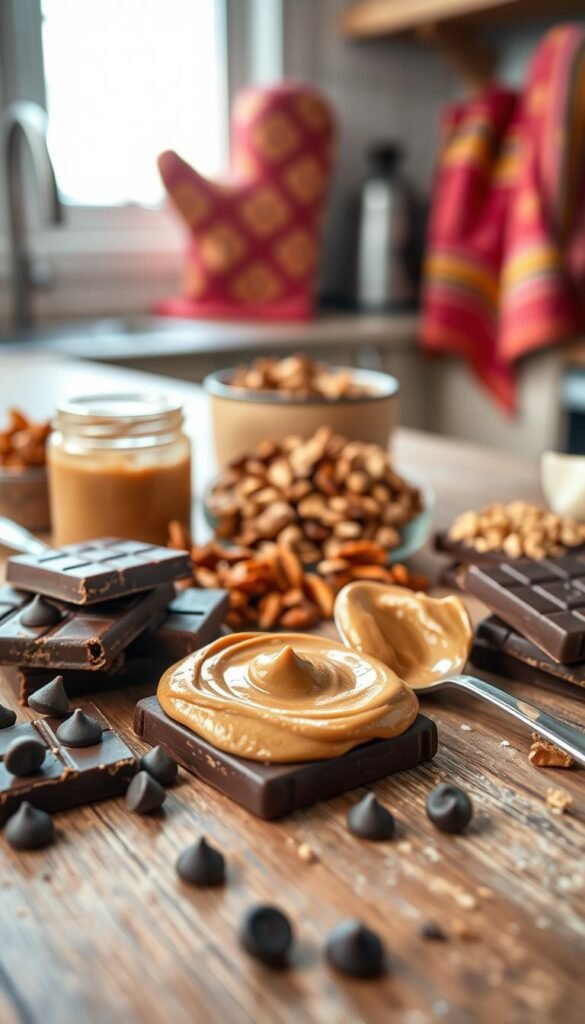
Chocolate chips
Why it helps: fast desserts without planning. Toss chips into batter or sprinkle on pancakes for instant joy.
Example: chocolate chip pancakes or one-bowl cookies ready in under 30 minutes.
Pros: kid-friendly, long shelf life when sealed. Cons: easy to snack through and waste.
Who it’s for: families and casual bakers. What to avoid: huge bulk bags if you rarely bake. Consider chopping a chocolate bar as an alternative.
Cocoa powder
Why it helps: makes hot chocolate fast and lends depth to baking.
Example: cocoa + milk + honey = quick hot chocolate.
Pros: long-lasting and versatile. Cons: can clump in humid spots; store dry and cool.
Peanut butter
Why it helps: sandwiches, sauces, smoothies, and quick protein boosts.
Example: peanut sauce with vinegar, soy-style sauce, and hot sauce for noodles or bowls.
Who it’s for: budget cooks and snack-makers. What to avoid: separated jars you won’t stir and giant tubs if you use it rarely.
Storage tip: keep lids tight; refrigerate natural styles if daily stirring is inconvenient.
- Cheaper alternatives: store-brand peanut butter and chopped chocolate bars if chips are pricey.
- Use ideas: fold chips into pancakes, whisk cocoa into milk, or thin peanut butter into dressings.
| Item | Fast use | Pros | What to check |
|---|---|---|---|
| Chocolate chips | Cookies, pancakes, topping | Convenient; kid-approved | Sealed bag; avoid huge bags if rare user |
| Cocoa powder | Hot chocolate, baking | Long shelf life; deep flavor | Dry storage; no clumps or humidity |
| Peanut butter | Sandwiches, sauces, smoothies | Protein-rich; versatile | Fresh smell; tight lid; watch for rancidity |
„Small, multipurpose treats make daily food feel cared for without extra effort.“
Try a quick snack pairing or a simple recipe like peanut butter chocolate bites to use extras and cut waste: peanut butter chocolate bites.
Freezer-friendly finds that pair with pantry staples
A small collection of frozen staples pairs with dry goods to make quick meals feel planned. Keep affordable, under-$25 items that stretch into many dinners.

Frozen peas and spinach
Why it helps: instant vegetables you can stir into sauces, pasta, or fried rice.
Fast idea: toss peas and spinach into hot tomato sauce or into buttered noodles for color and nutrients.
Pros: ready-to-use and often fresher than canned. Cons: bags can clump if not resealed.
Who it’s for: busy weeknights and small kitchens. What to avoid: battered bags with heavy ice crystals—sign of freezer burn.
Frozen fruit
Why it helps: smoothie base and last-minute desserts without waste.
Fast idea: blend frozen berries with yogurt and honey for a quick snack or topping.
What to avoid: bags with lots of frost. Look for single-fruit packs or store-brand options under $25.
Frozen dinner rolls
Why it helps: quick sides, sliders, or mini pizzas using jarred sauce and cheese.
Pros: heat-and-serve convenience. Cons: they use freezer space; pick small packs if you rarely host.
Packaging matters: zip bags vs. vacuum seal
Use resealable zip bags if you want a cheap fix. Press out air and lay flat to freeze for faster thawing.
Vacuum sealing reduces freezer burn but costs more. Label dates and use older packs first.
| Item | Fast use | Pros | What to check |
|---|---|---|---|
| Frozen peas & spinach | Stir into pasta or fried rice | Quick veg; long shelf life | No heavy ice crystals; resealable bag |
| Frozen fruit | Smoothies & desserts | Ready portion; less waste | Minimal frost; single-fruit packs |
| Frozen dinner rolls | Sides, sliders, mini pizzas | Versatile; easy to heat | Small pack sizes; intact packaging |
„Keep a small freezer starter kit: frozen veg, fruit, and rolls cover many dinners without buying specialty frozen meals.“
Quick serving idea: warm rolls with butter or toss peas into buttered noodles for a picky-eater win. Amazon and store-brand options make these items easy to replace when used.
Quality and safety checks before you hit “Buy Now”
A 30-second scan of labels and packaging keeps bad items out of your cart. Small checks save you time and money and stop spoiled food from entering your home.

Reading dates, dents, and seals on canned foods
Check cans for: bulging ends, deep dents on seams, rust, or broken seals. These are safety risks and should be avoided.
„Best by“ dates are about quality, not safety, but always sniff and inspect contents before use. Transfer opened acidic cans to an airtight container and refrigerate; use within 3–4 days.
Rancid-oil red flags and how to store oils for freshness
Smell oils before use. A crayon, paint, or bitter scent means the oil is rancid. Store oil in a cool, dark cabinet away from the stove. Vegetable oil usually keeps ~six months unopened; olive oil can go rancid sooner if exposed to heat.
Best container choices to prevent pests and moisture
Use airtight, wide-mouth containers for grains, flour, and oats. They block bugs and moisture and make scooping easier. Keep open bags inside bins and clean spills promptly.
When to skip bulk buys (even if the price looks great)
Skip bulk for spices you rarely use, giant condiments, or oils you won’t finish in months. Cost-per-use matters more than unit price if items spoil.
| Quick check | Why it matters | Action |
|---|---|---|
| Damaged can | Botulism risk | Avoid purchase |
| Off-smelling oil | Bad flavor; rancidity | Discard |
| Loose packaging | Moisture or pests | Choose airtight containers |
Amazon tip: read recent reviews for dents, leaks, or packaging damage and prefer items that ship in Amazon packaging when offered. Also consider this pressure-canner advice when buying canning gear: pressure canner guide.
„A quick visual and smell check takes less than a minute and avoids wasted ingredients and time.“
Conclusion
A small set of reliable staples and simple storage moves will change weeknight cooking.
Pick five things you’ll use this week — canned tomatoes, pasta, rice, beans, and one good oil — then add clear containers and labels. Use FIFO and write the open date so food stays fresh and you avoid wasted money.
Build plan: (1) storage containers/labels, (2) meal bases like broth and tomatoes, (3) proteins such as lentils or beans, (4) flavor boosters, (5) freezer helpers. Start one step at a time and add a category each week to stay on budget.
Store-brand staples are fine for many recipes; upgrade only where you notice a real taste difference. For storage ideas see this roundup on organization tips and compact solutions at small-kitchen picks. When shopping on Amazon, choose standard sizes, check unit price, and skip bulk unless you’ll use it in real life.