
You’ll get calm, useful steps to secure a found dog and reunite it fast. Start with safety, then verify ID, then reach out. I’ll show what to do in the first 48 hours and what to avoid.
Define what pet owner finds means here: small, affordable tools and simple habits that cut stress. You’ll learn how to keep a found animal safe at home, protect your household, and speed up reunions.
Real-life proof: Damian was reunited with Paul Guilbeault after eight years when a vet scanned Damian’s microchip. That shows why ID matters even long after a dog goes missing.
I promise no-hype picks. You’ll see budget buys (mostly under $25), what to avoid, and when to call a shelter. Follow the order: safety, ID, outreach, timelines, and documentation.
Key Takeaways
- Start with safety and containment first.
- Check for ID and scan for a microchip quickly.
- Use a few budget-ready items to make care easy at home.
- Document everything; shelters may need a clear handoff.
- Microchips can reunite dogs years later—so check even if time has passed.
When You’ve Found a Pet: Safe, Calm First Steps at Home
Start by slowing down and reading the animal’s body language before you move in. Watch for stiff posture, a tucked tail, raised hackles, pinned ears, growling, or freezing. If you see any of those signs, give space and call for help.
Approach with caution and read body language before touching
Let the dog sniff your hand first. Move slowly. Even friendly dogs can bite when scared or hurt. If the animal leans away, stop and wait.
Confine safely with a leash or carrier and keep your own pets separated
Close doors and use a bathroom or laundry room as a temporary holding spot. Use a leash or carrier for any movement, even from yard to car. Keep your own animals in a separate room to avoid fights or disease spread.

Quick real-life example and health basics
A common mistake is a second escape. In one case, a found dog bolted when a door opened. A slip lead plus a closed-off entryway prevented a repeat within the first hour.
Treat bites as urgent, wash hands, and assume vaccination status is unknown. Ask for a vet check if injured. Isolate the animal quickly to reduce flea risk and protect your home.
Practical next step: stabilize the situation, then move on to ID checks and owner search. For budget gear and quick tools that help at home, see a handy list of best Amazon finds under $25.
Tags, Microchip, and Fast Identification to Reunite a Lost Found Pet
Before you post or panic, check the collar for tags and clear contact info. A visible tag often ends the search fast. Take a clear photo first, then wipe dirt gently so you don’t erase engraved details.
Check collar tags and call the number carefully
Look for a rabies tag, a local license, and any engraved ID. Note the number or address, then call or text first. If you plan to visit an address, bring a friend and meet outdoors for safety.
Get a microchip scan at a vet or shelter
If tags are missing or unreadable, get a microchip scan. Most vets and shelters scan quickly and often free or low-cost. Bring a leash or carrier and a short note about where and when you found the animal to share with staff.
Why microchips matter
Real-life proof: Damian went missing in 2017 and was reunited eight years later when a vet scanned his microchip and reached the listed owner, Paul Guilbeault. That scan changed everything.
- Quick wins: photo the tag, call the number, then scan the microchip.
- Safety note: always meet at a neutral, public spot if you visit an address.
- No chip? Pivot to shelters, clinics, and local networks without delay.
How to Search for the Owner Quickly Using Shelters, Vets, and Local Networks
Move fast: the first two days are the busiest and yield the best chance of a quick reunion. Use this checklist to save time and avoid common mistakes.

Record a clear description and secure limited public information
Write a short description: type, approximate age, size, color, notable markings, collar details, date and exact location found.
Keep detailed identifiers out of public posts. Limit what you publish so the true person can confirm specifics privately.
Temporary ID and quick outreach
Fit a bandana or collar marked „FOUND“ with your phone number. This often triggers a neighbor reunion before you finish calls.
Who to call first and how often
- Animal control in your city and nearby jurisdictions.
- Local shelters and humane societies in your county and adjacent county.
- Veterinary clinics within about five miles; follow up twice during the week.
Post safely online and print effective flyers
Post in neighborhood groups and lost-and-found boards. Treat any money requests or odd verification fees as scams.
Make DIY flyers and distribute door-to-door and on community bulletin boards at grocery stores, laundromats, apartments, and parks. Do not place flyers in mailboxes or on utility poles and traffic signs (USPS and local rules).
„The first 48 hours are the most productive; owners search shelters, call vets, and check community posts multiple times a day.“
| Task | When | Why it helps |
|---|---|---|
| Record description & location | Immediately | Creates a clear information trail for shelters and clinics |
| Temporary FOUND ID | Within 30 minutes | Triggers quick neighbor contact and reduces roaming |
| Call animal control, shelters, vets | First 24 hours; follow up twice in week | Multiple shifts and staff changes mean repeated contact finds matches |
| Post online & distribute flyers | Within 12 hours | Maximizes visibility during the high-activity window |
Practical checklist: keep one sheet with description, date, location, who you called, and follow-up times. Share relevant information only with verified contacts and trusted friends who can help canvass quickly.
Proof of Ownership, Search Timelines, and What to Do If No One Responds
Verifying who truly owns an animal should be quick, respectful, and well documented. Ask for clear proof before any handoff. That protects you and preserves trust in the lost found process.

What to ask for and how to verify
Request a recent photo of the person with the animal. Ask for veterinary records, a rabies tag or certificate, adoption papers, sales slips, or AKC documents.
Do not accept the pet’s name alone as proof. Match the photo and paperwork to the markings, size, and date you logged.
Reasonable timelines and documentation
The first day is for safety and initial outreach. Use the first week for follow-ups and extra posts. One to two weeks is a fair overall search window in many cases.
Keep a simple log with date, who you called, and copies of messages. Save receipts for food, transport, and vet checks; owners are usually asked to reimburse reasonable costs.
If no one claims the animal
Partner with a local rescue or no-kill shelter that runs a formal intake and holding period. Many shelters hold around 10 days before moving to adoption.
Do not post “free to good home” or transfer based only on a story. Instead, use a shelter intake or verified breed rescue to place the animal responsibly.
| Action | When | Proof to request |
|---|---|---|
| Immediate verification | Day 0–1 | Photo with person, rabies tag, vet records |
| Active follow-up | First week | Copies of messages, posted flyers, call log |
| Final steps if unclaimed | 1–2 weeks | Shelter intake form, transfer agreement, receipt log |
Practical rule: ask for verifiable records and keep everything written. If you need an official claiming process, check local shelter steps like this claiming guide.
Best Pet Owner Finds Under $25 on Amazon That Actually Save Time
Criteria: under-$25 items that ship fast on Amazon, solve everyday problems, and fit small spaces without a learning curve.
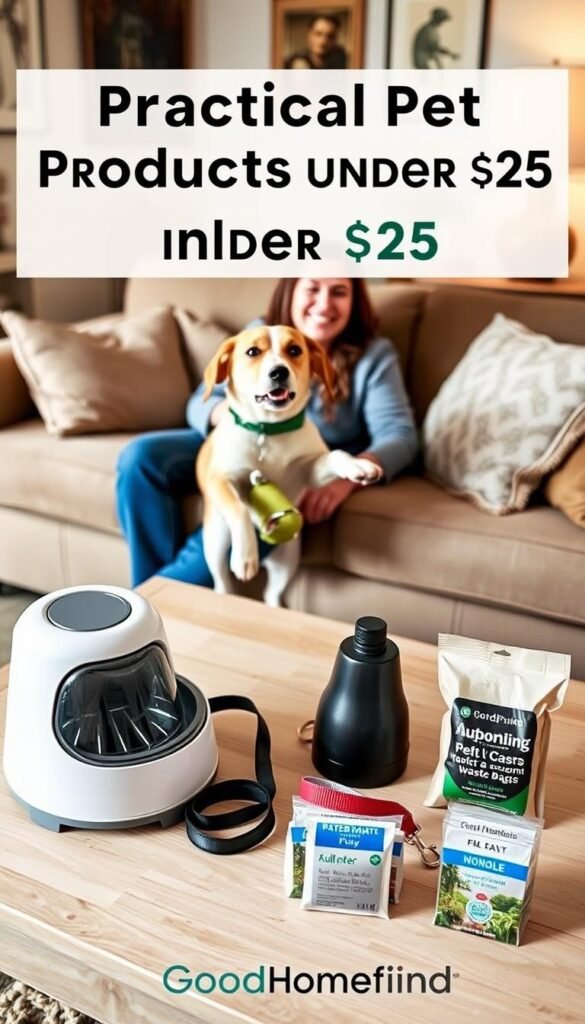
- Slip lead leash — Why: instant one-piece control for door dashes. Who: anyone handling a found dog. What to avoid: thin cords and wrong sizing. Alternative: a basic flat leash if you prefer. Price-value: spend a bit more for a comfortable loop. Pros/cons: very fast control; not for long training walks. Real life: stopped a door-dash before a busy street.
- Soft-sided carrier — Why: calmer, safer transport to vet or shelter. Who: cat families and new adopters. What to avoid: weak zippers or poor ventilation. Alternative: borrow a hard carrier. Price-value: pay more for sturdy seams. Pros/cons: lightweight but variable durability.
- “Found” bandana / writable ID tag set — Why: immediate visible ID with your number. Who: renters and people near parks. What to avoid: loose ties or tiny tags that smear. Alternative: paper “FOUND” collar taped safely for short use.
- Disposable gloves + pet-safe wipes — Why: fast, sanitary cleanup without contaminating your kitchen. Who: busy households and short-term fosters. What to avoid: harsh chemicals and scented wipes that irritate animals. Pros/cons: convenient but recurring cost.
- Lint roller or reusable hair remover — Why: five-minute couch and car cleanups. Who: renters and small-space homes. What to avoid: sticky rollers that leave residue. Alternative: reusable brush saves money long term.
- Enzymatic stain remover (small bottle) — Why: breaks down odor to stop repeat accidents. Who: puppy homes and senior-animal care. What to avoid: ammonia-based cleaners. Pros/cons: needs dwell time; very effective when used correctly.
- Stainless-steel bowl set — Why: easy sanitation and fewer odors. Who: temporary fosters and any household. What to avoid: sharp edges or poor non-slip design. Price-value: basic sets are fine; upgrade non-slip ring if needed.
- Microfiber towels — Why: fast paw and rain drying to protect floors. Who: apartment dwellers and busy families. What to avoid: tiny low-absorbency towels; wash often.
- Tick remover tool — Why: safer removal than tweezers when used correctly. Who: hikers, travelers, and outdoor dogs. What to avoid: brittle plastic knockoffs; choose sturdy metal or proven design.
Price-value notes: spend more on carrier structure and slip-lead material. Save on towels, bowls, and a basic stain bottle.
Safety & quality checks: always read sizing charts, weight limits, ventilation, clasp strength, stitching, choking risks for tags and bandanas, and Amazon return policies before you buy.
„Practical, affordable tools cut time and reduce stress in the first 48 hours.“
For more curated picks and home goods that match this list, see a short roundup of useful products at best practical home products, or browse gift ideas and tested gear at Wirecutter’s dog picks. For innovative gadget inspiration, check this HuffPost roundup.
Conclusion
Wrap up with a clear checklist that keeps safety first and speeds reunions. First, secure and confine the animal safely at home. Keep it apart from your animals until you know health status.
Next step: check tags and get a microchip scan. Then reach out to vets, local shelters, and community channels. Act fast — the first 48 hours matter for a strong search response.
Ask for photos and records to verify proof of ownership. Share only limited public details so the true person can confirm specifics privately.
Keep a small, budget kit at home: a slip lead, disposable gloves, wipes, a “FOUND” bandana, and a carrier plan. If you can’t place the animal, partner with a shelter or rescue for a safe transfer.
Final takeaway: you don’t need fancy gear. One clear plan, a few practical tools, and steady follow-through are what work.
For context on long-term benefits and why quick action matters, see long-term benefits for people who are pet.