Living in a small space can make food and treat organization tricky. Smells drift. Ants show up. Bins tip and closets are full.
This guide helps you fix that without drilling holes. You’ll get renter-friendly picks that are easy to set up, clean, and move. I include budget finds under $25 and under $50, plus a solid upgrade option.
You’ll see quick checklists first, then best choices for dry food, compact treat jars, and travel-ready containers. Expect options made from food-safe, BPA-free plastic with sealed lids for freshness and spill control.
Real-life focus: I list pros and cons, who each option is best for, and placement ideas for kitchen, bathroom, closet, and entryway. The goal is safe, durable solutions that cut crumbs, stop spills, and fit tight layouts.
Key Takeaways
- Solutions work in small spaces and require no drilling.
- Look for food-grade, BPA-free containers with sealed lids.
- Budget picks under $25 and $50 offer solid daily value.
- Upgrade options add durability and travel convenience.
- Placement by room reduces mess and keeps your home tidy.
What “pet-proof” really means for apartment storage
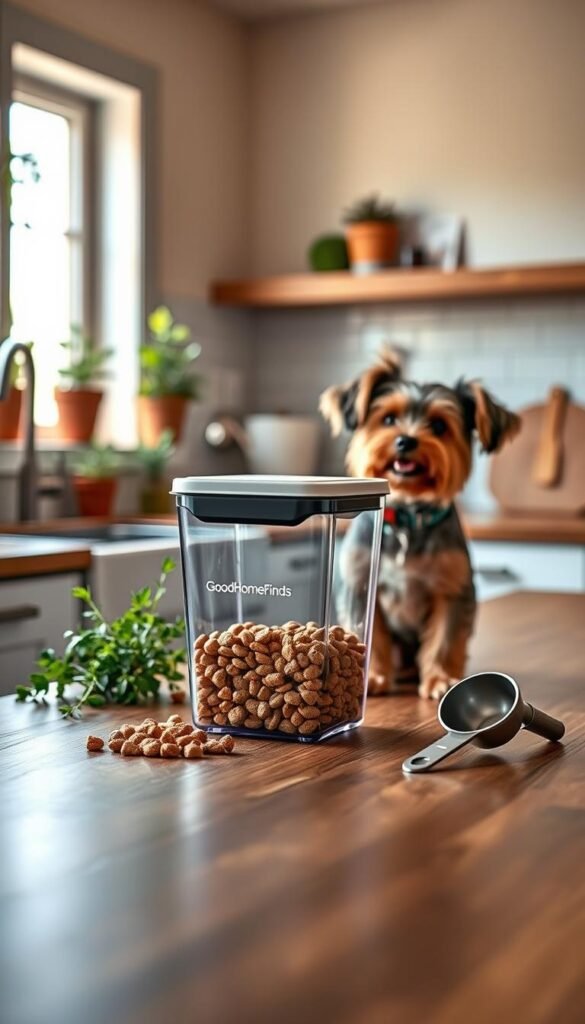
Practical pet-proof choices blend airtight seals with physical security. For renters, that means odor control, pest resistance, and designs that survive paws and noses. Dr. Dawn Filos warns that poorly kept food can turn rancid and lose nutrients. A tight seal keeps air and scent locked in, and it makes ants and rodents less likely to find the bag.
Airtight seals to block odors, ants, and rodents
Airtight lids limit air exchange and slow rancidity. In tight layouts, sealed containers stop smells from drifting into shared spaces. This keeps food fresh and reduces pest detection.
Tip-resistant, spillproof designs for curious cats and dogs
Look for containers that stay closed when bumped or dragged. Spillproof means the lid stays shut after a tip or nudge. Cats can paw at lids; dogs may nose or chew. Choose low-profile, heavy bases or clips that resist tipping.
Safe materials and easy cleaning for daily use
Pick BPA-free, food-grade plastic or stainless steel with smooth interiors. Parts should disassemble for quick washing. If you can’t shut it one-handed and wipe it clean in under a minute, skip it.
| Feature | Why it matters | Best for |
|---|---|---|
| Airtight seal | Locks in scent and keeps food fresh | Dry food bags, long-term use |
| Tip-resistant base | Prevents spills from bumps and play | Homes with active dog or cat |
| Easy-clean parts | Quick daily wipes cut grease and crumbs | Small kitchens and renters |
Quick buying checklist for pet-proof storage containers
Start with a few quick checks to choose a safe, easy-to-use container for your apartment. Focus on material, seal, lid type, footprint, and cleaning ease.

Material and seal
BPA-free plastic or stainless steel are top choices. Look for foam or gasket seals for scent control and freshness.
Lid style at a glance
| Type | Best fit | Quick note |
|---|---|---|
| Screw-top | Odor control | Slow to open; great if cats paw lids |
| Latch | Daily scooping | Fast access; check seal quality |
| Lock-handle | Strong closure | Pricier; resists determined nudges |
Size, mobility, and cleaning
Match the container to your usual bag size—10 lbs or 25 pounds—then measure the pantry footprint. Keep the original bag inside when possible to cut oil transfer.
Mobility wins: wheels and handles make bins easy to slide from tight corners. Rectangular, stackable containers save shelf space over round bowls.
Pick wide openings, dishwasher-safe parts, and a rinseable scoop for fast cleaning. For more organized ideas, see this organization guide.
Best pet proof storage for dry dog food and cat food
Think about access, smell control, and how often you refill when selecting a dry-food container. Start by noting where kibble sits in your kitchen, pantry corner, or closet.
Wheeled airtight combo for pantry corners and closets
The IRIS Airtight Pet Food Storage Container & Scoop combo is a practical pick. The foam gasket keeps odors low and caster wheels let you pull a heavy bin out from tight corners.
A 33-qt bin holds about a 25-pound bag, while a 12-qt top bin fits roughly a 10-pound bag. Use the lower bin for bulk dog food and the upper for vittles, treats, or supplements.
Screw-on vault bins for odor control and freshness
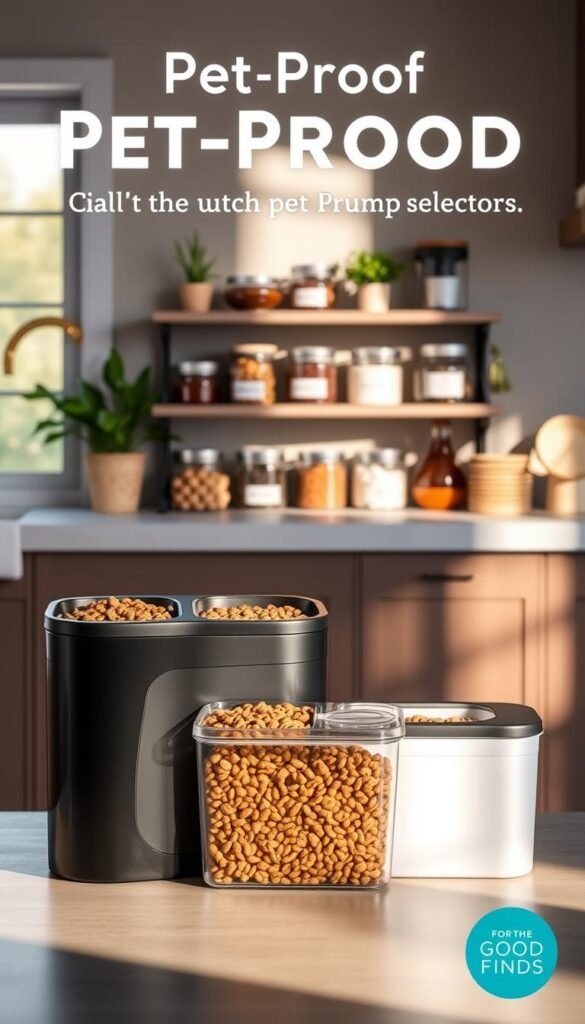
Screw-top vittles vaults offer strong scent control and fewer latch points for curious cats. They clean easily and fit on shelves that small households use.
Note: a few screw-tops leaked when submerged. Don’t use them outdoors or in damp garages.
| Option | Best for | Quick pros/cons |
|---|---|---|
| Wheeled combo | Big-bag households | Pros: easy to move, fast refills. Cons: stacks may not lock. |
| Screw-top vault | Small-bag households | Pros: odor control, shelf-friendly. Cons: not fully waterproof. |
| General tip | All users | Keep the original bag inside the container for freshness and easy pours. |
If you want a side-by-side on budget vs upgrade picks, see this storage comparison for more context and placement ideas.
Best budget pet-proof picks under $25
A modest budget can solve daily messes and make grabbing treats faster during training. These picks focus on compact, renter-friendly results you can buy for roughly one coffee run.

Compact treat containers and small airtight bins
What to buy: look for small airtight bins that hold a few pounds. Petmate makes BPA-free, food-grade options with wide openings for fast refills.
Pros: less clutter, faster routines, better freshness than leaving bags open.
Cons: lightweight containers may tip if a determined critter bats them off a shelf.
Travel-friendly food bags for short trips and sitters
Choose soft, portable travel bags under $25 for weekend trips or for leaving pre-measured food with a sitter. They save time and cut waste.
Downside: crumbs can hide in seams and some designs won’t stand up without support, says The Spruce Pets.
Best for renters: no-drill, easy-to-store setups
Pick lightweight containers that tuck on a pantry floor, cabinet shelf, or closet. No installation, easy move-out, minimal counter takeover.
- Price goal: under $25 keeps this practical and repeatable.
- Best-for: tight kitchens, trainers who need quick access, and anyone who hosts sitters.
- Quick tip: clear treat jars with wide mouths help you monitor levels and avoid overbuying.
Best budget pet-proof picks under $50
Mid-range options give you an airtight seal plus real features without blowing the budget. For many renters, under $50 is the sweet spot because you get a good food storage solution with extras like wheels and a scoop.

Mid-size airtight bins for common 10–25 pounds bags
Choose bins sized for your bag. If your bag is about 10 pounds, pick a stackable shelf bin. If it’s near 25 pounds, pick a floor bin with wheels and a wide mouth.
Why this works: mid-size plastic bins keep food fresher and avoid wasting pantry footprint. The IRIS combo adds a foam gasket, caster wheels, and an included scoop for easy portioning.
Stackable sets to separate food, treats, and supplements
Stackable containers prevent everything-in-one-bin clutter. Use one for dry food, one for treats, and one for supplements.
Pros: better organization, easier portioning, and simpler rotation. Cons: more lids to clean and you need a basic labeling habit.
| Option | Best for | Key features | Quick pros/cons |
|---|---|---|---|
| Mid-size airtight bin | 10–25 lb bags | Foam gasket, wide mouth, plastic body | Pros: scent control, easy clean. Cons: needs bench or shelf |
| Stackable container set | Small kitchens, portioning | Modular lids, shelf-friendly | Pros: neat organization. Cons: more lids to wipe |
| Wheeled floor bin | Heavy 25 lb bags | Castor wheels, scoop included | Pros: mobile, easy scooping. Cons: larger footprint |
Space tip: measure the pantry footprint before you buy. Choose stackable containers for shelves and wheeled bins for closet floors. Pick shapes with wide openings and few hinges so you can wipe oils fast and avoid stale smells.
Upgrade pick: stainless steel pet food cans with lock-tight handles
If you’re tired of cracked plastic and lingering smells, a stainless can helps. This upgrade is built for daily use in small spaces. It pairs a fingerprint‑proof stainless steel shell with a removable inner bucket for easy scooping and cleaning.

Why gasket closures keep smells and pests out
The lock‑tight handle compresses a silicone gasket. That makes the lid airtight and cuts scent leakage. In plain terms: when you lift the handle the seal opens, when you close it the gasket compresses and odors stay in.
Pros and cons
- Pros: durable outer shell, strong seal, mounted scoop stops you digging and reduces crumbs.
- Cons: narrow cans can tip in tight walkways. Park it against a wall or inside a closet corner for stability.
- Renter-friendly tip: add a non-slip mat under the bucket—no installation needed.
Best for
This upgrade is worth it if you have determined dogs, a multi-person household, or feed daily and want a cleaner, faster routine.
| Feature | Why it matters | Best fit |
|---|---|---|
| Fingerprint‑proof stainless steel | Looks neat and holds up to knocks | Busy kitchens, high-traffic homes |
| Removable inner bucket | Easy to empty, wash, and refill | Daily feeders and small apartments |
| Lock‑tight silicone gasket | Creates an airtight pet food seal and keeps pests away | Homes dealing with lingering smells or ants |
Refrigerator and freezer options for fresh or wet food
Fridge and freezer solutions need different rules than dry bins. Wet or fresh food creates moisture and odors quickly, so sealing and easy cleaning matter more than large capacity. Pick containers that stay neat on cramped shelves and that you can wash fast.

Stackable fridge containers that seal securely for freshness
Recommend rectangular, stackable food containers such as the Ollie Puptainer. Its rectangular shape uses vertical space well and fits tightly on narrow fridge shelves.
The Ollie Puptainer is dishwasher-safe, has a bamboo-based resin base and a silicone lid. The lid seals well but does not lock, so store it on a stable shelf to prevent sliding.
Prep-ahead lidded bowls for early mornings and sitters
Use lidded bowls to portion meals ahead of time. Messy Mutts stainless bowls with silicone lids come in three sizes and stack neatly. They survive drops and clean in the dishwasher.
Prep once, stack, and grab what you need. These bowls also work as a short-term portable option when you head to a sitter or day trip.
Moisture management tips to prevent soggy food and odors
- Don’t trap puddles. Dry containers fully before sealing to cut condensation.
- Use designs that vent during thawing. Ollie’s tiny corner hole helps manage moisture while thawing.
- Prefer stainless plus silicone lids for durability, odor control, and easy wiping after spills.
Pet-proof treat storage that doesn’t clutter small counters
Small counters need clever treat solutions that cut clutter and speed access. This short guide helps you pick clear jars or opaque bins and shows where to hide treats so a curious cat can’t raid them at night.

Clear treat jars vs opaque bins for quick routine access
Decision rule: choose a clear jar if you want fast visual tracking. Pick an opaque container if you prefer a cleaner counter look.
Why wide openings matter: they let you grab treats one-handed without tipping the jar. That speeds training and trims mess.
Where to store treats so cats can’t “shop” at night
Keep treats off the counter when you can. A single cabinet shelf or high pantry spot works best. Use a latched pantry bin or a non-slip liner under jars so doors don’t slide and cats can’t knock lids.
| Option | Pros | Cons |
|---|---|---|
| Clear jar | Fast access, see levels | Can encourage over-treating |
| Opaque bin | Less visual clutter, stacks well | May hide low supply |
| Cabinet shelf | Keeps counters clear, cat-safe | Needs bending to reach |
Travel and portable pet food storage for weekend trips
For short trips, pick a carry solution that cuts spills and makes portioning painless. A good travel choice keeps crumbs contained, fits your car or pack, and avoids hauling a full bin.
Soft-sided kibble carriers with waterproof linings
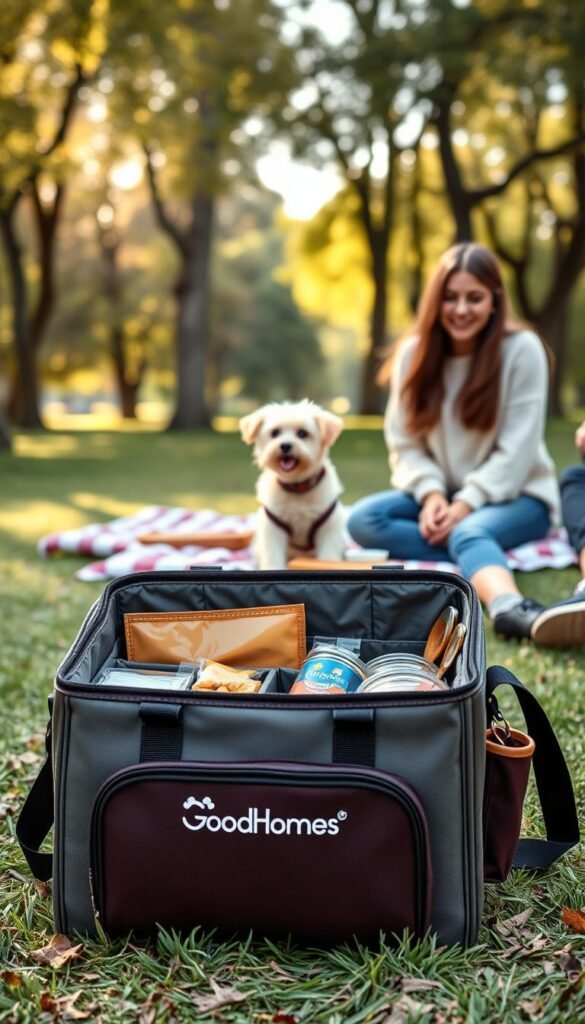
PetAmi travel food bag holds up to 23 cups and has a waterproof lining and handle. It includes collapsible bowls for meals on the road.
Why it works: waterproof lining keeps hotel rooms and trunks clean. Wide openings make scooping quick.
Roll-top portable bags for hikes, cars, and day trips
Wilderdog roll-top bag holds about 20 cups and uses a roll-and-buckle closure. It has durable, water-resistant fabric and a built-in scoop (1.25 cups).
Why it works: the roll compresses the bag as you use food and keeps dust out on trails.
Pros, cons, and cleaning reality
Pros: both products are light, packable, and renter-friendly for weekend travel or sitters.
Cons: crumbs can hide in seams, and some soft bags don’t stand upright. Avoid storing oily kibble long-term in fabric carriers.
| Option | Capacity | Key feature | Best for |
|---|---|---|---|
| PetAmi | 23 cups | Waterproof lining, collapsible bowls | Cars, hotel stays, sitters |
| Wilderdog | 20 cups | Roll-and-buckle, built-in scoop | Hikes, day trips, compact packs |
| Cleaning plan | — | Shake out, wipe lining, air dry | Quick maintenance after trips |
Practical tip: bring a dedicated scoop or swap sizes to match daily portions. These portable bags deliver real results when you need grab-and-go food without reorganizing your pantry.
Room-by-room placement ideas for renters and small spaces
Turn underused gaps and shelves into practical zones for kibble, litter supplies, and grab-and-go gear. These renter-friendly moves avoid drilling and keep your routine simple.
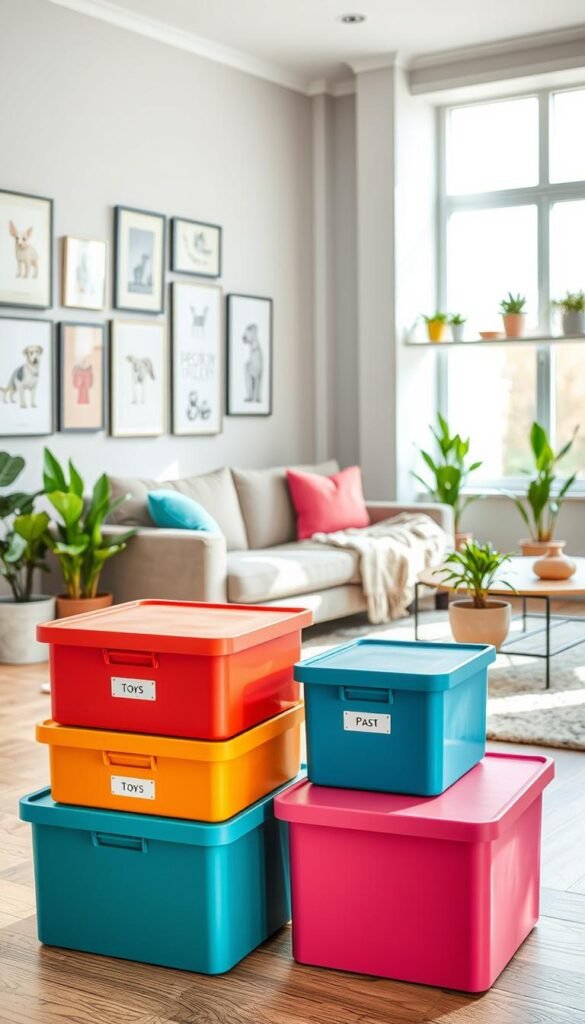
Kitchen: use cabinet-safe bins on the pantry floor and low-profile containers that slide into toe-kick gaps. Keep food storage away from heat and near a sweepable floor to stop crumbs inviting ants.
Bathroom: pick sealed, non-porous tubs for grooming items and scented products. Keep lids closed and place anything absorbent off damp floors to avoid odors and mildew.
Closet: use airtight bins on shelves for shelf-stable supplies. Stack vertically in narrow closets to save floor space. Keep litter and food separated to prevent odor transfer.
Entryway: create a grab-and-go station with a small basket or bin for leashes, wipes, and treats. No wall mounting required—an over-the-door hook or slim bin works well.
| Room | Best pick | Quick tip |
|---|---|---|
| Kitchen | Low-profile airtight bin | Keep away from heat; easy sweep area |
| Closet | Stackable sealed containers | Vertical stacking prevents pests |
| Entryway | Small grab-and-go basket | Pair with over-the-door hooks |
- Renter-friendly tools: shelf liners, over-door hooks, and stackable bins avoid permanent changes.
- Multi-item note: always seal litter and keep it apart from food to cut odor and mess.
Daily routines that keep pet food fresh and your home cleaner
A few simple routines will extend shelf life and make feeding less messy. These steps are renter-friendly and take minutes each week.

Refill habits that help
Keep food in the original bag inside your bin. The bag reduces oil transfer to the container and keeps lot info for recalls.
Why it matters: less air contact and fewer temperature swings mean food fresh lasts longer.
Scoop and portioning tips
Use a dedicated scoop and measure consistent portions for feeding. One scoop size cuts spills and crumbs.
Store the scoop clipped to the lid or inside a sealed cup so it stays clean and ready.
Fast wipe-down schedule
Quick weekly wipes of the lid rim and a sweep around the bin stop grease buildup and early ant trails. Do a deeper clean monthly.
Keep a mat under bowls and wipes nearby to catch accidental crumbs during feeding.
| Routine | Time | Benefit |
|---|---|---|
| Bag-in-bin | At refill | Reduces oil transfer; keeps food fresher |
| Consistent scooping | Each meal | Fewer spills; easier portion control for dog feeding |
| Weekly wipe & sweep | 5–10 minutes/week | Prevents grease, crumbs, and pest attraction |
Practical feeding flow: set one feeding zone with a mat, bowls, wipes, and sealed storage within arm’s reach. This makes daily feeding faster and keeps food and air contamination to a minimum.
For quick troubleshooting on kitchen scent and clutter, see this kitchen problem mix for related fixes you can use today.
Easy maintenance and durability checks before you commit
A short hands-on check will save returns and frustration with any food bin you consider. Test for seal quality, tip resistance, and cleaning access before you buy.
How to test the seal and latch at home
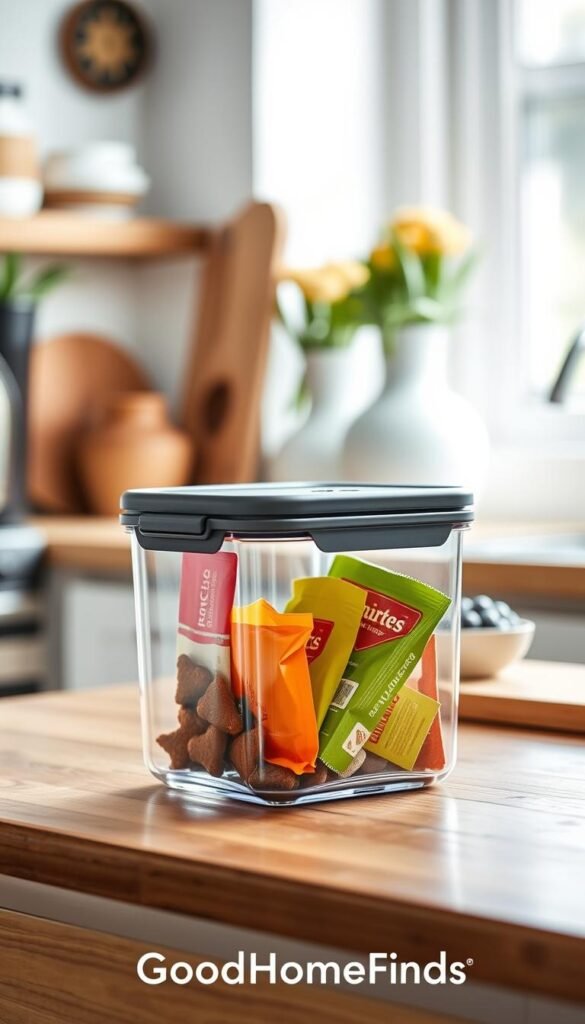
Seal test: close the lid and press around the rim evenly. Look for gaps or easy lift points that could leak scent or let curious noses pry it open.
Try a gentle water check for screw-top claims. Many screw-top airtight containers fail full submersion tests, so avoid relying on “weatherproof” labels for balcony use.
What to look for after drops, knocks, and tip-overs
With an empty bin, do a controlled tip test on carpet. Tip it gently and check if latches pop or lids shift. This mimics real apartment bumps.
Watch for damage signs: warped lids, cracked hinges, stretched gaskets, and hairline fractures that trap odors.
Cleaning considerations: wide openings, dishwasher-safe parts, crevices
Cleanability matters. Choose wide openings for deep scrubs and parts that go in the dishwasher. Small grooves can hold grease and crumbs in warm apartments.
| Check | What it reveals | Action |
|---|---|---|
| Seal press | Gaps or weak gasket | Reject or replace gasket |
| Tip test | Latch strength | Pick a latch-handle model |
| Crevice inspect | Cleaning difficulty | Prefer wide-mouth designs |
Quick tip: if you want fast buying guidance and related products, check this best kitchen finds for options that match renter-friendly results.
Choosing alternatives based on apartment size and pet behavior
Match your approach to the size of your apartment and how your animals behave day to day.
Studio and micro-apartments: go vertical. Use stackable containers and under-shelf options so you save floor space and keep feeding areas tidy.
Under-shelf logic: mounting a slim rack under a shelf keeps food storage near bowls but off counters. It reduces clutter and makes refills quick without permanent changes.
One-bedroom apartments: pick a low-profile wheeled bin for closets or corners. Wheels let you hide bulk 25‑pound bags and still pull the bin out for easy scooping.
Behavior-based choices:
- If your dog is a bumper or knocker, favor low, wide containers with strong latches to resist tipping.
- If your cat paws lids, choose screw-top styles and place them higher on shelves or inside cabinets.
Multi-animal homes: separate kibble, treats, and litter-adjacent items into distinct containers to avoid odor crossover and feeding confusion.
Practical sizing note: match container volume to the pounds you actually buy. Half-empty bins waste space; the right fit keeps things efficient and renter-friendly.

Conclusion
Wrap up by choosing the container that solves your single biggest frustration—odor, tipping, pests, or lack of space.
For price-focused buys, under $25 works for treats and tight spots. Under $50 gets you mid-size, airtight bins with wheels or scoops. The upgrade option gives maximum durability and the strongest seal for heavy dog food.
Keep it renter-friendly: pick items you can move, clean, and stash without drilling or altering your home. Maintenance matters—regular refills and quick wipe-downs make any food storage choice worth it.
Next step: measure your pantry or closet, choose a lid style your animal can’t defeat, and build a simple refill-and-wipe routine around that container.