This roundup focuses on practical, budget-friendly finds that actually get used. You’ll find mostly renter-friendly tools under $25 that save time and solve small hassles in the kitchen and home.
By „smart“ we mean useful and routine-friendly, not buzzy Wi‑Fi gadgets. Expect clear buying guidance: what to buy, what to skip, and how to spot quality fast on Amazon.
Real-life snapshots: quick fixes for misplaced keys, weeknight cooking, food waste, fast cleanups, hydration, odors, and low phone battery tricks. Each pick includes price-value checks, pros/cons, who it’s for, and what to avoid.
Some items over budget will appear for context with cheaper alternatives next to them. When you shop, favor glass, stainless, or BPA-free materials and simple designs that last.
For more kitchen-specific ideas and fast-delivery options, see this best kitchen finds on Amazon.
Key Takeaways
- Focus on affordable, renter-friendly tools that save time and reduce stress.
- Choose sturdy, simple designs over gimmicks.
- Look for dishwasher-safe, food-safe materials.
- Avoid multi-part gadgets that clutter drawers.
- Use price-value checks and quick real-life tests before buying.
What to Expect From These Smart Daily Finds Under $25
These picks focus on small, practical tools that cut steps and grief in your home. You’ll see renter-friendly, low-cost items that solve one real problem at a time. The goal is honest usefulness, not gimmicks.
How we define useful for everyday kitchen and home use
Definition: anything that reduces steps, prevents mistakes, or makes routines easier. If it saves a repeated task or stops a common mess, it qualifies.

Our price rule and why Amazon fast delivery matters
We target under-$25 typical price. Listings show typical price, sale price, and notes on when to wait for a discount.
| Term | Meaning | When to buy |
|---|---|---|
| Typical price | Regular listing price | Buy if useful now |
| Sale price | Temporary discount | Wait if not urgent |
| Prime/fast | Quick delivery | Buy for urgent fixes |
How we weigh time saved vs. cost
A tool that saves 3 minutes a day adds up. That is 21 minutes a week. Small savings change your week and feel worth it.
Quality note: at this price you get simple, durable design over flashy features. Each pick includes Why it’s useful, Who it’s for, and What to avoid so you can shop fast and skip regret buys.
Quick Buying Rules for Quality, Safety, and Value
A few quick rules will keep you from picking low-quality items that fail when you need them most. Use these checks while browsing listings and before you hit buy.
Food-contact safety
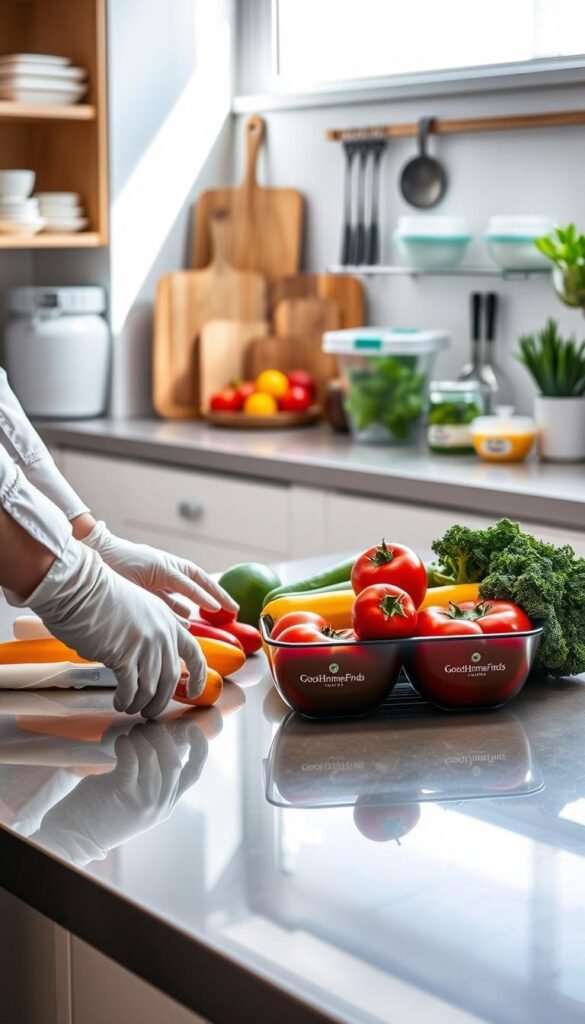
Checklist: prefer stainless steel or food-grade silicone, confirm heat ratings for anything near pans, and look for clear BPA-free statements on plastics.
Red flag: vague material descriptions. If the listing says „plastic“ without specifics, pass. Cheap plastics can warp in boiling water or absorb oils.
Electrical safety for plug-ins
Look for UL or ETL listings. Read reviews for overheating reports and avoid no-name chargers with many heat or discoloration complaints.
„Stop using anything that smells hot or shows browning—those are signs of real risk.“
Battery safety and storage
Coin cells can be dangerous around kids and pets. Favor devices with battery doors that require a screwdriver or tool to open.
Store spares in a labeled container. Never toss loose coin cells into junk drawers. Recycle swollen lithium packs; don’t keep them.
Returns and warranties
At the under-$25 level, prioritize easy returns and at least a basic warranty. Scan 1-star reviews for common failure patterns before buying.
Value note: the cheapest option often costs more if it dies fast or causes extra cleanup and replacements.
| Category | What to check | Why it matters |
|---|---|---|
| Kitchen materials | Stainless, food-grade silicone, BPA-free, heat rating | Safe with hot food and oils; lasts longer |
| Plug-in chargers | UL/ETL listed, cool-running, good reviews | Reduces fire and device damage risk |
| Batteries | Child-secure doors, labeled storage, recycle swollen packs | Prevents ingestion and fire hazards |
| Returns & warranty | Easy returns, basic warranty, check 1-star reviews | Saves replacement time and money |
Smart daily products that fix the “Where are my keys?” problem
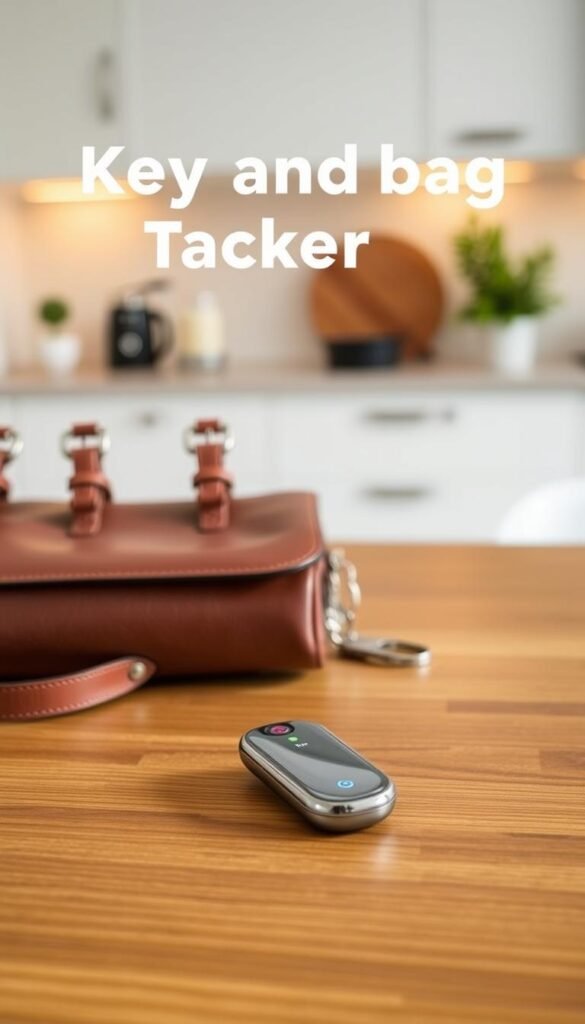
Losing time hunting for keys or a bag adds stress to your morning routine. A Bluetooth tracker stops that waste and gets you out the door faster.
What a Bluetooth item finder actually solves
One ring ends 5–10 minutes of searching when you’re already at the door. It locates pockets, cushions, and backpacks. It also helps find a lost bag or wallet in a rush.
Amazon-first buying guidance (under $25)
Prioritize replaceable batteries, a loud speaker, and a well-rated app. Pick items with frequent app updates and fast delivery so you can start using the system right away.
Real-life example
You’re holding coffee with one hand and keys in the other hand are missing. Tap the app and the tracker’s ring saves you from dumping the bag on the floor. Fast, no panic.
Price-value check
A solid $20–$25 tracker often beats a cheap multi-pack. Cheap tags can have weak speakers, flaky pairing, or apps that crash. One reliable tag you actually use is worth more than several that sit unused.
Pros and cons
- Pros: loudness finds keys in cushions, decent range for most apartments, easy routine pairing.
- Cons: range limits in big homes, some apps have privacy questions, and tiny speakers struggle outdoors.
Who it’s for
Busy parents, commuters, students, and anyone building ADHD-friendly routines will get the most value from a dependable tracker.
What to avoid
- Weak speakers you can’t hear in cushions.
- Non-replaceable batteries that turn the tag into trash fast.
- Sketchy apps with poor reviews or privacy complaints.
Alternatives and context
For better networks consider Tile Pro ($34.99 on Amazon; 1-year battery and voice assistant support) or Chipolo ONE Spot (about $28; works with Apple Find My). Both are often over $25—watch for sales if you want the wider network.
Low-cost kitchen time savers you’ll use every single day
Small upgrades in the kitchen can shave minutes off your routine and cut friction at dinner time.
Big-button digital timer
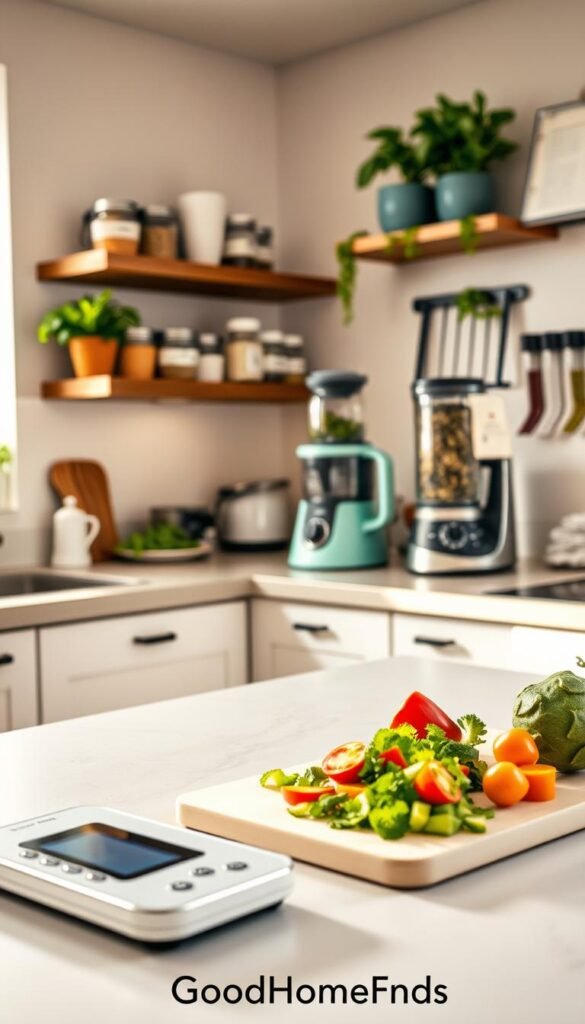
Why it helps: keeps you off the phone and focused. Easy buttons mean quick starts while you cook.
- Price-value: under $15 on Amazon, replaceable battery.
- Who it’s for: anyone who burns rice or loses track of pans.
- Avoid: timers with tiny displays or poor buttons.
Clip-on pot strainer
Clips to most pots for faster pasta nights and fewer spills. Less juggling hot cookware in small sinks.
- Price-value: usually under $12; check reviews for fit.
- Avoid: thin plastics near heat—prefer silicone or stainless contact points.
Jar opener grip pad & instant-read thermometer
The grip pad saves wrists and helps with stubborn lids. A reliable instant-read thermometer keeps chicken safe and steaks consistent.
- Price-value: both are common under $20 with fast Amazon delivery.
- Avoid: no-name thermometers with inconsistent readings or unclear temp ranges.
Material note: better silicone tools won’t stain or absorb odors; cheap ones absorbs quickly and feel off after a few uses.
Mini scenarios: on weeknight dinner the timer prevents burnt sauce. For meal prep Sundays the strainer speeds batches. Baking wins come from accurate temps, not guesses. These small things save real time each day.
Smart food storage upgrades that reduce waste and stress
Small storage upgrades stop food from going bad and shave mental clutter from your kitchen. They cut waste, lower meal-time stress, and save you from rebuying things you already had.
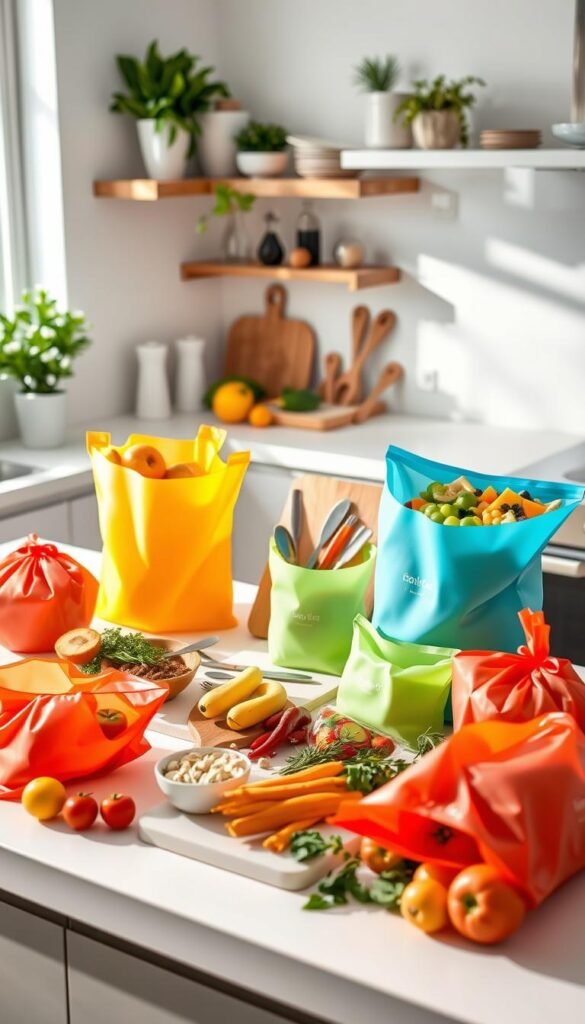
Reusable silicone bags
Why use them: freezer-safe, lunch-friendly, and far less wasteful than single-use bags. Thicker silicone seals better and cleans easier.
Real-life: freeze leftover soup flat in a silicone bag. It thaws faster and stacks neatly for weeknight reheats.
Fridge labels + dry-erase system
Use a simple label and marker system so leftovers aren’t mystery containers. Write date and contents. It works well for roommates and families.
Bag clips with pour spout
Clips with a built-in spout make cereal, rice, and coffee less messy. They keep food fresher between grocery runs and cut counter spills.
- Who it’s for: meal preppers, small kitchens, roommates, and anyone trying to cut waste at home.
- What to avoid: thin silicone that absorbs quickly and stains, weak seals that leak, and clips that crack after a few uses.
- Cheaper options: masking tape + marker for labels and binder clips as temporary bag clamps.
Price-value note: decent silicone bags and spouted clips are common under $25 on Amazon. For more useful, renter-friendly finds see this daily life finds mix.
Small cleaning tools that solve annoying daily messes
Small, focused cleaning tools save you time and stop messes from growing into weekend chores.
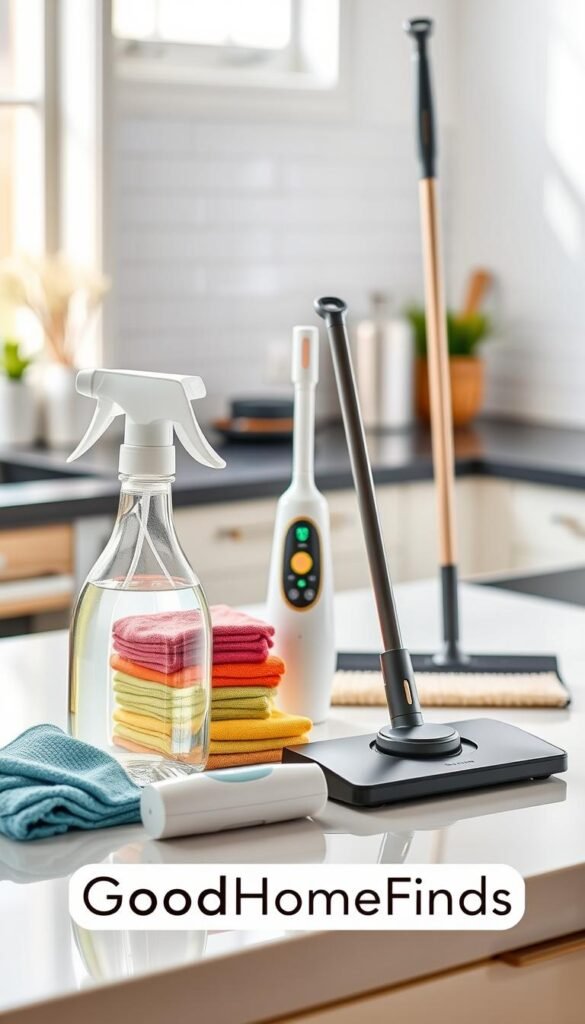
Dish wand with soap reservoir
A dish wand with a refillable soap chamber cuts sink time. Wet the pad, squeeze, and scrub a pan while your coffee brews. It removes stuck food fast and keeps you from stacking dishes.
Microfiber cloth multipack
Microfiber wipes are streak-free on counters and stainless steel. Buy a multipack and wash them separately. Avoid fabric softener—softener clogs the fibers and cuts performance.
Silicone drain hair catcher
Silicone strainers fit sinks and shower drains to catch hair and crumbs. They reduce gross surprise clogs and save you from plunging or calling a plumber.
Pros, cons, and what lasts
- Pros: these items are low-cost, renter-friendly, and easy to use. They prevent buildup and keep your home feeling under control.
- Cons: dish wands can get funky if left wet; microfiber loses effectiveness with softener; some drain catchers must be emptied often.
- What lasts: silicone and good microfiber hold up well. Thin plastics and cheap pads warp or shed fast.
- What to avoid: scratchy cloths that leave lint, catchers that don’t lie flat, and plastics that deform in hot water.
Value note: these low-cost items often run under $25 on Amazon. They repay their price by saving minutes each week, which adds up fast. Pick quality over the absolute cheapest so the tools actually use well and last.
Water and hydration helpers for better routine consistency
A simple bottle with marks beats an app when you need consistent water without setup. A marked water bottle acts as a low-friction tracker you can use anywhere. No charging, no logins, no subscriptions.
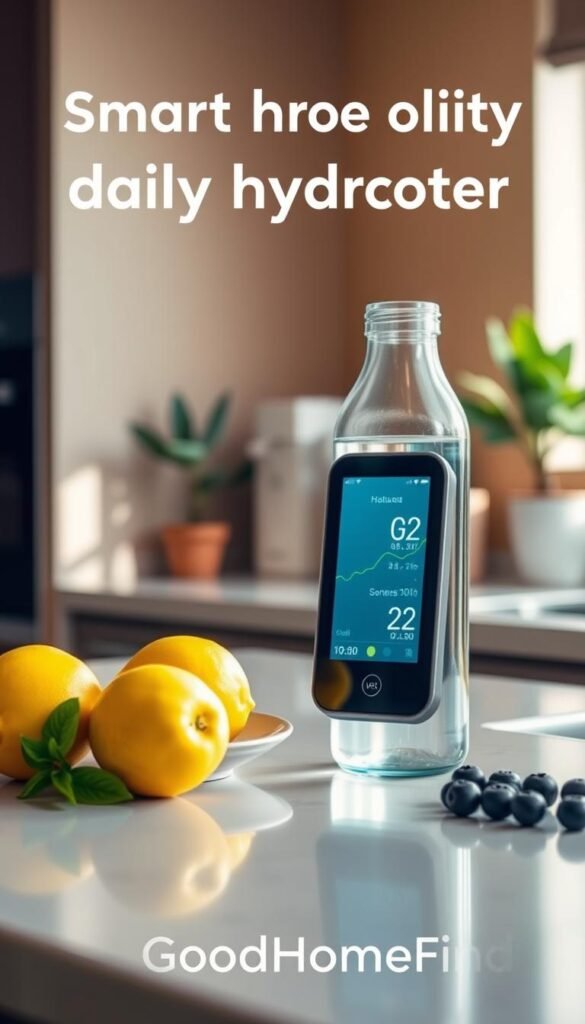
Marked water bottle: the easiest hydration tracker
Choose a clear bottle with time or volume marks. You see progress at a glance and sip steadily instead of chugging late in the afternoon.
Pitcher filter reminders and cheap hacks
For pitcher filters, use simple cues: a recurring calendar event, a sticky note on the fridge, or write the change date on the box. Those tricks cost nothing and keep filtered water tasting fresh.
Real-life payoff
On long workdays or travel, steady hydration means fewer headaches and fewer “why do I feel off?” moments. A marked bottle under $25 will often outperform pricey bottles because you actually use it every day.
- Value tip: buy a BPA-free marked bottle under $25 and replace flimsy lids.
- Avoid: leaking lids, hard-to-clean straws, and markings that rub off after a week.
For more low-cost hydration tools and filters, check this hydration helper guide.
Electrolyte packets for “I drank water but still feel off” days
If you finish a big water bottle and still feel off, an electrolyte packet can be the missing piece. Your brain and muscles use electrolytes as tiny conductors for signals and to keep fluids in the right place. Plain water sometimes fails when salts and minerals are low.
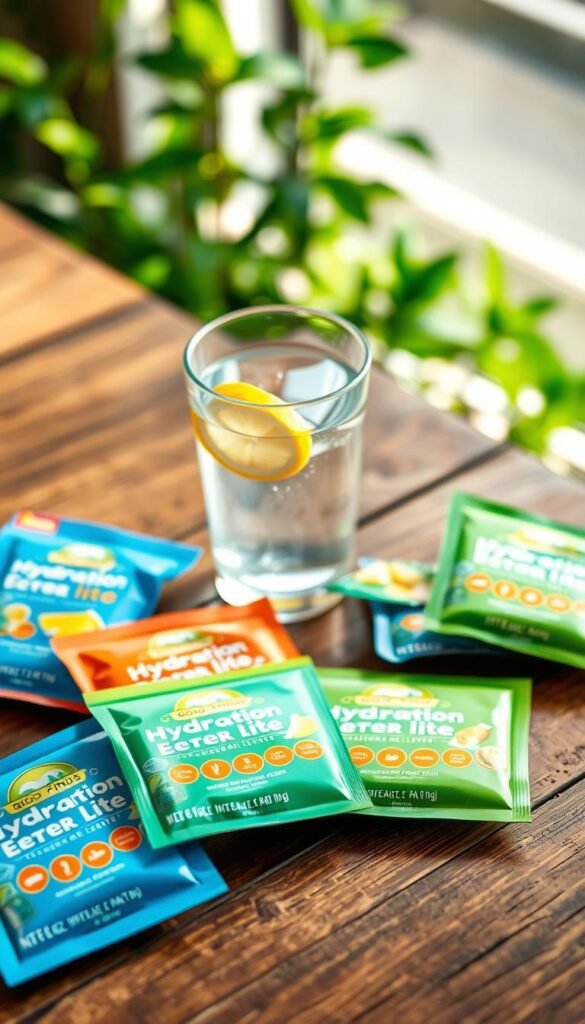
Look for clear label numbers. A useful stick often lists roughly 400 mg sodium, 300 mg potassium, and 50 mg magnesium plus B vitamins and vitamin C for extra support.
| Ingredient | Example level per stick | Why it matters |
|---|---|---|
| Sodium | 400 mg | Helps retain fluid and ease headache |
| Potassium | 300 mg | Supports cell function and clarity |
| Magnesium | 50 mg | Aids muscle relaxation and sleep |
Why it’s useful
Use packets on travel days, during heat, after poor sleep, or when stress cuts meals. They act faster than water alone for short-term performance and mental clarity.
Price-value plan
Keep it under $25 by buying single boxes, watching sales, or using Subscribe & Save when it truly reduces cost. Favor Amazon listings with fast delivery for urgent travel or errands.
Pros, cons, and what to avoid
- Pros: low-calorie, real mineral levels, B vitamins for energy.
- Cons: higher sodium may not suit everyone; sweeteners like allulose or stevia can cause taste or GI issues for some people.
- Avoid: mega-sodium formulas, sugar-loaded mixes, and „proprietary blends“ that hide actual levels.
Who it’s for and cheaper alternatives
Good for busy parents, office workers with headaches, light gym users, and people in hot climates. For a budget option mix a pinch of salt, a squeeze of citrus, and a little sugar or honey for quick electrolyte water. For more severe dehydration follow medical guidance or use a vetted oral rehydration solution.
Safety note: if you have high blood pressure or kidney issues check with your clinician before using high-sodium mixes daily.
For other renter-friendly, low-cost fixes see this budget home gadgets.
Air and odor fixes that make your home feel cleaner fast
A little prevention and simple absorbers go further than hype.
You can stop most smells and spot mold risk without a big machine. Start with charcoal odor absorbers for the fridge, trash cabinet, and gym bags. They reduce stink, not “purify” the air like a full HEPA unit.

Charcoal absorbers for quick wins
Drop a small charcoal puck in your fridge or gym bags to neutralize odors between trash days. Real-life: when leftovers go sideways, a charcoal pack keeps the smell down until you can clean things out.
Budget humidity meter
A compact humidity meter gives early warnings on damp spots. Check closets, bathrooms, and under sinks. That awareness helps you act before mold or musty smells appear.
What to avoid and quick alternatives
Avoid ozone purifiers and vague ionizers. They claim to clean air but can emit harmful ozone, especially risky in small spaces you breathe all day.
- Price note: under $25 buys odor control and awareness, not miracle cleaning.
- Cheaper swaps: baking soda in the fridge, better ventilation, and regular trash-cabinet wipe-downs.
- Over-budget context: personal units like Wynd Plus (~$199) offer advanced filtration and a cupholder-friendly design, but most renters get enough benefit from charcoal and a meter.
Phone and power basics that prevent daily disruptions
A reliable cable and a small charger are the kind of buys that prevent tiny tech emergencies.
Start with three items: a durable fast-charging cable, a certified wall charger, and a compact power bank that fits your carry. These basics keep your phone working when you need it most.

Fast-charging cable that doesn’t fray
Choose a braided cable with reinforced ends and replaceable tips if possible. A slightly better cable is cheaper than replacing a frayed $7 cord every month.
Wall charger with safety certifications
Look for UL or ETL listings. A certified charger runs cooler and stays snug in the outlet.
„Avoid chargers that feel loose or run hot — those are often the first signs of a safety issue.“
Compact power bank: size vs. capacity
Smaller packs are easy to carry but give fewer full charges. Larger packs give more charges but add bulk.
| Item | Size tip | When to pick it |
|---|---|---|
| Fast cable | Thin, braided, 3–6 ft | Daily pocket or bag use |
| Wall charger | Single or dual port, UL/ETL | Home, office, or travel |
| Compact power bank | ~5,000–10,000 mAh (pocket size) | Commute days and short trips |
- Real-life example: your phone dies on a commute; a small power bank saves calls, directions, and time.
- Value test: pay a bit more for quality and avoid replacing cheap cables every few weeks.
- Pros/cons: braided cables last but can be stiff; tiny chargers are portable but slower; slim packs are light but may not handle multiple devices.
- What to avoid: counterfeit-looking listings, missing certifications, and swollen or damaged batteries on arrival.
Who this is for: commuters, students, and anyone who relies on a phone for navigation or work. Prioritize safety and durability, and favor items with fast Amazon delivery for quick replacement.
For more budget picks under $25 that actually work, see this best Amazon finds under $25.
Smart kitchen “quiet wins” for less mental load
Small, visible systems in the kitchen cut mental clutter and make decisions feel automatic. These are cheap, low-effort tools that take things out of your brain and into view so you spend less time remembering.
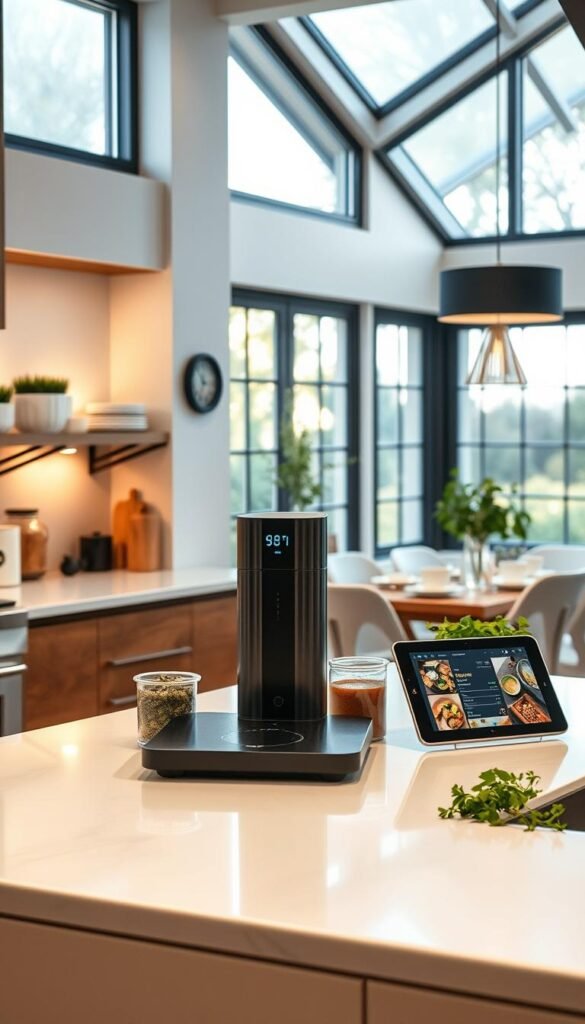
Magnetic notepad or fridge whiteboard
Keep a magnetic notepad or a small fridge whiteboard for grocery lists and quick meal notes. When you notice you’re low on rice or dish soap, write it down and stop relying on memory.
Real-life: you jot „rice, chicken, dish soap“ and the next shop avoids duplicates. That simple step reduces repeat buys and clears space in your brain.
Pantry bin labels
Label bins for flour, pasta, snacks, and baking supplies. Visible labels speed cooking and cut guesswork in small kitchens.
Labels also shorten prep and help roommates follow the same system. Over time, this small habit lowers decision fatigue at dinner.
- Pros: fast, low cost, immediate payoff.
- Cons: whiteboards need wiping; notepads run out of paper; labels only work if everyone follows them.
- Who it’s for: busy households, roommates, small-space kitchens, and anyone with a busy brain.
- What to avoid: labels that peel in humidity, smear-prone markers, and systems that are too complex to keep up.
| Tool | Benefit | Quick tip |
|---|---|---|
| Magnetic notepad | Easy capture of grocery items | Put near the handle you use most |
| Fridge whiteboard | Reusable, visible for family members | Use fine-tip dry-erase markers |
| Pantry labels | Faster ingredient finds, fewer duplicates | Waterproof labels for humidity |
| Simple routine check | Less mental load before bed | A short 30-second review prevents morning panic |
Honesty check: higher-end devices like Hatch Restore 2 (~$169.99) can support bedtime routine work, but under-$25 list tools still ease nightly stress by making tomorrow clearer.
Car and on-the-go helpers that pay off in time saved
Keep a small glovebox organizer, a compact trash bin, a sturdy phone mount, and a basic tire pressure gauge in your vehicle. These low-cost items are easy to find on Amazon and arrive fast.
Real life: you stash wipes and a microfiber in the glovebox. A coffee spill is cleaned before it stains. Another time, a spare charging cable in your bag saves a dead-phone panic on a short trip.
Price lens: pay for reliability. A cheap mount that falls costs more in time and safety than a well-made one under $25.
Pros: saves minutes, reduces mess, improves navigation. Cons: organizers take space; bins need emptying; some mounts block vents.
Who it’s for: commuters, rideshare drivers, parents, and anyone on the go.
What to avoid: wobbling mounts, chargers without safety markings, and gimmicky gadgets with vague support. For advanced diagnostics or GPS tracking consider higher-end tools like Vivint Car Guard or an Orbit Protect tracker (~$29.99), but core picks here focus on practical results under a modest price.
Learn more about our approach and testing on the about page.