This guide clears up common storage myths and gives you practical fixes you can use in rentals today.
You’ll get renter-friendly tips that don’t require drilling or permanent changes. First, we focus on quick wins inside your apartment with no-drill organizers. Then we show when a unit actually helps by saving time, square footage, or daily stress.
Reputable operators vary by price, access, and cleanliness, so we’ll show what to check before you sign. Expect tight pros/cons, “best for” guidance by apartment size, and safety notes for daily use.
Think practical: will this reduce daily friction, protect your items, and be easy to maintain? You’ll also find wallet-friendly product ideas under $25 and under $50 and simple routines to keep systems working in real life.
When a unit makes sense, we’ll help you pick one and avoid surprises. For small-kitchen hacks and no-drill tools that pair well with short-term units, see a few proven solutions here: best small kitchen solutions.
Key Takeaways
- Myth vs reality: Many common beliefs keep people stuck with clutter.
- Start inside with no-drill fixes; use a unit only if it truly saves time or space.
- Look for month-to-month terms, cleanliness, and access rules before renting.
- Budget-friendly tools under $25 and sturdier picks under $50 can change daily life.
- Use the decision lens: reduce friction, protect items, and keep it easy to maintain.
- We’ll give quick checklists so you avoid unpleasant surprises at facilities.
Storage myths that keep your home cluttered
A set of common assumptions often stops you from reclaiming useful room at home. Below are quick truths and actions you can take now.

Myth: Storage is only for people in transition
Reality: Many use extra units as lifestyle tools. Rotate seasonal gear, hobby kits, or business stock to free closet space.
Myth: Only hoarders use extra units
Reality: This confuses clinical hoarding with normal overflow. Ask: will a small unit save daily time or make your home livable?
Myth: Self storage is always expensive
Reality: Prices change by size, climate control, and location. Gut-check cost vs replacing items or upgrading your apartment.
„The operator must follow legal notice and auction procedures if payments lapse.“
| Common myth | Reality | Ask or check |
|---|---|---|
| Locked into long contracts | Many offer month-to-month | Read billing cycles and notice terms |
| Units are dirty | Facility quality varies | Tour, look for pests, lighting, and smells |
| No access when needed | Many have extended hours | Confirm gate and holiday access |
| Anything can be stored | Perishables and hazards are banned | Request the prohibited list |
Quick action: decide whether to fix clutter inside your apartment or pick an outside unit with eyes open. For a cost comparison of cheap vs premium units see cheap vs premium units.
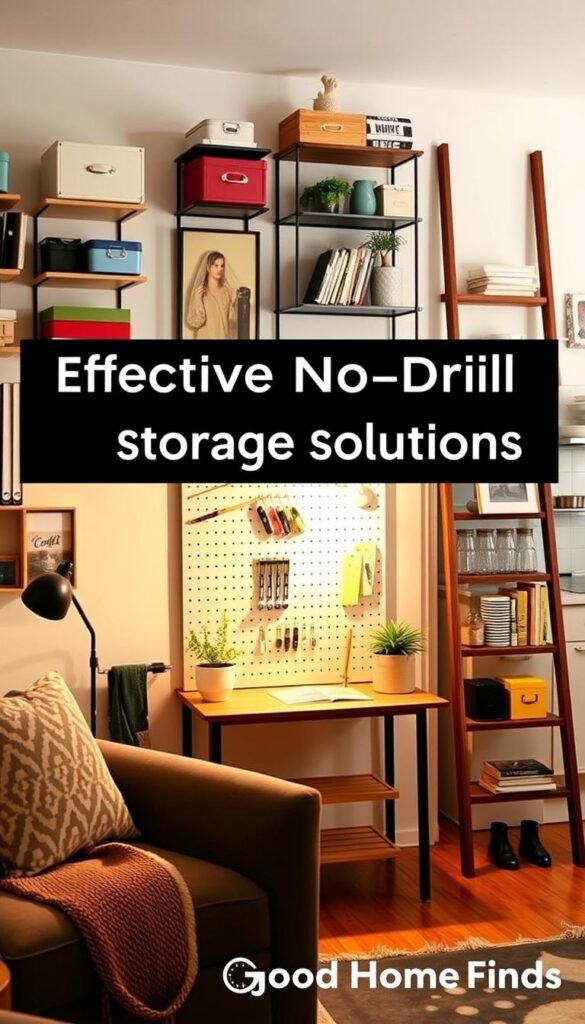
No-drill, renter-friendly storage fixes under $25 and under $50
Practical, low-cost solutions can create clear zones for daily items and cut retrieval time.
Kitchen
Under $25: peel-and-stick hooks for oven mitts, a tension rod under the sink for spray bottles, and basic shelf risers to double vertical space.
Under $50: a freestanding narrow rolling cart or a countertop mini-hutch to stack mugs and plates. Measure gaps before you buy to avoid returns.
Bathroom
Under $25: adhesive shower caddies, stick-on toothbrush holders, and labeled leak-proof bins under the sink for quick groupings.
Under $50: freestanding over-the-toilet shelving to gain vertical room. Leave airflow around damp items to reduce mustiness.
Closets
Under $25: hanging fabric organizers, slim non-slip hangers, and clear stackable boxes to keep small items visible.
Under $50: a tension-rod double-hang or a freestanding garment rack for season rotation.
Entryway
Under $25: over-the-door pockets, a slim shoe rack, and a catch-all tray for keys, wallet, and mail.
Under $50: a narrow bench with shoe storage or a wall-leaning ladder shelf. Secure for stability in small apartments.
Quick comparison
| Room | Best budget pick | Price tier | Setup time | Durability | Best for |
|---|---|---|---|---|---|
| Kitchen | Peel-and-stick hooks / mini-hutch | Under $25 / Under $50 | 5–20 mins | Low–Medium | Studios, one-bed |
| Bathroom | Adhesive caddies / over-toilet shelf | Under $25 / Under $50 | 5–30 mins | Low–High | Shared baths, small apartments |
| Closet | Hanging organizers / garment rack | Under $25 / Under $50 | 5–20 mins | Medium | Seasonal rotation, people with limited closet space |
| Entryway | Over-door organizer / narrow bench | Under $25 / Under $50 | 5–30 mins | Medium | Studios, shared apartments |
Pros, cons, and who it’s for
- Adhesive: fast and renter-friendly. Con: can fail on textured paint or in humid areas.
- Tension: adjustable and no holes. Con: may slip if overloaded or poorly seated.
- Over-the-door: roomy and hidden. Con: can scuff doors or not fit tight frames.
Safety and simple maintenance
Check weight limits on every product. Degrease and dry surfaces before applying adhesives.
Use breathable bins for damp items and wipe plastic or metal weekly. A 10-minute reset each week keeps systems working in real life.
Want closet-specific ideas? See the best closet solutions for more renter-friendly options.
When a storage unit is the right option (and how to avoid common misconceptions)
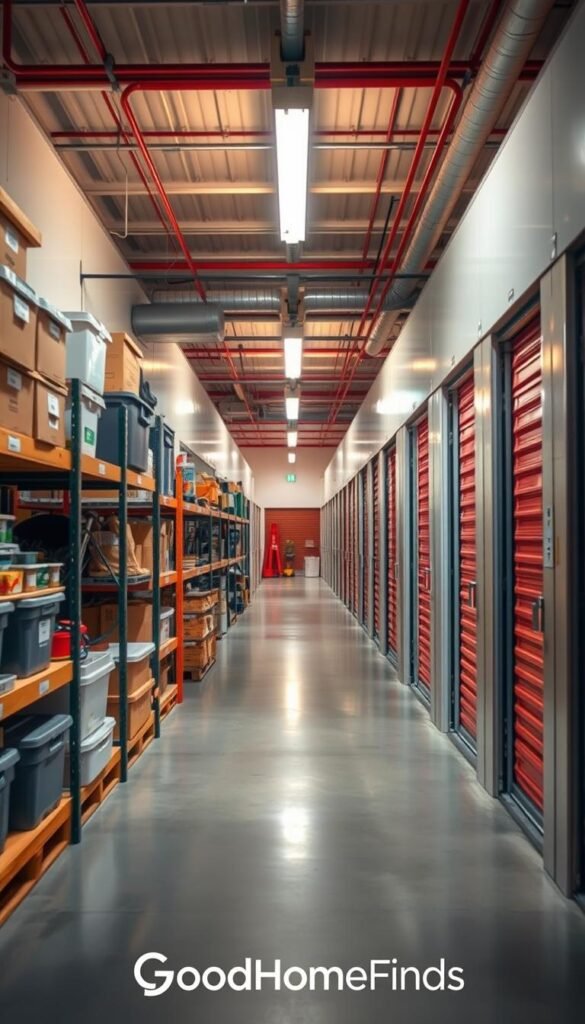
If daily clutter steals minutes from your routine, a small rented unit may restore calm. Use one when rarely used items are taking liveable floor space. Think seasonal decor, spare furniture, business inventory, or bulky sports gear that you access only occasionally.
Choosing the right unit
Make a quick inventory. Measure big pieces and use a tape measure for doorways and hallways. Choose the smallest unit that fits your plan — it usually costs less.
Climate control matters for photos, papers, electronics, wood, and antiques. For clothes in plastic bins, it’s often optional. Balance protection against extra costs.
Terms, access, and costs
Many facilities offer month-to-month terms. Confirm billing cycles, required notice, and any admin fees before signing. Ask how the facility defines a „month.“
Check gate and office hours. If you need evenings or weekends, get access hours in writing so visits are predictable.
Security and cleanliness checklist
- Look for gated entry, cameras, and good lighting.
- A tour should reveal clean hallways, no water stains, and no pest signs.
- Ask who enforces security, what lock type you must use, and whether insurance is required.
What not to store
Do not store perishables, hazardous materials, or illegal items. Request the facility’s prohibited list so you avoid fines or eviction.
| Decision point | What to check | Why it matters |
|---|---|---|
| Unit size | Measure items, plan aisle space | Prevents overpaying and keeps access easy |
| Climate control | Ask temp/humidity ranges | Protects sensitive belongings and can reduce long-term damage |
| Access & terms | Hours, month-to-month, notice rules | Avoid surprise charges and locked-out visits |
| Facility condition | Tour for pests, odor, lighting | Good upkeep indicates lower risk to items |
„Read the terms and keep contact info current. Operators must follow notice rules before selling contents for unpaid accounts.“
Best practice: pack labeled bins, leave an aisle, map item locations, and set a calendar reminder every few months. This keeps the unit useful, not a forgotten dumping ground.
Conclusion
Most clutter comes from a few broken habits, not a lack of willpower. Start small: use under-$25 helpers like hooks, tension rods, risers, and clear bins. Then step up to under-$50 freestanding pieces when you need more daily-use durability.
Place solutions where you actually drop things, not where you think you should. A 5-minute daily reset of an entry tray plus a 10-minute weekly wipe and purge keeps systems working in real life.
Decision rule: optimize your apartment first. If you still can’t reclaim usable space, consider renting outside units and pick one using the checklist from Section 4. Keep choices practical, renter-friendly, and worth your time.