You want useful devices in your rental without drills, wiring, or risking a deposit. This guide focuses on practical home tools that fit small apartments. Each pick works with typical Wi‑Fi, is easy to install, and travels with you when you move.
Expect realism, not hype. By 2026 more gadgets run without hubs, but subscriptions and app overload still matter. Many renter-friendly smart devices are plug-and-play and add everyday convenience and safety without landlord permission.
This roundup is chosen for renter-friendly setup, clear daily benefits, low maintenance, and solid value. You’ll get the list plus guidance on who needs what, setup time, and common mistakes to avoid.
Key Takeaways
- Find practical, easy-to-remove options that keep your security deposit safe.
- Focus on energy saving, safety, and compatibility with typical Wi‑Fi.
- Choose items that fit a small space and move with you.
- Watch for subscription costs and too many companion apps.
- Expect simple installs: plug-and-play or adhesive mounts, no drilling.
What Renters Actually Need From Home Tech in 2026
Small apartments reward devices that save space, stay quiet, and move with you. You want gear that fits on a shelf, won’t bother neighbors, and leaves with you when a lease ends. Pick compact, portable items first.
Small-apartment priorities: space, noise levels, and portability
In a tiny room, „worth it“ devices are low-profile and quiet. Think small speakers, slim cameras, and plug-in gadgets you can tuck away.
Noise matters. Fans, camera motors, and loud speakers cause complaints. Plan placement and schedules to keep shared walls calm.
Energy saving without lifestyle changes
Energy wins for renters when automation does the work. Use schedules and auto-off routines to cut waste without changing habits.
Small wins include stopping always-on chargers, switching off standby devices, and tightening cooling schedules to lower energy consumption.
Safety upgrades that don’t require drilling
Choose battery alarms, peel-and-stick sensors, and tabletop cameras that don’t alter the property. These add real safety without landlord approval.
Compatibility basics: Wi‑Fi, smartphone control, and voice assistants
Set a baseline: stable Wi‑Fi, one primary smartphone account, and a single voice assistant ecosystem if you use one. Aim for a „one app first“ mindset so devices play nice together.

Real benefits you can expect (and what you won’t)
You’ll notice small, real improvements from smart gear — not overnight miracles. Smart home devices remove tiny daily frictions. They save you a little time and lower routine hassles when you set them up sensibly.

Where you save time
Lights on schedules and one-tap bedtime routines cut repeated chores. A single routine can turn off lamps, lock doors, and silence alerts in under a second.
Smart plugs run timers for chargers and coffee makers. That reduces the “did I leave it on?” stress.
Where you save money
Schedules and plugs stop standby power waste. Smart cooling that follows your day can lower energy use if you keep reasonable setpoints.
Reality check: a couple devices won’t slash bills without consistent routines and sensible settings.
Where safety improves
Phone alerts from smoke or leak alarms let you act faster. Door and motion notifications help when you’re away.
Note: some monitoring features, like advanced video history, may require a subscription (Arlo-style plans). Budget for that if it matters.
Common downsides and real issues
- App overload and notification fatigue can make you ignore important alarms.
- False alerts are normal: sensors near vents or cameras facing windows cause phantom notifications.
- Maintenance matters: battery swaps and occasional re-pairing keep the system reliable.
Practical rule: buy each device for one clear benefit, not just because it’s smart. For setup options and comparisons, see our renter setup comparison.
Who needs this renter tech most
Pick devices that solve a single daily hassle so your home actually feels easier to live in. Start with one clear problem and match a simple device to it. That keeps setup low and the benefit obvious.
Busy tenants who forget small appliances
If you often leave chargers, lamps, or a curling iron on, a smart plug plus schedules saves you time and worry. A quick auto-off routine removes a repeated task from your life.
Roommates sharing access and common spaces
For shared keys and deliveries, choose solutions that support multiple users and limited admin controls. Smart locks or keypad kits can cut key drama while keeping privacy boundaries clear.
Pet owners who want calm and check-ins
Tabletop cameras give you simple, no-drill monitoring to peek in and confirm routines. Combine that with motion alerts to reduce separation anxiety and keep pets safer during the day.
Anyone in older properties with unknown air swings
Older buildings often hide air and humidity issues. A low-cost monitor like SwitchBot tracks air quality and humidity so you can spot problems in a week, not months.
- Best first buy — busy people: smart plug for auto-off and schedules.
- Best first buy — safety-minded: sensor kit for doors, leak, and smoke alerts.
- Best first buy — older units: air monitor to track humidity and air changes.

Setup time: what you can install in minutes vs an afternoon
Quick setup wins let you use useful home gadgets the same day you buy them. You’ll know what to expect before you unbox anything. Most installs are simpler than they look.

Under 10 minutes
Smart plugs, bulbs, and a small speaker are usually plug-and-play. Unbox, plug or screw in, open the app on your smartphone, follow the prompts, and test once.
Under 30 minutes
Tabletop cameras and air monitors need a bit more care. Pick placement, check Wi‑Fi signal, and tune notifications so you don’t get false alerts. Sensors also need a test run on doors or windows.
One to two hours
Locks, blind kits, and AC controllers are doable but take longer. Plan for good lighting, a calm testing time, and a screwdriver. Expect to name devices, test physical fit, and confirm schedules.
Ongoing maintenance time
Daily use is low effort, but batteries, filters, and occasional app updates are normal. Set a monthly reminder for battery checks and filter swaps to keep performance steady.
- Reality check: the real setup is naming devices, making routines, and turning off noisy alerts.
- Do a single „setup day“ with your smartphone and recovery codes handy.
Top 10 renter tech gadgets that work in small apartments
Smart gear for a small home should be simple to install, easy to move, and genuinely helpful. Below are ten compact, renter-friendly picks with quick use cases, setup time, and trade-offs so you can pick what actually helps your daily life.

Universal smart plugs (GE Cync, HBN, Kasa, Leviton, Wemo)
Why it earns a spot: cheap, portable, and the fastest way to automate lamps and chargers.
- Use case: schedules, vacation mode, and cutting standby energy.
- Setup: 5–10 minutes with the app.
- Pros/cons: budget wins but check ratings for high-draw appliances.
- Upkeep: minimal; watch firmware updates and occasional re-pairing.
Smart speaker / display (Amazon Echo, Apple HomePod)
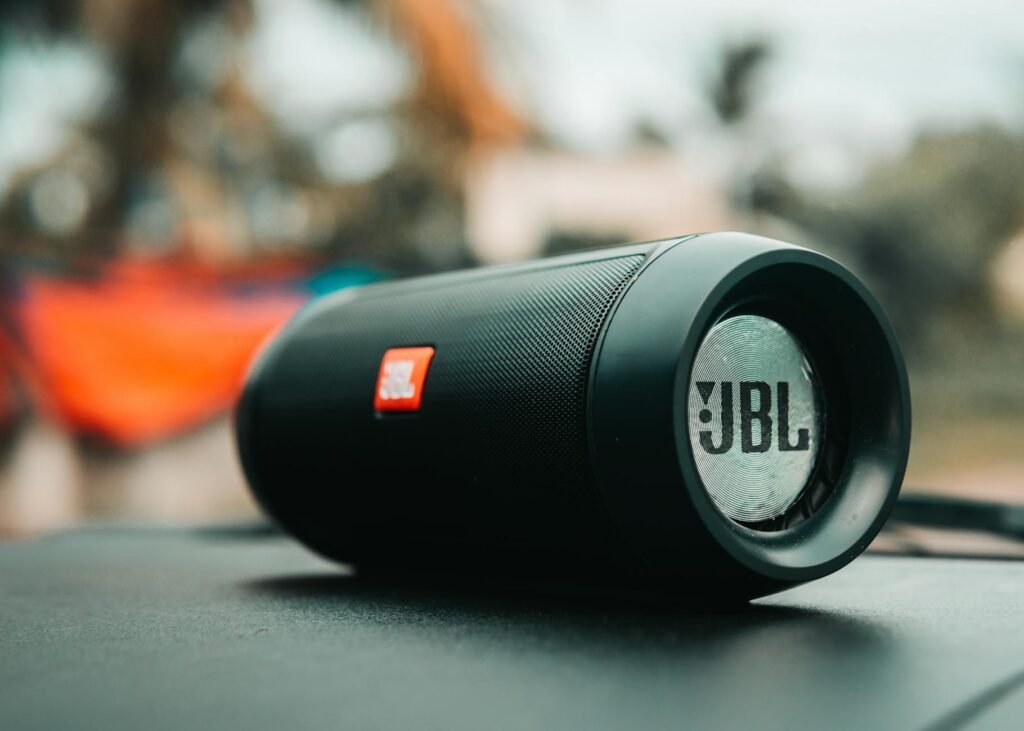
Use it as the room’s remote for voice control, timers, and routines. Setup is simple, but sound can carry in thin walls. Toggle privacy and mic mute when needed.
Smart bulbs (Govee, Philips Hue, Wiz)
Fit key spots only: entry, kitchen, bedside. Many bulbs need no hub. Best for mood lighting and dimming at night. Downside: someone flipping the wall switch breaks smart control.
Tabletop indoor camera (Tapo 2K pan/tilt)
Shelf placement covers pets, packages, and studio entrances. Core features work without a subscription. Watch for window glare and notification fatigue.
Motion & multi-sensors (Arlo)
Door/window alerts and leak detection under sinks. Placement matters. Battery swaps are the main upkeep and premium alerts may need a plan.
Roost smart battery
A renter-friendly way to add phone alerts to an existing smoke alarm. Easy install, periodic battery cost, and depends on Wi‑Fi for remote notifications.
Smart lock / door kit
Fewer lost keys and simpler guest access. Verify compatibility with your door, allow time to fit, and keep a physical key per your lease rules.
Portable air quality & humidity monitor (SwitchBot)
Portable monitor helps you spot humidity swings and air issues fast. It measures; you still need ventilation or a dehumidifier to fix problems.
Smart AC control (tado)
Adds phone control to a window or portable AC and supports heat pumps. Use schedules and geofencing to cut energy consumption. Savings depend on consistent settings.
Countertop multi-mode air fryer (Ninja, Cosori, Gourmia)
Fast meals with less oven heat. Great for small kitchens but plan for counter space and some noise. Routine cleaning of baskets keeps performance steady.
Quick tip: pick one or two core upgrades first. If you want budget buys that punch above their weight, see our best budget home gadgets for ideas.
Budget vs premium: what’s worth paying more for
Spend smart: save on basics, invest in gear that truly lowers hassle or improves safety.
Decide by asking one question: will this reduce daily friction, improve reliability, or protect your property? If the answer is no, pick the cheaper model.

Smart plugs and bulbs: budget wins for most renters
For schedules and simple control, cheaper plugs and bulbs usually do the job. They give stable timers, voice control, and energy savings without fancy extras.
When to spend more: choose a pricier model only if you need mesh Wi‑Fi support or advanced power monitoring that matches a specific appliance.
Security and monitoring: when premium features make sense
Premium models bring smarter alerts, longer cloud history, and better motion detection. Those features matter if you rely on footage for incidents.
Be honest about subscriptions. Arlo-style plans can add steady monthly cost. Tapo and similar models often cover core monitoring without a paid plan.
Hidden cost warning: a cheap camera can become pricey if you need cloud storage later.
Kitchen gear: value picks vs space-hogging splurges
In small kitchens, favor compact air fryers and easy-to-clean appliances. Big smart ovens or bulky „connected“ models often steal counter space and add complexity.
Buy the kitchen gadget you’ll use weekly. If you cook every day, a better model is worth it. If not, a basic unit saves money and space.
- Decision rule: pay more only if it reduces hassle, improves reliability, or meaningfully raises safety.
- Spending split: small budget for plugs/bulbs, thoughtful spend for locks and monitoring, choose kitchen buys by weekly use.
- Rent-friendly: avoid permanent installs that risk damage to doors or walls.
For simple budgeting tips to help plan these buys, see this budgeting guide. If you want curated models that suit small spaces, check this best home finds for renters.
Energy, noise, and space requirements (quick reality check)
Before you buy, run three quick checks for power, sound, and fit so a device actually works in your room.
Power consumption basics
Standby power is real. Some devices sip electricity all day. A smart plug with schedules will cut that waste without you thinking about it.
Pick „always-on“ gear carefully in a small home. If a device gains nothing but constant draw, skip it or set a strict schedule.
Noise to watch
Motors in pan/tilt cameras, voice responses from assistants, and fans in air fryers or portable ACs can be loud in studios.
Quick tips: lower speaker volume at night, disable voice confirmations, and place noisy appliances away from shared walls.
Space planning for tiny kitchens and studio layouts
Do a tiny-kitchen test: measure your counter, check cabinet clearance, and imagine where the cord and basket will live when not in use.
Also map water-risk zones. Put leak sensors under sinks and near an AC drip area to catch problems early.
„Measure first, buy second. Small checks save time and deposit headaches.“
| Check | What to do | Why it matters | Example |
|---|---|---|---|
| Power consumption | Use a smart plug or watt reader | Limits standby draw and bills | Schedule charger off at night |
| Noise | Listen in placement spot | Avoid neighbor complaints | Place air fryer away from bedroom wall |
| Space | Measure counter and clearance | Prevents bulky, unusable installs | Check basket fit for an air fryer |

For more on converting home systems from gas to electric and planning upgrades, see a practical guide to going electric for your home and a set of curated finds at best home finds.
Common mistakes renters make with smart home devices
A few common setup errors explain why so many smart purchases fail to feel helpful.
Buying too many things that don’t work together. You end up with five apps and no useful routines. The fix: pick one platform and add devices slowly. Make each new purchase solve one real daily problem.
Wrong camera and sensor placement. A camera facing a window causes glare. Placing it too high misses motion. Sensors near drafty windows or steamy bathrooms trigger false alerts. Shelf-mount cameras and low-draft sensor spots improve accuracy.
Skipping maintenance and notification tuning. Dead batteries, clogged filters, and default alerts turn smart devices into noise. Set a monthly check for batteries and filters. Silence noncritical notifications so you only act on real events.
Assuming you can alter the property or privacy rules. Don’t swap locks or mount hardware without checking your lease and landlord. Talk with roommates first and set a simple privacy checklist: shared areas off-limits, agreed camera zones, and who sees notifications.
„Plan placement, pick one app, and keep maintenance simple.“
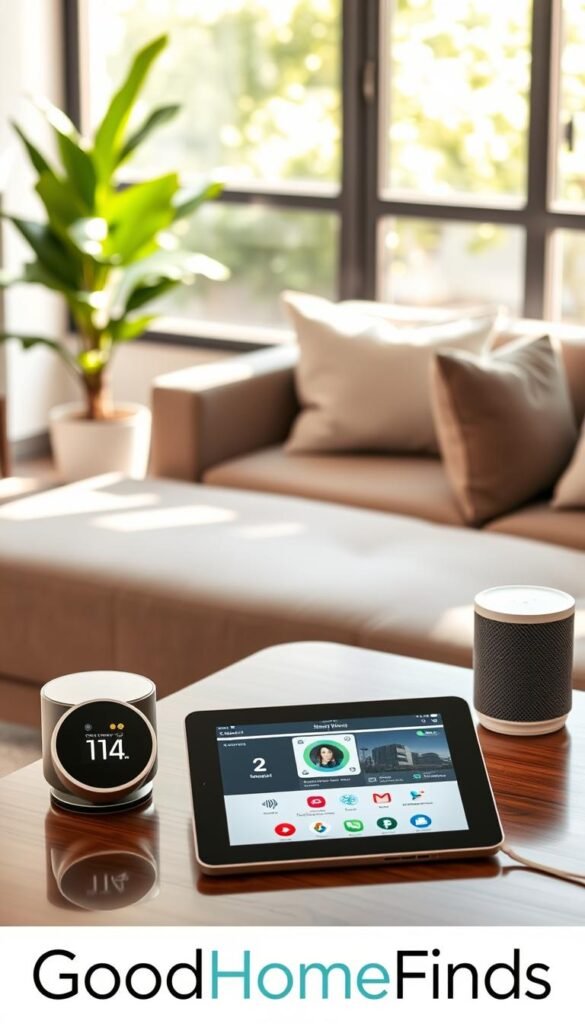
For setup guidance tailored to renters, see the renters‘ smart home guide.
Maintenance and move-out friendly tips (no damage, no drama)
A few careful steps keep devices safe, secure, and easy to remove before you move.

Start with mounting that won’t cause damage. Use removable strips, tabletop placement, and adhesive cable clips that peel off clean. Keep heavy items on stable surfaces so hooks or nails aren’t needed.
Cable management that fits a small home
Use shorter cords and label each one. Route cables along baseboards with clips and tuck excess into a small box. Clear walkways to prevent trips and accidental unplugging.
Keep accounts and access tidy
Security matters: set a strong Wi‑Fi password, enable two‑step login where offered, and limit admin access to people who need it. Remove former roommates or guests from accounts so they lose access to the system and to your property.
Move-out checklist
- Remove devices and pack chargers, keys, and batteries together.
- Factory reset and delete each device from your apps and voice assistants via your smartphone.
- Check under sinks, behind TVs, and at bedside lamps for hidden sensors and plugs.
Final sweep: test alarms and locks before you hand keys to the landlord. For no-drill storage and cable tips, see this no-drill organization guide, and for quick device solutions check a practical home problem solver mix.
Conclusion
Choose small wins that make daily life easier, not gadgets that sit in a drawer.
For most people, a starter bundle of smart plugs, one compact speaker, and a couple of bulbs delivers the biggest gains in convenience and energy savings. Add a simple monitoring sensor or alarm only if you need extra safety for your property.
Buy quiet, compact items that need little upkeep so they fit studio life and move with you between rental properties. Professional monitoring options and DIY systems can both work; compare plans and reviews before you commit via a practical [guide].
Next step: pick one ecosystem, set two routines, and live with them for a week. For safety and monitoring choices check this renter security guide, and for budgeting upgrade trade-offs see storage cheap vs premium.