Practical home tech that fits a small apartment. You’ll get ten genuinely useful picks that save time, cut clutter, and work in renter-friendly spaces.
This list previews honest pros and cons, real use cases, setup difficulty, maintenance needs, plus power draw, noise level, and where each item lives in a studio or small kitchen.
Price note: “under $30” reflects typical U.S. pricing and seasonal sales. I call out when a model sits closer to $25 and when an extra few dollars adds clear value.
Start by solving one daily pain point — messy cords, limited outlets, damp counters, or crumbs — and pick 2–3 items first. The goal is easy wins you notice in the first week.
What to expect: renter-safe options that need no rewiring, low-power choices with auto-off, and simple setup. For deeper comparisons and more budget picks, see this roundup at best budget home gadgets.
Key Takeaways
- Each pick earns its place by saving time, reducing mess, or cutting wasted power.
- Expect clear notes on noise, power use, and where the item fits in small spaces.
- Focus on one daily pain point and add 2–3 smart fixes rather than buying all at once.
- Prices reflect U.S. retail trends; many options are well below $30 on sale.
- All selections prioritize renter-friendly setup and basic safety features.
What “top 10 under 30” really means for home gadgets in the U.S. right now
Short answer: this phrase here means „top 10 gadgets under $30“ — a budget-first shopping list for real apartment problems, not an awards-style ranking based on age or fame.
These picks focus on kitchens, cleaning, basic smart-home controls, and everyday electronics because those areas create the most small-space friction. A cheap outlet controller or a simple sink strainer can prevent costly headaches.
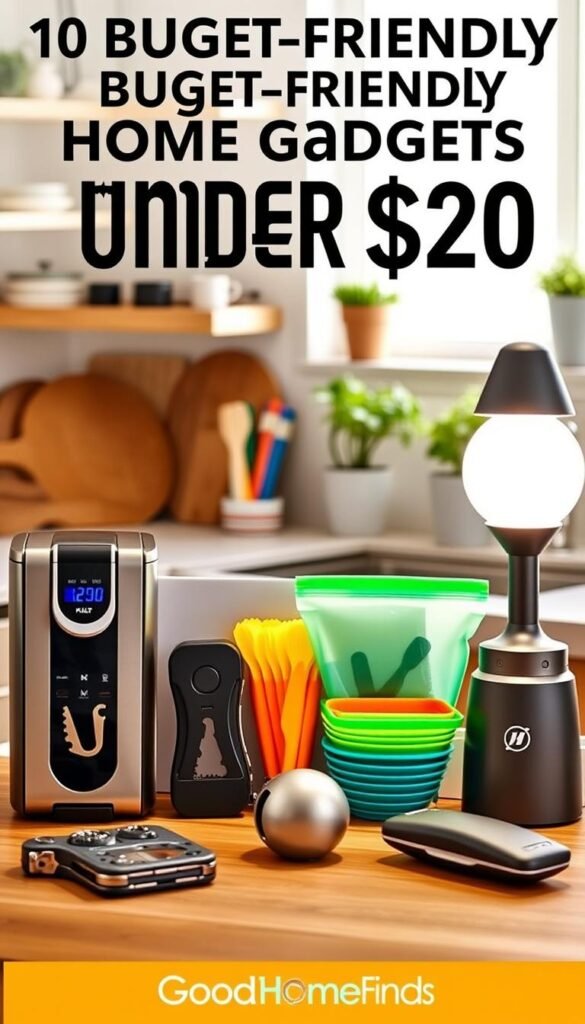
Consumer reality check: at this price you accept tradeoffs in materials, battery life, or app polish. That’s fine if the device solves one task well — like cord management, dish drying, or a leak alert.
- Avoid gimmicky gadgets that demand complex apps, subscriptions, or frequent charging.
- Prefer quiet, compact tools that plug in or sit on a shelf without fuss.
For context, the phrase “Under 30” also appears in media because Forbes has run “30 Under 30” lists since 2011, naming 600 honorees across U.S. industries each year and using editors and judges to pick the class. You may have seen that magazine coverage if you follow business or music news.
This piece is different. It’s about what fits your outlets, your routine, and your small space. Whether you live alone, with roommates, or in a dorm, these picks are chosen to be practical, renter-friendly, and easy to use.
Want more cleaning and daily-use budget finds? See our curated cleaning finds and daily life picks for related ideas.
Top gadget picks for small spaces with real pros, cons, and practical notes
Smart choices should save you time and headaches. Below are renter-friendly gadgets that fix daily problems without rewiring or big footprints.

Smart plugs — lamps, fans, and small appliances
What it’s for: Automate lights and small devices. Power: plug-in, low standby. Noise: silent.
Use cases: scheduled lamps, fan timers, holiday lights on „away mode.“
Pros: energy control, easy schedules. Cons: not for heaters or ovens; standby draw exists.
Setup: minutes. Upkeep: app updates; avoid overloading power strips.
LED motion night lights — hallways, bathrooms, closets
What it’s for: hands-free light on short trips. Power: battery or low-voltage. Noise: silent.
Use cases: safe bathroom trips, closet glow, under-bed night light.
Pros: zero clutter, very low draw. Cons: poor placement can trigger all night in a studio.
Setup: seconds. Upkeep: change batteries seasonally or recharge monthly.
Magnetic cable clips and cord organizers — desks and TV stands
What it’s for: stop cords from falling and tangling. Power: none. Noise: none.
Use cases: keep charging cables at the edge of a desk, manage TV cords behind a stand.
Pros: tiny footprint, safer floors. Cons: adhesive can fail on dusty paint or rough surfaces.
Setup: minutes. Upkeep: replace adhesive pads as needed.
USB-C multi-port charger — one outlet for many devices
What it’s for: charge phones, earbuds, and tablets from one plug. Power: plug-in, variable output. Noise: silent but heat varies.
Use cases: bedside charging station, desk power hub.
Pros: less mess and fewer adapters. Cons: cheap units can run hotter and charge slower.
Setup: plug-and-play. Upkeep: watch cords for wear; keep vents clear.
Rechargeable battery pack — backup power for phones and earbuds
What it’s for: emergency and commute charging. Power: battery. Noise: none.
Use cases: travel, power outages, long days out.
Pros: slim models fit drawers. Cons: capacity limited on budget units.
Setup: charge monthly. Upkeep: avoid storing fully dead; top off every 4–6 weeks.
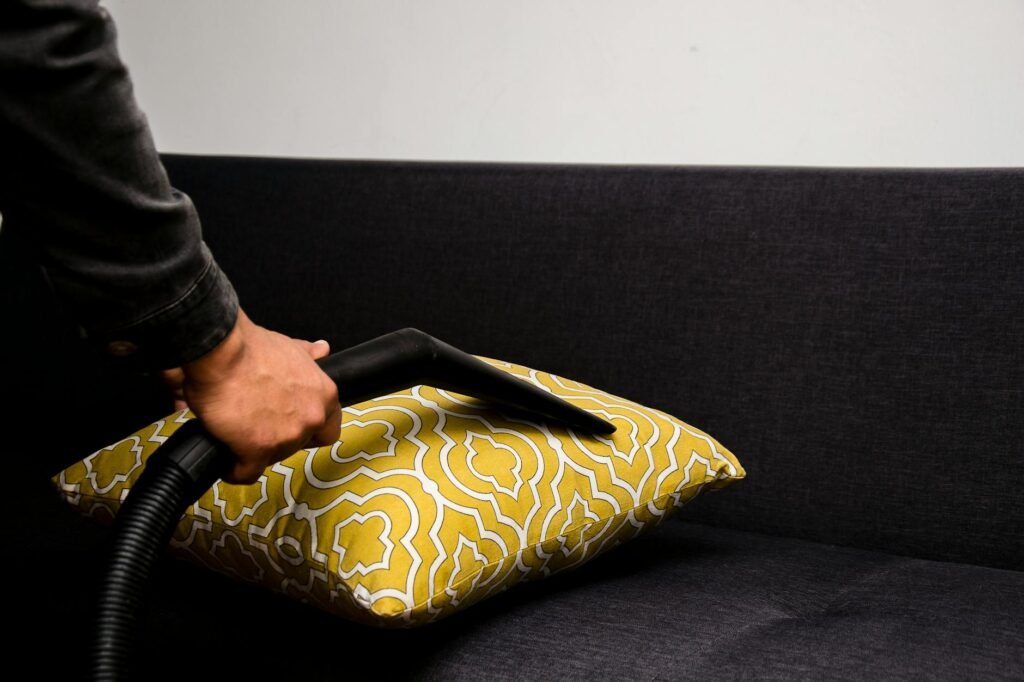
Mini desktop vacuum — crumbs and keyboard dust
What it’s for: quick surface cleanup. Power: battery or USB. Noise: moderate for size.
Use cases: crumbs on a desk, pet hair on cushions, keyboard debris.
Pros: convenient, small. Cons: not for carpets; motors can be loud.
Setup: immediate. Upkeep: empty often and clean the filter.
Silicone sink strainer and hair catcher
What it’s for: stop clogs before they happen. Power: none. Noise: none.
Use cases: shower drains, kitchen sinks, bathroom sinks.
Pros: cheap, renter-friendly. Cons: must match drain size to fit well.
Setup: seconds. Upkeep: rinse weekly; deep clean monthly.
Foldable drying rack or over-sink mat
What it’s for: air-dry dishes and clothes in small spaces. Power: none. Noise: none.
Use cases: apartment kitchens, balconies, compact laundry corners.
Pros: saves counter space. Cons: needs airflow to avoid mildew.
Setup: minutes to unfold. Upkeep: wash with soap and hot water weekly.
Digital kitchen or fridge timer
What it’s for: safer cooking routines and reminders. Power: battery. Noise: beeps when time’s up.
Use cases: baking, laundry reminders, fridge rotation alerts.
Pros: simple and reliable. Cons: tiny screens can be hard to read at a glance.
Setup: set in seconds. Upkeep: replace battery rarely.
Water leak alarm — under-sink and bathroom areas
What it’s for: early warning for leaks. Power: battery. Noise: loud alarm.
Use cases: under-sink, behind toilets, near water heaters.
Pros: renter-friendly insurance. Cons: false alarms if placed poorly.
Setup: minutes. Upkeep: test monthly and replace batteries yearly.
| Feature | Budget option | Premium (still ≤ $30) | Why it matters |
|---|---|---|---|
| Adhesive quality | Basic pads | Stronger foam or magnetic mount | Stays put on painted or textured surfaces |
| Certifications | May lack clear markings | UL/ETL or safety labels | Lower risk of overheating or failure |
| Sensors and alarms | Simple triggers | More accurate sensors, louder alerts | Fewer false alarms and better noticeability |
| Materials and hinges | Thinner plastic | Sturdier plastic, better hinges | Longer life and less wobble in daily use |
For more budget problem-solvers and mixes of practical fixes, see this home problem solver mix.
How to choose the right under-$30 gadgets for your apartment (and avoid wasted money)
Pick devices that solve one real problem. Focus on energy, safety, and small-space convenience. That rule keeps purchases practical and renter-friendly.
Real benefits
Save energy and time: a smart plug creates schedules so lights and fans don’t run all day. A night light prevents fumbles on late trips. A leak alarm stops costly damage early. A drying mat frees counter space after meals.
Who needs this
You do if you rent, share outlets, live in dorm-style rooms, or store gear in cabinets. These gadgets fit people with tight outlets and little storage. They work when you can’t drill or rewire.
Setup time
Plug-and-play: timers, night lights, and leak alarms work right away.
Takes a few minutes: pairing a smart plug, routing cable clips, or sticking organizers. Quick checklist: wipe surfaces, test placement for a day, keep the manual in a drawer.
Common mistakes
Don’t overload one power strip with high-draw items. Never put a space heater on a smart plug. Avoid placing motion lights where a fan or curtain triggers them. Don’t fold drying mats while wet.
Compatibility and safety (plain)
Check old U.S. outlets for loose sockets. For most smart plugs you need stable 2.4 GHz Wi‑Fi. Don’t block vents on chargers or motorized gadgets. When choosing between two budget items, favor the one that reduces risk—like preventing leaks or clogs—over the one that’s merely nice to have.
- More suggestions: useful Amazon finds
- Smart-device tips: best smart home devices
- Practical home gear: home necessities
- Renter setup ideas: renter setup guide
Conclusion
To close, choose items that solve one repeat problem and fit your space. The best purchases quietly cut daily friction—less clutter, fewer small messes, and fewer safety surprises.
Starter set: one safety piece (leak alarm or sink strainer), one clutter-reducer (cable clips or multi-port charger), and one convenience item (motion night light or timer). These three cover energy, safety, and ease.
Keep maintenance simple: wipe surfaces, rinse strainers, recharge batteries, and empty small vacuums. Check outlet clearance and noise before buying so the gadget suits your studio or shared room and your brand of daily routine.
This list is not a media-style class of honorees for a year. It’s a practical guide for people who want usable fixes now. Start by solving one small problem this week. If you want more budget finds, see our best Amazon finds.