What a practical „top kitchen tech mix“ looks like in 2026: a small set of tools that earns counter space and saves time in real life. You’ll see devices that handle weekday dinners, quick breakfasts, and fast cleanup without becoming shelf clutter.
We promise clear pros and cons, real use cases, setup difficulty, and upkeep realities. You’ll learn what to buy on a budget and what is worth paying more for. We’ll also point out what to skip if your apartment has limited storage or counter area.
Serious Eats notes many single-task appliances become keepers when they do one job reliably. We lean on that test-first logic. Expect honest notes on energy, noise, heat output, cleaning, and safety.
Preview categories include faster low-oil cooking, accurate temperature gear, sous vide and sealer options, blending and prep helpers, rice and multicookers, coffee, ice for entertaining, cleaning aids, and basic smart-home helpers.
Safety first: watch for hot surfaces, sharp parts, stable bases, and steel where it matters. This is a commercial roundup. The goal is to help you choose products that fit your home, your routine, and your budget.
Key Takeaways
- You’ll get honest pros/cons and budget vs premium guidance.
- Focus is on daily use, not novelty items.
- Small-space factors like footprint, heat, and noise matter.
- Setup and maintenance notes help avoid units you won’t keep.
- Safety basics: stable base, guarded heat, and quality materials.
What “best” means in 2026 for kitchen gadgets and appliances
Here’s how we define “best” in 2026: devices that save daily time, cut cleanup, and give repeatable results you can trust.
Real-life tests that matter
We judge by everyday performance. Does the unit shorten prep and cleanup? Does it do the same job each time? Those are the essentials.
„Tools that work are worth keeping; flashy features are not.“
Small-apartment musts
Size and space rules decide value. If something permanently steals counter area, it must earn a daily slot or it goes to storage.
Everyday factors
Watch power and heat. Higher wattage can speed cooks but raises your bill and adds heat in small rooms. Noise matters too. Loud blenders or grinders are a renter-unfriendly choice.
Safety and durability
Look for stable feet, cool-touch handles, and clear hot-surface zones. Prefer stainless steel contact points and sturdy hinges so parts do not peel or loosen over time.
- Cleanup: dishwasher-safe parts or surfaces that wipe clean without scrubbing.
- Durability: steel build where it counts and baskets or clamps that last.
- Smart features: useful when they cut steps; avoid ones that add pairing hassles.
Real benefits you can expect from a smarter kitchen setup
A smarter setup changes daily cooking from guesswork into a quick, reliable routine. You get clearer results with less effort and fewer surprises.
Better food with less guesswork: consistent temperature and timing
Consistent temperature tools—like an instant-read thermometer—help you stop overcooking and undercooking on busy weeknights. They remove the guesswork so meat, rice, and baked items hit the right doneness every time.
Less mess: tools that reduce splatter, grease, and sink pileups
Use splash guards, oil sprayers, and well-designed pots to cut splatter. That means less grease in the sink and fewer dishes after dinner.
„Tools that work are worth keeping; flashy features are not.“
Lower waste: smarter storage, portioning, and leftovers
Vacuum sealing and portion trays reduce freezer burn and mystery leftovers. Better storage makes it easier to plan meals and waste less food.
- Outcome: crispier air-fried food with less oil.
- Outcome: better rice without babysitting.
- Outcome: fewer tossed meals and a less chaotic freezer.
Bottom line: small changes—a thermometer, an oil sprayer, and good storage—usually beat one expensive appliance you rarely use. You’ll cook at home more because the process feels simpler and repeatable.
Who needs this and who can skip it
You don’t need every gadget on the list. Pick what solves a clear problem for your life, space, and budget.
Who needs this:
- Busy households: If weeknight chaos is constant, push-button consistency from rice cookers, multicookers, and air fryers saves time and stress.
- Small-space cooks: Renters and apartment dwellers should favor compact, multi-use tools like a portable blender or mini food processor that tuck into a drawer when not in use.
- New cooks: If you want simple plug-and-go appliances that reduce guesswork, starter-friendly gadgets make it easier to learn basic recipes and timing.
Who can skip it:
- If you hate cleaning or will let parts pile up, skip units that need intensive upkeep.
- If a gadget duplicates what you already do quickly with a knife and pan, don’t buy it.
- If noise or size is a deal-breaker, choose quieter or smaller alternatives—or stick with hand tools.

One clear rule: a good tool should earn counter or drawer space by saving time or improving consistency.
| Reader Type | Best Gadget Category | Why it helps |
|---|---|---|
| Busy cooks | Rice cooker, multicooker, air fryer | Push-button results, less babysitting, fast weeknight meals |
| Small-apartment renters | Portable blender, mini processor, hand tools | Small footprint, multi-use, easy storage |
| Beginners | Simple plug-and-go appliances | Low learning curve, reliable outcomes |
| Clutter-averse | Quality hand tools (thermometer, spatula, jar opener) | Less maintenance, long-lasting, outperforms unused electrics |
Final note: Serious Eats points out that not all gadgets make sense. Some single-use units earn a spot if they solve one common pain reliably. Choose the way you cook, then buy the tools that actually get used.
Top kitchen tech mix for cooking faster with less oil
If you want crisper results with less oil, an air appliance earns its place when it performs reliably.
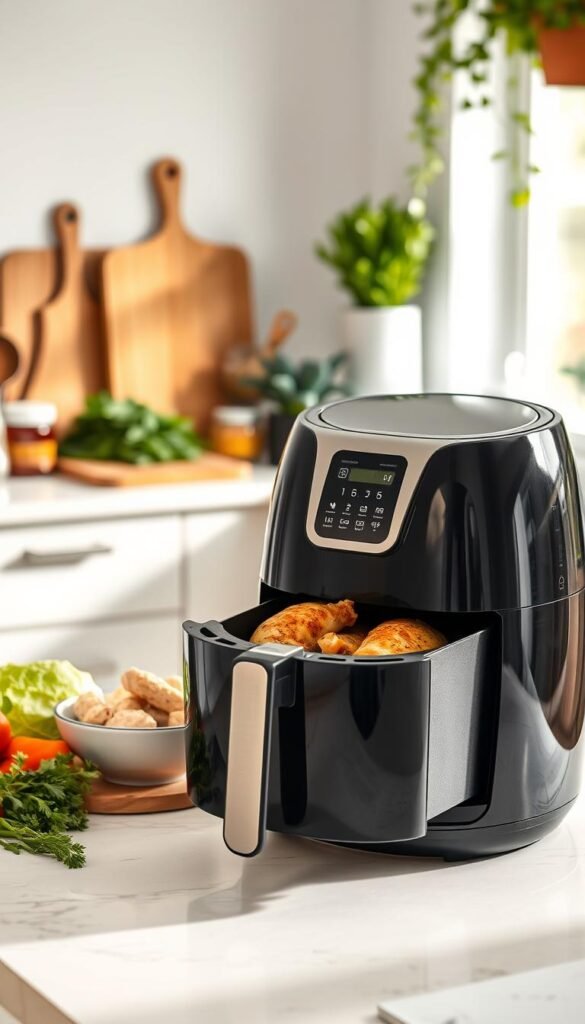
Instant Vortex vs Cosori Smart 5.8‑Quart
The Instant Vortex wins for even browning and a wide square basket that fits more at once. PCMag notes the Cosori Smart 5.8‑Quart is popular for smart controls and app features.
Daily feel matters: choose the Vortex for consistent crisping and easy touchscreen use. Pick the Cosori if you value app presets and remote control.
Why square baskets fit more
Square baskets let you lay food flat. That reduces stacking and improves browning without extra oil.
This is a practical size improvement for batch cooking and short cooks like fries and cutlets.
Power, heat, and noise
Listen for steady fan noise, not rattles. In an apartment, a loud fan can be disruptive during evenings.
„Fan noise that sounds like a hairdryer at two feet is a useful rule of thumb.“
Also watch power consumption; these units heat small rooms quickly, which helps in winter and can be annoying in summer.
Maintenance and real use cases
Protect the nonstick basket by avoiding metal tools, harsh scrubs, and running it empty at high heat.
Real uses: reheating pizza, crisping frozen snacks, fast chicken cutlets, roasted veggies with less oil.
Worth it check: if you air fry three to four times per week, the counter payoff is real.
Top kitchen tech mix for better meat, fish, and baking temperatures
A reliable thermometer is the single most useful upgrade for everyday home cooking. It removes guesswork fast and saves failed meals.
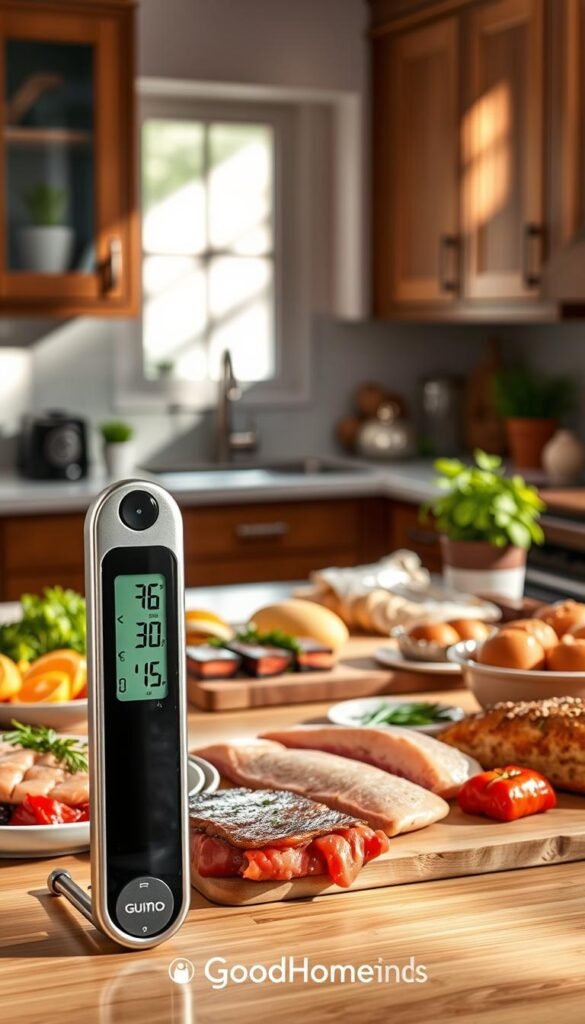
Thermapen ONE — speed and accuracy
The Thermapen ONE is a staff favorite for a reason. It reads almost instantly and reports exact internal temps so you hit doneness every time.
Pros: ultra-fast, precise, durable. Cons: premium price.
Meater Pro — wireless probe freedom
Meater Pro tracks both ambient and internal temps and links to an app. That freedom helps when you grill or roast and can’t hover by the oven.
Pros: wireless, remote alerts, good for long cooks. Cons: depends on Bluetooth range and app estimates.
Beyond meat: bread, oil, and food safety
Use these tools for more than meat. Check bread doneness, test oil temperature for frying, and confirm reheats are safe.
Serious Eats uses a Thermapen for fryer oil and loaf centers. You’ll reduce wasted loaves and greasy fries.
| Product | Best for | Why choose it |
|---|---|---|
| Thermapen ONE | Fast instant reads | Speed and accuracy when you cook meat often |
| Meater Pro | Oven/grill long cooks | Wireless tracking and app alerts for hands-off roasts |
| Budget probe | Occasional use | Good enough for basic temps at a lower cost |
Budget vs premium and quick care
Pay more if you value speed, build quality, and repeatable results over years. Cheaper thermometers work for occasional cooks.
Care tips: don’t leave instant-read probes in the oven, clean and dry probes after use, and store the unit in a drawer.
Small-space win: a thermometer tucks away easily and prevents wasted meals, making it one of the most practical products you can buy.
Sous vide made practical, not fancy
Sous vide is less about gear and more about holding water at a steady temperature so food cooks evenly without overcooking. It’s a simple process you can fit into weekly meal prep.
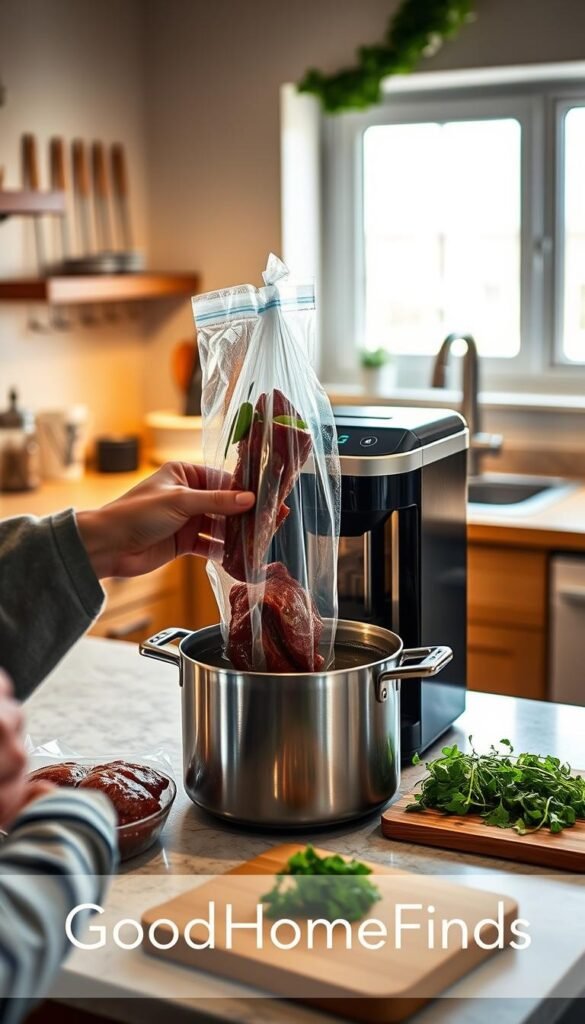
Which immersion circulator to pick
Breville Joule Turbo heats fast and holds steady for 1–24 hours. Serious Eats measured a gallon to temp in 22 minutes. The Anova Precision Cooker is simpler and easy to set up. Choose Joule for speed and stability. Choose Anova for fuss-free daily use.
Space and setup realities
You need a pot or container with enough water depth and a place to store the circulator when not in use. Small pots work for single meals; larger pots are better for batch cooks.
Power, noise, and maintenance
Consider power consumption for long cooks—overnight roasts use more energy than quick sears. Expect a light hum from the motor; placement on a towel cuts vibration and reduces perceived noise levels.
Descale based on your water hardness and wipe the clamp area after each use so the machine grips safely.
Quick pros and cons
- Pros: precise temperature control, hands-off juicy results.
- Cons: longer run time, extra pot space, and occasional descaling.
Practical wins: edge-to-edge steaks, reliably juicy chicken breasts, and batch meal prep that frees up weeknights.
Vacuum sealers that save money on food (and freezer space)
A good vacuum sealer pays back in fewer tossed meals and smarter shopping.
Sealing reduces freezer burn and stretches leftovers. That means you can buy bulk proteins and freeze portions without losing quality. Vacuum bags also speed marinades and keep sous vide cooks steady by stopping bags from floating.
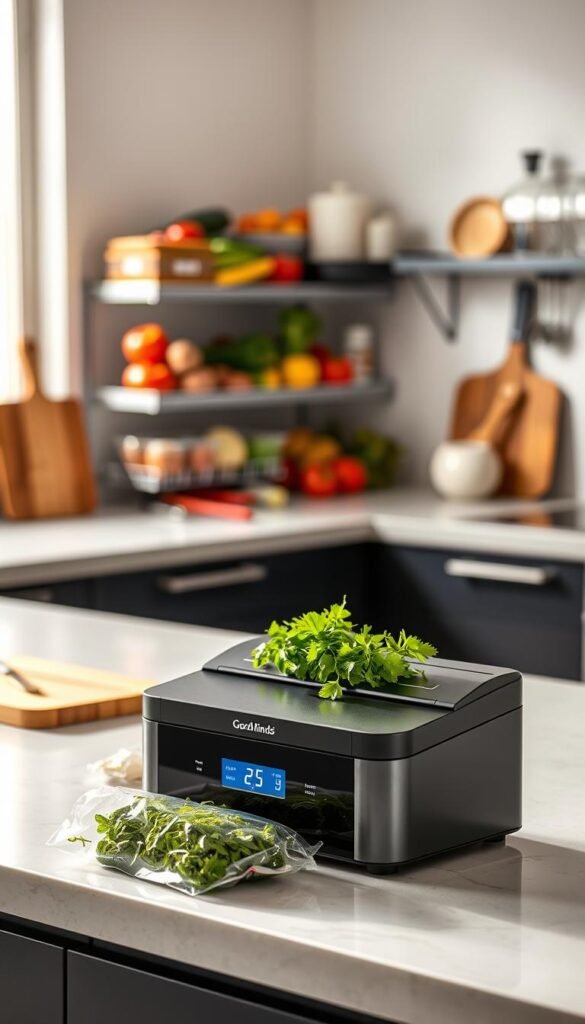
Practical payoff and real use cases
Less waste, clearer portions, and easier meal prep save you time and money. Seal chicken in meal-size packs. Freeze sauces flat to stack neatly. Seal snacks and keep them crisp. Use sealed bags to infuse marinades faster for better flavor in less time.
Anova Precision Pro vs Anova Precision — simple comparison
Anova Precision Pro adds a built-in bag cutter and on-board bag storage. It saves steps when you prep many bags. Anova Precision has a slimmer footprint and is airtight without the extra bells. Pick Pro for convenience. Pick Precision for smaller space needs.
| Feature | Anova Precision Pro | Anova Precision |
|---|---|---|
| Bag cutter & storage | Yes | No |
| Footprint | Medium | Compact |
| Best for | Heavy meal preppers | Small-space users |
| Price consideration | Higher upfront, easier daily use | Lower cost, simpler operation |
Hidden costs, maintenance, and the decision
Bags and rolls add up. You need drawer or cabinet room for the unit and stock. Keep the sealing strip clean. Avoid sucking liquids into the pump. Store the machine dust-free between uses.
If you meal prep weekly or bulk-buy often, this tool will likely pay for itself. If you rarely freeze food, skip it and save the time and clutter.
Blenders for smoothies, sauces, and soups without the hype
A reliable blender should be something you reach for most mornings, not a gadget that sits unused.
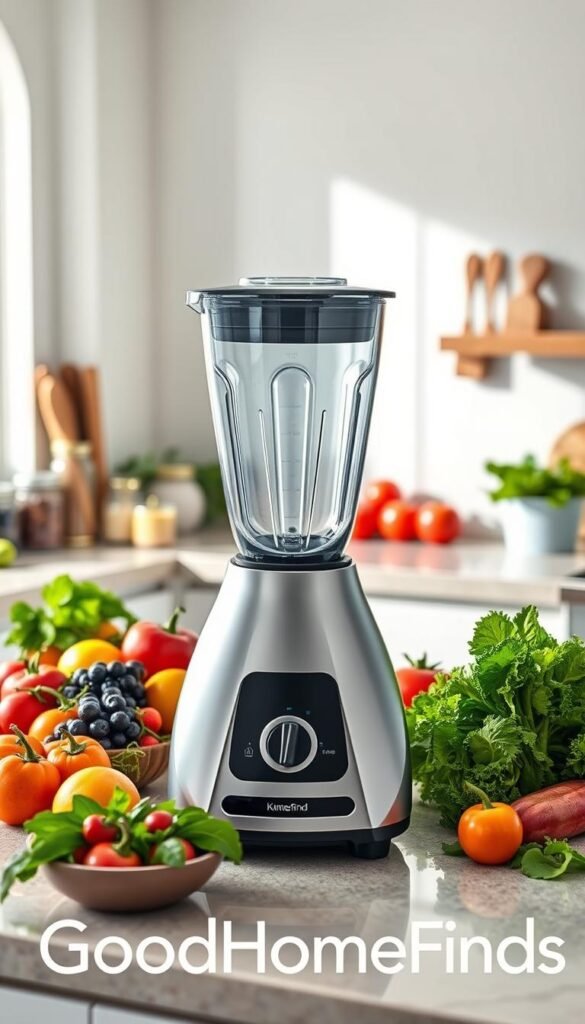
Position blenders as a daily tool: smoothies, sauces, and blended soups. They save time and reduce meal friction.
Premium workhorse: Vitamix 5200
Why it stands out: raw power, a tapered jar that pulls food toward the blades, and proven longevity.
Pros: consistent results for large batches. Cons: price and counter or storage footprint.
Portable option: Ninja Blast Max
Why it helps: cordless, single-serve convenience and a detachable cup for on-the-go food prep.
Pros: small footprint and fast single servings. Cons: not ideal for very thick batches or heavy-duty blending.
Noise, vibration, and cleaning realities
Powerful motors make noise. Run short bursts and put a towel under the base to cut vibration in apartments.
Cleaning is simple when you rinse immediately. Blend warm water with soap in the bowl, then rinse. Avoid dried-on gunk around blades.
| Model | Best use | Size/design |
|---|---|---|
| Vitamix 5200 | Large batches, soups, nut butters | Full-size, tapered jar, durable |
| Ninja Blast Max | Single servings, smoothies on the go | Compact, cordless, portable cup |
Buying tip: pick Vitamix if you blend daily and need heavy-duty performance. Choose Ninja if space and single-serve use fit your home.
Small but mighty prep gadgets that earn their drawer space
Small wins add up. A few compact helpers reduce friction, save time, and fit in a drawer when not in use. These are practical, renter-friendly picks that pull more weight than their size suggests.
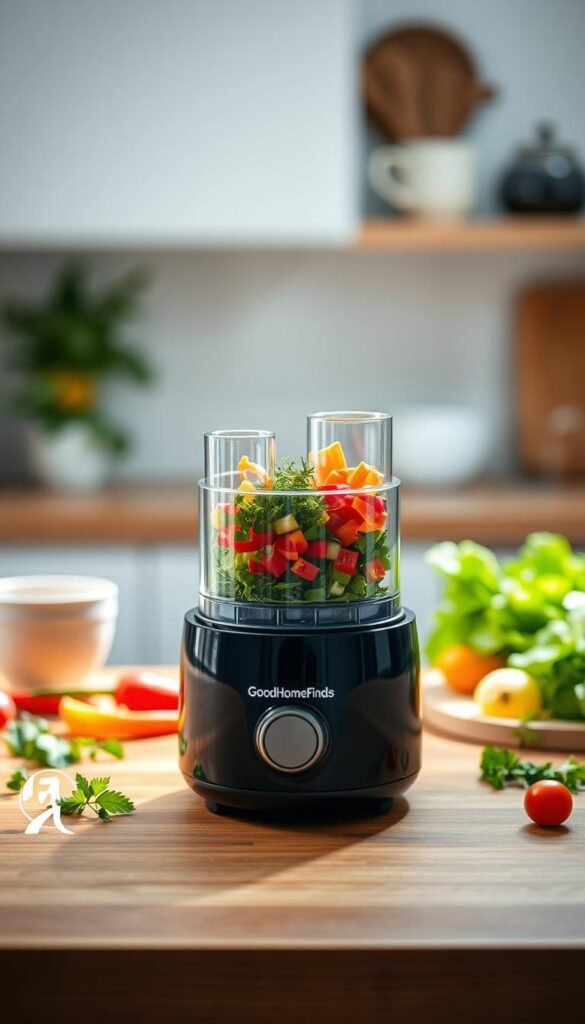
Mini food processor — quick chopping and small-batch sauces
Why buy: a 4-cup mini food processor handles chopped onion, pesto, and salsa faster than a knife for many cooks.
Pros: fast, drawer-friendly, great for small servings. Cons: limited capacity and one extra part to wash.
OXO Good Grips garlic press — fast, mess-free garlic
This garlic press makes quick paste without garlic fingers. Serious Eats found no major complaints in testing.
Pros: saves prep time, easy to use. Cons: you still need to clean the basket — that is the make-or-break point.
Jar opener + base pad and oil sprayer
Good Housekeeping praises an OXO-style jar opener for reliable grip. The opener stores flat and eases wrist strain.
Evo-style oil sprayers give an even mist for air frying and won’t clog when cleaned after use.
„Small, reliable tools reduce daily friction and are worth the drawer space.“
- Care tips: rinse parts right away, avoid long soaking, and keep small pieces together.
- Skip it if: you already mince garlic easily or rarely open jars — save the drawer space.
| Gadget | Best for | Quick note |
|---|---|---|
| Mini processor | Chop, small sauces | 4-cup capacity; quick clean |
| Garlic press | Fast garlic paste | Easy, but clean the basket |
| Oil sprayer | Even misting | Clog-resistant; ideal for air fryers |
Rice cookers and multicookers that reduce hands-on cooking time
Start a pot, walk away, and trust the device to finish the job. These units save you valuable time and make everyday cooking less fussy. You can begin rice or a one‑pot meal, close the lid, and move on.
Budget performer: Hamilton Beach
Why it works: Serious Eats found Hamilton Beach cooks rice faster and keeps it tender for hours. It has simple controls, a strong keep‑warm, and a basic build that stays practical for daily use.
Premium rice perfection: Zojirushi Micom
Why pay more: PCMag praises Zojirushi for multiple settings (white, brown, porridge, sushi) and consistent results. It feels like a small appliance you can rely on, but it costs more and needs cabinet room.
Best multicooker for small homes: Instant Pot Pro
Why it earns space: Instant Pot Pro pressure cooks, slow cooks, and sautés. Serious Eats notes its safer steam release switch and a steady cookpot for searing. It replaces several appliances without constant babysitting.
Space, cord, and care
Store these pots in a lower cabinet if you use them weekly. Coil cords away from stove heat and avoid overloaded strips in older units. Dry lids and seals after washing and replace seals when odors persist. Don’t scratch inner pots.
| Model | Best for | Notes |
|---|---|---|
| Hamilton Beach | Fast daily rice | Budget, simple |
| Zojirushi Micom | Rice variety | Multiple settings, premium |
| Instant Pot Pro | One‑pot meals | Versatile, safer steam release |
Coffee tech that feels worth it every morning
Good coffee at home begins with the small upgrades you use every day. Start with a grinder. Freshly ground beans change flavor more than most machines. It’s the most practical maker-level upgrade for daily coffee.
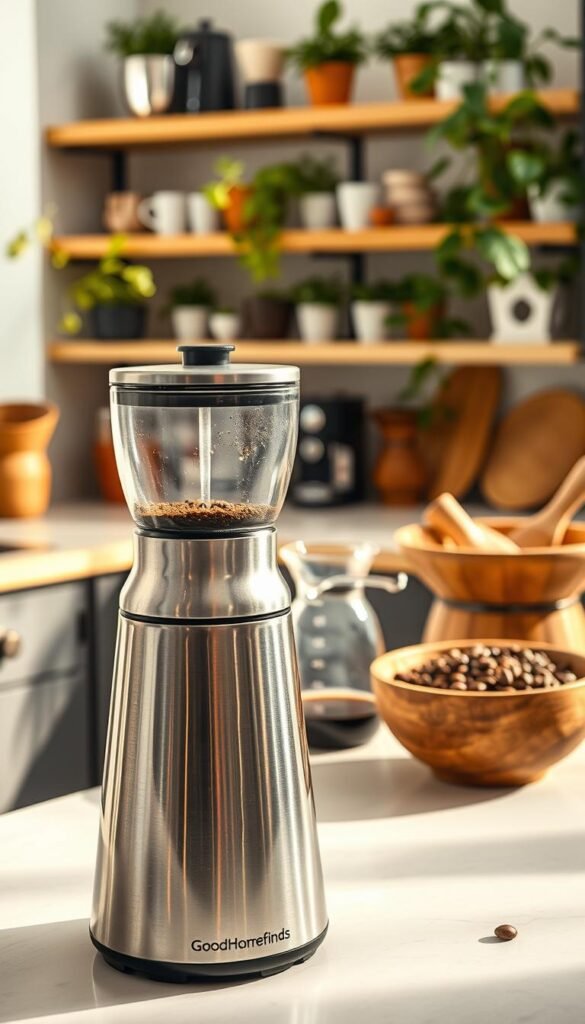
Grinders first: OXO Burr Grinder vs Breville Smart Grinder Pro
OXO Burr Grinder is one-button, budget-friendly, and reliable for regular use. Breville Smart Grinder Pro offers more grind settings and a premium build for people who want control.
| Model | Ease | Best for |
|---|---|---|
| OXO Burr | Very easy | Daily one-button use |
| Breville Smart | More dialed | Control and longevity |
Espresso, drip, milk, and mugs
Breville Bambino Plus heats fast with ThermoJet. It’s beginner-friendly, gives consistent espresso, and cleans quickly. Note the counter space and regular wand wiping.
Drip simplicity
Ratio Six is one-button brewing into a thermal carafe. It’s an investment, but daily use is low friction and dependable.
Frothing and sipping
Instant Magic Milk Frother handles hot and cold plant milks and saves café trips for latte drinkers. Black coffee fans can skip it to save space.
Ember Mug keeps your cup at the right temperature for hours. It’s worth it if you sip slowly or work from home.
Daily care: empty grounds, wipe steam wands, descale on schedule, and clean frother parts after each use to keep these products working for years.
Ice, drinks, and entertaining upgrades for small spaces
Deciding between a freestanding ice maker and a set of molds starts with how often you host. Ice is a luxury gadget for many. It can add fuss, heat, and noise in a small home.

Nugget ice at home: GE Profile Opal 2.0
Why it’s appealing: nugget ice delivers a chewable, cocktail-friendly texture that guests notice. PCMag calls its output “good ice.”
Trade-offs: the Opal has a noticeable footprint, runs periodically (adding heat), and needs regular cleaning. It’s fun daily, but it demands counter or storage space.
Renter-friendly workaround: Lekue Ice Box and sphere molds
This combo uses freezer space, not a machine. Lekue’s bin stores gem-shaped cubes. Sphere molds give slow-melting cocktail ice. It’s inexpensive, stackable, and low-maintenance.
Soft-serve for parties: Cuisinart Mix-it-in
The Mix-it-in makes soft serve in ~20 minutes and is great for occasional entertaining. It is bulky, needs clean-up, and wastes storage if you rarely host.
| Option | Best for | Small-space note |
|---|---|---|
| GE Profile Opal 2.0 | Daily nugget ice | High footprint, regular cleaning |
| Lekue + sphere molds | Infrequent hosts | Uses freezer; stackable |
| Cuisinart Mix-it-in | Occasional dessert parties | Bulky; seasonal use |
Quick skip-it rule: if you entertain fewer than twice a year, molds win. Choose stackable designs and bins over single‑use appliances when you want value and minimal clutter.
Cleaning, trash, and kitchen hygiene tech that actually helps
Cleanup-oriented gear often delivers the biggest everyday return on counter or drawer space. Focus on items that cut mess, reduce waste, and make daily cleanup faster.
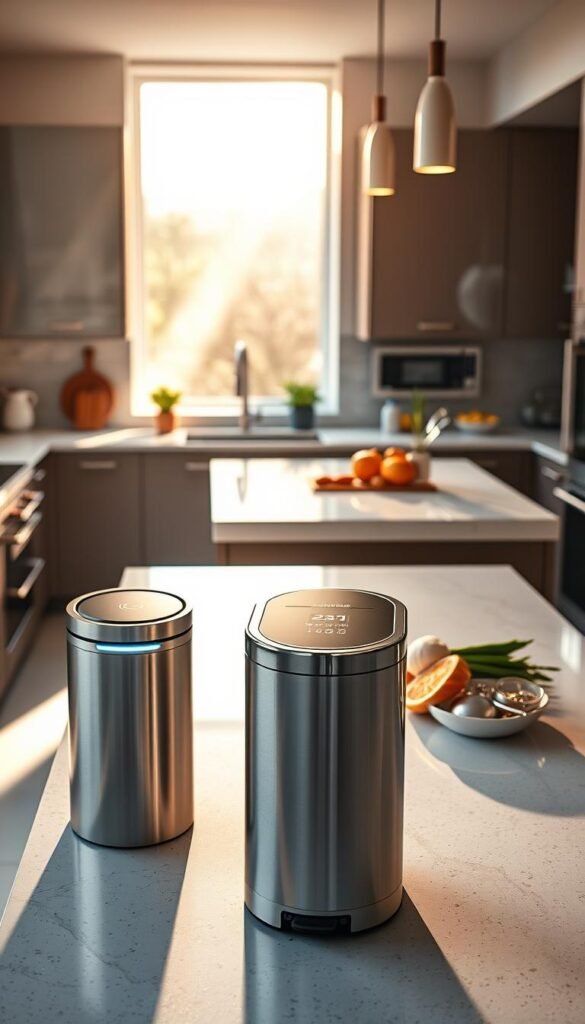
Hands-free trash handling
SimpleHuman dual-compartment sensor can gives you one side for trash and one for recycling. It is hands-free, which helps keep germs off your hands and improves recycling habits.
Pros: cleaner counters, faster sorting, voice response per PCMag. Cons: higher cost, larger footprint, and battery or power needs.
Grease management
Talisman Designs bacon grease strainer traps hot oil and food bits so you don’t pour fats down the drain. Good Housekeeping notes it is dishwasher-safe and resists odors for months.
Place it near the stove. Empty and wash it regularly to avoid buildup and spills.
Small tools that reduce waste
Use a thin scraper spatula like Spatty Daddy to get every last bit from jars and pans. It saves money and prevents sticky containers from cluttering your bin.
- Placement tips: keep grease gadgets by the stove and the can where it won’t block walkways.
- Safety: handle hot grease with care and never pour fats into drains.
- Maintenance: wipe sensor areas, deodorize compartments, and run small parts in the dishwasher when safe.
Smart home basics that belong in the kitchen (and those that don’t)
Not every connected gadget belongs by the stove—pick ones that truly save time and cut steps in real life.
What smart is actually good for: timers, hands-free reminders, recipe guides, and quick calls while your hands are busy during cooking.
Kitchen command center: Google Nest Hub Max for timers, recipes, and calls
The Google Nest Hub Max works well as a single, visible hub. PCMag notes it excels at hands-free calls, YouTube tutorials, and music while you cook.
Practical wins: set multiple timers, follow step-by-step videos, and see call notifications without touching screens.
Drawbacks: it takes counter space and some people worry about mic or camera privacy. Review the settings before you set it up.
Voice/schedule coffee: GE Café Specialty Drip with Alexa/Google
The GE Café Specialty Drip links to Alexa or Google Home and the SmartHQ app. PCMag highlights scheduling for size, strength, and temp and its Gold Cup SCA certification.
Real value: schedule brew times, change strength remotely, and have a fresh pot when you wake up. Remember it’s still a physical unit you must clean.
Privacy and clutter check: when “smart” adds headaches
Smart can help, but it can also mean extra apps and devices to manage. Watch for flaky Wi‑Fi, notification overload, and abandoned products that lose support.
- Too many apps
- Unreliable Wi‑Fi
- Notification fatigue
- Devices that stop getting updates
| Product | Best use | Small-space note |
|---|---|---|
| Google Nest Hub Max | Timers, video recipes, hands‑free calls | Replace phone stand; one hub serves many tasks |
| GE Café Specialty Drip | Scheduled, adjustable coffee brewing | Useful if you brew daily; needs cleaning |
| Skip smart | When setup outweighs benefit | Avoid if it adds clutter or extra apps |
Small-space advice: avoid duplicate screens. One hub can replace a phone, timers, and a recipe stand.
Privacy basics: check mic and camera options and place devices where everyone in the home is comfortable.
Decide this way: if a smart product removes steps you do daily, it’s worth the setup and space. If it adds chores or clutter, skip it and save the counter for appliances you use every day.
Setup time: what it takes to go from unboxing to daily use
Getting a gadget from the box to daily use often takes more steps than you expect. Plan a little front-loaded effort and you’ll save more time later.

Five-minute setups
Some tools are truly ready fast. Wash parts, run a quick test, and pick a storage spot.
Examples: an OXO garlic press, a jar opener, and an instant-read thermometer. For each, rinse, confirm fit, and tuck it where you can grab it in one move.
Fifteen-minute setups
Medium-effort starts include an air fryer first run and dialing a coffee grinder. Clean the basket, run a 10‑minute heat cycle empty on the air fryer, then check controls.
For grinders, grind a small test batch and adjust settings until the grind matches your brew. This is the fastest way to get reliable use.
Longer setups
Some gear slows you down. Sous vide rigs, vacuum sealers, and smart appliances often need app pairing, firmware updates, and practice. Meater and GE Café may require Bluetooth or Wi‑Fi steps.
Expect more than 30 minutes if you include app setup and account creation. That upfront work pays off, but it is part of the unpack-to-process.
What to keep on the counter vs store away
Simple rule: anything you touch daily earns counter space. Weekly or occasional items live in a near cabinet.
Plan cords and outlets in small apartments. Keep heat-producing units away from tight corners and avoid trailing cables that trip. If setup means frequent reassembly, be honest: it may not be the right way for your routine.
| Item | Typical setup time | First steps | Quick note |
|---|---|---|---|
| Garlic press | 5 minutes | Rinse, test, store in drawer | One simple tool that speeds prep |
| Air fryer | 15 minutes | Wash basket, heat cycle, set presets | Run empty at first to burn off coatings |
| Coffee grinder | 10–15 minutes | Dial grind, test brews, adjust | Small tweaks change flavor fast |
| Sous vide / Smart appliance | 30+ minutes | Pair app, update firmware, test run | Hands-off cooks reward the effort |
Common mistakes that waste money, space, and patience
Buying without a plan is the fastest way to regret a purchase in a small home.
Buying too big for your kitchen and storage
The #1 regret is a good-performing unit that never fits where you live. If an appliance won’t slide into a cabinet or sit comfortably on a shelf, you’ll stop using it.
Measure counters and cupboards first. Think about where cords live and how often you’ll move the item.
Ignoring power draw and heat in small apartments
High power consumption can heat a small room and run up bills. Loud fans and motors also make apartments less comfortable.
Check wattage and read real-user notes on noise before you buy.
Overpaying for features you won’t use
Don’t pay for extra programs, smart modes, or accessories that live in a drawer. If you can’t name a weekly use, skip it.
Simple tools and reliable gadgets often beat bloated feature lists for daily life.
Ruinous cleaning and maintenance habits
Bad cleaning habits shorten life. Metal utensils and abrasive scouring ruin nonstick surfaces fast.
Storing wet lids and worn seals traps odors and weakens vacuum performance. Replace seals when you notice leaks.
A simple buying filter
If you can’t explain when you’ll use it weekly, don’t buy it. Match size to needs, protect finishes, and prioritize real-life use over fancy specs.
Conclusion
Conclusion
A practical buying plan begins by asking what gadget will save you time this week. Start small: an instant-read thermometer like the Thermapen ONE, a reliable oil sprayer, and a compact garlic press. These tools fix common problems and cut wasted food.
Next, add one workhorse. Pick an Instant Vortex with its square basket, a Vitamix 5200 blender, or an Instant Pot Pro. Choose by footprint, energy use, and real weekly use.
Care matters. Wipe seals, descale sous vide units like the Joule Turbo, and keep vacuum sealer parts clean. If a product doesn’t save time, reduce mess, or improve food every time, skip it.