You’re getting practical Amazon picks that earn their spot, not trendy clutter. I focus on items mostly under $25 that save you time and cut daily friction. Each pick has a quick real-life example, a price-value note, and honest pros and cons.
Think renter-friendly upgrades for your kitchen, room organization, and coffee rituals. I’ll point out when it’s worth the upgrade to a pricier item. Expect fast delivery options for U.S. shoppers and clear alternatives, including DIY swaps.
The goal is simple: less mess, faster cleaning, fewer repeat buys. You’ll see a short „why it’s useful / who it’s for / what to avoid“ framework for each item so you can decide fast.
Key Takeaways
- Practical picks under $25 with a few labeled upgrade options.
- Each item includes quick uses, pros/cons, and price-value notes.
- Choices favor Amazon availability and fast U.S. delivery.
- Focus on saving minutes daily to cut overall chores.
- Alternatives and DIY swaps offered so you’re not boxed in.
How we picked these home products for real everyday value
We started by testing everyday tools that actually cut minutes from chores and hold up in small spaces. The goal was clear: budget-first picks that work now, not tomorrow.
Budget rule and fast-delivery availability
Most items land under $25 at typical Amazon pricing. When a price drifts, we note a fair range so you know if a sale is worth it.
We prioritize items commonly in stock with Prime-style shipping so you’re not waiting weeks for basic gear.
Quality and safety checks before you add to cart
We look for clear build signals: thicker silicone over thin sheets, locking poles that hold, and zipper covers on laundry bags.
Safety filters matter. Check for UL listings on cords, correct cord gauge, indoor ratings, and verified water-filter certifications. Avoid misters that don’t list approved materials or chemical guidance.
What “worth it” looks like under $25
Worth it saves measurable time, cuts mess, prevents damage, or stops a repeat annoyance.
We lean on brand reputation and large-volume reviews when they matter, but we call out common failure points too. Simple designs often beat feature-packed ones in the same price band.
- Practical design notes: continuous misters with leak-proof nozzles, washable duster heads, and long-lasting Brita-style filters (a 2-pack can run about a year).
- Credibility signals: high review counts and strong ratings—think Bissell Little Green Machine-level approval—help validate value.
For more budget-tested picks and quick links, see our best practical products.
Useful home finds that actually earn their spot at home
I picked items that reduce friction in daily routines and show up on your weekly checklist.
This list delivers simple tools and small upgrades that solve everyday problems in a practical way. Everything here should be used weekly or at least monthly, not left in a drawer.
What to expect:
- Durable, renter-friendly picks with minimal setup.
- Clear real-life uses, cost notes, and alternatives.
- Practical items like a gap duster, mesh laundry bags, and a planner pad.

What we’re skipping
We avoid fragile viral gadgets and single-purpose gimmicks that look cool but add work. If an item sheds, scratches surfaces, or creates extra cleanup, it fails our test.
Expect reliable recommendations and a short „what to avoid“ for each pick. That way you won’t buy versions that wobble, leak, or overheat.
These products are aimed at people in small spaces. They save time, take little storage space, and make your place run smoother.
Cleaning the impossible gaps without moving furniture
A slim, bendable duster solves the crumbs and fur hiding under bulky appliances without you ever sliding heavy furniture. It slips under the fridge, bends around corners, and pulls out a surprising amount of debris in one pass.
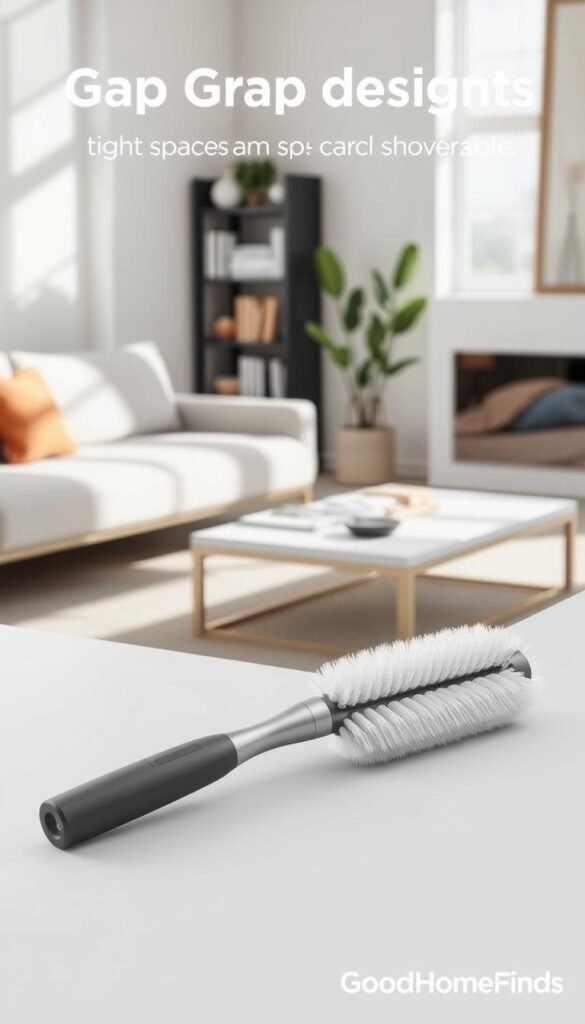
Flexible gap duster for under appliances and tight spaces
Why it works: the long, flexible head reaches under low-clearance appliances. A quick sweep often reveals pet hair and crumbs you didn’t know were there.
Why it’s useful
You can do a one-swipe sweep under the fridge and actually see what came out. That quick check reduces crumbs that attract pests and keeps floors cleaner between deep cleans.
Who it’s for
This is a practical pick for renters, pet owners, and anyone who avoids pulling out heavy appliances. It saves effort in small spaces and keeps fragile floors scratch-free.
Pros, cons, and price-value
- Pros: very cheap for the time saved; renter-friendly; compact storage.
- Cons: the pole can feel flimsy on budget models; replacement heads vary in durability.
- Price-value: most versions are under $25 and worth it if you value saved time.
What to avoid
Avoid microfiber heads that shed, telescoping poles that won’t lock, and thin plastic joints that twist under pressure. Those flaws cut cleaning effectiveness and shorten the tool’s life.
Alternatives and cheaper options
A low-cost option is wrapping a microfiber cloth around a ruler or dowel for a DIY gap cleaner. If your appliances sit very deep, consider longer-reach models as an upgrade.
| Feature | Budget Model | Durability | Best For |
|---|---|---|---|
| Flex head | $8–$15 | Moderate | Quick pets/fur pickup |
| Extendable pole | $10–$20 | Varies (check locks) | Renters, tall reach |
| Replacement heads | $5–$12 | High if washable | Long-term value |
Dusting fans, window frames, and tall shelves faster
Dusting high fans, trim, and top shelves no longer needs a shaky stool or a full ladder.
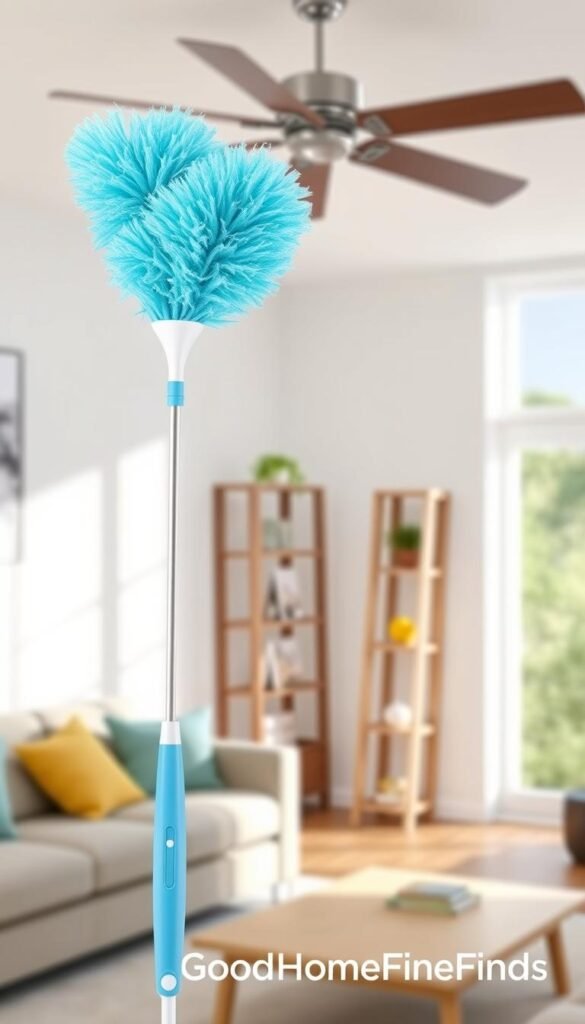
Ceiling fan microfiber duster with extendable pole
How it works: the microfiber wrap slips over a blade and cleans both sides in one motion. The head has an opening in the middle so you pull dust off without flipping the blade.
Why it’s useful
You reach corners, the tops of window frames, and door moldings quickly. That matters if dust triggers allergies or you hate the “dust snow” that falls when the fan runs.
„One sweep across a blade stops the visible fallout every time the fan turns on.“
Who it’s for
This is practical for small home renters, apartments with high ceilings, and allergy-prone households that want fast weekly maintenance.
Pros, cons, care, and what to avoid
- Pros: washable, reusable microfiber head; pole breaks down into five pieces for compact storage.
- Cons: pole can wobble when fully extended to 83 inches—buy a model with solid locks and avoid overextending if it flexes.
- Care: wash the head by hand or machine on gentle cycles and let air dry.
- Avoid: scratchy heads that mark painted trim and poles that won’t lock tight and collapse mid-swipe.
A spray bottle upgrade that makes chores and plant care easier
Swap the jerky sprayer for a continuous fine-mist bottle and you get smoother plant care and faster wipe-downs. This small upgrade changes a couple of daily tasks into a single motion you’ll actually keep doing.
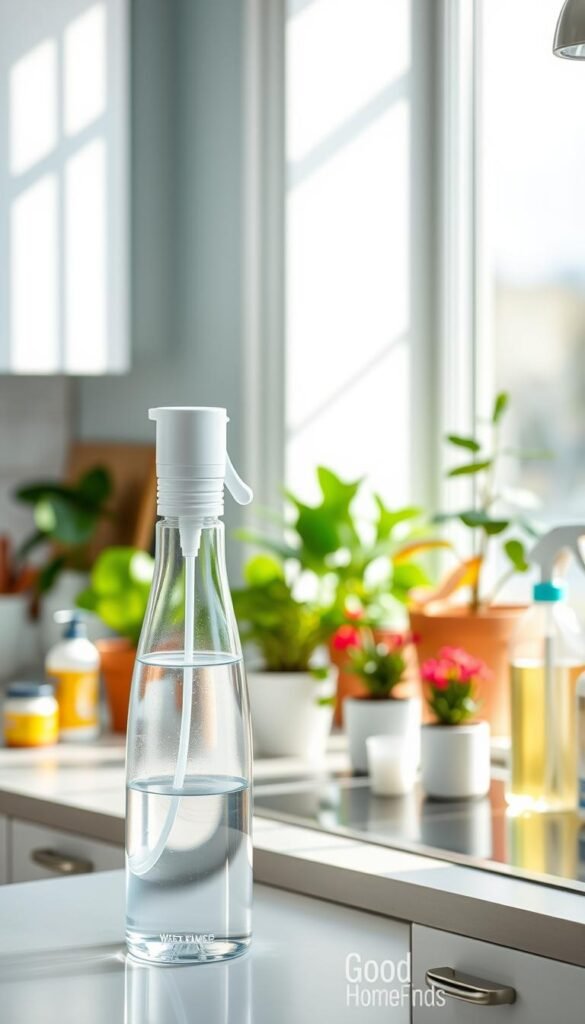
Continuous fine-mist spray bottle (plants, cleaning, light disinfecting)
The ultra-fine mist coats leaves evenly and wets a cloth without soaking the counter. That makes quick coffee-area wipes and light plant misting one easy step.
Who it’s for
This tool fits plant people, busy households, and anyone who cleans a little each day instead of staging big chores.
Pros, cons, and safety notes
- Pros: consistent spray at any angle; leak-proof triggers reduce drips.
- Cons: rinse regularly to avoid clogging; cheap plastic can crack.
- Safety: don’t put harsh chemicals in a mister unless it’s rated for them. Never mix cleaners. Label bottles if you switch liquids.
| Feature | Why it matters | Quick tip |
|---|---|---|
| Leak-proof trigger | Stops drips on a kitchen towel or wooden counter | Test empty before use |
| Fine mist | Even leaf coverage with less water | Great for window-side plants |
| Sturdy bottle | Longer life, less cracking | Choose thicker plastic |
Laundry helpers that save time and protect small items
A simple multi-size mesh pack changes how you handle delicates and tiny items in one wash.
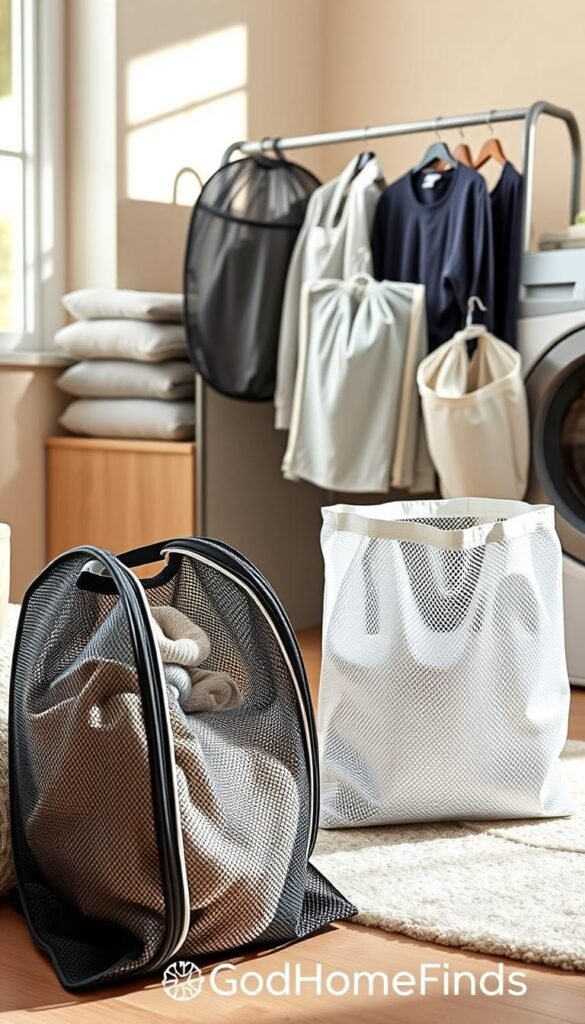
Why it matters
Small pieces go missing, straps tangle, and you waste minutes sorting wet loads. A multi-size set keeps socks paired and prevents delicate fabrics from snagging on zippers or buttons.
Real-life example
Drop all your hang-dry tops into a single bag before washing. Pull that bag out first and hang it. No hunting through a wet hamper. That saves you measurable time after each load.
Who this is for
This is practical for families, gym-clothes owners, and anyone who washes delicates often. It works in apartments and busy households where quick wins matter.
Pros, cons, and what to avoid
- Pros: prevents tangles; keeps socks paired; protects lightweight fabrics from abrasion.
- Cons: cheap zippers can pop open mid-wash and defeat the purpose.
- Avoid: coarse mesh that pills fabric, exposed metal zippers without protective flaps, and thin seams that split.
Quick alternatives
If you’re on a budget, start with one sturdy bag for delicates and build the set over time. Look for Amazon-listed multi-size pack options under $25 that include zipper flaps and varied dimensions for different items.
Kitchen counter protection that looks nice and costs little
A budget trivet set is cheap insurance for rented kitchens and well-loved tables. You get fast protection without a big spend.

Heat-safe trivets in a budget-friendly set
Why it matters: place a hot skillet or sheet pan down without worrying about heat rings or a warped table finish. Thick silicone or cork pads stop heat transfer and keep a finish intact.
Who this helps
This is for renters, small kitchen cooks, and anyone who uses cast iron or bakes often. Keep a pair on the counter so you can move hot pans straight to the serving area.
Quick real-life example
You host a last-minute brunch and need to clear a hot sheet pan from the stove. Set it on the trivet on the table and serve without pausing to cool. That small step prevents a costly repair deposit claim later.
Pros, cons, and what to avoid
- Pros: cute and functional sets look fine left out; protective and renter-friendly; good price-value for a pair like Resberg (set of 2).
- Cons: some sets are too small for extra-large pots; cheap ones can buckle under weight.
- Avoid: thin silicone that still transfers heat, slippery surfaces that let pans slide, and designs that stain and never look clean again.
„Think of trivets as cheap insurance for your table and counter—small pieces that save big headaches.“
Buying tips and alternatives
Look for thicker material and a stable shape so the trivet does not buckle. If budget is tight, buy one solid trivet first, then add a second to make a practical set over time.
| Feature | Why it matters | Price-range | Best for |
|---|---|---|---|
| Thick silicone or cork | Stops heat transfer, stable under weight | $8–$20 (set) | Cast iron, sheet pans |
| Non-slip base | Prevents sliding on table or counter | $6–$15 | Serving hot dishes |
| Larger size pieces | Fits big pots without overhang | $10–$25 | Family-style pans |
Small bathroom upgrades that reduce mess and last longer
A small change at the sink can stop daily grime from taking over your countertop. Bar soap that sits in pooled water turns to mush. That creates sink sludge you end up scrubbing every few days.
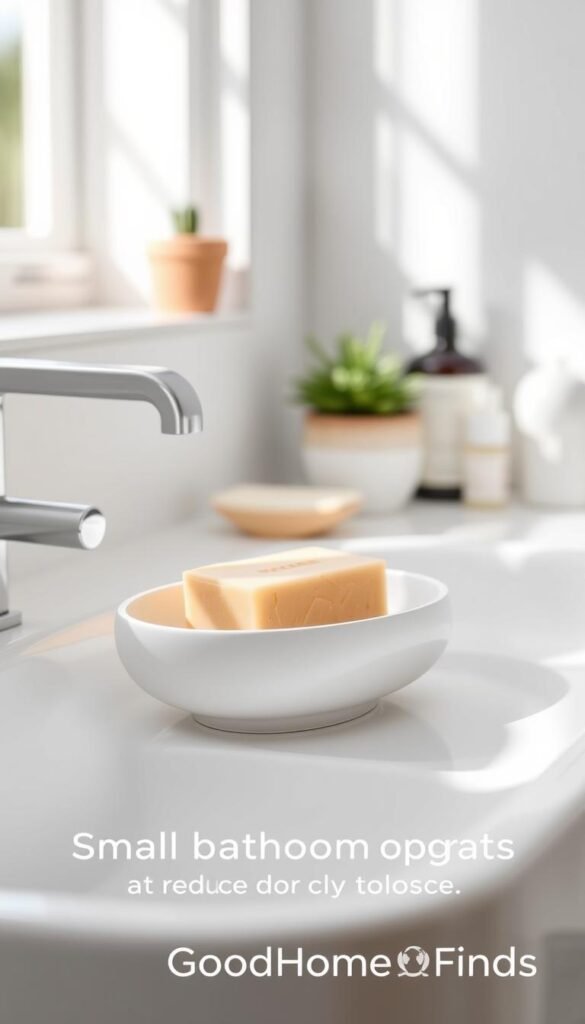
Choose a drainable ceramic soap dish that keeps the bar raised and lets excess water run off. The design keeps soap drier between uses and extends bar life. In practice, you wipe the sink once and move on instead of scraping softened soap off the dish.
Why it matters
Your soap lasts longer and the sink area stays cleaner. Less grime means fewer deep cleans and less wasted product.
Who this helps
This is a practical pick for bar-soap households, kids’ bathrooms, and guest baths where you want things tidy with minimal effort.
Pros, cons, and safety notes
- Pros: better drainage, neat presentation, and easy daily care.
- Cons: ceramic can chip or break if dropped on tile floors, so pick a stable shape and place it away from edges.
- Safety/quality: prefer thicker ceramic and a low center of gravity to reduce tipping when wet.
What to avoid
Avoid flat dishes that pool water, glossy bases that slip, and shallow trays that let soap sit in liquid. Those designs dissolve bars fast and increase sink mess.
„A drained dish turns a weekly chore into a quick wipe.“
Alternative: if breakability worries you, a silicone draining mat gives similar drainage with less risk of shattering and easier grip for a steadier hand.
A shower curtain that upgrades the room without a remodel
One well-chosen curtain gives an inexpensive refresh that reads like a mini-remodel. A heavyweight waffle fabric hides wear, adds texture, and brings a calm, hotel-style look without changing tiles or fixtures.
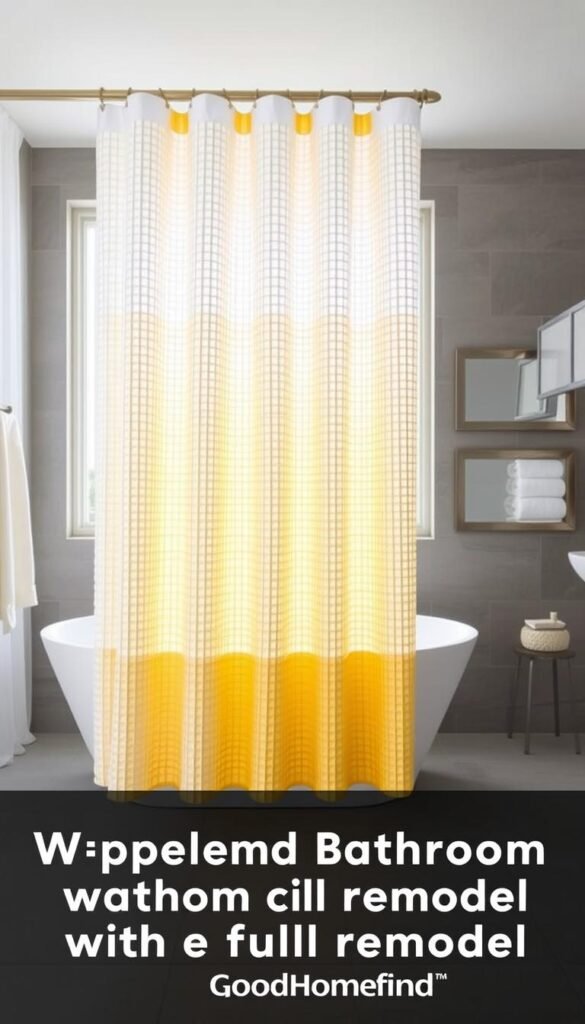
Heavyweight waffle shower curtain (machine washable)
Why it’s worth trying: models like the AmazerBath waffle curtain (about $16) are dense enough to drape well. Many bead water and grime so the fabric doesn’t go dingy between washes. Most are fully machine-washable.
Who it’s for
This pick fits renters, budget decorators, and anyone who wants quick hotel vibes without permanent changes. Swap the curtain and the room feels fresher right away.
What to avoid
Avoid fabrics that trap mildew, stay damp for hours, or demand dry-cleaning. Those add upkeep and defeat the point of a low-effort refresh.
- Practical tip: pair the curtain with a simple waterproof liner for better water control and easier washing.
- Quality check: reinforced top holes and a heavier fabric matter more than flashy patterns.
| Feature | Why it matters | Price-range |
|---|---|---|
| Heavyweight waffle | Better drape, hides wear | $12–$25 |
| Machine washable | Low maintenance | Most budget models |
| Reinforced grommets | Lasts longer with rings | Included on quality picks |
Safer, better-tasting tap water without installing a system
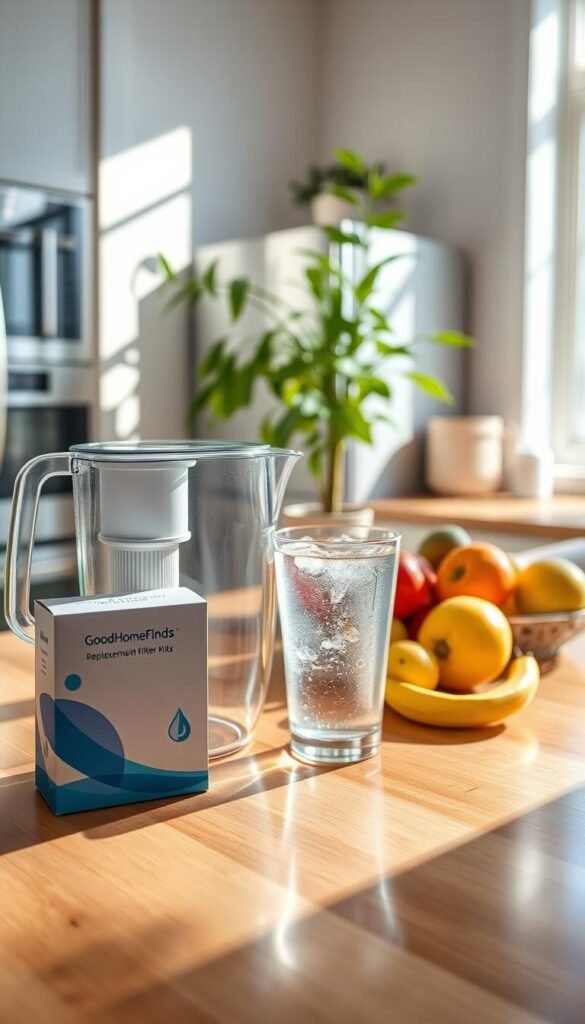
Swapping to long-lasting replacement filters for the pitcher you already own is the simplest way to upgrade your tap water. You don’t need a whole system—just a better replacement part that fits your pitcher and is certified for the contaminants you care about.
Long-lasting water filter replacements for popular pitchers
Why it’s an easy upgrade: premium long-life filters, like Brita Longlast+/Elite-style options, reduce more contaminants and can remove up to 99% of lead in some tests. A two-pack often lasts about one year for a typical household and runs just under ~$35, though prices vary.
Why it’s useful
This change gives cleaner-tasting water with almost no extra effort. Replace the filter on schedule and your coffee will taste clearer. You’ll likely cut bottled water buys and keep better everyday hydration without extra installs.
Who it’s for
This is practical for families filling bottles daily, coffee drinkers who notice off flavors, and people dealing with strong-tasting city water.
Price-value and what to avoid
Price-value: long-life filters cost more up front but often pay off over one year because you replace them less often.
Avoid: off-brand cartridges without credible NSF/ANSI certifications or unclear fit claims. Filtration is not the place to gamble—stick with verified brands and exact pitcher compatibility.
Alternatives and quick notes
- Standard pitcher filters — cheaper per pack but replaced more often.
- Faucet-mounted filters — give on-demand filtered water if you want immediate flow without refilling a pitcher.
- Follow the manufacturer schedule exactly; overdue filters lose performance.
„A solid long-life replacement filter is the easiest, lowest-effort way to make your morning coffee taste better and stop buying single-use bottles.“
| Feature | Long-life filter | Standard filter | Faucet-mounted |
|---|---|---|---|
| Typical replacement interval | 6–12 months (2-pack ≈ 1 year) | 2–3 months | 3–6 months |
| Contaminant reduction | Higher (lead, chlorine, particulates) | Moderate (chlorine, taste) | Varies by model, often similar to pitcher |
| Upfront cost | Higher per filter, lower annual cost | Lower per filter, higher annual cost | Mid-range, installation needed |
| Best for | People who want low-maintenance, better-tasting water and stronger contaminant reduction | Budget-conscious users who replace filters frequently | Households wanting filtered water at the tap |
Power and outlet fixes that reduce daily friction
Tight spaces call for low-profile power solutions that stay flush behind furniture and cut clutter. A braided extension cord with a flat plug is the simple fix. It keeps a lamp, laptop, or small device within reach without moving your setup.
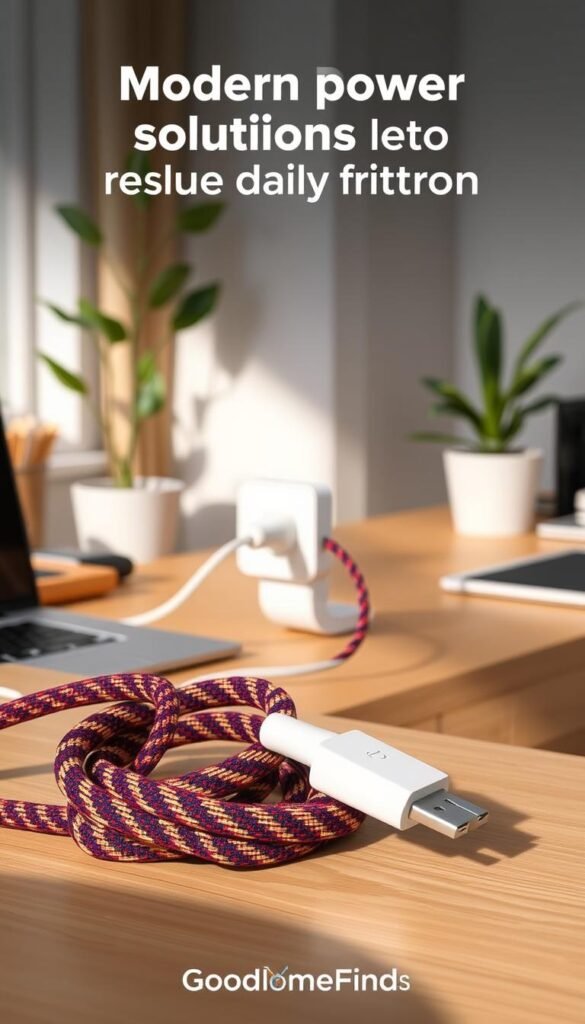
Braided extension cord with a flat plug for tight spaces
Why it helps: you stop running cords across walkways. That reduces trip hazards and gives a neater place to plug in items you use daily.
Who this is for
This is practical for small apartments, WFH corners, and behind-sofa setups where outlets sit awkwardly behind furniture.
Safety checklist
- UL listing: always choose cords with verified certification.
- Indoor rating: confirm the cord is for indoor use.
- Cord gauge: thicker gauge for higher loads; thin cords for lamps only.
- Surge vs. non-surge: decide if you need protection or just extra reach.
What to avoid: overloaded cords, daisy-chaining power strips, and cheap plugs that get hot or feel loose in the outlet. If you need multiple outlets, consider a quality power strip with a flat plug — but check load ratings first.
„A short braided cord with a flat plug often saves you time and keeps your space safer than improvising with long, thin cords.“
| Feature | When to pick it | Quick tip |
|---|---|---|
| Flat plug | Tight spaces behind furniture | Fits behind sofas without bending the cord |
| Braided jacket | High-traffic areas | More durable and less visible |
| Surge protection | For expensive electronics | Choose a listed surge model with joule rating |
For a quick read on safe power-strip practices, see these power strip safety tips.
Find energy vampires and lower your electric bill
A simple watt reader reveals which items in your apartment are silently adding dollars to the bill. Plug a monitor into the wall, then plug a device into the monitor. In minutes you see watts, voltage, and estimated cost.
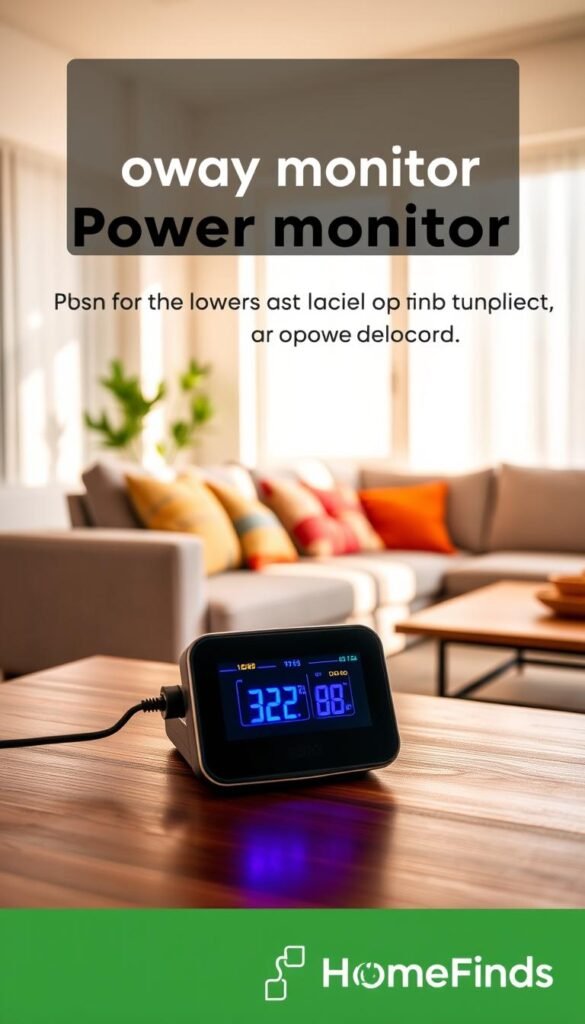
Plug-in electricity usage monitor for common household devices
Why it helps: many electronics draw standby power even when “off.” This meter makes that invisible drain obvious so you can act.
Who this is for
This is practical for budget-conscious households, renters who can’t replace appliances, and anyone sizing a small backup or solar system. Accurate numbers help you pick one device to unplug or prioritize for an upgrade.
Pros, cons, and safety notes
- Pros: eye-opening data that leads to real savings and better system sizing.
- Cons: the display and settings take a few minutes to learn.
- Safety/limits: choose models with clear watt and voltage limits and UL or equivalent listings.
What to avoid
Avoid monitors that don’t show watts, kWh, or cost estimates, or those with unclear voltage/watt limits. Confusing screens or missing specs reduce usefulness and risk inaccurate sizing for a backup system.
„Seeing standby draw in numbers is the fastest way to make a small, practical plan to cut bills.“
Buying tip: prioritize well-reviewed models with clear specs and a simple readout. For deeper reading on phantom load and practical action steps, see this short guide on vampire electricity.
Pet mess detection that helps you clean the spot you missed
A quick scan with a blacklight reveals dried pet stains that photos and daylight miss. That matters because odors often return when you treat only what you see, not what is actually left behind.
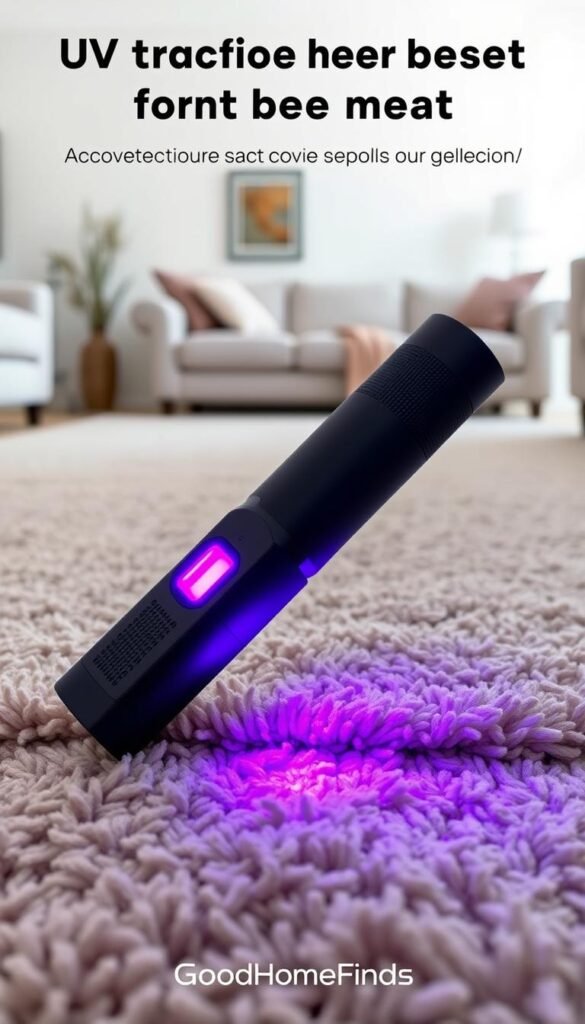
UV flashlight for finding dried urine stains on rugs and floors
What it does: a compact UV torch lights up hidden urine on rugs and on hardwood or tile floors so you can target the exact area with an enzyme cleaner.
Real-life example: you scan the living-room rug at night, find a faint spot near the couch edge, treat it once, and the smell doesn’t come back. That saves repeated scrubbing and guesswork.
Who this helps
This is for cat and dog owners, foster homes, and new pet parents. It’s also helpful for people checking a rental before move-out or inspecting an adopted pet’s space.
Pros, cons, and what to avoid
- Pros: inexpensive, easy to store, and effective at revealing hidden stains so you treat only the affected spot.
- Cons: works best in low light; you may need to turn off lamps or wait until evening for the best contrast.
- Avoid: flimsy lights with weak output or poor build that die quickly when you need them most.
Safety and quality notes
Don’t shine the light in your eye. Choose a model with a durable housing and a common battery type you can replace or recharge. Prefer units with clear wavelength specs (around 365–395 nm) for stain detection.
„A small UV torch makes one targeted treatment far more effective than repeated full-area scrubs.“
| Feature | Why it matters | Quick tip |
|---|---|---|
| Output wavelength | Controls stain contrast | Pick 365–395 nm for best results |
| Housing | Durability for frequent use | Aluminum or thick plastic resists drops |
| Battery type | Availability and run time | Choose rechargeable or AA/AAA for easy swaps |
Simple desk and kitchen planning that saves time all week
A simple paper pad on your desk turns weekly chaos into a clear plan everyone can see. Put it where you pass each day and the week stays visible without opening an app.

Weekly tear-off desk planner pad (letter-size)
What it is: a letter/A4 tear-off pad with about 50 pages. Each sheet shows the full week and has thick, durable paper that resists marker bleed.
Why it’s useful
You map meals, errands, and priorities in one place so you save time and avoid last-minute takeout runs. The letter size gives enough room to write short notes without crowding your desk or counter.
Real-life example
You jot five weekday dinners next to the grocery list, leave the pad on the kitchen table, and everyone knows the plan. That small habit cuts decision fatigue and keeps things on track all week.
Who it’s for
This low-tech system fits busy parents, students, and people who work from a small space. It’s renter-friendly and faster than toggling calendars mid-day.
What to avoid
Avoid tiny layouts with no room to write, thin paper that bleeds through markers, and pads that curl or tear poorly. Pick a reliable maker and a sturdy 50-page set so the pad lasts a year of weekly planning.
„A visible, letter-size planner makes the week obvious and keeps small tasks from slipping through the cracks.“
Alternative: if you want reusable options, a small whiteboard planner works, but paper is often faster for daily use.
Basic home repairs without borrowing tools
You don’t need a garage to handle routine repairs—one small kit does most of the work.
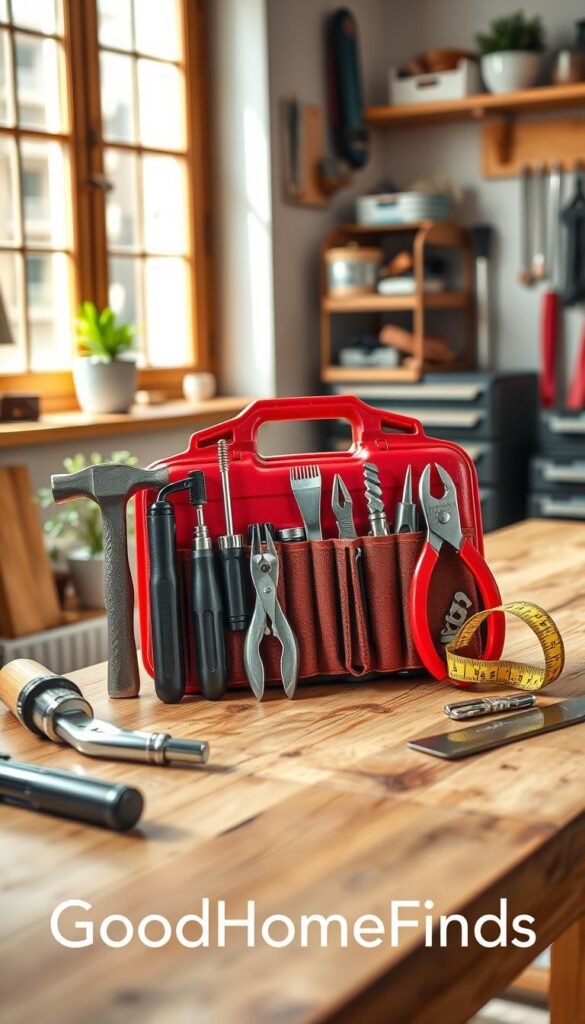
Compact household tool kit for quick fixes
What’s inside: a 106-piece set usually includes a hammer, level, tape measure, pliers, screwdrivers and bits, wrenches, scissors, a utility knife with SK5 blades, hex keys, flashlight, and a small hardware pack. The roomy bag has pockets and space to add a few extras.
Why it’s useful
Handle picture hanging, tighten cabinet pulls, and stabilize wobbly chairs in minutes. A quick assembly or tightening job becomes a five-minute task instead of a postponed chore you live with for years.
Who it’s for
This is ideal for first apartments, dorms, and new homeowners who need basic tools without building a workshop.
Pros, cons, and what to avoid
- Pros: convenience, compact storage, and everything in one bag so you stop borrowing tools.
- Cons: not for heavy construction or daily pro use.
- Avoid: kits with soft screwdriver bits that strip screws, flimsy pliers, or cases that fall apart and spill small pieces.
| Feature | Why it matters | Quick tip |
|---|---|---|
| Quality bits | Prevent stripped screws | Pick hardened steel bits |
| Sturdy bag | Keeps pieces organized | Look for pocketed canvas |
| Hand tools | Useful for most small jobs | Keep within arm’s reach |
For simple DIY guidance and small repairs you can handle, see a short guide to projects you can do yourself at DIY home repairs. For more small-space product ideas, check this curated list at small-space picks.
Decor-forward “useful home finds” that still solve a problem
A simple two-pack of light brown linen pillow covers refreshes a sofa or bed without new furniture. They offer an airy, neutral decor upgrade that still earns its place in daily life.

Neutral pillow covers in a two-pack for quick room refreshes
This pack includes two washable covers with a back zipper. Swap them in minutes to change the look before guests arrive. They also protect inserts and cut laundry hassle for pet owners.
Why it’s useful
Washable and renter-friendly: easy to clean after spills or pet hair. The covers keep your pillows fresh without replacing bulky furniture.
Who it’s for
Renters, seasonal decorators, and pet owners who want replaceable layers. If you like switching style fast, this is a low-risk update.
- Fit/size note: measure your inserts in inches so the covers fit snug and don’t sag.
- What to avoid: delicate fabric if you swap inserts often, weak zippers, and thin seams that split.
- Alternative: choose a thicker cotton canvas cover if you need something tougher for daily use.
„Two covers change a tired couch into a clean, pulled-together space in minutes.“
When spending more makes sense (optional upgrades and top alternatives)
Some purchases are worth the extra cash when they solve recurring problems. These are optional upgrades you should consider if you’ll use them often, have room to store them, and can return them if they don’t fit your routine.
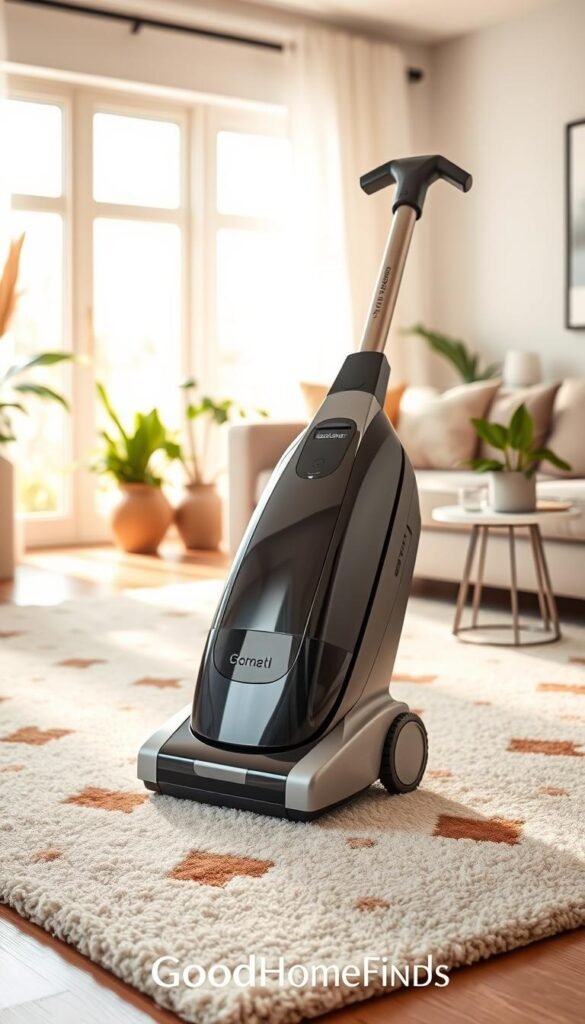
Portable upholstery and carpet spot cleaner
Why consider it: a compact spot machine cleans embedded stains on rugs and upholstery faster than sprays and scrubbing alone.
Example: the Bissell Little Green Machine is a popular portable machine with ~4.5/5 average ratings and 80,000+ reviews. You often see surprising gunk in the holding tank after one couch cushion session.
Who should upgrade: pet owners, households with kids, or anyone with light-colored rugs that get frequent spots.
Frozen fruit dessert maker
This maker is a fun option for healthier treats. Most models run around $49.87+ and offer dishwasher-safe parts that fit on the top rack.
Why you might pay more: if you make smoothies or sorbets weekly, the convenience and machine parts that clean easily justify the cost.
Portable hard drive and laptop power bank
External storage and a laptop power bank are sensible buys if you’ve lost files or need reliable power during outages. These items usually cost well over $25 but protect photos and keep a laptop working through travel or short blackouts.
„High review counts and steady ratings help show which machines and makers actually last—but storage and upkeep still matter.“
How to decide
- Frequency: weekly use makes higher cost worth it; yearly use does not.
- Space: measure where it will live in your small space before buying.
- Return policy: prefer sellers with easy returns if the piece is bulky or noisy.
| Upgrade | Typical price | Best for | Cheaper alternative |
|---|---|---|---|
| Spot cleaner machine | $80–$150 | Pets, frequent carpet stains | Stain spray + stiff brush |
| Frozen fruit maker | $50–$120 | Weekly healthy desserts | Frozen fruit blender or homemade sorbet |
| Portable hard drive / power bank | $40–$150+ | File backups, outage readiness | Cloud backup or charging hub |
Quick tips: if you’re unsure, rent or borrow the machine once. For buying guidance and a comparison of storage options, see this storage cheap vs premium resource.
Conclusion
Focus on a few sturdy tools that actually change how your daily routine flows. Choose products and items that cut real chores. Favor things that save you time and fit your space.
Pick by pain points: cleaning, clutter, laundry, water taste, or simple repairs. Buy one solid tool that works instead of three gimmicks that fail. Check certifications and limits for power cords and filters to stay safe.
Start small. Try two or three upgrades this week (gap duster, mesh bags, a flat-plug cord) and build from there. Make a short daily reset—wipe counters, plan coffee and meals, sort one laundry load—to see the benefit fast.
For tips on closing well, read an effective conclusions guide. For transparency on recommendations, see our affiliate disclosure.