Stop buying clever gadgets that look fun online but fail in real life. This guide shows a practical, renter-friendly way to tell trending picks apart from items that save you real time and hassle.
You’ll find mostly Amazon-friendly picks under $25. Each item is chosen for daily use, small-space homes, and quick payback through fewer steps and less mess.
I’ll give clear pros and cons, simple buyer guidance, and safety checks so you avoid weak adhesives, chemical smells, flimsy plastics near heat, and sharp edges.
Expect short, actionable checks: cost-per-use math, break-even week, who benefits, and what to avoid. Use a smart-filters, not-hype system to shop fast even when a product has thousands of reviews.
By the end you’ll have a compact checklist to reuse as trends change. This helps you spend less time dealing with returns and more time on things that actually work for people in real life.
Key Takeaways
- Learn to separate trending items from ones that save real time and effort.
- Most recommended picks are budget-friendly and renter-safe, under $25.
- Use cost-per-use and break-even week to judge value quickly.
- Check for common Amazon traps: adhesives, smells, flimsy plastics, and edges.
- Follow a „smart filters, not hype“ mindset to decide fast.
- Keep the build-your-own checklist for confident future buys.
What “viral vs useful” really means when you’re shopping on Amazon
A quick, repeatable way helps you buy less junk and keep things that actually save you time.
Define the terms: call something „viral“ if it spreads fast online. Call it „useful“ if it still reduces steps after weeks of daily use.
10-second decision test
Before you buy, ask three quick questions:
- Does it reduce steps?
- Does it cut mess?
- Does it stop a repeat problem you face every week?
Under-$25 price-value check
Do simple math: price ÷ expected uses = cost per use. Then set a break-even week: how fast does it repay the space it takes?
Factor returns into value. Cheap items that get returned a lot cost you time. Use Amazon filters—recent reviews and „frequently returned“ flags—to avoid one-week hits in the online world.
Real-life example: a $10 tool that saves two minutes a day pays back in under a month. That often beats a $20 gadget that helps only once a month.
For curated, renter-friendly budget picks, check a short list of tested finds: best Amazon finds under $25.
Why “viral” isn’t always bad: a quick reality check from virus research
Science gives a tidy shopping lesson: spread alone does not equal harm. A clear, short view of how tiny systems work helps you build better buying filters.

Viruses, hosts, and the immune system
Not every virus causes damage. Many live on and in humans without causing diseases.
The immune system acts like a household filter. It keeps many cells and agents in check. That idea maps to your buyer checks: recent reviews, materials, and return options.
Bacteriophages vs bacteria: targeted helpers
Phages are viruses that attack bacteria and ignore plants and animals. Félix d’Hérelle noted this after seeing phages kill bacteria in survivors’ samples years ago.
„In 1919 he used phages to stop typhoid in chickens and later tested a phage mix himself before treating a boy with dysentery.“
That story shows how a targeted agent fixed a clear infection problem when other options failed. It’s a neat analogy for products that solve one real chore.
What the human virome teaches about filters, not fear
Modern research finds roughly 380 trillion viruses living with us. Many coexist with no trouble.
Practical point: systems work better with smart filters, not hype. Treat social spread like data. Use your own immune-like checks—recent reviews, materials, and returnability—before buying.
Kitchen time-savers that actually earn counter space
Small, practical tools can shave minutes from your routine and earn their spot on the counter. These picks are renter-friendly, budget minded, and built to do one job well. Read each quick entry to see who benefits and what to avoid.
Clip-on silicone strainer
Why it helps: Drains pasta or rinses veggies without a bulky colander.
- Who: Small kitchens, dorms, renters with limited storage.
- Real life: Clip to a pot, tip water, and you’re done in one move.
- What to avoid: Thin silicone at clip points, low heat rating, and claims that one size fits all.
- Pros/Cons: Fast and compact; may not fit thick-lip cookware.
Digital meat thermometer
Why it helps: Checks doneness faster than guessing and protects protein from overcooking.
- Who: Meal preppers and busy weeknight cooks.
- Real life: Verify chicken thighs in 3 seconds instead of cutting and losing juices.
- What to avoid: Short probes, cheap plastic probes, unclear temperature range.
- Pros/Cons: Speed and safety; needs batteries and occasional calibration.
Bench scraper
Why it helps: Scoops chopped ingredients, portions dough, and clears counters in one swipe.
- Who: Home bakers and cooks who prep on the counter.
- Real life: One pass clears sticky flour instead of multiple towel wipes.
- What to avoid: Thin metal that bends, rough unfinished edges, or handles that trap food.
- Pros/Cons: Durable stainless saves time; cheap bendy versions fail after months or years.
Magnetic measuring spoons
Why it helps: Keeps sets together and reduces drawer chaos in small kitchens.
- Who: Anyone tired of hunting for the 1/2 tsp.
- Real life: Scoop spices fast when timing matters in dinner prep.
- What to avoid: Weak magnets or paint that chips off with washing.
- Pros/Cons: Organized and quick; some cheap sets lose magnet strength.
For more tested, renter-friendly daily picks that save real time, see this short list of daily-life picks.
Food storage that prevents waste instead of creating clutter
A single, durable set of containers can save time and free up space in a small kitchen. Pick one glass meal-prep set and build a compact system that keeps food fresh and reduces mystery smells.
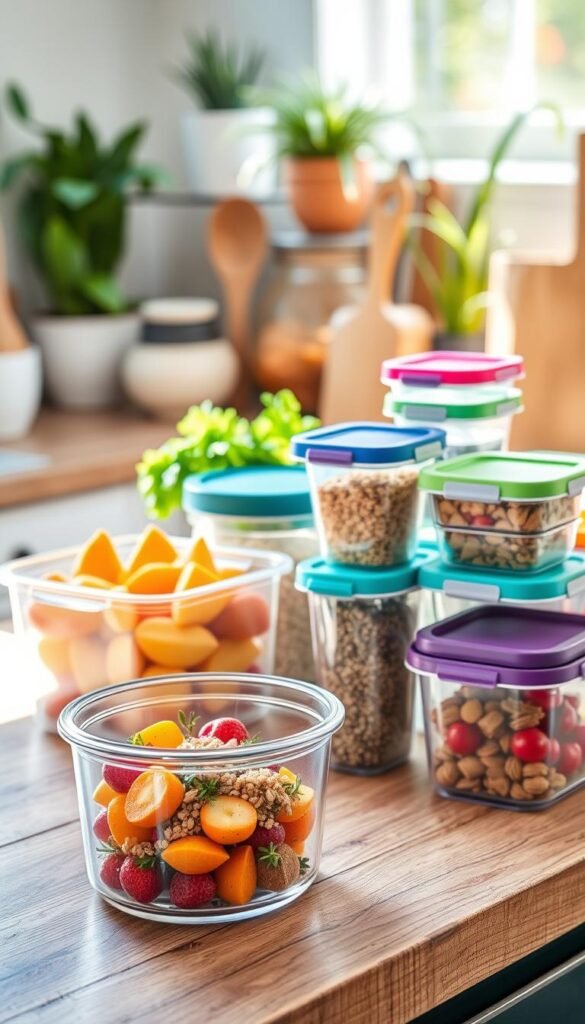
Glass meal-prep containers (single set)
Why it matters: Glass resists stains and lingering smells better than plastic. Leftovers taste fresher and you avoid the „mystery curry“ problem.
Who: Meal preppers and anyone who reheats in the oven or microwave.
Pros: Clean taste, easy scrubbing, safe for freezer and oven. Cons: Heavier and breakable if dropped.
Avoid: Cheap lids that warp or leak. Choose sets with replaceable lids available on Amazon.
Reusable silicone stretch lids
Covers cut melon, odd bowls, and mixing bowls without hunting for the right lid. Stretch lids cut disposables and save a lot of space.
Who: Small-space kitchens and anyone cutting single fruits.
Avoid: Thin silicone with chemical smell or lids that slip off wet rims.
Bag sealer clips vs heat sealers
Clips are cheap, fast, and often pay for themselves in a week by stopping stale snacks. Heat sealers are for bulk buyers but add another device to store.
Alternative: Binder clips or labeled zipper bags for the lowest-cost option.
| Item | Best for | Quick pros/cons |
|---|---|---|
| Glass containers (single set) | Meal preppers, reheating | Pro: no stains/smell. Con: heavier/breakable. |
| Silicone stretch lids | Odd bowls, cut fruit | Pro: flexible, compact. Con: cheap ones smell or slip. |
| Bag sealer clips | Snacks, frozen veg | Pro: cheap and fast. Con: can lose grip; replace as needed. |
| Heat sealer | Bulk buyers | Pro: airtight. Con: adds steps and takes space. |
Quick value math: a $20 glass set that prevents one throwaway meal per week pays back in ~5–6 weeks. For curated renter-friendly picks, see this short list of tested finds.
Cleaning tools that solve one annoying job well
A short kit of focused cleaning tools saves you time and keeps chemicals off surfaces. Pick items that do one task well. Cheap multi-function gadgets often add steps instead of removing them.
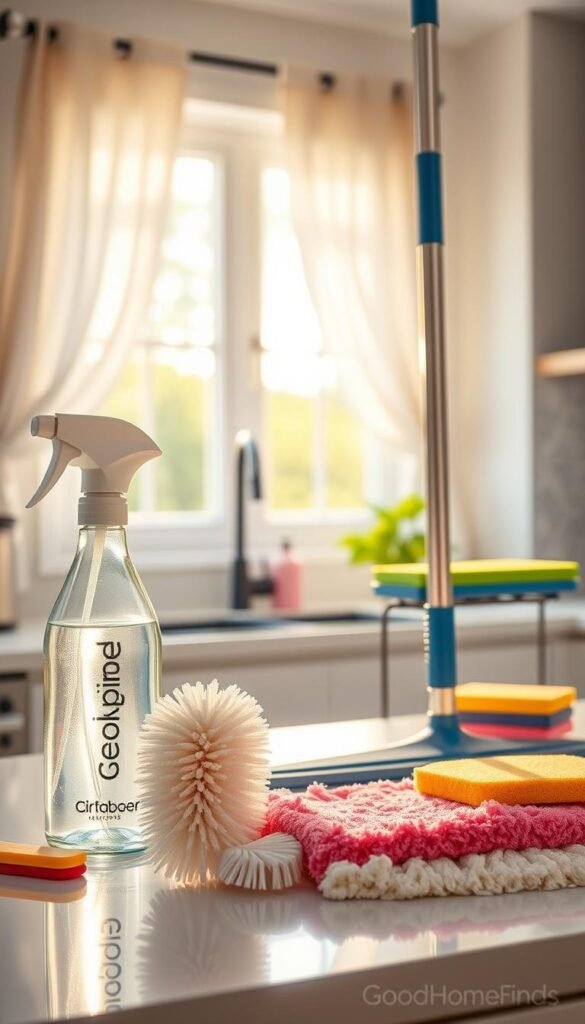
Microfiber cloth multipack
Why it helps: Microfiber lifts oil and dust from glass, stainless, and screens with just water. You cut sprays and wipe in fewer passes.
Who: Anyone who cleans mirrors, appliances, or devices weekly.
Check quality: avoid cloths that shed lint, have rough stitched edges, or feel waxy out of the bag. Poor finishing can smear and leave tiny fibers that mimic cells of dust and grime.
Dish wand with replaceable heads
Why it helps: A wand controls soap and reaches pans fast. Scrub right after cooking and you skip hardened messes.
Who: Busy households and shared kitchens. Avoid wands with leaky caps or hollow handles that trap water and grow bacteria.
Grout and detailing brush set
Why it helps: Thin brushes get corners, faucet bases, and stove crevices without harsh chemicals. They target spots where pathogens and bacteria hide.
Pros/Cons: Cheap and targeted; bristles will wear. Replace heads before they bend or splay.
Value tip: Build a small cleaning system of focused tools. This reduces chemical use and gives you simple ways to cut real cleaning time while limiting claims that one wipe destroys all pathogens.
Actually helpful “anti-bacteria” habits without gimmicks
A few low-cost routines cut the common kitchen bacteria problems you actually notice every week.

When bacteria is the real problem at home
Look for damp sponges, stained cutting boards, and sink edges that hold grime. These spots breed bacteria and cause repeat smells.
If you see recurring odor or slimy spots, treat it as a cleaning failure, not a product failure.
Affordable upgrades that actually work
Dishwasher-safe sponge holder: keeps scrubbers off wet surfaces so they dry fast. In real life, a sponge that dries stops smelling by day three.
Quick-dry racks: lift brushes and sponges so air circulates on all sides. They are cheap, renter-friendly, and low effort.
Low-effort routine and what to avoid
- Replace sponges often and run scrubbers through the dishwasher when you can.
- Wipe the sink dry at night to remove moisture where pathogens gather.
- Avoid products that claim medical-grade infection prevention or broad disease protection without proof. Marketing often blurs germs, viruses, and pathogens.
| Item | Who it helps | Why it works |
|---|---|---|
| Dishwasher-safe holder | Families, roommates | Keeps sponges dry; reduces bacteria growth |
| Quick-dry rack | Small kitchens | Air circulation for fast drying |
| Simple elevated rack | Budget shoppers | No purchase needed; flip sponge to air both sides |
Quick note: your immune system handles many microbes in daily life. Your goal is to cut obvious repeat problems with simple ways that improve health at home for you and other people.
Small home organization buys that save minutes every day
You can reclaim time by placing a few smart pieces where you reach for them most.

Painter’s tape + marker
Why it works: Fast labels that peel clean. You tag flour bins, freezer bags, or spice jars in ten seconds.
Who: Renters and people in small spaces who want quick, cheap order.
Pros: Cheap, flexible, no device to store. Cons: Not as polished as a label maker.
Under-sink adhesive hooks
Why it works: Hooks lift gloves, brushes, and cords off the floor so you stop digging and save daily minutes.
Check reviews for: adhesive strength, humidity performance, and notes like „fell off in a week“ or „left residue on painted surfaces.“
Drawer dividers that don’t slide
Real life: A fixed divider keeps measuring spoons from vanishing under spatulas.
What to avoid: dividers that shift, warp, or rely on weak springs. If delivery is slow, use small bins or shoebox trays as an easy alternative.
| Item | Best for | Quick pros/cons |
|---|---|---|
| Painter’s tape + marker | Labels, temporary tags | Pro: cheap and clean removal. Con: less polished. |
| Adhesive hooks | Gloves, brushes, cords | Pro: frees cabinet floor. Con: check adhesive life in reviews. |
| Drawer dividers / bins | Shared drawers, utensils | Pro: reduces search time. Con: some styles slide or warp. |
These small buys are a low-cost part of making a place feel calmer. Try one number of fixes at a time and pick the ways that fit your world and routine.
Cooking prep tools that reduce repetitive chopping and peeling
Fast, low-drama tools beat gimmicks when you need consistent results and easy cleanup. Pick items that speed common tasks and leave little to wash.

Handheld rotary grater: speed and cleanup trade-offs
Why it helps: A rotary grater shreds cheese or zucchini quickly and keeps your knuckles away from the blade.
Real life example: Taco night prep moves faster with fewer pauses to scrape a flat grater.
Cleanup reality: More parts mean more washing. If you dislike small pieces in the sink, skip it.
Who should buy: People who grate a lot and value speed. Who should skip: Anyone who hates washing tiny parts.
What to avoid: gears that jam, flimsy suction bases, and thin plastic drums. Look for solid assembly and easy disassembly.
Y-peeler and the multi-blade peelers
Why a Y-peeler wins: Simple, fast, and easy to rinse. It peels carrots and potatoes with fewer clog-ups than complex devices.
Multi-blade peelers and novelty gadgets add blades and steps. They can slow you down and are harder to store and clean.
Alternative: If you want one tool only, choose a quality Y-peeler and a small box grater. Both last for years and usually cost under $25.
| Tool | Best for | Pros | Cons |
|---|---|---|---|
| Handheld rotary grater | Frequent shredding | Fast, safe knuckle protection | More parts to wash; can jam |
| Y-peeler | Daily peeling | Simple, quick, easy rinse | Not for heavy shredding |
| Multi-blade peeler | Novelty gadgets | Multiple functions | Harder to clean and store |
These choices save real minutes in small kitchens. For a compact starter set, see the kitchen essentials mix that pairs a good peeler with a basic grater. You’ll find practical ways to cut prep time and avoid tools that add a lot of cleanup.
Heat, steam, and burn prevention: cheap safety wins in the kitchen
Small, budget safety upgrades stop the most common kitchen burns before they happen. These tools fit small spaces and save you time on the busiest nights.
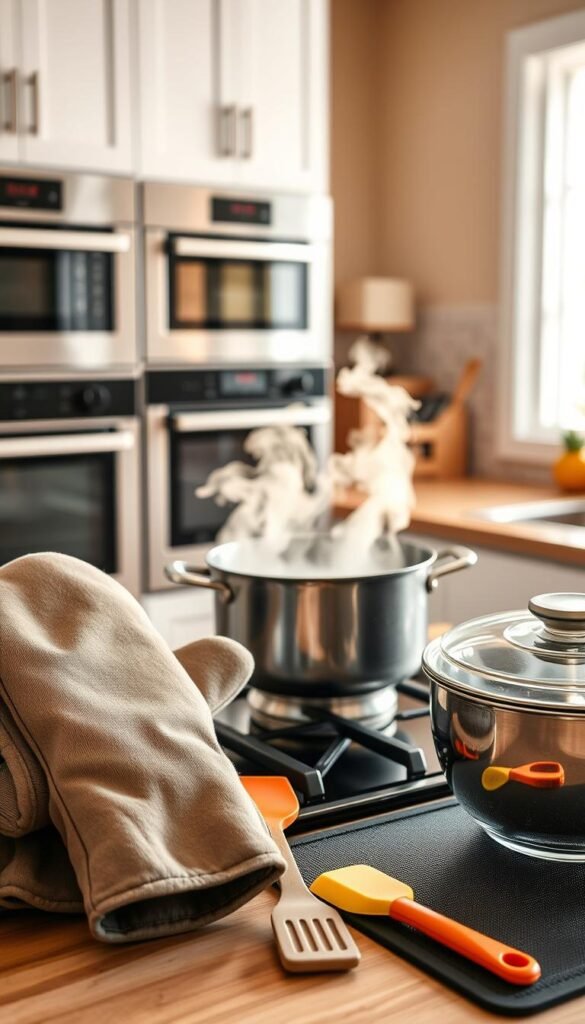
Silicone pinch mitts
Why it helps: A silicone pinch mitt gives a better grip on sheet pans than a thin towel. You transfer hot trays with fewer slips and less fumbling.
- Who: Anyone who bakes weekly or hosts a busy kitchen.
- Pros: Compact, hangable, and quick to reach.
- Cons: Less coverage than full mitts.
- Check: test for a clear heat rating and no chemical odor before you buy. Thin silicone transmits heat fast.
Stove knob and pan-handle covers
Why it helps: Covers stop accidental bumps and lower burn risk when kids or roommates move around the stove.
Who: Homes with children, shared kitchens, or any busy place where pans get nudged.
- Fit: pick covers that match your stove model; one-size claims are often wrong.
- Material: avoid plastics that sit too close to flames or hot burners.
What to avoid and a quick value tip
- Avoid strong chemical smells, unclear heat ratings, and flimsy plastics near heat.
- Skip guards that fit loosely or promise they work on every stove.
- Value tip: one prevented burn or a saved dropped pan repays the cost immediately. For more on practical kitchen safety, see kitchen safety basics.
Smart “set it and forget it” helpers for busy households
Small automation and simple storage cut daily friction so you reclaim minutes every week.
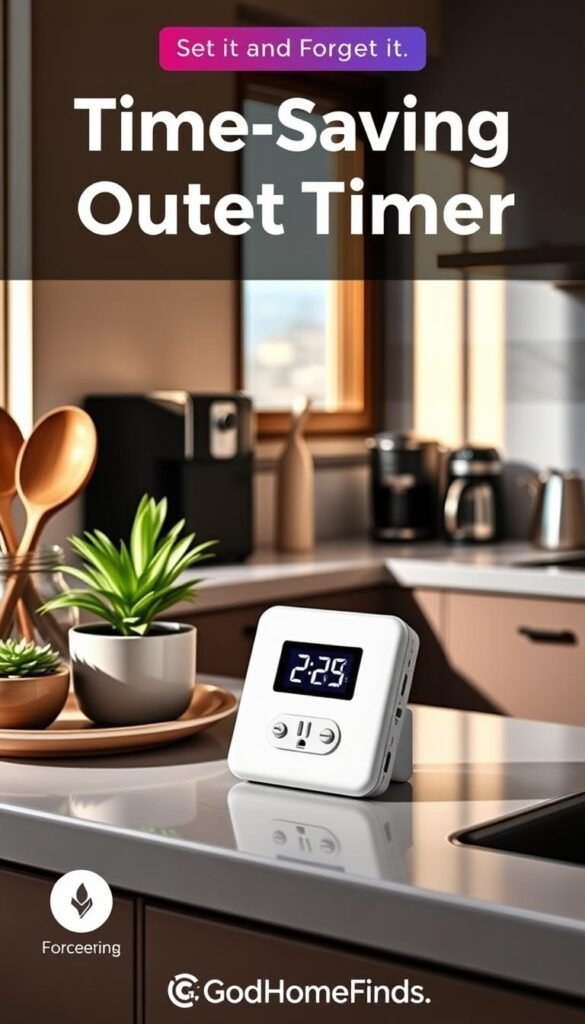
Outlet timer for lamps or small appliances
Why it helps: An outlet timer creates routines without apps. Set a lamp to come on before you arrive, or run a timer-compatible appliance on a schedule. This saves time and adds a layer of predictability to daily life.
Who it’s for: Busy households and renters who want a simple system for lighting and small devices.
Pros: Cheap, reliable, and often eligible for fast Amazon delivery. Cons: Requires correct setup and basic safety checks to avoid overloading circuits.
What to avoid: timers with flimsy plugs, unclear heat specs, confusing dials, or frequent reviews about overheating. Pick reputable listings and clear electrical ratings.
Battery organizer case
Why it helps: A clear case stops loose batteries from rolling around. You can see what’s charged at a glance and reduce leak surprises that ruin devices.
Who it’s for: People with remotes, mics, toys, and cameras who need quick access to power. It’s especially handy for content creators and families.
What to avoid: low-quality latches, no size labeling, or flimsy plastic that cracks after a few months.
Cheaper option: labeled zipper bags
Why it helps: Labeled zipper bags cost almost nothing and still keep AA, AAA, and 9V separated. They are a low-cost development that keeps batteries tidy and easy to find.
Cons: Less durable over years and not as protective as a hard case.
„Tiny, repeatable buys—timers and organizers—save accumulated minutes and reduce small daily hassles.“
| Item | Best for | Quick pros/cons |
|---|---|---|
| Outlet timer | Lighting routines, small appliances | Pro: predictable automation. Con: needs correct amperage match. |
| Battery organizer case | Creators, families, remote-heavy homes | Pro: clear visibility and protection. Con: cheaper cases crack. |
| Labeled zipper bags | Budget shoppers, temporary storage | Pro: ultra-cheap and flexible. Con: less durable long-term. |
Value note: These are true „set it and forget it“ picks. Small chunks of time saved add up faster than most novelty gadgets. Look for Prime fast delivery if you need the system in place by the end of the week.
Quality and safety checks before you click Buy Now
Quick checks on materials and recent reviews cut most bad buys before checkout. Think of this as a simple filter. It keeps popular listings from sneaking past real safety or durability issues.

Materials that matter
Run a fast materials check. Look for food-grade silicone on lids and mitts. Confirm BPA-free on food-contact plastics. For metal tools, check for stainless grade notes (304 or 18/8 are safe bets).
Red flags to watch in reviews
Scan recent comments only (last 3–6 months). Stop if reviewers report warping, a chemical smell, sharp edges, or weak adhesives. Those issues predict returns and safety risks.
Returnability and warranties
Protect $10–$25 buys by checking the return window and free-return policy. Favor listings that offer replacement lids or parts. Brands that list clear specs like heat rating and dishwasher-safe notes earn trust.
- Fast pre-buy checklist: material tag, recent reviews, clear specs, return terms.
- Prefer listings with photos in reviews showing the problem.
- Use Amazon filters for recent reviews and check „frequently returned“ notes.
Practical note: a simple filter beats hype. Like science and research that use controls to separate real effects from noise, your checks stop most bad outcomes before they arrive. For related shopping safety tips, see this safe stores guide and a short list of small-space finds.
How to shop Amazon for fast delivery without getting stuck with junk
Buying fast shouldn’t mean buying badly. You can use Prime speed as a convenience filter while still protecting your budget and space.

Filters that help
Start simple. Sort by Prime and then by recent reviews. Read 3-star comments first; they often list real-life downsides without drama.
- Check “frequently returned” warnings—these flag adhesives, fit claims, and thin silicone problems.
- Confirm dimensions in listing photos so you don’t get dollhouse-size containers or oversized organizers for your place.
- Favor proven designs over flashy mechanisms when you want to save time and avoid returns.
Value bundles vs cheap multipacks
Bundles can be a win for basics like microfiber packs. Multipacks are a trap when many pieces are low quality and sit unused.
„Use speed as one part of your process, not the whole plan.“
Keep a short „buy again“ list for items that work. Over time you’ll spend less time re-researching and more time enjoying a clutter-free world.
What to avoid: the most common hype patterns in viral home and kitchen products
A simple rule: if a gadget creates extra cleaning, more parts, or special storage, it costs more time than it saves.
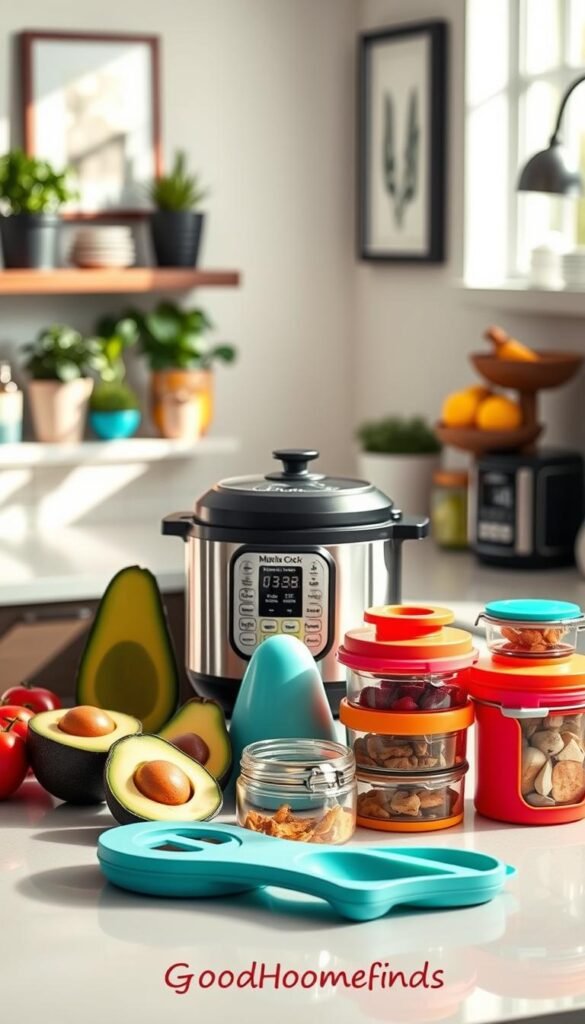
Overcomplicated gadgets that add steps
Look for devices that need frequent disassembly, special brushes, or tiny parts to dry. They often trade one quick task for many small chores.
Single-purpose tools you’ll use once a year
Ask whether a tool performs one seasonal task. If the same job can be done by a multi-use item, skip the novelty. A quality Y-peeler or bench scraper usually wins here.
“Too good to be true” cleaning claims
Red flag phrases: “eliminates 99.9%,” “medical-grade,” or broad statements that blur viruses, pathogens, and diseases. Your home needs habits and good tools, not miracle promises about infection prevention.
Unsafe shortcuts and knockoffs
Avoid untested chargers, mystery coatings, and thin glass that chips. Use reviews to confirm real failure modes: cracked lids, melted plastics near heat, snapped hinges, and sharp edges out of the box.
| Hype pattern | Red flags | Quick action |
|---|---|---|
| Overcomplicated gadgets | Many parts, special cleaning | Choose simple, dishwasher-safe tools |
| Single-purpose novelty | Used rarely, bulky storage | Pick multi-use alternatives |
| Miracle cleaning claims | Vague language, medical words | Favor routines and proven tools |
| Unsafe shortcuts | Knockoffs, unclear specs | Check recent photos and specs in reviews |
Practical tip: scan 3-star reviews and recent photos on Amazon. If it sounds miraculous in the listing, assume you’ll spend more time fixing it than using it. For a compact checklist of real fixes, see the kitchen problem mix.
Building your own “actually useful” list: match products to people and routines
Start from how you live, not what’s trending. List the chores you do most weeks. Note what wastes time, creates mess, or needs frequent replacement. That simple audit gives you a clear system to choose items that earn their spot.
For small kitchens, pick foldable, stackable, and multi-use items that save counter and cabinet space. A bench scraper, a clip-on strainer, and silicone pinch mitts are compact picks that pay back quickly.
For families
Focus on mess control and safety. Fast-dry sponge holders, stove knob covers, and durable containers stop repeat problems that steal your time. Choose dishwasher-safe parts and sturdy lids so things last years, not weeks.
For roommates
Use shared systems to prevent conflict. Drawer dividers, labeled zones, and under-sink hooks make items easy to find. Labels and a simple replacement rule cut “where did it go?” fights and save minutes every day.
For meal preppers
Prioritize reheating-friendly storage and clear labeling. Glass containers, painter’s tape labels, and stackable trays keep meals organized and reduce daily prep time. Pick tools that don’t add cleanup steps.

What to avoid: fragile glass in crowded sinks, weak adhesives in humid spots, and complicated gadgets that need multiple parts to use. If an item doesn’t break even in a few weeks of real use, skip it.
| Household type | Priority | Under-$25 examples |
|---|---|---|
| Small kitchens | Foldable, stackable, multi-use | Bench scraper; clip-on strainer; silicone pinch mitts |
| Families | Mess control & safety | Quick-dry sponge holder; knob covers; durable glass set (single) |
| Roommates | Shared organization | Drawer dividers; labeled zones; under-sink hooks |
| Meal preppers | Storage & reheating | Glass meal prep set; painter’s tape labels; stackable trays |
Practical next step: build your list by routine, not hype. Pick one or two items to try for a month. Track whether they save time and space. For a quick starter idea and tested picks you can buy now, check this short list of renter-friendly options at tested renter picks.
Conclusion
Conclusion
Good shopping uses filters, not hype. Ask whether an item saves you time, reduces mess, or ends a repeat problem. Use the value math: price ÷ expected uses and a short break-even week.
Pick plain, durable designs. Screen materials and recent reviews. Favor listings with clear return policies and fast delivery so you can test without risk.
Remember the science lesson: not every virus is harmful and targeted cases can deliver real results. Read about how researchers study good viruses for context at good viruses.
Start small: buy one or two starter items, track real use for weeks, then update your living „actually useful“ list. The best product is the one you use daily without thinking.