This roundup delivers practical gadgets and smart products for small apartments.
You’ll get choices that help daily life, not a perfect-desk fantasy. I focus on renter-friendly picks that fit tight desks, shared walls, and limited outlets.
Expect clear comparisons: budget vs premium, plus sections for space-limiting, low-noise, and call-heavy use cases. I flag pros and cons, setup effort, and what upkeep looks like over months.
“Worth it” here means fewer daily annoyances, safer power habits, and reliable compatibility with your computer and phone apps. I’ll also note energy draw and standby costs, since extra hours at your place add up.
This guide stays practical. You’ll see loudness, size, safety, and compatibility called out so you can shop fast and stay focused.
Key Takeaways
- Practical, renter-friendly picks that fit small spaces.
- Comparisons include budget vs premium and real use cases.
- Simple pros/cons, setup difficulty, and maintenance notes.
- Energy and standby costs are part of the decision.
- Focus on fewer annoyances and reliable compatibility.
Remote work is mainstream now, so your setup matters
You’re likely juggling a morning at the kitchen table, meetings at noon, and late tasks on the couch. In small apartments, that reality clashes with limited space, shared noise, and a single power strip.

What “work from wherever you are” looks like in real life
Concentrix calls it “work from wherever you are.” That includes online training, phone services, and live coaching. It means moving between seats, devices, and short bursts of focused time.
How the right tools support training, communication, and focus
For paid training or virtual learning you need reliable audio and a simple camera + light that keeps you present. For calls, clear voice and fewer dropouts matter more than flashy specs.
Practical gear also helps focus: a tidy desk, stable Wi‑Fi, and fewer cable tangles reduce friction on busy days.
- Optimize for space, noise, and safe power use.
- Favor gear that aids training and clear communication.
- Choose items that improve organization and reduce interruptions.
Real benefits you can expect from better work-from-home gear
Practical kit turns scattered minutes into solid hours you can actually protect. These are honest gains you notice in daily life, not marketing claims.
Fewer interruptions during calls and deep-focus blocks
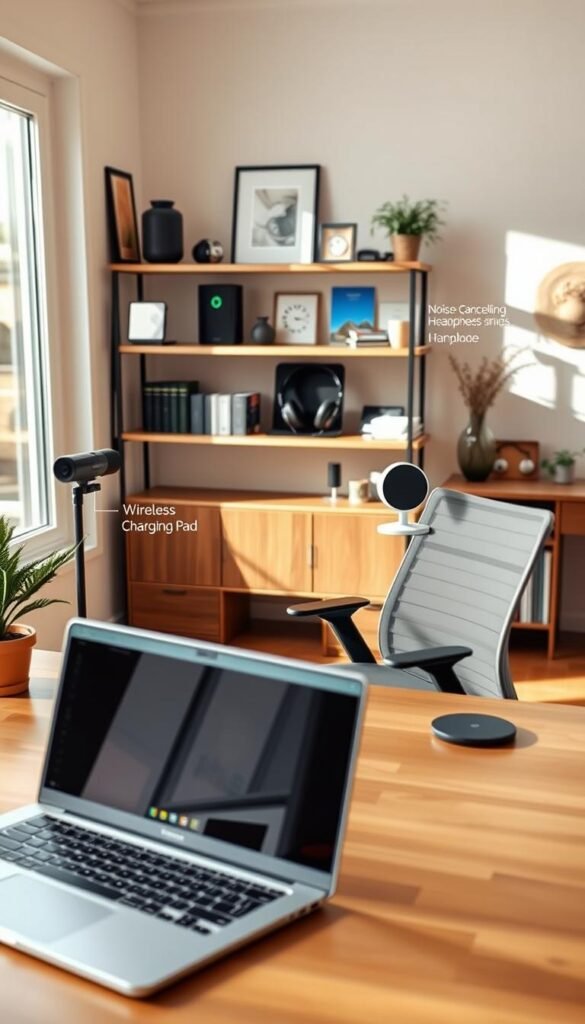
Better headsets, stable Wi‑Fi, and tidy cables reduce tiny pauses. That means less time spent reconnecting or repeating yourself.
Fewer glitches protect your focus windows. You stop trading deep hours for troubleshooting.
Lower energy waste and safer power habits in small spaces
Standby chargers and always-on adapters quietly add to bills. Unplugging or using smart plugs saves money and reduces waste.
Use fewer stacked adapters and get a proper surge protector. This lowers the risk of overheating and tripped breakers in tight apartments.
More comfort that helps you stay consistent over long hours
Ergonomic add-ons, better lighting, and simple airflow make long days less draining. They don’t promise instant productivity gains.
They make it easier to show up consistently. Gear removes avoidable friction so you can focus on the real tasks.
- Practical benefit: save small chunks of time every day.
- Safety benefit: fewer risky power setups in tight spaces.
- Comfort benefit: last longer through long hours with less fatigue.
Who needs this setup and who can keep it simple
Some roles need a more robust setup; others thrive with only a few smart upgrades. Identify your position by what causes the most daily friction: dropped calls, bad lighting, or unexpected resets.

Customer support and call-heavy positions
If your job is heavy on calls, bad audio hurts fast. Prioritize a reliable headset, mic clarity, and low-noise surroundings. These skills matter for clear customer interactions and training sessions.
Project leads and communicators
If you run meetings all day, camera presence and consistent lighting become practical necessities. A steady webcam angle and simple lighting fix most problems.
Developers, analysts, and design roles
Stability is the top priority for these people. Strong internet, an external monitor, and safe power stop lost work and mid-task resets.
- Quick self-check: if calls hurt, upgrade audio first.
- Meeting-heavy: invest in lighting and camera stability.
- Deep-focus roles: favor internet reliability and safe power.
| Role group | Top priority | Suggested gear level |
|---|---|---|
| Call-heavy support | Audio clarity, noise control | Headset + mic, quiet headset stand |
| Project managers | Camera presence, meeting stability | Webcam, light, simple tripod |
| Developers & analysts | Network reliability, power safety | Ethernet option, external monitor, surge protector |
Simple on purpose: if you only take a few calls per week, keep it basic and buy the one upgrade that removes daily pain. For budget picks, see best budget home gadgets.
How we picked this work from home tech for small apartments
A. Small apartments demand gear that solves real problems, not pieces meant for staged photos.
We filtered picks for energy, noise, space, safety, and cross-platform compatibility. The aim was practical: devices that behave well in tight layouts and shared rooms.

Energy and standby
Power efficiency mattered first. We favor devices that draw little idle power and stay cool during long use. That cuts bills and lowers fire risk.
Noise and distraction
Low noise is a must. Fans, chargers, and purifiers were tested for audible hums that show up in calls.
Space and routing
We picked tools that reduce clutter and fit narrow desks. Good cable routing and compact shapes matter more than extra features.
Safety and compatibility
We checked heat output, surge protection, and trip-hazard potential. We also confirmed systems support Windows, Mac, phones, and common video apps.
| Criterion | What we tested | Practical result |
|---|---|---|
| Energy | Idle draw, heat | Low-standby devices, cool operation |
| Noise | Decibel level in calls | Quiet models recommended |
| Space | Footprint, cable routing | Compact, renter-friendly picks |
| Safety | Surge, heat, trip risk | Quality surge protectors advised |
| Compatibility | OS and apps | Cross-platform certified |
Best work from home tech picks by budget and use case
Practical picks win here: gear that solves daily annoyances without taking over your apartment.

Best overall value kit for most people
What to buy: a reliable mesh or AC router, an LED monitor light bar, a comfy USB headset, and a quality surge protector.
What you gain: steadier calls, cleaner lighting, and safer power.
What you give up: you won’t get studio-grade audio or pro lighting. This is about fewer daily problems.
Premium upgrades for call-heavy days
What to buy: a comfort-first headset with active noise cancellation, a desktop condenser mic with pop filter, and bias-free soft lighting.
What you gain: clearer voice, less fatigue, and a more natural on-camera look.
What you give up: higher cost and occasional firmware updates or app setup.
Tiny-apartment picks when space is tight
What to buy: monitor light bar, compact USB‑C hub, wall-safe cable channels, and a vertical charging station.
What you gain: small footprint and tidy routes that don’t need drilling.
What you give up: fewer expansion ports and less flexibility for multiple monitors.
Low-noise choices for shared homes
What to buy: closed-back headsets or headsets with mic monitoring, low-DB fans or purifiers, and quiet mechanical or membrane peripherals.
What you gain: fewer interruptions and better call clarity when a roommate is nearby.
What you give up: heavier headsets or slightly reduced airflow if you choose very quiet fans.
- Alternatives: no room for a second monitor? Use a vertical split or a tablet as a second screen. No cable routing options? Rely on wireless charging and docking solutions.
- Buying tip: pay for fewer daily problems, not unneeded future-proofing.
| Kit | Core items | Noise | Space |
|---|---|---|---|
| Value kit | Router, light bar, USB headset, surge protector | Low | Moderate |
| Premium upgrades | ANC headset, desktop mic, softbox or diffused LED | Very low (calls) | Moderate to large |
| Tiny-apartment | Monitor light bar, USB‑C hub, vertical charger | Low | Minimal |
| Low-noise | Closed-back headset, quiet fan, silent keyboard | Very low | Small to moderate |
Core workstation essentials that deliver the biggest ROI
Choose staples that cut friction so your computer actually helps you do more. Focus on items that reduce interruptions, save small chunks of time, and fit a narrow desk.

Laptop vs desktop: what makes sense for your role and space
Laptop: saves space and moves easily. Good for a flexible role or if you share rooms. It keeps cables minimal and is renter-friendly.
Desktop: gives more sustained performance for long coding or design sessions. It runs cooler and is often easier to upgrade. Downsides: bigger footprint and more cables.
External monitor vs ultrawide: space vs productivity trade-off
Dual screens boost multitasking but can crowd a small desk. An ultrawide can replace two monitors and cut cables. Pick size by desk depth: if your desk is narrow, one 24–27″ monitor plus a laptop stand is the safest choice.
Keyboard and mouse upgrades that reduce fatigue without hype
Choose a keyboard with a gentle tilt and low-profile keys. Pick a mouse with a light click and a shape that fits your grip. These changes lower strain over long data, design, or development sessions.
Docking stations and USB hubs: fewer plug problems, cleaner desks
Dock or hub: one cable in, all peripherals connected. It speeds transitions between devices and keeps your desk tidy.
Maintenance: clean keyboard keycaps, replace worn mouse feet, and keep hubs ventilated so they don’t run hot. Small upkeep prevents big interruptions.
- Who benefits most: developers and analysts who need stable computer uptime.
- Space tip: use a laptop stand to gain vertical room and free desk space.
- ROI idea: pay for comfort and stability. You’ll recover time lost to resets and slow input.
Internet and Wi‑Fi upgrades for stable remote work
A steady connection matters more than the fanciest mic or camera. If your internet drops, calls stutter and files fail to sync. Fix connectivity first so other upgrades actually pay off.

When a mesh system helps and when it’s overkill
Mesh systems help when you have dead zones behind thick walls or a bedroom desk far from the modem. They spread signal evenly and reduce dropouts in multi-room layouts.
In a very small apartment, mesh can be overkill. Try better router placement or a single upgrade before adding extra nodes.
Ethernet without renovation: renter‑friendly options
- Use flat Ethernet tucked along baseboards.
- Secure runs with adhesive cable clips that remove cleanly.
- Run a short cable under a rug only if it won’t be a trip hazard.
These are low-impact, practical solutions that avoid drilling or permanent changes.
Where to place your router and basic maintenance
Put the router higher and more central. Keep it away from TVs, metal shelves, and cramped cupboards. A 10‑minute placement test often fixes poor signal.
Setup difficulty: placement = ~10 minutes; tidy Ethernet runs = half a day; mesh = more initial setup and occasional updates.
Maintenance: reboot on a schedule, install firmware updates, and watch for overheating if the unit sits in a tight shelf. For more renter-friendly fixes and gear ideas, see this home problem solver mix.
Video call gear that improves your “on-camera” experience
You want to be understood fast and look engaged, not filmed in a shadowy corner. Clear video and steady audio make meetings shorter and less awkward. That is the real goal.
Webcams: budget clarity vs premium low‑light performance
Budget webcams are fine if you have decent light. They give sharp video in bright rooms and use little setup time.
Pros: cheap, plug‑and‑play, good in daylight. Cons: noisy auto‑exposure and poor low‑light performance.
Premium webcams help in dim rooms and provide cleaner backgrounds. Choose these if calls are frequent and your lighting is limited.
Microphones: clearer voice without turning your desk into a studio
A small USB mic can sharpen your voice for listeners. It does add desk space and may catch room noise.
Simple win: a headset mic often beats a desk mic in small apartments. It keeps sound close to your mouth and reduces echo.
Headsets: comfort, mic quality, and awareness of your environment
Pick a headset that is comfy for long hours, has a reliable mute switch, and fits your need to hear the room. Closed cups block noise but can hide a knock on the door.
Call‑all‑day use: prioritize ANC and padding. Occasional calls: pick a light, budget model that sounds clear.
Noise and echo control with simple, non‑permanent fixes
Soft textiles cut echoes fast. Try a rug, curtains, or a throw behind your chair. Move the mic closer to your mouth to lower room pickup.
Confirm your gear plays well with common video apps and phone setups. Test audio levels after software updates so you don’t join a call sounding muffled.
| Item | Best for | Practical tip |
|---|---|---|
| Budget webcam | Bright rooms, occasional calls | Pair with a window or desk lamp |
| Premium webcam | Low light, daily video meetings | Use adjustable exposure and background blur |
| USB mic | Podcasts, clear vocal recording | Use a small stand and pop filter |
| Headset with boom mic | Call‑heavy roles in shared spaces | Check pad replacements and mute ergonomics |
Lighting that makes you look better and feel less tired
Good lighting eases eye strain and keeps your camera image natural across long hours. It is a comfort and clarity upgrade, not a cosmetic fix. Proper light reduces fatigue and makes meetings shorter because you spend less time adjusting exposure or repeating yourself.

Task lamp
Pros: flexible, cheap, and bright where you need it. A focused lamp improves document clarity and lowers eye strain.
Cons: it takes desk space and can cast harsh shadows if aimed poorly. Use a diffuser or place it slightly off to avoid glare.
Monitor light bar
Pros: frees surface area and prevents screen reflections. Great for narrow desks and long hours at your monitor.
Cons: it primarily lights your workspace and may not fully illuminate your face for video.
Ring light
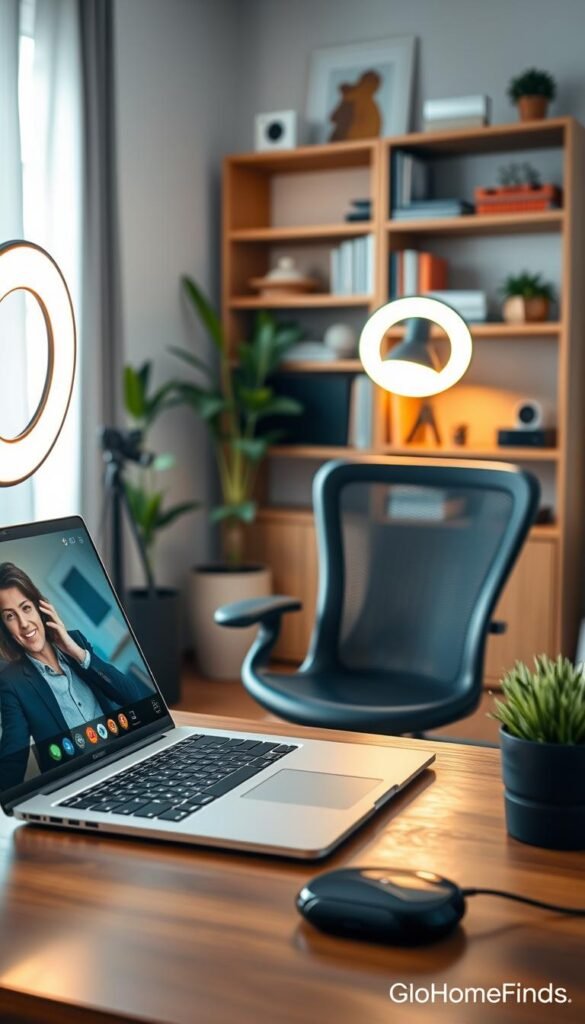
Pros: best for on‑camera clarity and even face lighting. Use it if you spend many hours on video calls.
Cons: feels bright, needs space, and can be overkill for occasional calls.
Energy-saving bulbs and placement
Focus on brightness and color temperature rather than fancy app features. Neutral to warm light reduces eye strain across the day. Choose LEDs with low energy draw and replace bulbs proactively.
- Place primary light in front of you, not behind a window.
- Wipe dust off shades and bars regularly.
- Avoid blocking vents on lights that run warm.
Power, charging, and cable control that’s safer and cleaner
A safe, simple power setup keeps devices happy and your bills lower. Start with a baseline: fewer overloaded outlets, no stacked adapters, and one good surge unit for critical equipment.

Surge protectors vs power strips
Surge protector = the safer pick for computers and monitors. It guards against voltage spikes that can fry expensive devices.
Power strip = OK for lamps or chargers. It expands access but does not protect against surges.
Smart plugs and standby power
Smart plugs help cut standby draw for routers and chargers. Use them for low-heat devices that idle overnight.
Don’t use smart plugs with heaters, large fans, or anything that can overheat when left unattended.
„A routine check of plugs and cords saves money and prevents fires.“
Charging stations and heat
Charging hubs reduce clutter but can trap heat if you stack phones and tablets. Choose models with vents and avoid tight drawers.
Renter-friendly cable management
- Removable adhesive clips for clean runs.
- Clamp-on under-desk trays that don’t need drilling.
- Velcro ties instead of zip ties to avoid damage.
| Problem | Best solution | Why it helps |
|---|---|---|
| Overloaded outlet | Quality surge protector | Protects devices and prevents damage |
| Standby power waste | Smart plug schedule | Saves money and reduces idle draw |
| Messy cables | Adhesive clips + under-desk tray | Reduces trip hazards and cleans a small space |
Maintenance tip: check cords monthly for warmth, frays, and loose connections. Small habits prevent expensive replacements and keep your space safe.
Small-apartment comfort tech that supports long workdays
Temperature and air quality directly shape how many productive hours you can get in a day. Comfort gear is about staying usable through long hours, not luxury. Good air and a steady room temp keep your focus and patience up during calls and tasks.

Fans and air purifiers: noise levels to watch during meetings
Pick units with low dB ratings. A noisy fan can ruin meeting audio even if your mic is good.
Practical tip: run stronger settings before and after meetings, and switch to quiet mode during calls. That saves distraction without losing air quality or comfort.
Space heaters: energy costs and safety precautions
Heaters are only worth it when you need heat in one small zone. They use significant energy, so expect higher bills if you run them for many hours.
Safety basics: keep heaters clear of curtains and rugs, never use an overloaded strip, and avoid leaving them unattended.
- Setup: mostly plug-and-place. Spend a few minutes on cord routing and stable placement.
- Maintenance: replace purifier filters on schedule and dust fan intakes so performance stays reliable.
- Real use case: pre-heat your area for 15–30 minutes before long calls to make the entire day more comfortable.
„Check filters and cords monthly. Small upkeep keeps devices running and energy costs lower.“
For renter-friendly comfort picks that balance noise and energy, see best practical home products.
Kitchen tech that saves time between meetings
Short gaps between calls are where the kitchen earns its keep. Treat small appliances as tools for five- to ten-minute breaks that actually restore focus. These products should be fast, low-mess, and quiet enough for shared spaces.

Electric kettle and compact coffee makers: fast, low-mess breaks
Electric kettles boil water in minutes and create minimal cleanup. Look for auto shutoff and boil-dry protection so you don’t risk accidents when rushing between hours of calls.
Compact coffee makers split into two camps: pod machines for convenience and quick cleanup, and small drip brewers that cost less per cup but need a bit more washing. Choose based on how many cups you drink each day.
Air fryer vs toaster oven: space, smell, and cleanup realities
The air fryer wins for fast, less-oily snacks and easy wipes. A toaster oven handles larger items and browning but can produce stronger smells in tiny apartments.
Practical tip: pick quieter models and wipe trays right after use to avoid lingering odors and extra cleaning time.
Mini rice cooker and meal prep helpers for quick lunches
A mini rice cooker gives consistent results and frees you for short breaks. Clean it promptly to avoid stuck-on starch.
Small meal prep gadgets save time across the day and can reduce food costs. But avoid leaving “keep warm” on for hours—it wastes energy and money.
- Who benefits: people with tight schedules and shared rooms.
- Buy tip: favor quiet, fast products that cut cleanup.
Cleaning gadgets that keep your workspace presentable
A tidy desk helps you focus and keeps the video background tidy during calls. In small apartments, visible clutter and crumbs distract you and other people on camera. Cleaning products and small devices let you fix that fast.

Robot vacuum vs stick vacuum
Robot: saves you time but needs floor prep. It can be noisy and may miss corners. Empty the bin and wipe sensors weekly so it keeps working well.
Stick: stores upright and works on demand. You do the run, but it is quieter and better for quick touch-ups.
Desktop cleaning basics
Use microfiber cloths and screen-safe wipes for monitors and keyboards. A small handheld blower or electric air puffer is a reusable alternative to canned compressed air.
Pet hair and crumbs
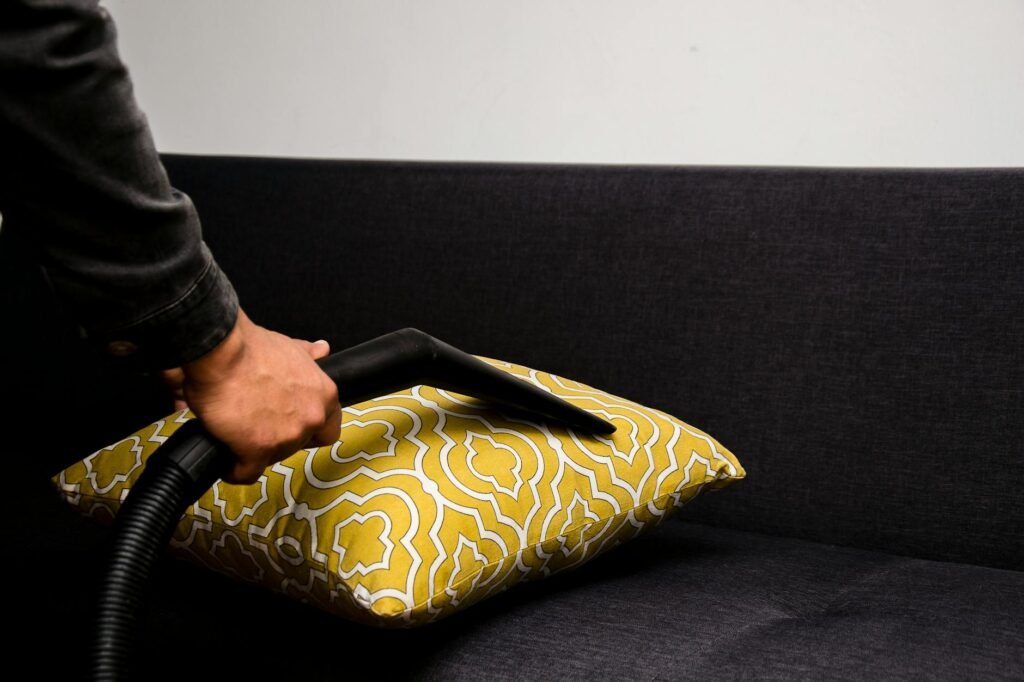
In tight spaces, a lint roller, a small brush, and targeted suction beat bulky gadgets. Schedule robot runs between meetings or when you leave for the day to avoid noisy interruptions.
- Maintenance: empty bins, clean filters, and clear brush rolls regularly.
- Renter-friendly: avoid scratched floors and anything needing permanent mounting.
- Real tip: five minutes a day keeps surfaces camera-ready and stress lower.
For practical cleaning tips that suit small apartments, see tips to keep an office clean.
Smart home basics that support remote work without overcomplicating it
Simple connected devices can handle timers, reminders, and safety alerts so you focus on real tasks. Treat these as optional helpers that remove small hassles, not a big project.

Smart speaker or display: timers, reminders, and hands-free calls
Use one device for quick timers, voice reminders, and occasional hands-free calls. It saves seconds between meetings and keeps your hands free for notes or coffee.
Tip: pick a model with clear mute controls and local assistant support so audio privacy is easier to manage.
Smart lights: focus modes and real energy savings
Scheduled shutoffs and a simple dim or bright scene deliver real savings and less eye strain. Skip flashy colors unless you actually use them.
Energy wins: set bulbs to turn off after your usual end time and use warm color in late hours to reduce fatigue.
Simple sensors for safety
In small apartments you may wear headphones and miss cues. A wired or battery smoke/CO alert and a door sensor are practical and renter-friendly.
Privacy and account security basics
Use strong passwords, enable two-factor access where available, and limit device permissions. Keep firmware updated and remove old devices when you replace them.
For ideas on useful automations without the hype, see a guide on practical smart routines at smart routines.
Setup time and difficulty: what you can realistically do today
Setup time matters more than gear choices. Start with a plan that fits your schedule and renter needs. Pick small wins you can finish in minutes, then block a half day for bigger changes.

Fast wins in under 30 minutes
Reposition the router to a higher, central spot. Raise your laptop on a stand or a stack of books. Angle a desk lamp for even face light.
Use Velcro ties to tame the worst cable tangles. Test call audio in the app you use for work, not a generic recorder.
Half-day upgrades that involve moving furniture or running cables
Route an Ethernet cable with adhesive clips that remove cleanly. Mount a monitor arm if the desk supports it. Rearrange seating to cut glare and echoes.
Add a charging station and label cables so unplugging is safe and quick. These steps take a few hours but pay off for daily focus.
Ongoing maintenance you should plan for
Schedule monthly wipe-downs, check surge protectors and cords, and replace purifier filters as needed. Small upkeep keeps tools reliable and energy use low.
„Do quick fixes first. Save larger moves for a free day so you finish the job.“
Tip: choose reversible routes and renter-friendly fixes. That is the practical solution for long-term use.
Common mistakes that waste money (and how to avoid them)
It’s easy to blow your budget on premium gear and still struggle with bad lighting and slow connections. Start by fixing basics that shape your daily experience: internet, lighting, and safe power. These solve most real problems faster than an expensive mic or webcam.

Buying premium gear before fixing Wi‑Fi and lighting
Buying high-end devices while your signal drops or your face sits in shadow wastes money and time. Test your call quality first. Improve router placement or a simple lamp before upgrading cameras or mics.
For common hybrid pitfalls, this short guide is a good read.
Ignoring noise specs until meetings become painful
Fans, purifiers, keyboards, and cheap chargers have real dB ratings. If you ignore those numbers, you’ll pay for silence later with annoyed coworkers and awkward pauses.
Choose low-noise models and test them in a live call. Move noisy devices off your desk or run them in quiet mode during important meetings.
Overloading outlets and stacking adapters unsafely
Stacked adapters and daisy-chained strips save space but raise heat and fire risk. That is not a good budget trade-off.
Fix it: use one quality surge protector, route cords so they can breathe, and avoid cramped power behind furniture.
Choosing devices that don’t play nicely across your systems
Buying devices that only work with one OS or a single account creates friction. Switching laptops or using a personal system should not mean reconfiguring everything.
Tip: pick cross-platform devices and check driver or app support before you spend money. If a gadget adds more steps than it saves, skip it.
- Office-mindset trap: copying a corporate setup without considering space and shared areas leads to wasted purchases.
- Prioritize: stable internet, clean lighting, and safe power first; then spend on audio/video based on real call hours.
- Simple test: if you can’t explain how a device improves your daily experience, don’t buy it yet.
| Mistake | What it costs | Quick fix |
|---|---|---|
| Upgrading gear before basics | Money wasted on devices that underperform | Improve Wi‑Fi, reposition lights, retest calls |
| Ignoring noise specs | Poor call experience, lost time | Choose low‑dB models and test in meetings |
| Unsafe power setups | Fire risk, damaged equipment | Use a quality surge protector and unclutter plugs |
| Compatibility blind spots | Daily friction switching systems | Pick cross-platform devices and read compatibility notes |
Final rule: spend money to solve a specific daily problem. That keeps your budget useful, your systems reliable, and your experience saner in a small space. For renter-friendly mixed solutions, see a practical roundup at renter finds mix.
Conclusion
A few practical fixes beat expensive upgrades. Start by stabilizing internet, then sort lighting and audio. Next add comfort and workflow items that suit your role and space.
Across industries and positions — support, development, management, or education roles — the same basics improve your computer experience and your days. Pick upgrades that help training and service tasks too.
Plan simple maintenance: check filters, install firmware updates, tidy cables, and test audio regularly. For context on productivity shifts that shape remote roles, see this productivity research.
Quick checklist: choose one safety fix, one call-quality fix, and one comfort fix to implement this week. Small steps give steady, renter-friendly gains.