Your small-space reset starts here. This renter-friendly method breaks the work into short, practical tasks you can finish after work or between meetings.
You will get room-by-room steps, simple decision rules, and product suggestions under $25 and under $50 that solve real daily-use problems. The approach avoids drilling or permanent changes so it fits rented home setups.
The method keeps progress real. Clear walkways, usable counters, and storage you can access are the goal. You’ll handle donations promptly so clutter does not just move to a new hiding spot.
Safety and upkeep are built in. Expect nightly resets, weekly mini-checks, and advice on moisture-resistant storage. You’ll pick durable, removable solutions that hold up to roommates and pets.
Key Takeaways
- One small, timed task per day keeps the effort realistic for work and fatigue.
- Renters use removable, damage-free fixes instead of permanent installs.
- Product picks focus on durability, safety, and ease of setup for small space use.
- Decide quickly with clear rules to avoid second-guessing during decluttering.
- Nightly resets and weekly checks prevent hidden clutter from returning.
How This Challenge Works (and Why It’s Easier Than a Big Weekend Purge)
This process breaks your home into tiny, useful steps so you make visible progress without a full overhaul. You work a little each evening and keep momentum through simple rules.

Pick bite-size tasks by room so each session feels manageable
Focus on one spot: a drawer, a shelf, or a bin. This one-spot approach prevents one giant mess and gives quick wins.
Use a timer to prevent “all-day decluttering” burnout
Set 10–20 minutes. That range is enough to make decisions, remove obvious clutter, and do a fast wipe without losing your evening.
Build in flexibility for real life
If life interferes, skip without guilt and double up later. Consistency beats perfection. Some people map zones in about 30 minutes and leave days flexible.
Watch for the mid-month motivation bump
The middle weeks can feel repetitive. Treat each cabinet as a micro-goal. Around day 18 many users report a clear visual turn that keeps them going.
„Short sessions and clear targets make small spaces feel manageable and renter-friendly.“
- One spot a day: small, steady wins.
- Timer: 10–20 minutes prevents spirals.
- Flexible scheduling: skip or double up as needed.
Set Up Your Success Systems Before Day One
Create a durable system now so your efforts last. Start with one permanent donation station you can keep in the same place in your house.

Donation station: pick a box, bag, or basket that fits your layout. Keep it in a closet corner or by the entry so it’s easy to drop items without blocking walkways.
Decide how items leave your home
Choose a removal path before you begin. Schedule a donation pickup or pick a weekly drop-off route. Add a small sell lane and a recycle spot but keep both contained so they do not become new clutter.
Gather basic cleaning gear
Have cleaning supplies ready: all-purpose spray, microfiber cloths, trash bags, a handheld vacuum, and disinfecting wipes. Wipe cleared surfaces as you go so spaces feel finished.
„A clear removal plan matters as much as the sort itself.“
| Item | Use | Renter tip |
|---|---|---|
| Box / Basket | Donation station | Keep low and out of traffic |
| Bags | Trash / recycle | Label to avoid mix-ups |
| Cleaning supplies | Quick wipe-downs | Store near entry or utility closet |
Safety and durability: don’t overload shelves, adhesive hooks, or rolling carts. Check weight limits and keep heavy items low to prevent tip-overs. Finally, explore the best organization finds for renter-friendly storage that holds up over time.
30 day tidy plan: Your Daily Framework for Consistent Progress
A compact decision script cuts hesitation and keeps progress steady in small spaces. Use short prompts so each session stays fast and practical. This routine helps you treat clutter as choices, not character judgments.

Daily decision questions to stop second-guessing
Ask the same five quick questions for every item. A fast script prevents drawn-out debates and saves time.
- Do I love it?
- Do I use this item regularly?
- Do I own duplicates?
- Is it in good working condition?
- Does it suit my current lifestyle fit?
What to do when you don’t know where an item belongs
If you can’t assign a home, use the one-home rule: give it a specific spot now or box it.
Label a temporary „decide later“ bin with a date. If you don’t miss the thing by that date, let it go.
Rules for “just in case” items
Set firm boundaries. One small container per category keeps cabinets and closets from overflowing.
Keep categories in removable bins and trays so your storage stays renter-friendly.
| Decision question | Quick test | Action | Renter tip |
|---|---|---|---|
| Love it? | Does it spark value? | Keep in regular use area | Use a small tray for daily items |
| Use it? | Used in last 6 weeks? | Keep or donate | Store in a labeled bin in a cabinet |
| Duplicate? | More than one of same item? | Keep best condition, remove extra | Limit similar things to one drawer or shelf |
| Unknown home? | No clear spot | Quarantine box with date | Box lives on shelf, not in the junk drawer |
Kitchen Wins: Counters, Cabinets, Drawers, and Pantry Space That Stays Functional
Small, steady edits in cabinets and drawers create big wins in limited kitchen space. Start by clearing the counter and keeping only daily items out. Store non-daily appliances and wipe surfaces so the clear area is easy to maintain.

Work one cabinet at a time: upper shelves first, then the sink cabinet, then bottom cabinets. This breaks the job into tiny wins and prevents overwhelm.
Drawer rules and food zones
Give your junk drawer a short list of allowed items: pens, tape, batteries. Use small dividers and remove mystery gadgets.
Group food into zones: breakfast, snacks, staples, and backstock. Do a quick expired-spice sweep and donate unopened, unexpired food when possible.
Renter-friendly product picks
- Under $25: non-slip drawer organizers (pros: instant categories; cons: measure first), wipeable counter tray, tension rod for under-sink zones, clear plastic bins.
- Under $50: slim rolling cart (pros: vertical storage; cons: can tip if top-heavy), over-cabinet basket, shelf risers.
| Fix | Best-for | Setup time | Removal ease |
|---|---|---|---|
| Tight cabinets | Shelf risers, turntables | 10–20 min | Easy |
| Limited counters | Appliance bin, rolling cart | 10–30 min | Moderate |
Bathroom and Linen Closets: Faster Mornings With Less Counter Clutter
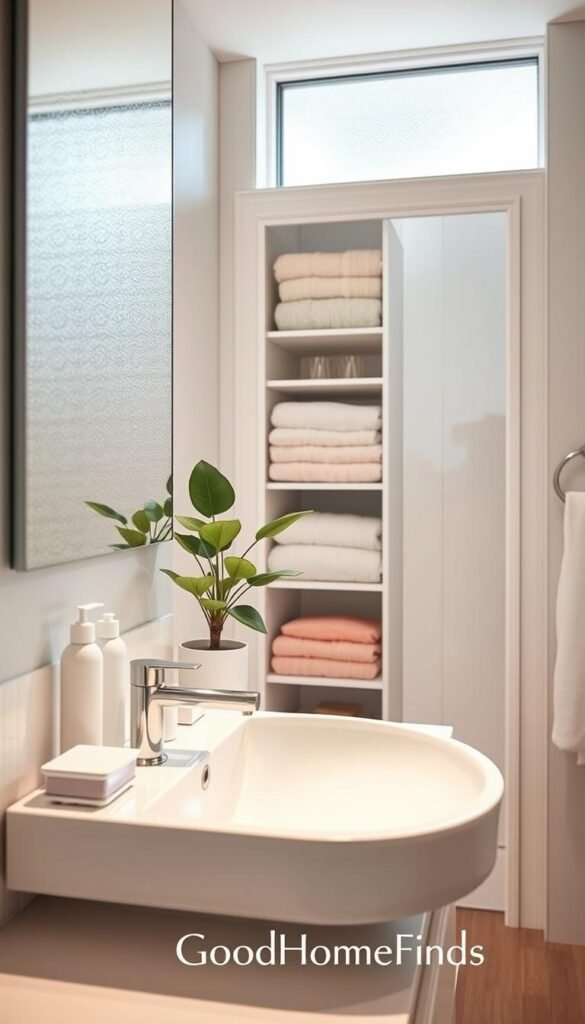
C clear counters and pared-back shelves make your bathroom function without fuss. Use one small tray on the vanity for toothbrush, soap, and the two products you use daily. This keeps the surface easy to wipe and limits stray items.
Quick, practical steps
- One-tray rule: toothbrush, soap, one moisturizer or serum. Wipe the tray each night.
- Medicine cabinet: pull everything out, toss expired meds, consolidate duplicates, and group first-aid items together.
- Shower: reduce bottles to essentials. Fewer bottles mean safer floors and faster cleaning; consider bars to cut plastic.
- Makeup & skincare: keep what you use. Toss old samples. Limit backups so drawers stay tidy.
- Linens: two sheet sets per bed and roughly two towels per person. Extras only if they sit neatly on one shelf.
Donate unopened travel-size toiletries to shelters when possible. Dispose of medicines properly at a take-back location or approved drop-off.
Budget organizer comparison
| Price range | Examples | Pros | Best for |
|---|---|---|---|
| Under $25 | Adhesive caddies, stackable bins, drawer dividers | Low cost, easy to move, quick install | Tiny vanities, renters, single sinks |
| Under $50 | Over‑toilet shelves, slim rolling carts, tiered trays | More capacity, stable storage, better for shared bathrooms | Shared bathrooms, small families, extra linen space |
| Moisture tips | Plastic or coated metal; non-slip bases | Resists mold, easy cleaning | Bathrooms with high humidity or limited ventilation |
Practical tip: choose moisture-resistant materials and keep heavy items low. For more renter-friendly picks, see the budget organizer finds to match products to your space and needs.
Closets, Clothes, and Shoes Without the Overwhelm
Try a quick closet reset that focuses on what fits, what works, and what suits your life now.
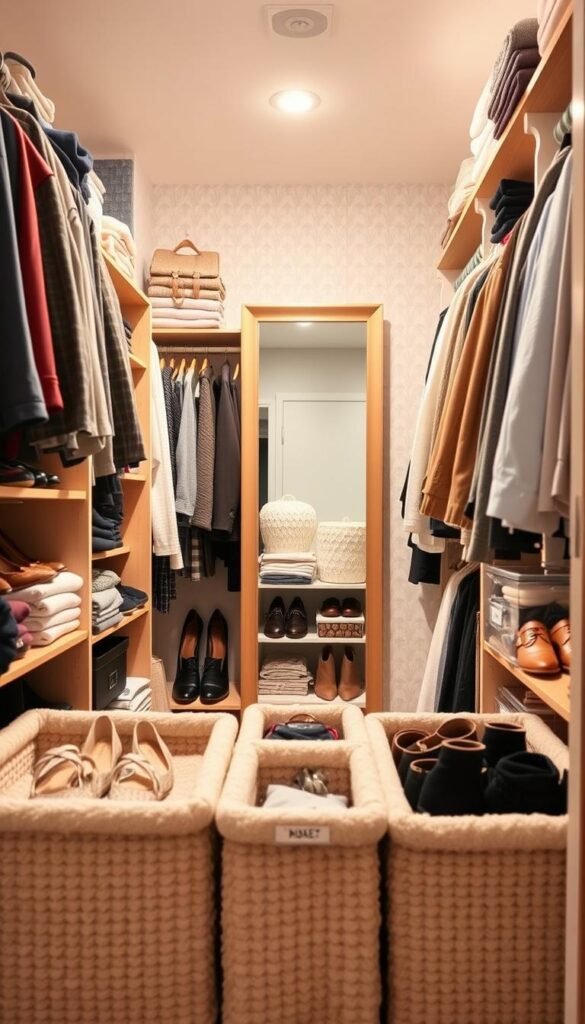
Fast purge with a timer: Set 15 minutes and make three fast calls: fit, condition, lifestyle. If something fails two of those checks, move it to donate or repair. This keeps decisions swift and prevents overthinking.
Keep dresser drawers from re-cluttering
Use clear categories and strict boundaries. One drawer for tees, one for workout clothes, one for underwear. Fold consistently so items stay visible.
Shoes near the door that reflect real life
Keep only what you wear week-to-week in the entry closet. Store seasonal or rare pairs up high or in labeled bins. A weekly shoe check helps avoid overflow.
No-drill helpers that actually add space
- Slim hanging shelves — add vertical storage without tools.
- Second-rod tension systems — double hanging space, check weight limits.
- Shelf dividers — keep piles tidy and prevent slumping.
Alternatives by apartment size
Studio: go vertical. Use hanging shelves and under-bed bins to contain clothes and shoes.
One-bedroom: split daily vs seasonal. Keep a small “daily” zone near your door.
Two-bedroom/shared: label zones and limit each person’s entryway items to prevent spills into living areas. For shared entryway tips, see entryway storage options.
| Problem | Renter-friendly fix | Typical price | Best for |
|---|---|---|---|
| Limited hanging space | Second-rod tension system | Under $50 | One-bedroom, shared closets |
| Slumping shelf piles | Shelf dividers | Under $25 | Studios, dressers |
| Entry shoe overflow | Stackable clear bins or over-door rack | Under $50 | Small entry closets, shared hallways |
Maintenance tip: One in, one out for hangers. Do a 10-minute monthly sweep of the closet floor and keep a donation bag nearby for quick drops. Small, consistent actions keep your closet usable and your living space calm.
Entryway and Living Room: Stop Drop-Zones From Taking Over
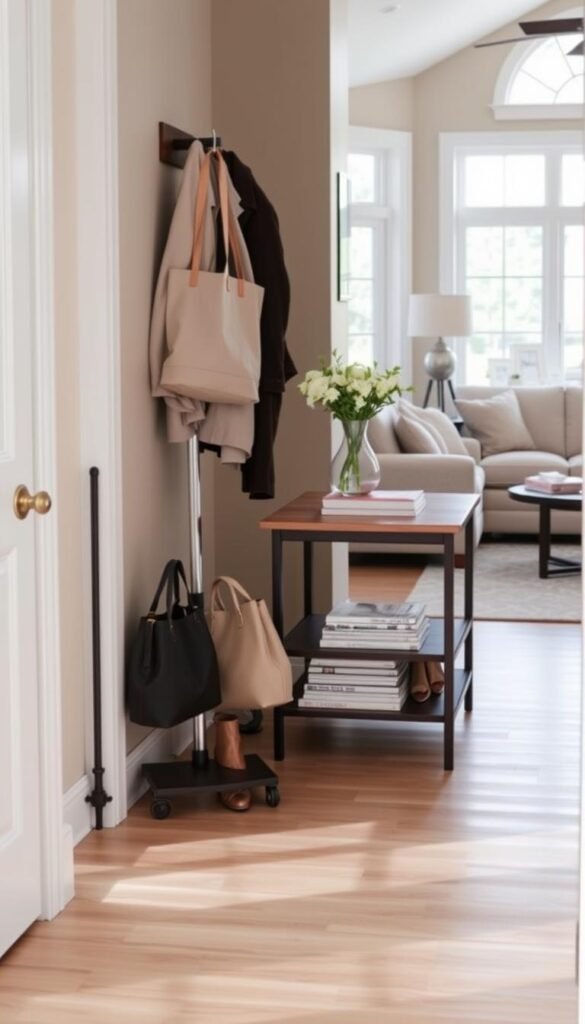
Start by making the entryway an honest landing spot, not a long-term storage shelf. Set clear limits so the shared space stays usable for everyone.
Rules that work for roommates and family
Assign each person 1–2 coats and 1–2 pairs of shoes in the active zone. Overflow goes to labeled bins or a high shelf.
Living room sweep
Do a quick pass: fold extra blankets, recycle half-read magazines, and open mystery baskets to sort contents.
„A short, regular sweep keeps clutter small and company-ready.“
- Create a landing strip for keys, wallet, and leash so these things don’t migrate to the living room.
- If you can’t name where an item belongs in five seconds, drop it into a labelled relocate box for end-of-day sorting.
- Schedule a weekly 10-minute reset of baskets and surfaces to prevent rebound clutter.
Renter-friendly solutions
Use removable hooks within weight limits, slim shoe racks, lidded baskets, and over-the-door organizers with felt pads. These add storage without damaging walls.
| Problem | Renter-friendly fix | Best for |
|---|---|---|
| Coat/shoe overflow | Caps per person + high-season bin | Shared entryway, family |
| Daily carry items on tables | Small landing tray or wall key hook | One-bedroom or shared flats |
| Mystery junk baskets | Lidded sort baskets + weekly emptying | Living room, shared households |
For more renter-focused ideas, see best entryway storage solutions to match your room and routine.
Desk, Paper, and Digital Clutter: Clear Surfaces, Clearer Focus
Treat your desk like a tool: remove extras and keep what helps you focus. A quick reset clears visual noise and makes work easier in small spaces.

Desktop reset
Clear the surface, wipe it down, and return only daily-use items. Keep your monitor, one notebook, a pen, and a slim lamp.
Set one small work caddy or a top drawer for backups: extra pens, tape, and charging cables. That avoids hunting and keeps the surface clear.
Paper in one pass
Open mail immediately. Create an action pile for bills and tasks. Scan and file what you need.
Shred or recycle the rest. Use a single vertical file holder or a lidded box to avoid floor piles.
Digital declutter day
Schedule one focused day to unsubscribe, delete duplicates, and set simple folder rules. Clearing old files and photos reduces mental load fast.
Maintenance tip: spend two minutes at the end of each work session to tidy the desk and inbox so clutter does not spill into the living room.
„A quick desktop reset protects focus and keeps the office feeling intentional.“
| Task | Tool | Best-for |
|---|---|---|
| Surface reset | Work caddy / single drawer | Small offices, renters |
| Paper workflow | Vertical file / lidded box | Limited floor space |
| Digital cleanup | Unsubscribe + folders | Remote workers, creators |
Product Picks That Solve Real Apartment Problems (Under $25 and Under $50)
Smart, renter-friendly organizers make small spaces feel ordered without fuss. Pick pieces that move with you, protect walls, and reduce visual clutter.
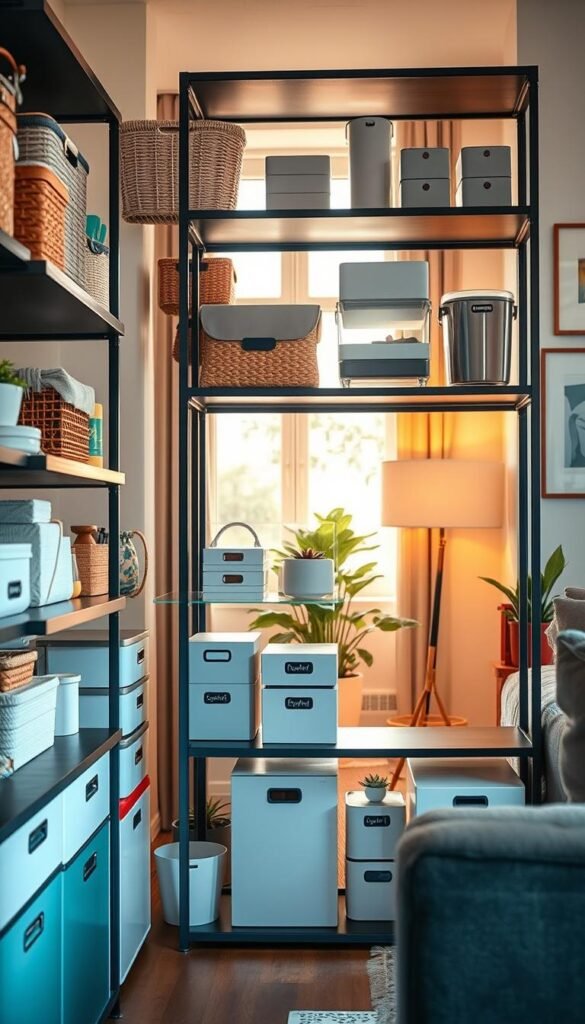
Under $25 essentials
Bins, drawer organizers, simple labels, cord control strips, and a cleaning caddy cover most needs. They create zones, stop re-cluttering, and keep supplies handy.
- Pros: low cost, easy to test, lightweight.
- Cons: cheaper plastic can warp; measure first for fit.
- Best for: renters, small kitchen counters, shared drawers.
Under $50 upgrades
Consider slim rolling carts, over-the-door organizers, and shelf risers. These add usable shelves and fill narrow gaps without drilling.
- Pros: more capacity, stable when used correctly.
- Cons: heavier pieces need weight limits checked.
- Best for: one-bedroom kitchens, shared bathrooms, closets with limited hanging space.
Durability and safety checklist
- Check published weight limits before loading.
- Pick moisture-resistant plastics or coated metal for bathroom areas.
- Choose non-slip bases and rust-resistant finishes.
- Use removable adhesive or tension fits so nothing damages paint.
Comparisons by room
| Area | Common product | Best for | Setup time | Removal ease |
|---|---|---|---|---|
| Kitchen | Shelf riser, turntable, slim bin | Cabinets, counters | 10–20 min | Easy |
| Bathroom | Shower caddy, drawer bins, tray | Vanity, under-sink | 5–15 min | Easy |
| Closet | Hanging shelves, shoe racks, dividers | Closet shelves, floor | 10–25 min | Moderate |
Alternatives by layout
| Layout | Best picks | Why it works |
|---|---|---|
| Studio | Vertical shelving, multi-use bins | Maximizes vertical space and hides items. |
| One-bedroom | Zone-based carts, shelf risers | Keeps kitchen and closet areas distinct. |
| Two-bedroom | Labelled bins, over-door organizers | Supports shared storage and reduces spillover. |
Daily Routines That Keep Your Home Tidy After the 30 Days
Keep a short, repeatable routine so your home stays calm after the reset. Small, realistic habits protect your progress and make mornings easier.

The nightly reset routine that makes mornings easier
Spend about 20 minutes each evening. Clear kitchen counters, load or run the dishwasher, and wipe high-use surfaces.
Do a quick floor sweep and stash shoes and bags in the entry. Set out what you need for the next morning.
Weekly mini-resets by area
Pick one cabinet or drawer each week. Check a kitchen cabinet for expired items and reorganize shelves if needed.
Pass through one bathroom drawer and glance at closet shelves for misfits. These mini sessions stop the need for large purges.
Maintenance tips for easy cleaning
Fewer items out equals faster cleaning. Keep counters and open surfaces minimal so you can wipe without moving piles.
Use clear bins to contain categories. Label shelves and keep like with like to speed up routine cleaning.
How to prevent hidden clutter in cabinets, drawers, and under-sink zones
Contain problem spots with small bins and trays. Under-sink zones benefit from shallow caddies and moisture-resistant boxes.
Adopt an incoming rule: when you bring in a new toiletry, pantry item, or garment, remove one thing you no longer need.
Make sure the rule is easy. One in, one out keeps cabinets and closets usable without constant effort.
„Short, consistent resets build a tidy baseline you can keep, even on busy days.“
Practical tip: schedule a weekly check so hidden clutter never regains a foothold. For targeted kitchen storage ideas, see best fridge space solutions.
| Routine | Time | Focus area | Benefit |
|---|---|---|---|
| Nightly reset | 15–20 minutes | Kitchen counters, entry, quick sweep | Calmer mornings; fewer dishes pile up |
| Weekly mini-reset | 10–30 minutes | One cabinet, one drawer, one closet shelf | Prevents large purges; maintains order |
| Monthly deep glance | 30–45 minutes | Under-sink zones, pantry backstock, overflow boxes | Finds hidden clutter and expired items |
Conclusion
A few repeatable choices now set the tone for how your house feels every day.
You built a practical 30 day tidy plan that fits renters and small space living without drills or permanent changes.
Use one simple loop: pick a small task, set a timer, decide fast, move donations out, wipe the surface, and stop on time. Make your removal path non-negotiable so clutter actually leaves the house.
Favor fixes that solve a real friction point. Start with under $25 essentials and add under $50 upgrades only when they add clear function and durability.
After the end of the challenge keep the nightly reset, do a weekly mini-reset, and revisit your biggest area monthly. For renter-friendly bathroom fixes and budget tips see bathroom fixes on a budget.