Practical basics beat pretty decor when you move into your first apartment. This short guide focuses on essentials that stop daily friction—no clean dishes, wet floors, or missing lightbulbs—so you can live comfortably from day one.
You’ll find mostly under-$25 picks that solve real problems. Each item gets a quick note: why useful, who it’s for, and what to avoid. Mix fast Amazon delivery with thrift, dollar-store finds, or Buy Nothing swaps to stretch a tight budget.
Quick promise: follow this room-by-room checklist and you can cook a basic meal, manage odors, sleep okay, and handle small emergencies without late-night runs.
Pro tip: build a running cart and place one or two batch Amazon orders to control costs and delivery timing. Read more rental-friendly picks and damage-free hacks at best home finds for renters.
Safety note: prioritize food-safe materials, non-slip bathroom gear, certified power strips, and avoid counterfeit listings.
Key Takeaways
- Focus on basics that prevent daily friction, not just looks.
- Most recommended items are under $25, but buy in order to save.
- Use a checklist and quick decision aids to shop fast and smart.
- Mix Amazon speed with thrift or dollar-store alternatives for value.
- Watch safety marks like UL/ETL on electrical items.
- Batch orders help control budget and avoid impulse buys.
What “Must-Haves” Really Means for a First Apartment
A smart first shopping round focuses on daily use, safety, and simple cooking. Start with items that remove stress on moving first day and during your first week. That way, life feels OK fast and you avoid wasteful spending.

Needs vs. wants so you don’t overspend on day one
Needs are things you use every day: sleep setup, basic hygiene, a way to cook, cleaning supplies, and trash. A plunger beats a matching decor set every time.
Wants are extras that only add style. Save throw pillows, decorative trays, and specialty gadgets for later.
What you can delay (and what you shouldn’t)
- Don’t delay: toilet paper, hand soap, shower curtain/liner, basic cleaning kit, a safe way to cook simple meals, and a small trash system.
- Delay until payday: coffee-table styling, extra serving dishes, specialty appliances, and most decorative storage.
When buying secondhand is smarter than buying new
Secondhand is great for big items: couch, table, shelving, and some kitchen basics. The savings add up fast. Inspect for pests, odors, deep cracks, or frayed cords before you buy.
Quick safety checklist for used goods: no mold smell, no broken nonstick surfaces, no frayed wiring, and items you can sanitize easily.
Skip a $60 aesthetic organizer and buy the basics that stop a stressful first week.
How to Shop Smart on a Tight Budget
A small plan—two orders and a running list—keeps spending steady and stress low. This is the easiest way to cover essentials without overspending.
Where to buy: Amazon wins for fast delivery and easy price checks. The dollar store is best for small consumables and backups. Thrift and Buy Nothing groups offer durable kitchenware and free basics.
- Amazon: fast, reliable, good return windows. Watch seller ratings and avoid unusually cheap brand listings.
- Dollar store: cheap supplies for day one. Replace sooner, but great for consumables.
- Thrift / Buy Nothing: save big on larger items and storage solutions.
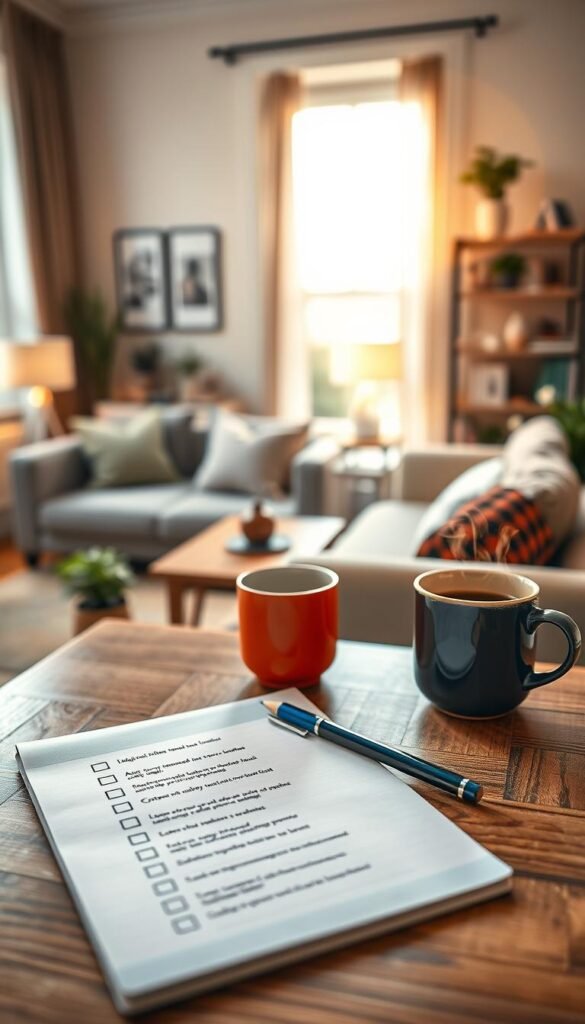
Low-stress checklist: keep one note titled „Apartment Must-Haves“ with sections by room. Add items as problems pop up. That keeps you focused and saves time.
Batch strategy: place a „move-in week“ order for non-negotiables and a „week two“ order for nice-to-haves. Cap each batch at a preset budget. If you add an item, remove one.
Example: ordering dish soap, sponges, and towels together saves a midweek run when the sink is already full.
Online safety tip: check seller reputation, return windows, and avoid suspiciously cheap brand-name listings.
For more tested picks and renter-friendly options see best practical home products.
Apartment Must Haves for the Kitchen You’ll Use Every Day
Start the kitchen list with a few durable basics that cover most weeknight meals. A small set of reliable items beats a giant boxed set you’ll never open.

Plates, bowls, glasses, and mugs
Why useful: tempered glass or stoneware lasts and is easy to replace.
Who it’s for: anyone who eats at home. Buy 4–6 matching plates and mugs.
What to avoid: fragile novelty pieces that chip fast.
Knives and cutlery
Why useful: keep just three knives—chef’s, paring, serrated—and kitchen shears.
Who it’s for: cooks who want safe, affordable cuts without a bulky block set.
What to avoid: cheap serrated blades that dull in weeks.
Cutting board & measuring tools
Choose a sturdy cutting board and stamped measuring cups/spoons. Stamped markings won’t rub off after washes.
Daily tools and cookware
Keep a spatula, rubber scraper, wooden spoon, can opener, and shears. One skillet + one medium pot handle eggs, pasta, and stir-fry.
Price-value: spend $10–$25 on a solid cutting board, good can opener, or a compact drying rack. Skip ultra-cheap nonstick pans; they peel and fail safety checks.
Storage, dish care, and trash
Use airtight containers, zip bags, and chip clips to avoid food waste. For dish care, get sponges, dish soap, and flour sack towels—fast drying and low lint.
Pick a small trash can with quality bags. Real life: a ripped bag can mean a smelly, wet cleanup in a tiny kitchen.
Thrift: glasses, plates, and stainless tools. Dollar store: sponges and clips for day one.
Bathroom Essentials That Prevent Daily Annoyances
A small bathroom kit can stop most daily headaches before they start. Start with waterproof, non-slip pieces that cut down mildew and slips. Pack the true move-in day items first so you don’t run out when you need them.

Shower curtain, liner, and hooks
Why useful: a wipeable liner beats fabric in humid bathrooms. Pair with rust-resistant hooks to stop staining.
Who it’s for: anyone with a shared ventilation or small bath space.
What to avoid: cheap fabric-only curtains that trap water and grow mildew.
In-shower organization
Choose a rust-proof caddy or tension pole. Cheap hangers collapse and send bottles crashing. Store heavy items low to avoid falls.
Bath mat and towels
Pick a non-slip mat that dries quickly to prevent slips on tile. For towels, midweight cotton dries overnight and stays fresh.
Who needs two sets: people with limited laundry access or shared sinks.
Toilet paper, hand soap, trash, and tools
Move-in non-negotiables: toilet paper and hand soap. You’ll miss these first.
Use a small lidded trash can with the right liner size to control odors. Buy a flange plunger and a vented brush combo—store them in a narrow caddy to avoid trapped moisture.
„The $15 plunger-and-brush combo saved me a 2 a.m. run to the drugstore.“
| Item | Budget pick (under $10) | Worth upgrading? |
|---|---|---|
| Shower curtain + liner | Vinyl liner + basic rings | Yes — choose wipeable liner and rust-proof hooks |
| Shower caddy | Plastic hanging caddy | Upgrade to rust-resistant metal if bottles are heavy |
| Bath mat | Quick-dry rubber-backed mat | Yes — non-slip backing is worth it for safety |
| Towels | Midweight cotton set | No — midweight balances cost and drying time |
Bedroom Must-Haves for Better Sleep (Without Fancy Extras)
C

Protect the mattress first. A waterproof mattress protector blocks spills and allergens. It is cheap and practical. A topper adds comfort, but a protector saves you money long term.
Protector vs. topper
Protector: stops stains, dust mites, and pet dander. Best for anyone with spills or allergies.
Topper: adds plushness. Choose it only if the mattress is thin or uncomfortable.
„A spilled coffee was soaked by a protector—no stain, no panic.“
Two sheet sets
Keep two fitted sets so laundry day doesn’t wreck your week. You remake the bed fast and buy time before washing. Amazon has affordable cotton sets; thrift stores often carry extra quality sheets.
Pillows and blankets
Pick pillows that match your sleep position. Microfiber covers are budget-friendly; cotton breathes better. Avoid lumpy fills and items with a strong chemical smell.
Lamp you can turn off from bed
Get a lamp with a reachable switch or a touch base. Smart bulbs work if you already use a phone or voice assistant. This small choice saves time and improves nightly routine.
| Item | Budget pick (under $25) | Who it’s for | Real-life note |
|---|---|---|---|
| Mattress protector | Waterproof zip cover | Pet owners, allergy sufferers | Saved a mattress from a spilled drink |
| Sheet sets (2) | Cotton blend 2-pack | Anyone with limited laundry time | Quick change avoids bedless nights |
| Pillows & blanket | Midweight pillow, microfiber throw | Light sleepers, students, shift workers | Comfort upgrade without breaking the bank |
| Bedside lamp | Touch lamp or lamp + smart bulb | People who read or work before sleep | Turns off without leaving the bed |
Living Room Basics for a Comfortable, Functional Space
A few small, practical pieces can turn a bare living area into a useful, comfortable place.

Throw blanket and pillow covers
Throw blanket: great for drafts, naps, and lowering heating time. Choose a washable, low-shed fabric. Avoid fuzzy throws that leave lint on dark clothes.
Pillow covers: swap covers instead of full pillows. They are cheaper, easy to wash, and renter-friendly. This works well for pet owners or anyone sensitive to dust.
Key-drop spot and small landing zones
Create a simple key-drop place by the door. Use a small bowl, tray, or adhesive hook. You’ll stop digging for keys when you are already late.
If you don’t have a couch yet, don’t stress. Use a sturdy chair, a low table, or the top of a shelf as a landing zone. Watch local Marketplace and Buy Nothing for deals on a couch and coffee table.
„I started using a $3 tray by the door and never missed the bus again.“
| Item | Budget pick (under $25) | Why it’s worth it |
|---|---|---|
| Throw blanket | Machine-wash microfiber throw | Warmth, nap-ready, lowers heating need |
| Pillow covers | Set of two zip covers | Easy to clean, swap for style or pets |
| Key-drop spot | Small tray or adhesive hook | Stops lost keys and reduces clutter |
Quick tip: prioritize a clean, easy-to-wipe surface if you add a coffee table. Rounded corners help in tight spaces. For more renter-friendly ideas see small-space fixes.
Cleaning Supplies That Keep Mold, Odors, and Stains Under Control
Keeping mold, odors, and stains under control starts with a few focused supplies and a simple routine. Choose items that work for small spaces and save you time.

Floor basics and vacuum trade-offs
Floor kit: broom + dustpan and a mop with a replaceable head cover most needs.
If you have mostly hard floors and light debris, a stick vacuum is often good enough. Pick a cordless stick for quick runs.
If you have thick rugs, pets, or lots of tracked-in dirt, plan to upgrade to a full-size vacuum for better suction and filtration.
Microfiber cloths and scrub brushes that work
Microfiber wipes trap dirt without streaks. Buy a pack if you cook a lot or have pets.
Get one general scrub brush and one narrow grout brush. Grout darkens fast; the right brush saves scrubbing time.
Apartment-safe cleaner lineup
Essentials: multipurpose spray, glass/mirror spray, dish soap, and white vinegar. Dish soap pulls greasy residue and pairs with vinegar for a simple shower clean.
Who it’s for: anyone who wants renter-friendly, low-cost solutions.
Bathroom routine & simple shower hack
Quick routine: after showering, spray walls, squeegee or wipe with a microfiber, and keep ventilation on for a few minutes.
For stubborn soap scum, mix white vinegar with a squirt of Dawn-style dish soap in a spray bottle. Let sit, then scrub and rinse. Always ventilate well when using vinegar in a small room.
Laundry basics
Use HE detergent for high-efficiency machines and regular detergent for standard machines. Check the machine label.
For dryer use, wool dryer balls are reusable and reduce static; dryer sheets add scent but can coat fabrics. Choose based on skin sensitivity and shared laundry rooms.
„Ten minutes each evening—dishes, trash out, quick counter wipe, and a bathroom sink wipe—keeps the weekend free.“
| Item | Budget pick | Worth upgrading? |
|---|---|---|
| Mop head | Microfiber refill | Yes — better absorbency saves water and time |
| Broom | Plastic-angle broom | Upgrade to a flagged-bristle broom for dust control |
| Sponges & cloths | Dollar-pack sponges + microfiber | No — replace sponges often; microfiber worth small spend |
Safety notes: never mix bleach and ammonia. Avoid over-scented products in tight rooms and skip abrasive pads on stainless or glass cooktops.
For a tested list of durable essentials, see this cleaning supplies roundup.
Storage and Organization Must-Haves for Small Apartment Space
Small changes to how you store items can free floor space and cut clutter fast. This section focuses on renter-friendly fixes that protect your deposit and speed up daily routines.

Command-style wall hanging that won’t damage paint
Why useful: wall-friendly hooks let you hang bags, keys, and coats without drilling. They clear floor and closet space.
How to remove: pull the strip slowly at a low angle. Warm the adhesive with a hairdryer for stubborn spots. Check weight limits on the pack and don’t overload.
Closet upgrades: uniform hangers, bins, and shoe order
Swap mismatched hangers for slim velvet or wood to reduce bulk and let clothes hang straight. Use clear or labeled bins to group socks, gym gear, and seasonal items.
What to avoid: flimsy fabric bins with weak zippers or tiny hooks that collapse.
For tested closet ideas, see closet space solutions.
Under-bed and vertical storage to free up floor space
Under-bed bins are ideal for off-season clothes and extra linens. Pick hard-bottom or zippered fabric with sturdy zippers to avoid tearing.
Use shelf risers and stackable bins to go vertical. This multiplies usable space in one small room.
Real-life example: the $12 fix that speeds mornings
One renter bought an over-the-door organizer for about $12. It holds keys, a wallet, and a daily tote. Mornings became predictable and 60 seconds faster.
Who it’s for: renters with small closet space, roommates, or anyone who hates visual clutter.
„An over-the-door bin cleared my entryway and saved me three lost-key moments in a week.“
| Solution | Budget pick | Who benefits |
|---|---|---|
| Wall-hanging strips | Pack of adhesive hooks | People who need quick access to daily items |
| Closet organization | Slim hangers + labeled bins | Anyone with limited closet space |
| Under-bed storage | Zippered fabric bins (hard base) | Seasonal clothing and extra linens |
| Vertical solutions | Shelf risers or stackable cubes | Small rooms where floor space matters |
Alternatives: thrifted baskets, Buy Nothing bins, or sturdy repurposed boxes. Avoid cardboard directly on floors long term to reduce pest risk.
For more renter-friendly organizing ideas try this organizing guide at organizing must-haves.
Trash, Recycling, and Food Waste: The Unsexy Essentials
A few smart choices for waste gear stop leaks, odors, and pest visits before they start. In small homes, one bad bag can mean a long, sticky cleanup and stress you don’t need.

Choosing bags so leaks don’t become a project
Pick the right size and thickness. Use a bag that fits your can snugly and is rated for spills. Avoid ultra-thin liners that tear when weighted down.
Real life: a leaky bag spilled onto the floor after moving day. It cost an hour of scrubbing and ruined a box of recyclables.
Small recycling setup that fits tight spaces
Use a handled tote, a shallow open bin, or a paper-bag system that tucks under the sink. Keep recyclables dry and flattened to save room.
Who it’s for: anyone in a studio or shared apartment where trash piles up fast.
„Keep a twice-weekly take-out routine to avoid overflow and pests.“
| Solution | Budget pick | Why it helps |
|---|---|---|
| Leak-resistant bags | 13-gallon, thick-lined rolls | Prevents floor mess and odor |
| Mini recycling bin | Handled tote or shallow bin | Fits under sink, keeps cans dry |
| Short-term reuse | Sturdy delivery boxes | Cheap, until you get a permanent bin |
Tip: order supplies fast on Amazon when you move in to avoid last-minute runs. For a practical routine and more renter-friendly tips try a waste-smart routine and make sure your setup is simple to empty.
Basic Supplies and Mini Tool Kit for Everyday Fixes
Keep a tiny tool kit on hand so small fixes don’t derail your week. A short list of practical supplies solves most quick problems and keeps you independent when moving first or settling into a new place.

Starter tools to grab
Essentials: a Phillips/flat screwdriver, small claw hammer, 12-ft measuring tape, scissors, and clear packing tape. Each item costs under $25 if you buy basic brands.
Real life: tighten a loose cabinet handle, assemble a small table, or measure for a shelf without a return trip.
Power strips and extension cords
Choose a surge protector with a UL listing and enough outlets. Do not daisy-chain strips. Ultra-cheap cords can overheat.
Make sure load limits match your devices. For heavy appliances, use a dedicated outlet or a certified surge model.
Lightbulbs and batteries
Buy a pack of A19 LED bulbs and a mixed battery pack (AA/AAA/9V). LEDs last longer and save energy. Check fixture type before ordering so you’re not stuck in the dark.
„I kept a $20 kit in my closet and never ran to the store for a loose screw again.“
| Item | Why useful | What to avoid |
|---|---|---|
| Measuring tape | Prevents wasted returns when buying a table or shelf | Cheap tapes that retract poorly |
| Surge protector | Protects electronics and powers multiple items safely | No-name strips without surge rating |
| LED bulbs & batteries | Avoid late-night trips and dead remotes | Unknown-brand batteries that leak |
Quick buy tip: start small, then upgrade to a better set. If you want a compact upgrade, check a recommended best tool set later.
Safety and Quality Considerations Before You Click “Buy Now”
Before checkout, a quick safety pass prevents expensive mistakes. Focus on labels, stability, and basic emergency items. Use this short guide to shop with confidence.

Food-safe materials and heat resistance
Look for: BPA-free, food-grade silicone, and stainless steel markings. These reduce chemical transfer and staining.
Why heat resistance matters: spatulas, containers, and lids near hot pans must stand up to heat or they warp and leach chemicals.
Non-slip and anti-tip priorities
Choose non-slip bath mats and mats with textured backing. In tight space areas, a small slip can become a big problem.
Pick shower caddies and shelving with wide bases or anti-tip brackets. Stable gear prevents falls and broken items.
Fire and emergency basics
Buy a basic first-aid kit, a reliable flashlight, and fresh batteries. Add smoke and CO detectors if the unit lacks them.
Consider a small fire extinguisher if you cook often, live in an older building, or have a gas range.
Amazon tips and avoiding counterfeits
Filter reviews by “most recent,” check who ships the item, and confirm return windows. Avoid unreal bargain brand-name listings.
Make sure you read recent photos and Q&A for real use notes before you hit buy.
„A quick materials check and a glance at recent reviews saved me from a leaky storage set.“
| Check | What to confirm | Why it matters |
|---|---|---|
| Materials | BPA-free, food-grade silicone, stainless markings | Prevents contamination and warping from heat |
| Stability | Non-slip backing, anti-tip features, weight rating | Reduces falls and spills in small rooms |
| Seller & Reviews | Recent reviews, shipped-by info, return policy | Helps avoid counterfeits and ensures return options |
| Emergency gear | First-aid kit, flashlight, smoke/CO detectors | Simple, low-cost preparedness for common incidents |
For a longer moving checklist that pairs well with these safety steps, see our related guide on buying a fixer-upper move-in checklist and tips.
Move-In Day Essentials Box (What to Pack Separately)
Think of one compact kit you pack last and open first. It gives you what you need for the first night without tearing through every box. This is the practical goal: comfort, hygiene, and basic function on moving day.

First-night basics
Pack: toiletries, daily meds, a change of clothes, toilet paper, and hand soap. These are cheap and solve the most annoying gaps.
Real life: arriving late after a long drive and still being able to shower and sleep saved one renter a midnight store run.
Quick-clean kit
Bring a few microfiber cloths, a multipurpose spray, paper towels, and a trash bag. Wipe counters and the shower before you unpack. This makes unpacking cleaner and faster.
Mini tool add-in
Include scissors and a basic screwdriver. They help open boxes, tighten loose screws, and mount a quick shelf. Both items are usually under $10 each.
Documents and reminders
Keep lease, IDs, utility login info, and Wi‑Fi details in a folder. Also list quick address updates to run later: USPS, your bank, and any essential subscriptions.
„I kept my lease and Wi‑Fi password in the essentials box and had service up before bed.“
| Essential | Budget pick | Why include it | Quick tip |
|---|---|---|---|
| Toiletries & meds | Travel kit + pill case (under $15) | Clean and safe first night | Pack in a clear pouch for visibility |
| Quick-clean kit | Microfiber cloths + multipurpose spray (under $15) | Sanitize counters and bathroom fast | Wipe high-touch areas before unpacking |
| Tools | Scissors + small screwdriver (under $10 each) | Open boxes and fix small issues | Keep in a labeled pouch |
| Docs & utilities | Folder or envelope | Set up utilities and ID checks quickly | List USPS and bank update steps |
For a printable first-apartment checklist and practical quick-clean hacks, save these links to your phone before moving day.
Conclusion
Finish with a short, practical plan. Pick the essentials that protect your time, health, and budget. Start with bathroom and cleaning basics, then cover the kitchen and sleep setup. Add comfort pieces later.
Copy this checklist into your phone and treat it as a living list. Order one small batch for move-in day and a second batch after a week of testing what works.
Mix shopping channels: use Amazon for speed, thrift/Marketplace/Buy Nothing for big wins, and the dollar store for small consumables. For more tested picks, see this first place checklist and renter-friendly finds at Good Home Finds.
Final note: spending $10–$25 on the right boring stuff (plunger, drying rack, basic tools) prevents expensive emergencies. Prioritize food-safe materials, non-slip bathroom gear, and certified electrical items. Build a home that works for real life, not a showroom.