Lazy Person Finds
Simplify your life with our lazy person finds listicle. Find practical, budget-friendly products for everyday use, with real-life examples and pros/cons.
 backvervedesigns@gmail.com
·Januar 16, 2026
·11 min read
backvervedesigns@gmail.com
·Januar 16, 2026
·11 min read

Ad · Affiliate links: this guide may contain tagged links. If you buy through one, we may earn a small commission — at no extra cost to you and with no influence on our verdicts. Researched from real reviews.
Lazy here means working smarter, not skipping steps. This list shows small, low-cost tools that cut wasted time and make chores easier without risking safety.
Most picks are under $25 and easy to order on Amazon with fast delivery. I chose items that remove friction from routine jobs like stuck lids, splatters, pet hair, or messy counters.
Each entry follows a simple mini-format: Why it’s useful, Who it’s for, and What to avoid. You’ll also get quick pros/cons and a cheaper alternative when it helps.
Start by tackling the task that steals the most time in your day. Buy one tool, try it, and see if it earns space in your kitchen or apartment. Tools speed things up, but they don’t replace follow-through.
Safety and quality are plainspoken here. I call out food-grade silicone, heat ratings, and basic electrical safety so you know what to trust.
For more about the mission behind these picks, check this short about page that explains the real-life testing and value focus.
Key Takeaways
- These are practical, budget-friendly tools meant to save you time and steps.
- Most items cost under $25 and are easy to order with fast delivery.
- Each product is judged by usefulness, price-value, then durability.
- Follow the mini-format for quick decisions: why, who, what to avoid.
- Start with one high-impact task and add tools only if they prove worth it.
- Safety and quality notes are included for food, heat, and electrical items.
Why “lazy” can mean efficient at home, not careless
Smart shortcuts at home are about cutting useless steps, not skipping the real work. You keep quality and reduce friction so chores take less time and cause less stress.
Quick origin: the well-known quote often credited to bill gates actually traces back to Frank B. Gilbreth Sr., a pioneer in motion study. Gilbreth learned from bricklayers that fewer motions can raise production without harming quality. That lesson applies to the kitchen and basic work at home.
„A lazy person will find an easier way to do a job.“
The bricklayer lesson, in practice
If you move tools closer or group items by task, you make the same meal with fewer motions. That saves time, reduces cleanup, and protects energy for other priorities.
When shortcuts help — and when they hurt
Good shortcuts remove redundancy and protect quality. Bad ones trade speed for mess, safety risks, or rework. Choose durable, safe tools that you will actually use.
The classic „trash needs to go out“ moment shows how tiny assumptions create friction. If someone says, „I’ll wait for the commercial,“ that invisible pause makes a chore stall. Automating timing with a simple timer or using low-friction tools solves these household bottlenecks.
- Reframe the term: you are saving steps, not shirking duties.
- Respect real laziness as avoidance that causes harm; this is the opposite of helpful efficiency.
- Section 3 will focus on cheap, durable items chosen for safety and real use.

For practical organization ideas that earn their space, see our curated organization picks. These suggestions match the shopping criteria you’ll use next: durable materials, easy to clean, safe around heat and food, and simple enough to use daily.
Lazy person finds for the kitchen and home that actually earn their space
Here are small, affordable upgrades that save you effort and improve results in the kitchen and around the house.
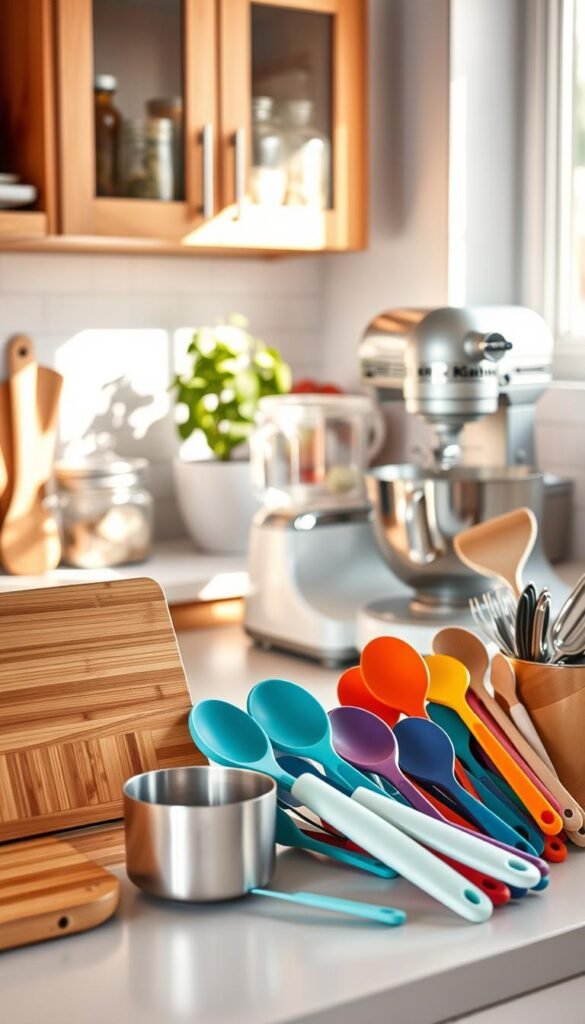
How this list works: for each item you get Why it’s useful, Who it’s for, What to avoid, a quick real-life example, price-value take (usually under $25), pros/cons, and a cheaper alternative.
Electric can opener with auto shutoff
Why it’s useful: opens cans fast and stops on its own to avoid overcutting.
Who it’s for: anyone with weak grip or limited time in the evening.
What to avoid: flimsy no-name units with hard-to-clean blades.
Example: after a long workday you start dinner without wrestling a can. Price-value: worth it if you open cans weekly; expect under $25. Pros: consistent, reduces wrist strain. Cons: needs counter space. Alternative: manual safety can opener.
Jar opener gripper pad or under-cab jar opener
Why it’s useful: turns stuck lids into a quick twist.
Who it’s for: small hands, anyone who wants faster access.
What to avoid: weak adhesives or thin plastic teeth.
Example: open sauce jars without calling for help. Price-value: almost always cheap and long-lasting. Pros: simple, no power. Cons: under-cab models need install. Alternative: silicone trivet or rubber glove.
| Item | Price-value | Best for | Alternative |
|---|---|---|---|
| Handheld milk frother | Under $20; high daily joy | Coffee drinkers | French press or jar shake |
| Silicone utensil rest | Under $10; prevents stove mess | Stovetop cooks | Small plate or paper towel |
| Oil sprayer mister | $10–$20; reduces grease | Sheet-pan and air-fryer users | Measuring spoon |
| Clip-on strainer | Under $15; saves setup time | Small kitchens | Standard colander |
| Instant-read thermometer | Under $25; best results per dollar | Cooks who want reliable output | Oven probe or visual cues |
For a broader mix of everyday picks that match these practical standards, check this curated selection for daily use: daily life finds mix. These are things that stay useful for years when chosen for quality and safety.
How to choose lazy-friendly tools without wasting money
Buy gear that earns counter space by saving you real minutes each week. Start with a clear rule: if a tool doesn’t save you time at least once a week or stop a recurring mess, it probably won’t earn space in your kitchen.

What to avoid: hype gadgets and fragile shortcuts
Avoid products that promise viral „5‑second hacks,“ gadgets with many moving parts, or thin plastics that crack after a few washes. These are the shortcuts that cut quality and create rework.
Safety and quality checks
Food tools: confirm food-grade silicone or stainless steel and check heat ratings for anything near pans or ovens.
Electrical items: choose known brands, look for safety certifications, and verify amperage ratings. Follow manufacturer instructions to avoid overheating.
Alternatives and the manual vs electric decision
Use the „minimum effective feature“ mindset: fewer features that work every day beat gimmicks with many buttons.
- If grip or pain is the issue, an electric model makes sense.
- If you want fewer dishes, a manual tool usually wins on cost and simplicity.
- Cheaper swaps: a plate as a utensil rest, a measuring spoon for oil, paper towel as a temporary splatter guard.
Amazon-first tips: prefer items with lots of reviews, clear material photos, and a simple return policy. Prioritize common sizes so replacements arrive fast.
Commitment rule: buy one tool, use it for two weeks, and keep it only if it consistently saves time or cuts friction for your household teams. That simple test protects your budget and improves long-term efficiency.
For related practical picks and money-saving ideas, check curated lists like money-saving tools, a guide on lazy decluttering, quick tips to fold laundry faster, and a budget mix of reliable picks under $20: top finds under $20.
Conclusion
Pick one everyday snag, buy a simple tool for it, and watch how it shortens your evening routine.
Main takeaway: these „lazy person“ picks are efficiency tools. They cut motions, save minutes, and keep quality steady.
Start with a single pain point—stuck lids, microwave mess, or a dish pile—and test one affordable gadget for a week. Judge value by less cleanup time, fewer repeat messes, and more consistent results.
Tools help, but clear conversations matter too. A simple word about timing (remember the wife „trash needs to go out“ moment) prevents friction that tools alone can’t fix.
One caution: don’t trade efficiency for idleness. Choose safe, heat-rated, food-safe items and sensible electrical gear. The goal is fewer hassles at the end of the day and a calmer mind.
For more on the productivity mindset and practical optimization, see this guide on the workplace productivity lens, the classic lazy mind-set perspective, and an inventive take on quick solutions here.
FAQ
What does "lazy person finds" mean in a practical home context?
It describes tools and small changes that cut wasted effort at home. Think simple devices or habits that save time, reduce repeated motions, and keep quality high. The goal is smarter work, not sloppiness.
Why is being "lazy" sometimes more efficient and not just careless?
When you aim to avoid unnecessary effort you design processes that remove friction. Fewer steps often mean fewer mistakes, less fatigue, and steadier performance across days and weeks. That boosts practical results in real life.
What’s the origin of the quote about a "lazy person for a hard job" and what does it actually mean?
The saying celebrates finding the simplest reliable method to get work done. It implies someone who optimizes a task to avoid repeated strain. It’s about using smarter techniques and tools, not shirking responsibility.
How does the bricklayer lesson apply to everyday chores?
The bricklayer idea shows you can reduce motion while keeping quality. In the kitchen or cleaning, arranging tools within reach or using multiuse devices saves time and prevents burnout from repetitive tasks.
What is the "trash needs to go out" moment and why does it matter?
Small delays and assumptions—like thinking someone else will take out the trash—create friction. Clear routines and easy access to bins remove those micro-frictions and keep household systems running smoothly.
Which kitchen and home tools actually earn their space by saving time?
Reliable basics do the heavy lifting: an electric can opener with auto shutoff, jar-opener tools, a handheld milk frother, silicone baking mats, and an instant-read meat thermometer. Each cuts steps and cleanup without costing a fortune.
Are electric can openers and jar openers worth buying?
Yes if you open many cans or jars and value time or reduced wrist strain. Choose sturdy models with good reviews. For occasional use, a manual jar opener or gripper pad is a budget-friendly alternative.
How does a silicone utensil rest help daily cooking?
It keeps stovetop and counters cleaner by containing drips and reducing wipe-downs. Small prevention tools reduce the time you spend on cleanup after every meal.
When should I use an oil sprayer instead of pouring oil from the bottle?
Use a mister to control portions, reduce excess grease, and simplify pan cleanup. It’s especially useful for roasting and nonstick pans where a thin, even layer is enough.
Does a clip-on strainer really beat a colander?
For many pans and smaller batches, yes. A clip-on strainer drains without transferring hot contents to another container. It saves time and reduces dishes when cooking pasta or vegetables.
Are microwave splatter covers and silicone baking mats necessary?
They’re low-cost items that prevent mess and extend appliance life. Covers cut wipe-downs. Baking mats replace parchment or oils and simplify cleanup while reducing waste.
What makes an instant-read meat thermometer a "lazy-friendly" tool?
It removes guesswork. You save time avoiding overcooking and reduce leftovers wasted from dried-out food. Fast, accurate checks mean fewer rechecks and better results.
Which small tools improve safety with minimal effort?
Long-reach or electric lighters, outlet timers or basic smart plugs, and a quality meat thermometer improve safety and automate routine tasks. They reduce risky shortcuts and give consistent outcomes.
How do sink caddies and drain hair catchers save time and money?
They prevent clogs, keeping plumbing clear with little effort. That lowers the chance of costly repairs and removes the need for frequent deep clean sessions.
When is a dish wand or reusable lint roller a better buy than disposable options?
If you value speed and reduced waste. A dish wand with a soap reservoir washes a pan fast without filling the sink. A reusable lint roller cleans pet hair repeatedly without buying refills.
What should you avoid when choosing "lazy-friendly" tools?
Avoid hype gadgets, fragile plastics, and shortcuts that sacrifice quality. If a tool breaks quickly or creates more work, it’s a false economy. Look for durability and simple mechanics.
What safety and quality checks should you do before buying?
Verify food-grade materials, heat ratings for kitchen items, and basic electrical safety certifications for powered devices. Read real-user reviews for longevity and common failure points.
Are there cheaper alternatives that still work well?
Yes. Simple manual tools often outperform gimmicks. A sturdy manual can opener, silicone mats, and basic organizers offer high value at low cost. Prioritize function over novelty.
How do I choose tools that fit my budget and space?
Start with high-impact items that address your biggest friction points. Pick renter-friendly, compact options and avoid single-use gadgets. Upgrade gradually based on daily use and real results.
Founder of GoodHomeFinds. Reads the specs, tracks the prices, researches the products from real reviews.