This is a no-hype, practical guide to small gadgets and simple upgrades that make your home easier to run as the season changes.
Think renter-friendly gear. Think plug-in fixes, low-footprint items, and realistic setup times. You’ll get clear pros and cons, noise and power notes, and simple maintenance tips.
I frame this around the fall reset many people do after summer ends. Labor Day is a good checkpoint to lock in routines, update emergency plans, and test gear for winter readiness.
Expect honest filters up front: power draw that affects bills, noise that harms sleep or work, and size that fits a small apartment.
This list covers heating, lighting, kitchen helpers, cleaning and organization, plus safety for storms and outages. Each category will include budget vs premium advice and who it’s for.
For an easy primer on the site mission and testing approach, see our short about page at Good Home Finds.
Key Takeaways
- Focus on renter-friendly, plug-in solutions that fit small spaces.
- Prioritize low power draw, low noise, and easy setup.
- Use Labor Day as a seasonal reset to test routines and gear.
- Each item will list pros/cons, space needs, and maintenance reality.
- Expect budget and premium options with clear recommendations.
How to Choose Apartment-Friendly Fall Tech Without the Hype
Before scrolling for deals, make a quick checklist for size, power, noise, and pairing. This four-point system keeps choices practical and renter-friendly. Use it every time you consider a new device.

Space first: a fast fit check
Measure the footprint, door clearance, and storage spot so the item won’t block a hallway or stay on the floor forever. In a bedroom or WFH corner, pick compact units that tuck on a shelf or next to a desk.
Power basics that affect your bill
Read the watt label before checkout. Higher-watt heaters cost more to run. Always-on devices add up over time. If you want a quick check, multiply watts by hours used and compare to your utility rate.
Noise that matters for sleep and work
Look for decibel ratings or quiet modes. In a bedroom, under 40 dB is less distracting. For calls in a shared apartment, prefer fans with low and whisper settings to avoid bothering roommates and neighbors.
Compatibility without the jargon
Check Wi‑Fi band, app requirements, and smart speaker pairing. If a product needs a hub, ask if it’s worth the extra cost. For simple light schedules, a plug-in timer often beats a complicated smart system.
- Repeatable decision: space + power + noise + compatibility.
- Choose renter-safe installs only. Skip permanent fixes that risk the deposit.
- Organize chargers in a box and plan routines to reduce daily friction.
Real benefits
Small, deliberate upgrades can cut bills and calm routines as daylight shrinks. These changes focus on energy, safety, and reclaimed time you can actually use.

Energy savings when days get shorter and routines change
Set heat and lights on timers to avoid “always on” habits. That keeps comfort steady without cranking settings and reduces wasted power.
Practical outcome: fewer surprise charges on your bill and a cozier apartment without fuss.
Safety upgrades during stormy weather and earlier sunsets
Earlier sunsets mean more trips in the dark and higher outage risk. A basic backup battery and a lantern often pay for themselves after one storm.
Use surge-protected power strips and renter-safe alarms to lower real seasonal risk.
Time savings for busy weeks, school routines, and meal prep
Automated lights speed rushed mornings. Meal planning with theme nights and a shared calendar reduces evening choices and fights.
Reader’s Digest suggests enforcing bedtimes about ten days before school starts. Dimmed lights and quieter devices help kids fall asleep sooner.
- Honest limit: gadgets don’t fix drafty windows or an overpacked schedule.
- Worth it fast: one storm or a week of missed alarms shows the value of small backups and automation.
Who needs this
If you live in a rental or compact space, choose plug-in solutions that deliver comfort without commitment. Early fall is a smart time to make small changes that last for months and feel worth it through the year.

Renters who can’t make permanent changes
Why it helps: plug-in upgrades give warmth, light, and safety without drilling or rewiring. You keep security deposits intact and still get better comfort.
Small-space households that need compact, multi-use gear
Pick items that fold, stack, or serve two roles. A slim heater with a fan mode, or a lamp with a USB port, saves counter and closet room.
Families and roommates managing schedules and shared chores
Who benefits: busy families and roommates. Reliable lighting and simple automation reduce nightly arguments and speed up chores.
Use a shared calendar when school starts to align chores and meal plans. That little habit makes routines easier for family and friends.
Busy professionals, creators, and hosts
For people who work long hours, choose quiet devices with low maintenance. If you host friends more in fall, better lighting and comfy seating get more use than you expect.
| Audience | Main problem | Renter-friendly fix | Worth-it note |
|---|---|---|---|
| Renters | No permanent changes allowed | Plug-in heater, surge-protected strips | Saves security deposit, adds safety |
| Small-space homes | Limited counters and closets | Compact, multi-use appliances | Less clutter, easier storage |
| Families / Roommates | Conflicting schedules | Automated lights, shared calendar | Fewer conflicts, smoother evenings |
| Busy pros & hosts | Time and comfort | Quiet, low-maintenance gear | More free time, better gatherings |
Bottom line: pick easy, reversible items that match your space and schedule. Make a simple fall plan now and you’ll breathe easier for the next few months.
autumn prep tech picks for cozy, efficient heating in small spaces
You can get reliably warm in a small apartment with a few smart, plug-in upgrades. Start with renter-friendly options if you can’t touch the building thermostat.

Smart thermostat upgrade paths for apartments
If the wall unit is off-limits, use smart plug schedules or radiator-friendly valves where allowed. A plug-in heater on a timer gives similar comfort without altering building controls.
Budget vs premium space heaters
Budget: cheaper models heat a room fast but can be louder and simpler on safety features.
Premium: quieter fans, better tip-over and overheat shutoffs, and clearer controls. Premium is worth it for nightly use.
Humidifiers for dry air and better sleep
A small cool-mist humidifier eases dry throats and helps bedding feel warmer in fall and winter. Empty and rinse the tank weekly to avoid stale smells.
Maintenance, power use, and overnight noise
Heaters draw high power. Use them to warm the room, then lower settings to maintain comfort and cut costs. Running one all night raises your bill.
Check filters and wipe units weekly. Make sure devices have automatic shutoff and stable placement away from curtains and linens.
| Need | Budget pick | Premium pick | Worth it when |
|---|---|---|---|
| Occasional warmth | Compact ceramic heater | Quiet oil-free panel | Short bursts, low cost |
| Nighttime use | Small fan heater | Silent convection model | Sleep-sensitive spaces |
| Dry air | Basic cool-mist humidifier | Ultra-quiet ultrasonic with filter | Better sleep & skin |
Lighting and routines tech for shorter days
Shorter days make reliable lighting a simple, high-impact change for your daily rhythm. Use light to cue wakeups and wind-downs without fuss. Focus on easy, renter-friendly setups you can install in minutes and test the first routine before adding more.

Smart bulbs vs plug-in timers for morning and evening routines
Timers are cheap and reliable. Plug one in, set on/off times, and forget it. They work without apps and don’t need your Wi‑Fi.
Smart bulbs add dimming and scenes. They let you schedule gradual wake lights in the morning and soft warm tones at night. Expect a short app setup and occasional updates.
- Best for simplicity: plug-in timers.
- Best for control: smart bulbs with dim schedules.
- Power note: LED bulbs are low-draw and won’t spike your bill.
Motion-sensor night lights for hallways and bathrooms
Motion sensors prevent late-night stumbles without blinding overhead lights. Place them in hallways and near bathrooms to trigger soft, brief illumination.
They save time and reduce annoyance for roommates. Choose models with adjustable sensitivity and an auto-off timer for privacy and battery life.
Seasonal reset setups that support regular bedtimes
Use a simple schedule to enforce a consistent lights-out cue about ten days before school or major schedule shifts. Gradual dimming signals the brain that it’s time to sleep.
Start with one bulb or lamp, pair or set a timer in minutes, and evaluate. Expand only if it helps your household keep routines without extra noise or fuss.
For compact entryway ideas and quick choices, see entryway lighting choices.
Kitchen tech that makes fall meal planning easier
A few thoughtful countertop choices change how you plan meals for the week and mornings.

Air fryer vs slow cooker for weeknight theme meals
Air fryer: faster, crisp results, and great for quick dinners like (Air) Fryer Friday or crispy tacos. It cuts cook time on busy nights.
Slow cooker: truly hands-off. Set it before work and come home to soup or stew. Use it for Soup Night or a no-fuss roast.
Practical tip: pick one based on how much active time you have. Both help you stick to theme nights and reduce decision fatigue.
Budget vs premium coffee and hot-water options
Budget kettles and drip makers work well for most mornings. They are simple and low-cost to run.
Premium temperature-controlled kettles and single-serve machines are worth it if you care about flavor and speed. They cost more but save you time in the long run.
Fridge and pantry helpers for seasonal produce and leftovers
Clear containers, date labels, and simple bins cut waste as you shift from summer to fall produce. A labeled pantry station speeds lunch prep and snacks.
Store sliced veggies in clear containers up front. Rotate produce to the top so nothing gets forgotten.
Noise and countertop footprint in tight kitchens
Note that some air fryers and grinders are loud. That matters if you live with roommates or cook early in the morning.
If space is tight, favor one multi-use appliance over several single-use items. Store the unused unit in a cabinet or closet to keep counters clear.
| Purpose | Budget pick | Premium pick | Worth it when |
|---|---|---|---|
| Quick weeknight meals | Compact air fryer | Large-capacity air fryer with presets | You want fast, crispy dinners |
| Hands-off dinners | Basic slow cooker | Programmable multi-cooker | You need set-and-forget meals |
| Morning hot drinks | Stovetop kettle or basic drip | Temp-controlled kettle or pod machine | You value speed and flavor consistency |
| Storage & leftovers | Clear food containers + labels | Stackable modular bins | Reduce waste and save fridge space |
For a short list of practical picks that work in small kitchens, see best kitchen tools for cozy fall.
Cleaning and organization gadgets for the fall reset
A small cleaning plan and a few targeted tools make your fall reset less work and more routine.

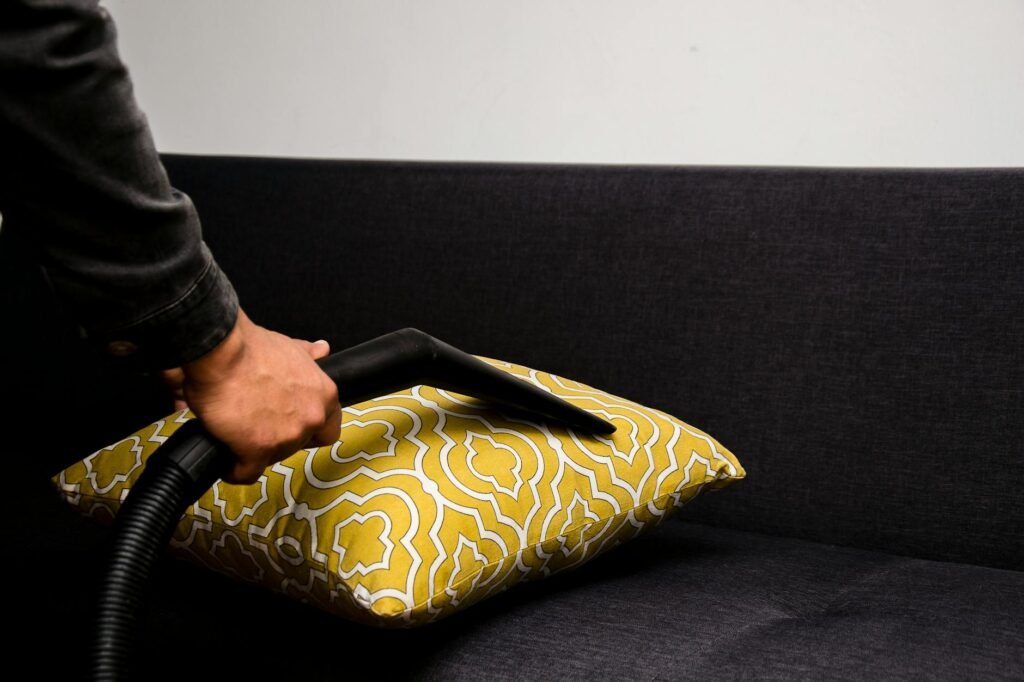
Robot vacuum vs stick vacuum
Robots are great for daily runs while you’re out. They handle dust and pet hair and can reduce tracked-in leaves if paths are clear.
Stick vacuums are faster for spot jobs and corners. They cope better with piles and stairs but need you to run them.
Mini dehumidifiers for closets and corners
Small dehumidifiers cut musty smells in closets, bathrooms, and storage areas. They help humidity but do not fix leaks.
They save time on laundry and protect stored textiles from mildew during fall storage shifts.
Cord, charger, and battery organization
Create one labeled bin for spare cords and a small battery caddy. This system saves time when you need gear fast.
| Item | Ongoing cost | Replace every |
|---|---|---|
| Vacuum filter/brush roll | Moderate | 6–12 months |
| Dehumidifier filter | Low | 6 months |
| Battery pack/AA/AAA | Low | As needed |
- Make sure to empty bins, clean brushes, and wipe sensors so performance stays high.
- Group similar items and give them a dedicated home to cut future tasks and clutter.
Safety and emergency tech for storms and outages
You don’t need a garage full of gear—just a compact set of essentials for storms and short outages. This section shows what to buy, why it helps, and how to keep it renter-friendly and easy to use.

Renter-friendly alarms
Choose sealed-battery smoke and CO alarms. They run for years, obey most lease rules, and avoid drilling. Use adhesive mounts where allowed. Test monthly and make sure you record the date.
Lights and power for outages
Pick reliable flashlights and one lantern for room lighting. Add a battery bank sized to recharge your phone at least twice. Reader’s Digest recommends including a fire extinguisher, extra batteries, and a wrench or pliers in your kit.
Surge protection and smart plugs
Use a true surge protector for TVs, routers, and PCs. It differs from a basic power strip by blocking voltage spikes during storms. Add a few smart plugs for daily use to cut phantom power and set safe shutoff schedules.
Compact apartment emergency kit
Store items in one tote or backpack with labeled pouches for batteries, meds, and tools. Keep it in a closet near your door so you can grab it fast. Monthly checks are simple: test alarms, swap batteries, and confirm the flashlight still works. Make sure you update contents seasonally.
| Item | Why | Renter-friendly | Setup time |
|---|---|---|---|
| Sealed-battery alarm | Long life, easy testing | Adhesive mount | 5 minutes |
| Lantern + flashlight | Room light + task light | No wiring | Instant |
| Surge protector + bank | Protect devices, charge phone | Plug-in only | 2–5 minutes |
For a quick checklist and renter-focused gear picks, see a practical list at storm safety basics and compact home options at best home finds for renters.
Setup time and maintenance: what it really takes
Quick wins come from devices that are ready in minutes and worry-free to maintain. That matters if you work long weeks or want a simple plan that actually lasts.

Setup time ranges by category
Lighting: 2–10 minutes for bulbs or a plug-in timer.
Kitchen appliances: plug-and-go, usually 5–15 minutes to unpack and test.
Cleaning robots: 20–45 minutes for initial mapping and placement.
Safety devices: 5–20 minutes to place and test alarms and surge protectors.
Real maintenance tasks you’ll actually keep up with
Simple tasks: empty vacuum bins, wipe sensors, refill humidifiers, and descale kettles. These take 5–15 minutes each week.
Commonly ignored tasks include filter swaps and deep cleans. If they feel long, you’ll skip them until a smell or failure forces action.
When premium saves you time versus when budget is fine
Premium saves time with easier cleaning, reliable apps, and fewer failures. It pays off if you use a device daily or rely on it for work.
Budget is fine for occasional use or one-off tasks. Pick cheaper ones when you know you’ll only use them on weekends or for seasonal jobs.
A small weekly plan you can keep
- One 10-minute check: empty, refill, wipe.
- Test alarms monthly and log the date.
- Update app settings before busy weeks so automation does the work.
Start with one or two upgrades. Add more only if they save you real minutes and less daily work. For small bathroom fixes that save time and money, see bathroom fixes on a budget.
Common mistakes
A few wrong choices can turn useful gadgets into daily annoyances. Below are the biggest avoidable errors for small apartments and what to do about them.

Buying gadgets that are too loud for bedrooms or WFH
Why it matters: noise ruins sleep, breaks focus on calls, and annoys neighbors in close buildings.
Quick fix: swap for a quieter model, move the device farther from sleeping or working spots, or add a soft pad under fans to cut vibration.
Ignoring power draw on heaters and always-on devices
Why it matters: high-watt heaters and phantom loads spike bills and waste time managing costs.
Quick fix: check watts before you buy, use a smart plug or timer for always-on items, and set a nightly schedule so devices run only when needed.
Choosing bulky appliances that don’t fit cabinets or counters
Not measuring is the most common regret. A bulky cooker or humidifier can live on the counter forever.
Quick fix: measure doorways, cabinet depth, and storage shelves first. If it won’t fit, return or exchange within the window.
Skipping filter changes and creating odors or poor performance
Why it matters: neglected filters make machines smell, lose efficiency, and sometimes grow mold.
Quick fix: set a calendar reminder, keep extra filters on hand, and make filter swaps part of your weekly routine.
Overcomplicating smart-home basics instead of starting simple
Too many apps and messy automations cause more time and confusion than value.
Keep it practical: start with one reliable routine. Build slowly from a working part rather than adding multiple hubs and apps.
- Fast alternatives: return/exchange if needed, move devices to better spots, set a calendar reminder, simplify automations to on/off schedules.
- Mindset: you’re not failing—you’re learning what fits your space and your mind.
| Problem | Immediate fix | Worth it when |
|---|---|---|
| Noise | Replace or relocate to quiet zone | You value sleep and focus |
| Power draw | Use timer or smart plug | You want predictable bills |
| Size fit | Measure and return/exchange | Space is limited |
For seasonal maintenance and furnace checks that save time and money, schedule a quick service as part of your fall routine.
Conclusion
Finish the season shift by choosing a few reliable upgrades you’ll actually use. Your fall plan should make daily life easier, safer, and cheaper to run — not more complicated.
Pick 3 starter items: one comfort piece (heater or humidifier), one routine upgrade (lamp or timer), and one safety item (sealed alarm or battery bank). Set them up over a week: Day 1 measure and choose, Day 2 lighting, Day 3 kitchen tool, Day 4 cleaning tool, Day 5 safety kit check.
Keep maintenance realistic. If you won’t clean it weekly, buy a low-maintenance model. Store emergency gear and chargers in one tote so you can grab them fast.
These choices should help through fall and into winter, and still be useful when spring and summer return. Start small. One to three upgrades beat a half-finished smart house every time. For compact kitchen picks that fit small spaces, see this short list at best kitchen finds.