Smart, renter-friendly upgrades can make daily life easier without turning your space into a showroom.

You’ll get clear advice on what’s worth buying and what to skip. Expect honest pros and cons for each item.

🔌 Tech & Gadgets Picks
Shopping List
Quick picks that solve the problem fast — renter-friendly, budget-aware, and trend-led.
As an Amazon Associate I earn from qualifying purchases.

Think simple gadgets and upgraded fixtures that speed up your daily routine. Focus is on faster mornings, hands-free surfaces, better lighting, and less humidity.

This guide favors small apartments. It looks at space needs, outlet access, moisture, and renter-friendly installs.

Each suggestion notes tradeoffs like noise, power use, upkeep, and repair risk. You’ll see budget vs premium takes and easy setup notes.

We’ll also link some ideas to cleaning workflows and counter organization. The goal is practical comfort, energy savings, and safer use in your home.

Key Takeaways

  • Learn which upgrades help your morning routines and which are overhyped.
  • Small-apartment needs guide every recommendation.
  • Expect honest pros/cons on cost, maintenance, and noise.
  • Prioritize energy saving, safety, and easy installs.
  • Choose renter-friendly options that reduce cleaning and clutter.

Bathroom tech that actually helps in small apartments

Smart upgrades should make daily life easier without crowding your small space.

Smart bathroom simply means a few fixtures or gadgets that act on motion, timers, or presets. They save steps and cut small annoyances.
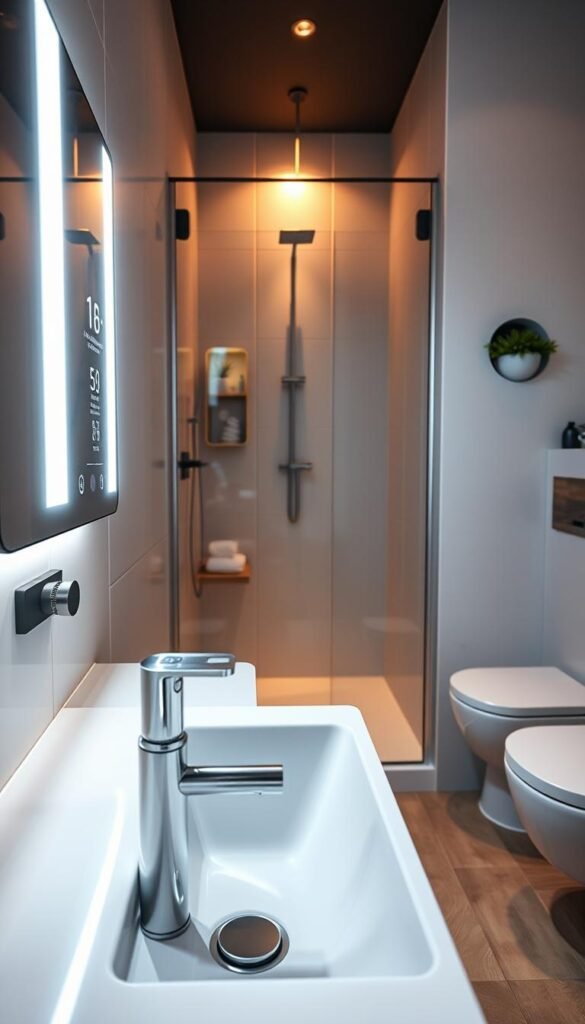
A modern smart bathroom designed for small apartments, featuring sleek fixtures and innovative technology. The foreground shows a stylish compact sink with a touchless faucet and a digital mirror displaying smart controls. In the middle, an efficient shower with adjustable water settings and ambient lighting illuminates the space. The background reveals a clean, minimalist aesthetic with smart storage solutions, plants for a touch of nature, and high-tech gadgets, like a smart toilet. The lighting is soft and warm, creating a welcoming atmosphere. The angle is slightly elevated, capturing the whole bathroom while maintaining an intimate feel, reminiscent of Pinterest lifestyle photos. The image should embody sophistication and practicality for contemporary living. GoodHomeFinds.

Quick decision rule for small homes

Pick items that don’t eat floor area and don’t require moving plumbing unless you plan a remodel. Go for plug-in mirrors, adhesive ambient lighting, and countertop organizers.

Space and safety checks before you buy

  • Confirm GFCI outlets and safe cord routing.
  • Measure wall space for mirrors or shower panels.
  • Note how steam or splashes will hit the device; choose humid-rated models.

„Electronics fail fast in wet areas unless they are rated for humidity.“

Compatibility and budget vs premium

Decide if you’ll use an app or voice controls. If you forget apps, choose simple local timers or physical switches. Premium models earn their price with better sensors, quieter fans, longer warranties, and easy parts.

Renter-friendly tip: favor removable installs you can take with you and check shutoff access for any item that touches water. For more budget options, see budget-friendly fixes.

Real benefits: comfort, cleanliness, and lower bills

Focus on changes that reduce running water, cut power use, or shave minutes off your morning routine. This is the simple test you should use before buying anything for a small space.
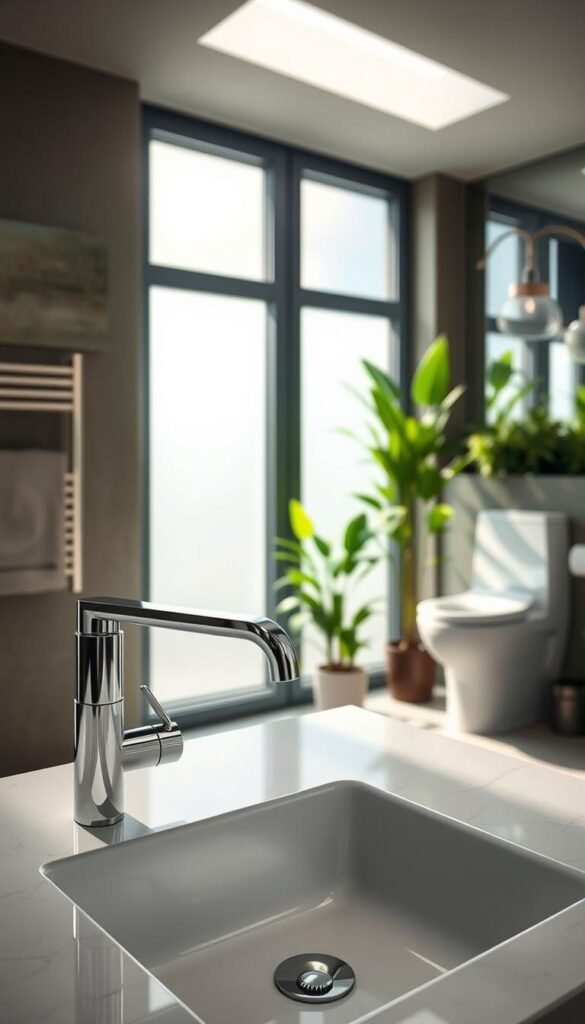
A contemporary bathroom scene showcasing water efficiency technology. In the foreground, there's a sleek, modern sink equipped with a stylish low-flow faucet, adorned with a polished chrome finish. The middle ground features an eco-friendly toilet with a smart flush system, illustrating practicality and design. Light filters through large frosted windows, creating a warm and inviting ambiance. The background displays green plants and energy-efficient lighting fixtures, enhancing the eco-conscious atmosphere. The overall mood is fresh and clean, embodying comfort and innovation. A subtle touch of elegance, complemented by soft shadows, provides a Pinterest-style aesthetic that highlights the benefits of modern bathroom tech, perfect for showcasing GoodHomeFinds.

Water efficiency wins

Touchless and digital faucets cut the water you waste while fiddling with knobs. Some manufacturers report up to 70% savings in test conditions when a digital control prevents long warm-up runs.

In real life that means lower water bills and less mess around the sink. Remember batteries and occasional sensor cleaning as a routine maintenance item.

Energy and lighting

Switching to LED lighting is one of the fastest returns. Residential LEDs use at least 75% less energy than older bulbs.

Better light also makes a small room feel larger and reduces time spent adjusting mirrors and fixtures.

Humidity control and hygiene

Smart exhaust fans that react to moisture help stop mold growth and that persistent damp smell. They run only when needed, saving power and protecting finishes.

Daily routine upgrades that save time

Anti-fog mirrors and preset showers remove small daily delays. You stop wiping glass and stop waiting for the water to settle.

These improvements add comfort and shave minutes off each day, which adds up over a month or year.

„If a device doesn’t save water, energy, cleaning time, or daily frustration, it’s probably not worth it in a small space.“

Honest tradeoffs: Some comfort features use steady power (mirror warmers, heated seats). Some ventilators produce noticeable fan noise in studios. Weigh those costs against real savings.

Upgrade Measured benefit Power & noise Best first buy
LED lighting ~75% lower energy vs incandescent Low power, no noise High impact, low cost
Touchless / digital faucet Up to 70% less wasted water (in tests) Batteries or low-voltage; silent Good for hygiene and water bills
Smart exhaust fan Less mold risk; lower humidity Moderate power; some models make noise Essential in humid climates
Anti-fog mirror / presets Saves minutes each day; cleaner surfaces Mirror heat uses steady power Nice-to-have if budget allows

Best first upgrade: LED lighting + a humidity-sensing fan + one hands-free hygiene gadget. This combo balances lower bills, better comfort, and less cleaning time for most small homes.

Smart mirrors and lighting that make the bathroom feel bigger

A well-lit mirror and layered lights are one of the fastest ways to make a small room feel larger.

LED smart mirrors often combine anti-fog heating, dimming, and a readable time/temperature display. Many models add touch or simple voice control and small info readouts you glance at during busy mornings.
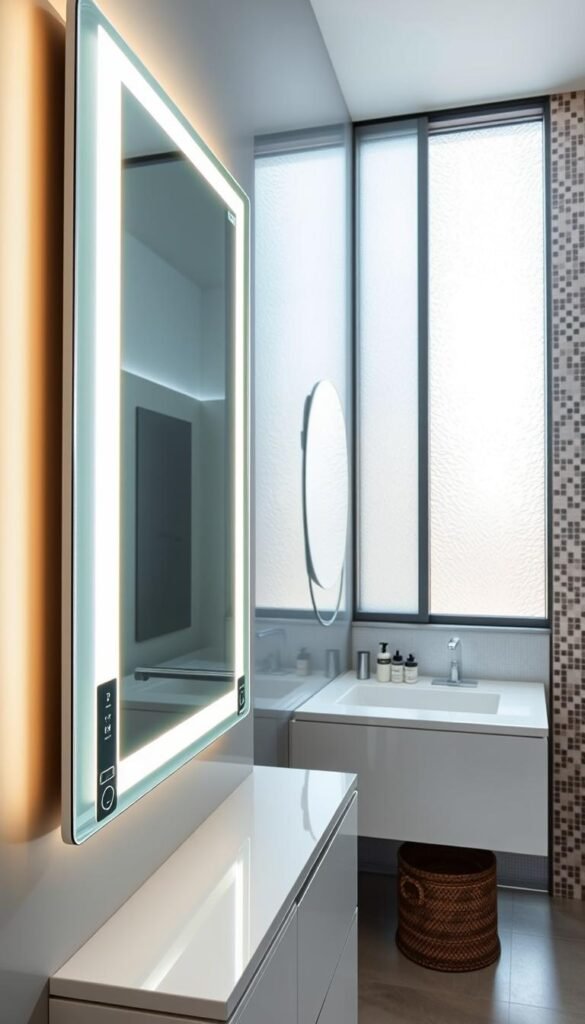
A modern bathroom featuring an elegant smart mirror that seamlessly integrates with high-tech lighting. The foreground showcases the smart mirror with a sleek, minimalist design and touch controls along the side. Ambient lighting softly illuminates the mirror, creating a spacious feel. In the middle ground, the bathroom vanity is adorned with stylish fixtures and neatly arranged toiletries, reflecting a sense of organization and luxury. The background features a stylishly tiled wall and frosted glass window, allowing natural light to brighten the room. The overall atmosphere is contemporary and inviting, with a focus on innovation and comfort. Capture the scene in bright, natural lighting using a wide-angle lens to emphasize the spaciousness of the area. The image embodies sophistication and the modern lifestyle offered by GoodHomeFinds.

Pros and cons to weigh

Pros: clearer reflection, instant anti-fog, and better overall lighting for grooming and design.

Cons: bright lights can glare in tight spaces, wiring may require hardwiring, and extra features raise the chance of failures.

Power, noise, and reliability

LED lights use little power. Anti-fog heating uses more but runs quietly. Expect a warm zone on the glass when the heater is active; you shouldn’t hear much else.

Renter-friendly ambient ideas

  • Under-vanity LED strips for a floating look.
  • Battery or plug-in motion night lights for late trips.
  • Backlit mirror strips that clip on without drilling.
Option What you get Install Best for
Basic LED mirror Good light, anti-fog, simple dim Plug-in or wall mount Reliable daily use
Voice-enabled mirror Voice control, music, displays Often needs hardwiring Hands-free routines, smart homes
Ambient strips Low-power accent lights Adhesive, plug-in, or battery Renter-friendly design boost

„A focused mirror and layered lighting are one of the easiest upgrades that actually change how a small space feels.“

Touchless faucets and digital controls for cleaner routines

Upgrading your sink controls can save time, reduce germs on handles, and trim water waste. These changes fit small spaces and give clear daily benefits without large remodels.
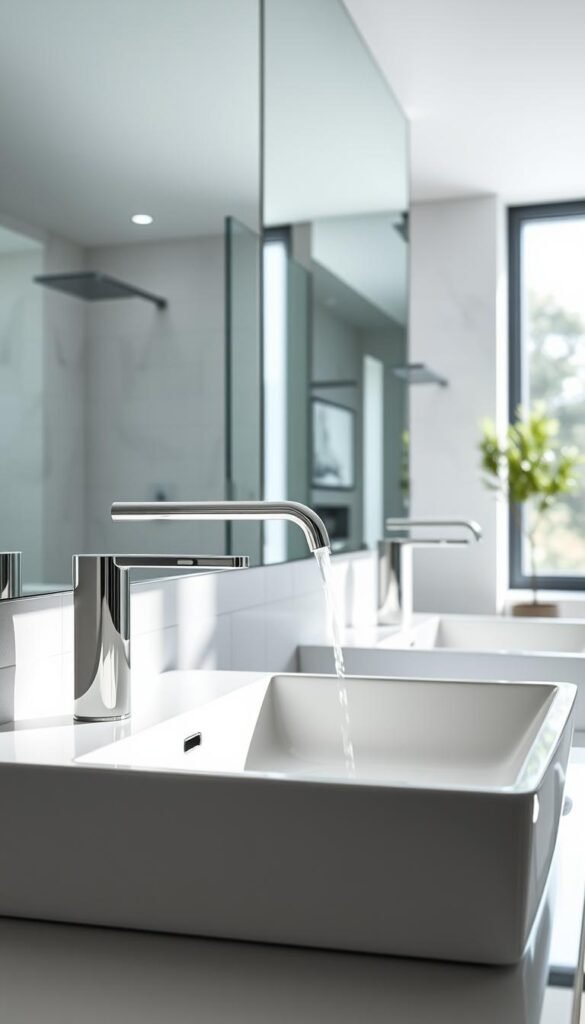
A modern bathroom interior featuring sleek touchless faucets with minimalist design, displaying smooth chrome finishes that reflect soft ambient lighting. In the foreground, a stylish sink with elegant lines highlights the advanced digital controls beside it. The middle ground reveals the faucet in use, with infrared sensors seamlessly integrated, dispensing water without contact, emphasizing hygiene and convenience. The background showcases a clean, tiled wall and a large mirror that reflects the entire scene, creating a spacious feel. Natural light filters in from a nearby window, enhancing the serene atmosphere. The image captures a luxurious yet practical vision of everyday life. Create a realistic, Pinterest-style lifestyle photo with no text, reflecting the brand "GoodHomeFinds".

Hygiene and convenience wins

Touchless faucets reduce contact points. That means fewer germs on handles and less soap or toothpaste smearing around the sink.

The water starts when your hands are full or messy. That convenience is especially useful in shared rooms.

Digital temperature control and comfort

Digital controls let you preset a preferred water temperature. You stop wasting water while you wait for the tap to warm up.

Real comfort: consistent water temperature saves time and avoids sudden hot or cold surprises.

Real-world claim check

Some manufacturers report up to 70% water savings in controlled tests. Your results depend on how long you usually run the tap and sensor sensitivity.

Maintenance and simple cleaning tips

You will manage batteries or low-voltage power and occasional sensor cleanings. Hard water can cause mineral buildup at aerators and sensors.

  • Wipe sensors gently with a damp cloth.
  • Descale aerators by soaking in vinegar periodically.
  • Keep the faucet face free of soap film for reliable detection.

Space, install fit, and renter-friendly options

Measure faucet height and reach so you avoid extra splashing in tight vanities. Check that shutoff valves are accessible before replacing a unit.

Renters should prefer adapter kits and reversible mounts. Homeowners can opt for integrated systems if shutoff access is easy.

„If a device doesn’t save water, energy, cleaning time, or daily frustration, it’s probably not worth it in a small space.“

Feature Benefit Install & maintenance
Touchless faucet Better hygiene, less mess Plug-in or battery; clean sensors; low upkeep
Digital temp control Less wasted water; steady comfort May need hardwiring or low-voltage line; occasional firmware or battery checks
Budget sensor kits Renter-friendly, low cost Adapter kits, easy uninstall; change batteries

For budget ideas and simple fixes that pair well with these upgrades, see this home problem solver mix for renter-friendly options.

Smart showers and spa-style upgrades that still fit tight bathrooms

Presets and compact shower columns give you reliable warmth and pressure without eating space or your budget. Modern columns pack a rainfall head, handheld wand, and body sprays into one vertical unit that fits most existing stalls.
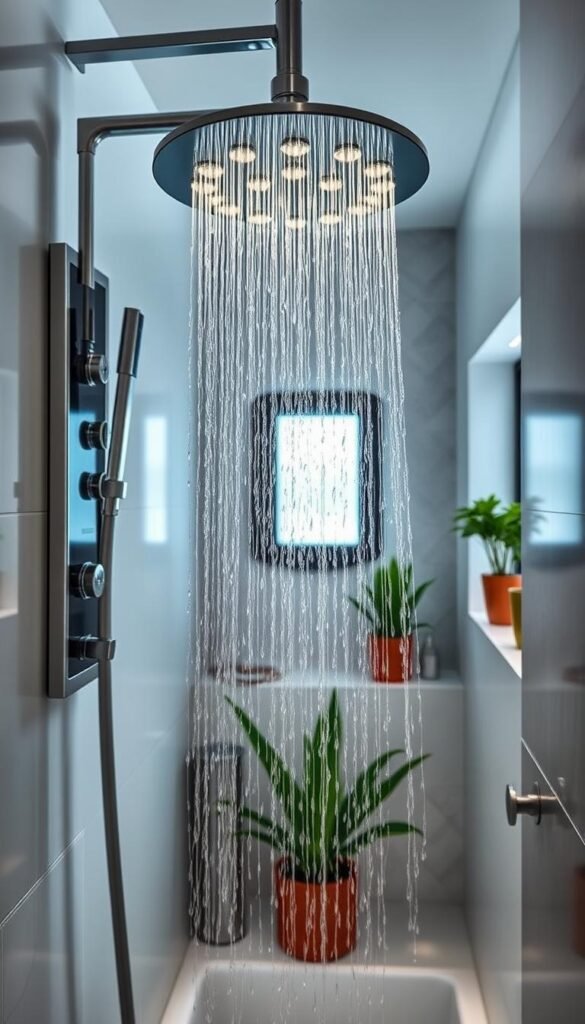
A sleek, modern smart shower in a stylish tight bathroom space, featuring a minimalist design with high-tech touch controls. In the foreground, a rain showerhead is elegantly designed, with water droplets glistening under soft, ambient lighting from a built-in light panel. The middle section showcases a chic tile backdrop with geometric patterns, complemented by potted plants that add a touch of freshness. In the background, a small window allows natural light to filter in, enhancing the tranquil atmosphere. The overall mood is serene and luxurious, perfect for a spa-like experience even in compact settings. The image captures the essence of innovative bathroom technology in a tasteful, inviting style. GoodHomeFinds.

Presets, control, and real convenience

Smart showers let you save a preferred temperature and pressure so you stop fiddling each morning. That steady control trims warm-up waste and speeds your routine.

Water use, efficiency, and a budget check

Spa features feel luxurious. But running multiple outlets longer raises your water bill. Use presets to cut warm-up time and pick lower-flow heads if you want luxury without large water use.

Noise and installation realities

Valves usually click softly. Pumps and some premium systems can hum. In a small flat that hum feels louder, so test noise before you commit.

Who should skip smart tubs and simple comfort picks

If you rarely bathe, lack space, or want low maintenance, skip a smart tub. Instead, add quick wins like a heated towel rack. Heated floors offer real comfort but usually pair with a remodel. Sources note underfloor systems can be ~25% more energy efficient than running central heat because they warm where you feel it.

Budget vs premium

Option What you get Install
Shower panel/column Rain head, wand, simple controls Usually DIY or basic plumber
Fully smart shower system App presets, voice control, multi-zone outputs Often pro install; higher cost

For planning and practical wiring guidance, see a step-by-step primer on creating a smart setup at how to create a smart bathroom.

„Presets help you get consistent water temperature and pressure without fiddling every morning.“

Smart toilets, bidets, and hygiene gadgets worth the counter space

A thoughtfully chosen bidet seat or touchless flush can solve daily hygiene headaches without a remodel. These upgrades give clear, usable benefits for shared flats and singles alike.
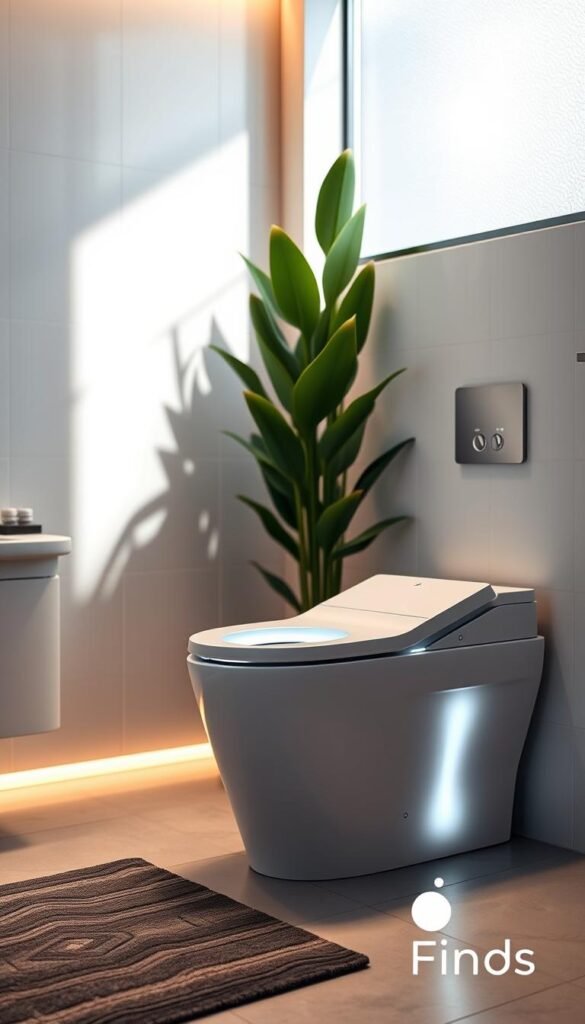
A modern bathroom featuring a sleek smart toilet and bidet combo, showcasing advanced hygiene technology. The toilet has a minimalist design with a glossy white finish and illuminated control panel. In the foreground, a stylish bathroom mat complements the decor. The middle ground highlights the smart toilet's unique features, such as a heated seat and integrated air dryer. Behind, a chic, tiled wall with ambient lighting creates a serene atmosphere. A tall, green plant adds a touch of freshness, while soft, diffused sunlight streams in through a frosted window, casting gentle shadows. The overall mood is luxurious and calming, perfect for a contemporary bathroom aesthetic. The image should reflect the brand "GoodHomeFinds" in its design elements.

Why they can be worth it

Better hygiene and less toilet paper use are the main wins. A bidet with adjustable wash and air dry cuts mess and shared bathroom stress.

Key features that matter

  • Heated seats for winter comfort.
  • Adjustable wash pressure and nozzle position.
  • Touchless flush and motion lids to avoid handles.
  • Self-cleaning nozzles and simple removable parts for upkeep.

Pros, cons, and maintenance

Pros: easier surface cleaning, better daily comfort, and lower paper waste for some households.

Cons: repairs can cost more and parts may be model-specific. Expect occasional descaling and nozzle cleaning.

Power and outlet needs

Most bidet seats and smart toilets need a grounded outlet behind or beside the toilet. Plan cord routing so cords stay neat and GFCI protection is available.

Heated seats and warm-water options draw noticeable power. Use eco modes or timers to cut electrical use and cost.

Small, low-cost hygiene wins

Motion-sensor soap dispensers are a cheap, renter-friendly upgrade. They reduce germ spread and soap drips without plumbing.

Water purification and when to use it

Under-sink or point-of-use systems help if your municipal supply has taste or odor issues. Most city water is fine, so filtration can be overkill for many homes.

„Prioritize gadgets that reduce clutter—wall-mounted dispensers and slim bidet controls keep small spaces easy to clean.“

For model reviews and picks, check a buying guide to compare popular options like best smart toilets.

Who needs this: matching bathroom tech to your routine and budget

Match upgrades to how you actually live so each purchase pulls its weight. Start by listing daily pain points. That tells you whether to value speed, cleanliness, or comfort.
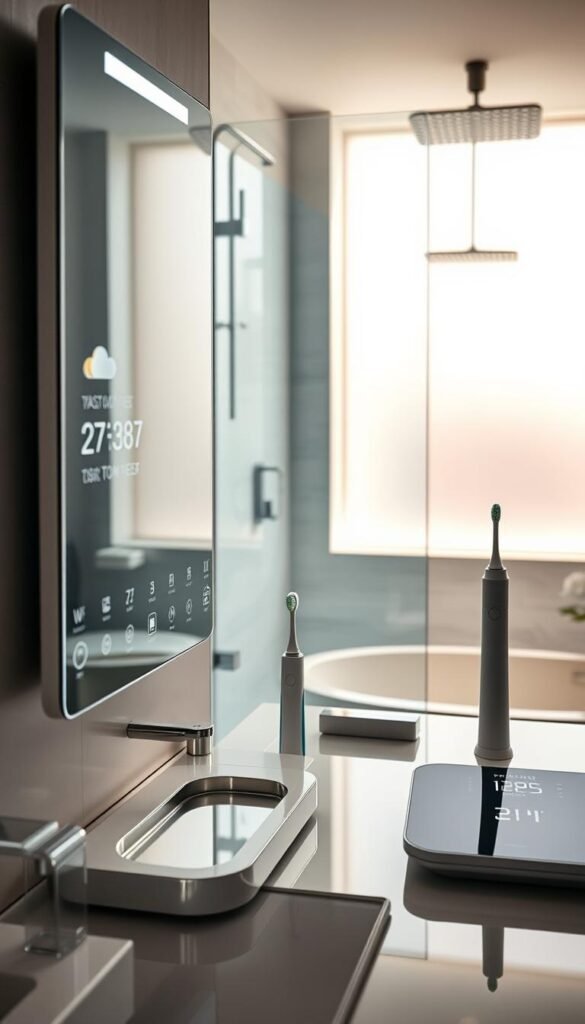
A stylish and modern bathroom setting showcasing various innovative bathroom tech gadgets. In the foreground, a sleek smart mirror with touch controls reflects ambient lighting and displays a weather forecast. In the middle, an elegant countertop holds a high-tech toothbrush and a digital scale. Background features a spacious shower with smart water control and soft natural light streaming through frosted windows, creating a serene atmosphere. The mood is contemporary and inviting, emphasizing functionality and design harmony. The scene is presented with a soft focus to highlight key products, while maintaining a Pinterest-style lifestyle aesthetic. Incorporate branding subtly as "GoodHomeFinds" on a reflective surface within the room.

Renters, roommates, and students

Choose renter-friendly, plug-in items for practical luxury. Think LED mirrors, motion lights, and touchless soap dispensers. These remove cleanly and cost little to install.

See quick gadget picks at bathroom gadgets.

Families and busy mornings

Prioritize better lighting, motion night lights, and preset controls that save time and cut mess. Hands-free fixtures reduce fights over sinks and lower cleanup.

Older adults and accessibility

Focus on visibility and simple controls. Brighter, even lighting and hands-free options reduce slips and bending. Reliable temperature control is a real comfort.

Remodel planning reality & setup time

Fixtures that move plumbing or wiring will raise cost and affect layout and design. Plan those first.

DIY in minutes: dispensers and plug-in lights. DIY with tools: some faucets. Needs a pro: hardwired mirrors, full shower systems, heated floors.

Common mistakes

Avoid oversized gear in a tiny vanity, ignoring humidity and ventilation, and assuming Wi‑Fi is required. Remember batteries and descaling as part of maintenance.

„Match upgrades to your routine, not the latest trend.“

Quick tip: Voice features only help if you use them and your setup is reliable. For planning smart installs and wiring, check a step-by-step guide on how to build a smart bathroom, and compare fast vs full upgrades at fast vs full.

Conclusion

Choose upgrades that you actually use every day, not the showpiece items you forget about. The best bathroom choices boost light, cut mess, steady water temps, and control humidity for real comfort and convenience.

Start simple: swap to LEDs and upgrade your mirror, then add one water-saving fixture if shutoff access is easy. Plan outlet placement, moisture exposure, and whether fan or pump noise will bother your space.

Pick items you can clean and maintain. Use batteries you’ll remember to change and parts you can source later. Spend more where reliability matters and go budget on easy-swap accessories.

If you’re planning a remodel, lock layout-driving fixtures early and then layer smart features. For a planning tool that speeds layout and parts lists, try this planning tool. For tested, practical picks see Good Home Finds.

Result: a cleaner, calmer, faster daily routine without turning your home into a complicated gadget project.

FAQ

What does "smart bathroom" actually mean without the hype?

A smart bathroom uses simple electronics and controls to make daily tasks easier, safer, or more efficient. Think motion faucets, preset showers, or anti-fog mirrors that save you time and water. It’s about practical upgrades that fit your routine, not flashy features you never use.

Which smart fixtures work well in small apartments?

Choose renter-friendly, compact items: touchless faucets with battery power, stick-on LED mirror lights, motion night lights, and plug-in smart exhaust fans. Look for surface-mount or clamp installations so you don’t need major wiring or plumbing changes.

What space and electrical checks should I make before buying?

Measure wall and vanity clearances, confirm outlet locations, and note if outlets are GFCI-protected. Check for moisture-prone areas and avoid low-mounted outlets. For powered fixtures, verify you have an accessible circuit or plan for a licensed electrician.

How do I know if a fixture is compatible with my smart home system?

Check if the product supports your platform (Alexa, Google Home, Apple HomeKit) or has its own app and open APIs. Look for clear mentions of voice control, timers, and cloud requirements. If it needs a hub, factor that into setup time and cost.

When is it worth paying more—budget vs premium?

Pay more for reliability in wet areas, proven water- and energy-saving valves, and long warranty coverage. Save on simple upgrades like LED strips or motion sensors. Premium matters for integrated systems where failures cause big inconvenience.

How much water can digital and touchless faucets actually save?

Real savings vary by use. Many manufacturers and tests show reductions up to about 50–70% versus inefficient older taps when flow is limited and sensors prevent unnecessary run time. Actual results depend on habits and flow settings.

Do LED lighting upgrades really cut energy use that much?

Yes. Quality LEDs use at least 75% less energy than incandescent bulbs and last much longer. Use warm-color, high-CRI LEDs for natural skin tones. Motion or dimming controls add extra savings in low-use spaces.

Can smart exhaust fans reduce mold risk?

Smart fans that run on timers or humidity sensors help remove moisture promptly. That lowers mold growth risk when sized correctly for room volume. Pick units rated for continuous or intermittent use in wet locations.

Which daily routine upgrades actually save time?

Anti-fog mirrors, preset showers, and programmable lighting shave minutes off mornings. Presets keep temperature consistent. Anti-fog means no morning wipe-downs. These small wins add up over months.

What should I expect from LED smart mirrors?

Look for anti-fog, dimming, and basic displays like time and temperature. Premium mirrors add voice or app controls. Check how the mirror mounts, whether it needs hardwiring, and the warranty for LED longevity.

What are common downsides of smart mirrors?

Potential glare, complex wiring, and repair costs if LEDs or heating elements fail. Some models need hardwiring, which raises install cost. Choose simple features if you want low maintenance.

Do mirror heaters and LEDs increase your power bill much?

Mirror heating and LEDs draw modest power. LED lighting is efficient. The heater uses more, but only when active. Overall consumption is usually small compared with HVAC or water heating.

How can I add ambient lighting without a remodel?

Use adhesive under-vanity LED strips, battery motion night lights, and stick-on puck lights. These deliver layered light and are easy to remove for renters. Choose dimmable strips for mood and task control.

Is a basic LED mirror worth it compared to a voice-enabled model?

For most people, a quality basic LED mirror gives the essential benefits at lower cost and simpler installation. Voice-enabled mirrors are useful if you already use smart speakers and want hands-free control.

Are touchless faucets hygienic and reliable?

Yes. They reduce germ spread and mess. Reliability depends on sensor quality and battery or power source. Expect occasional sensor recalibration and follow manufacturer cleaning guidance to prevent false triggers.

What do digital faucets with temperature control offer?

They let you set and maintain a safe water temperature, reducing time spent adjusting knobs and limiting wasted water. Some models include presets for different users or tasks like handwashing and shaving.

Are manufacturer water-savings claims realistic?

Claims vary. Some tests show up to 70% savings for specific fixtures versus older models. Your real-world savings depend on behavior, baseline fixtures, and flow settings. Treat manufacturer numbers as directional, not guaranteed.

What maintenance should I expect for touchless and digital faucets?

Replace batteries or check power, clean sensors, and descale aerators or valves periodically. Keep instructions handy for sensor resets. Use mild cleaners to protect finishes and electronics.

Can renters install touchless or digital fixtures?

Many products offer adapter kits, clamp mounts, or plug-in power that don’t alter plumbing. For hardwired or in-wall work, get landlord approval or use a licensed pro. Keep receipts to restore original fixtures if required.

What do smart showers and shower panels actually do?

They provide presets for temperature and flow, multiple spray modes, and sometimes app control. Panels can add body jets and hand showers while preserving a compact footprint for small spaces.

How do I keep a spa-style shower from spiking my water bill?

Use flow-limiting heads, preset timers, and eco modes. Choose thermostatic valves that maintain temp with lower flow. Balance feel and efficiency by testing different flow rates.

Are noise levels from pumps and valves a concern?

Some pumps and power showers are noticeably louder. Check decibel ratings and read user reviews. Positioning and insulation help, but if noise matters, choose quieter models or gravity-fed options.

Who should consider a smart bathtub?

People seeking a true soak with temperature control and circulation. Skip them if you have limited space, modest water pressure, or strict budgets. They add complexity and maintenance.

Are heated floors and towel racks energy efficient?

Heated floors can be about 25% more efficient than heating the whole room by HVAC for local warmth. Towel racks add comfort with modest electricity use. Use timers and thermostats to limit run time.

Is a shower panel a good midrange option vs a full smart system?

Yes. Panels offer many features at lower cost and simpler installs. Fully smart systems give deeper integration but cost more and often require professional installation.

What capabilities do touchless flush toilets with bidets provide?

They add hygiene features like heated seats, adjustable wash functions, and air drying. Touchless flush reduces contact points. Many models include night lights and automatic deodorizing.

What are the downsides of smart toilets in everyday use?

Higher cleaning complexity, potential for more repairs, and dependence on power. Expect occasional nozzle maintenance and follow cleaning guidelines to avoid damaging electronics.

What electrical needs do smart toilets usually require?

Most require a nearby grounded outlet, often GFCI-protected. Some high-end units need dedicated circuits. Plan outlet placement before install to avoid extension cords.

Do motion-sensor soap dispensers really cut soap waste?

Yes. They dispense consistent doses and reduce cross-contamination. Refillable models lower ongoing cost. Choose models with adjustable portion settings for best control.

When is a water purification system helpful vs overkill?

Helpful if your municipal supply has contaminants, hard water, or you want softer feel for skin and fixtures. Overkill if you have treated, low-mineral water and no skin issues. Test your water before investing.

Who benefits most from these upgrades?

Renters, roommates, and students benefit from quick installs and comfort boosts. Families gain time-savers. Older adults get safety and hands-free controls. Match choices to daily needs and budget.

What should renters prioritize versus homeowners?

Renters should pick noninvasive, reversible upgrades like stick-on lights, plug-in fans, and adapter faucets. Homeowners can invest in hardwired systems, in-wall valves, and integrated electrical work.

Which upgrades help busy families most?

Preset showers, touchless taps, motion lights, and overflow alarms. These reduce morning friction and add safety for kids and elderly family members.

What matters for older adults and accessibility?

Hands-free controls, stable grab bars, anti-slip surfaces, clear lighting, and temperature-limiting devices. Choose simple, easy-to-operate interfaces with tactile controls or voice options.

What planning should I do before a remodel?

Decide which fixtures affect layout, measure spaces, confirm plumbing and electrical locations, and get cost estimates. Prioritize items that add safety and efficiency to avoid overspending on low-value features.

What tasks are truly DIY vs needing a pro?

DIY: adhesive lighting, plug-in mirrors, motion sensors, and clip-on faucet adapters. Pro: hardwiring, in-wall valve replacement, and major plumbing reroutes. When in doubt, consult a licensed electrician or plumber.

What common mistakes should I avoid?

Buying oversized gear, ignoring humidity and ventilation needs, skipping maintenance plans, and assuming all smart devices play well together. Check specs, read reviews, and factor in long-term upkeep.

Schreibe einen Kommentar

Deine E-Mail-Adresse wird nicht veröffentlicht. Erforderliche Felder sind mit * markiert