
Small changes can make daily life easier. This guide focuses on practical, mostly under $25 Amazon-available fixes you’ll actually use. You’re not remodeling. You’re solving tiny hassles that waste time and drain value.
Why this list works: Items you touch every day. They cut mess, speed routines, boost safety, or make tight spaces feel bigger. Expect clear notes on price vs. value, quick pros and cons, and what to avoid so you don’t buy flimsy copies.
Fast delivery matters. These are “fix it this weekend” picks, so you’ll get tips on what to check before you click Buy—weight limits, materials, and return policy. Experts also warn to pad costs by 10%–20% for surprises, even on small fixes.
Real life: stop digging for a timer, stop pulling hair from the drain, and stop tripping in dark hallways. If a gadget won’t be used weekly, it won’t appear here. Heat, water, and electrical items get extra safety checks.
Key Takeaways
- Focus on daily-use items under $25 that save time and reduce mess.
- Each item includes price-value, pros/cons, who it’s for, and what to avoid.
- Check ratings, compatibility, and return policies—especially for heat/water/electrical goods.
- Pad your expected cost by about 10%–20% for surprises.
- Prefer renter-friendly, no-drill solutions and quick Amazon delivery.
- For storage choices, see a practical comparison at storage cheap vs premium.
How to Choose Budget-Friendly Upgrades That Actually Get Used
Good fixes solve a real, repeated problem and stay useful after the first week. Treat each purchase as a small tool for everyday life. That mindset stops impulse buys and keeps cost creep in check. Note: about 2 in 5 homeowners exceeded planned spending on small projects in a 2023 survey, so discipline matters even for cheap items.

What “good value under $25” looks like on Amazon
Look for build and return clarity. Prefer stainless steel, food-grade silicone, or thicker plastics. Check that the seller accepts returns without steep restocking fees.
- Scan reviews for long-term comments and photos showing wear.
- Confirm daily-use fit: will you reach for this weekly?
- Choose items with clear measurements and mounting hardware included.
Safety and quality checks before you buy
Quick checklist by category:
- Heat: peel-and-stick near stoves must list a temperature limit.
- Water: bathroom adhesives need humidity ratings.
- Load: hooks and shelves should state weight limits.
- Electrical: dimmers must say LED-compatible; smart plugs must match amp ratings and your outlet wiring.
What to avoid and a simple buying rule
Avoid novelty gadgets, suction cups that fail under steam, and trendy adhesive organizers that can peel paint in rentals. A common mistake: buying a viral organizer without measuring. It returns, or worse, becomes drawer clutter.
Buying mindset: pick one pain point—cord mess, cabinet space, or moisture—and buy one practical fix you will use this week. That one-point focus reduces wasted cost and makes a real difference in daily life.
Kitchen fixes that save time without a remodel
You don’t need a remodel to make cooking faster and less annoying. Small, practical tools make daily routines smoother and cut real minutes from meal prep.
Magnetic fridge timer
Why it’s useful: Stops overcooking rice, pasta, and casseroles. The magnet keeps it visible on the fridge so you remember to check the oven.
Who it’s for: Busy weeknights and anyone who benefits from loud, repeatable timers.
What to avoid: Tiny buttons and weak magnets that slide down the door.
Silicone sink strainer
Why it’s useful: Catches food scraps fast and cuts clog risk. Cleaning takes seconds with a quick rinse.
Who it’s for: Families cooking nightly and kitchens without a garbage disposal.
What to avoid: Thin silicone that flips or the wrong drain size.
Countertop cord organizer clips
Why it’s useful: Keeps coffee-maker and toaster cords from falling behind counters.
Who it’s for: Small kitchens and shared counters where cords cause daily friction.
What to avoid: Weak adhesive on textured backsplashes or clips too narrow for thick cords.
Non-slip shelf liner & expandable riser
Why they’re useful: Liners stop jars from sliding and cut drawer noise. A riser creates a second tier so mugs and plates fit safely.
Who they’re for: Renters, small-space cooks, and anyone who wants smarter storage and a neater look.
What to avoid: Liners that smell or leave residue and risers with wobbly legs or wrong dimensions.
„Small fixes save minutes and stop tiny hassles from piling up.“
Price-value quick notes: All items are typically under $25 on Amazon. They install in minutes and return daily minutes saved.
- Pros: Fast setup, renter-friendly, practical materials, saves time and space.
- Cons: Timers need a loud alarm; liners may need trimming; risers can cut clearance for tall items.
Mini routine: Set a 10-minute timer for sautéing, strain scraps into the strainer, clip cords back, and open a drawer that is finally quiet and organized.
Quick cabinet and drawer upgrades that change the whole look
Small hardware swaps can change how your cabinets feel and how you move in the room.
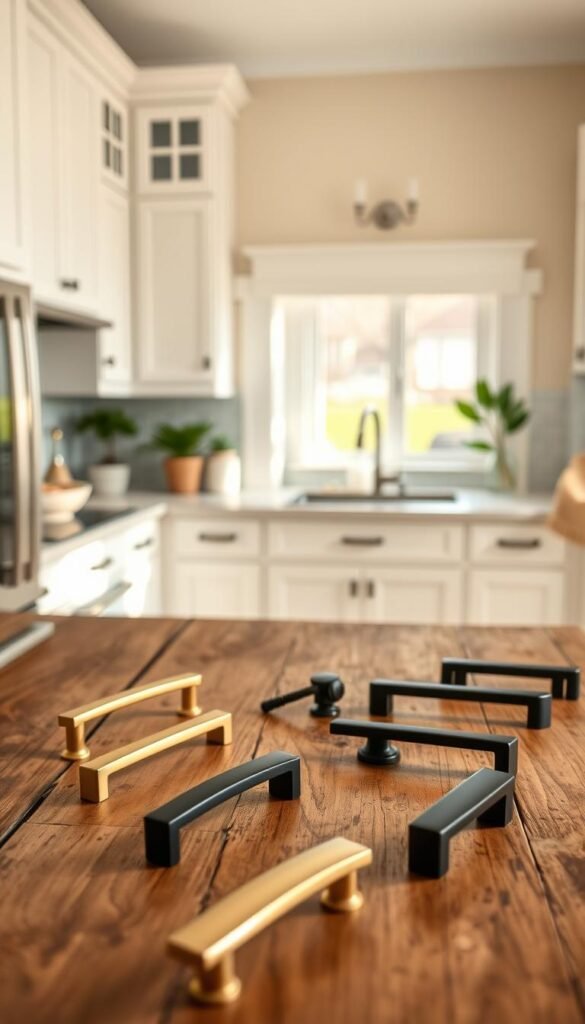
Swap knobs and pulls for an instant refresh
Why it’s useful: New knobs and pulls improve grip, reduce snagged pockets, and give an instant visual refresh. Replacing old pieces can tremendously elevate a vanity or cabinet for far less than a renovation.
Who it’s for: Anyone with dated or builder-basic doors who wants a visible style change fast.
Measuring step: Measure screw center-to-center in inches and millimeters. If you move from knobs to pulls, plan for drilling and use a template to avoid mistakes.
Soft-close bumper dots to stop slams
Why it’s useful: Bumper dots stop the slam, cut chipped paint, and make mornings quieter. They cost a few dollars and install in seconds.
Who it’s for: Families, renters with thin doors, or anyone tired of noisy cabinets.
Installation cautions: Don’t place dots where doors can’t fully close. Choose humidity-resistant adhesives so they don’t fall off in steamy rooms.
What to avoid and finish guidance
What to avoid: Mismatched hole spacing and ultra-cheap plated finishes that flake. Never order pulls before measuring existing hole spacing.
Finish guidance: Pick brushed nickel, stainless, or powder-coated metals that resist fingerprints. Match metal tone across the room or expect a finish mismatch risk.
- Price-note: Individual knobs and bumper dots are usually under $25. Buying full sets can push costs up, so start with visible doors or uppers.
- Pros: Fast transformation, low effort, renter-friendly options available.
- Cons: You may need new holes for pulls and finishes can vary between batches.
„Open your cabinets while you cook. Liking the hardware makes the space feel new every day.“
| Item | Use | Who it fits | Budget tip |
|---|---|---|---|
| Knobs & Pulls | Better grip, instant look change | Builder-basic cabinets, dated vanities | Start with the most visible doors to stay under $25 |
| Soft-close Dots | Reduce noise and chipped paint | Families, renters with thin doors | Choose humidity-rated adhesive |
| Finish Choices | Durability and fingerprint resistance | Any style-conscious owner | Pick brushed nickel or stainless for longevity |
Renter-friendly note: Swap in reversible hardware and avoid drilling visible areas when possible. For more renter-safe finds, see the best finds for renters.
Peel-and-stick protection for walls, shelves, and backsplashes
A thin layer of peel-and-stick material can protect walls and trims without tools. These pieces save time and keep painted surfaces clean after meals or messy tasks.
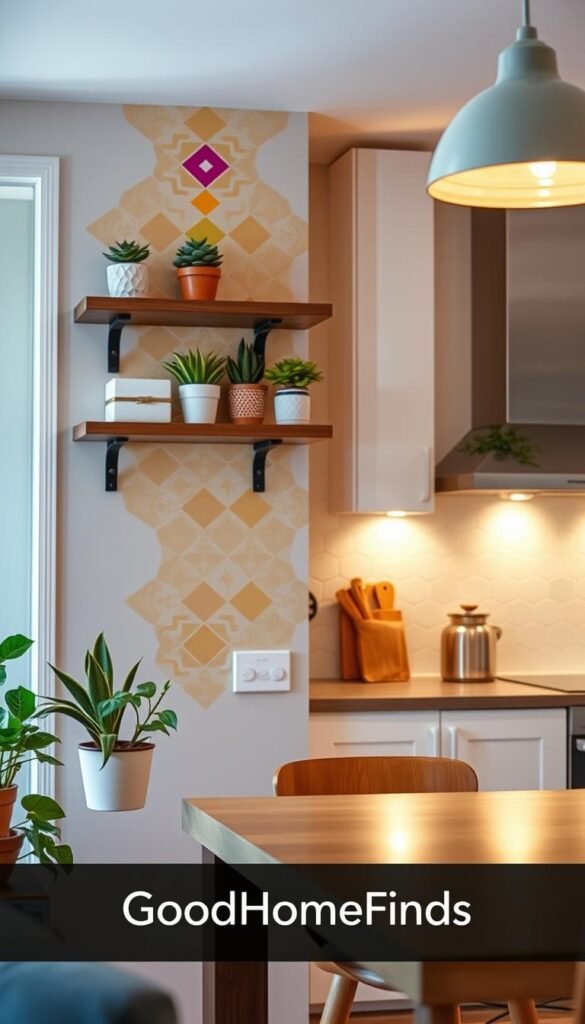
Peel-and-stick backsplash panels
Why it’s useful: A wipeable surface behind sinks and stoves prevents stains on painted drywall and lowers repaint frequency.
Who it’s for: Renters with permission, busy cooks, and anyone who wants an easy, visible fix.
What to avoid: Do not place panels right next to open flame or where manufacturer heat limits are exceeded.
Clear splash guards and stove gap covers
Why it’s useful: Guards stop grease and crumbs where a stove meets a wall or counter.
Who it’s for: Small kitchens with tight gaps and people tired of moving the range to clean.
What to avoid: Thin plastics that warp and adhesives not rated for heat or steam.
Alternatives and cheaper options
Beadboard panels are paintable and classic. A washable semi-gloss paint zone behind a coffee station is low-cost. A stainless sheet can work if you find a deal.
Safety and renter-friendly removal
Check heat ratings on materials. Ventilate if adhesive odors appear. For removal, warm the adhesive with a hair dryer and peel slowly. Spot-test to avoid tearing drywall paper.
| Product | Benefit | Who it fits | What to avoid |
|---|---|---|---|
| Peel-and-stick panels | Wipeable surface; fewer stains | Busy cooks, renters (with approval) | Too-close to burners; low heat rating |
| Clear splash guard | Protects side walls from grease | Small kitchens, tight gaps | Warping plastics; weak adhesive |
| Stove gap cover | Stops crumbs from falling through | Anyone avoiding range pulls | Wrong width; silicone with strong odor |
Price-value note: These are cleaning-time savers you can install in a weekend. For related space-saving fixes, see best small kitchen solutions.
Bathroom mini-upgrades that feel like a bigger remodel
Smart, low-effort bathroom changes save you time and improve safety every morning. Small swaps can refresh style and daily living without a full renovation.
High-pressure showerhead
Why it’s useful: Better rinse, faster shampoo removal, and shorter showers—so you save time. Handheld models also help for kids, pets, and varied heights.
Who it’s for: Low-pressure bathrooms, thick hair, and busy mornings.
What to avoid: Nonstandard connections and cheap plastic threads that crack. Confirm your shower arm is 1/2-inch NPT and look for included plumber’s tape. Keep the old head if you rent.
Towel hooks and rings
Why it’s useful: Towels dry better hung properly. Less clutter, fewer damp piles on counters or floors.
Who it’s for: Small bathrooms, kids, and anyone who wants neater fixtures and improved function.
What to avoid: Finishes that spot easily and hardware without proper anchors.
Anti-slip stickers or mat
Why it’s useful: Reduces slips in slick tubs. Good for kids and older adults or any slippery fiberglass surface.
What to avoid: Mats with weak suction that curl and stickers that trap grime if not cleaned routinely.
„I cut a few minutes off shower time and towels stopped ending on the floor.“
- Pros: Showerheads are high impact; hooks are cheap and quick; mats boost safety.
- Cons: Shower swaps can reveal plumbing quirks; mats need regular cleaning to avoid mildew.
Safety and quality checks: Inspect threads, test suction, and avoid harsh cleaners on plated or matte finishes.
For more practical, low-cost bathroom fixes, see bathroom fixes under $25.
Fix moisture and odors for a healthier bathroom (cheap but important)
Moisture control stops small problems before they become big ones. Simple, low-cost items can reduce mold, cut smells, and save you time scrubbing later.
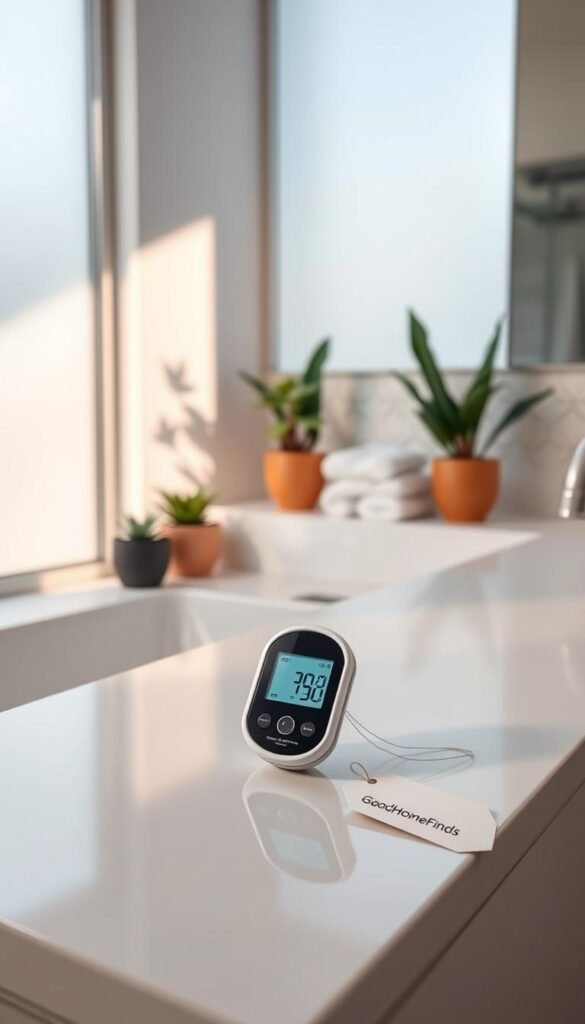
Humidity meter: know if the room stays too damp
Why it’s useful: A humidity meter tells you if the fan actually clears the air. You stop guessing and spot patterns.
Who it’s for: Any bathroom with lingering damp towels, foggy mirrors, or musty smells.
What to avoid: Cheap meters with unreadable displays or units that drift. Pick a clear digital readout and read reviews for long-term accuracy.
Practical target: Look for patterns. If humidity stays high long after showers, you likely need better ventilation or habits—not just gadgets.
Mildew-resistant shower curtain liner
Why it’s useful: A mildew-resistant liner reduces frequent washing and cuts odors. It keeps the shower fresher between deep cleans.
Who it’s for: Busy households and bathrooms without windows or strong airflow.
What to avoid: Liners with strong chemical smells or very thin materials that tear at grommets. Choose thicker, mildew-treated materials and check reviews for durability.
Ventilation reality check and simple alternatives
If you run the fan and still see mold, a $10–$20 item won’t fix airflow. A noisy or weak fan, blocked ducting, or a dirty vent can be the real cause.
When to consider more: If mirrors fog for long periods or mold returns quickly, a vent fan upgrade or duct cleaning will make the biggest difference.
„You glance at the humidity meter after a shower and know whether to leave the fan on while you get dressed.“
Cheap habits that help: Crack a window when safe, run the fan 10–20 minutes after showering, squeegee tiles, and wash liners and towels in hot water regularly.
| Item | Benefit | Who it fits | What to avoid |
|---|---|---|---|
| Humidity meter | Shows if ventilation is sufficient | Bathrooms with foggy mirrors or damp towels | Unclear displays; units that drift |
| Mildew-resistant liner | Fewer wash cycles; less mildew smell | Busy families; bathrooms without windows | Thin liners; strong chemical odors |
| Vent fan upgrade | Long-term moisture control and odor reduction | Bathrooms with persistent mold or fogging | Ignoring duct issues or fan sizing |
Price-value note: These are preventive projects that reduce cleaning time and lower the risk of material damage. Start with a meter and a good liner; upgrade ventilation if patterns show persistent dampness.
Lighting upgrades that change the mood of any room fast
The right light removes visual friction and makes routines easier at night.
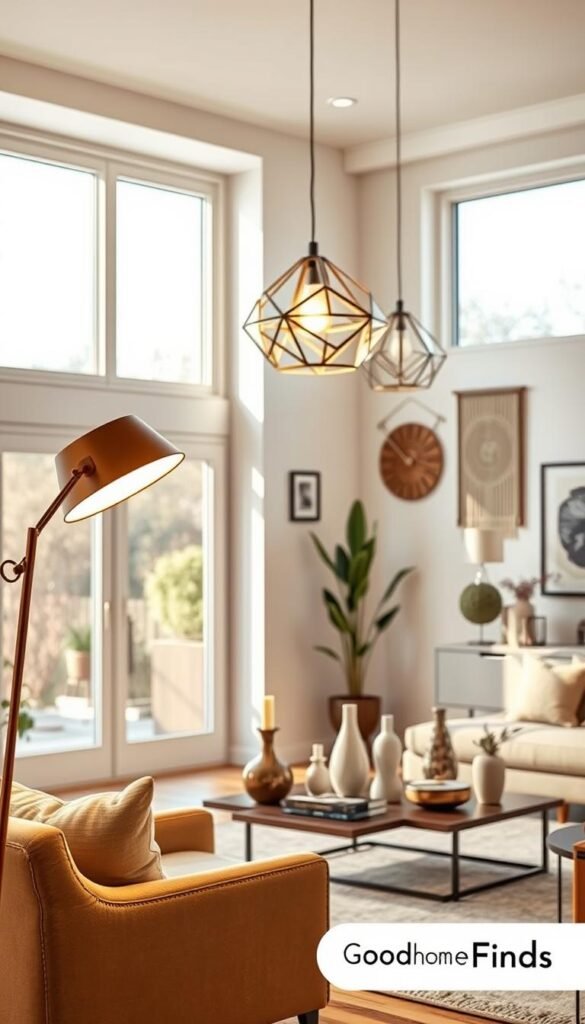
LED daylight vs. soft white bulbs: picking the right color temperature
Why it matters: Color temperature changes the room feel. Daylight (5000K+) reads as crisp and clear. Soft white (2700–3000K) feels warm and relaxed.
Who it’s for: Use daylight in kitchens, laundry, and workspaces. Use soft white in bedrooms and the living room to relax.
What to avoid: Do not mix daylight and soft white in the same sightline. Mixing creates a jarring look and confuses your eye.
Plug-in motion-sensor night lights: safer hallways and midnight trips
Why it’s useful: Motion lights guide you without fumbling for switches. They reduce trips and make late-night bathroom walks calmer.
Who it fits: Families with kids, older adults, and anyone up at night.
What to avoid: Avoid glare-heavy models and units that block the second outlet. Pick a model with adjustable sensitivity and warm color output.
Layering light for a more designed look
Layering combines ambient, task, and accent light to balance function and mood.
Ambient is the soft base light. Task is brighter for work zones. Accent highlights art or shelves.
Start with a consistent bulb temperature for each room. Then add one plug-in lamp or a strip light as a task or accent to finish the look.
„Set soft white in the bedroom, add a warm night light in the hall, and late-night trips feel calmer and safer.“
| Pick | Use | Who it fits | What to avoid |
|---|---|---|---|
| LED soft white bulb (2700K) | Living room, bedroom ambient | Spaces for relaxing | Mixing with daylight in the same room |
| LED daylight bulb (5000K) | Kitchen, laundry, task areas | Work and prep spaces | Using in cozy areas like bedrooms |
| Plug-in motion night light | Hallways, bathrooms at night | Kids, older adults, night-time navigation | Too-bright LEDs and models that block outlets |
Quick pros & cons: Bulbs are cheap and high-impact but pick the right Kelvin and lumen count. Motion lights are easy to install but placement matters. Layered lighting looks intentional but may need two small purchases.
Shopping tips: Check Kelvin and lumen specs. Verify motion range and dusk-to-dawn behavior. Aim for consistent color within each room to get a cohesive look and practical design.
Dimmer switches and smart plugs for flexible lighting and routines

Why this matters: A dimmer or smart plug changes how light supports routines. Design experts note a dimmer is one of the most cost-effective ways to change ambiance. A typical dimmer costs about $20 and can transform bedrooms, living areas, or bathrooms.
Dimmer switch swap: a ~$20 change with big impact
Why it’s useful: Control brightness for wakeups, movie nights, and softer evenings. Use a dimmer to reduce glare and tailor task light when you need it.
- Who it’s for: Bedrooms, living rooms, and baths where you want variable lighting.
- What to avoid: Non-LED-compatible dimmers that cause buzzing or flicker.
For clear buying guidance, see recommended dimmer options at best dimmer switches.
Smart plug for lamps: light on demand without wiring
Why it’s useful: Schedule lamps, enable “on-before-you-walk-in,” and set vacation modes. Smart plugs give the same routine benefits with no wiring changes.
- Who it’s for: Renters, those who forget lights, and people who want easy automation.
- What to avoid: Plugging high-draw appliances into a smart plug designed for lamps.
Safety notes you should follow
Neutral wire & compatibility: Some dimmers and smart switches require a neutral. Verify the product listing and your wall box before buying.
LED bulbs: LEDs need dimmers rated for LED bulbs to avoid flicker and noise. Check both bulb and dimmer specs.
When to call an electrician: If you find aluminum wiring, multi-way switch complexity, or warm switch plates, stop and call a pro. Also call an electrician if you’re unsure how to safely shut off and test the circuit.
„Dim the living room for movie night, and have your entry lamp come on at sunset so you never walk into a dark house.“
| Option | Use | Pros | Cons |
|---|---|---|---|
| Dimmer switch | Wall control for fixtures | High impact; creates ambiance | Requires basic wiring comfort |
| Smart plug | Lamp automation | No wiring; renter-friendly | Depends on Wi‑Fi and apps |
Quick pros/cons: Dimmers are a small-cost, high-return lighting upgrade but need correct wiring and LED compatibility. Smart plugs are the easiest DIY route and offer many routine options without electrical work.
Closet and cabinet organization upgrades that cut daily stress
Small changes inside closets can cut the time you spend getting dressed each morning. Start by listing what you own and measuring the rod length, shelf depth, and door clearance. The simple rule: measure first to avoid returns and wasted purchases.

Motion-sensor strip lights
Why it’s useful: You can actually see dark corners without wiring. These plug-in or rechargeable strips look high-end and install in minutes.
Who it’s for: Closets with no overhead light and small spaces that need better visibility.
What to avoid: Dim strips, finicky sensors, or adhesives that won’t stick to textured walls.
Velvet hangers
Why it’s useful: Slim hangers free up space and stop items from slipping to the floor. You often fit more clothes on the same rod.
Who it’s for: Crowded or shared closets and anyone who wants neater rows of clothes.
What to avoid: Weak swivel hooks or hangers that shed velvet dust onto garments.
Labeled bins
Why it’s useful: Labels make mornings faster because everyone knows where sunscreen, gloves, or batteries live. Bins keep similar items grouped and reachable.
Who it’s for: Busy households and shared storage where small things wander.
What to avoid: Opaque bins without labels and labels that smear when damp.
- Pros/cons: Lights add visibility but need batteries or charging. Hangers are cheap per piece but buying a whole set can add up. Bins are flexible but need consistent labeling to work.
- Amazon checks: Confirm strip length, mounting method, battery type, and whether bin sets match your shelf width.
„I found my black sweater in ten seconds instead of dumping a pile on the floor.“
Practical tip: Pick renter-friendly, no-wiring installs first. If you want more tested ideas, see closet organizing ideas and a roundup of best closet space solutions.
Entryway and front door details that boost curb appeal on a budget
The right front door accents make your house easier to find and nicer to return to. Small fixes at the entry create a clear, cared-for look that pays off in curb appeal and daily convenience.
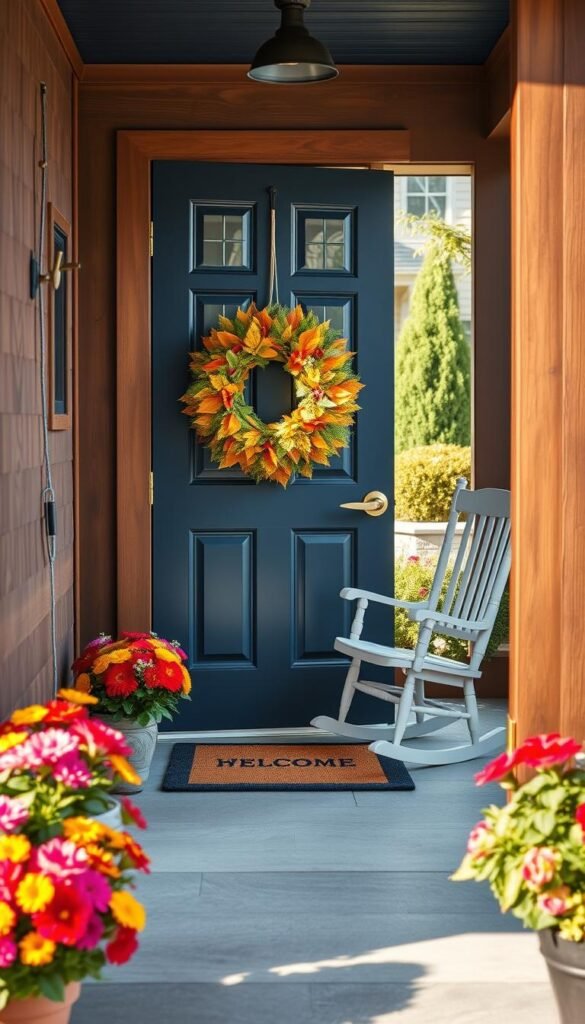
House numbers and mailbox refresh
Why it’s useful: Clear house numbers speed deliveries and help emergency services find you. A fresh mailbox or UV-rated decals keeps the curb tidy and readable.
Who it’s for: Any house with faded numbers or a weathered box.
What to avoid: Thin, low-contrast numbers and stickers not rated for outdoor UV or rain.
Drop zone hooks and shoe mat
Why it’s useful: Over-the-door hooks create a quick spot for bags and coats. A small shoe mat catches mud so floors stay clean.
Who it’s for: Small entryways, renters, families with kids or pets.
What to avoid: Hooks that scratch the door or block closure; mats that slide (use a grippy underlayer).
Rust and finish advice
Tip: Choose powder-coated or stainless finishes. Avoid bare metal in wet climates; it will rust and hurt the look and long-term value.
„Delivery drivers find your house faster, and wet shoes stay on the mat instead of ruining the floor.“
For more exterior ideas that punch above their price, see ways to add curb appeal. If you rent, compare renter-friendly options at renter setup comparison.
Wall and trim upgrades that look custom (without custom pricing)
A few targeted touches to walls and trim can lift the whole room in an afternoon. These fixes cost little, install fast, and deliver a clear, finished look.
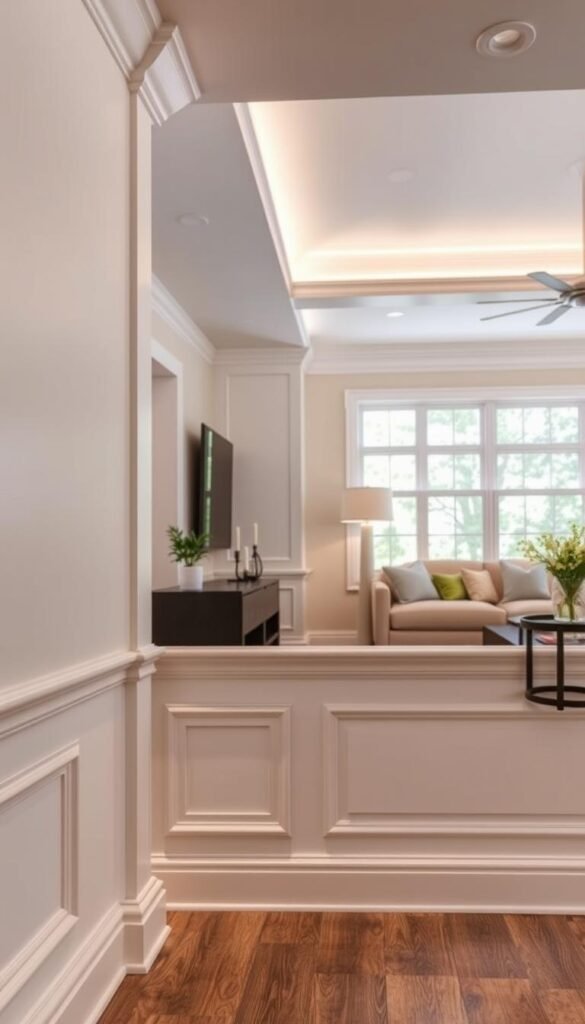
Paint touch-up kit: Quick kits hide scuffs on walls, doors, and baseboards so a room reads as cleaner. They are perfect for high-traffic hallways and places with kids or pets.
- Why useful: Covers scuffs fast and restores an even paint field.
- Who it fits: Renters and busy households that want visible fixes fast.
- What to avoid: Mismatched sheen or unblended edges that flash in light.
Lightweight picture hooks and adhesive strips
Why useful: Hang frames faster with fewer holes. Strips make gallery walls easy to tweak.
Who it fits: Renters and frequent redecorators who need removable options.
What to avoid: Overloading adhesives—follow weight ratings and surface rules. Clean the wall before sticking.
Budget molding and trim ideas for a weekend DIY
Why useful: Applied molding and simple crown runs add finished character like custom woodwork.
Who it fits: Weekend DIYers comfortable measuring, cutting, and caulking.
What to avoid: Starting a whole room without a corner plan. Watch caulk lines and paint transitions.
Starter approach: Begin with one focal wall or a small entry nook rather than the whole room. That keeps cost and time predictable and gives a visible win fast.
„I wiped a scuff near the light switch and the whole hallway felt more kept up in five minutes.“
Alternatives and safety notes: If molding feels like too much, use a slightly different paint sheen or a subtle tone shift to outline panels. Use wall anchors for heavier frames. Remove adhesive strips slowly to avoid paint peel.
| Fix | Benefit | Who it fits | What to avoid |
|---|---|---|---|
| Paint touch-up kit | Hides scuffs; quick refresh | High-traffic hallways, families | Wrong sheen; unblended patches |
| Adhesive hooks/strips | Fast hanging; few holes | Renters, redecorators | Exceeding weight limits; dirty walls |
| Applied molding | Adds finished character | DIYers, weekend projects | No corner plan; poor caulking |
For simple, cost-conscious trim ideas that read like a custom finish, see this guide on ways to make a place look more expensive: ways to add a high-end look.
Storage and shelving add-ons for small spaces and busy households
Add-on storage can turn dead corners and cabinet backs into usable room. These pieces cost little, install fast, and cut daily friction.
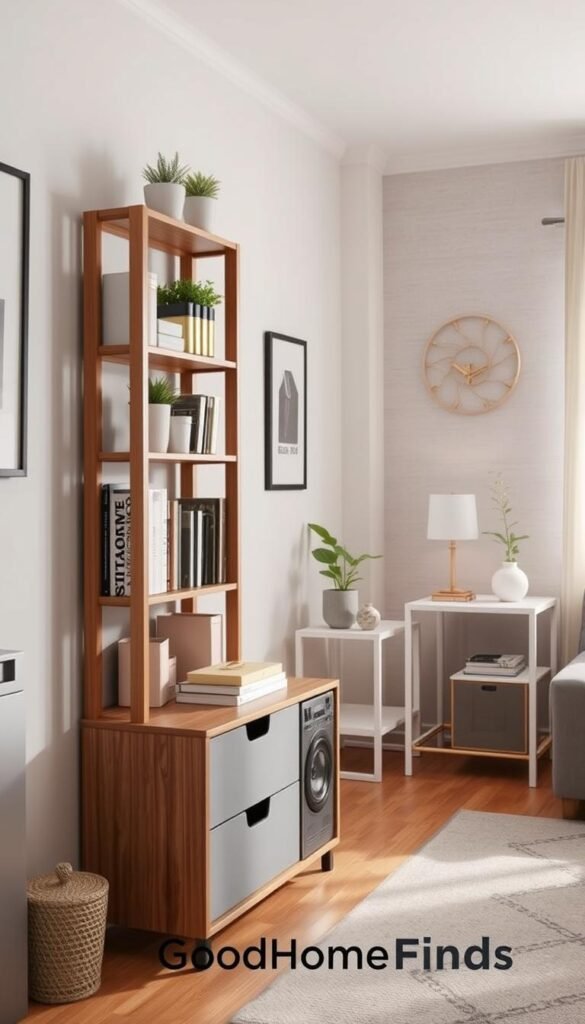
Over-the-cabinet hooks
Why it’s useful: Adds an instant spot for towels, aprons, or cutting boards without drilling.
Who it’s for: Renters, small kitchens, and busy entries where every inch matters.
What to avoid: Hooks that scratch doors or stop cabinets from closing. Choose padded hooks and check door clearance.
Adhesive corner shower caddies
Why it’s useful: Moves bottles off the tub edge and reclaims corner shelving in tight bathrooms.
Who it’s for: Tiny showers, shared bathrooms, and renters who can’t drill tile.
What to avoid: Overloading adhesives or installing on dusty tile, uneven grout, or textured surfaces. Clean and dry the area first and follow weight limits on the listing.
Modular cube bins and shelving
Why it’s useful: Cubes hide clutter while keeping essentials reachable. Use labels to keep order and swap bins as needs change.
Who it’s for: Family rooms, closets, kids’ zones, and any house that needs flexible shelving and quick access.
What to avoid: Cheap plastic that bows under weight. For heavy items, pick units that list a per-shelf load rating and use stronger materials.
Load-rating in plain terms: If you’ll store large shampoo bottles or glass jars, confirm the product lists a weight capacity. Adhesive caddies and hooks are fine for small items; for heavier loads, use a mechanical mount or freestanding shelving.
Alternatives and cheap options: Tension-rod corner shelves, over-toilet shelving units on sale, or thrifted baskets on open shelving give similar function at low cost. For space tactics by room, try this practical space solution guide.
„I stopped knocking bottles off the tub and my kitchen towel finally has a real home.“
| Product | Benefit | Who it fits | What to avoid |
|---|---|---|---|
| Over-the-cabinet hooks | Instant hanging spot for textiles & boards | Small kitchens, renters, entries | Hooks that block closure or scratch doors |
| Adhesive corner caddy | Clears tub edge; reclaims corner space | Tiny showers, shared bathrooms | Installing on dirty or uneven grout; overloading |
| Modular cube bins | Hide clutter; flexible shelving | Closets, family rooms, kids’ gear | Low-quality plastic that warps under weight |
Outdoor safety and comfort upgrades under $25
Simple, low-cost additions around doors and steps cut slip risk and stop chilly air from sneaking in.
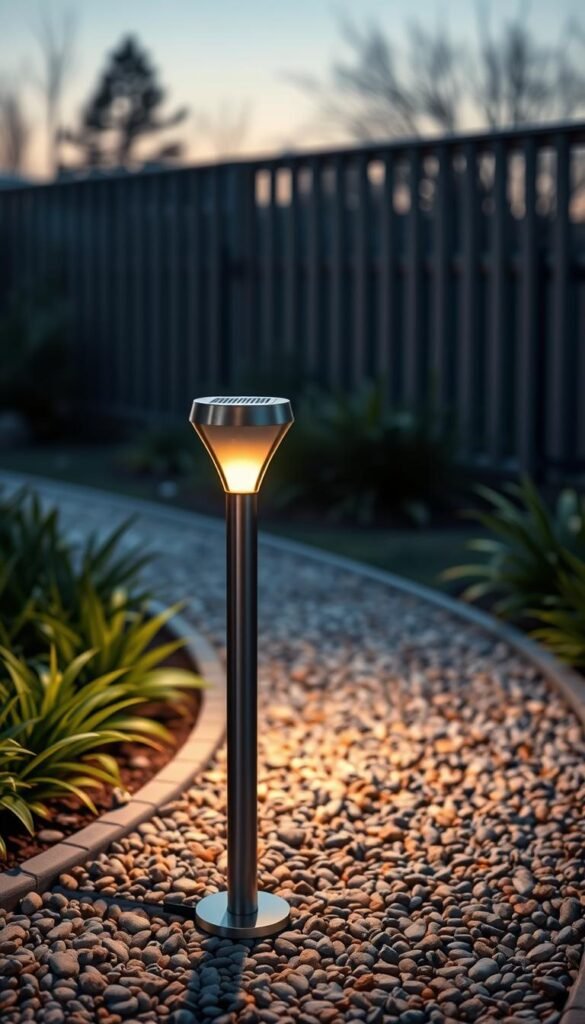
Solar pathway or step lights: safer walkways after dark
Why it’s useful: Solar pathway lights reduce trip risk on steps, deck edges, and walkways. They make late-night trips safer without new wiring.
Who it’s for: Houses with dark entries, renters who can’t hardwire fixtures, and anyone who wants quick safety wins at low cost.
Quality checks: Look for lumen estimates, wider solar panels, and an IP rating for weather resistance. Confirm batteries are user-replaceable and read reviews for winter performance.
What to avoid: Dim lights with tiny panels, sealed units with non-replaceable batteries, and models meant only for decorative use. Place lights where they receive full sun, not deep shade.
Weatherstripping for doors: fewer drafts and better comfort
Why it’s useful: Good weatherstripping stops cold drafts, improves comfort, and can add perceived value to a house at minimal cost.
Who it’s for: Older doors with visible gaps and homeowners who feel chilly near the entry in winter.
Quality checks: Measure the gap, choose the right thickness and material, and clean the frame before applying. Test a small section so the strip doesn’t prevent the door from latching.
What to avoid: Strips that are too thick and stop closure, and adhesives that fail in damp conditions.
„I started leaving the porch lights on and now I take out the trash after dark without grabbing my phone flashlight.“
- Pros: Solar lights are plug-free and renter-friendly; weatherstripping is low-tech and reliable.
- Cons: Solar depends on sun exposure; stripping needs careful measurement and prep.
If your yard has poor sun: consider a plug-in motion sensor light on a covered porch if an outlet is available. For more simple backyard projects that add real value without major cost, see simple backyard projects.
Conclusion
, A single, well-chosen swap can save you minutes every day and lift a room’s feel. Small, practical fixes deliver the most value when they solve a repeated problem and are simple to keep using.
Quick rules: measure first, pick items that match ratings and materials, and avoid viral gadgets that create clutter. Keep safety top of mind for heat, moisture, and electrical work.
Pick one pain point, buy one item you can install in under 30 minutes, and test it for weekly use. Add a small buffer for returns or extra fasteners so cost surprises don’t stall the project.
Next step: If you need a quick budgeting guide for small projects, see this practical how to budget for improvements. Start in the room that annoys you most, fix one thing, and let the momentum build.