Practical, no-hype advice for keeping a small home on a steady reset routine. You’ll get five small-space-friendly picks plus five real ways to use them inside a 5×5 routine. This is about buying less and using what you own better.
The 5×5 method is simple: pick five zones, set a five-minute timer for each, stop when it dings, and move on. If zones feel overwhelming, pick five tasks instead. The goal is to ask, “What can I finish in five minutes?” and drop perfection pressure.
Expect honest trade-offs. You aren’t doing a deep clean in 25 minutes. You are building a repeatable reset that keeps mess from growing. I’ll preview pros and cons you care about: noise, energy use, and tight storage for apartments.
Later you’ll see budget vs premium picks, setup effort, and upkeep notes. Try this today: in 25 minutes your place should look and feel noticeably better—even if it isn’t perfect. For compact starter mixes and recipes, see a simple helper blend here.
Key Takeaways
- 5×5 is five zones or five tasks, five minutes each.
- Use right-sized tools for small spaces to save storage and energy.
- Focus on quick wins in kitchens and open layouts where mess shows fast.
- Compare noise, power, and footprint before you buy.
- In 25 minutes your home should feel much nicer, not perfect.
Real benefits of the 5×5 cleaning method for small spaces
Use brief, fixed bursts of work to lower the mental load and actually start.
The psychology is simple: short timers reduce the “must-do-everything” pressure. When you aim to get done five minutes at a time, you begin fast and avoid doom-scrolling. That quick start often beats planning for hours and doing nothing.

What results to expect in a short amount of time
Expect visible wins, not perfection. Counters look clearer, crumbs drop, and visual clutter shrinks. Those changes make a room feel usable and calmer.
Concrete five-minute wins: scrub a sink, clear a counter stretch, empty the dishwasher, run a quick vacuum pass, or sort a laundry pile.
Best rooms and zones for small homes
Prioritize the kitchen and open-concept living areas where mess spreads visually. In apartments, pick realistic zones: an entryway drop spot, one kitchen counter, the stove area, bathroom touchpoints, or the chair that collects clothes.
When to switch tactics
If you’re well behind or doing a move-out clean, the zone system underperforms. Instead, pick five tasks—deep scrub, oven, full bathroom, declutter flat surfaces, and mop—and repeat daily for a week to rebuild momentum.
| Situation | Recommended approach | Expected outcome |
|---|---|---|
| Daily maintenance | Five-minute zones across key areas | Clear counters, less visual clutter |
| Behind on upkeep | Five focused tasks repeated daily | Faster deep progress, rebuild habit |
| Open-concept kitchen/living | Target kitchen stretches and entryway | Room feels tidier quickly; mess doesn’t spread |
Who needs this cleaning method and who doesn’t
Use tiny windows of time to keep your place usable and calm. This approach suits people who need small, reliable wins instead of perfect results.

Who benefits most
Apartment dwellers where mess shows fast. Short bursts keep surfaces clear without big storage needs.
Roommates and families who can each own one zone. The short turns make accountability simple.
People working from home who want a structured break. Swap a five-minute scroll for a five-minute reset and your workspace feels fresher.
When it falls short — and the easy adaptation
If you’re far behind, moving out, or hosting tomorrow, five minutes per area may not cut it. That’s okay.
Switch to five tasks that actually move the needle: take out trash, load or unload dishes, gather laundry, run a quick vacuum pass, and wipe the bathroom touchpoints.
- Do those tasks once a day for a week to catch up.
- Then return to zones for daily maintenance.
| Situation | Best short plan | Result in one week |
|---|---|---|
| Light daily upkeep | Five-minute zones | Surfaces stay tidy; less visual stress |
| Behind or prepping to host | Five focused tasks daily | Room-by-room progress; ready faster |
| Shared kitchen or busy family | Assign one zone per person | Fair splits; resets are quick |
| Work-from-home breaks | Swap breaks for short resets | Cleaner workspace; better focus |
Keep it simple: the aim is to get done a little each day, not to conquer everything at once. For a short helper mix for kitchen spots, try this kitchen problem mix.
Cleaning device 5+5: devices and options that actually help in apartments
Buy less, choose smarter. Match one right tool to each small area so your five-minute zones stay doable. The goal is quick grabs, low upkeep, and minimal storage fuss.

Stick vacuum vs cordless upright
Stick models store on a wall mount and slip into tight gaps. They are lighter and quieter on low power. Good for hard floors and quick passes.
Cordless uprights feel steadier on rugs and thicker piles. Expect more weight and louder motors. If you have rugs in a living room, they can perform better but take more room to store.
Robot vacuum as a daily reset
Use robots for crumb patrol after dinner or to keep an open-plan kitchen/living area presentable. They work best on hard floors and in predictable layouts.
„Robots save daily hassle, but mapping in tight layouts can be fiddly and maintenance is mandatory.“
Empty the bin often. Wipe sensors and untangle brushes to avoid run-time surprises.
Handheld and mop choices
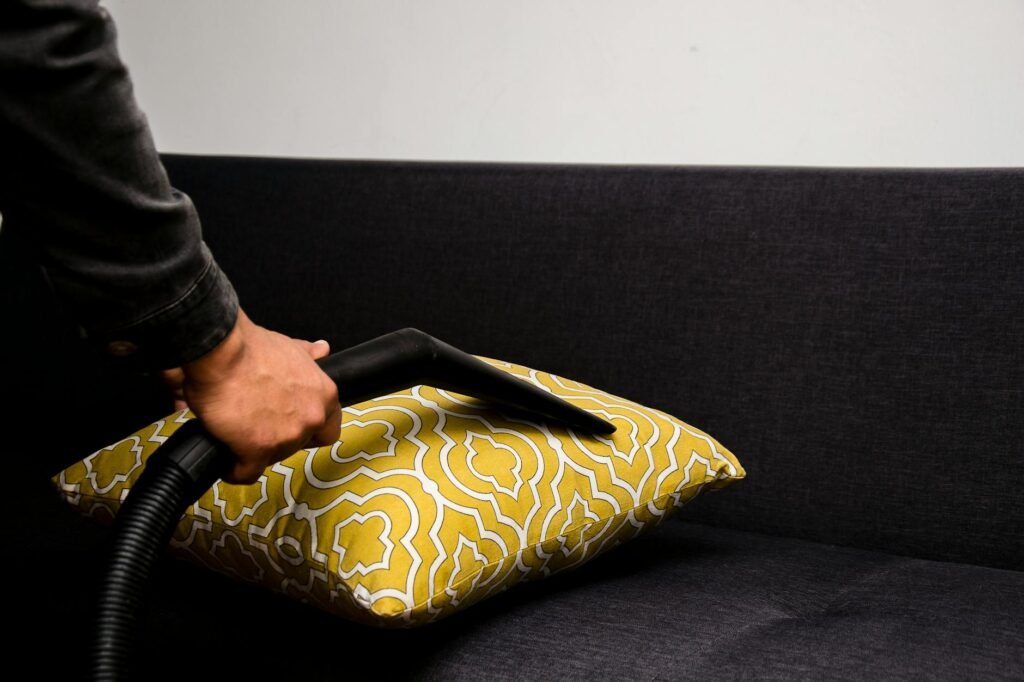
Handhelds win for crumbs, couch seams, and car seats. They cost little to run for short bursts and are the fastest grab-and-go tool.
Steam mop sanitizes without chemicals but needs care around kids and some floors. Spray mops set up faster and dry sooner. Pick based on floor type and household safety.
Air purifier and budget vs premium
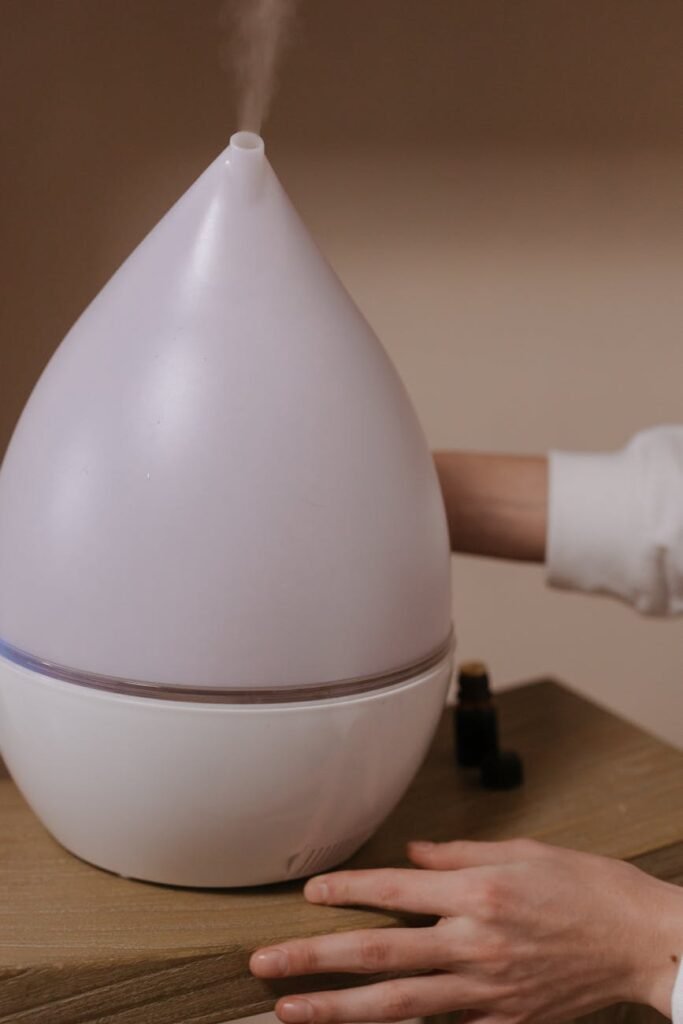
Compact purifiers tame dust and dander over weeks, not minutes. Check CADR and filter costs before buying. Quiet mode is useful for bedrooms.
Budget models cover basics. Premium units offer quieter motors, longer-lived batteries, and easier-to-replace parts. You often pay for durability and fewer headaches.
Space requirements cheat sheet
- Stick: wall mount behind a door.
- Handheld: under-sink bin or small drawer.
- Robot: dock tucked under a console.
- Mop: slim hook in a closet.
- Purifier: corner away from curtains.
Practical tip: declutter first so tools work faster. For curated, renter-friendly picks and links to smart options, see this best cleaning finds.
How to run a 5×5 cleaning session with tech that saves time
A simple loop of five short turns makes upkeep painless and repeatable.
Start by choosing five zones or five tasks. Declutter first. Clearing clutter speeds every next step and helps you get done faster.
Start now script: pick the zones, set a five-minute timer, work, stop when it rings, then move on. Repeat until the round is done.
Timer and tool tips
Use your phone timer for most rounds. Use a smart speaker when your hands are wet. A smartwatch is handy if you move between rooms. A simple kitchen timer works too.
| Tool | Best for | Energy tip |
|---|---|---|
| Handheld vacuum | kitchen counters, crumbs | Use short bursts; eco mode when offered |
| Stick vacuum | floors, quick passes | Charge between rounds; store on a mount |
| Microfiber & mop | bathroom touchpoints, spills | Use spray mop; avoid steam on sensitive floors |
Checklist and pairings
Keep one short checklist you do every session: trash, dishes, surfaces, floors, quick put-away. This is a lean-inspired standard that keeps you consistent.
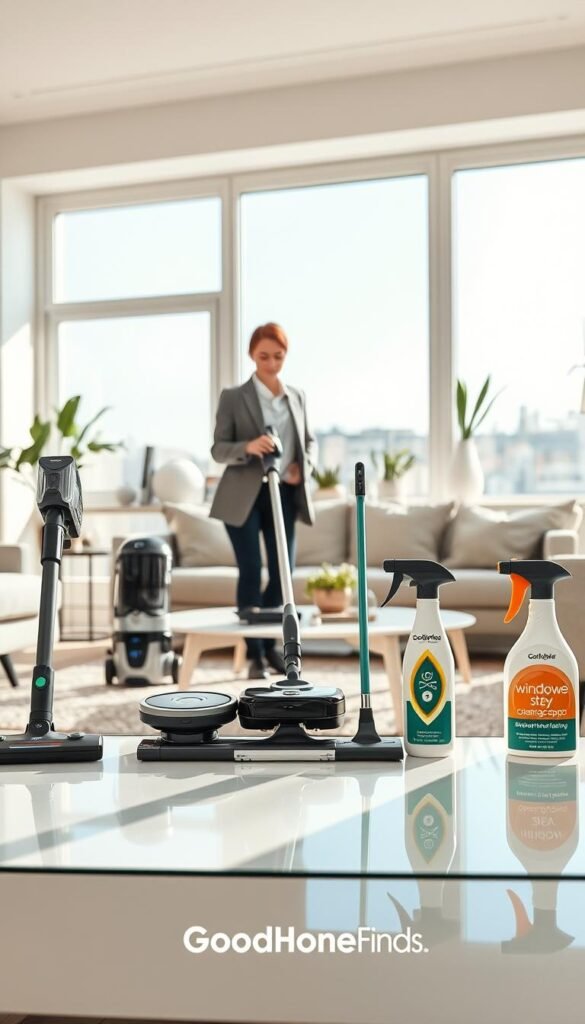
Pair tools to zones: handheld for counters, stick for floors, microfiber for sink areas, basket for laundry, tray for entryway mail. For scheduling robot runs, see how to schedule runs for your robot. For laundry zone ideas, check these laundry zone ideas.
Energy and safety basics
Run eco modes when it’s good enough. Unplug chargers if your manual suggests it. Mark wet floors and keep cords out of walk paths.
„Stop on time. Consistency beats a single long session.“
Setup time, upkeep, and common mistakes to avoid
Make setup and upkeep so easy you actually use them. If starting a tool takes longer than a minute, it will derail your 5×5 routine. Keep choices plug-and-play when possible and reserve complex gear for scheduled deeper sessions.

Setup time: plug-and-play vs mapping and charging
Stick and handheld models are usually plug-and-play: charge, mount, and grab. They cost little prep time and fit short bursts.
Robot vacuums need mapping and floor prep. Plan a short setup session and clear loose items so mapping works. That upfront time pays off only if you use the robot regularly.
Purifiers need a filter install and a good spot. Pick a corner away from curtains so you won’t re-place it every week.
Ongoing maintenance and preventing odors
Empty bins after a few runs and wash filters when airflow drops. Replace brushes and pads on a simple schedule so tools perform well.
Don’t store used pads or full bins. Let pads dry and dump debris promptly to avoid smells that make you avoid the tool.
Noise levels and quiet-hour rules
Use low or eco modes for early mornings and late evenings. Avoid max power mopping or vacuuming near shared walls at night.
„Stop on time. Consistency beats a single long session.“
Power consumption and cost control
Short five-minute runs cost pennies. What adds up is always-on settings or running high power unnecessarily. Charge between runs and use eco modes for daily resets.
Common mistakes and compatibility pitfalls
Common mistakes: buying gear too big for your area, skipping declutter, or overpaying for features you won’t use.
Compatibility checklist: rugs that trap robot brushes, heavy pet hair needing frequent brush cleaning, tight furniture gaps that require a slim stick or handheld, and narrow kitchen storage that needs wall mounts or slim docks.
| Issue | Why it matters | Quick fix |
|---|---|---|
| Long setup time | Breaks routine and reduces use | Choose plug-and-play options or schedule initial mapping |
| Poor maintenance | Loss of suction, odors, shorter life | Empty bins, wash filters, replace worn parts on a schedule |
| Too loud | Disturbs neighbors or roommates | Use eco/quiet modes and run during daytime |
| Wrong fit for floors | Inefficient cleaning and jams | Match model to rugs, pets, and tight spaces |
Budget vs premium reality: premium is worth it when it’s quieter, easier to maintain, and has available parts. Downtime hurts your habit more than cost.
For common pitfalls and fixes, see practical tips on avoiding common mistakes, ways to fix errors quickly at home on a budget via this guide, and speed tips for your routine at Seasons in Colour.
Conclusion
A short, focused round can change how tidy your place feels in minutes. Use the method to work one zone at a time, stop when the timer dings, and move on. Five minutes can shift visual clutter into manageable wins.
Pick right-sized tools that store easily and run quietly. Choose simple upgrades only when they save time. For small parts or tricky items, consider an ultrasonic basket or consult disinfection data like this clinical table when hygiene matters.
Use zones for daily upkeep and switch to five tasks when you’re behind. Try the plan for a week, then tweak zones where mess shows up most. For starter mixes and small fixes, see this starter mix.
Reality check: you won’t finish everything, but you will stop one small area from becoming a whole-house problem. Store chemicals safely, mind cords and wet floors, and run eco modes so the routine stays low-cost and easy.