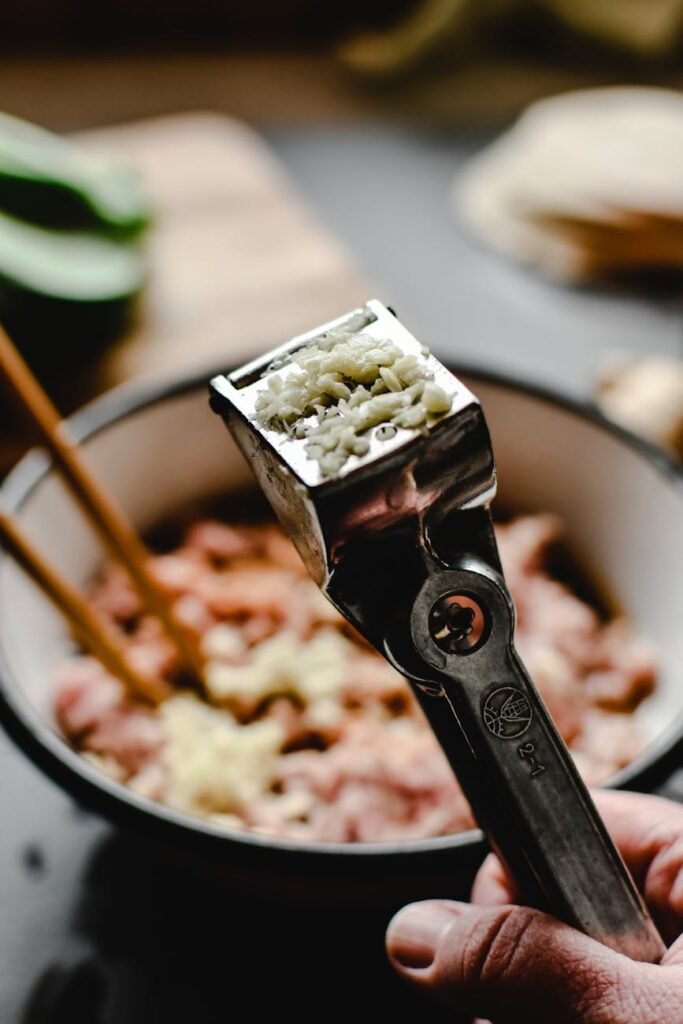
You want practical, budget-friendly tools that make daily home and kitchen tasks easier. This guide focuses on items under $25 that are easy to get on Amazon and actually save you time.
Start with a quick visual check before you touch anything. Knowing the material and condition helps you avoid damage. Some pieces should not be treated at all without a conservator’s advice.
The rule I follow is simple: start gentle, step up only when needed, and stop once the surface is stable. That way you reduce repeat work and avoid ruined finishes.
I’ll show a short decision process, a vetted list of budget tools, and fast routines for common kitchen and home problems. I’ll also flag items to skip and cheaper alternatives when they make sense.
If you want practical recommendations that match your interest in sensible, low-cost solutions, this guide keeps things honest and useful. Learn more about our approach here.
Key Takeaways
- Check material and condition first. Visual inspection prevents damage.
- Choose tools that save time and cut repeat work.
- Prefer gentle methods; escalate only if needed.
- Most recommended items cost under $25 and ship fast from Amazon.
- Avoid treating valuable or fragile pieces without expert advice.
- Practical options beat gimmicks; I’ll point out when to skip extras.
How to choose cleaning finds that really work without wasting money or ruining surfaces
Save time and money by checking what you’re about to treat before you reach for any product. A quick material + condition check guides your next move. Look at metal, glass, sealed wood, painted surfaces, porous stone, and unknown coatings. Each behaves differently.
Water first. Run items under plain water to lift loose grit. That prevents scratches from acting like sandpaper.

Gentle escalation ladder
- Start with plain water.
- Add one drop of dish soap if needed.
- Use a non-scratch scrub next.
- Only use a targeted product as a last step.
After rinsing, let dry and reassess. Drying reveals true stains, etched marks, or sticky residue. If a spot still looks off, keep drying longer—especially in seams—before escalating.
Safety and when to stop
Wear gloves and ventilate small spaces. Pick tools with sturdy bristles that aren’t razor-stiff and microfiber that won’t shed. Read labels. If you suspect valuable or delicate evidence, pause and seek advice.
For renter-friendly routines and affordable supplies, see this short kit for kitchen problem mix: kitchen problem mix. The goal is steady recovery of clean surfaces without overdoing it or harming your stuff.
cleaning finds real: affordable Amazon tools under $25 that earn their spot
Buy only tools that save you time, cut repeat work, or actually solve a common problem. That rule keeps your kit useful and small.

Why it’s useful / Who it’s for / What to avoid
Why: Simple gear lets you handle daily spills, hard-water marks, and tight spots fast.
Who: Renters, small-space kitchens, and anyone who wants practical, budget options.
What to avoid: Gimmicks that add complexity. If a tool doesn’t shorten a task, skip it.
Quick recommendations and notes
- Microfiber cloth pack — Worth it under $10. Pros: streak-free wiping, low-scratch. Cons: some low-cost packs shed. Example: wipe greasy cabinet fronts after a soap-and-water pass. Alternatives: store-brand microfiber.
- Melamine foam sponges — Under $12 per pack. Pros: removes scuffs and marks. Cons: can dull some finishes. Avoid on glossy paint and delicate coatings. Example: lift crayon marks on baseboards.
- Dish brush with replaceable heads — Value under $15. Pros: replace heads, less waste. Cons: avoid razor-stiff bristles. Example: quick scrub around sink edges where stuff builds up.
- Bottle brush set — Under $12. Pros: reaches narrow glass and reusable bottles. Cons: skip wire-tipped brushes that can scratch. Example: clean coffee residue in a water bottle.
| Item | Price guideline | Best use | Safety/Notes |
|---|---|---|---|
| Baking soda + spray bottle | Under $8 | Scrub-and-rinse stains | Avoid dry on soft surfaces; rinse with water |
| White vinegar | Under $5 | Hard-water marks on glass & fixtures | Do not use on natural stone |
| Dawn-style degreaser | Under $12 | Kitchen grease | Rinse after use so surfaces aren’t slick |
| Bar Keepers Friend / Magic Eraser | $5–$15 | Stainless, porcelain, scuffs | Use gently; test in a hidden spot |
Small extras that matter: toothpicks and soft detailing brushes for crevices, plus a plastic lidded container for soaking small parts. These are cheap but often the ace tools when you’re hunting grime in tight spots.
Tip: Start with water, use gentle pressure, and only add product as needed. For a handy starter blend, try the cleaning helper mix to speed up routine work.
Quick how-to routines: the easiest way to clean common home and kitchen problems
A few steady moves usually fix the most common stove, sink, and shelf problems. Start with plain water and gentle pressure. Only escalate if the spot resists.

Greasy stove tops and backsplashes
Way: Spray a mild degreaser, wait 1–2 minutes, wipe with a microfiber, then rinse with water.
Pro: Fast after frying. Con: Skip the rinse and you leave a film that attracts dust. For a weeknight reset, this routine saves time and product.
Stainless sinks and pans
Rinse grit away with water first. Use a soft cleanser like Bar Keepers Friend and a damp sponge to lift grime.
Note: Avoid steel wool or rough pads—those create permanent marks. A quick 5-minute recovery often restores shine.
Glass stove tops and baking dishes
Soak with warm water when possible, then use a gentle pad. Let stubborn spots soften; then scrub lightly.
Con: Too much pressure can haze glass. This is safer than scraping and fits renter-friendly habits.
Hard-water marks on faucets and shower glass
Wrap a paper towel soaked in vinegar, let sit 10–20 minutes, wipe, then rinse with water.
Safety: Do not use vinegar on natural stone. Ventilate and test a hidden spot if you’re unsure of the surface condition.
Fridge shelves and sticky drawers
“Rinse only” first. Often water alone removes 80% of residue. If needed, follow with a targeted dish-soap scrub and then let dry before replacing items.
Pro tip: use a lidded container to soak small parts like knobs and clips.
Grout and tile edges
Brush only after rinsing loose debris with water. A soft brush helps defined grout lines; otherwise brushing spreads dirt.
Finish with a rinse-and-wipe recovery step to avoid residue. Keep drying in mind—if spots remain, let surfaces dry and reassess before stronger steps.
- Renter-friendly tips: use a spray bottle to control product use and microfiber to reduce waste.
- Safety mini-checklist: ventilate with degreasers, never mix products, test hidden spots, and avoid abrasive pads on sensitive finishes.
- Hunting for the easiest routine: you’re not hunting for miracle products. Pick the simplest repeatable process that protects condition and gives steady recovery.
For quick kitchen routines and time-saving methods, see a short guide to a 15-minute route and small-kitchen solutions: 15-minute routine, step-by-step kitchen guide, and best small-kitchen solutions.
Delicate items, metal, and “might be valuable” surfaces: clean safely and preserve condition
When an item might be valuable, your first job is preservation, not polishing. Slow down. Take photos, note context, and avoid aggressive work that can erase surface marks or evidence.

Don’t over-scrub: why gentle wins
Aggressive scrubbing can remove tool marks, pigments, and original finishes. That loss is permanent and can destroy value even if the object looks better now.
Rule: start with plain water and a soft rinse. If dirt persists, let the piece dry and reassess.
Coins, silver, and small metal pieces
Most coins should be left alone. Rinse with water only, pat to let dry, and avoid polishing that strips surface detail.
If packed dirt bothers you, use a toothpick gently in a few spots. For silver, skip heavy polish unless you know the piece isn’t valuable. For more on careful coin handling see silver dollar guidance and best practice notes at coin care before selling.
Waterlogged items and wet recovery
Keep waterlogged finds wet until you have a plan. Drying too fast can crack wood and worsen corrosion. Saltwater items often need long fresh-water soaking with frequent changes.
Iron, rust, and when to call a pro
For rusty iron, remove loose grit with water, dry completely, and apply a light oil barrier. If metal flakes or an item seems historic or hazardous, stop and consult a conservator. If a buddy found a weapon, treat it as potentially dangerous and do not disassemble.
Quick decision guide
- Is it a coin or token? Pause. Photograph and rinse only.
- Is it waterlogged? Keep wet and plan recovery.
- Is metal actively flaking or rare? Seek professional preservation.
Final note: the best intervention is often to stop early. Preservation protects long-term value and makes future recovery easier. For tools that help safe work on modest items, see a short list of budget options worth a look and practical guidance at detailed detecting tips.
Conclusion
Close out with a simple plan that saves time and avoids costly mistakes. strong.
Core method: water first, gentle escalation, and drying time as your decision tool. This low-effort way prevents wasted money and ruined finishes.
Simple Amazon cart under $25: microfiber, a replaceable-head dish brush, bottle brush set, baking soda in a spray bottle, vinegar, a mild degreaser, soft cleanser or magic eraser sheets, detailing brushes/toothpicks, and a lidded soaking container.
Avoid overly abrasive pads, flashy gadgets, and harsh miracle products. If an item might be valuable or hazardous, don’t rush; pause and get extra views or expert research.
Cheaper swaps work: store-brand microfiber, generic vinegar, bulk baking soda, and refill spray bottles. When you’re hunting for solutions, buy one tool, test one problem, then expand.
Thanks for reading—good luck dialing a routine that sticks. The true gold is the ace tool you use weekly. For product risks and safer choices see this summary of product VOC risks and the benefits of a tidy space at research on why it matters.