What this quick guide does: you get honest, renter-friendly picks for everyday home and kitchen care. This is not about miracle cures. It is about tools and low-waste products that save time and avoid damage.
How to use the list: skim the winners and losers, then come back when you shop on Amazon. I flag products that are budget-friendly (mostly under $25), repeat-use, and small-drawer friendly.
I’ll include an at-a-glance table plan in the article that lists five winners and five losers with one clear reason for each. Expect short, real-life examples for each pick — stainless steel fingerprints, baked-on sheet pans, grout grime, faucet residue, and stuck-on food.
Safety first: start gentle, protect surfaces, and avoid irreversible damage when unsure. If something is popular but flaky, I’ll say so and suggest a cheaper, practical alternative.
Key Takeaways
- Focus on renter-friendly, affordable tools that earn drawer space.
- Most picks are under $25 and available on Amazon for fast delivery.
- Winners and losers are shown in a simple table for quick shopping.
- Short real-life examples show where each item truly helps.
- Start gentle and protect surfaces to avoid permanent damage.
What “Passed” Means in This Cleaning Finds Test (Value, Safety, Real-World Use)
Here are the practical rules I apply to any under-$25 Amazon tool before I recommend it. Pass is simple. It must be affordable, save time, solve a common problem, and be safe on typical home surfaces.
Value criteria: works without special technique, fits a small space, and feels worth the price. If it only works with extra parts, it fails value.
Safety baseline and risk ladder
Start gentle. Test a hidden patch first. Protect soft finishes and slow down around metal fixtures. Use gloves and eye protection when spraying or splashing.
- Low-risk: glass, glazed ceramic.
- Medium-risk: stainless and coated metal finishes.
- High-risk: stone counters, unknown coatings, antiques.
Arrival quality checks
On day one look for strong chemical smell, shedding fibers, sharp edges, flimsy plastic hinges, or bristles that feel like wire. These issues often mean you’ll spend more time fixing problems than saving it.
Conservator-style caution
Don’t erase surface history. Avoid aggressive abrasives on anything with patina, tool marks, or value. When unsure, consult a conservator or use distilled water soaks and minimal agitation first.
| Criterion | Why it matters | Quick pass/fail |
|---|---|---|
| Affordable | Keeps mistakes low-cost | Under $25 |
| Time-saving | Reduces effort for daily use | Works in one or two steps |
| Surface-safe | Prevents irreversible damage | Safe on low/med risk |
Before You Clean Anything: Identify the Material and Risk Level
Before you reach for a rag or spray, take a moment to confirm the material you’re working with.
Why material matters: different materials react very differently. Metal can scratch or pit. Glass can streak but rarely chips if handled right. Stone can etch from acids. Coated or gold-tone finishes wear away with abrasion. Knowing the material keeps you from causing lasting damage.
- Work in good light. Use a magnifying glass if needed.
- Brush dry debris first with a soft brush.
- Sort your finds by metal, glass, ceramic, stone, and coated items.
- Test a hidden spot before you use water or chemicals.
| Material | Common risk | Safe first step |
|---|---|---|
| Metal (including gold-tone) | Scratches, finish wear | Soft brush, distilled-water rinse |
| Glass | Streaks, chips | Microfiber wipe, mild soap |
| Stone | Etching from acids | Neutral pH soap, no vinegar |
When not to clean: stop if the finish is unknown, if an item may be valuable, or if it’s delicate metal, textile, or waterlogged leather. Conservator-style caution matters because aggressive steps can remove history you can’t replace.
Microfiber Cloths That Don’t Smear (Glass, Stainless, Counters)
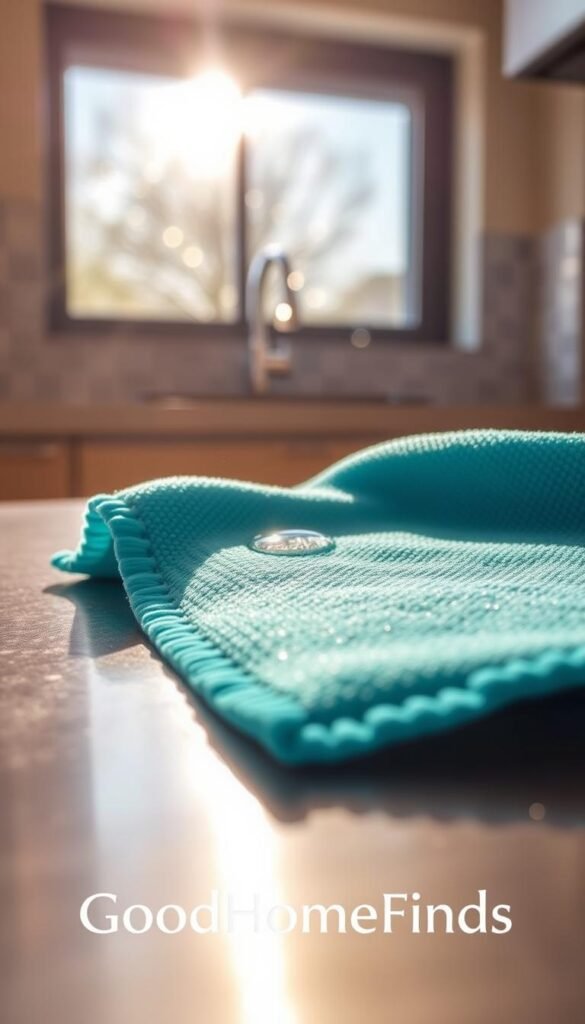
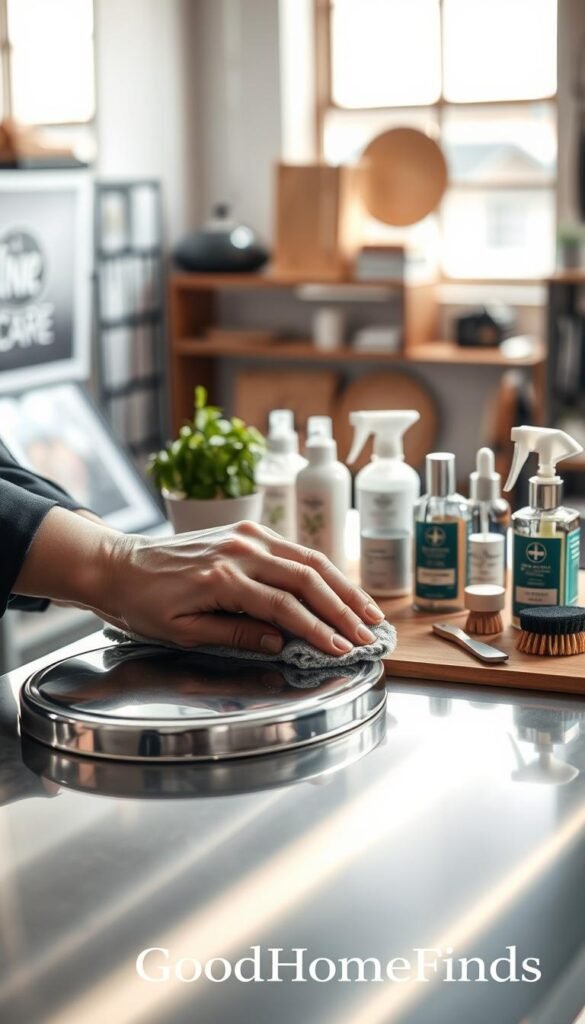
A good microfiber changes quick upkeep into a one-pass job on stainless and glass. You get fewer streaks, less rework, and a small tool that fits a drawer. Microfiber is worth it when you want fast, consistent results on visible surfaces.
Why it’s useful
Fast, low-effort wipes reduce visible streaking. A decent cloth lifts oils and fingerprints without rubbing the finish raw. That saves time and frustration.
Real-life example
You wipe a stainless fridge door once and fingerprints vanish. No chasing streaks. That one-pass result is the main practical win for daily upkeep.
Price, value, and lifespan
Expect a reliable multi-pack under $25 on Amazon. With weekly washing and no softener, a set lasts many months. It beats paper towels on cost and waste over time.
Pros and cons
- Pros: fast, low lint, stashable, good for quick touch-ups.
- Cons: not all microfiber is equal; some smear if over-saturated; grease builds up without proper washing.
Who it’s for
Busy households, renters, small kitchens, and anyone who wants streak-free results for camera or guests.
What to avoid & alternatives
Avoid fuzzy, linty cloths, rough edging, and fabric softener buildup. Wash separately and skip softener.
- Cotton flour-sack towels — cheap and good on glass.
- One premium microfiber — fewer but higher-performing pieces.
„A single-quality cloth saves time and keeps surfaces looking cared for.“
Cleaning Find That Works: Dish Brush With Replaceable Heads for Daily Kitchen Grime
A replaceable-head dish brush saves space, cuts sponge waste, and hits corners that cloths miss.
Why it’s useful: It reaches into pan handles, around lids, and along tight seams. You replace just the head when it wears out. That reduces single-use sponges and keeps odors lower.
Real-life example: You let a sheet pan soak, then use controlled pressure with the brush to lift baked-on residue. The bristles get into the pan ridges without shredding a sponge or gouging the finish.
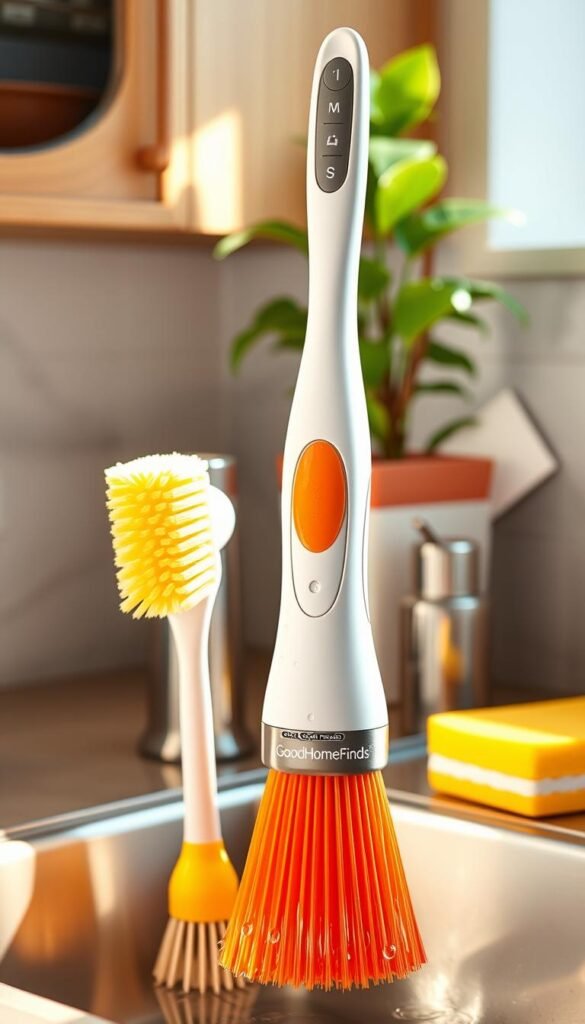
What “good” looks like on Amazon
- Comfortable, non-slip grip.
- Replacement heads easy to buy separately.
- Bristles firm enough to scrub but not so stiff they scratch nonstick.
Pros and cons
- Pros: better reach, more hygienic than sponges, easy to rinse, stores upright in small spaces.
- Cons: cheap handles may crack, heads can loosen on low-quality models, and wrong bristle choice can harm nonstick pans.
Who it’s for
This is practical for anyone who cooks daily, meal-preppers, families, and renters who want a simple, budget-friendly tool that fits small kitchens.
What to avoid & Alternatives
Avoid overly stiff bristles, poorly sealed handles that trap water, and bundles that force unused head types.
- Cheapest backup: a basic palm brush for simple scrubs.
- Eco option: a bamboo-handle brush with replaceable heads.
| Feature | Why it matters | Budget guidance |
|---|---|---|
| Replaceable heads | Reduces waste and long-term cost | Choose sets with spare heads under $25 |
| Bristle firmness | Balance scrub power and surface safety | Medium nylon for general use; soft for nonstick |
| Handle quality | Durability and drying to avoid mildew | Pick sealed or quick-drain grips |
„Use it right: pair with unscented dish soap and soak first. Let the soak do heavy work, then finish with the brush.“
Cleaning Find That Works: Plastic Razor Blades + Safe Scraper for Stuck-On Messes
When soaking fails, a plastic razor scraper often wins by lifting gunk without grinding grit into surfaces.
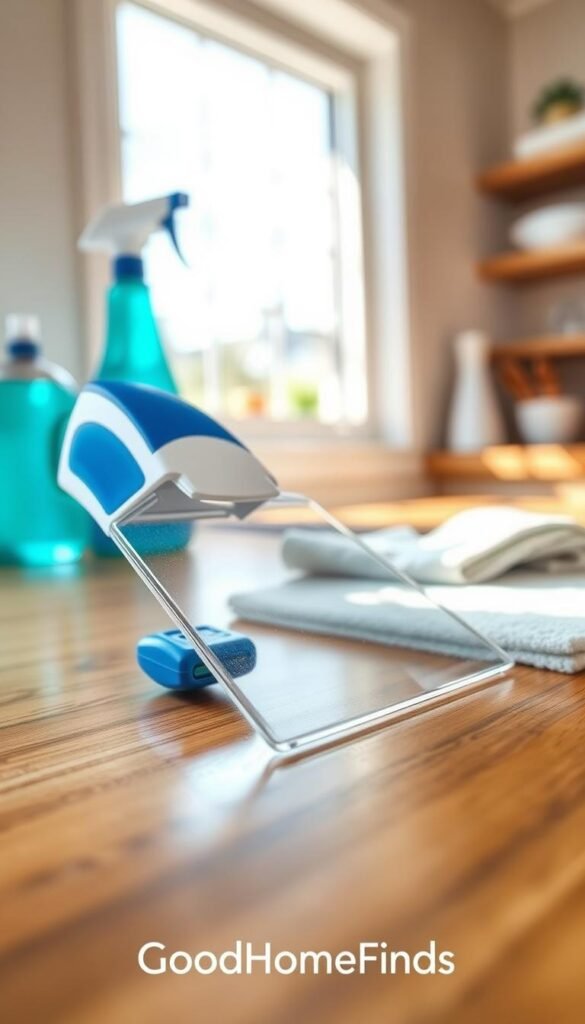
Why it helps
A plastic blade gives you control. You scrape in small, deliberate passes instead of scrubbing harder and embedding grit. That reduces scratches on hard surfaces like glass, ceramic, and some metal.
Real-life example
On a glass cooktop edge, slow passes with a plastic blade lift dried food splatter cleanly. Wipe the residue away after a few passes. No long soaks, no harsh chemicals.
Safety and quality checklist
- Rounded blade edges, not razor-sharp points.
- Secure blade fit and a stiff but not brittle plastic.
- Test a hidden area first and use light pressure on unknown finishes.
Pros and cons
- Pros: precise, low-cost (under-$25), renter-friendly, easy to store.
- Cons: flimsy handles in cheap sets, blades too soft to lift heavy gunk, and risk of scratches if you rush.
Who it’s for and what to avoid
This is practical for home cooks, renters, and anyone who prefers low-chemical methods for stuck-on residue.
Avoid metal blades on soft plastics or delicate gold-tone finishes. Don’t press hard when grit is present. Start gentle and use gloves if splashes are possible.
Alternatives
An old gift card works for light scraping. A nylon pan scraper is a cheap, low-risk option for cookware.
| Feature | Why it matters | Budget tip |
|---|---|---|
| Blade type | Plastic avoids gouging | Buy a set with spare blades under $25 |
| Handle quality | Durability and control | Choose sealed grips or metal-reinforced handles |
| Safe surfaces | Where you can use it | Glass, glazed ceramic, many metal areas |
Cleaning Find That Works: Baking Soda + Distilled Water for Gentle Deodorizing and Light Scrub
A simple paste of baking soda and distilled water solves many small odor and stain jobs without harsh fumes. It’s cheap, low-risk, and easy to store in a pantry or drawer.
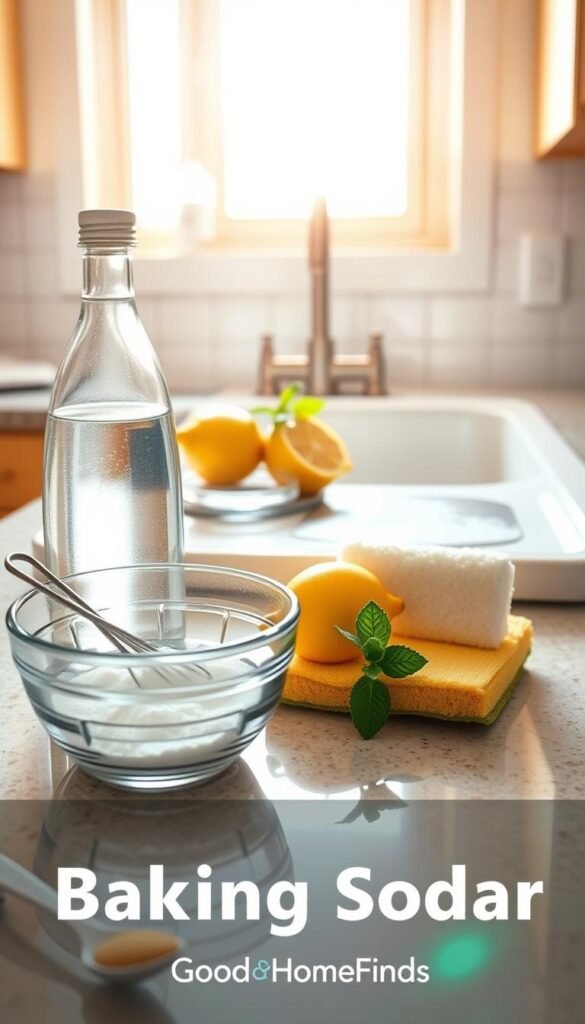
Why it’s useful
Use this mix when you want a gentle, no-fuss option. It neutralizes odors and lifts light grime without strong chemicals. Distilled water avoids minerals that can leave streaks.
Real-life example
For a funky fridge drawer, sprinkle soda, add a little distilled water, let sit 10–15 minutes, then wipe and rinse. The drawer smells fresher and looks brighter.
On a dull sink, a light paste brightens without fumes. Let the paste sit briefly, scrub gently, then rinse well to avoid a chalky film.
Price-value
Pantry staple vs. specialty powders: baking soda costs pennies per use. Many specialty powders promise more but rarely beat this mix for everyday jobs under $25.
Pros and cons
- Pros: budget-friendly, versatile, mild, and renter-friendly.
- Cons: can be abrasive if used like sandpaper, may leave residue if not rinsed, and won’t remove heavy buildup.
Who it’s for
Small-space kitchens, families, pet owners, and anyone who prefers simple, low-odor solutions. It’s a practical first step before stronger products.
What to avoid & alternatives
Avoid aggressive scrubbing on glossy finishes, delicate coatings, or any gold-tone trim you want to preserve. Don’t mix with acids unless you know the chemistry.
- Alternative: unscented dish soap for everyday greasy spots.
- Cautioned alternative: diluted vinegar can help but test first and rinse thoroughly to prevent etching.
„Use warm distilled water, let the paste sit, then wipe and rinse to avoid a chalky film.“
Cleaning Find That Works: Soft Detail Brushes for Grout Lines, Faucet Bases, and Crevices
Why a soft detail brush is worth the drawer space: it solves the „can’t reach it“ problem fast. Soft bristles lift debris from seams and grout without scratching. You use less water and avoid puddles on counters.
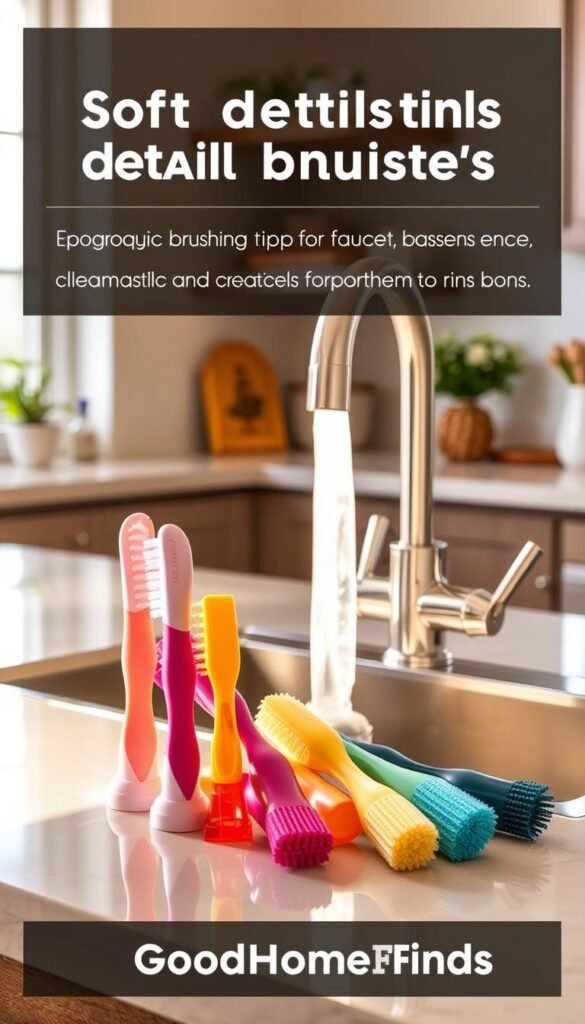
Why it’s useful
Precision matters. These brushes let you target a tiny area without wetting large surfaces. They work well around faucet bases, behind knobs, and between tile joints.
Real-life example
You scrub around a faucet base with a small, soft brush and a drop of dish soap. The residue comes away. The counter stays dry. No need to lift everything off the sink to soak.
What to look for
- Soft, non-shedding bristles.
- Comfortable, narrow handle for control.
- Multiple sizes to match narrow or wider gaps.
Pros and cons
- Pros: precise control, quick weekly resets, easy to rinse and reuse.
- Cons: cheap sets may shed; stiff „detail“ brushes can scratch if used like a scrub pad.
Who it’s for
Renters, busy households, and anyone who deals with fixtures, seams, and tile edges in kitchens and bathrooms. They’re practical, under-$25 tools for daily upkeep.
What to avoid and alternatives
Avoid aggressive scrubbing on soft metals or glossy finishes. Rinse grit first so you don’t grind particles into a surface.
- Free option: an old toothbrush for light jobs.
- Delicate option: a soft paintbrush for dust and fragile crevices.
„Pair the brush with a drop of mild soap and use short strokes to stay in control.“
| Feature | Why it matters | Budget tip |
|---|---|---|
| Bristle softness | Prevents scratches on metal and glazed tile | Choose nylon or natural soft bristles under $25 |
| Handle shape | Gives control in narrow gaps | Narrow, non-slip handle lasts longer |
| Size variety | Matches different crevices and grout lines | Sets with 3–5 sizes cover most areas |
Cleaning Finds That Don’t: What Sounds Helpful but Usually Wastes Money
Not every viral tool earns a spot in your drawer; some cost more in damage than they save in time.

Call it the „looks good on video“ problem. Many trendy items promise instant fixes but fail in daily use. They either damage finishes or die after a few uses.
What to avoid and why
- Overly abrasive pads: They scratch stainless, haze glass, and strip coated cookware. That creates more work and often permanent marks on metal or gold-tone pieces.
- Strong acids or miracle cleaners: These can etch stone and remove factory coatings. The shine is gone and you can’t put it back.
- Cheap spray mops: Leaky tanks, weak hinges, and poor pad contact mean you spend more time fixing the tool than the mess.
- Off-brand melamine blocks: They crumble fast and dull glossy paint. Per-use cost often ends up higher than expected.
- Drill-brush and foam gimmicks: They fling mess, reduce control, and raise the chance of over-scrubbing a surface.
Real-life example
A renter used a „miracle“ acid cleaner on a quartz countertop. It left a dull, permanently etched spot the size of a coin. Now the scrape is visible every day.
Value check: if a product risks damage or forces replacement, it fails the practical test. Skip the hype and pick tools that save time without costing you a new counter or pan.
| Item to skip | Main risk | Quick alternative |
|---|---|---|
| Abrasive pads | Scratches on stainless and glass | Soft nylon pads or plastic scraper |
| Strong acid cleaners | Etching on stone and coated finishes | Baking soda paste or mild neutral cleaner |
| Cheap spray mops | Leaky parts, poor contact | Well-made spray bottle + microfiber pad |
| Off-brand melamine blocks | Crumbing and dulling paint | Fine sandpaper for touch-ups or soft sponge |
Smart Handling and Damage Prevention (Lessons from Conservator-Style Guidance)
A careful, stepwise workflow reduces the risk of permanent harm to metal, gold, and coated surfaces. Think of the goal as preserving finish and use-wear rather than making an object look brand new.
Don’t erase evidence: aggressive action can remove patina, gilding, tool marks, or protective coatings. Those details are often irreversible. If an item might be valuable or historic, stop and pause.
Gentle workflow you can follow at home:
- Dry brush first to lift loose grit.
- Rinse to remove particles and assess the material.
- Soak in distilled water when mineral spots or odd films appear.
- Use minimal agitation—short, controlled strokes with soft tools.
Safety gear basics
Wear gloves for chemicals and grime. Use eye protection when splashing or spraying. These simple items protect you while you work carefully.
„Pause if you don’t know the material or suspect value. A quick stop can prevent permanent damage.“
| Rule | Why it matters | Quick tip |
|---|---|---|
| Test hidden spot | Prevents surprise finish loss | Try a corner first |
| Avoid abrasives | Stops scratching metal and gold tones | Use soft nylon or plastic scrapers |
| Use distilled water | Less residue, fewer spots | Best for troubleshooting films |
Conclusion
, The best approach is simple: prioritize control over force when tackling common home jobs. Choose a small starter kit — microfiber cloths, a dish brush with replaceable heads, a plastic scraper, baking soda mix, and a soft detail brush — and keep it under $25 so each item earns its space.
Be cautious: avoid abrasive pads, harsh acids, and gimmicks that risk damage to metal and gold finishes in your area. Always identify the material before you work and test a hidden spot on unknown surfaces.
Use the pass/fail criteria from this guide next time a trendy product tempts you. Start gentle, protect your eyes and hands, and pick tools that give you control. The best finds are the ones you use weekly because they solve a real problem.