
This guide lists low-cost tools and small devices that reduce friction in daily living without permanent changes. It focuses on renter-friendly choices that require no drilling and remove fast when moving out.
Recommendations emphasize clear value: most picks stay under $25, with a few under-$50 options for bigger needs like leaks, security, and energy savings. The selection favors fast setup, safety, and durable performance.
Expect practical solutions for kitchen clutter, bathroom moisture, water detection, quicker cleaning, entryway order, backup power, and sleep or routine aids. Examples may reference common ecosystems such as SmartThings or Alexa to show how devices can work together, not to endorse a brand.
Decision lens: each entry is judged on safety, setup time, maintenance burden, and real-world usefulness so readers save time instead of creating chores.
Readers will leave with a comparison table, a short shopping roadmap, and ready-to-copy setups for studios, one-bedrooms, and shared apartments.
Key Takeaways
- Focus on renter-safe, no-drill solutions that are easy to remove.
- Primary picks are under $25; a few under $50 cover high-impact needs.
- Prioritizes safety, quick setup, and low maintenance.
- Covers kitchen, bathroom, water, cleaning, entryway, and power fixes.
- Includes a comparison table and shopping roadmap for small spaces.
What “problem solvers” mean for apartments today
Small, renter-friendly fixes can save minutes each day and prevent big headaches later.

The real goal: save time, reduce mess, and prevent damage
Save time by choosing items that cut routine steps—fewer trips, faster cleanup, less fuss.
Reduce mess with compact organizers and quick-clean tools that keep surfaces clear.
Prevent deposit-threatening damage by prioritizing solutions that limit leaks and spills.
Renter rules: no drilling, no permanent changes, easy to remove
Avoid drills, heavy adhesives, and any plumbing or electrical alterations beyond plugs.
“Easy to remove” means command-style hooks, suction or tension systems, over-the-door racks, and battery-powered units.
How we picked products
- Safety: low heat, minimal electrical risk, and sealed designs near water.
- Durability: parts that resist humidity and frequent use.
- Setup time: minutes, not hours.
- Value: most products under $25; a few under $50 for high-impact needs.
Expect small ongoing costs: batteries, filters, and occasional replacement parts. The buyer’s guide below shows which categories and features to choose in-store or online.
Quick budget roadmap: what to buy under $25 vs under $50
Start small: quick, low-cost fixes save time today while targeted upgrades prevent costly damage later.
Best under $25: daily friction-fixers you’ll use every day
Under $25 is for everyday time savers. Think cable clips, motion night lights, compact organizers, and a small cleanup kit. These items reduce repeated annoyances and set a tidy routine fast.
Buy-first order for most renters:
- Fix cords and lighting.
- Add small storage and a cleanup kit.
- Then consider one smart or safety gadget.
Best under $50: small upgrades that prevent big problems
Under $50 covers leak detectors, basic security sensors, portable power banks, and entry-level energy tools. These are often portable and renter-safe.
Place water sensors near sinks and toilets, and choose alarms that travel with you. A single well-placed device can protect deposits and avoid costly repairs.
Where to spend more (and why it can still be renter-smart)
Spend more only if you have pets, travel frequently, live in an older building, or face extreme climates. In those cases, upgraded vacuums, remote alerts, leak alarms, or energy routines justify the cost.
Reality check: the best budget is the one people use. Favor fast setup and low maintenance over complex features. Combine a few low-cost fixes with one targeted upgrade to address the biggest daily pain point.
Comparison table: best home problem-solver products by apartment problem
Use this at-a-glance chart to match everyday annoyances with the most practical, renter-safe picks. The table highlights cost, setup time, removal risk, placement tips, and whether a hub is needed.
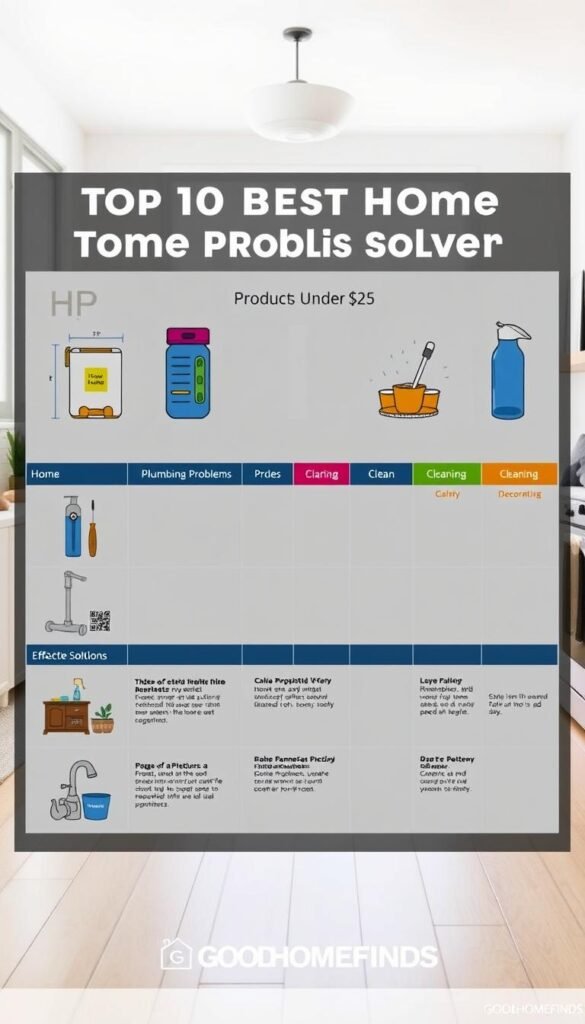
| Apartment issue | Best product category | Price band | Setup time | Removal risk | Best placement | No-hub required? |
|---|---|---|---|---|---|---|
| Clutter & cables | Cord organizer / tray | Under $25 | 5–10 minutes | Low | Entryway, desk | Yes |
| Quick pickups | Robot vacuum (compact) | Under $50 | 15–30 minutes | Medium | Center of room; schedule daytime | Often yes |
| Water leaks | Leak detector / water sensor | Under $50 | 5–10 minutes | Low | Under sink, behind toilet | Yes |
| Routines & reminders | Smart hub or simple timer | Under $50 | 10–30 minutes | Low–Medium | Near entry or outlet | Depends |
| Outages | Portable power bank / kit | Under $25 | 2–5 minutes | Low | Nightstand, entry | Yes |
Setup difficulty and maintenance checklist
Maintenance at a glance:
| Item | Battery type / interval | Filter / swap | Refills / pads |
|---|---|---|---|
| Robot vacuum | Rechargeable; charge every 1–2 days with use | Filter swap 3–6 months | Brush clean weekly; replace pads per use |
| Leak sensor | CR2032 or AA; check 6–12 months | — | — |
| Power bank | Internal battery; charge monthly | — | — |
| Cord organizer | — | — | Wipe as needed |
Noise note: run vacuums during daytime in shared-wall units to avoid disputes.
Quick action: pick one issue from each row to build a balanced starter set without overspending for a safer, more efficient place to live.
Kitchen problem solvers for small spaces and faster cooking
A compact countertop can work twice as hard when devices and organizers are chosen for small spaces.

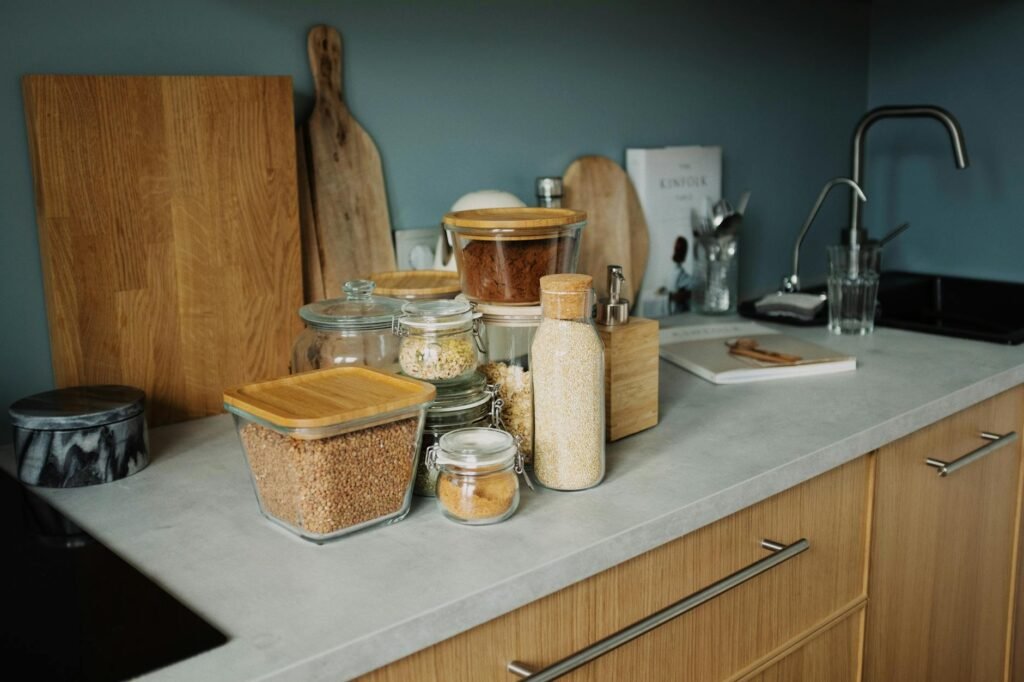
Multipurpose appliance pick: a compact multicooker or food-processor-style prep tool is ideal. One plug and a single footprint handle steaming, sautéing, or chopping. Choose models with a few sturdy, dishwasher-safe parts for quick cleanup.
What matters in small kitchens
- Minimal attachments that rinse quickly.
- Parts that stack for drying without crowding the sink.
- Low counter clearance so the unit stores under a cabinet or on a shelf.
Tool-free space savers
Stackable organizers and shelf risers double vertical storage. Under-sink slide-out bins keep cleaning supplies neat and accessible.
Choose risers with adjustable feet and bins that lift clear of cabinet floors to guard against small water drips.
Quick kitchen reset routine (3–5 minutes)
Clear counters. Wipe high-touch areas with an all-purpose cleaner. Rinse the sink quickly. Swap the dish towel to cut odors and keep surfaces ready for the next meal.
| Item | Pros | Cons | Best for |
|---|---|---|---|
| Compact multicooker | Versatile, saves counter space | Limited batch size | Studios, single cooks |
| Shelf riser / stackable organizer | Increases storage, no tools | May reduce tall-item space | Shared cabinets, pantries |
| Under-sink slide bin | Keeps cleaners organized; raised to avoid water | Requires measured fit | Any rental with cabinet space |
Studio tip: favor collapsible gear and a single multipurpose appliance that stows away.
Shared kitchen tip: use labeled bins and a consistent wipe-down rule so everyone saves time and keeps counters cleaner.
Bathroom problem solvers for moisture, mess, and “occupied” moments
A few low-effort habits and the right no-drill gear cut bathroom chaos quickly.
Leak prevention basics: do quick visual checks around the toilet base, under the sink trap, and along shower door edges. These tiny checks take little time and often catch issues before damage starts.
Water-watch routine: after a shower run the fan or crack the door. Squeegee glass where applicable and hang towels to dry. These steps reduce lingering moisture and protect finishes.

Simple “occupied” signal using a contact sensor
For shared units, attach a contact sensor to the bathroom door and pair it with a smart bulb in the hall. When the sensor reads closed, the bulb switches color to indicate occupancy. When open, the light returns to normal.
This setup needs no drilling. It is removable and works with common platforms like SmartThings, Alexa, or IFTTT.
No-drill storage that actually holds up
Choose tension pole corner caddies, over-the-door towel racks, and strong suction hooks rated for wet areas. Avoid cheap suction on textured tile; look for options labeled for humidity.
| Storage type | Holds | Best surface | Pros / Cons |
|---|---|---|---|
| Tension pole corner caddy | Shampoos, cleaners | Tile or grout-free corner | Pro: high capacity; Con: needs correct height |
| Over-the-door rack | Towels, robes | Hollow-core door | Pro: easy install; Con: can rattle |
| Heavy-duty suction hooks | Loofahs, small baskets | Smooth tile or glass | Pro: instant; Con: surface-dependent |
Quick tip: pick durable, moisture-rated products and add a weekly glance to the water areas. Small routines and sturdy choices save deposits and reduce ongoing upkeep.
Water damage prevention: leak detection that saves deposits
A small leak can start as a minor drip and become a deposit-threatening disaster in days. Early detection protects floors, cabinets, and neighbors below. It also avoids repair bills landlords may charge to the tenant.
Where to place sensors
- Behind the toilet near the supply line and base.
- Under the sink near the P-trap and supply fittings.
- At the water heater area or near any visible plumbing junctions.
App-connected vs standalone alarms
App-connected sensors (often under $50 on sale) send push alerts and integrate with smart setups. They help when away from the unit.
Standalone water alarms (commonly under $25) are battery-powered, emit a loud siren, and need no hub. They are ideal for first apartments or renters who prefer simplicity.
Setup, maintenance, and durability notes
- Turn on push notifications and confirm alert permissions on iOS/Android. Run a test alert once installed.
- Expect battery life of 6–18 months depending on model; test monthly.
- Keep sensors clear of routine splash zones unless rated for wet areas to reduce false alarms.
- If connectivity drops, move the hub or improve Wi‑Fi range for reliable alerts.
| Type | Typical price | Best use | Key pro |
|---|---|---|---|
| App-connected leak sensor | Under $50 | Remote alerts when away | Phone notifications |
| Standalone water alarm | Under $25 | On-site audible alert | Simple, no hub |
| Float-style sensor | $25–$50 | Long-term wet areas | Durable contact design |
Cleaning time-savers: from quick pickups to hands-off floors
Simple gear and a quick routine let cleaning work in the background of a busy schedule. Combine a two-minute nightly tidy with an automated floor run to keep spaces orderly without extra effort.
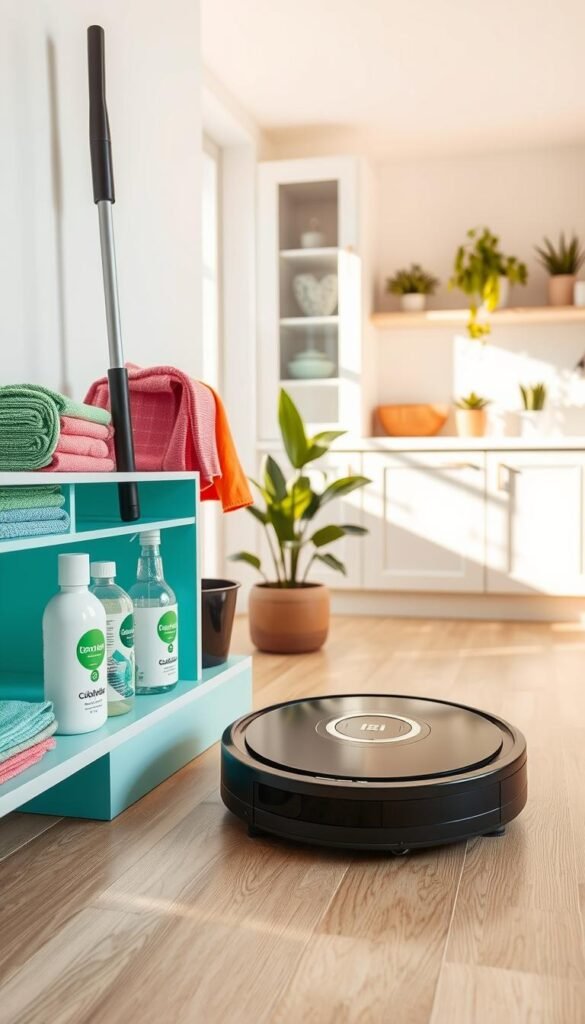
Robotic vacuum cleaner
Best for: pet owners who battle hair, apartments with hard floors, and people with limited time. A robot keeps a baseline level of clean by running on a schedule.
Why it helps: consistent, hands-off floor upkeep reduces allergen build-up and visible crumbs.
Under-$25 cleanup kit staples
- Microfiber cloths for dust and quick wipe-downs.
- Compact squeegee for shower glass and mirrors.
- Reliable all-purpose cleaner for counters and high-touch spots.
Best-for guidance
Roommates benefit from tools that let anyone reset shared areas fast. Parents need spill-ready items that contain mess immediately. Allergy-sensitive households gain most from frequent dust removal and routine filter checks.
Maintenance reality check
Robots need regular care: empty the bin, clean brush rolls of hair, and swap filters per manufacturer guidance. Keep cords and loose fabrics stowed to prevent jams.
Simple routine: nightly 2 minutes to clear cords and socks, weekly 5 minutes for focused wipe-downs, and a daytime scheduled vacuum run once or twice a week.
Renter tip: choose tools that store upright or fit in one small bin so cleaning gear doesn’t add clutter.
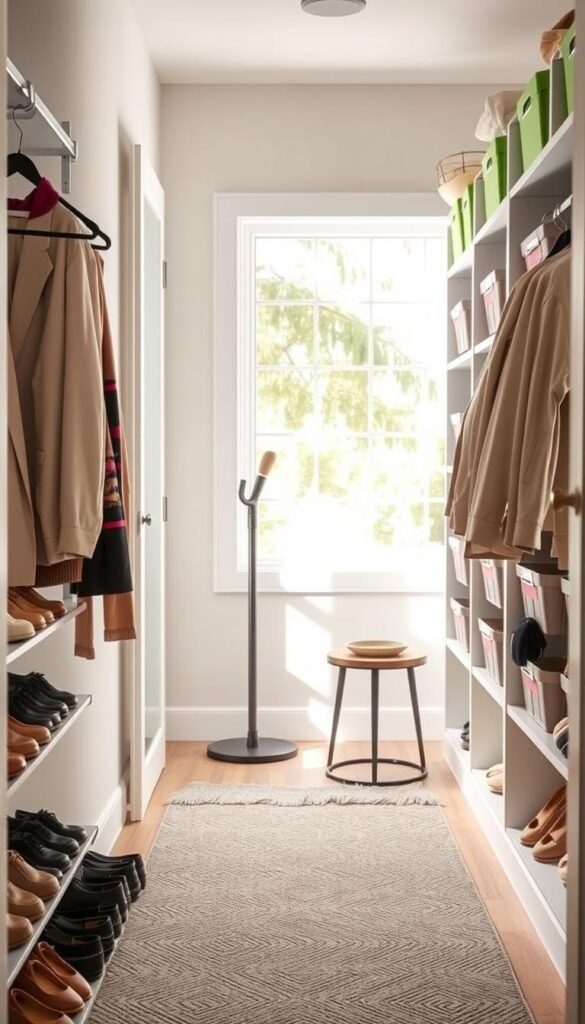
Entryway and closet problem solvers that reduce daily chaos
The entryway is the single best spot to reclaim lost minutes before every departure and return.
Why it matters: this zone touches every arrival and exit, so small changes save real time each day.
Cord organizer to stop cable clutter and lost chargers
Label cables and pick one dedicated charging spot. Use a slim cord tray or a vertical pouch to keep backups together.
Tip: attach a short cable clip to the charger edge so cords don’t slide behind furniture.
Drop-zone setup in under 10 minutes (no drilling)
Build a quick station with removable hooks for keys, a shallow tray for wallet and mail, and an over-the-door rack for bags or coats.
- Removable hooks: check adhesive monthly to prevent falls.
- Tray: choose a catch-all that wipes clean and sits near the door.
- Over-the-door rack: reserve for light items; avoid overloading to protect the door.
Motion-activated closet lights for dark corners
Battery-powered LEDs bring instant visibility to closets with poor wiring. They turn on automatically and stay renter-safe.
Maintenance: replace batteries on a schedule and test sensors after bulb swaps.
Studio vs multi-bedroom alternatives
Studio option: use the back of the front door as a hallway. Install slim racks and a hanging pouch so walk space stays clear.
Multi-bedroom option: place one main drop-zone by the front door and a secondary micro-zone near the bedroom for work or gym gear.
Quick maintenance checklist: monthly adhesion checks, battery swaps every 6–12 months depending on use, and a twice-yearly load review for over-the-door racks.
Smart home basics that make routines easier (without turning your place into a project)
Small automations should remove chores, not add setup that never gets used. Start with a single light or sensor to test a routine before buying a hub.
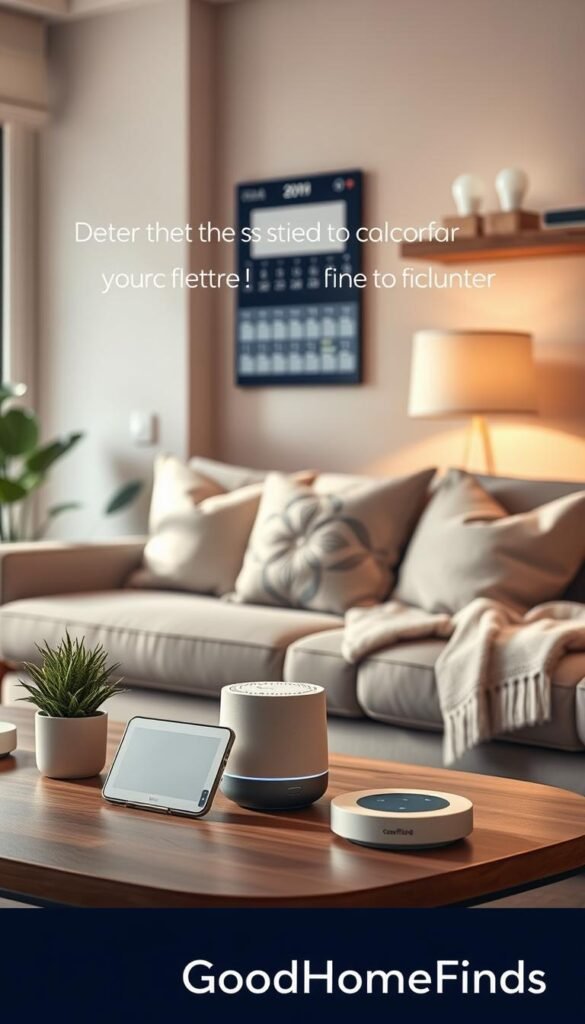
Smart hub: when it’s worth it and when it’s overkill
Hub worth-it checklist:
- Multiple devices across brands to connect.
- A desire for cross-device automations and scenes.
- Comfort with basic app troubleshooting.
If those items don’t apply, stick with standalone smart bulbs and sensors. They work with Alexa Routines, SmartThings, or IFTTT when needed.
Gentle wake-up lighting
A plug-in lamp or smart bulb can ramp brightness 15–30 minutes before alarm. This supports easier mornings without altering wiring.
Welcome and goodbye routines
Keep routines modest: turn a hallway light on at arrival, start a scheduled vacuum, or cut power to select plugs when leaving. Simple sequences reduce steps and save time.
Thermostat geofencing and schedules
Phone-based geofencing can preheat or cool before arrival. It can boost comfort, but savings vary by insulation, climate, and vacancy patterns.
Privacy & reliability note: location triggers may misfire; add time windows or manual overrides. And as a renter rule, use plug-in or battery devices unless the lease allows thermostat swaps.
Safety and preparedness products renters overlook
A compact emergency kit plus a few smart sensors covers most short-term risks in rentals. Preparedness is about reducing risk, not buying a lot of gear. Renters can protect themselves and their deposits with a few durable, easy-to-remove items.
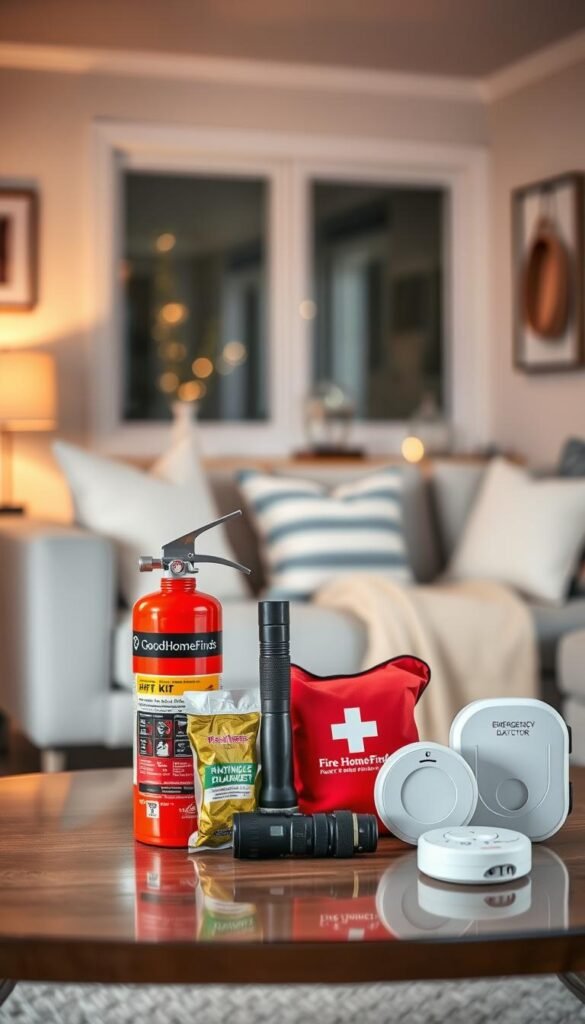
Emergency kit essentials for apartments
Keep a small kit with: a flashlight or headlamp, spare batteries, basic first-aid supplies, a whistle, and a printed list of building contacts and local emergency numbers.
Optional: a compact radio and a small multi-tool. Store the kit near the front door or nightstand so it’s easy to grab.
Portable power bank: outage and travel fix
A power bank is the simplest outage solution and a daily convenience for commuters. Pick a unit with realistic capacity (10,000–20,000 mAh for phones) and decent charging speed.
Quick routine: top it up weekly and keep a short cable with the bank so it’s ready to use.
Renter-friendly security basics
Choose no-drill items: door/window contact sensors, a plug-in chime or alarm, and a shelf-mounted camera. Point cameras at your entry and avoid shared hallways if rules restrict recording.
Maintenance notes: replace sensor batteries as recommended, keep firmware and apps updated, and confirm push notifications are enabled so alerts reach the phone.
| Item | Why it helps | Maintenance |
|---|---|---|
| Flashlight / headlamp | Light during outages | Check batteries every 3 months |
| Power bank | Phone power and travel use | Charge weekly; test monthly |
| Contact sensor + chime | Entry alerts, no drilling | Replace batteries; test alerts |
Sleep, comfort, and small-space furniture that does more
A well-chosen piece of furniture can free floor space and reduce nightly clutter without changing a rental.

Multifunctional furniture renters prefer
Storage beds lift seasonal items out of sight and cut closet overload. They add storage without bulky dressers.
Sofa beds offer seating by day and a guest-ready bed at night. They suit studios and spare rooms.
Nesting tables adapt to use: coffee table, bedside, or extra surface for guests.
Bedside fixes: charge, corral, and dim
Keep devices in one spot with a compact charging station. Use a cord clip to prevent cables falling behind the nightstand.
Add a low-glare night light to avoid bright overhead bulbs. A smart plug or timer stops overnight charging after set hours.
Durability and safety checks
- Weight limits: confirm frame and drawer specs before buying.
- Tip resistance: prefer lower, wider bases for mixed households with kids or pets.
- Smooth operation: test drawer slides and hinges to avoid jams under load.
| Feature | Pros | Cons |
|---|---|---|
| Storage bed | High capacity; fewer pieces | Heavier to move |
| Nesting tables | Flexible; easy to store | Can scatter if not assigned a spot |
| Sofa bed | Dual use; guest-ready | May trade comfort for compactness |
Charge without chaos: pick one charging spot, stash spare cables in a small bin, and set a timer for overnight top-ups. This keeps the bedroom tidy and protects devices.
How to build your own home problem solver mix by apartment size and lifestyle
Match specific, low-cost fixes to the moments they interrupt — that yields the best returns. Start by naming the top one or two daily pains: mess, leaks, morning rush, or entry chaos. Then pick one simple item per pain to test for 30 days.

Studio “starter set”
Choose a compact cleaning kit, a cord-control tray, and a basic water alarm for sinks or under the toilet. Best for single occupants and renters with tight space.
One-bedroom “routine set”
Add one automation-friendly upgrade: a wake-up light or a door sensor that triggers a hallway lamp. This saves time without turning the apartment into a project.
Family/roommate “high-traffic set”
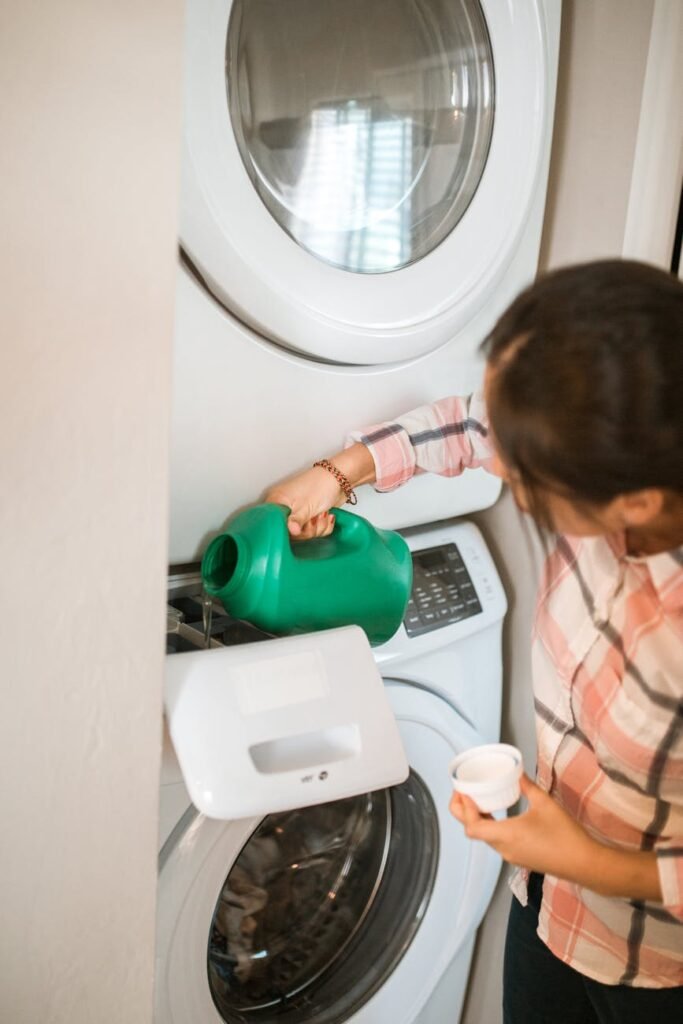
Prioritize an entryway drop zone, a shared-bathroom occupancy sensor, and optional laundry alerts to reduce bottlenecks and conflicts.
Decision shortcut
„Where does the hiccup happen, how often, and what will a failure cost?“
Maintenance notes: monthly battery checks, weekly quick resets for shared zones, and a simple refill list for cleaning supplies. Use the quiz mindset before buying to match gear to exact needs.
Conclusion
, Start small and choose items that return daily value. A small set of renter-safe picks reduces friction, protects the deposit, and makes a tight home feel more livable.
Follow the budget rule: begin with under-$25 fixes for daily use, then add one under-$50 upgrade where prevention matters most. A water detector is often the highest-impact add-on.
Prioritize easy setup and low upkeep so devices stay helpful after the first week. Test one zone at a time—kitchen, bathroom, or entryway—and expand only if the gain is clear.
Next step: use the comparison table to pick one item for clutter, one for cleaning, and one for prevention. Reassess after two weeks and adjust the kit based on real results.
19 Comments