
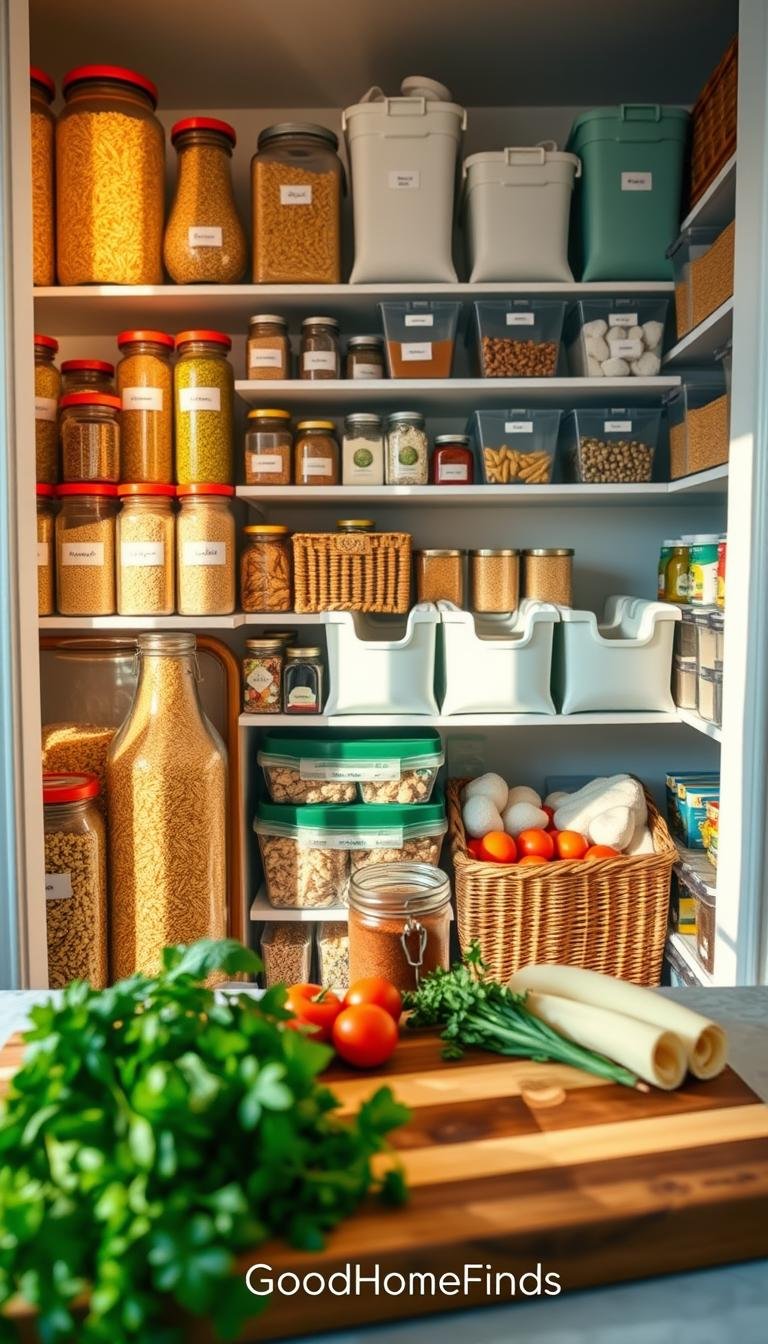
Practical, renter-friendly fixes matter more than a picture-perfect shelf. You don’t need to drill or buy expensive bins to keep your kitchen usable. This guide focuses on daily use, not displays.
Small spaces and deep cabinets cause lost time and wasted food. Many homes confuse nonperishable with “forever.” That leads to duplicate buys, cluttered shelves, and avoidable waste.
You’ll get simple, budget-friendly tools under $25 and options under $50. I’ll show quick routines that fit busy weeks and protect freshness and safety.
Expect renter-safe fixes: no-drill installs, stackable solutions, sealed containers, and clear storage for non-food items. The goal is access, freshness, and safety — not perfection.
Below I preview seven common errors and direct, no-drill fixes you can use now to save time, space, and money in your home.
Key Takeaways
- You’ll learn seven common pantry mistakes and renter-safe fixes.
- Solutions focus on daily use, not aesthetics.
- Budget options under $25 and under $50 are included.
- Simple routines help reduce wasted food and time.
- Safety tips cover sealed containers and proper storage.
Pantry mistakes that start with organizing for looks instead of real life
Pretty containers and matched labels don’t always mean easy access. An organized pantry can still slow your routine if you arrange by size or style instead of how you cook.
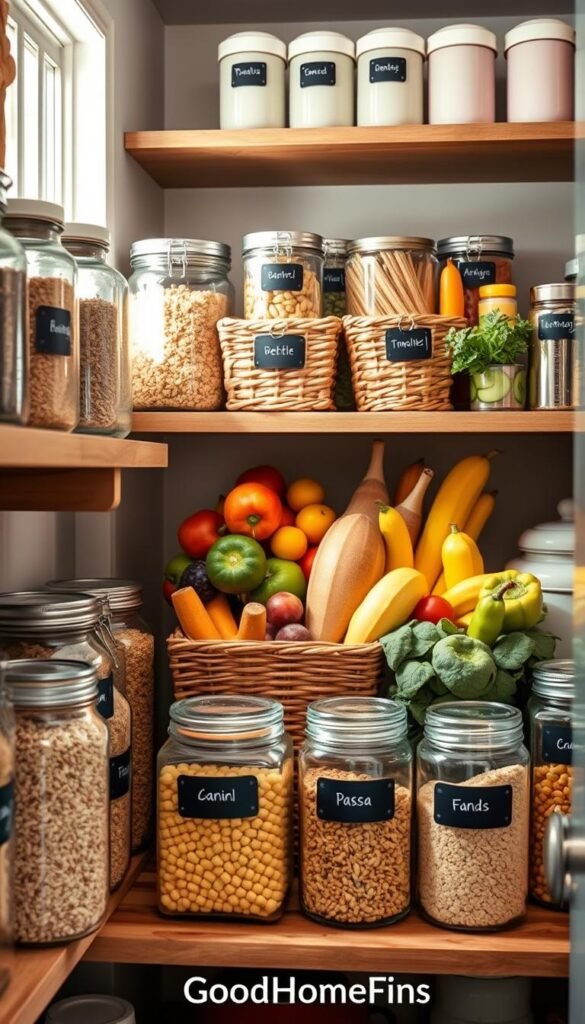
Signs your setup isn’t usable
- Hard-to-reach staples vanish at the back of deep shelves.
- Clutter creeps in when items have no true home.
- Duplicate buys happen because people can’t find what’s already there.
Real-life zoning by routine
Use small zones: breakfast, weeknight cooking, snacks, baking, and backstock. Put weekly-use items at arm level. Store once-a-year goods up high or far back. This method reduces decision fatigue when you’re tired.
Accessibility-first placement
For small spaces and mobility needs, follow simple rules: heavy items low, daily items mid-shelf, rarely used items high. Never hide essentials behind boxes. If someone in your home has limited reach, move must-haves to true easy access.
No-drill rental upgrades
Choose pull-out bins for deep cabinets, lazy Susans for corners, and risers to add a second level without tools. These keep items visible and easily accessible while staying renter-friendly. For small apartments, a rolling cart or a single cabinet can act like a micro-room for backstock.
| Style | Pros | Cons | Best for |
|---|---|---|---|
| Open shelving | Fast visibility, low cost | Dust, light exposure | Frequent use items |
| Bins | Good grouping, neat look | Can hide items at bottom | Snacks and small packages |
| Drawers / pull-outs | Best access, reduces reach issues | Higher cost, installation | Deep shelves, mobility needs |
For renter-safe product ideas, check best organization finds to fit your budget and small-space needs.
Letting older foods disappear in the back instead of using a FIFO system
Older cans and boxes often get buried until they expire. That costs you money and time. A simple FIFO approach fixes this.
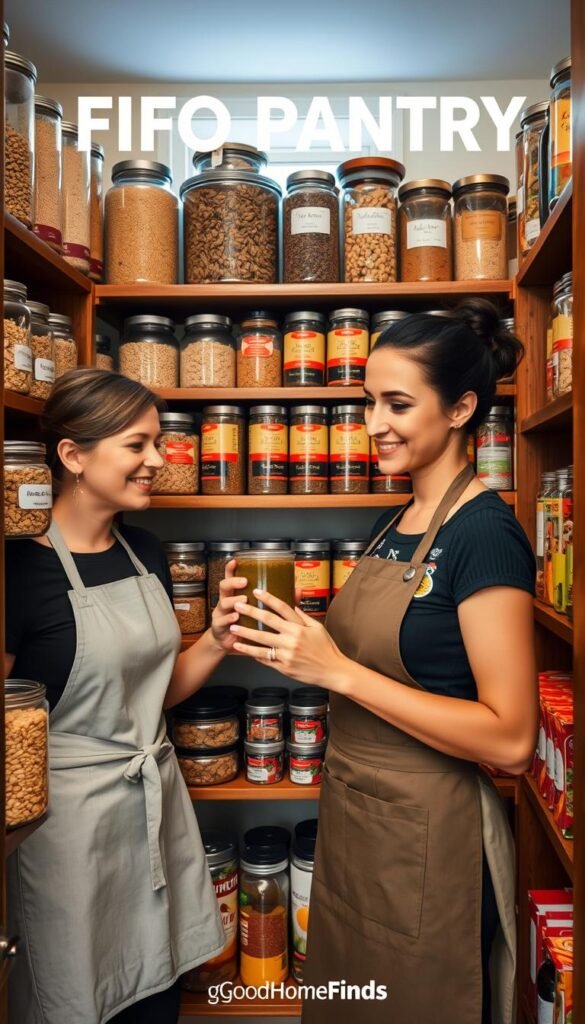
Why first in, first out saves money and reduces waste
FIFO means you move older items to the front when you restock. New products go behind them. This method reduces expired goods and duplicate buys.
Quick 15-minute shelf reset
Pull everything out. Toss stale snacks and crushed boxes. Group like items together.
Reload with the oldest at the front and newest at the back. Tape a simple use-next list inside the door for odd specialty items.
Renter-friendly tools under $25
- Removable date labels for cans and boxes
- Shelf-edge clips to hold “use next” notes
- Can risers to keep labels visible
Upgrades under $50 for deep shelves
Choose freestanding slide-out trays or stackable clear bins with handles. These let you pull a whole category forward without drilling.
| Feature | Studio kitchen | Family apartment |
|---|---|---|
| Typical cabinets | One small cabinet, tight lanes | Multiple zones, deep shelves |
| FIFO setup | Simple front/back rotation | Zone labeling + stronger rotation |
| Best tools | Labels, can risers | Slide-outs, stackable bins |
Best for: bulk buyers, meal preppers, and households that stock up “just in case.” For more space-saving ideas for your fridge and small kitchen, see fridge space solutions.
Keeping food in the wrong place and shortening freshness
Storing things where they feel convenient can quietly ruin flavor and safety. Not every shelf is the best way to hold every item, even if labels say „shelf-stable.“
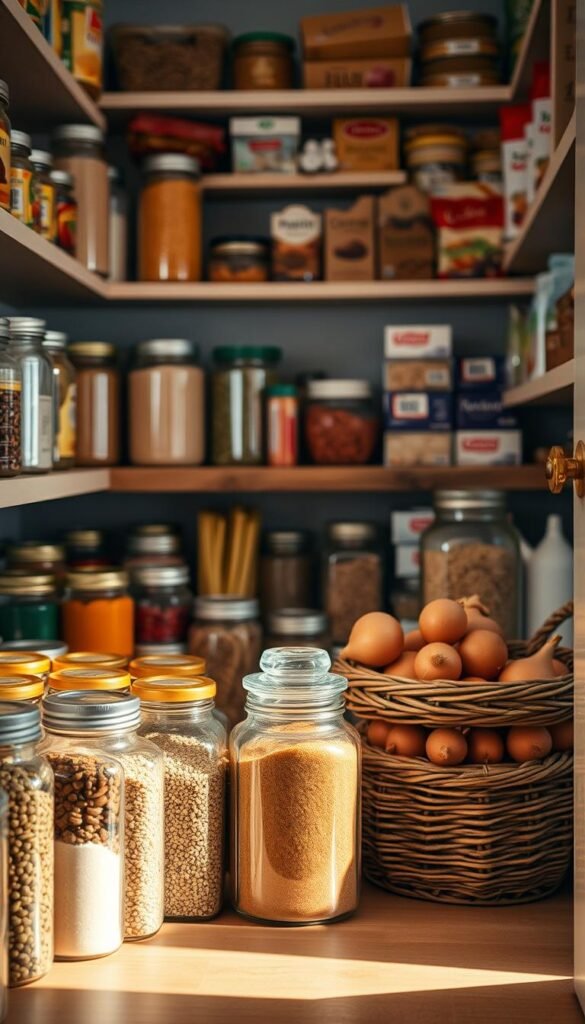
Quiet spoilers and simple fixes
Nuts and seeds go rancid from light, heat, and oxygen. For long storage, freeze them in airtight zipper bags or lidded jars.
Whole wheat flour contains oils that spoil. Keep it in the freezer in a sealed bag for months.
Tortillas will mold in warm, humid spots. Store them in the refrigerator if you won’t use them in a few days.
Cured meats should be refrigerated once opened to stay safe and tasty.
Why fats and flavor fade
Oxygen, light, and heat break down fats. That causes off smells and flat taste even when food looks fine. Spices also lose punch when exposed to light over time.
Rules for oils and infused products
Common cooking oils are usually okay at room temp for months. But delicate walnut, flaxseed, and sesame oils need refrigeration to keep flavor.
Do not leave garlic- or herb-infused oils sitting out. They can grow harmful bacteria. Keep them chilled and use within recommended dates.
What to refrigerate first in small apartments
- Fattiest nuts (walnuts, pecans)
- Whole wheat flour (freeze airtight)
- Delicate oils and opened specialty oils
- Tortillas and opened cured meats
| Item | Best storage | Renter-friendly container |
|---|---|---|
| Fattiest nuts | Freezer, airtight | Freezer zipper bag, press air out |
| Whole wheat flour | Freezer, sealed | Flat stackable jar or freezer bag |
| Delicate oils / infused oils | Refrigerate | Small lidded bottle in door or shelf |
| Tortillas / opened cured meats | Refrigerate | Cloth-wrapped plus sealed jar or container |
Don’t keep flavor stuff for a year. Buy sizes you will use, and store jars and spices cool and dark. Small changes keep food safer and tasting better.
Storing dry goods in open packages instead of sealed, pest-resistant containers
A: Open bags and thin plastic invites bugs, spills, and stale flour faster than you think.
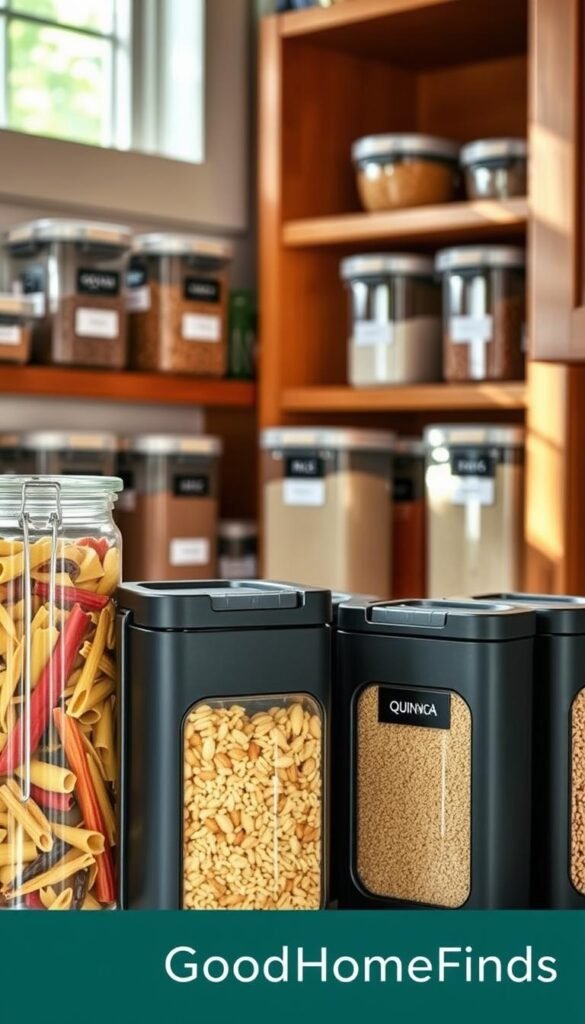
Original wrappers are easy to tear, they leak dust, and they don’t block ants or weevils. Leaving sugar, rice, pasta, or flour in paper or thin film shortens shelf life and invites pests. Small kitchens suffer extra mess when a bag rips and scatters across shelves.
What “airtight” really means
Airtight means a sturdy lid with a gasket or a snap seal that clicks closed, a rim that won’t warp, and a shape that stacks neatly. Choose durable containers that resist cracking and save vertical space.
Budget picks under $25
- Snap-lid tubs for flour and sugar (single 2–4 cup jars).
- Zipper bags as a short-term bridge — note they can be chewed and forgettable.
- Binder clips to close bulk bags temporarily.
Best value under $50
Starter sets of modular, stackable containers sized for rice, flour, sugar, and pasta are worth it. They fit narrow shelves and make grabbing staples simple without drilling or installation.
Clear vs opaque: pros and cons
Clear containers show what you have and cut overbuying. But light-sensitive spices and some oils lose quality in bright spots. Opaque jars protect flavor but need a good labeling method.
| Option | Pros | Cons |
|---|---|---|
| Clear containers | See inventory, reduce duplicates | Light exposure for some products |
| Opaque containers | Protects flavor, darker storage | Requires reliable labels |
| Zipper bags + clips | Cheap, flexible | Short-term, less pest-proof |
Labeling without a label maker
Use masking tape and a marker. Write the date first, then the item name. This simple method keeps things clear and helps you rotate stock with a reliable FIFO method.
Best for small spaces: prioritize moving flour, sugar, and rice into sealed containers first. As budget allows, add modular sets to free up shelves and cut pest risk. For more renter-friendly ideas, see small kitchen solutions.
Turning the pantry into a catch-all for non-food items and creating safety risks
When food shelves turn into a catch-all, you raise the risk of odors, pests, and chemical exposure.
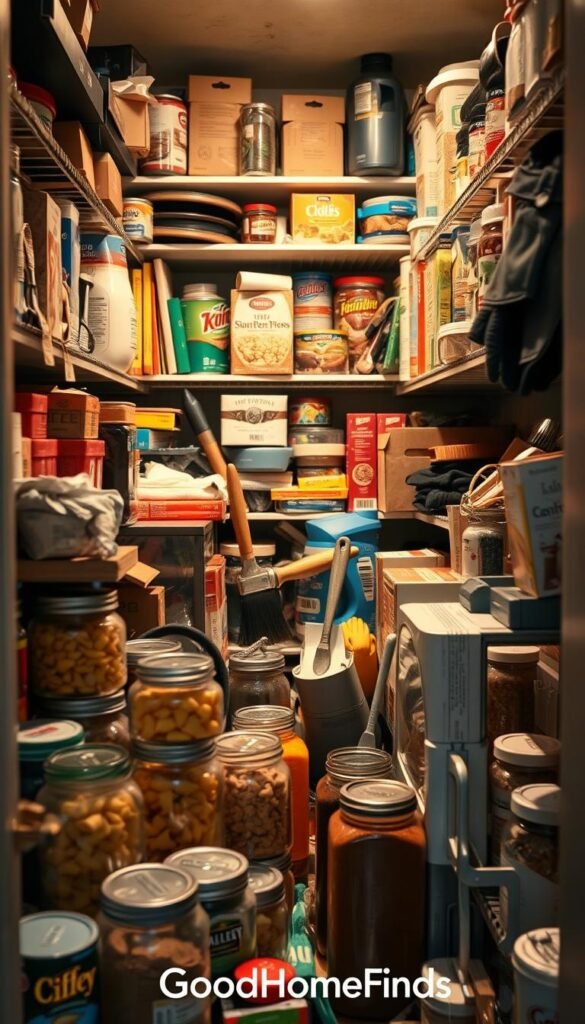
Why it matters: storing cleaners, batteries, pet food, or linens near food lets smells and chemicals migrate. That attracts pests and can taint ingredients. A single shelf can become a kitchen junk drawer if left unchecked.
Common offenders and renter-friendly alternatives
- Cleaning sprays / detergent pods: move to a bathroom cabinet or a small utility bin.
- Batteries: keep in an entryway tray or a labeled box.
- Pet food: store in lidded tote bins outside the food area.
- Linens and extras: relocate to a bedroom closet or shelf.
Quick move-it-now checklist
- Remove chemicals first.
- Then anything scented or perfumed.
- Move pet food next.
- Shift textiles and then loose miscellaneous items.
Containment plan: keep one small drawer organizer or a single bin for pantry-adjacent tools (bag clips, candles, packets). Do a 2-minute weekly reset to stop clutter from coming back.
Best for: people with kids or pets and anyone in a small home. For renter-safe storage ideas and product picks, see best home finds for renters.
Skipping cleaning, lighting, and maintenance until there’s a sticky mess
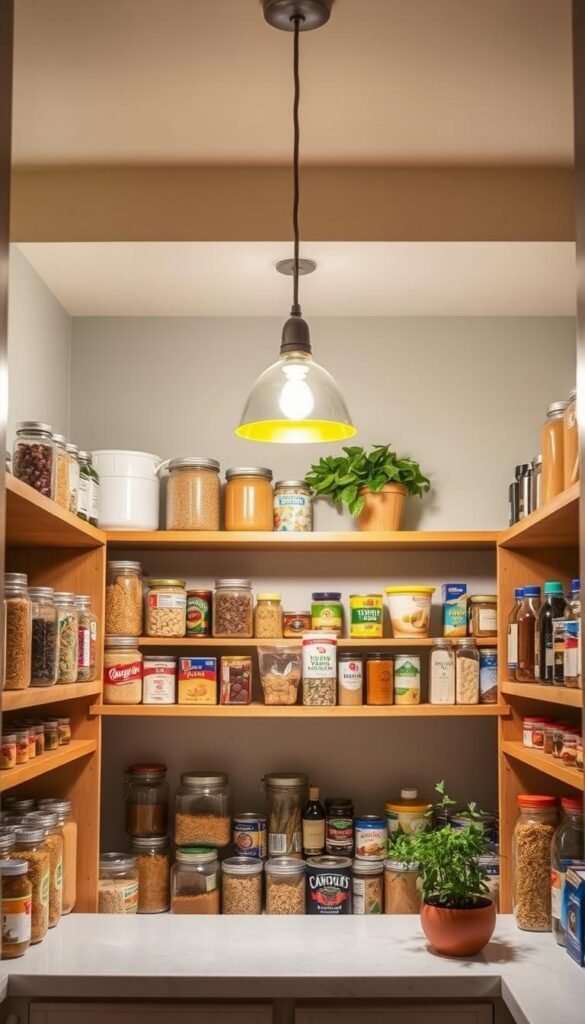
Neglecting light and cleaning turns good shelves into sticky traps and hidden waste. A small habit loop prevents most problems. Quick care saves you time, money, and food.
Monthly maintenance routine
Step 1: Remove crumbs and dust from corners.
Step 2: Vacuum edges and crevices.
Step 3: Wipe shelves with mild cleaner and disinfect sticky spots.
Step 4: Scan for pests, leaks, or mold and address immediately.
Deep-clean reset that doubles as inventory
Pull everything out. Check dates and consolidate duplicates. Toss old spice jars and damaged packages. Note any leaks before restocking.
Lighting fixes for dark corners
Dark spots hide items at the back and create clutter. Use adhesive LED strip lights under shelves and motion puck lights inside cabinets. No drilling needed. They make older stock visible and cut wasted purchases.
Spice strategy
Keep spices dark, dry, cool, and reachable. Store frequently used spice jars at eye level. Toss any bottles older than a year to keep flavors fresh.
| Routine | What to do | Time |
|---|---|---|
| Daily tidy | Front-face items, quick check | 5 minutes |
| Weekly reset | FIFO check, wipe shelf edges | 30 minutes |
| Monthly clean | Vacuum, disinfect, full inventory | 60 minutes |
These simple steps build habits that keep your storage room usable and safe. Start small and stick to one step each week.
Conclusion
Simple changes cut waste and speed up weeknight cooking.
Recap the seven common pantry mistakes with one fix each: zone by use, rotate older items to the front, move heat-sensitive goods to cool spots, seal dry goods, remove non-foods, add light, and clean monthly. Each fix makes your space more functional and easily accessible.
Start this weekend: pick one shelf, set one zone, add one bin or riser, and adopt FIFO for cans and boxes. Keep a short shopping list: a couple of clear bins, a riser or lazy Susan, labels or tape, and one stick-on light if it’s dark.
Studio: one-cabinet micro-pantry + bins. Small apartment: two zones + backstock. Family: zones + drawers or slide-outs where possible.
Daily habit: spend 5 minutes facing items forward. Do one monthly clean to stop waste and keep your kitchen running smoothly.
FAQ
How can I tell if an “organized” pantry is actually unusable?
Look for hard-to-reach items, clutter creep, and frequent duplicate buys. If you have to pull down multiple boxes to get one item or you keep rebuying staples because you forget you have them, your setup favors looks over real life. Keep everyday items at eye level, group by use, and label shelf edges for visibility.
What’s the easiest way to set up zones by cooking routine?
Start with how you cook. Create zones for breakfast, weeknight meals, snacks, baking, and backstock. Put breakfast staples near the coffee maker or cereal bowls. Place baking supplies together on one shelf. Use clear bins or baskets for each zone so you can grab what you need quickly.
How do I place shelves for accessibility in a small space or with mobility needs?
Put the most-used items between waist and eye level. Use lower pull-out bins or a rolling cart for heavy goods. Reserve top shelves for rarely used bulk items. Aim for one-handed reach and avoid bending or stretching for daily essentials.
What no-drill upgrades work well in rentals to improve access?
Use pull-out bins, lazy Susans, risers, and adhesive hooks. Tension rods can create dividers. These solutions add accessibility without drilling and are renter-friendly, budget-wise, and easy to remove.
Should I choose open shelving, bins, or drawers?
Open shelving is quick and airy but shows clutter. Bins hide mess and group items but can hide contents unless clear. Drawers give easy access for deeper items but cost more. Pick the option that fits your space, budget, and daily use. A mix often works best.
How does a “first in, first out” system cut food waste?
FIFO means you place new items behind older ones so older goods get used first. It’s simple for cans, boxes, and snacks and prevents products from expiring unseen. Rotate goods when restocking and use date labels to make rotation obvious.
What is a quick 15-minute reset method for a shelf or cabinet?
Pull everything out, wipe the shelf, check dates, toss expired items, group like items, and return them with oldest in front. Use a timer and focus on one shelf at a time to keep it manageable.
What renter-friendly tools under help with organization?
Date labels, shelf-edge clips, can risers, snap-lid containers, and adhesive hooks are all useful and affordable. They improve visibility and access without permanent changes.
What options under help with deeper shelves?
Slide-out trays, stackable clear bins with handles, and shallow baskets make deep shelves usable. They let you pull items forward instead of digging to the back.
Which FIFO method is best for a studio kitchen versus a family apartment?
In a studio, prioritize vertical solutions like stackable clear bins and one-shelf rotation to save space. In a family apartment, use labeled zones, larger bins for bulk items, and a shared inventory list so everyone knows what’s on hand.
Who benefits most from a FIFO system?
Bulk buyers, meal preppers, and households that stock up “just in case” benefit most. FIFO reduces waste, saves money, and keeps meal planning reliable.
Which foods spoil quickly at room temperature?
Nuts and seeds, whole wheat flour, tortillas, and some cured meats can go rancid or stale when left out. Store these in airtight containers or refrigerate when possible to extend freshness.
What causes flavor loss in oils and spices?
Light, heat, and oxygen degrade oils and spices. Store oils in a cool, dark place and keep spices in opaque or dark glass jars away from the stove to preserve flavor.
How can small apartments work around limited fridge/freezer space?
Prioritize perishable proteins, opened sauces, and prepared meals in the fridge. Move long-shelf-life items like nuts and flours to sealed containers in cool, dark cupboards. Consider a small chest freezer if you need more frozen storage.
Why shouldn’t garlic- or herb-infused oils sit out?
Homemade infused oils can develop botulism spores if left at room temperature. Store infused oils in the fridge and use within a week, or follow safe preservation guidelines.
Why does original packaging fail for dry goods?
Paper and thin plastic tear, allow pests, and don’t seal tightly. Transferring flour, sugar, rice, and pasta to sturdy, pest-resistant containers prevents spills, keeps items fresher, and reduces infestation risk.
What makes a container truly “airtight”?
Airtight means a durable body, a secure gasket lid or snap seal, and stackability for space efficiency. Look for containers with a good seal rating and sturdy materials that resist cracking.
Which budget container picks work well under ?
Snap-lid containers, good-quality zipper bags for short-term storage, and binder clips as temporary fixes are affordable and effective. They address immediate needs without a big investment.
What’s the best value container set under ?
Starter sets with modular, stackable shapes and clear sides give visibility and save space. Choose sets with multiple sizes so you can match containers to different dry goods and shelf heights.
Should I use clear or opaque containers?
Clear containers show contents for quick identification. Opaque containers protect items from light-sensitive spoilage. Use clear for visibility and opaque for items like oils or spices that lose flavor in light.
How can I label without a label maker?
Use masking tape and a permanent marker, or write dates directly on lids with a grease pencil. A date-first system helps you rotate stock reliably without fancy tools.
Why shouldn’t I store cleaning supplies, batteries, or linens near food?
Chemicals, fumes, and residue from non-food items can contaminate food and attract pests. Keep these items separate to reduce odor transfer and chemical exposure risks.
What renter-friendly alternatives exist for storing non-food items?
Over-the-door organizers, lidded tote bins, and narrow rolling carts work well in tight spaces. They keep non-food items contained and out of food zones without permanent changes.
What’s a quick “move-it-now” checklist to reduce safety risks?
Remove chemicals and batteries from food areas, transfer pet food to sealed bins, store linens elsewhere, and wipe shelves where spills occurred. This reduces odors and pest attraction immediately.
What monthly maintenance routine prevents pests and keeps food safe?
Dust and vacuum shelves, wipe surfaces with mild cleaner, check for spills or crumbs, inspect dates, and replace any damaged containers. Do this monthly to prevent infestations and keep inventory accurate.
How do I do a deep-clean reset that doubles as inventory?
Empty shelves, clean thoroughly, check for leaks, discard expired items, consolidate duplicates, and return goods with oldest in front. Use the reset to spot problem areas and update your shopping list.
What lighting fixes help dark corners without drilling?
Use adhesive no-drill LED strips or motion-sensor puck lights. They brighten dark shelves so items don’t go forgotten and reduce the chance of expiration or waste.
How should I store spices to keep them useful and visible?
Keep spices dark, dry, cool, and easy to grab. Use small jars with tight lids, store away from the stove, and label lids or shelf edges so you reach for them rather than letting them sit unused.
Is a 5-minute daily tidy worth it versus a weekly or monthly clean?
Yes. A 5-minute daily tidy prevents crumbs and clutter from becoming bigger problems. Combine quick dailies with a 30-minute weekly reset and a monthly deep clean for best results.
