Practical picks for daily life start with simple rules: most tools under $25, renter-friendly, and built to save time. I’ll recommend affordable items that cut repeat messes and stop you from buying the same fix twice.
What you’ll get: clear pros and cons, who benefits most, what to avoid, cheaper alternatives, and notes on Amazon availability and fast delivery. I’ll also share safety and quality checks so you buy with confidence.
My approach mirrors a clear process: spot the issue, check the cause, pick sensible solutions, test them, and confirm the result. Skipping the analysis often makes the issue return and wastes money.
This guide is organized for quick use: process first, then kitchen tools, cleaning aids, storage ideas, safety checks, and items to skip. I use a buying filter focused on repeat use, durability, easy storage, and simple maintenance. For more kitchen-specific notes and starter tools, see this guide on kitchen fixes and gear.
Key Takeaways
- Most picks are budget-friendly and renter-safe.
- Each recommendation shows who it’s for and what to avoid.
- Follow a simple process to stop repeat annoyances.
- Look for durability, easy storage, and repeat use.
- Check materials, heat ratings, and return policies on Amazon.
What “Problem-Solving Finds” Means for Real Life at Home
Focus on small, repeat issues at home that add up to lost minutes. Start with the handful of daily nuisances that quietly drain your schedule. Fix those first and you reclaim actual time each week.
High-friction home and kitchen issues:
- Stuck lids and jars
- Messy draining and slow sink flow
- Lost leftovers in crowded fridges
- Grime in grout and tracks
Choose what to tackle first by estimating minutes saved per week. If a jar fight costs you three minutes twice weekly, a $7 gripper pad pays back quickly. A tool used every week is worth more than an unused novelty.
60-second value checklist:
| Quick Item | Look For | Why It Matters |
|---|---|---|
| Price | Under $25 | Affordable risk, repeat use |
| Material | Thick stainless or one-piece silicone | Longevity and safety |
| Storage & Cleaning | Compact, dishwasher-safe | Use it more often |
On Amazon, favor listings that note thicker metal, one-piece silicone, or replaceable parts. Vague specs often hide low quality.
For hands-on tips and more budget picks, see this home problem guide.

A Simple Problem-Solving Process Before You Buy Anything
Start with a short, repeatable plan that stops impulse buys before they clutter your home. This process keeps choices practical and renter-friendly. Use it whenever a small annoyance tempts you to buy another gadget.
Identify facts vs. frustration
Write the clear issue in one line. For example: „My sink drains slowly.“ Then add the feeling: „This slows my morning.“ Separating the two helps you focus on what to fix.
Break the issue down
Split the situation into parts. Is it flow, storage, or user habit? Often one simple item or a routine change fixes most of it. You probably don’t need an elaborate system.
Quick brainstorming and filters
List 5–10 possible solutions. Include using what you already own and small routine changes. Then filter by price-value, durability, storage needs, and how often you’ll use it.
Implement, monitor, and judge results
Place the item where you’ll use it, try it for two weeks, and track simple results: minutes saved, fewer spills, or less wasted food. If it fails, revise the plan.

Find the Root Cause So You Don’t Keep Buying “Fixes”
Pinpoint a single recurring annoyance before you buy anything new for the home.
Why this matters: Buying a quick fix without checking the root cause often creates a cycle of clutter and wasted cash. A better approach keeps purchases useful and renter-friendly.
Using the Five Whys to spot the real cause
Write one clear sentence that states the issue. Then ask „why?“ up to five times. Each answer should lead you closer to a root cause.
„My counters are always wet.“ — why? Dish rack drips. — why? No drying mat. — why? Poor airflow and placement. — Result: move rack and add a mat.
When trial and error is fine — and when it wastes money
Trial-and-error is smart for low-cost, low-risk tweaks. Try a new sponge, move a rack, or rearrange drawers first.
Avoid costly repeat buys for electrical gadgets, repeated returns, or duplicates you don’t measure. If a tool won’t be used weekly, pause and re-check the cause.
| Action | When to try | Why it helps |
|---|---|---|
| Five Whys | Always before buying | Finds true root cause |
| Low-cost tweaks | First test | Cheap, fast feedback |
| Higher-cost tools | After diagnosis | Reduces clutter and returns |

problem solving finds for the Kitchen That Save Time Every Day
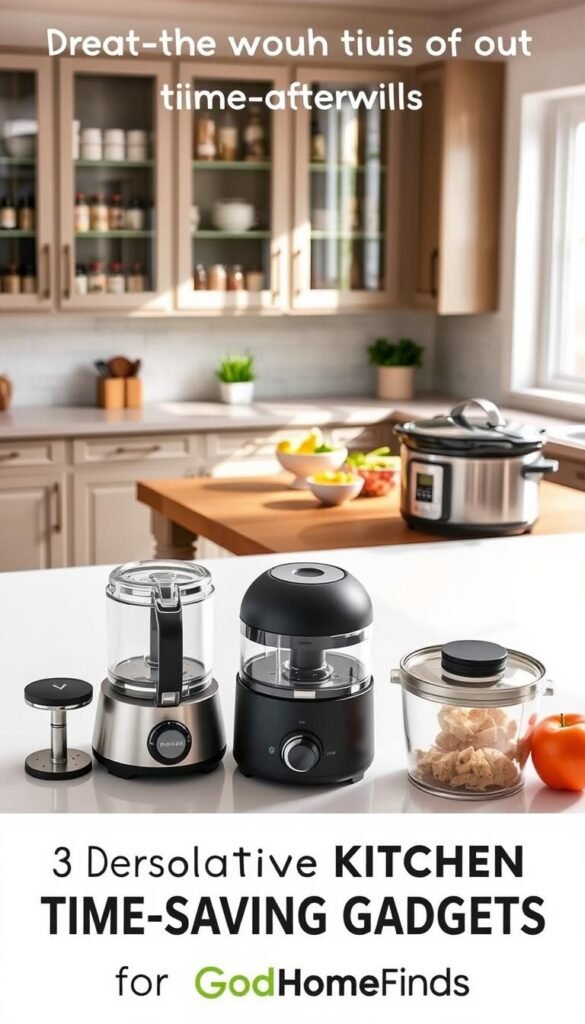
A few compact items can turn repetitive kitchen tasks into quick, reliable steps. These picks are renter-friendly, budget-friendly, and easy to store.
Silicone jar opener gripper pads (about $6–$10)
Why it helps: Grips stuck lids fast, even with wet hands. Use it flat as a trivet in a pinch.
Who it’s for: Anyone, especially those with limited grip strength.
What to avoid: Thin rubber that smells or slick patterns.
Pros: Low cost, no moving parts. Cons: Needs grip pressure.
Real-life: Opens jam jars in seconds. Amazon note: search „silicone jar opener gripper pad“ and check photos for thickness and texture.
Stainless steel bench scraper (about $8–$15)
Why it helps: Scoops chopped food and cleans boards quickly. Cuts prep and cleanup time.
Who it’s for: Meal preppers and small kitchens.
What to avoid: Flimsy metal or sharp unfinished edges.
Pros: Durable, dishwasher-safe. Cons: Can scratch delicate surfaces.
Real-life: Move chopped herbs from board to pan in one sweep. Amazon note: look for solid stainless listings and clear dimensions.
Clip-on pot strainer (about $10–$20)
Why it helps: Drain safely without a bulky colander. Keeps one hand free and reduces spills.
Who it’s for: Renters and small-space cooks.
What to avoid: Low-heat plastic clips and weak springs.
Pros: Compact, quick. Cons: Fit varies by pot thickness.
Real-life: Drain pasta while holding lid with a spoon. Amazon note: search „clip-on pot strainer“ and confirm clip photos and material.
Digital instant-read food thermometer (about $10–$20)
Why it helps: Prevents overcooking and undercooking. Saves time by avoiding guesswork.
Who it’s for: New cooks and busy parents.
What to avoid: Slow-read models or unclear calibration info.
Pros: Repeatable results. Cons: Needs batteries and probe cleaning.
Real-life: Hit safe chicken temp on weeknight dinners. Amazon note: search „instant-read thermometer digital“ and check read time and probe length.
Microfiber dish drying mat (about $8–$15)
Why it helps: Stops counter puddles and prevents that mildew smell under racks.
Who it’s for: Anyone with limited counter space.
What to avoid: Non-washable foam mats that trap odor.
Pros: Washable, fast drying. Cons: Needs laundering.
Real-life: Swap a damp towel for a mat and cut daily wiping time. Amazon note: search „microfiber dish drying mat“ and confirm machine-washable tag and absorbency claims.
| Item | Price Range | Best For | Pros | Cons |
|---|---|---|---|---|
| Silicone gripper pad | $6–$10 | Limited grip, renters | Cheap, stores flat | Needs pressure; avoid thin rubber |
| Bench scraper | $8–$15 | Meal preppers | Durable, quick cleanup | Can scratch delicate boards |
| Clip-on strainer | $10–$20 | Small kitchens | Compact, safe draining | Fit varies by pot rim |
| Instant-read thermometer | $10–$20 | New cooks, parents | Repeatable results | Batteries, probe care |
| Microfiber mat | $8–$15 | Limited counters | Washable, absorbent | Requires laundering |
Measure results: Place the tool where you use it and test for two weeks. Track minutes saved and fewer repeats. These practical, low-cost solutions are an easy way to reclaim daily time and judge what truly works.
Small Cleaning Tools That Solve Annoying Household Problems
Targeted cleaning tools do the jobs rags miss and save you real time. Pick a couple of these budget options and use them where messes start. Test each for two weeks to see real results.
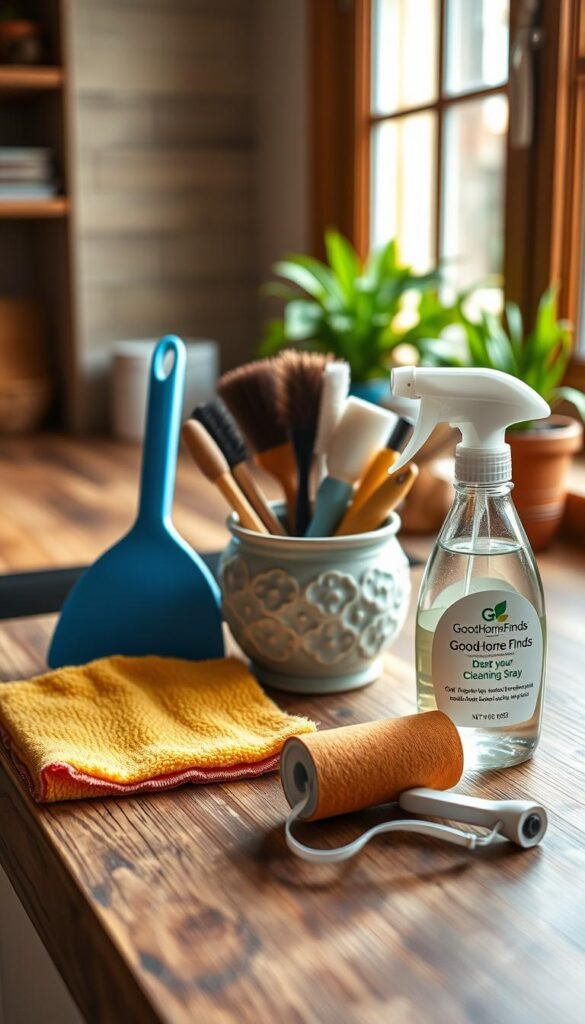
Grout and detail brush set (about $7–$15)
Why it helps: Reaches grout lines, faucet bases, sliding door tracks, and stove knobs where cloths fail.
Who it’s for: Renters doing move-out cleaning and pet owners.
What to avoid: Too-stiff bristles that can scratch tile glaze.
Pros: Cheap and precise. Cons: Bristles wear with heavy use.
Reusable microfiber cloths (about $10–$20)
Why it helps: Leaves streak-free mirrors and stainless surfaces with less spray cleaner.
Who it’s for: Busy households tired of paper towels.
What to avoid: Ultra-thin packs that shed lint; avoid fabric softener when washing.
Pros: Reusable and cheaper long-term. Cons: Needs proper laundering.
Melamine sponges (about $8–$15)
Why it helps: Fast cosmetic fixes for scuffs on baseboards and shoe marks.
Who it’s for: Spot cleaning where you need quick results, not delicate finishes.
What to avoid: Use caution on glossy paint, stainless, or nonstick surfaces.
Pros: Works quickly. Cons: Mildly abrasive; can dull finishes. Alternative: try gentle dish soap + microfiber first.
Drain hair catcher (about $6–$15)
Why it helps: Catches hair before it slows sinks or clogs showers.
Who it’s for: Long-hair households and pet baths.
What to avoid: Poor-fit catchers or metal edges that snag.
Pros: Cheap prevention. Cons: Needs regular emptying. Alternative: monthly manual hair removal tool, but expect a messier job.
Quick time-saved examples: A two-minute track scrub prevents a 20-minute deep clean later. A $10 hair catcher can stop a $150 plumbing call.
For a tidy routine and more cleaning gear ideas, check the cleaning helper mix.
Food Storage and Fridge Organization Finds That Prevent Waste
A small fridge rework can cut food waste and save you real money each week. These two budget tools create visibility and seals that stop leftovers from disappearing and reduce toss-outs.
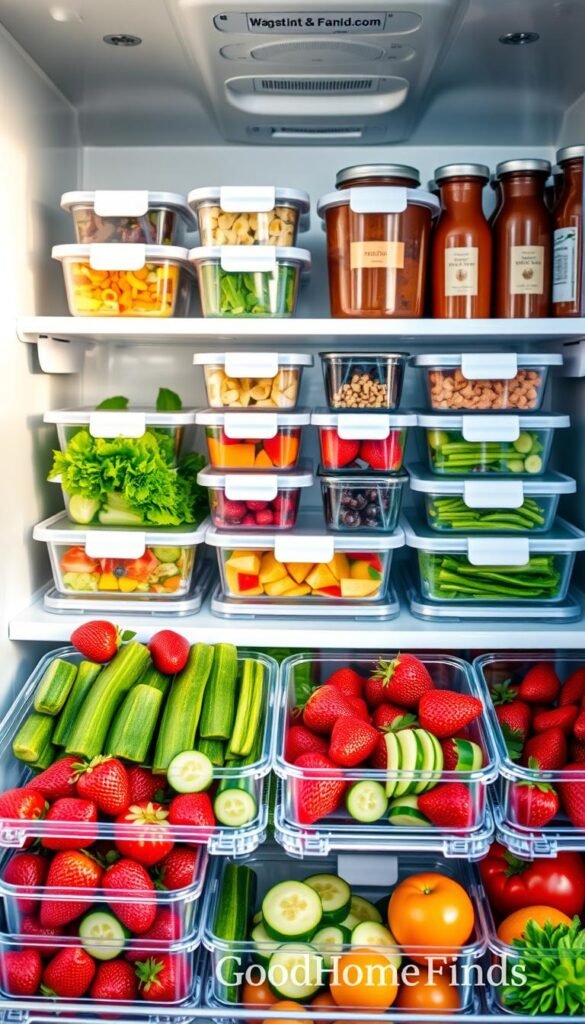
Clear refrigerator bins (about $15–$25)
Why it helps: Create zones so leftovers sit where you see them. Visibility reduces expired food and speeds cleanup.
- Who it’s for: Busy parents, meal preppers, small kitchens.
- Pros: Faster grab-and-go, neat shelves, easier inventory.
- Cons: Cheap plastic can crack or retain odors.
- What to avoid: Odd sizes that waste shelf space and plastics labeled without BPA info.
- Alternative: Shoebox-style dollar-store bins—cheaper but check sturdiness.
Silicone stretch lids (about $10–$18)
Why it helps: Seal bowls, cut fruit, and half-onions without buying lots of containers. They lie flat so you save space.
- Who it’s for: Renters, small kitchens, anyone wanting fewer lids.
- Pros: Reusable, compact, reduces single-use wrap.
- Cons: Hard to stretch for limited grip; some cheap sets pop off.
- What to avoid: Non-food-grade silicone and sets without clear size ranges.
- Alternative: Use a plate as a lid for short-term storage; less secure but free.
Simple weekly plan: One bin labeled „eat first,“ one for snacks, one for prep. Track results by how often you toss food. If waste falls, keep the system. If not, adjust sizing or placement.
Amazon note: Look for BPA-free bins with smooth edges and silicone lids that list food-grade material and sizes.
Quick Fixes for Cooking, Baking, and Meal Prep Friction
Swap one awkward step for a simple tool and your prep feels easier every time. These budget-friendly picks cut wasted food and cleanup minutes without crowding a small kitchen.
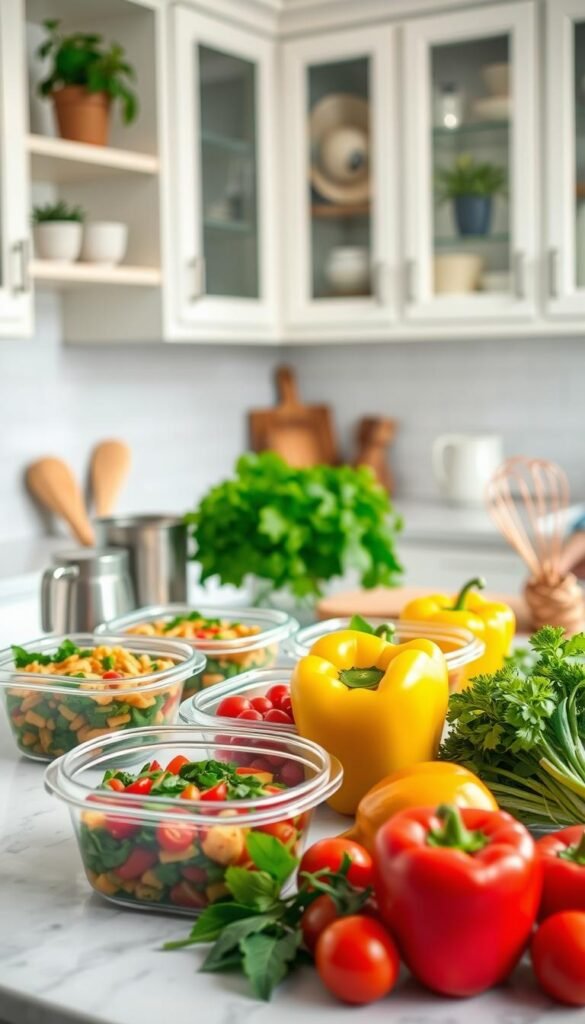
Silicone spatula set (about $10–$20)
Why: Scrapes batter, sauces, and yogurt tubs so you waste less.
- Who it’s for: Bakers and meal preppers.
- Pros: Heat-safe, flexible, easy to clean.
- Cons: Cheap sets can melt or separate at seams.
- What to avoid: Two-piece heads that trap gunk or low heat ratings.
- Alternative: Use a spoon, but it leaves more behind.
Oven liner or reusable baking mat (about $10–$20)
Why: Stops drips and cuts sheet-pan cleanup time.
- Who it’s for: Busy weeknight cooks.
- Pros: Reusable and saves time on scrubbing.
- Cons: Must match oven type and respect temp limits.
- What to avoid: Wrong material for high heat or mats that block airflow.
- Alternative: Foil or parchment—cheaper but repeat cost.
Handheld milk frother (about $8–$15)
Why: Whips protein shakes and matcha clump-free in a cup for fast breakfasts.
- Who it’s for: Quick breakfast people and content creators filming recipes.
- Pros: Small, fast, easy to store.
- Cons: Uses batteries and can splash if overfilled.
- What to avoid: Flimsy whisks, weak motors, or poor battery seals.
Citrus squeezer (about $10–$20)
Why: Speeds marinades and dressings and keeps seeds out.
- Who it’s for: Anyone who cooks with citrus weekly.
- Pros: Efficient, less mess, consistent yield.
- Cons: Needs a quick rinse to avoid sticky buildup.
- What to avoid: Painted coatings that chip or loose hinges.
- Alternative: Fork reamer—slower but free.
Amazon fast delivery: These items are common on major marketplaces. Check ratings for durability and verify materials before you buy to get a reliable, renter-friendly solution.
Safety and Quality Checks for Budget Tools (What to Look For on Amazon)
A short safety scan saves time and keeps budget buys from becoming hazards. Use this as a fast pre-buy routine when you shop for small, renter-friendly gear.

Materials that matter
Look for BPA-free plastic on storage items. That reduces transferable chemicals for food use.
Food-grade silicone is the choice for heat and contact with food. It resists melting and holds shape.
Stainless steel is best for scrapers, squeezers, and anything that meets heat or cutting tasks.
Heat ratings, edges, and electrical basics
Check stated temperature limits for baking mats and silicone lids. If the listing omits limits, flag it.
Inspect photos for finished edges and a comfortable grip on scrapers and squeezers. Rough metal can cut or slip.
For mini electrical tools, confirm a secure battery door, no exposed wiring, and clear certification notes.
Reading reviews without getting tricked
Filter to 3-star reviews to see recurring issues like warping or rust. Look for photos and multi-week notes.
A rule of thumb: repetitive phrasing, no photos, or only five-word praise often signals low-value feedback.
Quick safety checklist before you buy
- Materials: BPA-free, food-grade silicone, or stainless steel.
- Heat: explicit temperature rating or use limits.
- Edges: smooth finish and ergonomic grip.
- Electrical: sealed battery compartment and listed certifications.
- Cleaning: dishwasher-safe or clear cleaning steps.
Return policy note: Favor listings with easy returns and fast delivery. If fit or durability matters, that backing makes the purchase low risk.
For kitchen-specific picks and more buying tips, see our kitchen essentials.
What to Avoid: Common “Solutions” That Create New Problems
Not every gadget that promises convenience actually saves you time at home. Some items add cleaning, clutter, or safety risk. Spotting those early keeps your kitchen practical and renter-friendly.
Single-purpose gadgets often fail the repeat-use test. A banana slicer or an avocado tool looks neat but usually takes more time to wash than a knife and board. In real life, you’ll stash them and forget them.
Electrical items without basics
Cheap electronics can overheat, have weak cords, or stop working fast. Watch for reports of overheating, odd smells, or inconsistent readings on thermometers. If a listing has no brand support or safety notes, skip it.
Coated or plated tools that chip
Paint or thin coatings on squeezers and handles can flake into food. That creates health risks and shortens the tool’s life. Choose bare stainless or food-grade silicone instead.
„Buy the most useful item, not the cutest one.“
- If it takes longer to wash than a knife and board, skip it.
- Pick multipurpose stainless or silicone tools over novelty single-use items.
- Prioritize clear safety specs and good reviews with photos.

Decision rule: if the item adds upkeep, clutter, or risk faster than it saves minutes, it becomes the real cost.
For vetted, budget-friendly picks that actually save minutes, see these best Amazon picks under $25.
Cheaper Options and Smart Alternatives You Might Already Own
A quick inventory of common items often reveals cheaper ways to fix small daily hassles. Start by testing safe, low-cost alternatives before buying a dedicated gadget. Brainstorm a few possible solutions and try one simple method for a week.
When a rubber band, towel, or spoon does the job (and when it doesn’t)
Simple fixes that work:
- Rubber band wrapped around a jar lid for extra grip.
- Folded towel to twist a hot lid or to protect hands from heat.
- Edge of a spoon to gently break a vacuum seal on jars (use caution).
These quick ways often save time. But they fail with limited grip strength, slippery hands, or hot liquids. In those cases, a $10 tool is safer and faster.

Buying multipurpose tools instead of niche items
Think multipurpose first. A bench scraper doubles as a scoop and board scraper. A microfiber drying mat protects counters and absorbs spills. Silicone lids cover bowls and cut plastic wrap use.
Tip: Use trial-and-error for low-risk fixes. If an improvised way creates hazards, stop and swap to a proper tool.
Before you buy — quick checklist:
- Can you do it safely with what you have?
- Will a dedicated tool cut effort enough to be worth $10–$20?
- Does the tool serve more than one task?
For curated, budget-friendly product ideas and reviews, see this collection of practical picks.
How to Match the Right Tool to the Right Person
Match tools to daily routines so items get used, not shelved. Start by listing constraints: space, strength, and weekly habits. Then pick one low-friction item and try it for two weeks.

For busy parents: lowest-maintenance, highest-repeat wins
Who should buy it: Parents juggling meals and cleanup on weeknights.
- Top picks: microfiber drying mat, clip-on strainer, instant-read thermometer.
- Why: They cut cleanup time and reduce guesswork.
- Quick check: clean in 30 seconds, store flat, use weekly.
For renters and small kitchens: compact, flat-storage tools
Who should buy it: People in limited kitchens who need multipurpose gear.
- Choose items that lie flat or stack. Avoid bulky organizers.
- Pick multipurpose tools like a bench scraper or silicone lids.
- Measure shelf space before you buy to keep fits simple.
For seniors or limited grip strength: low-force, safer options
Who should buy it: Anyone wanting less strain and more control.
- Jar grippers, easy-press citrus squeezers, and large handled spatulas help.
- Prioritize comfort, non-slip grips, and smooth edges for safety.
- Test one item at home to confirm the required force is low enough.
For new cooks: tools that prevent common mistakes fast
Who should buy it: New cooks learning timing and technique.
- Start with an instant-read thermometer, silicone spatulas, and a bench scraper.
- These reduce burnt dinners, wasted food, and messy counters.
- Plan: set the tool where you prep so you reach for it every time.
„Success comes from matching a simple tool to a real habit, not to a long wish list.“
Fit questions before you buy:
- How often will you use this each week?
- Can you clean it in under 30 seconds?
- Does it store without adding clutter?
For a short checklist on whether you have the right gear, see a quick guide to choosing tools that match your daily needs at do you have the right tool. For compact kitchen picks that suit renters, review curated options at best kitchen finds.
How to Implement Your “Finds” So They Actually Deliver Results
Keep new gear visible and ready so it actually saves you time each week. A quick intro placement step makes the difference between an item used and an item lost to clutter.
Set up a one-minute home system
Rule: assign a clear „home“ for each tool. Hooks, front-drawer spots, or a labeled bin work well.
Examples: jar gripper in the utensil drawer front, clip-on strainer on the pot rack, thermometer with tongs.

Track the outcome
For two weeks, note if the item saved time, cut mess, or stopped a repeat issue. Use a simple three-column list: time saved, mess reduced, keep/return.
„Small, measurable steps beat large, vague intentions every time.“
When to return or upgrade
Return if fit is poor, cleaning is tedious, it fails to deliver results, or it feels unsafe.
Upgrade only for safer materials, better durability, clearer readings, or easier cleaning — not extra gimmicks.
| Step | Action | Decision |
|---|---|---|
| Place | Assign home and label | Keep if used weekly |
| Test | Track 2 weeks: time, mess, repeats | Return if no measurable benefit |
| Review | Log insight on a tiny solutions list | Upgrade for safety/durability only |
Tip: For a short process guide on steps and methods, see this quick implementation checklist. Keep a tiny solutions list so you build practical insights and avoid rebuying the same disappointing item.
Conclusion
A final note: small, repeatable choices beat flashy gadgets every time.
Quick summary: you save most time and money when you fix the right root once instead of buying repeat solutions. Use a simple process: identify, analyze the root, brainstorm options, pick one, implement, and check results.
Follow a tight buying filter: repeat use, durable materials, easy cleaning, compact storage, safe design, and honest reviews. If the same problems return, run the Five Whys to find the root cause before you buy again.
Try low-risk experiments and avoid unclear electronics or cheap materials. For a short primer on structured problem solving techniques, see problem-solving techniques. Prioritize clear specs and easy returns on Amazon so your one purchase actually helps find lasting solutions.