
You want a smell fresh apartment that feels neutral and clean, not masked by heavy fragrance. This guide gives renter-friendly, no-drill methods you can use in small space living. You’ll get simple daily routines, quick weekly refreshes, and targeted fixes for the kitchen, bathroom, closets, and pet zones.
Why this matters: small units trap smells because airflow is limited and moisture drives odors. A clean home should often smell like nothing, as Melissa Maker says. So we stop problems at the source, then add light scent only if needed.
This plan is practical and budget-aware. You’ll see tools under $25 and under $50, plus pros, cons, and best-for notes. No permanent changes, no drilling, and options that work for studios, shared rooms, and multi-bath units.
By the end, you’ll have a repeatable routine you can do every day without turning it into a weekend chore. Ventilation and pet-safe choices are part of every tip.
Key Takeaways
- Focus on stopping odors at the source before adding scent.
- Use renter-friendly, no-drill solutions for small spaces.
- Adopt a quick daily reset plus a weekly fabric refresh.
- Find practical tools under $25 and under $50 with clear pros/cons.
- Keep ventilation, pet safety, and sensitivities in mind.
What “Fresh” Really Means in an Apartment: Neutral first, fragrance second
Your goal is neutral air first; fragrance is the last step.
Start by removing odors, not covering them. Neutralizing cuts sources so scents work as a finishing touch. That prevents the cycle of masking and buildup.
Small rooms hold smells longer because they have less air exchange, more soft surfaces that trap oils, and trash or food scents spread fast. Open fabrics and damp spots act like slow-release scent traps.

What neutral feels like
Neutral means no mustiness in the bathroom, no old food in the kitchen, and no stale fabric in closets. When the room is neutral, light scents read as clean instead of overpowering.
Practical safety notes
- Ventilate after cooking or cleaning to clear the air quickly.
- Start fragrance low and place it away from pet bedding or litter areas.
- For sensitive guests, choose milder scents and keep them out of sleeping zones.
| Step | Action | Why it helps |
|---|---|---|
| 1 | Find and remove source (trash, damp fabrics) | Stops continuous odor release |
| 2 | Ventilate for 10–20 minutes | Replaces stale air with fresh air |
| 3 | Add light fragrance only if wanted | Provides a subtle, clean home smell without masking |
Find the source fast: the easiest way to stop recurring odors
Quick diagnosis beats long fixes. When a persistent odor returns, something in the space is holding moisture, residue, or trapped oils. Find that source first and you stop the cycle.

Common hotspots to check in under 5 minutes
Use a focused scan to save time. Check these high-impact areas quickly each day or week.
- Kitchen: inspect the drain, sink edges, and under the trash bin.
- Garbage: lift lids and smell lids and liners; empty more often if needed.
- Bathroom: feel towels and bath mats for dampness; check around the shower base.
- Closets and laundry corners: open doors and sniff deep corners for stale fabric.
- Pet areas: check litter boxes, bedding, and under feeding mats.
Nose blindness and a simple weekly walk-through
Nose blindness means you stop noticing the house scent you live with. It’s normal. Leslie Stein calls it sensory adaptation.
Try this renter-friendly check: leave the unit for 10 minutes, come back, and walk the entryway, kitchen, bathroom, and living surfaces. Open closets and laundry nooks as a second sweep.
„If a smell keeps coming back, something is holding it—moisture, residue, or fabric. Find that source before adding scent.“
Fast fixes tied to hotspots
Below are quick, removable solutions you can use now.
| Hotspot | Quick fix | Why it works |
|---|---|---|
| Kitchen drain | Drain catcher + bi-weekly baking soda and hot water flush | Removes food residue and slows bacterial build-up |
| Garbage | Smaller liner, tied bag, take out nightly | Prevents lingering organic decay |
| Bathroom towels/mats | Hang to dry after use; wash twice weekly | Reduces moisture-driven odors |
| Closets | Charcoal sachets and quick air-outs | Absorbs stale air without drilling or installs |
| Pet areas | Frequent bedding wash; litter scooped daily | Stops biological sources before they spread |
Track timing. Note when the problem peaks—after showers, at night, or after cooking. Time patterns point to humidity or ventilation gaps. Use renter-safe tools and habits so changes stay reversible and budget-friendly.
Fresh air basics for apartments: ventilation without major changes
You can reset indoor air with short, regular window bursts. This is the simplest renter-friendly way to swap stale for fresh air daily.

Baseline routine: aim for two short airing sessions each day. Try 5–10 minutes in the morning and a quick airing after cooking or showering.
Window routines that work year-round
Cold-weather tip: use „lüften“—open windows wide for a few quick, intense minutes. It clears humidity without losing heat all day.
Create a cross-breeze with what you have
- Open windows on opposite sides when possible to pull air through a room.
- If you lack opposing windows, point a box fan toward an open window to push air out.
- Open interior doors and move small furniture that blocks vents to build airflow across the space.
| When to Vent | Practical action | Why it helps |
|---|---|---|
| Morning (5–10 minutes) | Open windows wide | Replaces night-time stale air |
| After cooking or frying | Air out immediately for 5 minutes | Removes airborne oils and odors fast |
| After showering or trash removal | Quick window burst or fan run | Reduces humidity and biological sources |
Safety note: secure screens and keep cords and fans stable, especially around kids and pets. These small steps cut down apartment smelling problems fast and make other odor-control methods work better.
Moisture control: the hidden reason your apartment smells musty
Moisture is the quiet cause behind many musty problems you keep battling. It feeds mildew and bacteria on soft and hard surfaces. That creates persistent odors that fragrance can’t hide.

Target numbers: aim for 40–50% RH. Treat any room over 60% as a red flag and act fast.
Practical, renter-friendly tools
- Hygrometer — cheap truth tool to stop guessing humidity.
- Small dehumidifiers — pick compact models for bathrooms and bedrooms; they remove water but can use energy.
- Moisture-absorber tubs — good for closets and drawers under $25.
- Wall hooks or drying racks — hang towels and bath mats so they dry fully between uses.
Micro-sources you often miss
Old sponges, damp towels, bath mats, and rugs that trap water underneath keep releasing odors. Replace sponges every 1–2 weeks and don’t leave them in a wet sink overnight.
Dehumidifier vs air purifier — quick pros and cons
| Option | What it fixes | Trade-offs |
|---|---|---|
| Dehumidifier | Reduces humidity and mildew growth | Energy use, noise; direct moisture solution |
| Air purifier | Removes particles and some odors from air | Does not remove excess water from rugs or surfaces |
Simple rule: if a room feels damp or has a musty note, tackle moisture first. Then do targeted cleaning and ventilation for a lasting result.
For budget bathroom and humidity fixes, see budget bathroom fixes for renter-friendly products and setup ideas.
Daily and weekly routines that keep odors from coming back
A short daily reset prevents buildup so weekly chores stay light.
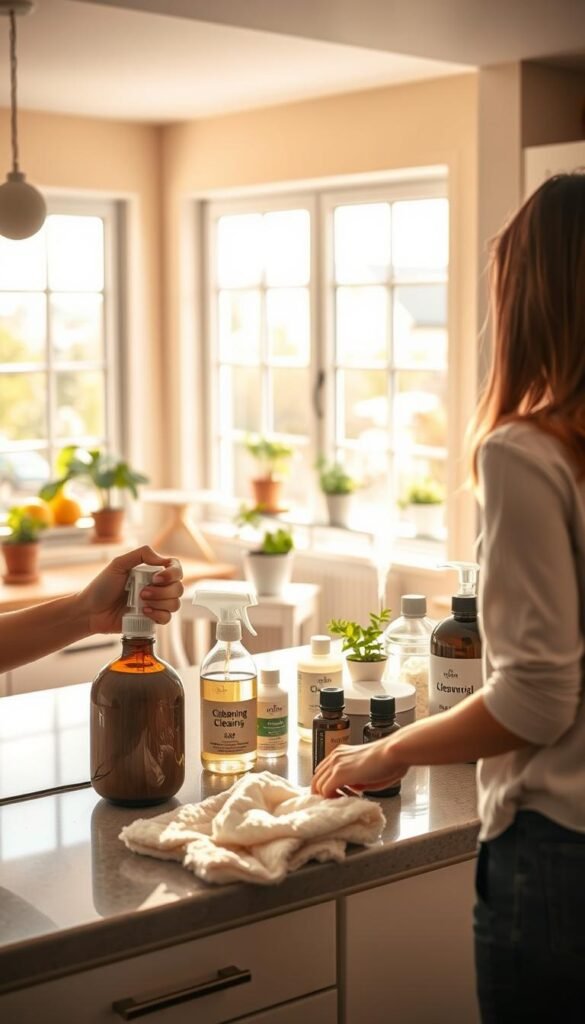
Why this works: clean surfaces and textiles cut dust, pet dander, and trapped moisture. That reduces recurring smells and keeps your home easier to maintain.
Ten-minute daily reset
Do this every day. Spend ten minutes on high-payoff tasks.
- Wipe kitchen counters and quick sink rinse.
- Check and tie off trash; take it out if full.
- Hang towels and bath mats to dry; leave the shower fan on briefly.
- Quick entryway shoe control—stash shoes in a bin or on a mat.
Weekly fabric refresh
Once a week: wash bedding and towels. Rotate bath mats and rugs.
Wash couch covers and pillowcases if they are removable. Clean textiles broadcast scent through the home when you sit or walk.
Low-effort laundry upgrades
Don’t overload the washer. Dry items completely. Use a dedicated hamper for gym clothes.
These small laundry changes make linens and couch covers stay cleaner longer and cut repeat cleaning time.
If you only do one thing: clean towels + empty trash + rinse the sink. That combo prevents most recurring problems until you have more time.
„Dry and reset habits stop moisture and food residue from becoming repeat sources.“
Kitchen odor control that actually lasts
Small kitchens demand short, repeatable habits that stop cooking odors before they spread. Follow renter-friendly steps you can do weekly and after heavy use. These save time and work better than sprays.

Sink and garbage disposal cleanup
Clear visible debris, then run very hot water while adding a squirt of dish soap. Let water run for 20–30 seconds to flush grease.
Next, grind a handful of ice to knock off grime in the blades, then grind citrus rinds for a light lift. Repeat this routine after heavy cooking or once a week.
Drain prevention and catchers
Use a fine mesh drain catcher daily and empty it into the trash. Do a warm water flush with a little dish soap bi-weekly to stop sludge build-up.
Trash and recycling strategy
Choose smaller bins that force more frequent takeout. Line bins and tie bags before removing them.
Wipe the can and lid monthly with a mild soap solution. Plastic traps residues that spread into the room if left unchecked.
Fridge reset and food-safe wipes
Once a month, toss old leftovers and forever-condiment jars. Wipe shelves with a 1:1 mix of hot water and white vinegar plus a drop of dish soap. Rinse and dry so odors don’t return.
Baking soda: where it helps and where it doesn’t
Keep an open box of baking soda in the fridge and sprinkle a little in the bottom of the trash can. It neutralizes minor notes but won’t fix leaks, spoiled food, or a dirty bin.
| Task | Frequency | Why it works |
|---|---|---|
| Sink/disposal hot water + ice + citrus | Weekly or after heavy use | Clears grease, scrubs blades, leaves light citrus |
| Drain catcher + warm water flush | Daily catch; bi-weekly flush | Prevents sludge and bacterial buildup |
| Fridge clear & wipe | Monthly | Removes old food and surface residues |
Quick checklist:
- Run hot water and soap after dish-heavy cooking.
- Grind ice + citrus in the garbage disposal weekly.
- Empty drain catcher daily; flush drains bi-weekly.
- Use smaller trash bins and wipe them monthly.
- Refresh fridge box of baking soda monthly and wipe with water + vinegar.
Bathroom smells: ventilation, wet textiles, and the “whole toilet” clean
Control dampness and you cut recurring bathroom odors fast. Run the fan if you have one, crack the door, and do a short fresh air swap after showers. These simple moves stop moisture from becoming a persistent source.

Moisture-first bathroom plan
Textiles come first. Hang towels separately and drape bath mats over the shower rod so they dry fully. Never leave wet items balled up on the floor.
Use quick vents and open the door briefly. A short burst of fresh air cuts humidity without major changes.
The whole-toilet concept
Toilet odors often start outside the bowl. Check hinges, the base, the tank area, and the floor around the fixture. Splash marks and hidden grime hold bacteria and keep releasing notes.
Weekly clean checklist and renter-friendly add-ons
- Weekly: bowl clean + exterior wipe-down + base and floor scrub + quick tank-area wipe.
- No-drill upgrades: over-shower hooks, tension shelves, adhesive trays within weight limits, and washable quick-dry mats.
- Use lightweight, durable products that survive regular washing.
„Fixing the bathroom lifts the whole house; odors travel through vents and hallways.“
Small odor drops: if you add scent, use tiny amounts and ventilate so it doesn’t overpower the small space. For renter-friendly storage and layout ideas, see best bathroom space solutions.
Closets, laundry corners, and bedrooms: stop stale fabric smells
Dense fabrics in small storage zones collect body oils, dust, and dampness. Low airflow lets those factors sit and leak into the bedroom. You can prevent that with simple, renter-friendly absorbers and clearer storage habits.

Activated charcoal and baking soda sachets
Activated charcoal bags work well in drawers, shoes, and hampers because they absorb odors without adding scent. They are durable and often rechargeable; follow the product directions and sun them occasionally to refresh them.
For a cheap option, try a small baking soda sachet in shoes or a drawer. Keep the powder contained in a pouch so it doesn’t make a mess.
Store re-wear and sweaty gear the right way
Keep a dedicated hook or small basket for „not-clean-not-dirty“ items so worn shirts don’t touch clean laundry. Use a breathable gym bag for sweaty clothes and wash them promptly.
Best-for by apartment size
Studio: use vertical zones—over-door hooks and slim bins—and place absorbers near the closet and hamper since one airspace serves all rooms.
One-bedroom: put charcoal bags in closet corners and close hamper lids in the bedroom. Wash bedding regularly to keep the whole home cleaner.
Quick routine: air out closets for a few minutes each week and swap or sun absorbers monthly. These small steps save time and keep textiles lasting longer.
Pet and “soft surface” odor solutions for rugs, couches, and bedding
Rugs and couches act like sponges for pet dander and body oils, so cleaning must reach deep into fibers. Start with a clear routine you can repeat without special tools.
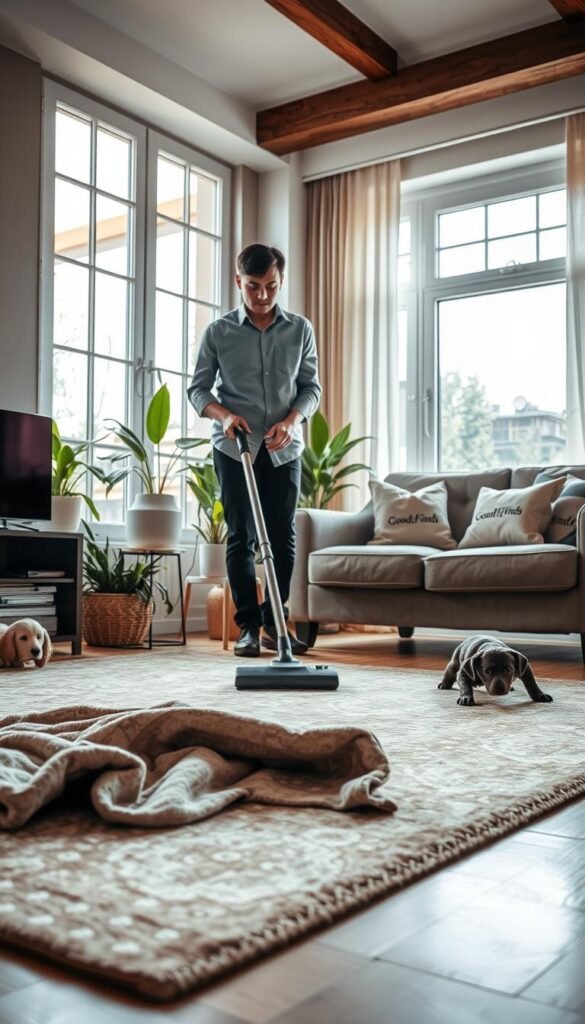
Vacuum strategy that works
Vacuum slowly and make multiple passes. Do edges first, then under cushions and along seams. Increase frequency in high-traffic pet zones.
Use enzyme cleaners correctly
Enzyme products break down biological stains like urine or vomit. Use them only on actual stains—not on generally old textiles. Follow label timing and blot, don’t rub.
DIY fabric refresher
Mix one part white vinegar with three parts water in a spray bottle. Spot-test in an unseen area. Lightly mist, add one or two drops of a pet-safe essential oil if wanted, and let fabrics dry fully before use.
Pros and cons: pro steam-clean vs at-home upkeep
- Pro steam-clean: deeper fiber cleaning, longer-lasting results. Con: cost and drying time.
- At-home upkeep: inexpensive and regular; keeps rugs and upholstery durable. Con: needs more frequent attention.
„Weekly vacuum, immediate stain treatment, and an annual deep clean keep fabrics lasting and help them smell good.“
Renter-friendly odor absorbers and air cleaners under $25 and under $50
Pick two to four targeted items and you’ll fix recurring problems without clutter. This is your toolbox: choose low-effort, renter-safe products that match the source instead of buying random sprays.
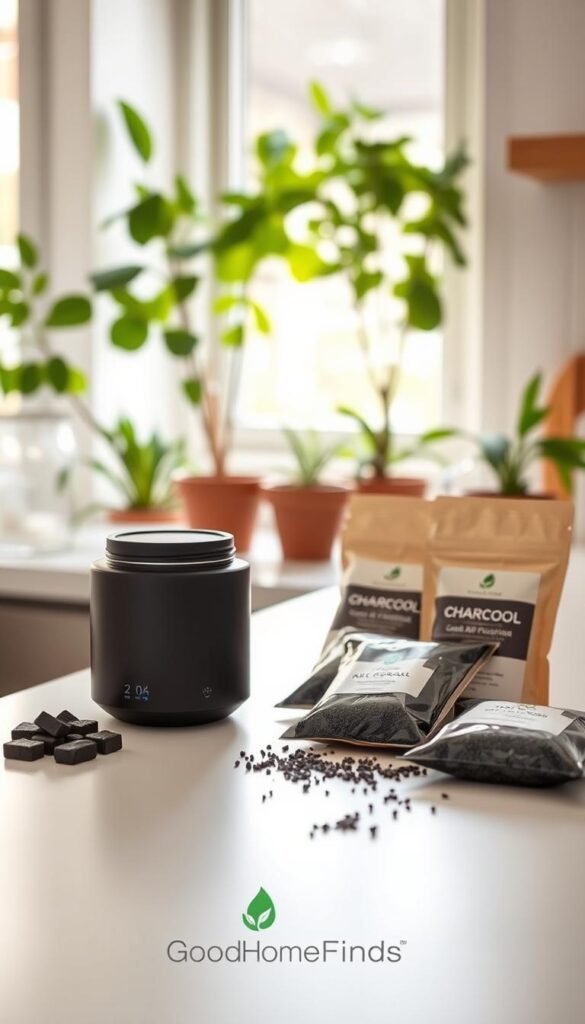
Under $25 practical basics
- Activated charcoal bags — great for closets, litter zones, and hampers. Low maintenance and reusable.
- Baking soda boxes — fridge and trash liners. Cheap, safe, and effective for minor notes.
- Drain catchers — kitchen and shower models stop food and hair buildup before it creates odors.
- Hygrometer — cheap humidity monitor so you act before problems hit 60%+ RH.
Under $50 targeted upgrades
- Compact plug-in diffusers — controlled, low-scent fragrance with easy refills.
- Small HEPA-style air purifiers — remove particles and help with pet dander.
- Mini dehumidifier — useful for damp bathrooms or a bedroom that runs humid.
Quick pros and cons
- Charcoal & baking soda: zero noise, low cost, neutralize rather than mask. Cons: limited coverage area.
- Diffusers: easy scent control and low upfront cost. Cons: ongoing refills and sensitivity risk.
- Air purifiers: remove particles and reduce lingering odors. Cons: power use and occasional noise.
- Mini dehumidifiers: fix moisture sources. Cons: energy use and emptying reservoir.
| Product | Setup time | Maintenance | Coverage | Noise/Safety |
|---|---|---|---|---|
| Activated charcoal | Place in zone | Sun monthly | Small (closet/hampers) | Silent, non-toxic |
| Plug-in diffusers | Plug in | Refill every 1–3 months | Small–medium rooms | Silent, ventilate |
| Small HEPA purifier | Unbox & place | Filter replace 6–12 mo | Medium rooms | Low sound; keep clear |
| Mini dehumidifier | Unbox & plug | Empty reservoir weekly | Small rooms/bath | Moderate noise; tip-proof |
Who each option is best for
- Cooks: drain catchers + quick ventilation; add a purifier if frying often.
- Pet owners: charcoal bags + regular vacuuming; HEPA units help airborne dander.
- Gym-goers: charcoal in hampers + daily airing of sweaty gear.
- Humid bathrooms: hygrometer + mini dehumidifier to stop mold-prone conditions.
- Roommates/shared spaces: low-scent diffusers or neutral charcoal so no one is overwhelmed.
Use this plan to match tools to the real source. A targeted solution saves money and keeps shared spaces comfortable.
Layout alternatives: studios need smaller, quieter devices placed carefully; shared units should favor neutral, low-fragrance options; multi-bath homes may require one moisture tool per problem bathroom.
For a kitchen-focused toolkit that pairs well with these picks, see our kitchen problem mix.
Adding fragrance without overpowering the space: candles, diffusers, and simmer pots
Treat fragrance as a finishing touch: subtle, targeted, and easy to remove if someone is sensitive. Neutralize sources first. Then add scent sparingly so your home feels clean, not masked.

Flame-free options first
Reed diffusers are low-maintenance and very subtle. Place one near an entry or bathroom and use fewer reeds for a lighter release.
Controlled plug-in scenting works well in small rooms. Set lowest output and avoid running it overnight.
Candles done safely
Candles add warmth but use them carefully. Put a candle on a stable surface, away from curtains and vents.
Burn for short periods and ventilate afterward. Choose sensitivity-friendly profiles and never leave a flame unattended.
Simmer-pot recipes
Use a small pot of water at a gentle simmer. Add citrus rinds, herbs, or spices. Keep an eye on water levels.
- Orange + cinnamon
- Citrus + rosemary
- Lemon + mint
These combos give a subtle lift before guests arrive and are temporary by design.
Natural boosters and placement
Keep a small herb pot by a window or a tiny bouquet away from heat. Place stronger scent near entryways and bathrooms, not bedrooms, if anyone is sensitive.
„Less is usually better in tight spaces — a light touch makes the home smell good to everyone.“
Space optimization: where to place odor control in kitchens, bathrooms, closets, entryways
Put solutions next to the source and you’ll need them less often.

In tight layouts, location matters more than power. A small product placed at the source works better than a large device across the room.
Entryway setup to stop outside smells
Create a dedicated shoe zone with a washable mat and a small bin for daily use items. Add no-drill hooks for bags and coats so outdoor dirt stays there.
Small-space placement tips
- Kitchen: keep an absorber under the sink (away from chemicals) and a drain catcher in the sink.
- Bathroom: mount moisture tubs in the dampest corner and hang mats so they dry quickly.
- Closets: place charcoal bags at floor level and near shoes; use a small basket for re-wear items.
- Hidden spots: behind doors and under sinks hide tools without crowding living surfaces.
Easy maintenance schedule (minutes per day)
Short, regular actions keep products effective.
| Task | Frequency | Time |
|---|---|---|
| Flip reed diffuser or sun charcoal | Weekly | 2–3 minutes |
| Wash mat or towel | Weekly | 10–15 minutes (set & forget) |
| Replace baking soda / refresh absorbers | Monthly | 3–5 minutes |
| Wipe trash bin and check under-sink | Monthly | 5–10 minutes |
Good placement reduces effort and makes your whole space feel cleaner with less daily work.
Conclusion
Wrap this guide into a simple routine you can follow in minutes each day. Stop sources first, control moisture, refresh textiles, then add a light scent only if you want it. That order works better than masking and saves time.
Apartment smelling issues are common in small spaces. They are fixable with a few habits and targeted tools. Start today: take out trash, air the unit for a few minutes, wipe key surfaces, hang towels to dry, and reset the sink/drain plan.
This weekend: wash bedding and towels, refresh rugs and couch covers, clean the fridge, and place absorbers where odors start. Budget wins include a hygrometer, a drain catcher, and small activated charcoal or baking soda absorbers.
Safety note: ventilate when using fragrances and go light in small rooms for pets and guests. Pick the top two trouble spots first—usually the kitchen and bathroom—then expand. Keep these small steps up and your home stays consistently better without last-minute scrambles.