Renters and small-space dwellers need practical, no-drill fixes that protect belongings without risking a lease violation. This guide compares five budget picks under $25 and $50 with five move-proof upgrades that add security, climate control, or extra durability.

The goal is simple: quick clutter relief when price matters, and better protection when items need long-term care. Recommendations favor easy setup, minimal tools, and products that won’t damage walls.

🏠 Home Solutions Picks
Shopping List
Quick picks that solve the problem fast — renter-friendly, budget-aware, and trend-led.
As an Amazon Associate I earn from qualifying purchases.

Readers will find clear pros and cons, best-for notes, and advice on when a storage unit makes more sense than in-home options. The article flags common trade-offs: a low sticker price can hide poor durability or weak security.

No hype—just practical choice criteria. Expect simple comparison tables and quick filters to help renters pick the right option without overbuying.

Key Takeaways

  • Budget picks solve fast clutter and cost less, but may sacrifice long-term durability.
  • Higher-tier upgrades add security and protection for fragile or sentimental items.
  • All recommendations favor no-drill setup and renter-safe installation.
  • Consider what’s being stored and how much peace of mind is needed.
  • Watch for hidden trade-offs like poor materials or limited protection.

What “Cheap” vs “Premium” Storage Means for Renters and Small Spaces Today

Renters often juggle limited closets, quirky layouts, and strict lease rules when organizing a small home.

Common apartment pain points

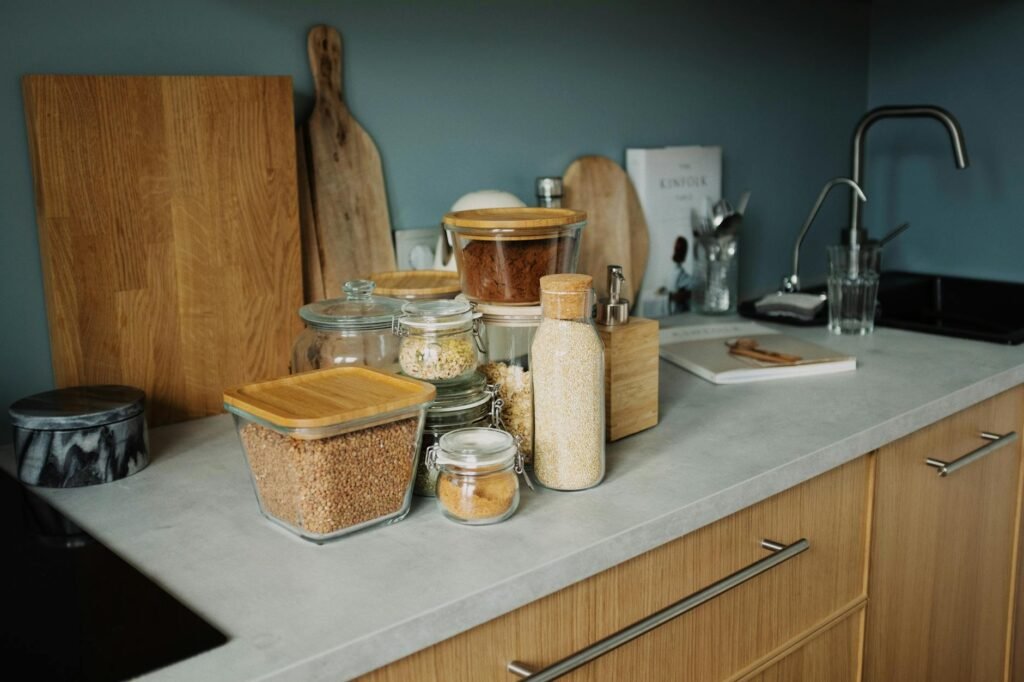
Limited closet space, awkward corners, shared entryways, and “no-drill” lease clauses make permanent fixes risky. In a kitchen, peel-and-stick hooks and tension rods keep daily items handy. In a bathroom, stick-on caddies free counter space without holes. An entryway benefits from over-the-door racks for fast access.

A stylish, contemporary apartment space showcasing innovative renter storage solutions by GoodHomeFinds. In the foreground, a sleek, modular shelving unit filled with neatly organized books, decorative boxes, and plants provides a pop of greenery, indicating a personal touch. The middle area features a cozy nook with a compact, multi-functional furniture piece, such as an ottoman that opens for extra storage. In the background, large windows bathe the room in natural light, highlighting both cheap and premium storage options, such as budget-friendly plastic bins and upscale wooden cabinets, offering a clear contrast. A warm, inviting atmosphere with soft shadows and a harmonious color palette creates an ideal setting for renters and small spaces, emphasizing functionality and style.

Quick decision filter (30 seconds)

Ask three questions: What are you storing? How often do you need access? How costly is replacement?

If items are used daily and low-risk, low-cost options deliver immediate value and convenience. If items are fragile, valuable, or sensitive to humidity, choose higher-quality protection that adds security and climate control.

  • Location matters: entryway needs fast grab-and-go; under-bed is fine for rarely used items.
  • Scale approach: start with affordable wins, then upgrade one zone if it keeps failing.
  • Mix tiers: easy daily organization plus a secure unit for delicate or long-term belongings.

storage cheap vs premium: Side-by-Side Criteria That Actually Matter

Choose criteria that cut through marketing copy and show what renters actually pay and get.

Quick overview: Compare real monthly costs, security, access, climate control, and contract terms. This makes it easier to match a unit to what matters most for fragile or valuable items.

A split-screen image showcasing "Cheap vs Premium Storage Solutions." On the left, depict a cluttered, low-cost storage area with simple plastic bins, low-quality cardboard boxes, and basic shelving units, all in a well-lit environment that exudes a practical yet unrefined feel. Use natural daylight coming through a window to create a bright atmosphere. On the right, illustrate an organized, elegant premium storage space featuring stylish, high-quality wooden cabinets, sleek metal shelving, and neatly labeled containers, bathed in soft, warm artificial light to convey luxury. Ensure a clear visual contrast between the two areas by using a centered dividing line. The overall composition should feel modern and inviting, resembling a Pinterest-style lifestyle photo, branded subtly with "GoodHomeFinds" in the corner.

Real monthly cost vs advertised price

Advertised prices often exclude deposits, required insurance, admin fees, and lock rules. Check whether billing is monthly or every four weeks. Add these into a 3-, 6-, and 12-month tally to find true costs.

Security basics and advanced surveillance

Basic sites use simple locks and minimal lighting. Higher tiers add gated access, electronic keypads, and documented video surveillance. Match the level of protection to your most valuable item.

Access, location, and convenience

Drive-up units save time and reduce injury risk when moving heavy boxes. Some facilities offer 24/7 access; others limit hours. Consider the location and your schedule when choosing.

Climate control and durability

Humidity and temperature swings can warp wood, damage electronics, and ruin photos. If those items are on the list, pay for climate control.

Contract terms and flexibility

Favor month-to-month plans if timelines are uncertain. Watch for intro prices that rise after three to six months. Read cancellation and price-increase terms before signing.

Criteria Basic options Higher-tier options
Real monthly cost Low advertised price; extra fees Higher base price; fewer surprise charges
Security Padlocks, minimal lighting Gates, keypads, video surveillance
Access & convenience Limited hours, basic location Drive-up, longer hours, better location
Climate & durability Uncontrolled Climate control and cleaner units

Checklist before committing: deposits, required insurance, admin fees, lock requirements, and billing cadence. Use a risk-based rule: insure the most fragile or costly item, not the average, and weigh extra services like carts or on-site staff for convenience and time savings.

Cheap Storage Solutions Under $25 and $50 That Don’t Require Drilling

Smart, move-friendly fixes help renters reclaim counter and closet space without risking a lease. These renter-safe solutions focus on quick setup, low cost, and easy removal.
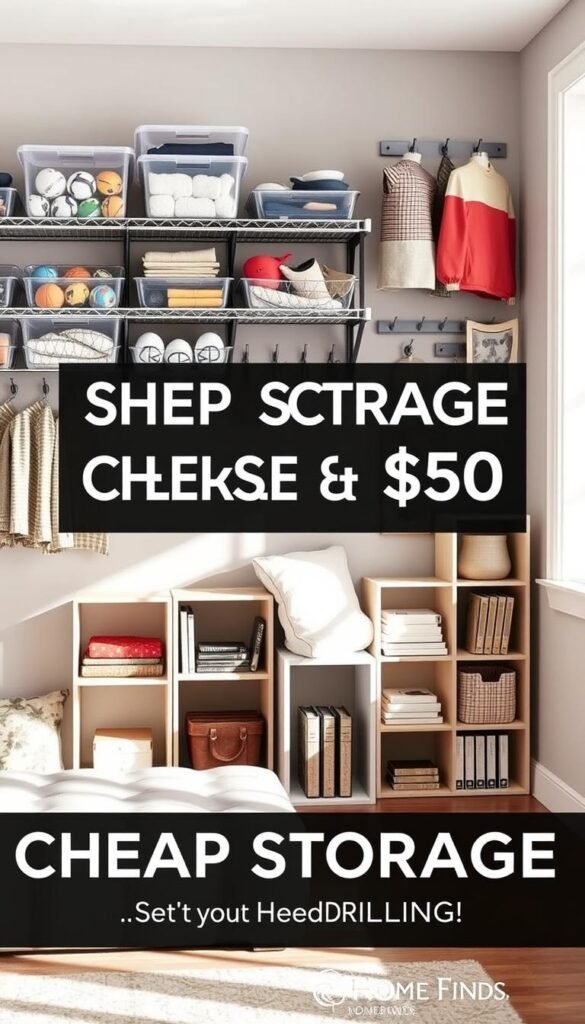
A stylish and practical room setting showcasing a variety of cheap storage solutions under $25 and $50 that don’t require drilling. In the foreground, display an organized space with clear bins, tiered shelving, and wall-mounted hooks holding sports gear and cleaning supplies, all labeled and color-coordinated for aesthetic appeal. The middle section features a cozy corner with a trendy fabric storage ottoman and modular cube shelves filled with books and decorative items. In the background, soft, natural lighting streams in through a window, casting gentle shadows that enhance the serene atmosphere. The image should embody a Pinterest-inspired lifestyle aesthetic, highlighting the brand "GoodHomeFinds" through visible product branding, ensuring a clean, uncluttered visual narrative without any text or watermarks, evoking a warm and inviting mood.

Kitchen (under $25)

Under $25: adhesive hooks for utensils and tension-rod under-sink organizers. Adhesive hooks clear counters fast; tension rods separate cleaning items.

Quick tips: follow surface prep, check weight ratings, and allow 24 hours before loading.

Bathroom (under $50)

Under $50: stick-on shower caddies and over-the-toilet shelves. Caddies suit shared bathrooms; shelves save floor size when vertical space exists.

Wipe weekly, watch rustproof specs, and respect weight limits to avoid failures.

Closet and Entryway

Slim velvet hangers and stackable risers double usable closet space. Over-the-door racks and removable wall strips keep keys and bags handy without holes.

Studio vs One-Bedroom Picks

Studios should skip bulky floor units and favor vertical or over-door options. One-bedrooms can add a small freestanding shelf or lidded bin near the entryway.

„A five-minute weeknight reset by zone prevents clutter from coming back.“

  • Durability checks: inspect adhesives, coatings, and material joins in-store.
  • Weeknight routine: 5-minute reset — clear counters, rehang, and wipe wet spots.

Premium Storage Upgrades Worth Paying For (Still Renter-Friendly and Easy Setup)

Small investments in better-built gear often pay off by protecting items and saving time. These renter-friendly upgrades focus on durability, mobility, and clear value.

A sleek, modern home office space showcasing premium storage upgrades, with elegant wooden shelves displaying neatly organized storage boxes and stylish decorative items. In the foreground, a minimalist desk features a high-end external hard drive and a wireless charging station, surrounded by green houseplants for freshness. The middle of the image should highlight a contemporary filing cabinet with metallic accents, topped with a tasteful lamp and books. The background reveals a bright window with sheer curtains, allowing soft, natural light to illuminate the scene, creating a warm and inviting atmosphere. The image should convey sophistication and practicality, ideal for renters seeking stylish storage solutions. Please include a subtle branding element representing "GoodHomeFinds", without any text overlays or watermarks.

What „premium“ means in-home

Premium here means higher load capacity, better materials, and adjustable features that survive moves. It favors performance over looks.

Modular shelving

Best for: pantry overflow, heavy cookware, and bulk supplies. Choose bolt-free kits that assemble fast.

Safety tip: use anti-tip straps if allowed and spread weight across shelves.

Sealed bins and garment bags

Sealed bins block dust and pests and help with humidity control. They stack neatly but add weight and take space.

Garment bags keep clothes clean but need occasional airing to avoid trapped moisture.

Space-saving furniture & closet systems

Storage ottomans and lift-top tables hide everyday items and reduce clutter. Freestanding wardrobes and adjustable organizers give flexible closet options.

Pros/cons: more convenience and durability, but cost more than basic options.

„Premium upgrades reduce repeat purchases and protect valuables during moves.“

  • Maintenance: quick wipe-downs and clear labeling speed retrieval.
  • Value rule: invest when it prevents damage or repeated replacement.

When In-Home Isn’t Enough: Budget vs Premium Storage Units and Facilities

If closets, under-bed bins, and tall furniture still leave items unprotected, an external facility may fit the bill.

Tiered facility comparison

Tier Typical features Best for
Budget Lower prices, basic access, fewer services, perimeter fencing Infrequent visits; nonfragile items
Standard Balanced costs, decent cleanliness, keypad access, some on-site staff Seasonal furniture; mixed valuables
Premium City locations, climate control, 24/7 access, gated entry, video surveillance Electronics, art, long-term storage

A wide shot of two contrasting storage facilities side by side: on the left, a budget-friendly outdoor storage unit made of corrugated metal, with bright, natural lighting casting shadows; on the right, a sleek and modern premium indoor storage facility with climate control, well-organized shelves, and warm ambient lighting. The budget unit has signs of wear, while the premium facility showcases a clean, minimalist design with neatly arranged boxes and containers. In the foreground, a business professional in a smart casual outfit inspects the budget unit, looking contemplative. The background features rolling hills and trees, giving a tranquil suburban feel. The overall mood is practical yet inviting, emphasizing the choices between budget and premium storage solutions. GoodHomeFinds style.

Practical selection tips

  • Climate control: use it for electronics, wood furniture, photos, and artwork.
  • Security checklist: look for lighting, gated entry, electronic access, and visible video.
  • Watch fees: confirm insurance, deposits, admin charges, and whether billing is per month or every four weeks.
  • Choose size: measure large items, allow a 2–3 ft walkway, and avoid paying for unused vertical space.

„Pick a location that balances visit frequency and price—city units save time; outskirts save money.“

Final note: read customer reviews for cleanliness, billing fairness, and staff responsiveness before signing a rental agreement.

Conclusion

Match protection to risk, and keep three things in mind: what is used daily, what would cost the most to replace, and how long items will sit idle.

For routine clutter, renter-friendly no-drill options save money and time. For fragile or high-cost belongings, higher-grade picks add security and climate protection that pay off over time.

Use a mixed approach: quick organizers for daily zones and one stronger option where mess repeats. Consider external units when home space is full, a move is coming, or seasonal items sit for months.

Quick checklist: match protection to what matters most, pick the smallest unit that fits, verify true costs, and choose easy-to-maintain solutions to keep things tidy and save money.
FAQ

What’s the difference between budget and premium options for renters with limited space?

Budget options prioritize low monthly cost and simple solutions like adhesive hooks, slim hangers, and basic bins. Premium options focus on protection and convenience: sealed containers, modular shelving, and climate control. Renters should weigh immediate savings against long-term value—choose premium features for items sensitive to humidity, pests, or temperature.

How do advertised prices differ from the real monthly cost?

Advertised rates often exclude additional charges such as deposits, insurance, administrative fees, and prorated move-in or move-out charges. Factor in access fees, late-payment penalties, and seasonal price increases to compare true monthly cost across providers.

When is climate control necessary?

Climate control matters for electronics, wooden furniture, artwork, important documents, and textiles. If items are sensitive to humidity or temperature swings, or if storage is long-term, pay the extra for a controlled environment to prevent warping, mold, and degradation.

What security features separate basic from upgraded facilities?

Basic facilities usually offer gated access and on-site lighting. Upgraded sites add electronic access control, individual alarms, recorded video surveillance, and 24/7 monitoring. For valuable items, choose a facility with layered security and clear incident response procedures.

How do access hours affect convenience and cost?

Extended or 24/7 access increases convenience but can raise rates. If frequent access is essential—for small-business inventory, seasonal gear, or staged moves—prioritize location and hours. For long-term storage of infrequently used items, limited hours may be acceptable and cheaper.

Can renter-friendly premium solutions avoid drilling and permanent installs?

Yes. Many high-quality options are freestanding or use removable hardware: modular shelving, freestanding wardrobes, storage ottomans, and tension rods. These provide premium capacity and durability without violating lease rules.

How do I pick the right unit size without overpaying for unused space?

Inventory and measure: list large items, box counts, and furniture dimensions. Use online unit size guides and reserve a slightly larger unit if storing bulky items. Choose modular shelving and vertical storage to maximize cubic footage and avoid paying for empty floor space.

What short-term contract terms should renters expect?

Many facilities offer month-to-month rentals with short notice cancellation. Read the fine print for minimum rental periods, automatic renewals, and late-fee policies. Flexible contracts reduce risk if plans change or a move happens sooner than expected.

Are there affordable in-home options that still protect belongings?

Yes. Use sealed plastic bins, garment bags, and moisture-absorbing packets in combination with elevated shelving and furniture with hidden compartments. These choices keep costs low while protecting items from dust and pests.

How important is location when choosing between city and outskirts facilities?

Location affects price and convenience. City facilities cost more but reduce travel time and make frequent access easier. Outskirts are cheaper but add commute time. Balance travel cost and time against monthly savings to choose the best fit.

Should renters buy insurance through the facility or rely on existing renters insurance?

Check existing renters insurance first—many policies cover stored belongings off-premises. If coverage is limited, consider facility insurance or an additional rider. Always verify coverage limits, deductibles, and exclusions for items like jewelry or electronics.

What maintenance or upkeep should people plan for when using low-cost solutions?

Regular checks help prevent problems: inspect for moisture, pests, and dust; rotate seasonal items; replace worn adhesive supports; and avoid overloading shelves. Simple upkeep extends lifespan and prevents costly damage.

How do surveillance and lighting contribute to peace of mind?

Good lighting deters break-ins and improves safety when loading units. Recorded video and electronic access logs create accountability and help resolve incidents. Choose facilities that publish their security measures and incident response practices.

What service features can reduce moving hassle beyond price alone?

Helpful services include on-site staff during business hours, dollies and carts, online account management, contactless move-in options, and packaged insurance. These conveniences save time and reduce hidden effort costs.

How should renters prioritize between cost savings and protecting valuables?

Start by categorizing items: replaceable vs. irreplaceable and climate-sensitive vs. durable. For irreplaceable or sensitive items, prioritize protection even if it costs more. For replaceable household goods, opt for lower-cost solutions and careful packing to minimize risk.

14 Comments

  1. Pingback: Organize on Budget
  2. Pingback: Closet in One Hour
  3. Pingback: Weekend Finds

Schreibe einen Kommentar

Deine E-Mail-Adresse wird nicht veröffentlicht. Erforderliche Felder sind mit * markiert