What is cleaning 5+5 in plain words? It is a simple way to reset your space fast. Pick five zones and spend five minutes on each. That gives you one focused 25-minute burst. This is about tidying surfaces, not deep scrubbing.
Set a timer and aim for visible progress. Clear counters, reduce piles, and stop overthinking. Short bursts stop you from getting stuck in one spot and save time across the day.
For example, you can hit the kitchen counter, entry drop zone, and desk in a single session. The whole home feels calmer after one short round. Expect wins, not perfection.
This guide previews zone setup, simple house rules for when the timer ends, and affordable tools under $25. You’ll get five common picks and five better options that actually speed up tasks. I’ll keep advice honest and practical, with price-value checks, pros/cons, and who should buy what. For starter kit ideas, see a compact helper mix here: cleaning helper mix.
Safety first. Use ventilation, store products away from kids and pets, and never mix chemicals. Even quick routines need basic care.
Key Takeaways
- Use five zones and five minutes per zone for a 25-minute reset.
- Focus on visible progress, not perfect results.
- Short bursts keep you moving and save time each day.
- Choose budget tools under $25 for most tasks; upgrade when needed.
- Always ventilate, label, and store supplies safely away from kids and pets.
How the cleaning 5+5 method works in real homes
Begin with one timer, choose five small areas, and use short bursts to make real progress without overcommitting. This is about visible wins, not deep projects.
The simple setup
Set timer for 25 minutes. Pick five zones and give each a single five-minute burst. No long plans. No moving piles to another room. Just one task per spot.
What you actually finish in five minutes
Win condition: clear one surface, return obvious items, and stop when the timer went off. In five minutes you can toss trash, stack mail, load dishes, wipe a table, or stash stray items.
Where it breaks down
Wildcards steal time. A junk drawer with spilled pushpins or a shelf of tangled reusable bags will push you past the limit. In tests, entryway piles and built-in shelves were quick wins until a micro-mess appeared.
Simple rules for wildcards
- If a mess is sharp or unsafe, finish that micro-task safely, then restart the next burst.
- If it’s a long project (reorganizing a drawer), mark it for a longer session and keep the current zone to the win condition.
- Turn it into a quick challenge: race your partner for the kitchen spot to speed things up and make it fun.
Why it helps: The timer creates focus like Pomodoro. Short bursts reduce decision fatigue and make starting easier when clutter feels loud. For starter kits and small helpers, check this compact mix: kitchen problem mix.
Set your zones and timer so you don’t waste your 25 minutes
Focus on the few hotspots where stuff piles up and use one timer to reclaim them. This keeps your session precise and fast.

High-impact zones to start with
Pick five zones that matter: the kitchen counter that collects mail, the entryway drop place, your bedside table in the bedroom, your desk, and one living-area surface. These top spots drive how tidy your home looks.
House rules that keep you moving
Set the timer for one five-minute run per zone. When the minutes end, stop. Breathe. Move to the next place.
- Zone size rule: define one counter run, one tabletop, or one shelf so you don’t clean the whole kitchen by accident.
- Don’t relocate clutter: use a small „decide later“ bin for items without a home so you don’t shift piles from room to room.
- Renter-friendly: avoid drilling. Use removable hooks and small containers you can take with you.
- Small space tip: in an apartment pick one counter, one table, a bathroom sink area, a couch spot, and a closet shelf.
| Zone | Example | Quick win |
|---|---|---|
| Entry | Drop mat or small table | Trash, keys returned, shoes tucked |
| Kitchen | Counter near sink | Load dishes, wipe surface |
| Bedroom | Bedside table | Put away books, set laundry basket |
| Desk | Worktop or laptop area | File papers, quick wipe |
Quick script: „trash, dishes, laundry, returns to place, quick wipe.“ Repeat this routine and keep notes of items that need longer time later.
For more renter-friendly small solutions, see best small space finds for budget options and practical tips. This advice keeps you on task and prevents wasted time.
Affordable supplies that make the 5+5 routine faster (mostly under $25)
The right low-cost supplies turn short bursts into real progress, not spinning your wheels.
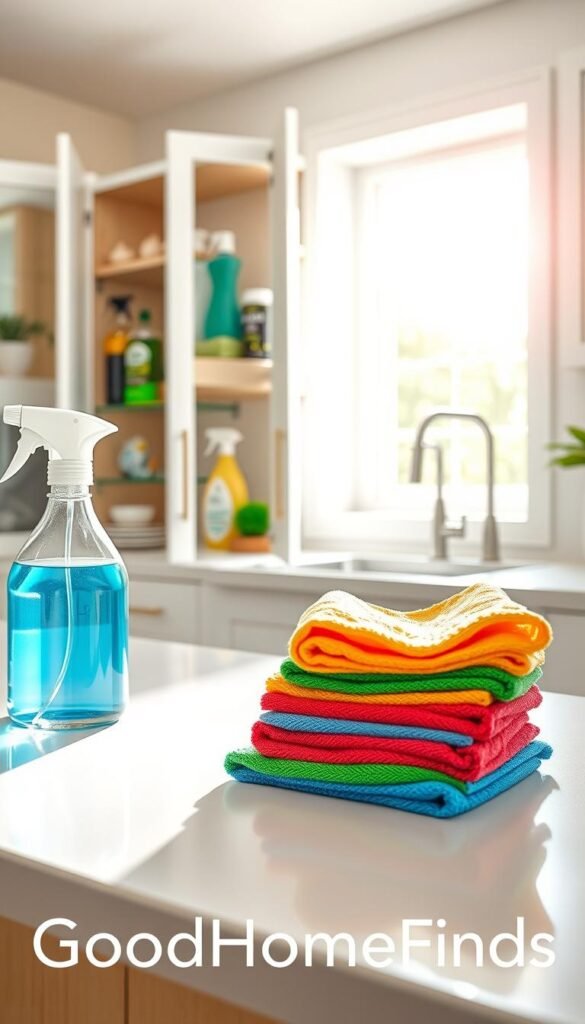
Microfiber cleaning cloths
Why: Fast, streak-free wipes for counters and tables.
Price/value: $10–$15 for multi-packs on Amazon. Pros: reusable, absorbent. Cons: must wash separately.
Refillable dish wand
Why: Soap in the handle means fewer tools at the sink.
Who: Busy parents and WFH lunches. Avoid overfilling to stop leaks.
Small scrub brush set
Why: Target grout, stove corners, and sink edges quickly.
Note: Spend a few dollars more for stiff, durable bristles that last.
Trash + donate bag station
Why: Prevents you from moving clutter between rooms.
Tip: Use two labeled bags or a small bin in an entry spot.
Plant-based all-purpose spray
Why: Quick wipe-downs for counters, appliance fronts, and the kitchen table.
Example: Method All-Purpose Cleaner is a common fast-delivery option on Amazon.
| Item | Typical price | Best use | Buy or skip |
|---|---|---|---|
| Microfiber cloths | $10–$15 | All surface wipes | Buy durable pack |
| Refillable dish wand | $8–$15 | Quick sink work / plates | Buy for speed |
| Scrub brush set | $10–$20 | Grout, stove, corners | Buy mid-range set |
| Trash + donate station | Under $25 | Declutter routing | Buy simple kit |
Price-value check: Spend a bit more on microfiber and brushes that last. Skip single-use gadgets that add clutter.
Safety & quality: Ventilate when spraying. Patch-test on appliances. Store products away from kids and pets. Wash microfiber separately and never use fabric softener.
For a starter mix that pairs well with these items, see this compact helper blend: daily-life finds mix.
Five products that work and better, budget-friendly alternatives
Fast sessions need reliable tools; choose items that perform in minutes, not hours. Below are practical pairings so you can finish a zone in one short run.
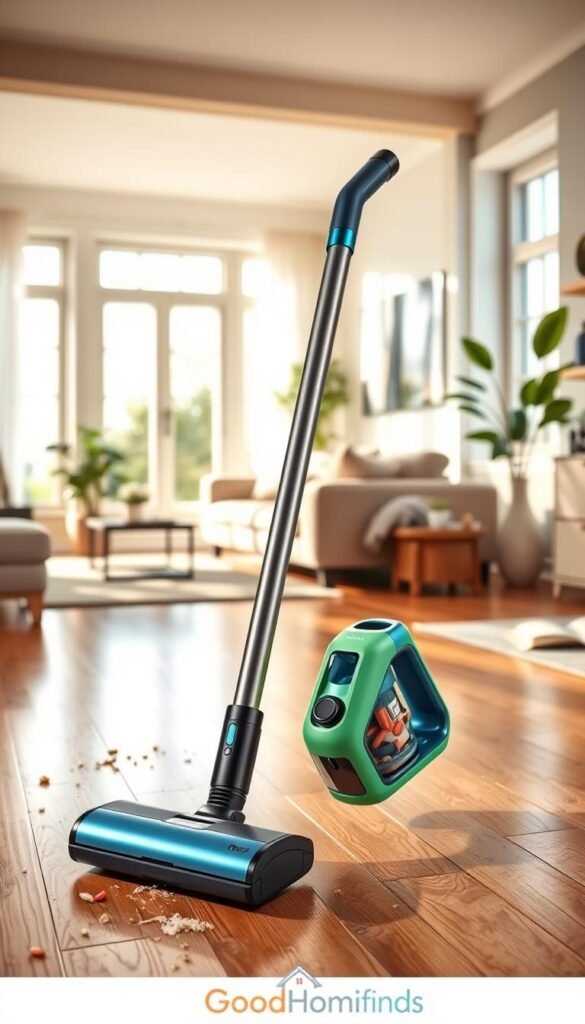
Handheld vacuum → Corded stick vacuum
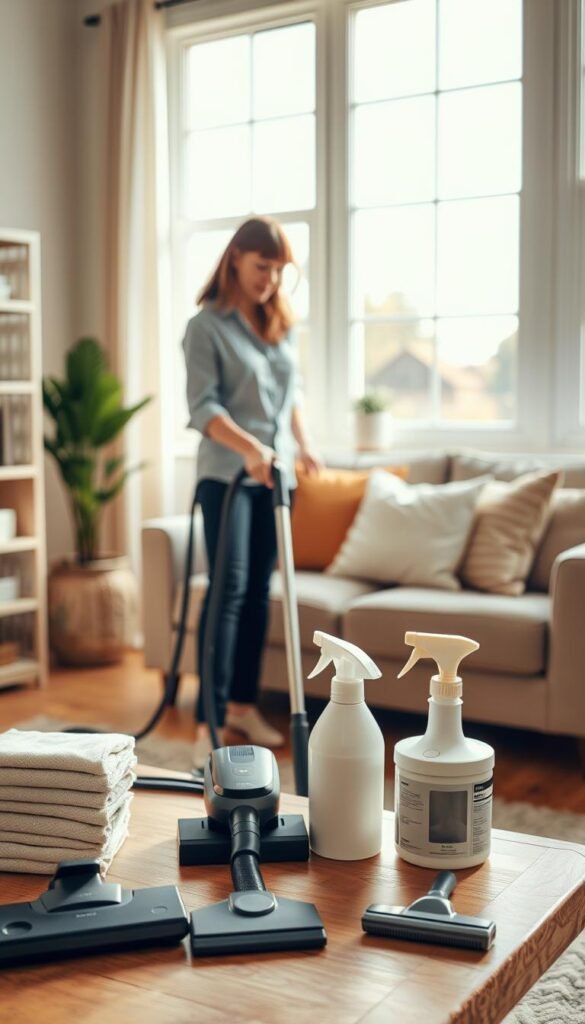
Handheld vacuum: Great for drawer dust, crumbs in a junk tray, or crumbs on a desk. Real-life: you can clear a junk drawer in one five-minute block. Pros: light and portable. Cons: weak suction and short battery life.
Better option: a corded stick vacuum gives stronger suction and won’t die mid-session. Who it’s for: families and busy kitchen areas. Avoid ultra-cheap models with poor filters.
Disposable wipes → Microfiber + spray
Disposable wipes: Fast for quick wipe-downs after a meal. Pros: convenience. Cons: cost and residue over time.
Better option: reusable microfiber plus a plant-based spray. It cuts long-term cost and leaves less residue. Wipes work for travel; microfiber is best for daily home work.
Bleach cleaner → EPA disinfectant or mild soap
Bleach: Effective for heavy sanitize jobs but fumes and surface damage are real risks. Use only with ventilation and care.
Better option: an EPA-registered spray used with correct dwell time, or plain soap and water for daily grime. Soap is often faster for routine kitchen counters and appliances.
Stainless-steel spray → Dish soap + microfiber
Single-purpose polish removes fingerprints fast. But specialty sprays add cost and clutter.
Better option: a drop of dish soap on a microfiber cloth often finishes the job in the same minutes and is gentler on finishes.
Cheap bulk sponges → Name-brand scrub or washable pad
Budget sponges scrub well at first but shed and fall apart. That slows you down.
Better option: a quality scrub sponge or washable pad lasts longer and avoids scratches on nonstick pans and glossy appliances.
| Who benefits | Best pick | What to avoid |
|---|---|---|
| Renters | Handheld vacuum, microfiber kit | Large, heavy gear you can’t store |
| Busy parents | Corded stick, durable sponges | Over-fragranced products |
| Small apartments / WFH | Compact vacuums, spray + cloth | Too many single-use gadgets |
What to avoid: scratch-prone tools, overpowering fragrances, unsafe mixing, and gadgets that add clutter and slow your method.
Cheaper alternatives: dollar-store bins for zone corralling, old towels as rags, and baking soda paste for stuck-on messes. For more budget picks and quick product ideas, see this helpful roundup: best cleaning solutions for busy homes and these practical finds: unsexy products that work. Also check compact tips for daily routines here: quick daily tips.
Turn it into a routine that sticks (and keep clutter from coming back)
Treat each room visit as an opportunity to reset the space with a tiny task. This simple habit makes the method work every day without big effort.
Daily “Rule of 5”
Rule: when you enter a room, put away five misplaced items. Keep it fast and obvious so it actually happens on busy days.
Real examples: in the bedroom return socks, a cup, a charger, a book, and a toy. In the kitchen clear five things off the counter to reset that spot.
Family-friendly challenge
Make it a quick game before dinner or bedtime. Each person takes one minute to return five items. Use a timer and praise small wins.
Why this helps: short challenges keep everyone involved and stop the living room drop place from turning into chaos.
When to pause the short bursts
If the timer went and you’re still buried—overflowing shelves, no place for things, or too much clutter—that’s a signal to switch gears. Don’t force more short sessions.
Practical pivot plan: schedule one longer session each week for the hardest zone (entryway or kitchen shelves). Keep the short routine for daily maintenance so those longer sessions feel manageable.
- Timer rule: decide before you start if you’ll allow one extra block. This prevents evening drift and burnout.
- Consistency beats intensity: small wins build momentum and make deep work easier later.
- Fast resources: see a comparison of quick entryway fixes for overflow spots and when to go longer at entryway fast vs full.
| Situation | Action | When to schedule longer session |
|---|---|---|
| Minor pile | Rule of 5 now | No |
| Overflowing shelf | Mark for weekly deep session | Yes |
| Family clutter | Five-item challenge | Weekly tidy together |
For a quick primer on why short bursts succeed, check this concise overview of the method: the 5×5 method guide. Small, steady habits keep your place livable and make big sessions less painful.
Conclusion
A single 25-minute round can reset your main surfaces and stop clutter from stacking up.
Focus on visible tidying, not perfect overhaul. Use one timer, hit five priority spots like the kitchen counter, entry, bedside table, desk, and a living surface. In short bursts you make real progress without losing time.
If a wildcard appears, deal with any safety issue first. Then mark the task for a longer session and restart the next block. Don’t let one surprise turn into an all-night project.
Worth-it basics under $25: microfiber cloths, a plant-based all-purpose spray, a refillable dish wand, a small brush set, and a trash/donate station. Avoid too many gadgets, scratchy tools, strong fragrances, and unsafe chemical mixing.
Start today: pick five zones, set the timer for 25 minutes, run one session, then use the Rule of 5 tomorrow to keep gains. For more on the five stages, see five stages, a primer on the 5×5 method, and budget fixes like this budget bathroom fix.
You don’t need a perfect house to feel better—just a repeatable routine that fits your time and real life.